لماذا يفقد المقر الرئيسي الفرنسي السيطرة على شركة تابعة رومانية تم الاستحواذ عليها

باختصار: عادةً ما يتعثر دمج الفرع الروماني مع المقر الرئيسي الفرنسي لسبب واحد. يفترض نموذج الصفقة أن حقوق اتخاذ القرار وعادات إعداد التقارير ستتوافق من تلقاء نفسها. لكن هذا نادرًا ما يحدث. فباريس تواصل الإبلاغ عن تحقيق التآزر على مستوى اللجنة التوجيهية، بينما يستمر المصنع في العمل وفقًا للعقود القديمة والأنظمة المحلية. لكن تعيين مدير مؤقت للدمج في الموقع يغير هذا الوضع. ويقدم المدير تقاريره مباشرة إلى اللجنة التنفيذية الفرنسية، ويقوم ببناء قاعدة واحدة من الحقائق التي تم التحقق منها. ثم تعمل هذه المهمة على تحويل منطق الصفقة إلى تغيير تشغيلي حقيقي، وليس مجرد تعديل ثقافي مفتوح النهاية. العامل المحفز: التآزرات غير المستغلة للصفقة والانفصال عن أرضية المصنع عادةً ما تبدأ عمليات الاستحواذ عبر الحدود على الأصول الصناعية الرومانية من قبل المجموعات الفرنسية بحجة تجارية واضحة. لا تزال فرنسا واحدة من أكبر مصادر الاستثمار الأجنبي المباشر في رومانيا. وقد أقامت المجموعات الفرنسية علاقات صناعية في قطاعات السيارات والفضاء والطاقة على مدى عقود. وتسلط وثائق مجلس الإدارة الضوء على القرب اللغوي والقدرة التنافسية من حيث التكلفة باعتبارهما عوامل طبيعية تتيح التكامل السريع. وبعد مرور ستة إلى اثني عشر شهراً من إتمام الصفقة، يبدو الوضع مختلفاً. حيث تراجع اللجنة التوجيهية للمجموعة الفرنسية عرضاً تقديمياً شهرياً. ويُظهر التقرير وجود عقود شراء مكررة لا تزال سارية في المصنع الروماني. كما يُظهر سير عمل نظام تخطيط موارد المؤسسات (ERP) الذي لم يتبناه المصنع بعد. وقد بدأ التباين يظهر بين التقدم المعلن والواقع التشغيلي. وغالبًا ما تتردد اللجان التنفيذية في باريس أو ليون في التدخل مباشرة في هذه المرحلة. فهي تفترض بشكل معقول أن الشركة المستحوذ عليها، إذا كانت تدار بشكل جيد، ستتبنى معايير المجموعة وفقًا لجدولها الزمني الخاص. وفي الوقت نفسه، يستمر المصنع في العمل وفقًا لممارساته الراسخة. ولم يطلب أحد حتى الآن من القيادة المحلية، التي تتمتع بسلطة تنفيذية واضحة، أن تتصرف بطريقة أخرى. وعادةً ما تتحول هذه المرحلة إلى مسألة مالية. فلم تتحقق أوجه التآزر في مجال المشتريات التي تم تضمينها في دراسة الجدوى الخاصة بالصفقة. وتتأخر عمليات التسوية في التقارير المالية. وعند هذه النقطة، تدرك الإدارة المركزية حقيقةً صعبة. فملكية الكيان لا تعني بالضرورة السيطرة على طريقة تشغيله. لماذا يتعثر التكامل عبر الحدود بعد الاندماج بين باريس ورومانيا غالبًا ما تشترك المجموعات الصناعية الفرنسية والشركات التابعة التصنيعية الرومانية في افتراض معقول ولكنه غير كامل. فهي تتوقع أن يؤدي القرب اللغوي والتاريخي إلى تسهيل عملية الانتقال بشكل أسرع مقارنةً بسوق لا توجد فيه نقاط مرجعية مشتركة. وهذا الافتراض ليس خاطئًا. لكنه غير كامل. فالاحتكاك الذي يعقب عملية الاستحواذ الفرنسية-الرومانية لا علاقة له بالثقافة. بل ينبع من نظامين تشغيليين مختلفين لحقوق اتخاذ القرار لم يقم أحد بالتوفيق بينهما عند إتمام الصفقة. عادةً ما تدير المجموعات المؤسسية الفرنسية شؤونها من خلال هياكل لجان متعددة المستويات، مثل «لجنة الإدارة» (Comité de Direction) و«لجنة التنفيذية» (Comex). وتعمل هذه المجموعات وفقاً لخطوط إبلاغ مزدوجة: سلسلة الكيان القانوني وسلسلة وظيفية تغطي المشتريات والجودة والموارد البشرية. وبمجرد أن يوافق المقر الرئيسي على سياسة ما مركزياً، فإنه يتوقع أن تُطبق تلك السياسة بشكل موحد، مع ترك هامش محدود من السلطة التقديرية المحلية لتكييفها. فهم هيكل الحوكمة والمنطق التشغيلي لمصنع روماني تعمل العديد من شركات التصنيع الرومانية وفق منطق مختلف، ولكنه متماسك بنفس القدر. فقد بدأت العديد منها كمصانع مملوكة للدولة، أو كموردين من القطاع الخاص يستهدفون السوق المتوسطة. وعادةً ما يتحمل المدير العام مسؤولية مباشرة وشخصية عن إنتاج المصنع والقوى العاملة وعلاقات الموردين. وتتراكم هذه السلطة على مدى سنوات، وليس أشهر. يعتمد مديرو المشتريات المحليون على علاقات طويلة الأمد مع الموردين، والتي حافظت على استمرار الإنتاج بشكل موثوق. ويبدو تحويل حجم المشتريات إلى عقد تم التفاوض عليه على مستوى المجموعة بمثابة خطر تشغيلي حقيقي من وجهة النظر هذه. فهو ليس مجرد تغيير يجب مقاومته. ويضيف القانون الروماني طبقة أخرى من التعقيد. فلا يمكن لمذكرة صادرة عن المقر الرئيسي أن تتجاوزه بمفردها. فإعادة الهيكلة ونقل الموظفين والتشاور مع مجلس العمل تنطوي على التزامات قانونية. وتقع هذه الالتزامات على عاتق إدارة الكيان المحلي نفسه، أياً كان من يتولى إدارته، وليس على تعليمات الشركة الأم وحدها. ولا يعتبر أي من النموذجين خاطئاً. فكل من النموذجين التشغيليين موجود لإدارة المخاطر في بيئته الخاصة. تغير عملية الاستحواذ تلك البيئة. لكنها لا تغير تلقائيًا عادات العمل لدى أي من الطرفين. وكما هو موثق في بحث استشهدت به مجلة «هارفارد بيزنس ريفيو»، فإن ما بين 70% إلى 90% من عمليات الاندماج تفشل في تحقيق التآزر المخطط له. يمثل عدم التوافق الثقافي والحوكمة أكبر عامل منفرد لتدمير القيمة في الصفقات العابرة للحدود. علامات التحذير التي تشير إلى توقف عملية دمج فرعك الأجنبي: لا يحتاج المسؤولون التنفيذيون وقادة الدمج في المجموعة إلى انتظار تدهور الهامش. فالتوقف في عملية الدمج يظهر في وقت مبكر، من خلال مجموعة من الإشارات المحددة والمتكررة. تؤكد الإدارة المحلية اعتماد مبادرات المجموعة خلال مكالمات المراجعة. وفي الوقت نفسه، لا يزال التنفيذ اليومي في أرض المصنع يعتمد على الأنظمة الموجودة بالفعل. وهذا ليس إخفاءً. بل يعكس فجوة حقيقية بين ما وافقت عليه الإدارة المركزية وما نفذه المصنع فعليًّا. تحتفظ الشركة التابعة بدفاترها القانونية في برامج محلية. وتقوم بمطابقتها مع حزمة تقارير المجموعة من خلال جداول بيانات يدوية، مما يضيف وقتًا ومخاطر حدوث أخطاء إلى كل دورة. ويستمر الشراء من خلال الموردين المحليين المعتمدين، بأسعار أعلى من العقود التي تفاوضت عليها المجموعة. وغالبًا ما ينطوي التغيير على مخاطر تسليم قصيرة الأجل لم يقم أحد بتقييمها مركزيًا. ويقع المهندسون ثنائيو اللغة، وقادة الجودة، ومشرفو الإنتاج في قلب عبء عمل التكامل. وقد بدأوا في المغادرة، متذرعين بالأعباء الإدارية الناجمة عن التقارير المتوازية، وليس بسبب عدم موافقتهم على عملية الاستحواذ بحد ذاتها. وفي الوقت نفسه، يقلل الرؤساء الوظيفيون الفرنسيون في أقسام تكنولوجيا المعلومات والموارد البشرية والمشتريات من الاتصال المباشر مع الشركة التابعة. ويشيرون إلى بطء أوقات الاستجابة، دون وجود مسار تصعيد واضح لحل السبب. ووفقًا لرؤى شركة ماكينزي آند كومباني حول التكامل بعد الاندماج، فإن تحقيق التآزر يتطلب تنسيقًا تشغيليًّا مباشرًا وميدانيًّا خلال أول 100 يوم بعد إتمام الصفقة. وبمجرد أن تترسخ الهياكل المتوازية، يصبح تفكيكها أكثر تكلفةً بكثيرً وأكثر إثارةً للجدل من الناحية السياسية. وإذا استمرت أي إشارتان من هذه الإشارات لأكثر من دورة واحدة، فإن ذلك يبرر اتخاذ قرار على مستوى مجلس الإدارة، وليس مجرد ربع سنة آخر من المراقبة. المتطلبات الأساسية لتفويض تكامل فعال في الموقع: لا يحل تدقيق المكتب الرئيسي هذا الاحتكاك، ولا تسلسلة من الزيارات القصيرة للمصنع. يمكن للمدير الوظيفي الزائر أن يكتشف نفس العقود المكررة وجداول البيانات غير المتوافقة التي تظهرها العروض التقديمية الشهرية بالفعل. ما يغير المصنع فعليًا هو السلطة التنفيذية المستمرة في الموقع. وهذا يعني تفويضًا محددًا، وخط إبلاغ مباشر إلى اللجنة التنفيذية الفرنسية. ويمنح مدير التكامل المؤقت الذي يتمتع بخبرة صناعية حقيقية في فرنسا ورومانيا عملية الاستحواذ تلك السلطة على الفور. ولا يتعين على المؤسسة انتظار انتهاء عملية البحث عن مدير عام دائم. فهذه ولاية تكامل، وليست عملية إعادة هيكلة للمصنع أو مراجعة مستقلة لنظام الحوكمة. ولا يفتقر أي من الطرفين إلى الكفاءة. ما ينقص هو وجود مسؤول تنفيذي واحد خاضع للمساءلة
المدير التنفيذي المؤقت لشركة تابعة أجنبية: ضمان تلبية التزامات التسليم للعملاء في مصنع في المجر

باختصار: توجد حاجة إلى مدير تنفيذي مؤقت لشركة تابعة أجنبية في لحظة معينة. فقد استقال المدير التنفيذي لمصنع مجري دون سابق إنذار. ولا يوجد لدى مجلس الإدارة أي ممثل في الموقع. وعادةً ما يستغرق تعيين بديل دائم من أربعة إلى ستة أشهر، تشمل مراحل التوظيف والتفاوض وإتمام إجراءات الانتقال من جهة عمل منافسة. ويُغلق تعيين مدير تنفيذي مؤقت لشركة تابعة أجنبية هذه الفجوة. يتولى المدير التنفيذي المؤقت سلطة التوقيع القانونية بموجب قانون الشركات المجري. ويحافظ المدير التنفيذي المؤقت على التزامات التسليم للعملاء في الموقع ويحقق الاستقرار لفريق الإدارة المحلي. وبذلك، يرث الخلف الدائم شركة سليمة، وليس مشروعًا يحتاج إلى إعادة تأهيل. التعامل مع الاستقالة المفاجئة للمدير التنفيذي وفجوة القيادة التي تستمر ستة أشهر: نادرًا ما يستقيل المدير التنفيذي من مصنع في أوروبا الوسطى في توقيت مناسب. أحيانًا يقدم منافس عرضًا أفضل. وأحيانًا يصبح الخلاف مع المقر الرئيسي غير قابل للحل. وأحيانًا تفرض مشكلة تتعلق بالامتثال الخروج المفاجئ. ومهما كان السبب، يواجه مجلس الإدارة فجوة فورية في السلطات القانونية والتشغيلية والتجارية. وعادةً ما يكون تعيين مدير تنفيذي مؤقت في الفرع الأجنبي هو أسرع طريقة لسد هذه الفجوة. والرد التلقائي مفهوم. فالمصنع يضم رؤساء أقسام ذوي خبرة ومشرفين نوبات أكفاء. كما يمتلك معدات حديثة ومؤتمتة إلى حد كبير. ويفترض المقر الرئيسي أن المصنع قادر على إدارة شؤونه بنفسه لبضعة أشهر. وفي الوقت نفسه، تعمل شركة التوظيف من خلال عملية سليمة. نادرًا ما يسمح سوق العمل الصناعي في المجر بتحقق هذا الافتراض. ديناميكيات سوق العمل المجري تسرع من مخاطر الشواغر في المناصب التنفيذية. القيادة ذات الخبرة في المصانع نادرة في مدن مثل جيور، وديبريسين، وتاتابانيا، وسيكيسفيهيرفار. كل صاحب عمل منافس وشركة توظيف في المنطقة يعرف بالفعل الأسماء المهمة. يُنظر محليًّا إلى رحيل المدير التنفيذي على أنه إشارة، وليس مجرد شائعة. وفي غضون أسابيع، يبدأ مديرو العمليات، ومتخصصو ورش الأدوات، ورؤساء أقسام الجودة في تلقي مكالمات من المنافسين. وتبقى طلبات التمويل دون توقيع. وتظل النزاعات مع الموردين دون حل. وبحلول الأسبوع الثامن تقريبًا دون وجود مدير تنفيذي معين في الموقع، عادةً ما يصل هذا الانحراف إلى العملاء. يتبع ذلك تأخير في الشحنات، وتليها مكالمات صعبة من قسم المشتريات. لماذا يعد تعيين مدير تنفيذي مؤقت في الفرع الأجنبي أمرًا ضروريًا لاستمرارية العمليات؟ يتفاقم ضغطان منفصلان معًا بمجرد أن يفقد مصنع مجري مديره التنفيذي. أحدهما قانوني. والآخر هو ضغط سوق العمل. التمثيل القانوني والسلطة القانونية بموجب قانون الشركات المجري بموجب القانون المدني المجري (القانون رقم V لعام 2013)، يشغل المدير التنفيذي (ügyvezető) منصب المسؤول التنفيذي المسجل للشركة. ويخضع هذا المنصب لمحكمة التسجيل (Cégbíróság). تتطلب العقود التجارية الكبرى، والإقرارات الضريبية، والإقرارات الجمركية، والمدفوعات المصرفية المحلية توقيع مسؤول تنفيذي مسجل. يمكن للمدير التنفيذي تقديم استقالته في أي وقت. ومع ذلك، عندما تتطلب عمليات الشركة ذلك، لا تصبح الاستقالة سارية المفعول إلا بعد تعيين الشركة لمسؤول تنفيذي جديد. وإلا فإنها تصبح سارية المفعول في اليوم الستين بعد تقديم الإشعار. وإلى أن تقوم محكمة التسجيل بتسجيل مسؤول تنفيذي مؤهل رسمياً، أو تمنحه توكيلًا تجاريًّا كاملاً (cégvezető)، تواجه الشركة التابعة صعوبات في تنفيذ العقود الروتينية. كما تواجه صعوبات في التعامل مع النقابات العمالية المحلية والسلطات. إدارة الجدول الزمني الذي يستغرق ستة أشهر لعملية البحث عن مسؤول تنفيذي خلال فترات انتقال القيادة: لا تُعد عملية البحث التقليدية عن مسؤول تنفيذي في المجر عملية سريعة. هذا التأخير هيكلي، ولا يُعد مؤشراً على ضعف أداء شركة البحث. فالتعرف على القادة الصناعيين ثنائيي اللغة في جميع أنحاء المجر والنمسا وسلوفاكيا يستغرق وقتاً. وعادةً ما تستغرق عملية تقييم الكفاءات والحصول على موافقة مجلس الإدارة من ثمانية إلى اثني عشر أسبوعاً بحد ذاتها. ويضيف التفاوض بشأن التعويضات وتوقعات الحوكمة والعرض الرسمي من أسبوعين إلى أربعة أسابيع. وعادةً ما يلتزم كبار المديرين التنفيذيين الصناعيين المجريين بفترات إشعار تتراوح بين ثلاثة وستة أشهر. وغالبًا ما تعزز اتفاقيات عدم المنافسة القابلة للتنفيذ فترات الإشعار هذه. وهذا يضيف فترة تتراوح بين اثني عشر وأربعة وعشرين أسبوعًا إضافية قبل أن يتمكن الخلف من بدء عمله. اجمع هذه الأرقام معًا. النطاق الواقعي لفترة الفراغ في منصب المدير الإداري المؤقت في الفرع الأجنبي يتراوح بين أربعة وستة أشهر، وأحيانًا أطول. لا يمتلك أي شخص في المصنع السلطة الكاملة طوال تلك المدة بأكملها. ونادرًا ما تظهر هذه التكلفة كرقم واحد في ملفات مجلس الإدارة. بل تتراكم بدلاً من ذلك في حالات المغادرة، والشحنات المتأخرة، والقرارات المتعثرة الموضحة أدناه. وقد يكون معظمها قد حدث بالفعل بحلول الوقت الذي يظهر فيه في الأرقام. علامات التحذير من وجود شاغر تنفيذي غير مُدار في المصانع: نادرًا ما يفشل مصنع يفتقر إلى القيادة التنفيذية دفعة واحدة. ولا تستحق كل إشارة نفس القدر من الأهمية. الاحتكاك بين الأقسام: الإشارة التشغيلية الأساسية لوجود قيادة مؤقتة. العلامة الأكثر دلالة هي أيضًا الأسبق ظهورًا: الاحتكاك بين الأقسام الذي لا يملك أحد سلطة حله. تتحول اجتماعات الإنتاج والصيانة والجودة إلى نزاعات بدلاً من اتخاذ قرارات. يتعامل المدير التنفيذي المتمرس مع هذا التوتر على أنه اللحظة المناسبة للتحرك. فهذا ليس نمطًا يمكن الاستمرار في مراقبته. المخاطر اللاحقة لخلو منصب المدير التنفيذي لفترة طويلة في الفروع المحلية كل ما يتبع هذه الإشارة الأولى هو تأكيد إلى حد كبير، وليس معلومات جديدة. يبدأ مهندسو الجودة وقادة التحسين المستمر ومشرفو الورديات في تقديم استقالاتهم. ويشيرون إلى عدم اليقين بشأن القيادة المستقبلية للمصنع. ينحرف أداء التسليم في الوقت المحدد وبالكامل من المعدل المعتاد البالغ 98% نحو أرقام منخفضة في التسعينات أو أقل. وتؤدي الاختناقات غير المدارة وارتفاع تكاليف الشحن السريع إلى هذا التدهور. وتتراكم فواتير الموردين التي تحتاج إلى توقيع المدير التنفيذي دون سداد. وفي النهاية، يرفع ممثلو النقابات العمالية المحلية ومجلس العمل (üzemi tanács) شكاواهم مباشرةً إلى المقر الإقليمي، بدلاً من حلها محليًّا. وبحلول الوقت الذي تظهر فيه الإشارة الأخيرة، يكون المصنع قد افتقر بالفعل إلى سلطة محلية فعالة منذ بعض الوقت. وتعتمد الاستمرارية خلال فترة تغيير القيادة على أمر واحد: يجب أن يكون هناك شخص مسؤول بشكل واضح وفوري في الموقع، لا يكتفي بطمأنة مجلس الإدارة عن بُعد. وعادةً ما يكون التصرف عند ظهور الإشارة الأولى أقل تكلفة من انتظار ظهور الإشارات اللاحقة لتأكيدها. المتطلبات الأساسية لتفويض المدير التنفيذي المؤقت في الفرع الأجنبي المدير التنفيذي المؤقت في حالات الطوارئ ليس مجرد مسؤول مؤقت يحافظ على المنصب. ينطوي التفويض على المساءلة الكاملة عن أداء المصنع، وعلاقات العملاء، والالتزامات القانونية منذ اليوم الأول. ويتبع تسلسلاً يضع القرارات الأكثر إلحاحاً من حيث الوقت في المقام الأول. قبل وصول المدير التنفيذي، يتفق شريك مؤقت من CE على وتيرة تقديم التقارير مباشرةً مع مجلس الإدارة. كما يتفق الشريك على عتبة تصعيد المشكلات، ويستعرض التقدم المحرز كل أسبوعين طوال مدة التفويض. وتعني هذه الوتيرة أن الإشراف لا يتوقف أبدًا
ماذا يعني الاستثمار الإماراتي بالنسبة للعمليات الصناعية الألمانية

تلاحظ إحدى الشركات الصناعية الألمانية التي استقبلت استثمارات من دول الخليج تغيرًا في إقفال حساباتها في نهاية الشهر. فقد انتقلت الاستثمارات الإماراتية في الصناعة الألمانية من مرحلة الإعلان إلى مرحلة التنفيذ. وأكد المكتب الصحفي للحكومة الاتحادية هذا الإعلان في 10 سبتمبر 2026. ورحب الزعيمان بحزمة استثمارات إماراتية بقيمة 40 مليار يورو في ألمانيا. ولا يعطي هذا الرقم أي فكرة لمجلس الإدارة عن جدول التنفيذ الذي ورثه. ثلاثة أشكال للاستثمار الإماراتي في الصناعة الألمانية، وثلاثة جداول تنفيذ هذا المبلغ هو إعلان نوايا، وليس التزاماً مفصلاً. يسجل الإعلان المشترك الذي أوردته وكالة WAM 29 اتفاقية بين الشركات بقيمة تزيد عن 9.356 مليار يورو، وهي تترافق مع الحزمة الاستثمارية بدلاً من أن تكون جزءاً منها. ووصف الوزير سلطان أحمد الجابر هذا المبلغ بأنه إضافي إلى ما يقارب 34 مليار يورو تم استثمارها بالفعل، وفقًا لما أوردته صحيفة «هاندلسبلات» في 10 سبتمبر 2026. وما يهم من الناحية التشغيلية هو الشكل الذي تتخذه استثمارات الإمارات العربية المتحدة في الصناعة الألمانية. ففي حالة الاستحواذ، يصبح التحكم في عملية الدمج هو القيد الأول، وتعد شركة «كوفسترو» (Covestro) أوضح مثال على ذلك، وقد سبقت حزمة سبتمبر. أكملت شركة «إكس آر جي» (XRG)، الذراع الدولي لشركة «آدنوك» (ADNOC)، استحواذها على شركة «كوفسترو إيه جي» (Covestro AG) في 10 ديسمبر 2025، مع زيادة رأس المال بمبلغ 1.17 مليار يورو عند إتمام الصفقة. أما شركة «إماراتس جلوبال ألومينيوم» (Emirates Global Aluminium) فتُظهر نمطًا مختلفًا، حيث تعمل على توسيع أحد أصول إعادة التدوير الألمانية التي تمتلكها بالفعل. في كلتا الحالتين، يحدد المالك معايير إعداد التقارير، وتقوم الإدارة المالية الألمانية بإجراء عمليتي إقفال. كما أن السيطرة تنطوي على تسلسل تنظيمي. يخضع المشتري من خارج الاتحاد الأوروبي للفحص بموجب قانون الاقتصاد الخارجي (Außenwirtschaftsgesetz) ولائحة الاقتصاد الخارجي (Außenwirtschaftsverordnung)، اللذين تديرهما وزارة الاقتصاد والطاقة الاتحادية (Bundesministerium für Wirtschaft und Energie). وتسري اللائحة (EU) 2019/452 بالتوازي مع ذلك. تقع مسؤولية مراقبة الاندماج على عاتق «مكتب مكافحة الاحتكار الاتحادي» (Bundeskartellamt) أو، بموجب لائحة الاتحاد الأوروبي للاندماج، على عاتق المفوضية الأوروبية. ويمكن أن تفرض «لائحة الاتحاد الأوروبي بشأن الإعانات الأجنبية»، اللائحة (EU) 2022/2560، التزامات تحدد كيفية إدارة المالك للأصل. وتعتبر مجالس الإدارة هذه الالتزامات شروطًا لإتمام الصفقة. وهي تحدد شروط التشغيل لمدة عامين. ويؤدي وجود حصة أقلية إلى تحويل المسألة من مسألة السيطرة إلى مسألة المعلومات؛ حيث يفرض رأس المال الأقلية التزامًا بالإبلاغ على الشركة التي لم تكن تخضع لمثل هذا الالتزام من قبل. أعلنت مجموعة «بارتنرز جروب» (Partners Group) في 14 يوليو 2025 أن اتحاد شركات قد وافق على الاستحواذ على شركة «تيشيم» (Techem) في إيشبورن، مع انضمام شركة «مبادلة» للاستثمار بصفتها مستثمرًا أقلية. ينطبق مبدأ المشاركة في اتخاذ القرار على قدم المساواة بموجب قانون المشاركة في اتخاذ القرار (Mitbestimmungsgesetz) لعام 1976 على الشركات التي يزيد عدد موظفيها عن 2,000 موظف، بينما ينطبق قانون المشاركة الثلثية (Drittelbeteiligungsgesetz) على الشركات التي يتراوح عدد موظفيها بين 500 و1,999 موظف. ويكتسب المساهم الأقلية رؤية واضحة لمجلس الإشراف الذي لا يمكنه إعادة تشكيله، ويقع العبء على الجهة المسيطرة وليس على المنشأة. يجعل تمويل المشروع من تقديم التقارير عن الإنجازات المرحلية نظامًا تشغيليًّا صارمًا؛ ويُعد رأس مال المشروع هو الأكثر تطلبًا بين العناصر الثلاثة، لأنه يرتبط بمواعيد محددة. أعلنت شركة RWE في 6 فبراير 2026 عن توقيع مذكرة تفاهم مع شركة «مصدر». وستستكشف «مصدر» إمكانية الاستثمار بحلول عام 2030 في أصول تخزين البطاريات الحالية المملوكة لشركة «آر دبليو إي» والتي تصل سعتها إلى 1 جيجاواط في ألمانيا، مع إضافة 1 جيجاواط أخرى بحلول عام 2035. وهذا يحدد النية، وليس الإنجاز. ويستمر هذا النمط عندما لا يكون المستثمر هو الطرف المقابل. أعلنت شركة «جلوبال فوندريز» (GlobalFoundries)، وهي المجموعة التي يقع مقرها الرئيسي في الولايات المتحدة وتمتلك شركة «مبادلة للاستثمار» حصة كبيرة فيها، في 28 أكتوبر 2025 عن توسعة لموقعها في دريسدن بقيمة 1.1 مليار يورو، مما سيرفع إنتاجها إلى ما يزيد عن مليون رقاقة سنويًا بحلول نهاية عام 2028، مع توقع الحصول على دعم من الحكومة الفيدرالية وولاية ساكسونيا الحرة بموجب قانون الرقائق الأوروبي. وهذا تمويل من رأس مال الشركة، وليس جزءًا من حزمة سبتمبر. ويضيف التمويل المشترك العام أدلة على عمليات التدقيق ومراحل الإنجاز، وبالتالي يصبح جدول الإبلاغ قيدًا على الإنتاج، وليس مهمة مالية. تحدد العلاقة بين المقر الرئيسي والموقع مسار العمليات الصناعية الألمانية بعد الاستثمار الأجنبي. حقوق اتخاذ القرار قبل صيغ إعداد التقارير. المسافة تغير الآليات، وليس الجو العام فحسب. تعمل لجنة المساهمين في الخليج وفق أسبوع عمل مختلف، لذا فإن مسألة رأس المال المطروحة يوم الخميس تنتظر الأسبوع التالي. ويواجه مجلس الاستثمار، الذي اعتاد على تفاصيل التشغيل الشهرية، وظيفة رقابية مصممة لمجلس الإشراف الذي يجتمع كل ثلاثة أشهر. لا يعد أي من هذين التوقعين غير معقول، لكنهما يتعارضان مع بعضهما البعض. هذه هي المفاضلة التي يديرها مجلس الإدارة فعليًّا. فالتلبية السريعة لاحتياجات المالك من المعلومات تميل إلى إبطاء القرارات المحلية، في حين أن حماية سرعة اتخاذ القرار تترك المالك في حالة من عدم اليقين لفترة أطول. ويقرر مجلس الإدارة مقدار التأخير في اتخاذ القرار الذي يقبله، ومدة هذا التأخير. والتسلسل مهم هنا. تأتي حقوق اتخاذ القرار في المرتبة الأولى، لأن الصيغ المتفق عليها قبل منح الصلاحيات تنتج أرقامًا سريعة لا يمكن لأحد في الموقع العمل بناءً عليها. ويأتي مسار تفويض رأس المال في المرتبة الثانية، لأن المشروع المتعثر هو أول تكلفة يلاحظها العميل. أما تنسيق الرقابة فيأتي في المرتبة الأخيرة. وفي العمليات الصناعية الألمانية بعد الاستثمار الأجنبي، غالبًا ما ينعكس هذا الترتيب. بعد انتهاء الربع الثاني، يظهر التأثير في التسليم قبل أن يظهر في الحسابات، وهو نمط تحددته شركة CE Interim في عملها المتعلق بالتكامل بعد الاندماج. الجداول الزمنية لمجلس العمل هي التي تحدد التوقيت: بموجب المادة 106 من قانون تنظيم العمل (Betriebsverfassungsgesetz)، يجب على الشركة التي يزيد عدد موظفيها عن 100 موظف إخطار لجنتها الاقتصادية (Wirtschaftsausschuss) بأي تغيير تجاري جوهري. أي تغيير يُصنف على أنه «تغيير تشغيلي» (Betriebsänderung) يؤدي إلى بدء عملية التوفيق بين المصالح ووضع الخطة الاجتماعية بموجب المواد من 111 إلى 113. ويحدد جدول أعمال مجلس العمال وتيرة التغيير القابلة للتحقيق، وليس تقرير لجنة الاستثمار. فحص جاهزية التنفيذ خلال أول 180 يومًا: يمكن لمجلس الإدارة قياس معظم ذلك قبل إتمام الصفقة الأولى مع المالك. هناك ثلاثة أسئلة تحدد الوضع الحالي للموقع، ولكل منها عتبة معينة. القرار المطروح الآن أمام مجلس الإدارة بشأن الاستثمار الإماراتي في الصناعة الألمانية لا يمثل في حد ذاته مخاطرة تشغيلية. تكمن المخاطرة في الفجوة بين أعباء الحوكمة الجديدة والقدرة الإدارية الحالية، في الوقت الذي يلتزم فيه المصنع بتعهداته المتعلقة بالتسليم. مبلغ الـ 10 مليارات يورو المخصص لولاية بافاريا الحرة ليس له مستفيد محدد، لذا يجب على مجالس الإدارة التخطيط بناءً على الهياكل وليس العناوين الرئيسية. الخيارات أضيق مما يوحي به الإعلان. يمكن لمجلس الإدارة تحمل العبء الجديد بفريقه الحالي، أو إعادة بناء القيادة المالية والتشغيلية للحفاظ عليه بشكل دائم، أو قبول أن الموقع لا يمكنه الوفاء بالالتزامات التي تم التعهد بها نيابة عنه وإعادة طرح مسألة النطاق أو الملكية أو الإغلاق. عندما تكون الفجوة محددة ومحدودة زمنياً، يمكن للمدير المالي المؤقت أو المدير التنفيذي للعمليات تولي الأمر، بموجب تفويض مكتوب. ويحدد التفويض من يتولى مسؤولية تقديم التقارير إلى المالك الجديد،,
تصاعد التوترات في سلسلة التوريد الأوروبية لقطاع السيارات: عندما تتطلب عمليات تدقيق الجودة التي يجريها العملاء استبدالاً فورياً للقيادة في بولندا
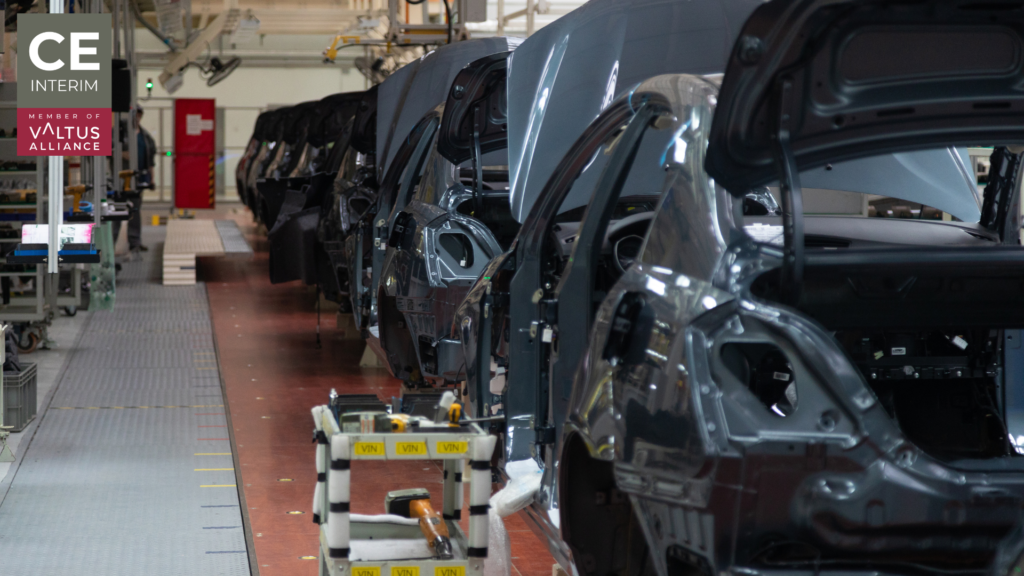
باختصار: قامت إحدى شركات تصنيع المعدات الأصلية (OEM) الأوروبية برفع مستوى الإخفاقات المتكررة في الجودة في مصنع بولندي من الفئة الأولى إلى «المستوى الثاني من الشحن الخاضع للرقابة». وقد فشل تدقيق VDA 6.3. وفي هذه المرحلة، تعتمد استعادة جودة منتجات السيارات على القيادة، وليس على إجراء مراجعة أخرى للأسباب الجذرية. هناك خمسة شروط تحدد حدوث هذا التحول: عودة العيب نفسه بعد إغلاق تقرير 8D، وعدم رفع إجراءات الاحتواء، وتصعيد العميل للمشكلة إلى الرئيس التنفيذي للمجموعة، وخفض تصنيف VDA 6.3، ورد دفاعي من إدارة المصنع. وبمجرد ظهور شرطين أو أكثر معًا، يصبح استعادة جودة السيارات مهمة المدير التنفيذي للعمليات (COO). يتوجه مسؤول تنفيذي مؤقت يتمتع بسلطة إصلاح الأوضاع إلى الموقع. من الفشل التقني إلى أزمة القيادة: الدافع وراء تصعيد الأمر إلى الشركة المصنعة الأصلية (OEM) — نادرًا ما يقوم المديرون التنفيذيون للعمليات في الشركة الأم باستبدال مدير مصنع تابع بعد فشل عملية تدقيق واحدة. وعادةً ما يتبع المسار المؤدي إلى استعادة جودة السيارات من خلال تغيير القيادة نفس التسلسل. يبدأ الأمر بارتفاعات منعزلة في معدل العيوب لكل مليون قطعة أو تباينات طفيفة في الأبعاد على بوابة العملاء. يؤكد مدير المصنع البولندي لمقر المجموعة أن الفريق يدرك السبب. وعادةً ما يُلقى اللوم على تباين المواد الخام أو تآكل الأدوات. ويقبل المقر ذلك. فهي استجابة معقولة. يعمل المصنع بكامل طاقته الإنتاجية والتفسيرات معقولة. كما أن التدخل عن بُعد ينطوي على خطر تقويض مكانة المدير الذي قد يكون على حق. يعتمد استعادة جودة السيارات على اكتشاف النمط قبل أن يترسخ. لهذا الصبر ثمن لا يظهر إلا لاحقًا. تواصل قيادة المجموعة الاعتماد على لوحات المعلومات الشهرية ومراجعات الجودة عن بُعد. وتفترض أن المصنع قادر على إغلاق تقارير 8D الخاصة به. وراء وعود احتواء المشكلة، لا يلتزم قسم الإنتاج بالتفاوتات المسموح بها في العمليات الأساسية. وتبدأ الأجزاء المعيبة بالوصول إلى خطوط التجميع الخاصة بمصنعي المعدات الأصلية في ألمانيا أو فرنسا أو جمهورية التشيك. وهذه هي النقطة العمياء التي يجب على استعادة جودة السيارات سدها أولاً. نقطة التحول هي إجرائية وليست عاطفية. يلجأ العميل إلى «مستوى الشحن الخاضع للرقابة 2» (CS2) ويضع مفتشين من طرف ثالث في الموقع على نفقة المورد. ثم يُظهر تدقيق عملية VDA 6.3 اللاحق نتيجة فاشلة. عند هذه النقطة، يصدر مدير الجودة في الشركة المصنعة للمعدات الأصلية (OEM) إنذارًا نهائيًا: إما استبدال القيادة في الموقع، أو فقدان العمل. وقد انفصلت الآن المسألة الفنية عن مسألة القيادة. ولا يزال قسم الإنتاج قادرًا على الإجابة على واحدة منهما فقط. ومن هذه النقطة فصاعدًا، يمر استعادة جودة السيارات عبر القيادة، وليس من خلال مراجعة هندسية أخرى. إدارة جودة السيارات عبر الحدود: التحديات الهيكلية والتشغيلية - التعامل مع الامتثال لتدقيق العمليات وفقًا لمعيار VDA 6.3 وتقييمات الموردين: تفرض شركات تصنيع المعدات الأصلية (OEM) الألمانية والفرنسية والأوروبية الأخرى امتثال الموردين من خلال معيار تدقيق العمليات VDA 6.3. ويقوم هذا المعيار بتقييم عناصر محددة من المشروع والإنتاج وفقًا لقواعد صارمة لخفض التصنيف. يؤدي الحصول على تقييم أقل من 80 في المائة إلى خفض تصنيف المورد تلقائيًا إلى التصنيف «C». وكذلك الحال عند الفشل في الإجابة على سؤال مميز يتعلق بمخاطر العملية. يجب أن تتم عملية استعادة جودة السيارات في إطار هذا المعيار، وليس من حوله. يؤدي التصنيف «C» إلى «تعليق الأعمال الجديدة». وهو يمنع المصنع من الحصول على عقود منصات مستقبلية ويؤدي إلى إجراء المزيد من عمليات التدقيق غير المعلنة. ويؤدي عدم الامتثال المستمر إلى تصعيد إضافي، إلى مستوى احتواء الشحن الخاضع للرقابة 2 (CS2)، والذي يتطلب قيام وكالة خارجية معتمدة بفحص كل قطعة يتم شحنها. وبمجرد تفعيل هذا الإجراء، لا يترك أي من ذلك مجالًا للتفاوض، ولا يمكن لمكالمة هاتفية إلى مدير حساب العميل عكس أي جزء منه. هذه الصرامة هي بالضبط السبب في أن استعادة جودة السيارات لا تترك مجالًا للتفاوض بعد وقوع المشكلة. سد فجوة الرؤية بين المقر الرئيسي ومصانع الإنتاج في العديد من مجموعات التصنيع العابرة للحدود، يتلقى المقر الرئيسي تقريرًا موجزًا عن درجة الخطورة. بينما يواجه العميل الواقع الكامل على خط التجميع. ونادرًا ما يكون هذا إخفاءً متعمدًا. فقيادة المصنع، تحت ضغط الإنتاج، لديها سبب حقيقي لتعامل كل إشعار جديد من الشركة المصنعة للمعدات الأصلية (OEM) على أنه شكوى روتينية أخرى. فهي تقدم تقرير 8D الذي يغلق التذكرة، وليس التقرير الذي يعالج الفجوة الأساسية في العملية. ولهذا السبب لا يمكن لاستعادة جودة السيارات الاعتماد على تقرير المصنع وحده. فالمقر الرئيسي نفسه يتتبع أرقام الإنتاج اليومية. وقد يتفوق تحقيق هذه الأرقام بهدوء على الالتزام بكل معايير الجودة، خاصةً قبل أن يؤدي تصعيد المشكلة من جانب العميل إلى جعل التوتر واضحًا. وتزيد الفجوة اللغوية والثقافية من حدة هذا الأمر. فقد يفسر مدير جودة المورد الألماني أو الفرنسي الذي يزور الموقع البولندي تفسيرًا يتعلق بقدرات الآلة على أنه مقاومة للمساءلة. وقد يكون هذا صحيحًا حتى عندما يصف المصنع قيدًا حقيقيًّا. لا يتصرف أي من الطرفين بسوء نية. فكل منهما يعمل بناءً على معلومات مختلفة وحوافز مختلفة. وتستمر الفجوة في الاتساع طالما لم يكن لأي شخص خارج المصنع رؤية مباشرة لها. وهذا أيضًا هو السبب في أن صبر العملاء أصبح أقصر مما كان عليه في السابق. تشير دراسة BCG العالمية لموردي السيارات لعام 2026 إلى ضغوط مستمرة على هوامش الربح في تصنيع السيارات عبر قاعدة مصنعي المعدات الأصلية (OEM). وتدفع هذه الضغوط مصنعي السيارات إلى فرض شروط أكثر صرامة بشأن تمرير التكاليف والجودة على مستويات مورديهم. فمصنع المعدات الأصلية الذي يدير هوامشه بنفسه لديه مجال أقل لاستيعاب حالات عدم المطابقة المتكررة. كما أن صبره يقل تجاه المصنع الذي يتعامل مع تصعيد شكوى العميل من الشركة المصنعة للمعدات الأصلية (OEM) على أنه مشكلة في التواصل. فالمشكلة تكمن في التشغيل، وليست في التواصل. يعتمد استعادة الجودة في قطاع السيارات الآن على السرعة بقدر ما يعتمد على الجوهر. المؤشرات الرئيسية لمديري العمليات (COOs): عندما تتطلب استعادة الجودة في قطاع السيارات تغييرًا في القيادة يعود العيب نفسه بعد إغلاق ملف 8D تم التحقق منه. يقدم المصنع إجراءً تصحيحياً رسمياً. ويقبله العميل. ثم يعاود العيب نفسه الظهور في الإنتاج التسلسلي في غضون ثلاثين إلى ستين يوماً. هذه هي الإشارة الأوضح المتاحة. إن إجراءات الاحتواء والانضباط في تنفيذ الإجراءات التصحيحية في الموقع لا تزال غير قادرة على تثبيت الحل، مهما كان ما يقوله تحليل السبب الجذري على الورق. لا يتم رفع مستوى الاحتواء CS2 في غضون ثمانية أسابيع تقريبًا. تتراكم تكاليف التفتيش من قبل الجهات الخارجية بسرعة، وغالبًا ما تصل إلى مئات الآلاف من اليورو شهريًّا. المصنع الذي لا يستطيع الخروج من مستوى CS2 خلال تلك الفترة يكون قد فقد السيطرة على نظام الجودة الخاص به. فهو لم يواجه مجرد عيب صعب. تتصل قيادة الجودة أو المشتريات لدى العميل مباشرةً بالرئيس التنفيذي للمجموعة. إن قيام مصنع المعدات الأصلية (OEM) بتجاوز علاقة الحساب للوصول إلى الرئيس التنفيذي للمجموعة أو مدير العمليات (COO) يشير إلى أمر محدد. فقد استنفد الهيكل الحالي صبره، ويتوقع العميل الآن عواقب على مستوى الموظفين، وليس مجرد تحديث آخر للحالة. يُسفر تدقيق VDA 6.3 عن تصنيف «C». ويقدم التدقيق تأكيدًا خارجيًا ومنظمًا على أن الفشل التشغيلي هو فشل منهجي. النتائج في
إدارة عملية نقل الأدوات وتصفية المخزون أثناء إغلاق مصنع للسيارات في المجر
باختصار، يُعد نقل الأدوات أثناء إغلاق المصنع مشكلة تتعلق بتسلسل العمليات، وليست مشكلة لوجستية. إن إغلاق مصنع لمكونات السيارات في المجر يعني تشغيل ساعتين في آن واحد. تتعقب إحدى الساعتين السرعة التي يمكن بها نقل الأدوات المعتمدة إلى موقع الاستلام. أما الأخرى فتتعقب السرعة التي يجب أن تصل بها المواد الخام والمخزون النهائي إلى الصفر. وإذا أُسيء تقدير التسلسل، فإن الشركة تواجه من جهة توقف خط إنتاج أحد مصنعي المعدات الأصلية (OEM)، ومن جهة أخرى تواجه مخزونًا عالقًا. تتطلب حماية التسليم للعملاء وجود مسؤول تنفيذي واحد في الموقع، وعادةً ما يكون مديرًا مؤقتًا للمصنع أو مديرًا للإغلاق. ويحتاج هذا المسؤول التنفيذي إلى سلطة مباشرة على تسلسل الإنتاج، والاحتفاظ بالمخزون، وجميع أوامر الشراء حتى يتم شحن القوالب النهائية. التحديات الاستراتيجية لإغلاق مصانع السيارات وتوحيد الإنتاج عندما يقرر مورد من المستوى الأول في صناعة السيارات توحيد وجوده، تميل مناقشات مجلس الإدارة إلى التركيز على المستقبل. يتصور القادة انخفاض تكلفة العمالة في موقع الاستلام، وعددًا أقل من المواقع الثابتة التي يجب إدارتها، وميزانية عمومية أكثر وضوحًا. قد يبدو إغلاق مصنع بالقرب من تجمع صناعة السيارات الراسخ في المجر، مثل جيور أو سيكيسفيهيرفار، أمرًا ماليًّا بسيطًا على الورق. لكن التنفيذ هو المكان الذي يواجه فيه الخطة مقاومة. بمجرد وصول خبر الإغلاق إلى أرض المصنع، يبدأ صانعو الأدوات المعتمدون، ومُعدُّو الآلات، ومهندسو الجودة في البحث عن فرص عمل في أماكن أخرى. وتوفر لهم قاعدة موردي صناعة السيارات الكثيفة في المجر خيارات عديدة. ترتفع معدلات التغيب عن العمل. وتتراجع الصيانة الوقائية للضواغط القديمة. وتزداد كميات الخردة في خطوط الإنتاج التي كانت مستقرة سابقًا. ولا يشير أي من هذا إلى مصنع يُدار بشكل سيئ. بل هو ما يحدث بمجرد أن تدرك القوة العاملة أن موقع عملها له تاريخ انتهاء. وفي الوقت نفسه، يتحرك عميل المصنع الأصلي (OEM) لحماية نفسه. بموجب متطلبات IATF 16949 و AIAG PPAP، لن يسمح مصنع المعدات الأصلية (OEM) بمغادرة أي قالب أو أداة تصنيع معتمدة. فهو ينتظر حتى يضمن المصنع وجود مخزون احتياطي متفق عليه من المكونات النهائية، وحتى يجتاز الموقع المستلم اختبار التأهيل الخاص به. وقد افترضت دراسة التكلفة عملية تسليم سلسة. الواقع التشغيلي هو فترة زمنية ضيقة بين تاريخين. الأول هو عندما يكتمل المخزون الاحتياطي. والثاني هو عندما يكون المصنع المستلم جاهزًا فعليًا للإنتاج. إدارة الجداول الزمنية المتضاربة: لوائح العمل مقابل معايير الجودة الخاصة بمصنعي المعدات الأصلية (OEM) لا ينجح نقل الأدوات أثناء إغلاق المصنع إلا عندما يتطابق الجدول الزمني الخاص بالعمالة مع الجدول الزمني الخاص بجودة مصنعي المعدات الأصلية (OEM). وفي الوقت الحالي، لا يتطابقان عادةً. بموجب قانون العمل المجري (القانون رقم 1 لعام 2012)، يؤدي التسريح الذي يؤثر على نسبة كبيرة من القوة العاملة إلى إجراء مشاورات رسمية. يجب على صاحب العمل إخطار مجلس العمل أو النقابة قبل سبعة أيام من بدء المفاوضات. ثم يجب عليه مواصلة تلك المفاوضات لمدة خمسة عشر يومًا على الأقل، أو حتى التوصل إلى اتفاق. كما يجب على صاحب العمل إخطار وكالة التوظيف قبل ثلاثين يومًا من وصول إخطارات الفصل إلى الموظفين. هذه هي الحدود الدنيا القانونية، وليست أهدافًا تخطيطية. ولا يترك الإغلاق الذي يتم وفقًا لنص القانون حرفيًا أي هامش للخطأ. ويبدأ صانعو الأدوات المتخصصون في المغادرة في اليوم الذي يصدر فيه الإعلان. وفي الوقت نفسه، يعمل نظام الجودة الخاص بالمصنع الأصلي وفقًا لجدوله الزمني الخاص. تعتبر عملية PPAP نقل الأدوات تغييرًا جوهريًّا في موقع التصنيع. ولا يمكن للمصنع المستقبل شحن قطع الإنتاج حتى يوافق المصنع الأصلي (OEM) على عيناته الأولية. وعادةً ما يقوم الموردون بتكوين مخزون أمان يكفي لمدة تتراوح بين 45 و90 يومًا من الحجم المؤكد للعملاء قبل فصل الأداة. يعتمد النطاق الدقيق على مدى تعقيد الأدوات ومدى سرعة وصول موقع الاستلام إلى وقت دورة مستقر. تكمن التكلفة الحقيقية لإغلاق المصنع في الفجوة بين هذين الجدولين الزمنيين، وليس في تكلفة إعادة الهيكلة المعلنة. إن إيقاف الإنتاج قبل اكتمال المخزون الاحتياطي يعرض المجموعة لغرامات توقف خط الإنتاج من قبل الشركة المصنعة للمعدات الأصلية (OEM). أما الإفراط في التصحيح، وتكوين مخزون يتجاوز احتياجات المصنع المستلم، فيؤدي إلى بقاء رأس المال العامل عاطلاً في مصنع يحاول الإغلاق. ولا يمثل أي من هذين الخطأين مشكلة تصنيعية. فكلاهما ينجم عن إدارة الجدول الزمني للعمالة والجدول الزمني للجودة بشكل منفصل، وفقًا لتواريخ مختلفة. علامات الإنذار المبكر بفشل التشغيل أثناء إغلاق المصنع: يصبح الفشل التشغيلي أثناء الإغلاق مرئيًا قبل أسابيع من مغادرة أداة واحدة للمبنى. كل ما يحتاجه فريق الشركة هو معرفة أين يبحث. يتخلف المصنع عن معدل التشغيل المطلوب لإكمال احتياطي الأمان. وعادةً ما يتسبب في ذلك تعطل الآلات أو الخردة على خطوط الإنتاج المهملة والمتقادمة. تعد الاستقالات الطوعية بين صانعي الأدوات المعتمدين ومُعدّي القوالب إنذارًا أكثر حدة من التناقص الطبيعي في عدد الموظفين. هؤلاء هم الأشخاص القلائل القادرون على الحفاظ على تشغيل الأداة وتجهيزها لنقل سلس. وفقدان واحد منهم فقط يعرض أدوات محددة للخطر. تستمر إدارة المشتريات أحيانًا في تقديم الطلبات استنادًا إلى معايير نظام تخطيط موارد المؤسسة (ERP) التاريخية بدلاً من حساب ’الاستنفاد» المرتبط بعمليات التشغيل الاحتياطية النهائية. هذه العادة هي السبب في أن المصنع المتقلص ينتهي به الأمر بمخزون عالق. كما أن موقع الاستلام الذي يبلغ عن تأخيرات في أعمال الأساسات أو المرافق أو سعة الرافعات يرسل إشارة خاصة به. فالأدوات المقرر خروجها في الموعد المحدد لن تجد مكانًا تذهب إليه. إطار عمل من أربع مراحل لنقل الأدوات وإغلاق المصنع بسلاسة يُعد إغلاق المصنع ونقل الإنتاج دون إحداث اضطراب للعملاء عملية تتطلب تسلسلًا منطقيًّا. فالترتيب مهم بقدر أهمية الخطوات نفسها. المرحلة 1: إرساء الرقابة التشغيلية والاحتفاظ بالقوى العاملة يحتاج المدير التنفيذي الجديد إلى جدول زمني متكامل واحد. يجب أن يوفق هذا الجدول بين الجدول الزمني القانوني للعمالة والجدول الزمني لأدوات العملاء وPPAP، رقم قطعة تلو الآخر. يتتبع الجدول حالة الأدوات ومعدل التشغيل والاحتياطي المطلوب. وهناك قراران لا يمكن تأجيلهما. أولاً، يقوم المدير المؤقت للمصنع بإيقاف تشغيل ميزة الإنشاء التلقائي لأوامر الشراء. ومن هذا الوقت فصاعدًا، يتطلب كل التزام بشراء المواد الخام موافقة شخصية من ذلك المدير التنفيذي وفقًا لخطة استنفاد المخزون. لم تعد المعلمات التاريخية لنظام تخطيط موارد المؤسسة (ERP) هي التي تحدد أي شيء. ثانيًا، يتم تقديم هيكل الاحتفاظ بالموظفين إلى مجلس العمل جنبًا إلى جنب مع المشاورات القانونية. ترتبط المكافآت بالحضور والجودة وإتمام اختبارات السلامة النهائية. ونادرًا ما تمنع فترة الإشعار القانونية وحدها صانع الأدوات المعتمد من قبول العرض التالي. ثم توفر توقعات «النقد حتى الإغلاق» لمجلس الإدارة رقمًا واحدًا لإدارة عملية الإغلاق وفقًا له. وهي تغطي تكاليف الاحتفاظ بالأدوات، واللوجستيات، وعائدات التخلص، والجدول الزمني للتصفية. المرحلة 2: بناء وإدارة المخزون الاحتياطي لمكونات مصنعي المعدات الأصلية (OEM) يعمل المصنع بالسرعة اللازمة لإكمال المخزون الاحتياطي المتفق عليه مع العملاء. تركز الصيانة على القوالب والقالب التي لا تزال مطلوبة، وليس على مجموعة الأدوات بأكملها. مع إنتاج المصنع للمخزون، يتم نقله إلى مستودع خاضع للرقابة الجمركية،,
إعادة هيكلة منصب المدير التنفيذي المؤقت لشؤون الأبحاث السريرية مقابل تعيين مدير عام مؤقت: اختيار القيادة لشركة تابعة تشيكية تخسر أموالاً

باختصار: إن تكليفًا مؤقتًا بإعادة الهيكلة من قبل شركة استشارات إدارية (CRO) هو الحل الأمثل لشركة تابعة تشيكية تتكبد خسائر. فالسيولة، في هذه الحالة، تكفي لأسابيع وليس لأشهر. وقد بدأت البنوك والموردون بالفعل في فرض شروط دفاعية. ويتحمل المدير المعين بموجب القانون مسؤولية شخصية، بموجب قانون الإعسار التشيكي، في حالة تأخير تقديم طلب الإعسار. في المقابل، يكون تفويض المدير التنفيذي المؤقت هو الخيار المناسب عندما يكون المصنع قابلاً للاستمرار من الناحية الأساسية. حيث تغطي السيولة النقدية تكاليف التشغيل لمدة تتراوح بين اثني عشر وستة عشر أسبوعاً. وتعود الخسارة إلى التنفيذ التشغيلي، وليس إلى مشاكل في الميزانية العمومية. ويحمل التفويضان سلطة قانونية مختلفة وتعريفاً مختلفاً للنجاح. وتعيين الشخص غير المناسب يؤدي إلى تفاقم المشكلة التي كان من المفترض حلها. تقييم قرار إعادة الهيكلة أو الإغلاق عندما تتكبد شركة تابعة أجنبية خسائر: نادرًا ما تقرر مجالس الإدارة، في اجتماع واحد، أن المصنع الأجنبي أصبح يمثل خطرًا وجوديًا. وعادةً ما يكون هذا النمط أبطأ. تسجل شركة تابعة تصنيعية في أوروبا الوسطى خسائر لربع آخر. ويناقش مجلس الإدارة الأمر. ويميل هذا النقاش إلى التركيز على الأشخاص، وليس على الهيكل التنظيمي. ويفكر أعضاء مجلس الإدارة في استبدال مدير المصنع الأجنبي. أو يطلبون من المدير التجاري الإقليمي الإشراف على الموقع، إلى جانب وظيفته الحالية. وهذا التوجه مفهوم. غالبًا ما يكون المالكون قد استثمروا عشرات الملايين من اليورو في الأراضي والآلات والمعدات. ومن الطبيعي أن يرغبوا في الاعتقاد بأن قيادة محلية أفضل يمكنها إصلاح المصنع. ويقاومون قبول فكرة أن الكيان نفسه قد يكون معرضًا للخطر. تكمن الصعوبة في أن هذا الدافع يرد على سؤال تشغيلي. لكن السؤال الحقيقي، بشكل متزايد، هو سؤال قانوني. ويحتاج الأمر إلى تفويض إعادة هيكلة مؤقت من قبل مسؤول إعادة الهيكلة (CRO) للإجابة عليه بشكل صحيح، وليس مجرد تعديل إداري. وتضيع مجالس الإدارة الوقت عندما تخلط بين عدم الكفاءة التشغيلية والإعسار الهيكلي. فمعدلات النفايات، وفترات تعطل الآلات، والتأخير في التسليم تصف مشكلة تشغيلية. أما نضوب السيولة، وانتهاكات شروط القروض، وسلبية حقوق الملكية، ومسؤولية أعضاء مجلس الإدارة، فتصف مشكلة مختلفة. وعادةً ما يؤدي التوجيه الذي لا يفصل بين هذين النوعين إلى تعيين غامض. والتعيينات الغامضة هي النقطة التي يبدأ عندها عادةً تناوب المديرين التنفيذيين واستمرار فقدان القيمة. فهم قانون الإعسار التشيكي والمسؤولية الشخصية لـ«جيدناتيل» (Jednatel) القانوني في جمهورية التشيك، لا يمثل هذا الاختيار مجرد تفضيل تنظيمي فحسب. فقانون الشركات وقانون الإعسار التشيكيان يؤثران بشكل مباشر على القرار. ينطبق هذا القانون على الكيان المحلي، أينما كان مقر مالكه. يحدد قانون الإعسار التشيكي (القانون رقم 182/2006 Coll.) ثلاث واجبات. يجب على مجالس الإدارة فهم كل منها قبل إجراء هذا التعيين: لماذا يخطئ المقر الرئيسي للشركة الأم في تقدير مخاطر الميزانية العمومية والقدرة على الوفاء بالالتزامات في الشركات التابعة الأجنبية يمكن لمجلس إدارة الشركة الأم الذي يقع مقره في ألمانيا أو النمسا أو سويسرا أن يسيء فهم هذا الإطار بسهولة. غالبًا ما تعامل الإدارات المالية للمجموعة الكيان التشيكي كمركز تكلفة داخلي. فهي تفترض أن الميزانية العمومية للشركة الأم ووظيفة الخزانة تحميان الكيان المحلي من العواقب القانونية. أما القانون التشيكي فيقيّم الشركة التابعة على أساسها الخاص، وليس على أساس الشركة الأم. وهناك معياران قانونيان يحددان ذلك. قد تتحمل الشركة ديونًا مفرطة مقارنة بأصولها (الإفراط في المديونية، předlužení). أو قد تكون غير قادرة على الوفاء بالالتزامات المستحقة (عدم القدرة على السداد، platební neschopnost). ويمنع أي من هذين الاختبارين الكيان القانوني من مواصلة ممارسة نشاطه التجاري بشكل قانوني دون خطة إنعاش موثوقة. وينطبق ذلك بغض النظر عن أي دعم غير رسمي تعتقد الشركة الأم أنها تقدمه. ويوجد تفويض إعادة الهيكلة المؤقت لرئيس إعادة الهيكلة (CRO) تحديدًا لسد هذه الفجوة. ولا يمكن للمشغل المتمكن سدها بمجرد بذل المزيد من الجهد. ويشير تحليل شركة ماكينزي حول الأوقات التي تعين فيها الشركات رئيسًا لإعادة الهيكلة إلى سببين يدفعان مجالس الإدارة إلى البحث خارج نطاق فريق الإدارة الحالي. الأول هو المصداقية المستقلة لدى المقرضين وأعضاء مجلس الإدارة. والثاني هو القدرة على التوفيق بين مصالح الأطراف المعنية المتنافسة في ظل ضغوط مستمرة. أما المدير التنفيذي المؤقت، مهما كانت كفاءته التشغيلية، فلا يضطلع بهذا الدور القانوني المحدد تجاه أصحاب المصلحة. مصفوفة التشخيص: تحديد متى تحتاج إلى مدير إعادة هيكلة مؤقت أو مدير تنفيذي مؤقت تهدف المصفوفة التشخيصية أدناه إلى الإجابة عن سؤال واحد: هل تحتاج هذه الشركة التابعة إلى تفويض مؤقت لمدير إعادة الهيكلة، أم إلى مدير تنفيذي مؤقت؟ هناك خمسة أبعاد تميز بين الحالتين في الممارسة العملية. البعد تفويض المدير الإداري المؤقت تفويض مسؤول إعادة الهيكلة المؤقت السيولة والقدرة على الوفاء بالالتزامات ما لا يقل عن اثني عشر إلى ستة عشر أسبوعًا من السيولة التشغيلية. الشركة قادرة قانونيًا على الوفاء بالتزاماتها وتسدد رواتب الموظفين والضرائب في موعدها. تمتد السيولة إلى أيام أو أسابيع. قامت البنوك بتجميد خطوط الائتمان وتُظهر الميزانية العمومية حقوق ملكية سالبة. تضارب مصالح الأطراف المعنية: تظل العلاقات مع العملاء والبنوك سليمة. يريد أصحاب المصلحة استعادة الإنتاج، وليس ضمانات قانونية. قامت البنوك المحلية بتحويل الحساب إلى فريق معالجة الديون. رفع الموردون الرئيسيون دعاوى إنفاذ. الجدوى التشغيلية: يتمتع المصنع بقدرات تقنية قوية وسجل طلبات قابل للتنفيذ. تنبع الخسائر من التنفيذ، وليس من الهيكل. يواجه المصنع فائضًا هيكليًا في الطاقة الإنتاجية أو تقادمًا في المعدات. يتطلب البقاء على قيد الحياة تخفيضًا جوهريًا في الطاقة الإنتاجية. السلطة القانونية: يشغل المدير التنفيذي منصب المدير العام مع سيطرة تشغيلية. قد لا تزال المجموعة تشارك في السلطة القانونية. ويحمل المدير التنفيذي تسجيلًا رسميًا بصفته «جدناتيل» (jednatel)، أو توكيلًا غير قابل للإلغاء مع سلطة غير مقيدة على السيولة. النتائج الاستراتيجية: تحقيق الاستقرار في أداء المصنع وإعادة بيان الأرباح والخسائر إلى مساهمة تشغيلية إيجابية. الحفاظ على السيولة، وحماية مجلس الإدارة من التعرض الشخصي للمخاطر، واتخاذ قرار بالتحول أو الإغلاق في غضون 120 يومًا تقريبًا. يمكن أن تكون الشركة التابعة أقرب إلى أحد الأعمدة في معظم الجوانب، ومع ذلك تحتاج إلى نظرة فاحصة في الجوانب الأخرى. تعامل مع التشخيص باعتباره نقطة انطلاق لتقييم مجلس الإدارة الخاص، وليس بديلاً عنه. المفاضلات الاستراتيجية الرئيسية بين دور المسؤول التنفيذي عن إعادة الهيكلة ودور المدير العام توجد مفاضلة واحدة أسفل هذا الجدول. يمنح تفويض المسؤول التنفيذي عن إعادة الهيكلة حماية قانونية وسلطة مركزية في أوقات الأزمات. لكنه يكلف المصنع بعض علاقاته التجارية الحالية وزخمه التشغيلي اليومي. أما تفويض المدير العام فيحمي تلك العلاقات وذلك الزخم. كما أنها لا تفعل شيئًا لتقليل المخاطر الشخصية التي يتعرض لها المدير إذا تبين أن التقييم التشخيصي خاطئ. تحديد نطاق التفويض وأهدافه قبل تعيين القيادة التنفيذية بمجرد أن ينتهي مجلس الإدارة من دراسة التقييم التشخيصي، فإن التفويض نفسه يحتاج إلى نفس الدقة. لا ينبغي صياغة تفويض إعادة الهيكلة المؤقت لرئيس إعادة الهيكلة ولا تفويض المدير العام المؤقت على أنهما هجينان. نادرًا ما تنجح التفويضات التي تنص على قيادة إعادة الهيكلة بدوام جزئي والنمو التجاري بدوام جزئي. يتنافس كلا الجزأين على نفس الساعات. وينتهي الأمر بالمدير التنفيذي إلى أن يكون مسؤولاً عن النتائج دون أن يتمتع بالسلطة اللازمة للتحكم في أي منهما. هيكلة تفويض مؤقت فعال لرئيس العمليات التنفيذي (CRO) لإعادة الهيكلة في حالات إعادة الهيكلة المالية حيث
تقارير إدارية غير موثوقة في شركة تابعة بولندية تعمل في مجال التصنيع: كيف يعيد المقر الرئيسي بناء قاعدة حقائق موثقة موحدة
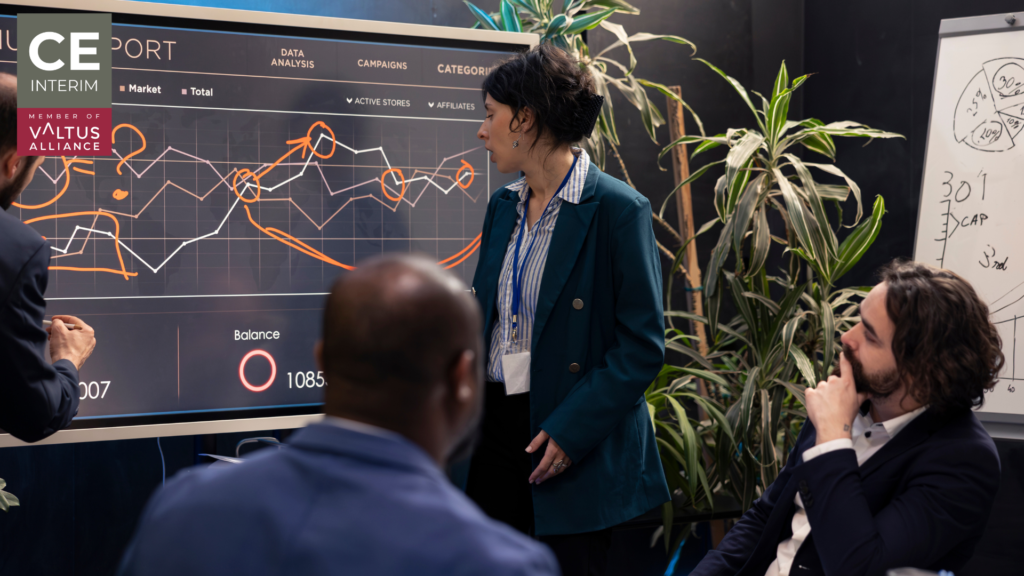
باختصار، نادرًا ما تكون التقارير الإدارية غير الموثوقة داخل شركة تابعة بولندية تعمل في مجال التصنيع مجرد خطأ عارض. بل هي نمط يتشكل بهدوء، ربعًا بعد ربع. وفي النهاية، يصبح مجلس الإدارة غير قادر على الوثوق بالأرقام التي يقدمها المصنع. والمهمة في تلك المرحلة لا تتمثل في إعادة التفاوض بشأن الأهداف أو طلب مطابقة أخرى. بل تتمثل في إنشاء قاعدة حقائق واحدة تم التحقق منها. وهذا يعني رؤية موحدة ومتوافقة بشأن النقد والمخزون والهامش، تقبلها كل من الإدارة المركزية والفريق المالي المحلي كحقيقة واقعة. ويمكن للمدير المالي المؤقت الذي يتمتع بصلاحيات مصرفية وصلاحيات في نظام تخطيط موارد المؤسسات (ERP) منذ اليوم الأول أن يؤمن السيولة النقدية بسرعة. وعادةً ما يقوم المدير المالي أيضًا، في غضون أسبوعين، بتجميد قنوات الإبلاغ غير الرسمية. ويلي ذلك عملية التوفيق بين البيانات القانونية وبيانات الإدارة، قبل أن يتخذ مجلس الإدارة أي قرار هيكلي. عندما تكشف مشاكل التقارير الإدارية غير الموثوقة في شركة تابعة أجنبية عن بيانات إدارية غير دقيقة، نادرًا ما تكتشف فرق الشؤون المالية للمجموعة رقمًا خاطئًا واحدًا كارثيًّا. عادةً ما تتفاقم مشكلة التقارير الإدارية غير الموثوقة تدريجيًّا، ويبدو كل جزء منها قابلاً للتفسير بمفرده. يتأخر إغلاق الحسابات في نهاية الشهر بضعة أيام. وتعزو الإدارة المالية المحلية ذلك إلى تعديل يدوي في أسعار الصرف أو ارتفاع مفاجئ في أسعار المواد الخام. وتتغير قيم الأعمال قيد التنفيذ. ويتراجع الهامش، ثم يتراجع مرة أخرى. وعادةً ما تتسامح الإدارة المركزية مع هذا الوضع لمدة ربعين أو ثلاثة أرباع. وهذا الصبر أمر مفهوم، وليس إهمالاً في الرقابة. يعد تحدي الفريق المالي المحلي مباشرةً، في منتصف دورة الإنتاج، رد فعل غريزي معقول. فقد يكون للفرق تفسير بريء، كما أن تعطيل مصنع لا يزال يشحن إلى العملاء ينطوي على مخاطره الخاصة. تكمن الصعوبة في أن هذا الصبر نفسه يمنح التباين الذي لم يُحل الوقت الكافي ليتفاقم. وتحت الضغط المستمر لتحقيق الهامش المحدد في الميزانية، قد يبدأ فريق الشؤون المالية المحلي في بناء «جسور تسوية» غير رسمية. وتقع هذه الجسور خارج دفتر الأستاذ الرئيسي: جداول بيانات تؤجل الاعتراف بالخردة، أو تخفف من تأثير انخفاض قيمة المخزون، أو تُرسمل التباينات التي كان ينبغي للفريق قيدها كمصروفات. لا يهدف أحد بالضرورة إلى تحريف البيانات المالية للشركة. وعادةً ما تبدأ هذه الجسور كوسيلة لتفسير فجوة ما للمقر الرئيسي، ثم تصبح الآلية التي تخفيها. ونادراً ما يكون الدافع للتدخل هو نقاش محاسبي. بل يكون في اللحظة التي يدرك فيها المدير المالي للمجموعة أن الهامش المجمع وتوليد النقد الفعلي لم يعودا متطابقين. تصبح هذه الفجوة واسعة جدًّا بحيث لا يمكن الاعتماد عليها بثقة في التوجيهات الخارجية، أو في محادثات شروط القروض المصرفية، أو في قرارات تخصيص رأس المال. لماذا تترسخ التقارير الإدارية غير الموثوقة في شركة تابعة بولندية تعمل في مجال التصنيع غالبًا ما تكون التقارير القانونية البولندية والتقارير الإدارية للمجموعة نظامين منفصلين، يتم الربط بينهما يدويًّا. فهما ليسا نظامًا واحدًا يحمل تسميتين. يجب على الكيان الاحتفاظ بدفاتر قانونية رسمية (księgi rachunkowe) وفقًا لمخطط حسابات موحد (plan kont). تنص المادة 4(5) من قانون المحاسبة البولندي على أن المسؤولية القانونية المباشرة عن تلك الدفاتر تقع على عاتق رئيس الكيان، أي kierownik jednostki. هذه المسؤولية شخصية، ولا يُعفي تفويض العمل إلى كبير المحاسبين من تحملها. وهذا يخلق انحيازًا طبيعيًّا في الامتثال تجاه السلطات القانونية والضريبية البولندية، وليس نموذج التوحيد المالي للمجموعة. في الممارسة العملية، تحتفظ فرق الشؤون المالية المحلية بالسجلات القانونية في برامج محلية، وعادةً ما تكون Symfonia أو Comarch Optima أو إصدار محلي من SAP. ثم تعمل طبقة مطابقة يدوية على ربط تلك الأرقام بمنصة التوحيد الخاصة بالمجموعة، سواء كانت OneStream أو Tagetik أو Hyperion. ويشكل كل ربط يدوي نقطة يمكن أن يتسلل منها التشويه دون رادع، لأن لا أحد يتحمل مسؤولية المطابقة من البداية إلى النهاية. الحالات التي يتسبب فيها التشويه في قطاع التصنيع في عدم دقة التقارير الإدارية: في عمليات التصنيع، يتركز هذا التشويه في أربعة مجالات. الأعمال قيد التنفيذ والخردة هي أحدها. تحت ضغط العائد، قد يؤجل المصنع الاعتراف بالخردة بدلاً من قيدها كمصروفات ضمن تكلفة البضائع المباعة. التكلفة القياسية هي عامل آخر. عندما تنخفض كفاءة خط الإنتاج، قد تقوم الإدارة المالية بتحويل الفروق السلبية في الاستيعاب إلى أصول في البضائع التامة الصنع بدلاً من قيدها كمصروفات، مما يؤدي إلى تضخيم هامش الأرباح الدفتري بشكل خفي. توقيت القطع والاستحقاق هو العامل الثالث. أحيانًا يحتفظ المراقبون الماليون بالفواتير خارج النظام في نهاية الشهر لحماية بند من بنود النفقات التشغيلية المدرجة في الميزانية. التسعير التحويلي بين الشركات هو النقطة الرابعة. عندما تقوم الفرق بتسجيل هوامش الربح بين المقر الرئيسي والكيان البولندي بشكل غير متسق، فإن التباينات في التسوية لا تُحل أبدًا بشكل كامل. لا يتطلب أي من هذا سوء نية من أي من الطرفين. بل يتطلب نظامًا توجد فيه مجموعتان من السجلات. تخضع مجموعة واحدة فقط لضوابط التدقيق القانوني، مع وجود جسر غير مرئي يربط بينهما. كيف تحدد مجالس الإدارة التقارير الإدارية المتضاربة ومشاكل إعداد التقارير يُعد الرأي التدقيقي المشفوع بتحفظ مؤشرًا متأخرًا. فبحلول وقت صدوره، يكون مجلس الإدارة عادةً قد ظل عالقًا في خلل في إعداد التقارير لعدة أرباع. وتكمن العلامات المبكرة في سير العمل الروتيني في نهاية الشهر، ولا تبدو أي منها على حدة مثيرة للقلق. تعد التعديلات اليدوية المستمرة في أداة التوحيد الإشراعي أوضح إشارة. ويكتسب هذا الأمر أهمية خاصة عندما لا يمكن إرجاعها إلى دفتر الأستاذ الخاص بنظام تخطيط موارد المؤسسة (ERP): فهذا يعني أن قسم الشؤون المالية يقوم بتلفيق الأرقام لتحقيق هدف ما، بدلاً من استخراجها من نظام التسجيل. وتعد الفجوة المتسعة بين الأرباح قبل الفوائد والضرائب والاستهلاك والإطفاء (EBITDA) المُعلنة والرصيد النقدي الفعلي الإشارة التالية. النقد لا يكذب كما قد تفعل المقاييس المستحقة. وغالبًا ما يشير تقادم المخزون الذي يتجاوز حجم الإنتاج إلى وجود مخزون عفا عليه الزمن أو نفايات غير مسجلة. يجب على المراقب المالي المحلي إعداد تقرير تجسيري مُتوافق بين الإقرارات القانونية وتقرير المجموعة في غضون يومين. وإلا، فلن يكون هناك أحد يمتلك الصورة الكاملة في الوقت الحالي. يُعد ارتفاع معدل دوران المحاسبين في المصانع إشارة أقل وضوحًا ولكنها حقيقية، خاصةً إذا اقترنت بمراقب مالي يحرص بشكل غير عادي على تقييد الوصول إلى المعاملات. فقد أصبحت عملية التسوية مسؤولية خاصة بشخص واحد، وليست ممارسة مشتركة على مستوى المؤسسة. ويمكن أن يكون لأي من هذه العلامات تفسير بريء. أما ظهور اثنتين أو ثلاث منها معًا، على مدى أرباع متتالية، فيعني أن مجلس الإدارة قد أصبح بالفعل في خضم المشكلة، وليس في طريقه لمعالجتها. كيف يستعيد المدير المالي المؤقت السيطرة على إعداد التقارير ويبني قاعدة حقائق واحدة تم التحقق منها: نادرًا ما يعالج التدقيق الخارجي مشكلة عدم موثوقية التقارير الإدارية. يقوم المدققون باختبار الامتثال على أساس عينات في نهاية العام. ولا يعيدون بناء عملية تخصيص التكاليف اليومية. تتطلب استعادة السيطرة وجود مسؤول تنفيذي في الموقع. ويحتاج هذا المسؤول التنفيذي إلى الصلاحية لتغيير الطريقة التي ينتج بها المصنع أرقامه، وليس مجرد مراجعتها لاحقًا. الأسبوعان الأول والثاني: استعادة التقارير من قبل المدير المالي المؤقت، وتأمين السيولة النقدية، وتجميد الجسور المؤقتة يتولى المدير المالي المؤقت السيطرة المباشرة على التفويضات المصرفية، وإصدار المدفوعات بالتوقيع المزدوج، وحقوق التسجيل في نظام تخطيط موارد المؤسسة (ERP). يقوم المدير المالي بتجميد، بدلاً من حذف، جداول البيانات غير المتصلة بالإنترنت التي تربط الأرقام القانونية بالمجموعة
عندما تغلق مجموعة أوروبية مصنعاً للسيارات في الولايات المتحدة: قرارات مجلس الإدارة التي لا يمكن تفويضها

يوافق مجلس إدارة مجموعة أوروبية على إغلاق مصنع سيارات في الولايات المتحدة ويصرح بتنفيذ القرار محليًّا. وسرعان ما تتلقى الإدارة المركزية قرارات قد تُغيّر مسار عملية الخروج. فقد تطلب إحدى شركات تصنيع المعدات الأصلية (OEM) استمرار التوريد، أو يسعى أحد الموردين إلى التوصل إلى تسوية، أو يستمر سريان التزام بيئي بعد توقف الإنتاج. ويجب على مجلس الإدارة أن يقرر أي المسائل تظل من اختصاصه وأيها تقع ضمن اختصاص المسؤول التنفيذي المعني بالإغلاق في الولايات المتحدة. ويبدأ الجدول الزمني القانوني قبل وصول العديد من تلك القرارات إلى المقر الرئيسي. وتشير وزارة العمل الأمريكية إلى أن قانون الإخطار الفيدرالي بتكييف العمال وإعادة تدريبهم (قانون WARN) ينطبق عمومًا على أرباب العمل الذين لديهم 100 موظف أو أكثر. ويقتضي القانون عمومًا تقديم إشعار كتابي مسبق قبل 60 يومًا تقويميًا على الأقل في حالات إغلاق المصانع المؤهلة أو التسريح الجماعي. وبموجب المادة 20 من لائحة CFR الجزء 639، ينطوي إغلاق المصنع المشمول بالقانون عمومًا على فقدان 50 وظيفة على الأقل في موقع واحد. يجب على المجلس تحديد ما يعنيه إغلاق مصنع سيارات أمريكي قبل انتقال الصلاحية إلى المستوى المحلي. ويحتاج نطاق الإغلاق إلى شرط إنهاء محدد. ولا يشمل وقف الإنتاج سوى جزء واحد من عملية الخروج. وينبغي للمجلس تحديد شرط الإنهاء قبل بدء التنفيذ. ويمكن أن يشمل هذا التعريف فصل الموظفين، ونقل الأدوات، وبيع المعدات، والخروج من الممتلكات، والأعمال البيئية، وإجراءات المزايا، ومعاملة الكيان القانوني. يمكن لبرنامج إغلاق مصنع سيارات في الولايات المتحدة أن ينهي الإنتاج بينما تستمر الالتزامات الأخرى. يمكن أن يؤثر تسلسل القوى العاملة على الجدول الزمني القانوني. يشير مستشار قانون WARN التابع لوزارة العمل (DOL) إلى أن إغلاق مصنع بموجب قانون WARN يمكن أن يحدث عندما يفقد ما لا يقل عن 50 موظفًا وظائفهم في موقع أو منشأة أو وحدة تشغيلية خلال 30 يومًا. ويستثني هذا الحد الموظفين العاملين بدوام جزئي. بالنسبة للتسريح الجماعي الذي يشمل ما بين 50 إلى 499 موظفًا، يجب أن تمثل المجموعة المتأثرة عمومًا ما لا يقل عن 33% من القوة العاملة النشطة في الموقع. وعند وجود 500 موظف أو أكثر، لا ينطبق حد الـ 33%. تجعل هذه الحدود تسلسل القوى العاملة مسألة تتعلق بالحوكمة. يجب أن تحدد قواعد إغلاق المصانع الخاصة بحوكمة مجلس الإدارة من يمكنه الموافقة على التغييرات في خطة القوى العاملة. يجب تحديد الأمور المحجوزة قبل بدء التنفيذ المحلي، ويجب أن تفصل خريطة حقوق اتخاذ القرار بين تغييرات النطاق والتنفيذ العادي. يمكن لمجلس الإدارة الاحتفاظ بتمديدات العملاء، وتمويل الإغلاق الكلي، وافتراضات المسؤولية الكبرى، وقرارات الملكية، والتغييرات في الحالة النهائية. يمكن للمسؤول التنفيذي عن الإغلاق في الولايات المتحدة التحكم في التنفيذ اليومي ضمن تلك الحدود. تظل الالتزامات النهائية لمصنعي المعدات الأصلية (OEM) من اختصاص مجلس الإدارة عندما تتغير الجوانب الاقتصادية للخروج. يمكن لطلبات العملاء توسيع النطاق المعتمد. يمكن لطلب مصنعي المعدات الأصلية (OEM) بتمديد الإنتاج أن يغير احتياجات العمالة والمخزون والصيانة واللوجستيات والموردين. ويمكن أن تؤدي الالتزامات الجديدة المتعلقة بقطع الغيار إلى نفس التأثير. كما يمكن أن يؤدي تأخير نقل الأدوات أو رسوم الشحن الإضافية إلى تغيير التدفقات النقدية والتوقيت. في العلاقة بين عميل الشركة المصنعة للمعدات الأصلية (OEM) ومورد السيارات من المستوى الأول، يجب ألا تخلق الإدارة المحلية التزامًا جديدًا يغير خطة الخروج المعتمدة. هناك أربعة قرارات تجارية يجب أن تتجاوز خط التصعيد: تشكل تواريخ الإغلاق الرسمية نقاط تنسيق صارمة. تشير سجلات «فيرجينيا ووركس» إلى أن شركة «كونتيننتال أوتوموتيف سيستمز» قدمت إشعارًا بموجب قانون WARN في 1 يوليو 2024 بشأن إغلاق مصنعها في كولبيبر. وذكر الإشعار أن تاريخ سريان التأثير هو 4 أكتوبر 2024 وأن عدد الموظفين المتأثرين يبلغ 150 موظفًا. لا يشير هذا المثال إلى وجود خلل في الحوكمة لدى «كونتيننتال». بل يوضح أن إغلاق مصنع في الولايات المتحدة يحدد تواريخ رسمية يجب أن تتوافق مع خطة الخروج التجارية. تعمل مجموعات السيارات الأوروبية مثل «كونتيننتال» و«مجموعة ZF»، بما في ذلك «ZF Active Safety»، ضمن جداول زمنية مترابطة للعملاء والمصانع. ويحتاج مجلس الإدارة إلى رؤية واضحة عندما يغير طلب أحد العملاء تلك الجداول الزمنية. يتحكم مجلس الإدارة في الميزانية النقدية المخصصة للإغلاق، بينما تتولى الإدارة المحلية التحكم في الإنفاق المعتمد. يجب أن تتبع سلطة التمويل خطة الإغلاق المعتمدة. يجب أن يوافق مجلس الإدارة على الميزانية النقدية الإجمالية وافتراضاتها الأساسية. ثم تحتاج الإدارة المحلية إلى سلطة على الإنفاق العادي المتعلق بالإغلاق ضمن تلك الميزانية. ويمكن أن يشمل ذلك تسويات الموردين، والموظفين المطلوبين، وخدمات الموقع، والتخلص من المخزون، وإيقاف التشغيل المعتمد. تخسر الشركة الأوروبية التي تغلق عمليات مصنعها في الولايات المتحدة الوقت عندما تعود المدفوعات الروتينية مرارًا وتكرارًا إلى أوروبا. يجب أن يبدأ تصعيد الأمر عندما تتغير الظروف الاقتصادية؛ فقد تسير التزامات المزايا وفقًا لجدول زمني منفصل. تحدد مؤسسة ضمان مزايا التقاعد (PBGC) جدولًا زمنيًا منفصلاً لإنهاء قياسي لخطة مزايا محددة تابعة لصاحب عمل واحد مشمولة بالتغطية. يتم إرسال «إشعار نية الإنهاء» عمومًا قبل 60 يومًا على الأقل من تاريخ الإنهاء المقترح. ولا يمكن عمومًا إرسال نفس الإشعار قبل أكثر من 90 يومًا من ذلك التاريخ. ثم تتطلب قواعد مؤسسة ضمان مزايا التقاعد (PBGC)، والمادة 4041 من قانون ERISA، والجزء 4041 من 29 CFR، إرسال إشعارات وتقديم مستندات إضافية. لا يمكن اعتبار آخر يوم إنتاج بمثابة تاريخ إتمام مالي شامل. يجب أن تعكس حالة «النقد حتى الإغلاق» الجدول الزمني المنفصل للمزايا. يجب تحديد حجم المخاطر المتعلقة بالموظفين والبيئة والعقود قبل أن تنتقل الصلاحيات إلى المستوى المحلي؛ ولا يغطي قانون WARN الفيدرالي تحليل الإخطار بالكامل. وتشير إدارة التوظيف والتدريب التابعة لوزارة العمل الأمريكية إلى أن بعض الولايات تفرض متطلباتها الخاصة بإغلاق المصانع. ويمكن أن تضيف هذه القواعد التزامات تتجاوز نطاق قانون WARN الفيدرالي. ولذلك، فإن موقع المنشأة يكتسب أهمية قبل أن توافق الإدارة على الإعلانات أو عمليات الخروج التدريجي أو التغييرات في القوى العاملة. وتتطلب قضايا التمثيل إجراء فحص قانوني منفصل. وينبغي للمستشار القانوني المحلي أن يقيّم الإجراءات في ضوء قانون العلاقات العمالية الوطنية (NLRA) واختصاص مجلس العلاقات العمالية الوطنية (NLRB). قد تستمر الالتزامات البيئية بعد انتهاء التصنيع. تضع وكالة حماية البيئة الأمريكية (EPA) قواعد الضمان المالي بموجب قانون الحفاظ على الموارد واستعادتها (RCRA) لمرافق معالجة النفايات الخطرة وتخزينها والتخلص منها. يجب على المرافق الخاضعة للتنظيم إثبات توفر الموارد المالية اللازمة للإغلاق السليم. يمكن أن تشمل تقديرات تكاليف الإغلاق عمليات الإغلاق الآمن وإزالة التلوث. قد تشمل الواجبات اللاحقة للإغلاق المراقبة والصيانة وحفظ السجلات. ولا تنطبق هذه القواعد بنفس الطريقة على كل مصنع سيارات. يجب على المجموعة تحديد الوضع البيئي للموقع المحدد. ولا ينبغي للمجلس أن يفترض أن وقف الإنتاج أو بيع العقار ينهي التعرض للمسؤولية. يُظهر سجل بارنسفيل سبب ضرورة توخي الحذر قبل المرحلة النهائية. ويحدد ملخص الموقع الصادر عن قسم حماية البيئة في جورجيا مصنع «جنرال تاير-أولدورا» الواقع في 160 شارع أولدورا في بارنسفيل باعتباره «الموقع الخطير رقم 10057» في قائمة المواقع الخطرة. ويشير السجل إلى انبعاثات المواد الخاضعة للتنظيم والإجراءات التصحيحية المطلوبة. ينطبق هذا المثال على ذلك الموقع فقط. ولا يعني ذلك أن عمليات إغلاق مصانع السيارات الأخرى تنطوي على تلوث مماثل. لأغراض حوكمة مجلس الإدارة المتعلقة بإغلاق المصانع، يمكن أن تؤثر الالتزامات المتبقية على قرارات الملكية، وتمويل الإغلاق، والحالة النهائية للموقع. يحتاج مجلس الإدارة إلى تلك الحقائق قبل التخلي عن الأصول. تفصل دراسة حالة الإغلاق بين نشاط الموقع ورقابة المجموعة أ
عندما يؤثر إغلاق مصنع بولندي على الجدول الزمني لعملية إعادة الهيكلة في التشيك: لماذا تصبح القرارات المتوازية مستحيلة

تواجه مجموعة صناعية ألمانية، لها أنشطة تصنيعية في بولندا وجمهورية التشيك، قرارًا من مجلس الإدارة يجب اتخاذه في غضون ستة أسابيع. فالمصنع البولندي يخسر المال ويستنزف السيولة النقدية، أما الموقع التشيكي فيسجل أداءً ضعيفًا لكنه قابل للتعافي من الناحية التشغيلية. ويبلغ إجمالي رأس المال المتاح لإعادة الهيكلة حوالي 35 مليون يورو في كلا البلدين. وهنا تكمن المشكلة الحاسمة: إن اتخاذ قرار بإغلاق العمليات في بولندا يؤدي فورًا إلى ظهور خيار إعادة هيكلة في التشيك لا يمكن تأجيله أو إعادة ترتيبه أو إدارته بشكل مستقل. وعندما يواجه أحد البلدين الإغلاق بينما يحتاج الآخر إلى إعادة هيكلة، فإن سلسلة إعادة الهيكلة المتتالية عبر دول أوروبا الوسطى والشرقية (CEE) تؤدي إلى مأزق تنفيذي. وهذا يجبر مجلس الإدارة غير المستعد على اتخاذ خيار لم يخطط أحد لاتخاذه. إن فهم سبب استحالة اتخاذ قرارات متوازية أمر ضروري لأي قائد صناعي في منطقة ألمانيا والنمسا وسويسرا (DACH) يدير عمليات في أوروبا الوسطى والشرقية. الأيام الثلاثون الأولى: كيف تبدأ سلسلة عمليات إعادة الهيكلة المتتالية في أوروبا الوسطى والشرقية بمجرد موافقة مجلس الإدارة على إغلاق المصنع البولندي، يتم تفعيل متطلبات الإخطار في كلا البلدين في وقت واحد. والأهم من ذلك، أن الجدولين الزمنيين يتداخلان. ولا يمكن تأجيل أي منهما دون التعرض لمخاطر قانونية. ويؤدي هذا التشغيل المتزامن إلى تحريك سلسلة الأحداث المتتالية التي تميز حالات الإغلاق وإعادة الهيكلة في دول أوروبا الوسطى والشرقية (CEE) التي تشمل عدة بلدان. تتصادم الجداول الزمنية للإخطار في وقت واحد: يفرض قانون العمل البولندي على أرباب العمل إخطار مكتب التوظيف المحلي في غضون 20 يومًا من اتخاذ قرار التسريح الجماعي. وفي الوقت نفسه، يجب إجراء المشاورات مع النقابات العمالية خلال نفس فترة الـ20 يومًا. بالإضافة إلى ذلك، يفرض قانون العمل التشيكي فترة إشعار لا تقل عن 30 يومًا لمكتب العمل وممثلي الموظفين قبل أن تدخل أي إشعارات إنهاء الخدمة حيز التنفيذ. والنتيجة واضحة: يجب إجراء كلا الإشعارين. وتسير الجدولتان الزمنيتان بالتوازي. تنقسم القدرات التنفيذية بين قرارين يتطلب الإغلاق إجراءات محددة: شروط التسريح، وحسابات تعويضات نهاية الخدمة، وجرد الأصول، وتسلسل إجراءات إنهاء الإنتاج، وإخطار الدائنين، وتخطيط استمرارية خدمة العملاء. وتتطلب إعادة الهيكلة إجراءات مختلفة: إلغاء الوظائف، وقرارات الاستثمار في الإنتاجية، وتوقعات رأس المال العامل، وأهداف الأداء. وبالتالي، خلال الفترة المتداخلة التي تتراوح بين 20 و30 يومًا، يستحوذ الإغلاق البولندي على كامل اهتمام الفريق التشغيلي. وفي الوقت نفسه، يُفرض قرار إعادة الهيكلة التشيكي على جدول أعمال مزدحم بالفعل. وهذا هو بالضبط السبب في أن سيناريوهات الإغلاق وإعادة الهيكلة في عدة بلدان في أوروبا الوسطى والشرقية تخلق مشاكل في القدرات على مستوى القيادة. الأسابيع 4 – 8: تظهر ضغوط التدفق النقدي قبل تخصيص رأس المال المخصص لإعادة الهيكلة بمجرد انتهاء مرحلة الإخطار، تتسارع وتيرة الواقع المالي بسرعة. تتحول التزامات تعويضات إنهاء الخدمة إلى التزامات مالية ملموسة. يدرك الدائنون والموردون إشارة الإغلاق. بالإضافة إلى ذلك، تتشدد دورات الدفع الخاصة بالتصنيع في اللحظة بالذات التي يكون فيها النقد في أشد حالات الضيق. ضغوط دورات السداد وتشديد التدفق النقدي: عادةً ما تتراوح شروط السداد القياسية في قطاع التصنيع بين 60 و90 يومًا صافيًا في العلاقات الصناعية بين الشركات (B2B). وعندما يكتشف الموردون إشارات الإغلاق، فإنهم يقللون من تعرضهم للمخاطر الائتمانية. ويطالب الكثيرون بالدفع المسبق أو تسريع جداول تحصيل الفواتير. ونتيجة لذلك، تتقلص الحسابات الدائنة بينما يتباطأ تحصيل الحسابات المدينة. يجب على المدير المالي التعامل مع ضغوط الدائنين على الفور والحفاظ على إمكانية الوصول إلى خطوط ائتمان رأس المال العامل. وفي الوقت نفسه، لا يزال استثمار إعادة الهيكلة في التشيك في انتظار الموافقة. عجز في تخصيص رأس المال: 35 مليون يورو غير كافية لكلا البلدين لم تكن هذه الحسابات الرأسمالية مدرجة على جدول أعمال مجلس الإدارة قبل ستة أسابيع. بحلول الأسبوع الثامن، كان المدير المالي قد خصص بالفعل رأس المال لإغلاق العمليات في بولندا. والآن يتعين على المدير المالي إبلاغ مجلس الإدارة بأن إعادة هيكلة العمليات في التشيك لا يمكن تمويلها كما كان مخططًا في الأصل. ويُعد هذا الموقف نموذجًا لتضارب المصالح في عمليات إعادة الهيكلة التي تنطوي على إغلاق فروع في عدة بلدان في منطقة أوروبا الوسطى والشرقية. الأسابيع 8 – 16: إغلاق نافذة إعادة الهيكلة في البلد الثاني بشكل نهائي: بحلول هذه المرحلة، يصبح إغلاق العمليات في بولندا أمرًا معروفًا للجميع. يواصل الموظفون العمل خلال فترات الإشعار. يتم تحويل طلبات العملاء أو إلغاؤها. تدخل مبيعات الأصول مرحلة التفاوض. والأهم من ذلك، في التشيك، يصبح الرسالة الموجهة إلى القوى العاملة واضحة لا لبس فيها: المقر الرئيسي يقوم بتقليص محفظة الأعمال. قد تكون التشيك هي التالية. يتفاقم خطر فقدان الموظفين وتتآكل القدرات الفنية. يتلقى مدير المصنع التشيكي مكالمات أسبوعية من الموظفين الفنيين المهرة الذين تلقوا عروض عمل في أماكن أخرى. في الوقت نفسه، لم يقم المدير المالي بالإفراج عن التزامات رأس المال الخاصة بتشيكيا. ولم ينشر المدير التنفيذي للعمليات خطة إنعاش. ونتيجة لذلك، تمتد حالة عدم اليقين من أيام إلى أسابيع. بحلول الأسبوع 12، يفقد المصنع اثنين من كبار الفنيين وثلاثة مهندسين مبتدئين. وتتدهور جودة الإنتاج. وتزداد شكاوى العملاء بشكل كبير. التأخير يحول إمكانية التحول إلى تدهور تشغيلي: الحلول التي كان تنفيذها سيكلف 12 مليون يورو في الأسبوع الثاني أصبحت تكلف الآن 18 مليون يورو في الأسبوع العاشر. كل أسبوع من التأخير في إعادة الهيكلة يؤدي إلى تآكل الأداء بشكل منهجي. تنخفض الروح المعنوية بسبب عدم اتخاذ أي التزام. يقلل العملاء من حجم الطلبات بسبب تدهور أداء التسليم. تتفاقم شروط الدفع للموردين بسبب تدهور سجل السداد. بحلول الأسبوع الرابع عشر، يتحول الموقع التشيكي من مرشح لإعادة الهيكلة إلى مرشح للإغلاق. ويواجه مجلس الإدارة خيارًا مختلفًا عما كان متوقعًا: إعادة الهيكلة بتكلفة عالية ونتائج غير مؤكدة، أو الإغلاق للحفاظ على رأس المال. هذا التدهور ليس حتميًا. إنه ناتج مباشرة عن سلسلة إعادة الهيكلة والإغلاق المتتالية في دول أوروبا الوسطى والشرقية. اختيار التسلسل: التنفيذ المتسلسل أم المتوازي في إعادة الهيكلة والإغلاق في عدة بلدان يواجه مجلس الإدارة خيارًا ثنائيًا. ولا يبدو أي من الخيارين جذابًا. فكلاهما ينطوي على تكلفة ومخاطر جوهرية. وبشكل أساسي، فإن الاختيار هو بين نتائج مقبولة ونتائج أسوأ. الخيار 1: التنفيذ التسلسلي (إغلاق بولندا أولاً، ثم التشيك) الخيار 2: التنفيذ المتوازي (إدارة كلا الأمرين في وقت واحد) من يقرر التسلسل، ومتى تنهار السلطة؟ رسمياً، يقرر مجلس الإدارة أو مجلس الرقابة تسلسل قرارات إعادة الهيكلة والإغلاق في دول متعددة في أوروبا الوسطى والشرقية. في الممارسة العملية، يجب أن يتوافق كل من المدير المالي، والمدير التنفيذي للعمليات، ومجلس الإدارة. عندما يفشل التنسيق، تنقسم السلطة بين الواقع التشغيلي مقابل التفضيل الاستراتيجي. تفضيل مجلس الإدارة مقابل الواقع التشغيلي موقف مجلس الإدارة: يُفضل التنفيذ المتوازي. يقلل التنفيذ المتوازي من المدة الإجمالية ويحافظ على خيار إعادة هيكلة التشيك. تقييم مدير العمليات: التنفيذ المتوازي غير قابل للإدارة من الناحية التشغيلية. لا يمكن تنفيذ إجراءين رئيسيين في المحفظة بشكل ممتاز في آن واحد. من المؤكد حدوث نقص في الجودة في إحدى المبادرتين أو كلتيهما. مخاوف المدير المالي: كفاية رأس المال غير كافية. يدعو المدير المالي إلى التنفيذ المتسلسل: إتمام الإغلاق البولندي أولاً، والحفاظ على احتياطي رأس المال، ثم إعادة الهيكلة في جمهورية التشيك فقط إذا كان رأس المال متاحًا وتخففت ضغوط الدائنين. فجوات في الصلاحيات عبر الحدود عندما يتعذر التوافق في القرارات يدعو المدير الإقليمي في بولندا إلى تسلسل سريع لعمليات الإغلاق. على العكس من ذلك، يدعو المدير القطري التشيكي إلى التزام واضح بإعادة الهيكلة مدعومًا برأسمال مرئي. كلا الموقفين صحيحان من الناحية التشغيلية. ولا يمكن تلبية كلاهما في آن واحد. يضع توجيه الاتحاد الأوروبي 98/59/EC والتوجيه 2019/2121 بشأن إعادة الهيكلة عبر الحدود أطرًا قانونية ولكنهما لا يحلان مسألة تسلسل التنفيذ. يتحكم المدير المالي في الإفراج عن رأس المال. وعندما يحجب المدير المالي رأس المال المخصص لإعادة الهيكلة في جمهورية التشيك في انتظار تسوية مسألة الدائنين في بولندا، فإن قرار مجلس الإدارة بالتنفيذ المتوازي يتحول عمليًّا إلى تنفيذ متسلسل. وهكذا تتفكك السلطة.
تباطؤ عملية التعزيز الصربية: ثلاثة قرارات كان ينبغي اتخاذها في وقت أبكر
تدير مجموعة شركات ألمانية مصانع في بولندا وصربيا تحت إشراف مدير عمليات واحد. وتسير عمليات الشحن من بولندا وفقًا للخطة الموضوعة. أما صربيا، فهي تعمل على زيادة الطاقة الإنتاجية الجديدة. ويتلقى مجلس إدارة المجموعة مؤشرات الأداء الرئيسية شهريًّا: حيث يسير الناتج الإجمالي وفقًا للخطة، وتبقى النفقات الرأسمالية في حدود الميزانية، وتبدو محفظة الاستثمارات سليمة. ما لا يراه مجلس الإدارة هو أن مؤشرات التصنيع الخاصة بزيادة الطاقة الإنتاجية من المستوى الثاني في العمليات الصربية آخذة في التدهور بطرق تخفيها التقارير الإجمالية. وتؤدي ندرة اليد العاملة إلى تقليص الجداول الزمنية. كما تتأخر مواعيد التسليم المحددة للعملاء. وبحلول الوقت الذي تصل فيه المشكلة رسميًا إلى مجلس الإدارة، تكون تكلفة التأخير قد تبلورت بالفعل. المشكلة الأساسية: هذا ليس قصراً في الكفاءة. إنها قصة عن كيفية فشل الرقابة التشغيلية على الموردين من المستوى الثاني عندما تعتمد حوكمة محفظة المشاريع على المؤشرات الإجمالية، ويركز اهتمام مجلس الإدارة على المواقع التي تنفذ الخطة كما هو مقرر. سياق السوق: حققت صناعة السيارات في صربيا صادرات بقيمة 4 مليارات يورو في عام 2025، وهو ما يمثل 12.3 في المائة من إجمالي الصادرات. وفقًا لدراسة سوق العمل التي أجراها برنامج الأمم المتحدة الإنمائي (UNDP)، سيزداد الطلب على العمالة في صربيا من 125,000 في عام 2024 إلى 144,000 في عام 2026، مع تصدر قطاع التصنيع لهذا النمو. وقد تجلى التأثير بشكل حاد في عام 2025: 1. تم وضع 12,640 عاملاً في قطاع السيارات الصربي في إجازة مدفوعة الأجر بنسبة تعويض تبلغ 60 في المائة لفترة أطول مما يسمح به القانون. 2. أدى ذلك إلى فصل أكثر من 6,000 موظف. 3. امتد التأثير إلى تأخيرات في زيادة الإنتاج لم يكتشفها المقر الرئيسي في منطقة ألمانيا والنمسا وسويسرا (DACH) إلا بعد وصول غرامات التأخير في التسليم للعملاء. القرار 1: كم عدد المواقع التي يمكن لمدير العمليات (COO) الإشراف عليها دون فقدان الرؤية؟ فجوة المساءلة الهيكلية: عادةً ما يدير المدير التنفيذي للعمليات (COO) الذي يشرف على مواقع متعددة من خلال المراجعات الفصلية وتقارير الاستثناءات. ينجح هذا النهج عندما تكون المواقع ناضجة وتعمل وفقًا للخطة. لكنه ينهار عندما يدير المدير التنفيذي للعمليات (COO) موقعًا جاهزًا للتسليم (بولندا) وموقعًا قيد التوسع (صربيا) في آن واحد. يتطلب الموقع الجاهز للتسليم اهتمامًا بالتحسين. أما الموقع الذي يمر بمرحلة التوسع فيتطلب تصعيد المشكلات وحلها. ولا يمكن لشخص واحد أن يولي كلاهما القدر الكافي من الاهتمام والتدقيق. ما حدث فعليًّا في الشهر الثامن من مرحلة التوسع: فشل العمليات في صربيا في تحقيق أهداف توظيف العمالة. أبلغ مدير المصنع المدير التنفيذي للعمليات بهذا الأمر. أدرك المدير التنفيذي للعمليات المخاطر، لكنه لم يرفع الأمر إلى مجلس الإدارة لأن الأرقام الإجمالية للمحفظة كانت لا تزال تبدو مقبولة، مدفوعة بالأداء القوي لبولندا. كان قرار عدم رفع الأمر إلى مجلس الإدارة قرارًا عقلانيًا بناءً على افتراض أن التباين من المستوى الثاني يمكن حله محليًا. لكن هذا الافتراض كان خاطئًا. لماذا يتلاشى اهتمام مجلس الإدارة؟ شهد قطاع السيارات الصربي ارتفاعًا في الإيرادات من 7.2 مليار يورو في عام 2023 إلى 8.3 مليار يورو في عام 2024، لكن المحللين حذروا في يناير 2026 من أن عام 2025 قد يكون أضعف بشكل ملحوظ بسبب انخفاض الطلب من الاتحاد الأوروبي وفقًا لمجلة CorD. كان هذا الضغط الخارجي معروفًا بالفعل. أما ما لم يكن معروفًا فهو أن ندرة اليد العاملة ستضيق نطاق فرص الانتعاش. القرار 2: ما هو عتبة التباين التي تستدعي مراجعة مجلس الإدارة؟ فخ المقاييس الإجمالية: تتلقى معظم مجالس الإدارة مؤشرات الأداء الرئيسية (KPI) على مستوى المحفظة، وليس التفاصيل لكل موقع على حدة. قاعدة القرار المفقودة: قلة من مجالس الإدارة حددت صراحةً عتبة التباين التي تتطلب عندها زيادة الإنتاج في السوق الثانوية تدخلاً على مستوى مجلس الإدارة. في الممارسة العملية، ما يُعتبر انحرافاً هو أمر ذاتي. القرار 3: من الذي يرفع الأمر إلى مستوى أعلى قبل أن يفعل العميل ذلك؟ مشكلة استبدال المهارات: يوضح تحويل ستيلانتيس إلى السيارات الكهربائية في كراغوييفاتش هذه المشكلة. أدى التحويل إلى انخفاض الطلب على عمال الآلات التقليديين بنسبة 12 في المائة مقارنة بالسنة السابقة، بينما زاد الطلب على فنيي البطاريات بنسبة 34 في المائة. ولا يمكن لمدير المصنع الذي يواجه هذا التحول حل المشكلة محليًّا. فالمهارات المتخصصة غير متوفرة بكميات كافية. وهذا يتطلب إعادة تخصيص رأس المال على مستوى مجلس الإدارة. الخيارات المتاحة لمجلس الإدارة: 1. تطوير المهارات (مكلف وبطيء). 2. الاستعانة بمصادر خارجية للتجميع غير الأساسي (يؤثر على الهامش). 3. تمديد الجدول الزمني للتوسع (يؤخر العائد النقدي). 4. لا يمكن لمدير المصنع اتخاذ هذا القرار. قد لا يقوم مدير العمليات (COO) بتصعيد الأمر دون تفويض من مجلس الإدارة. عندما يصبح تصعيد العميل مسؤولية: يعمل عملاء الشركات المصنعة للمعدات الأصلية (OEM) وفق جداول تسليم ثابتة. ويُعتبر التأخير لمدة تتراوح بين أسبوعين وأربعة أسابيع تباينًا طبيعيًّا. أما التأخير لمدة تتراوح بين ثمانية أسابيع واثني عشر أسبوعًا فيؤدي إلى تصعيد رسمي ومراجعة الغرامات. تسلسل التصعيد في الحالة الصربية: 1. الشهر الثامن: كان ينبغي لمدير المصنع أن يرفع الأمر إلى المدير التنفيذي للعمليات عند عدم تحقيق أهداف العمالة. 2. الشهر العاشر: كان ينبغي للمدير التنفيذي للعمليات أن يرفع الأمر إلى مجلس الإدارة، مع تصويره على أنه خطر يتعلق بتسليم العميل. 3. الشهر الثاني عشر: لاحظ العميل التخلف عن التسليم من خلال تأخر الشحنات. 4. الشهر 13: قدم العميل مطالبة رسمية. هكذا تتحول إخفاقات الرقابة التشغيلية من المستوى الثاني إلى مخاطر تصعيدية لدى العميل والتزامات نقدية. لماذا لا تعكس مؤشرات الأداء الرئيسية (KPI) الإجمالية الواقع التشغيلي عادةً ما يتتبع مجلس الإدارة إنتاج المحفظة، والإنفاق الرأسمالي، والهامش، والتدفق النقدي. وقد يقع هذا التباين ضمن حدود التسامح إذا كانت العوامل السلبية في السوق قد أُخذت في الحسبان مسبقًا. ما لا يظهره المجموع هو التكوين: بولندا تفرط في التسليم لتعويض المشكلة الهيكلية في صربيا. لا يمكن لبولندا الحفاظ على ذلك لمدة 18 شهرًا. وعندما تعود بولندا إلى معدل التشغيل الطبيعي في الشهر 16، تنهار المحفظة. مسألة التدخل عندما تصل المسألة أخيرًا إلى مجلس الإدارة في الشهر الثالث عشر، يقدم العميل مطالبة رسمية بفرض غرامة على التأخير في التسليم. ويواجه مجلس الإدارة ثلاثة خيارات. 1. استثمار رأس المال وموارد تنفيذية مؤقتة لإنقاذ العملية. ويتطلب ذلك ما بين 15 إلى 20 مليون يورو، على افتراض استقرار سوق العمل وصبر العميل. 2. تمديد مرحلة التوسع لمدة ستة أشهر. يؤدي هذا إلى تأخير العائد النقدي ولكنه يقلل من ضغط الأجور الشهرية. 3. بيع أو إغلاق العملية ودمج التوريد الصربي في بولندا أو رومانيا. يواجه مجلس الإدارة قرارًا بإعادة الهيكلة كان ينبغي اتخاذه في الشهر العاشر، عندما كانت التباينات داخلية. وقد ضاقت خيارات مجلس الإدارة. في الشهر الثالث عشر، عندما يكون العميل قد رفع الأمر إلى مستوى أعلى بالفعل، يكون لأي قائد يتم تعيينه نفوذ أقل ويجب أن يعمل في ظل قيود أكثر صرامة. هيكل حوكمة وقائي هيكلي خالٍ من نقطة الفشل الوحيدة: المشكلة الهيكلية ليست أن مدير العمليات التنفيذي (COO) واحد يشرف على مواقع متعددة. بل تكمن في أن المساءلة عن التباين في التوسع موزعة على أدوار متعددة دون ملكية واضحة لتصعيد المشكلات. تحدد البنية الأكثر متانة المسؤولية الصريحة وفقًا للتسلسل التالي: 1. مدير المصنع مسؤول عن الأداء على مستوى الموقع، ويُطلب منه رفع الأمر إلى مدير العمليات التنفيذي (COO) إذا تجاوز أي مؤشر رئيسي عتبة محددة. 2. مدير العمليات التنفيذي (COO) مسؤول عن أداء محفظة المواقع المتعددة، ويجب عليه رفع الأمر إلى مجلس الإدارة في حالة تجاوز أي عتبة. 3. يتولى مجلس الإدارة مسؤولية مراجعة التباينات على مستوى المحفظة، ويجب عليه اتخاذ قرار بشأن إعادة تخصيص رأس المال أو تعديل النطاق ضمن إطار زمني محدد. فصل الإشراف على التوسع عن التقارير الإجمالية تتلقى معظم مجالس الإدارة مؤشرات الأداء الرئيسية (KPIs) على مستوى المحفظة بشكل ربع سنوي. وهذا مناسب لـ
 EN
EN  DE
DE  FR
FR  IT
IT  PL
PL  RO
RO  CS
CS  SK
SK  HU
HU  ES
ES  RU
RU  AR
AR  SL
SL