
Unreliable management reporting in a Polish manufacturing subsidiary: how headquarters rebuilds a single verified fact base
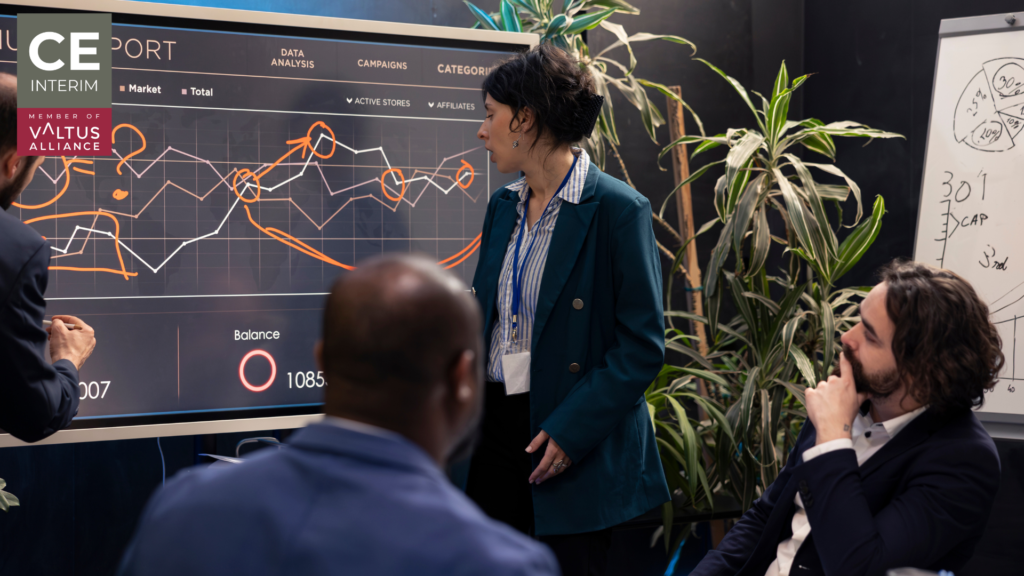
In brief Unreliable management reporting inside a Polish manufacturing subsidiary is rarely a one-off error. It is a pattern that builds quietly, quarter after quarter. Eventually the Board can no longer trust the numbers the plant reports. The task at that point is not to renegotiate targets or request another reconciliation. It is to establish one verified fact base. That means a single, reconciled view of cash, inventory and margin that headquarters and the local finance team both accept as fact. An Interim CFO with banking and ERP authority from day one can secure cash quickly. Within two weeks, the CFO typically also freezes informal reporting bridges. The statutory-to-management reconciliation follows, before the Board makes any structural decision. When unreliable management reporting problems in foreign subsidiary reveal inaccurate management data Group finance teams rarely discover a single, catastrophic false number. Unreliable management reporting typically erodes in increments, and each one looks explainable on its own. A month-end close runs a few days late. Local finance attributes a manual adjustment to exchange rates or a raw material spike. Work-in-progress values drift. Margin softens, then softens again. Headquarters usually tolerates this for two or three quarters. That patience is understandable, not a lapse in oversight. Challenging a local finance team directly, mid-production-run, is a reasonable instinct. The variance could still have an innocent explanation, and disrupting a plant that is still shipping to customers carries its own risk. The difficulty is that the same patience gives an unresolved variance time to compound. Under sustained pressure to meet budgeted margin, a local finance team can start building informal reconciliation bridges. These sit outside the core ledger: spreadsheets that defer scrap recognition, smooth inventory write-downs, or capitalise variances the team should have expensed. Nobody necessarily sets out to misstate the business. The bridges usually start as a way to explain a gap to headquarters, then become the mechanism that hides it. The trigger for intervention is rarely an accounting debate. It is the moment the Group CFO realises that consolidated margin and actual cash generation no longer agree. That gap becomes too wide to support external guidance, a bank covenant conversation, or a capital allocation decision with confidence. Why unreliable management reporting takes hold in a Polish manufacturing subsidiary Polish statutory and group management reporting are frequently two separate systems, bridged by hand. They are not one system wearing two labels. An entity must maintain formal statutory books (księgi rachunkowe) against a standardised chart of accounts (plan kont). Article 4(5) of the Polish Accounting Act places direct legal responsibility for those books on the head of the entity, the kierownik jednostki. That responsibility is personal, and delegating the work to a chief accountant does not discharge it. This creates a natural compliance bias toward Polish statutory and tax authorities, not the group consolidation template. In practice, local finance teams keep statutory books in local software, commonly Symfonia, Comarch Optima or a local SAP configuration. A manual mapping layer then bridges those figures into the group’s consolidation platform, whether OneStream, Tagetik or Hyperion. Every manual bridge is a place distortion can enter unchallenged, because nobody owns the reconciliation end to end. Where manufacturing distortion causes inaccurate management reporting In a manufacturing operation, that distortion concentrates in four places. Work-in-progress and scrap is one. Under yield pressure, a plant may defer scrap recognition rather than expense it through cost of goods sold. Standard costing is another. When line efficiency drops, finance can capitalise negative absorption variances into finished goods instead of expensing them, which quietly inflates book margin. Cut-off and accrual timing is a third. Controllers sometimes hold invoices outside the system at month end to protect a budgeted opex line. Intercompany transfer pricing is a fourth. When teams book mark-ups between headquarters and the Polish entity inconsistently, the reconciliation breaks never fully resolve. None of this requires bad faith on either side. It requires a system where two sets of books exist. Only one is subject to statutory audit discipline, with an invisible bridge connecting them. How boards identify conflicting management reports and reporting problems A qualified audit opinion is a lagging indicator. By the time it arrives, the Board has usually sat inside a reporting breakdown for several quarters. The earlier signs sit inside routine month-end workflows, and none individually looks alarming. Persistent manual adjustments in the consolidation tool are the clearest signal. This matters especially when they do not trace back to the ERP ledger: finance is constructing the numbers to meet a target, not pulling them from the system of record. A widening gap between reported EBITDA and the actual cash balance is the next signal. Cash does not lie the way an accrual can. Inventory ageing that outpaces production volume often points to obsolete stock or unrecorded scrap. The local controller should produce a reconciled bridge between the statutory filing and the group report within a couple of days. If not, no one currently holds both pictures at once. High turnover among plant accountants is a softer but real signal, especially paired with a controller unusually protective of transactional access. The reconciliation has become one person’s private responsibility, not the organisation’s shared discipline. Any one of these signs can have an innocent explanation. Two or three together, over consecutive quarters, mean the Board is already inside the problem, not approaching it. How an interim CFO restores reporting control and builds a single verified fact base External audit rarely fixes unreliable management reporting. Auditors test compliance on a sample basis at year end. They do not rebuild a daily cost allocation process. Restoring control requires an executive on site. That executive needs the authority to change how the plant produces its numbers, not only to review them afterwards. Weeks 1–2: Interim CFO reporting recovery, securing cash, and freezing bridges An Interim CFO takes direct control of banking mandates, dual-signature payment release and ERP posting rights. The CFO freezes, rather than deletes, the offline spreadsheets that bridge statutory figures into the group
عندما يؤثر إغلاق مصنع بولندي على الجدول الزمني لعملية إعادة الهيكلة في التشيك: لماذا تصبح القرارات المتوازية مستحيلة

A German industrial group with manufacturing operations in Poland and the Czech Republic encounters a board decision within six weeks. The Polish plant is loss-making and consuming cash. The Czech site is underperforming but operationally recoverable. Available capital for restructuring totals approximately EUR 35 million across both countries. Here is the critical issue: deciding to close the Polish operation immediately triggers a restructuring choice in Czechia that cannot be delayed, resequenced, or independently managed. When one country faces closure and the other requires restructuring, the multi-country closure restructuring CEE cascade creates executive deadlock. This forces an unprepared board into a choice nobody planned to make. Understanding why parallel decisions become impossible is essential for any DACH industrial leader managing CEE operations. The first 30 days: how multi-country closure restructuring CEE cascade begins Once the board approves Polish plant closure, notification requirements across both countries activate simultaneously. Most importantly, both timelines overlap. Neither can be deferred without legal risk. This concurrent trigger sets in motion the cascade that characterizes multi-country closure restructuring CEE situations. Notification timelines collide simultaneously The Polish Labour Code requires employers to notify the District Employment Office within 20 days of the collective redundancy decision. Simultaneously, trade union consultation must occur within the same 20-day window. In addition, the Czech Labour Code imposes a 30-day minimum notice period to the Labour Office and to employee representatives before any termination notices take effect. The result is clear: both notifications must happen. Both timelines run in parallel. Executive capacity splits across two decisions Closure requires distinct actions: redundancy terms, severance calculations, asset inventory, production wind-down sequencing, creditor notification, and customer continuity planning. Restructuring requires different actions: function elimination, productivity investment decisions, working capital forecasts, and performance targets. Consequently, in the overlapping 20 to 30-day window, the Polish closure consumes the operational team’s full attention. Meanwhile, the Czech restructuring decision gets forced onto an already-saturated agenda. This is precisely why multi-country closure restructuring CEE scenarios create capacity problems at the leadership level. Weeks 4 – 8: cash flow pressure arrives before restructuring capital is deployed Once the notification phase concludes, financial reality accelerates rapidly. Severance obligations transform into concrete liabilities. Creditors and suppliers recognize the closure signal. Additionally, manufacturing payment cycles tighten at precisely the moment when cash is most constrained. Payment cycle pressures and cash flow tightening Standard manufacturing payment terms typically run Net 60 to Net 90 days in industrial B2B relationships. When suppliers detect closure signals, they reduce credit exposure. Many demand advance payment or accelerate invoice collection schedules. As a result, accounts payable shorten while accounts receivable collection slows. The CFO must address creditor pressure immediately and preserve access to working capital lines of credit. Meanwhile, Czech restructuring investment still awaits approval. Capital allocation shortfall: EUR 35 million insufficient for both countries This capital arithmetic was not on the board agenda six weeks earlier. By week 8, the CFO has already committed capital to Polish closure. Now the CFO must inform the board that Czech restructuring cannot be funded as originally planned. This situation typifies multi-country closure restructuring CEE conflicts. Weeks 8 – 16: the second country’s restructuring window closes irreversibly By this stage, the Polish closure becomes public. Employees work through notice periods. Customer orders get transferred or cancelled. Asset sales enter negotiation phase. Critically, in Czechia, the workforce message becomes unmistakable: headquarters is contracting the portfolio. Czechia could be next. Retention risk hardens and technical capability erodes The Czech Plant Manager fields weekly calls from skilled technical staff who have received job offers elsewhere. Simultaneously, the CFO has not released Czech capital commitment. The COO has not published a recovery plan. Consequently, uncertainty extends from days into weeks. By week 12, the plant loses two senior technicians and three junior engineers. Production quality deteriorates. Customer complaints increase substantially. Delay converts turnaround potential into operational deterioration Solutions that cost EUR 12 million to implement in week 2 now cost EUR 18 million in week 10. Each week of restructuring delay erodes performance systematically. Morale declines because commitment has not been made. Customers reduce order volume because delivery performance is degrading. Supplier payment terms worsen because payment history is deteriorating. By week 14, the Czech site shifts from restructuring candidate to closure candidate. The board faces a different choice than anticipated: restructure at high cost with uncertain outcomes, or close to preserve capital. This deterioration is not inevitable. It results directly from the multi-country closure restructuring CEE cascade. The sequencing choice: sequential or parallel execution in multi-country closure restructuring The board faces a binary choice. Neither option is attractive. Both carry material cost and risk. Essentially, the choice is between acceptable outcomes and worse outcomes. Option 1: Sequential execution (close Poland first, then Czech) Option 2: Parallel execution (manage both simultaneously) Who decides sequencing, and when does authority break down Formally, the Board or Supervisory Board decides sequencing for multi-country closure restructuring CEE decisions. In practice, the CFO, COO, and Board must align. When alignment fails, authority breaks down into operational reality versus strategic preference. Board preference versus operational reality Board position: Parallel execution is preferred. Parallel execution reduces total timeline and preserves Czech restructuring optionality. COO assessment: Parallel execution is operationally unmanageable. Two major portfolio actions cannot be executed with excellence simultaneously. Quality deficit in one or both initiatives is certain. CFO concern: Capital adequacy is insufficient. CFO advocates sequential execution: complete Polish closure first, preserve capital buffer, then Czech restructuring only if capital is available and creditor pressure is relieved. Cross-border authority gaps when decisions cannot align The Polish Country Manager advocates rapid closure sequencing. Conversely, the Czech Country Manager advocates clear restructuring commitment with visible capital backing. Both positions are correct operationally. Both cannot be simultaneously satisfied. EU Directive 98/59/EC and Directive 2019/2121 on cross-border restructuring establish legal frameworks but do not resolve execution sequencing. The CFO controls capital release. When the CFO withholds Czech restructuring capital pending Polish creditor resolution, the Board’s parallel execution decision becomes sequential execution in practice. Authority disintegrates.
تباطؤ عملية التعزيز الصربية: ثلاثة قرارات كان ينبغي اتخاذها في وقت أبكر
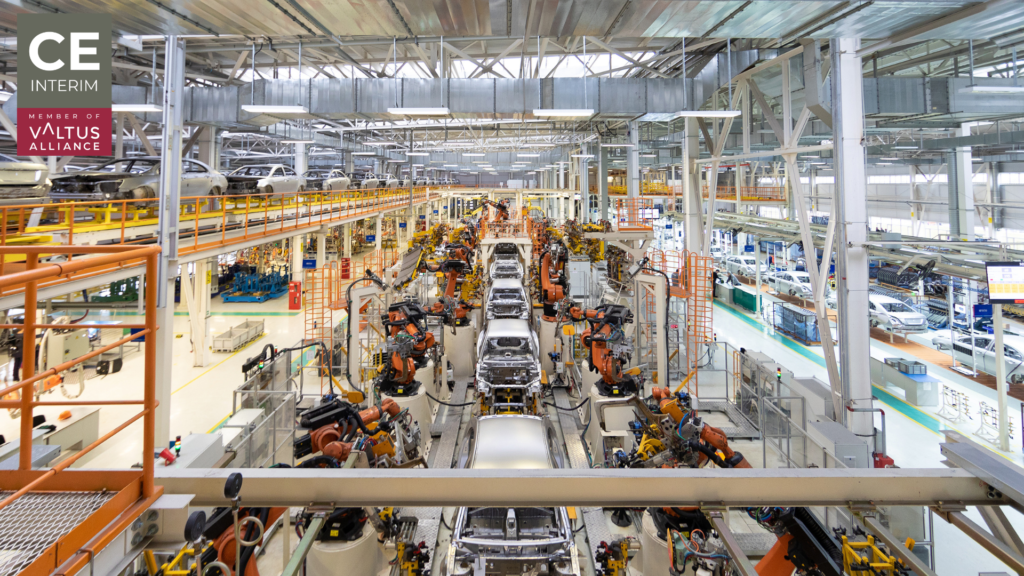
A German conglomerate operates plants in Poland and Serbia under one COO. Poland is shipping to plan. Serbia is ramping new capacity. The Group Board receives monthly KPIs: aggregate output is tracking, capital spend is within budget, and the portfolio appears sound. What the board does not see is that Tier 2 ramp-up board visibility manufacturing metrics at the Serbian operation are deteriorating in ways aggregate reporting masks. Labour scarcity is compressing timelines. Customer delivery milestones are sliding. By the time the formal escalation reaches the board, the cost of delay has crystallised. The Core Problem This is not incompetence. It is a story about how Tier 2 operational oversight fails when portfolio governance depends on aggregate metrics and board attention concentrates on sites that deliver to plan. Market Context Serbia’s automotive industry generated €4 billion in exports in 2025, representing 12.3 per cent of total exports. According to the UNDP labour market study, labour demand in Serbia will increase from 125,000 in 2024 to 144,000 in 2026, with manufacturing leading. The impact manifested acutely in 2025: 1. 12,640 workers in Serbia’s automotive sector were placed on paid leave at 60 per cent compensation longer than legally allowed. 2. This resulted in dismissal of more than 6,000 employees. 3. The effect cascaded into ramp-up delays DACH headquarters never detected until customer delivery penalties arrived. Decision 1: How Many Sites Can A COO Oversee Without Losing Visibility? The Structural Accountability Gap A COO overseeing multiple sites typically manages through quarterly reviews and exception reporting. This works when sites are mature and performing to plan. It fractures when a COO manages both a delivering site (Poland) and a ramp-up site (Serbia) simultaneously. The delivering site demands optimisation attention. The ramp-up site demands escalation and problem-solving. One person cannot give both sufficient scrutiny. What Actually Happened Month 8 of the ramp-up: Serbian operation missed labour recruitment targets. The Plant Manager flagged it to the COO. The COO understood the risk but did not escalate to the board because aggregate portfolio numbers still looked acceptable, driven by Poland’s solid delivery. The decision not to escalate was rational under the assumption that a Tier 2 variance could be resolved locally. That assumption was wrong. Why Board Attention Disappears The Serbian automotive sector saw revenues rise from €7.2 billion in 2023 to €8.3 billion in 2024, but forecasters warned in January 2026 that 2025 could be significantly weaker due to falling EU demand according to CorD Magazine. That external pressure was already known. What was unknown was that labour scarcity would compress the window for recovery. Decision 2: At What Variance Threshold Triggers Board Review? The Aggregate Metrics Trap Most boards receive portfolio-level KPIs, not site-by-site detail. The Missing Decision Rule Few boards have explicitly defined the variance threshold at which a secondary market ramp-up requires board-level intervention. In practice, what constitutes an anomaly is subjective. Decision 3: Who Escalates Before The Customer Does? The Skill Displacement Problem The Stellantis EV conversion at Kragujevac illustrates the problem. The conversion compressed demand for traditional machinists by 12 per cent year-over-year while increasing demand for battery technicians by 34 per cent. A Plant Manager facing this transition cannot solve it locally. Specialised skills do not exist in sufficient supply. This requires board-level capital reallocation. Options available to the board: 1. Upskill (expensive and slow). 2. Outsource non-core assembly (margin hit). 3. Extend the ramp timeline (delays cash return). 4. The Plant Manager cannot make this decision. The COO may not escalate it without board authority. When Customer Escalation Becomes Liability OEM customers operate on fixed delivery schedules. A slip of two to four weeks is normal variance. A slip of eight to twelve weeks triggers formal escalation and penalty review. The escalation sequence in the Serbian case: 1. Month 8: Plant Manager should have escalated to the COO when labour targets were missed. 2. Month 10: COO should have escalated to the board, framed as customer delivery risk. 3. Month 12: Customer saw the miss through delayed shipments. 4. Month 13: Customer placed formal claim. That is how Tier 2 operational oversight failures become customer escalation risk and cash liability. Why Aggregate KPIs Miss Operational Reality A board typically tracks portfolio output, capital spend, margin, and cash flow. This variance may fall within tolerance if market headwinds were already factored. What the aggregate does not show is the composition: Poland over-delivering to compensate for Serbia’s structural problem. Poland cannot sustain that for 18 months. When Poland returns to normal run-rate in Month 16, the portfolio collapses. The Intervention Question When Board Escalation Finally Comes In Month 13, the customer formalises a delivery penalty claim. The board faces three options. 1. Invest capital and temporary executive resources to rescue the operation. This requires €15 to €20 million and assumes the labour market and customer patience both hold. 2. Extend the ramp by six months. This delays cash return but reduces monthly wage pressure. 3. Sell or close the operation and consolidate Serbian supply into Poland or Romania. The board faces a restructuring decision it should have made at Month 10, when variance was internal. The board’s options have narrowed. At Month 13, when the customer has already escalated, any injected leader has less leverage and must work within tighter constraints. Structural Prevention Governance Architecture Without Single-Point Failure The structural problem is not that one COO oversees multiple sites. It is that accountability for ramp-up variance is distributed across multiple roles without clear escalation ownership. A more robust structure assigns explicit accountability in this sequence: 1. Plant Manager owns site-level performance and is required to escalate to the COO if any leading indicator breaches a defined threshold. 2. COO owns multi-site portfolio performance and must escalate to the Board if a threshold is breached. 3. Board owns portfolio-level variance review and must decide on capital reallocation or scope adjustment within a defined timeframe. Separating Ramp-Up Oversight From Aggregate Reporting Most boards receive portfolio-level KPIs quarterly. This is appropriate for
كيفية إعادة هيكلة مصنع بولندي دون أن يفقد قدراته التقنية

In brief Margin pressure often pushes a Swiss parent to cut costs in a Polish manufacturing plant. The instruction that reaches the site is usually the same: cut every department by the same percentage. It feels fair. It is easy to communicate. But it treats a toolmaker and an administrative role as if they cost the business the same, and they do not. The plant loses capability, not cost. A capability-led restructuring works differently. It runs a value-stream review and rationalises the product portfolio first. Then it puts one accountable executive on-site to protect the roles the plant needs to keep running. Why Uniform Cost Targets Often Fail in Polish Manufacturing Industrial order volumes fall across European capital goods markets. Swiss boards overseeing subsidiaries in Lower Silesia, Katowice or Poznań then come under pressure. They need to protect group EBITDA to a set timetable. The instruction that reaches the plant is usually the same. Cut costs by fifteen to twenty per cent, across every department. A uniform target is an understandable response to this kind of pressure. It avoids a lengthy board debate about which product lines, functions or legacy processes should close. The board can also explain it to the works council and the wider organisation as consistent and fair. The difficulty appears once the target reaches the shop floor. An hour of toolmaker time costs the business something different from an hour of administrative reporting. A uniform percentage treats them as the same. Challenges in Managing Polish Plants from Overseas Headquarters Switzerland is one of Poland’s largest non-EU sources of direct manufacturing investment. Its footprint spans precision mechanics, medical technology and electrical engineering, according to trade data from the Polish-Swiss Chamber of Commerce. These plants combine Swiss quality requirements with Polish technical flexibility. A uniform cost target puts exactly that combination at risk. Operational Factors Complicating Plant Restructuring in Poland Key Indicators That Cost Reduction Is Causing Capability Loss When two or more of the following signs appear together, the question changes. It is no longer whether the reduction is delivering its target saving. It is where the cost of that saving has actually gone. Core Requirements for an Effective Manufacturing Restructuring Mandate First, map the value stream before headcount changes. A granular review classifies every role as value-creating, value-enabling or non-value-adding. It does this before applying any reduction target. The review ring-fences toolmakers, maintenance specialists and certified welders from the outset. Duplicate reporting layers and administrative overhead absorb the reduction instead. Before headcount, rationalise the product and customer portfolio. Restructuring should start with the commercial order book. Closing low-margin, high-complexity legacy lines frees up the tooling and changeover time these lines consume. This reduces footprint and complexity. It does not touch the technical capability the plant needs to serve its remaining, more profitable book. Once the board makes the portfolio decision, structure the social dialogue early. The mandate engages Polish trade unions and employee councils with transparent operational data from the outset. It offers a structured voluntary departure programme (Program Dobrowolnych Odejść), and reserves the right to decline applications from critical technical staff. This lets the reduction proceed as a negotiated process, not a contested one. Throughout, one executive needs to be accountable for the sequence. An interim CRO holds that accountability on-site. The CRO pauses further indiscriminate cuts and protects the roles the value-stream review identified. The CRO also runs the portfolio and workforce decisions as one coordinated programme, rather than three separate ones. Only a few decisions escalate to the Swiss board. These include a change to the approved savings target, or a departure from the agreed statutory process. The mandate ends with a structured handover. At that point, the retained management team can run the stabilised operating model on its own. Cross-Border Leadership Strategies for Polish Operations Zurich needs reliable, verified information. It needs to know what capability actually exists on the site. Also, it needs to know what the reduction will cost in delivery and quality risk. It needs assurance that the plant has followed the statutory process correctly. The Polish plant needs something different. It needs one clear voice with the authority to protect critical roles and negotiate departures fairly. That voice must also keep the value stream moving while the review is underway. Neither need is unreasonable. Neither side can meet its own need alone. An interim CRO closes that gap. The board appoints this executive with a defined mandate and reporting structure, accountable to both the Swiss board and the plant leadership. The CRO does not become either side’s advocate. CE Interim identifies and assesses that executive against the specific mandate. A Partner stays engaged in the governance of the assignment as it progresses. The CRO hands over a stabilised, rightsized operation once the work is done. Case Study: Successful Capability-Led Turnaround in Lower Silesia A Swiss precision metal components group operated a manufacturing subsidiary in Lower Silesia employing 320 people. Facing a 25% drop in European industrial machinery demand, the board mandated an immediate 20% across-the-board budget cut. Six months later, the plant had lost seven of its top nine CNC setup technicians. Scrap had risen from 2.8% to 7.4%. Quarterly operating losses had deepened from 400,000 CHF to 1.1 million CHF. An on-site review found that the across-the-board cuts had reduced the toolroom and maintenance shifts. Middle-management administrative structures remained largely intact. The plant was turning away profitable precision orders for lack of setup capability. CE Interim identified and mobilised an Interim Chief Operations Officer, on-site within 72 hours of the completed mandate brief. The interim COO halted further indiscriminate cuts and retained the remaining critical CNC specialists on retention terms. It also closed two structurally unprofitable low-margin product lines and consolidated factory floor space by 35%. Within four months, fixed overheads had reduced by 1.6 million CHF annually. Scrap had fallen back to 2.1% within ninety days. OEE on the core lines had risen to 84%. The plant had returned to positive operating cash flow, with
التوقف عن إدارة المصنع من فرنسا: كيف تقوض «الإدارة الخفية» المساءلة المحلية في المصانع البولندية

In brief When a French group’s functional leaders begin instructing a Polish plant’s supervisors directly, the site loses the authority it needs to run daily operations. Headquarters loses the accountability it was trying to strengthen. The answer is not less group involvement. It is a clearer division of it. Standards, capital and escalation thresholds stay at headquarters. Daily production decisions stay on site, under one accountable executive on the ground. Where local leadership has already weakened, an interim plant manager or managing director can carry that authority while the group rebuilds its permanent team. How Fragmented Decision-Making and Dual Ownership Erode Plant Efficiency Picture a single decision: a press goes down mid-shift near Katowice, and the supervisor needs to authorise overtime to protect tomorrow’s delivery to a French assembly plant. Eighteen months ago, that decision belonged to the Polish plant manager, taken in minutes. Today it also belongs, informally, to a group operations director in Paris, copied on every shift report since a delivery miss put the site under scrutiny. Neither person asked for this. When performance first slipped, increasing oversight was reasonable. A group quality director asking for daily scrap data instead of weekly is doing exactly what the situation calls for. Procurement retaining a supplier decision where the commercial exposure sits is sound governance too. Each step, alone, is defensible. The difficulty is what happens when several accumulate on the same plant at once. A daily call here, a request for raw data there. Eighteen months later, that overtime decision has two owners. A shift supervisor now takes direction from three people in France and one on site, and none of the four sees what the others have said. The plant manager, still accountable for the numbers, is no longer the person the shop floor actually asks. This is what is usually meant by shadow management: a second, informal instruction line from group functions into the plant’s operating layer, alongside the formal one. Research by McKinsey & Company on breaking up matrix complexity describes the mechanism. As decision rights spread across matrix lines, coordination work goes up while individual ownership goes down. A decision with two owners takes twice as long to make, or does not get made at all. Cross-Border Operational Challenges Between French HQ and Polish Subsidiaries Distance and time zones are the least of it. Three structural features of the corridor make the same drift more consequential than inside a single country. The Polish plant is a legal entity, not a department. Its managing director is a statutory officer with duties a group function in France cannot assume on their behalf. When instructions arrive from people holding no formal role in that entity, the person carrying legal responsibility is executing decisions they did not make. It is a common reason strong operational leaders resign from otherwise attractive roles. Customer and audit accountability attaches to the site, not the function that advised it. Under IATF and customer-specific requirements, the plant must demonstrate control of its own processes. A group function can set the standard, but only the site can prove it meets that standard. Group functions see the result but rarely the constraint behind it. A cycle-time target set in France is reasonable. Whether the plant can hit it this week depends on which press is down, which operator qualification has lapsed, and which container is late. That reaches headquarters, if at all, after the shift in which it mattered. Add the local consultation required before shift patterns change, and the pattern is clear. The instruction from France is usually sound. The route it travels to the shop floor is what causes the damage. The Operational and Business Costs of Unchecked Shadow Management The first thing lost is not a metric. It is the people who would have executed the recovery. Capable production heads, engineers and quality managers leave roles where accountability and authority have separated. They leave early, since good people are easy to place in Poland. A group that lets this run for a year often still has the original problem, and no leadership left to solve it. The second cost is harder to reverse. Once a customer’s programme manager learns that France, not the site, now decides on their parts, they escalate to France and stop calling the site. Local authority then must be rebuilt in front of the customer, a slower process than restoring it internally. Key Symptoms Indicating Centralized HQ Interference in Local Plant Operations The clearest sign is a change in how local management answers a performance question. When the answer points to a group instruction rather than a root cause, this can look like defensiveness. In fact, it precisely shows who made the decision, and where. Alongside it, group functional specialists find much of their week spent with the plant’s supervisory layer rather than its management. Few set out for this; it arrived one call at a time. Two symptoms tend to follow. Maintenance and tooling decisions that once took an hour now take two days. Nobody can name the approval step that added the delay, because no one ever wrote it into a process. Disputes once settled on the shop floor travel up two functional lines in France and return unresolved. The judgement is not how many are present, but whether the site’s operating layer has stopped absorbing normal variation on its own. Once it has, more reporting will not restore it. What is missing is a single point of authority both the group and the shop floor recognise. Initial Decision Mapping and Escalation Strategies for Operational Leaders An experienced operations executive does not start with scrap or OEE. Those are outputs, and by now both sides dispute what they mean. The first task is a decision map: for the twenty or so decisions that recur weekly, who actually takes them today, and how long does each take? Not who the organisation chart says. Who the supervisor calls. It takes two or three days, and is often
عندما يتعين على المقر الرئيسي لمنطقة DACH إدارة عمليات إعادة الهيكلة في بولندا وجمهورية التشيك ورومانيا في آن واحد
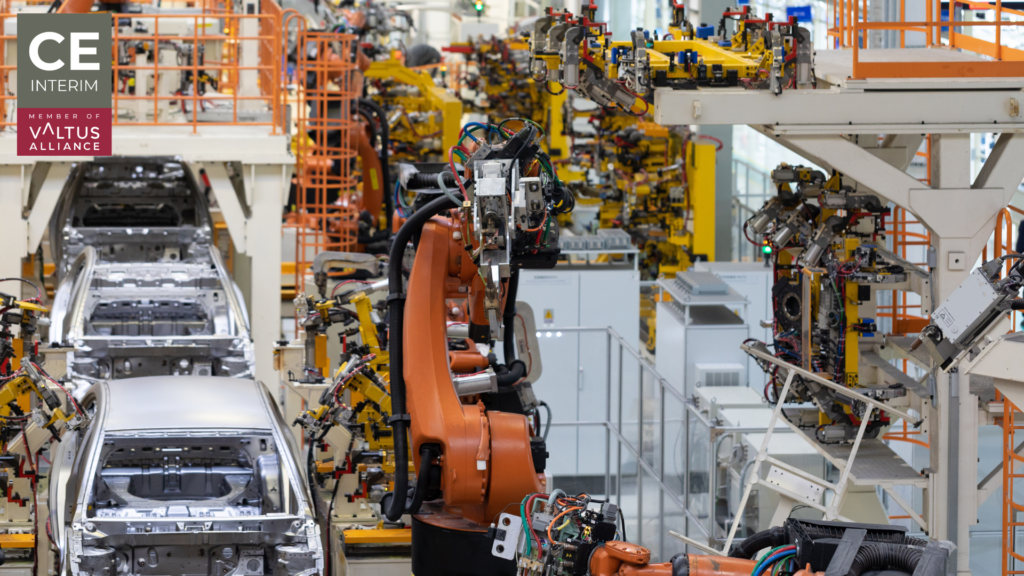
تمتلك إحدى شركات توريد قطع غيار السيارات الألمانية حصصًا مسيطرة في كل من بولندا ورومانيا وجمهورية التشيك. ويُعد الإنتاج البولندي قويًّا، لكن الضغوط المتعلقة بالأجور آخذة في الازدياد. وقد انكمش الإنتاج الروماني بنسبة 5 في المائة منذ عام 2021. أما الطاقة الإنتاجية التشيكية فهي مستقرة، لكن سوق العمل يشهد نقصًا في اليد العاملة. ويجري حاليًّا على مستوى مجلس الإدارة مناقشة خطة لإعادة هيكلة المحفظة متعددة البلدان في منطقة أوروبا الوسطى والشرقية. ما لم يدركه مجلس الإدارة بعد هو أن ثلاث خطط انتعاش سليمة كل على حدة، إذا نُفِّذت في وقت واحد، ستتعارض على مستوى الحوكمة وتؤدي إلى تدمير القيمة حتى لو تحسّن الأداء التشغيلي لكل موقع على حدة. معضلة الرئيس التنفيذي: الرواية الموحدة مقابل الواقع التشغيلي يواجه الرئيس التنفيذي الذي يدير محفظة متعددة البلدان مشكلة جوهرية. يتحمل الرئيس التنفيذي المسؤولية النهائية عن الأداء المالي الموحد، والعائد على رأس المال المستثمر، والتماسك الاستراتيجي. تتطلب هذه المقاييس سردًا موحدًا: المحفظة ذات أداء متدني لأسباب “X”، ويتطلب الانتعاش تدخلات “Y”، وسوف يتحسن الربح قبل الفوائد والضرائب والاستهلاك والإطفاء (EBITDA) الموحد بنسبة 15 في المائة. تروي الواقع التشغيلي ثلاث قصص منفصلة: وفقًا لتحليل XYZ الصادر في يوليو 2026، كان الإنتاج الصناعي البولندي في يونيو 2026 أعلى بنسبة 16 في المائة تقريبًا عما كان عليه في عام 2021، وهو أقوى أداء في المنطقة. تدير العمليات البولندية الطلب بنجاح مع استيعاب تضخم الأجور. قصة الانتعاش في بولندا تدور حول حماية الهامش، وليس الإنقاذ التشغيلي. أما رومانيا فتواجه مشكلة تشغيلية مختلفة. وفقًا للمعهد الوطني للإحصاء (Institutul Național de Statistică)، انكمش الناتج الصناعي الروماني بنحو 5 في المائة منذ عام 2021. وانخفض قطاع التصنيع على وجه التحديد بنسبة 6.0 في المائة على أساس سنوي في يناير 2026. وهذه هي النتيجة الواضحة لفقدان الطلب الهيكلي. تمثل صناعة السيارات حوالي 10 في المائة من الناتج المحلي الإجمالي وما يقرب من 50 في المائة من إجمالي الصادرات. يتطلب تحول رومانيا توظيف رأس المال وجدولاً زمنياً للانتعاش يمتد لعدة سنوات مع عدم اليقين بشأن توليد السيولة في المدى القريب. أما العمليات في جمهورية التشيك فتحقق نتائج مالية مستقرة. ومع ذلك، وراء هذه النتائج، يؤدي نقص العمالة المتاحة إلى تأجيل أعمال الصيانة وقيود خفية على الطاقة الإنتاجية. إن السرد الموحد للانتعاش الذي يعامل المواقع الثلاثة جميعها كعناصر لخطة تحول واحدة يحجب هذه الحقائق المتضاربة. مشكلة نطاق عمل المدير التنفيذي للعمليات: لا يمكن لمسؤول تنفيذي واحد أن يمسك بزمام السلطة في ثلاث دول عادةً ما تُسند الخطة التشغيلية لانتعاش محفظة متعددة البلدان في أوروبا الوسطى والشرقية المسؤولية إلى مدير تنفيذي واحد للعمليات، يُتوقع منه أن يمسك بزمام السلطة التنفيذية على البلدان الثلاثة جميعها، ويضمن اتساق التقارير، ويدفع بسرعة عملية اتخاذ القرارات. وهذا عيب في التصميم يبدو منطقيًا في المخطط التنظيمي لكنه يفشل في التنفيذ. يؤدي نقص العمالة إلى قيود خاصة بكل دولة: في بولندا، وفقًا لمؤشر الوظائف لعام 2026 الصادر عن مكتب العمل الإقليمي في كراكوف، تشمل المهن التي تعاني من نقص الكهربائيين، والميكانيكيين الكهربائيين، وفنيي التركيبات الكهربائية، وعمال اللحام، ومشغلي آلات التصنيع باستخدام الحاسب الآلي (CNC). ويجب على المدير التنفيذي للعمليات المسؤول عن بولندا أن يكرس وقتًا غير متناسب للاحتفاظ بالعمالة، والتفاوض بشأن الأجور، واتخاذ القرارات التكتيكية المتعلقة بعدد الموظفين. ولا يمكن لهذا المسؤول التنفيذي نفسه أن يولي في الوقت نفسه نفس القدر من الاهتمام لرومانيا، حيث تكمن المشكلة في استقرار الطلب والحفاظ على السيولة النقدية، أو للجمهورية التشيكية، حيث تكمن المشكلة في تخطيط القدرات في ظل نقص العمالة. تتدهور سرعة اتخاذ القرار عبر البلدان الثلاثة؛ وتؤدي إعادة هيكلة المصانع المتعددة إلى ظهور مطالب متنافسة: خيار المدير المالي لتوزيع رأس المال: عندما يصبح الاستثمار تسلسلاً هرمياً. يجب على المدير المالي الذي يدير تخصيص رأس المال عبر عملية إعادة هيكلة محفظة متعددة البلدان في أوروبا الوسطى والشرقية أن يجيب على الأسئلة التالية: أي بلد يحصل على رأس المال الاستثماري، وأي بلد يحصل على رأس المال المخصص لإعادة الهيكلة، وأي بلد يُدار بهدف الحفاظ على السيولة النقدية؟ إذا كانت بولندا تحتاج إلى 15 مليون يورو لحماية الهامش، ورومانيا تحتاج إلى 25 مليون يورو لتثبيت استقرار العمليات، والجمهورية التشيكية تحتاج إلى 10 ملايين يورو لمعالجة الصيانة المؤجلة، فإن إجمالي الاحتياجات يبلغ 50 مليون يورو. ولا تمتلك معظم المجموعات الصناعية الناضجة مبلغ 50 مليون يورو متاحًا عندما يتنافس رأس المال مع توزيعات الأرباح، والاستثمارات الاستراتيجية، وخدمة الديون. يواجه المدير المالي سلسلة من الخيارات المتعارضة؛ فلكل خيار نتائج مختلفة على الأرباح قبل الفوائد والضرائب والاستهلاك والإطفاء (EBITDA) المجمعة ومرونة المحفظة. ومع ذلك، لا يُعرض أي خيار على هذا النحو على مجلس الإدارة. بدلاً من ذلك، يبني المدير المالي سرداً عن «الكفاءة» أو «الاستثمار المرحلي» يخفي تسلسلاً تشغيلياً تُعطى فيه الأولوية لدولة ما على حساب الدول الأخرى. تحدي فرضية شريك رأس المال الخاص: تضارب أهداف المحفظة مع عملية التعافي إذا كانت المحفظة مدعومة برأس مال خاص، فإن شريك رأس المال الخاص لديه تفويض بسيط: تحسين EBITDA المجمع للمحفظة بنسبة مئوية مستهدفة في غضون 18 إلى 36 شهراً. هذه هي فرضية الاستثمار الأساسية. وعندما يُقترح إعادة هيكلة محفظة تشمل عدة بلدان في أوروبا الوسطى والشرقية، فإن شريك رأس المال الخاص يوافق على تحسين الأرباح قبل الفوائد والضرائب والاستهلاك والإطفاء (EBITDA) عبر ثلاثة بلدان من خلال التدخل التشغيلي. لكن الواقع أكثر تعقيدًا بكثير. تواجه الدول الثلاث جميعها نفس العوائق الهيكلية. وفقًا لبيانات الاتحاد الأوروبي للنقابات العمالية الصادرة في مارس 2024، فقد الاتحاد الأوروبي ما يقرب من مليون وظيفة في قطاع التصنيع بين عامي 2019 و2023. سجلت بولندا خسارة 278,000 وظيفة، ورومانيا 144,000 وظيفة، وألمانيا 129,000 وظيفة. تعكس هذه الخسائر تغيرات هيكلية في الطاقة الصناعية واقتصاديات العمل، وليست مجرد ضعف مؤقت في السوق. حل مشكلة تضارب السلطات: أصبحت المساءلة التنفيذية الإقليمية أمراً ضرورياً لا يُحل فشل الحوكمة عبر هذه الأدوار المتنافسة بإضافة إجراءات أو تحسين نماذج إعداد التقارير. بل يُحل من خلال إنشاء سلطة تنفيذية واضحة وموحدة للمحفظة ككل، منفصلة عن الإدارة اليومية لعمليات كل دولة على حدة. ما يجب أن تتمتع به السلطة التنفيذية الإقليمية: هذا ليس دورًا تنسيقيًا. إنه دور سلطة تنفيذية. يقوم المنسق بنقل القرارات؛ أما السلطة التنفيذية فتصدرها. وتحدد الطريقة التي تُدار بها هذه السلطة ما إذا كان الدور سيحقق النجاح أم سيصبح عقبة تعرقل تعافي المحفظة. لا يمكن أن يكون هذا الدور دائمًا: ففي ظل تقلص فرص العمل في قطاع التصنيع في جميع أنحاء المنطقة وتباين توجهات المواقع الفردية، لا يمكن أن يكون المسؤول التنفيذي الإقليمي إضافة دائمة إلى قاعدة التكاليف. يوجد هذا الدور لتحديد الحقائق، وترتيب القرارات، وفرض التوافق. وبمجرد الانتهاء من هذا العمل، عادةً ما يُلغى الدور أو يُدمج مع القيادة الدائمة في كل دولة. قرار مجلس الإدارة: ثلاثة مسارات تشغيلية متميزة يجب على مجلس الإدارة الآن اختيار ما يعنيه فعليًا «تحول محفظة متعددة البلدان في أوروبا الوسطى والشرقية» (CEE). هذا ليس قرارًا ثنائيًا. إنه سلسلة من الخيارات عبر أطر زمنية مختلفة. سياق سوق دول ألمانيا والنمسا وسويسرا (DACH): إعادة توجيه المحافظ وفقًا لتحليل مجموعة ARC الصادر في فبراير 2026، تحولت أنشطة الاندماج والاستحواذ الصناعية في منطقة DACH نحو عمليات الفصل، والحصص الأقلية، وعمليات إعادة الهيكلة. بلغ حجم الصفقات الصناعية الألمانية 551 صفقة في عام 2025. وتراجعت القيمة الإجمالية للصفقات إلى 16.5 مليار يورو، بانخفاض قدره 40 في المائة عن العام السابق. ويعكس هذا التحول خيارات مدروسة في المحافظ الاستثمارية: بيع الأصول غير الأساسية وتركيز رأس المال على الأعمال التي تشهد انتعاشًا
لماذا يتعثر التكامل بعد الاندماج في المصانع البولندية المملوكة لألمان

باختصار: غالبًا ما يتعثر التكامل بعد الاندماج بين المالكين الألمان والمصانع البولندية المستحوذة عليها خلال السنة الأولى، ليس بسبب التكنولوجيا، بل لأن هياكل الإبلاغ والموافقة الألمانية المركزية تُطبق بوتيرة أسرع من قدرة السلطة التشغيلية المحلية على استيعابها. وتفشل افتراضات التآزر بصمت بينما يعتقد الطرفان أن عملية التكامل تسير على المسار الصحيح. وتتطلب استعادة الزخم وجود مدير تنفيذي في الموقع يتمتع بالسلطة اللازمة لترجمة حوكمة المجموعة إلى قرارات يومية في المصنع، وتفويض واضح للسلطة منذ اليوم الأول، وتسلسل يعمل على استقرار التدفق التشغيلي قبل مواءمة أنظمة الدعم الإداري. علامات الاحتكاك المبكرة في عمليات الاستحواذ على المصانع البولندية التي تتجاهلها مجالس الإدارة: عادة ما يبدأ الاحتكاك بهدوء. تبدأ تقارير التكامل الشهرية الواردة من مصنع في بوزنان أو كاتوفيتسه أو بيدغوشتش في إظهار معالم لم يتم تحقيقها: تأخير في عملية الانتقال إلى نظام تخطيط موارد المؤسسات (ERP) بسبب تعقيد النظام المحلي، وتأجيل تحقيق وفورات في المشتريات لأن عقود الموردين الحالية تحتاج إلى مراجعة، وانخفاض في أداء التسليم يُعزى إلى إعادة التنظيم التي أعقبت الصفقة. ولا يعتبر أي من هذه التفسيرات غير معقول في حد ذاته. وبعد أن دافع مجلس الإدارة عن التقييم وحجة التآزر أمام لجنة الاستثمار، فإن غريزته تميل إلى التعامل مع الاحتكاك المبكر على أنه تعديل طبيعي، وليس كإشارة تحذيرية. وهذه الغريزة مفهومة. لكن الخطر يكمن في أن كل تفسير معقول بحد ذاته يؤخر اللحظة التي يطرح فيها المقر الرئيسي سؤالاً أكثر صعوبة. هل المصنع يندمج فعليًّا، أم أنه يشغّل نظامين متوازيين يبدوان كلاهما مقبولين عند النظر إليهما من بعيد؟ تشير الأبحاث التي أجرتها شركة ماكينزي آند كومباني حول تحقيق التآزر بعد الاندماج إلى نمط يتوافق مع هذا: فالمشترون يبالغون عادةً في تقدير سرعة تحقيق التآزر ويقللون من شأن الاحتكاكات المؤقتة الناتجة عن الاندماج، كما أن أكثر من ستين في المائة من عمليات الاندماج الصناعية تفشل في تحقيق هوامش التشغيل المفترضة عند التوقيع. يميل تآكل القيمة في عمليات الاستحواذ الصناعية إلى الحدوث تدريجيًّا وليس كحدث واحد واضح، وهذا بالضبط ما يجعل من الصعب على مجلس الإدارة اتخاذ إجراءات في الشهر الثالث أو الرابع. الأسباب الهيكلية لفشل ما بعد الاندماج في العمليات الألمانية-البولندية: تعد بولندا أحد أهم شركاء ألمانيا في مجال التصنيع، وتربط بين البلدين علاقات صناعية ثنائية عميقة. ويمكن أن تجعل هذه العلاقة الوثيقة من السهل التقليل من شأن الفجوة التشغيلية. ونادراً ما تكمن الصعوبة في اللغة. بل تكمن في العلاقة بين كيفية اتخاذ القرارات قبل عملية الاستحواذ وكيفية توقع المالك الجديد أن تُتخذ بعد ذلك. فقد تم تأسيس العديد من الشركات الصناعية البولندية المستحوذة على يد مؤسسيها وأصحابها الذين أداروا المصنع من خلال علاقات مباشرة مع العاملين في أرضية المصنع وقرارات شفوية سريعة. وعندما تُدخل الشركة الأم الألمانية نظاماً هرمياً متشابكاً يتطلب موافقة وظيفية من المقر الرئيسي بشأن أمور روتينية مثل إصلاح الأدوات أو تغيير نوبات العمل، فإن عملية صنع القرار المحلية لا تصبح أكثر انضباطاً. بل تصبح أبطأ، ويبدأ الأشخاص الذين كانوا يتمتعون بتلك الصلاحية سابقاً في فقدان القدرة على التصرف بناءً على ما يرونه في أرضية المصنع. ويلي ذلك مباشرةً مشكلة ثانية أكثر خفاءً. فقد تخلق تقارير الشركة مظهرًا من التوافق دون أن يكون له مضمون حقيقي. فتتعلم الفرق المحلية ملء النماذج التي يتوقعها المقر الرئيسي، بينما تواصل إدارة العمليات اليومية من خلال سجلات غير رسمية تعكس بشكل أفضل ما يحدث فعليًّا. ولا يتصرف أي من الطرفين بسوء نية. يحتاج المقر الرئيسي إلى تقارير موحدة لإدارة محفظة الأعمال؛ بينما يحتاج المصنع إلى طريقة لتشغيل الإنتاج لا يهدف النموذج القياسي إلى تغطيتها. والنتيجة هي وجود نسختين من الحقيقة، وكلاهما يتم الحفاظ عليهما بصدق. وهناك تأثيران آخران يزيدان من تعقيد هذا الوضع. فهناك طلب كبير على مديري الإنتاج المهرة ومهندسي الأتمتة وصانعي الأدوات في مراكز التصنيع مثل سيليزيا السفلى وبولندا الكبرى. وعندما يضيف التكامل عبئًا إداريًّا ويزيل صلاحيات اتخاذ القرار دون استبدالها بالوضوح، فإن هذه هي بالضبط الكوادر الأكثر قدرةً على الانتقال إلى منافس. وغالبًا ما تفترض أنظمة تخطيط موارد المؤسسات (ERP) أو عمليات طرح العمليات المصممة مركزيًّا، والتي تُبنى دون مشاركة وثيقة من أرض المصنع، تكوينات آلات ومهل توريد من الموردين وأنماط قوة عاملة لا تتطابق مع المصنع المحدد. تشير دراسة أجرتها مجموعة بوسطن الاستشارية حول أطر التكامل بعد الاندماج إلى نقطة ذات صلة: إن نموذج التشغيل المستهدف الذي يتم تصميمه دون مشاركة العاملين في خط الإنتاج يميل إلى خلق الاختناقات التشغيلية التي كان من المفترض أن يمنعها. مؤشرات تحذيرية رئيسية لتعثر التكامل التصنيعي بعد الاندماج: لا يحتاج مجلس الإدارة إلى انتظار مراجعة رسمية لمعرفة ما إذا كان المصنع الذي تم الاستحواذ عليه قد انحرف إلى هذا النمط. فعدد قليل من العلامات، التي تظهر معًا، يُعد مؤشرًا موثوقًا به. تتسطح منحنيات التآزر بعد المائة يوم الأولى: يتم الحصول على خصومات الشراء المبكرة، لكن إعادة توزيع الإنتاج المخطط لها، والخدمات المشتركة، وترشيد الأدوات لا تُظهر أي تقدم إضافي. تبدأ التقارير في التباين، حيث يتم إعداد مجموعة من الأرقام للمقر الرئيسي الألماني، ومجموعة منفصلة وغير رسمية تُستخدم لإدارة المصنع يوميًا. يتحول القادة المحليون الحاليون من الملكية النشطة إلى الامتثال السلبي، حيث يحضرون مكالمات الفيديو لكنهم لم يعودوا يتحملون المسؤولية الشخصية عن الانحرافات التشغيلية. يبدأ العملاء في خطوط الإنتاج الراسخة، الذين كانوا يحصلون على خدمة موثوقة في السابق، في ملاحظة تقلبات حيث يتعطل الإنتاج بسبب تغييرات في العمليات أو قرارات الشراء المركزية. ويبدأ المقر الرئيسي في إرسال مراقبيه ومتخصصيه الوظيفيين في زيارات متكررة لإدارة الوظائف الأساسية للمصنع، مما يضيف تكاليف دون بناء القدرات محليًا. وعندما تظهر ثلاث علامات أو أكثر من هذه العلامات خلال السنة الأولى، فإن نموذج التكامل الأساسي يحتاج إلى التغيير. إن إجراء جولة أخرى من التقارير المركزية، أو الاستعانة بشركة استشارات استراتيجية لإعادة صياغة خطة التكامل، لا يعالج سوى الجوانب الورقية بدلاً من فجوة السلطة التي تعيق فعليًّا عملية التعافي. استراتيجيات التحول لاستعادة الزخم في المصانع بعد الاستحواذ: تعني استعادة الزخم استبدال الإشراف عن بُعد بقيادة ميدانية قادرة على التوفيق بين جانبي العلاقة في آن واحد: خاضعة للمساءلة أمام حوكمة المجموعة، وقريبة بما يكفي من المصنع لاتخاذ القرارات التي يحتاجها المصنع فعليًّا. إدارة الحوكمة عبر الحدود والاستقلالية التشغيلية المحلية لا يقع اللوم على أي من طرفي هذه العلاقة في هذا الانحراف، ولا يمكن لأي منهما حله بمفرده. يعمل المقر الرئيسي بناءً على معلومات مجمعة ومتأخرة، وهو محق في رغبته في الحصول على تقارير موثوقة، وانضباط رأسمالي، ومسار سريع لتصعيد الأمور. أما الفريق المحلي فيعمل في إطار هيكل إبلاغ لم يُصمم من أجله، وطلبه للحصول على جداول زمنية واقعية وصلاحيات اتخاذ قرار فعالة هو أمر معقول بنفس القدر. ويتمثل دور المدير التنفيذي في الموقع في بناء قاعدة حقائق مشتركة واحدة وهيكل قرار واحد يمكن لكلا الطرفين
من مكافحة الحرائق إلى إيقاع العمل: إعادة بناء الإدارة اليومية في مصنع بولندي

باختصار: عندما ينزلق مصنع بولندي إلى حالة من «إطفاء الحرائق» المزمنة، غالبًا ما يفسر الملاك الألمان ساعات العمل الطويلة والنشاط المستمر على أنهما دليل على الالتزام، وليس كإشارة تحذيرية. ونادراً ما تكمن المشكلة الأساسية في المهارات الفنية أو المقاومة المحلية. بل تكمن في انهيار إيقاع الإدارة اليومي المنظم الذي يربط بين واقع مستوى الورديات وصلاحيات اتخاذ القرار على المستوى التنفيذي. وبدون المراجعات اليومية المتدرجة، وعتبات التصعيد الواضحة، وحل المشكلات المنضبط، تقضي الإدارة المحلية يومها في إدارة حالات الطوارئ بدلاً من منعها. تبدأ استعادة السيطرة بوجود قائد مصنع مسؤول قادر على إعادة ترسيخ هذا الإيقاع في أرض المصنع، ويمكن لشركة CE Interim توفير مدير تنفيذي ذي خبرة مثبتة ومناسب للمهمة، جاهز للبدء في غضون 72 ساعة من الانتهاء من عرض المهمة. لماذا تتسامح مجالس إدارة الصناعات التحويلية الألمانية مع «إطفاء الحرائق» التشغيلي؟ نادرًا ما تتدخل مجالس الإدارة في شتوتغارت وميونيخ وفرانكفورت خلال المراحل المبكرة من الانحراف التشغيلي، وهناك تفسير معقول لذلك. لعدة أشهر، قدمت إدارة المصانع المحلية في فروتسواف وكاتوفيتسه وبوزنان أسبابًا معقولة لتراجع الإنتاج: الخردة التي تُعزى إلى تقلبات الموردين، والعمل الإضافي الذي يُبرر بأوامر التغيير العاجلة من العملاء، وتأخير الشحنات الذي يُعزى إلى اضطرابات الشحن الأوروبية. كل تفسير من هذه التفسيرات يبدو معقولاً بحد ذاته. فعندما يعمل الجميع اثنتي عشرة ساعة يومياً ويجيبون على رسائل البريد الإلكتروني بعد منتصف الليل، من المفهوم أن المقر الرئيسي يفسر هذا الجهد على أنه التزام. لكن الصعوبة تكمن في أن ساعات العمل الطويلة والنشاط المستمر لا تعنيان بالضرورة إحراز تقدم تشغيلي. وقد يبدو منح المصنع ربع سنة آخر للتعافي بمفرده قراراً أكثر أماناً ودعماً. لكن الخطر يكمن في أن المصنع لا يعاني من نقص في الجهد أو الموارد. بل إنه فقد إيقاعه التشغيلي، والساعات الإضافية لا تعيد هذا الإيقاع من تلقاء نفسها. والمفاضلة التي يديرها مجلس الإدارة في الواقع ليست حول ما إذا كان يجب الوثوق بالإدارة المحلية أم لا. بل تكمن في ما إذا كان يجب السماح للمصنع بمحاولة استعادة إيقاعه الخاص لربع آخر، مع ما ينطوي عليه ذلك من مخاطر مؤسسية، أم استدعاء السلطة التنفيذية الآن، بينما لا تزال العلاقة مع الشركة المصنعة الأصلية وقاعدة التكلفة قابلة للاسترداد. وكلما تأخر اتخاذ هذا القرار، قلّت الخيارات المتاحة عند اتخاذ القرار. يُعد «إطفاء الحرائق» المزمن عيبًا تشغيليًّا مكلفًا، ولا يعكس أداء الأشخاص الذين يديرون المصنع. فعندما تُحل المشكلات اليومية من خلال أعمال بطولية مخصصة بدلاً من الإجراءات الروتينية القياسية، تفقد الشركة هامش ربحها بسبب العمل الإضافي غير المدرج في الميزانية، ورسوم الشحن الإضافية، والهدر المفرط، وغرامات العملاء. تُظهر الأبحاث التي أجرتها شركة ماكينزي آند كومباني حول إدارة الأداء في أرض المصنع أن الإجراءات الروتينية الأساسية في أرض المصنع والإدارة البصرية المنظمة يمكن أن تحقق تحسناً تشغيلياً فورياً بنسبة تتراوح بين 5 و8 في المائة. وإذا تُركت بيئة التشغيل غير المستقرة دون معالجة، فقد تكلف المنشأة الصناعية ما بين 2 و4 في المائة من هامش الربح الإجمالي كل ربع سنة. حل التعقيدات التشغيلية في ممر التصنيع الألماني-البولندي يتطلب ترسيخ الانضباط التشغيلي اليومي عبر ممر التصنيع الألماني-البولندي حوكمة محددة وديناميكيات هيكلية. غالبًا ما تمتلك أصول التصنيع البولندية آلات حديثة، ووحدات ختم آلية، ومواهب تقنية متميزة، كما أبرزت ذلك المبادرات التعاونية مثل مشروع أبحاث مؤسسة فراونهوفر (Fraunhofer-Gesellschaft) حول التصنيع المتقدم الألماني-البولندي. ولا يزال التنفيذ عبر الحدود يميل إلى التعثر في أربع نقاط يمكن توقعها. علامات الإنذار المبكر لفقدان إيقاع التشغيل في التصنيع: لا يحتاج المديرون التنفيذيون الألمان وقادة العمليات في المجموعة إلى انتظار تدقيق من عميل من مصنعي المعدات الأصلية (OEM) لإدراك أن منشأة بولندية عالقة في حالة «إطفاء الحرائق». هذا النمط واضح يوميًا. كيفية استعادة السيطرة التشغيلية في المنشآت الصناعية: استعادة السيطرة التشغيلية ليست مسألة كتيبات سياسات جديدة أو برامج إضافية. بل تتطلب تدخلاً قياديًا ميدانيًّا يرسخ أربعة ركائز تشغيلية، بتسلسل مدروس. يجب أن يتوفر أولاً إيقاع العمل على مستوى الوردية وسلطة واضحة لإيقاف خط الإنتاج: فبدونهما، لن يكون هناك مجال لتطبيق أي خطوة أخرى في التسلسل. يمكن بعد ذلك تطبيق الإدارة المرئية والانضباط الرسمي في معالجة الأسباب الجذرية خلال أول أسبوعين إلى ثلاثة أسابيع دون زيادة المخاطر بشكل جوهري. الإدارة اليومية المتدرجة: بناء المساءلة في أرض المصنع يتم بناء الانضباط التشغيلي حول ثلاث مراجعات منظمة تُجرى يوميًا في وقوف. الإدارة المرئية وملكية الأداء في الخطوط الأمامية يجب أن يعود تتبع الأداء إلى اللوحات المادية أو التفاعلية في موقع الإنتاج. يجب أن تعرض كل خلية آلية المقارنة بين الإنتاج المستهدف والإنتاج الفعلي كل ساعة، ومعدلات الخردة، ووقت تعطل خط الإنتاج الحالي. وكما تشير دراسة أجرتها شركة ماكينزي حول تحويل أنظمة التشغيل التصنيعية، فإن ربط الأداء المرئي في الخطوط الأمامية مباشرةً بالروتين اليومي يبني المساءلة عبر الورديات بشكل أكثر فعالية من لوحة معلومات تُراجع مرة كل أسبوعين. وتحل صناديق النفايات المادية، ومناطق العيوب المُعلَّمة، وأدوات تتبع فترات التوقف في الوقت الفعلي محل الإدخالات المتأخرة في جداول البيانات التي تُجرى في نهاية الأسبوع. بروتوكولات موحدة لحل المشكلات وعتبات التصعيد: يجب أن تؤدي أي مشكلة لا يمكن حلها في غضون ثلاثين دقيقة في المستوى الأول إلى تصعيد موثق إلى المستوى الثاني. أما المشكلات التي تعرض أحجام الشحنات اليومية للعملاء للخطر، فيجب تصعيدها مباشرةً إلى المستوى الثالث. تحتاج كل مشكلة متكررة إلى تحليل منظم للأسباب الجذرية، مثل طريقة «الخمسة لماذا» أو طريقة إيشيكاوا، مع تحديد مسؤول معين وموعد نهائي لإغلاق المشكلة في غضون اثنتين وسبعين ساعة. وهذا يحافظ على تركيز المراجعات التشغيلية على الحقائق بدلاً من التكهنات. تحديد صلاحيات اتخاذ القرار في موقع العمل وقيادة «جيمبا»: يجب أن تقضي قيادة المصنع ما لا يقل عن أربعين بالمائة من وقتها في موقع الإنتاج، حيث تقوم بجولات منظمة في «جيمبا». فالقرارات المتعلقة بتحديد أولويات الصيانة، والعمل الإضافي في الورديات، وموازنة خطوط الإنتاج، يجب أن تُتخذ في نقطة خلق القيمة، وليس في سلسلة رسائل بريد إلكتروني تتجاوز الحدود. يحتاج المشرفون في الخطوط الأمامية إلى سلطة واضحة لإيقاف خط الإنتاج عند عتبات الجودة دون خوف من رد فعل عقابي من أي من الطرفين. الربط بين المقر الرئيسي وعمليات المصنع: دور المديرين التنفيذيين المؤقتين: استعادة الإيقاع ليس أمرًا يمكن للمقر الرئيسي الألماني توجيهه عن بُعد، كما أنه ليس أمرًا يمكن لإدارة المصنع المحلية إعادة بنائه بمفردها. عادةً ما يتدهور مستوى الإبلاغ المحلي ليس لأن أحداً ما يحجب الحقائق، بل لأن المشرفين يفتقرون إلى السلطة ومعايير التصعيد اللازمة لكشف المشكلات مبكراً واتخاذ الإجراءات اللازمة بشأنها. وفي الوقت نفسه، يحتاج المقر الرئيسي إلى صورة موثوقة واحدة للأداء وإلى الثقة في أن التغييرات المتفق عليها تُنفذ فعلياً في موقع العمل. يحتاج المصنع إلى قائد مسؤول في الموقع يتمتع بالسلطة لاتخاذ قرارات يومية بشأن التوظيف، وأولويات الصيانة، وتوقف خطوط الإنتاج، دون انتظار الموافقة عبر الحدود. تضع CE Interim مديرًا تنفيذيًّا مؤقتًا لملء هذه الفجوة: مسؤول أمام المقر الرئيسي عن النتائج، ومتواجد في المصنع للتنفيذ. من خلال هذه المهمة، يحافظ شريك CE Interim على
تواجه عمليات «الاستعانة بمصادر قريبة» في أوروبا الوسطى والشرقية فجوة في القيادة
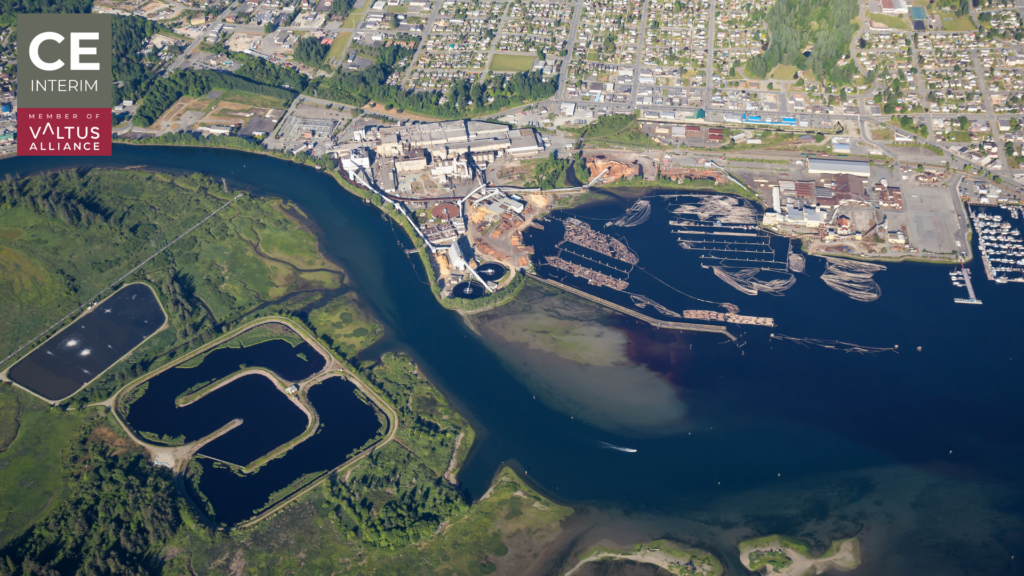
دخلت بولندا عام 2026 في ظل نمو المصانع وخطوط الإنتاج والتزامات الاستثمار بوتيرة أسرع من نمو القاعدة العمالية المحيطة بها. وأفادت الوكالة البولندية للاستثمار والتجارة (PAIH) عن دعم 64 مشروعًا في عام 2025. وتجاوزت قيمة الاستثمارات المعلنة 4 مليارات يورو، مع توفير أكثر من 6,600 وظيفة مخطط لها. ومن بين هذه المشاريع، شكلت 42 مشروعًا إنتاجيًا أكثر من 3.6 مليار يورو وحوالي 2,900 وظيفة مخطط لها. وبالنسبة لمجالس الإدارة التي تسعى إلى نقل عملياتها إلى أوروبا الوسطى والشرقية، فإن نمط العلاقة بين رأس المال والتوظيف هذا له أهمية كبيرة. فهو يحوّل السؤال إلى من يمكنه جعل القدرات الآلية المتزايدة منتجة في الموعد المحدد. وقدرت هيئة الإحصاء البولندية / Główny Urząd Statystyczny (GUS) أن الإنتاج الصناعي المباع ارتفع بنسبة 3.1% في عام 2025، وارتفعت إنتاجية العمل بنسبة 3.5%. وانخفض متوسط معدل التوظيف بنسبة 0.5%، في حين ارتفعت الأجور الشهرية الإجمالية الاسمية بنسبة 8.0%. وأفادت المفوضية الأوروبية أن 62.4% من الشركات الصناعية البولندية اعتبرت نقص العمالة عائقاً أمام الإنتاج في الربع الرابع من عام 2025. وعلى مستوى الاتحاد الأوروبي، بلغت هذه النسبة 17.5%. وهذه هي الحالة الانطلاقية لقطاع التصنيع في أوروبا الوسطى والشرقية لعام 2026: حيث تتزايد كثافة رأس المال في حين تظل الموارد البشرية والإدارية محدودة. يصبح النقل إلى مواقع قريبة في أوروبا الوسطى والشرقية مشكلة تشغيلية بعد اختيار الموقع؛ حيث تنتهي دراسة الجدوى المكانية قبل أن تبدأ مخاطر التنفيذ. وقد سبق لشركة CE Interim أن حددت دراسة الجدوى المكانية الإقليمية في تقرير «ميزة النقل إلى مواقع قريبة: أوروبا الوسطى والشرقية كمركز صناعي لأوروبا». تبدأ هذه المقالة بعد أن يختار مجلس الإدارة المنطقة الجغرافية، ويوافق على رأس المال، ويحدد دراسة الجدوى التجارية. عند تلك المرحلة، يصبح النقل إلى مواقع قريبة في أوروبا الوسطى والشرقية سلسلة متتابعة من الالتزامات المتعلقة بالتشغيل والتأهيل وزيادة الإنتاج. لم يعد مجلس الإدارة يمتلك «فرضية الموقع» وحدها، بل أصبح يمتلك «جدول التنفيذ». تتوسع الطاقة الصناعية في بولندا ضمن قاعدة تكاليف أكثر تقييدًا. سجل البنك الوطني البولندي (NBP) معاملات استثمار مباشر وارد إلى بولندا بقيمة 56.5 مليار زلوتي بولندي في عام 2024. وكان هذا أقل بمقدار 55.1%، أو 69.2 مليار زلوتي بولندي، عن عام 2023. كما حدد البنك الوطني البولندي ارتفاع تكاليف العمالة وأسعار الطاقة ضمن العوامل التي تؤثر على خطط الاستثمار. وبالتالي، فإن انتعاش مشروع PAIH لعام 2025 يأتي في ظل سوق تتعرض لضغوط. يجب أن تستوعب الطاقة الصناعية في بولندا تلك الظروف التشغيلية، وليس مجرد الآلات الجديدة. قد يخفي البناء فجوة القيادة في مجال «الاستعانة بمصادر قريبة»؛ فالإنجاز المادي لا يثبت الجاهزية التشغيلية. من السهل الإبلاغ عن إنجازات الأعمال المدنية وتسليم المعدات وتركيبها. أما الجاهزية التشغيلية فهي أصعب في الرصد. فقد تصل خط الإنتاج إلى مرحلة الإنجاز المادي بينما تظل معايير الصيانة وإجراءات التصعيد وقيادة النوبات واستعادة الموردين غير مكتملة. ويوضح الممر الصناعي لسيليزيا السفلى وأوبول هذه المشكلة الأوسع نطاقاً. تتنافس الطاقة الصناعية الجديدة في بولندا على قادة ذوي خبرة في مجالات الإنتاج والهندسة والصيانة، والذين قد يكونون مشغولين بالفعل بإنتاجهم الحالي. قبل بدء التشغيل، يجب تحديد ملكية واضحة لخمسة أنظمة: تصبح فجوة القيادة في مجال «الاستعانة بمصادر قريبة» مكلفة عندما تظل الملكية مجزأة عبر الوظائف المختلفة. قبل دخول المصنع مرحلة التشغيل، تحتاج الإدارة إلى سيطرة واضحة على مجموعة محدودة من أنظمة التشغيل: ويضيف «يوروستات» قيدًا آخر. بين 1 يناير 2005 و1 يناير 2025، فقدت كل من بولندا ورومانيا ما يقرب من 2 مليون نسمة. وانخفض عدد سكان رومانيا بنحو 11%. وبالنسبة لمدير المصنع أو رئيس المصنع، فإن ذلك يغير الافتراضات المتعلقة بالتوظيف. ويؤثر ذلك على نوبات العمل، ومستوى الصيانة، واستبدال المشرفين خلال مرحلة زيادة الإنتاج. يمكن للأتمتة أن تقلل من العمالة المباشرة في بعض العمليات. كما أنها ترفع تكلفة القرارات الفنية الضعيفة المتعلقة بالأصول الأكثر كثافة رأس المال. يحول التشغيل التجريبي مسارات العمل المنفصلة إلى نظام إنتاج واحد. تصبح فجوة القيادة في عمليات النقل إلى بلدان قريبة قابلة للقياس أثناء التكامل. يفرض التشغيل التجريبي على الآلات والمرافق وواجهات أنظمة تخطيط موارد المؤسسات (ERP) وأنظمة إدارة التصنيع (MES) وبوابات الجودة وإجراءات الصيانة الروتينية والموردين وقدرات القوى العاملة أن تعمل معًا. يكشف المصنع الآن عن ضعف صلاحيات اتخاذ القرار من خلال عدم تحقيق المعالم المحددة، وعدم استقرار أوقات الدورات، والعيوب التي لم يتم حلها. يجب على مدير العمليات التنفيذي أو مدير العمليات أو مدير مرحلة زيادة الإنتاج أن يقرر أي الانحرافات يمكن للمصنع احتواؤها محليًا. أما الانحرافات الأخرى فتهدد التأهيل أو توقيت الإطلاق وتحتاج إلى تصعيد أسرع. وإذا لم يتحمل أحد مسؤولية هذه المفاضلات، فقد تبدو كل وظيفة مشغولة بينما يظل المصنع غير مستقر. يولي التصنيع في أوروبا الوسطى والشرقية لعام 2026 أهمية أكبر لجودة القرارات المحلية. ويمتد هذا الضغط إلى ما وراء بولندا. فقد افتتحت مجموعة BMW مصنعها في ديبريسين، المجر، في 29 سبتمبر 2025. بدأ الإنتاج التسلسلي لسيارة BMW iX3 من فئة «نيو كلاسي» في أواخر أكتوبر 2025. يدمج الموقع إنتاج البطاريات عالية الجهد مع عمليات تصنيع عالية الرقمنة. في جميع أنحاء قطاع التصنيع في أوروبا الوسطى والشرقية لعام 2026، ينطبق نفس الاختبار التشغيلي على الأصول عالية التكامل. وتشمل البصمات الصناعية ذات الصلة شركة مرسيدس-بنز فانز في جاور، بولندا، وشركة نوكيان تايرز في أوراديا، رومانيا. وتتزايد متطلبات الإدارة مع زيادة التكامل. فقد تؤثر مشكلة هندسية محلية على الإنتاج والجودة واللوجستيات في آن واحد. لا يلغي المزيد من الأتمتة الحاجة إلى اتخاذ القرارات؛ بل يركز تلك القرارات في عدد أقل من الأدوار. ولهذا السبب غالبًا ما تظهر فجوة القيادة في مجال «الاستعانة بمصادر قريبة» قبل ظهور وظيفة شاغرة رسمية. تُحوّل إجراءات التشغيل القياسية (SOP) المشكلات التي لم تُحل إلى مخاطر تتعلق بالتكلفة والمخزون والعملاء؛ ويُظهر الاستثمار الأجنبي المباشر في قطاع التصنيع الروماني لماذا لا تتطابق الأصول المركبة مع اقتصاديات التشغيل. أعلن البنك الوطني الروماني (BNR) عن رصيد استثمار أجنبي مباشر وارد بلغ 125.035 مليار يورو في نهاية عام 2024. استحوذت الصناعة على 37.1%، ومثل قطاع التصنيع 76.1% من رصيد الاستثمار الأجنبي المباشر في الصناعة. وبلغ صافي تدفقات الاستثمار الأجنبي المباشر في عام 2024 ما قيمته 5.603 مليار يورو، بانخفاض قدره 17.0% عن عام 2023. يُعد الاستثمار الأجنبي المباشر في قطاع التصنيع الروماني كبيرًا، لكن الطاقة الإنتاجية المركبة لا تزال بحاجة إلى تحقيق الأداء المطلوب. يجب على المصنع تحويل القدرات التقنية إلى حجم إنتاج وجودة وإيرادات نقدية في المواعيد المفترضة في دراسة الجدوى الاستثمارية. ويشهد رأس المال العامل تقلبات قبل أن تظهر في عرض مجلس الإدارة. ووفقًا للمفوضية الأوروبية، انخفض الناتج الصناعي الروماني بنسبة 0.9% في عام 2025. وقدّر التقرير نفسه نمو إنتاجية العمالة الحقيقية في الساعة بنحو 4.5% سنويًا في الفترة من 2015 إلى 2019. وتباطأ هذا النمو إلى حوالي 2% في الفترة من 2020 إلى 2025. أدى ارتفاع أسعار الطاقة والزيادة السريعة في تكاليف العمالة إلى إضعاف القدرة التنافسية للقطاع الصناعي. وهذا هو السياق التشغيلي للاستثمار الأجنبي المباشر في القطاع الصناعي الروماني في أماكن مثل أوراديا وبوخارست-إلفوف. وبمجرد بدء التشغيل (SOP)، ينتقل عدم الاستقرار بسرعة إلى البيانات المالية. تستهلك الخردة المواد، والشحن المتميز يحمي جداول العملاء، والعمل الإضافي يسد فجوات الإنتاجية، وترتفع المخزونات للتخفيف من حدة عدم اليقين. ويأتي هامش المساهمة في وقت لاحق بينما تكون التكاليف الثابتة قد بدأت بالفعل. وبالتالي، يصبح النقل إلى مناطق قريبة في أوروبا الوسطى والشرقية مسألة تتعلق بالتحكم في النقد عندما لا يفي الإنتاج بالافتراضات الواردة في دراسة الجدوى الاستثمارية. تختبر الأشهر الستة الأولى من الإنتاج قدرة الإدارة على التكيف. يتطلب التصنيع في أوروبا الوسطى والشرقية لعام 2026 نظامًا إداريًا، وليس فريق مشروع. يكشف الإنتاج المبكر ما إذا كان الموقع قد أتم الانتقال من حوكمة المشروع إلى الانضباط التشغيلي. يجب أن تنتقل العيوب المتكررة من مرحلة الاحتواء إلى التصحيح الدائم. ويجب أن تنتقل الصيانة من
الامتثال لتوجيه الاتحاد الأوروبي بشأن شفافية الأجور بعد انقضاء الموعد النهائي

لقد انقضى الموعد النهائي المحدد في «توجيه الاتحاد الأوروبي بشأن شفافية الأجور»، لكن العديد من أرباب العمل ما زالوا يفتقرون إلى الهياكل الوظيفية وبيانات الأجور وسجلات القرارات اللازمة للامتثال. يشرح هذا المقال التغييرات التي يجب إجراؤها أولاً، وكيف تختلف سلوفاكيا وبولندا في هذا الصدد، وأين تواجه مجالس الإدارة أكبر مخاطر تشغيلية.
 EN
EN  DE
DE  FR
FR  IT
IT  PL
PL  RO
RO  CS
CS  SK
SK  HU
HU  ES
ES  RU
RU  AR
AR  SL
SL