

Why Automotive Supply Chains Are Most Exposed to Hormuz

Automotive faces five simultaneous Gulf supply disruptions: aluminium, petrochemicals, rubber, semiconductors, and logistics. No other sector is exposed across every material category at once.
Hormuz, Red Sea, Suez: When All Three Corridors Fail at Once

Three major shipping corridors have failed simultaneously for the first time in modern commercial history. Here is why that is categorically different from any previous disruption.
After Hormuz: How to Build a Supply Chain That Cannot Be Held Hostage

Hormuz exposed which supply chains can be held hostage and which cannot. The difference was built years earlier. Here is how to build yours now.
The Hormuz Crisis Is Triggering Force Majeure. Here Is What to Do.

Most companies receiving force majeure notices are treating them as legal matters. They should be treating them as operational starting guns. Here is what your contracts cannot cover.
The Hormuz Crisis Is Proving Just-in-Time Was Always Fragile

Just-in-time has failed twice in five years at scale. The problem is not the model. It is the incentive structure that keeps rebuilding it after every crisis.
How the Hormuz Crisis Is Quietly Destroying Working Capital

The Hormuz crisis is not just raising costs. It is widening five cash conversion cycle gaps at once. By the time it shows in your quarterly review, weeks of response time are gone.
More Than Oil: Hormuz Helium Shortage Hits Semiconductor Supply Chains
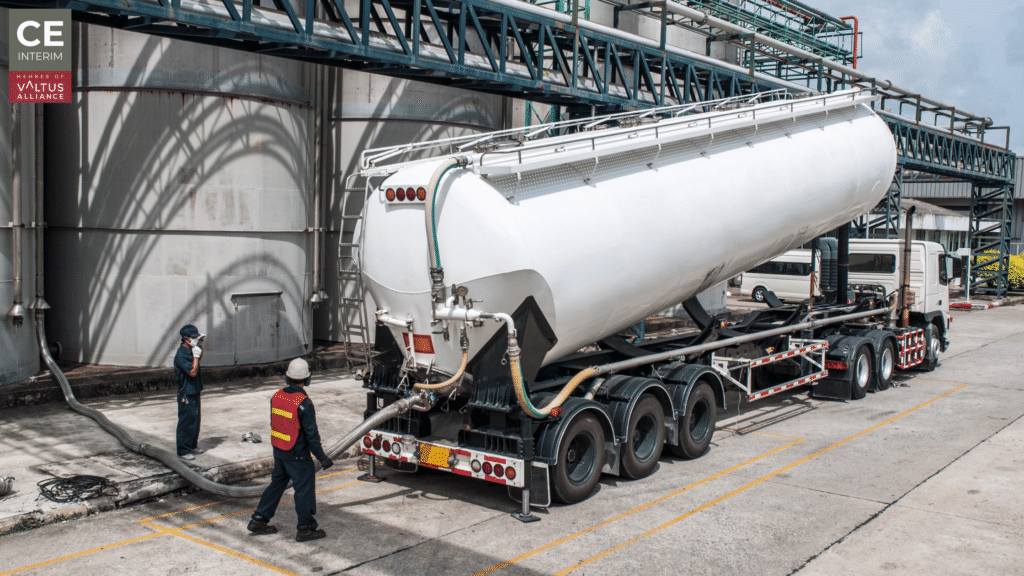
Beyond oil, Hormuz disruption is triggering a helium shortage that is now impacting chip supply chains and global production.
Hidden Hormuz Supply Chain Risks Most Companies Still Overlook

Most companies underestimate their Hormuz exposure. Discover hidden supply chain risks and how they impact costs, sourcing, and operations.
What PE Portfolio Companies Must Do as the Hormuz Crisis Grows

The Hormuz crisis is compressing PE portfolio EBITDA across energy, inputs, freight and working capital simultaneously. Here is the operational playbook for operating partners.
Why Interim Leaders Are the Right Response to a Supply Chain Crisis

When a supply chain crisis hits, consulting and permanent hires both fail for specific reasons. Here is why experienced interim leaders are the only response that matches the pace of real disruption.