
باختصار
تحتاج الشركة التي انفصلت حديثًا إلى سلطة توقيع مستقلة للكيان منذ اليوم الأول. فهي بحاجة إلى معرفة من يمكنه توقيع عقد، أو الإذن بدفع مبلغ مالي، أو تقديم إقرار قانوني. ويعتمد مدى سلطة التوقيع المستقلة التي يتمتع بها المسؤول التنفيذي المعين على نطاق التفويض، وليس على الملكية وحدها. غالبًا ما يفترض المشترون أن السلطة القانونية تنتقل تلقائيًا مع الأسهم. لكن هذا ليس صحيحًا. لن تعترف البنوك المحلية ومكاتب الضرائب والموردون والعملاء بفريق الصفقة التابع للشركة الأم. فهم يحتاجون إلى وجود مسؤول تنفيذي مفوض رسمياً أو ممثل قانوني مسجل.
الفجوة بين مشغل الإتمام وسلطة الاستعداد في اليوم الأول من عملية الاستثناء
تكتمل الصفقة من الناحية المالية عند منتصف الليل. ويتم تسوية سعر الشراء. ويتم نقل شهادات الأسهم. ويقوم المشتري بتشكيل مجلس الإدارة الجديد رسميًا. ومن الناحية النظرية، أصبح المشتري الآن مالكًا للشركة.
في صباح اليوم التالي، قد تتعثر العمليات بسبب سؤال واحد: من الذي يمتلك فعليًّا سلطة التوقيع بصفته كيانًا مستقلًا نيابةً عن الشركة؟
طوال تاريخها ضمن المجموعة الأم، لم تكن للمصنع الذي تم التخلي عنه أي سلطة توقيع مستقلة بصفة كيان مستقل. فقد كان المسؤولون التنفيذيون في المقر الرئيسي للمجموعة هم من يوقعون على كل عقد، وعلى كل أمر شراء يتجاوز حدًا معقولاً، وعلى كل تسهيل ائتماني، وعلى كل إيداع قانوني. وقد استقال هؤلاء المسؤولون كشرط لإتمام الصفقة.
غالبًا ما يفترض فريق الصفقة التابع للمشتري أن القيادة المحلية للمصنع يمكنها ببساطة تولي زمام الأمور. لكن هذا غير ممكن. فقد لا يمتلك مدير المصنع الذي يدير الإنتاج بكفاءة أي توكيل رسمي. وقد لا يمتلك أي تفويض مصرفي. وقد لا يمتلك أي سلطة قانونية لإلزام الشركة. وتصبح هذه الفجوة واضحة بسرعة. فعندما يطلب مورد أو بنك أو مصلحة ضرائب توقيعًا، لا يوجد أحد في الموقع قادر على تقديمه. وهنا تظهر لأول مرة فجوة سلطة التوقيع الخاصة بالكيان المستقل.
هذه هي مسألة سلطة التوقيع في الكيان المستقل في أبسط صورها. من يمكنه التصرف نيابة عن شركة تغيرت ملكيتها على الورق بين عشية وضحاها؟
لماذا تزداد صعوبة منح سلطة التوقيع للكيانات المستقلة في الشركات التابعة عبر الحدود
تصبح مسألة سلطة التوقيع الخاصة بالكيان المستقل صعبة الحل عندما يتجاوز الفصل بين الأجزاء الحدود. وعادةً ما يتواجد فريق الصفقة التابع للمشتري في مركز مالي واحد، بينما تخضع الشركات التابعة العاملة لقانون الشركات الساري في بلد آخر تمامًا.
تضع كل ولاية قضائية قواعدها الخاصة بشأن من يحق له إلزام الشركة، ومن يجب أن يُدرج في السجل التجاري، وما هي الوثائق التي يقبلها البنك أو المحكمة كدليل. لا تؤدي تعليمات شريك تشغيلي في صندوق استثمار خاص إلى تحديث السجل الأجنبي بمفردها. وينطبق هذا الأمر بغض النظر عن مدى رفيعة مرتبة ذلك الشريك. فالمحاكم والبنوك تعتمد على المستندات المؤسسية التي تم التحقق من صحتها، وليس على رسالة بريد إلكتروني.
هذه القصة لا تعني أن أحد الطرفين يتصرف بشكل غير معقول. فالبنوك والمسجلات المحلية تقوم ببساطة بتطبيق القواعد التي كانت سارية قبل إجراء المعاملة. وتتمثل مهمة المشتري في التحقق، بشكل دقيق، من هو الذي يمتلك سلطة التوقيع المفوضة بصفته كيانًا مستقلًا، ومن هو الذي يمتلك السلطة القانونية. ولن تحل هذه المسألة من تلقاء نفسها بمجرد انتقال الملكية.
اكتشاف خلل في صلاحيات التوقيع خلال الأسابيع الأولى التي أعقبت عملية الاستحواذ
نادرًا ما تتوقع مجالس الإدارة حدوث فجوة في صلاحيات التوقيع لدى الكيان المستقل أثناء المفاوضات. وعادةً ما تظهر هذه الفجوة في شكل مجموعة من الأعراض العملية في الأسابيع الأولى التي تلي إتمام الصفقة.
تتوقف عمليات الدفع. فلن ينفذ البنك أي تعليمات صادرة عن مُوقِّع لم يتحقق من هويته بعد. ويوقف الموردون تنفيذ الطلبات الجديدة. فقد لم يعد اتفاق الشراء الذي اعترفوا به ساريًا، ولا يوجد أحد محليًّا يمتلك توكيلًا رسميًّا لتوقيع اتفاق جديد. ويؤجل العملاء التعهدات الجديدة إلى أن يتأكدوا من هوية الشخص المخول بتمثيل الشركة.
تُحال الموافقات الروتينية إلى الجهة الراعية مباشرةً. ويشمل ذلك إصلاحات المعدات الصغيرة أو تجديد عقود الإيجار، نظرًا لعدم وجود سلطة وسيطة. كما تتعثر الإجراءات المحلية المقدمة إلى السلطات الضريبية أو سلطات العمل أيضًا، حيث تتطلب توقيعًا من شخص مسجل رسميًّا ليكون مخولًا بالتوقيع.
لا تشير أي من هذه المؤشرات إلى عدم الكفاءة من أي من الطرفين. بل تشير إلى وجود فجوة في سلطة التوقيع لدى كيان مستقل لم يقم أحد بسدها قبل إتمام العملية.
تنظيم صلاحيات اتخاذ القرار المفوضة عبر مختلف مستويات الصلاحيات التوقيعية
حل هذه المسألة ليس خيارًا ثنائيًا. فالمسألة لا تقتصر على الاختيار بين الصلاحيات القانونية الكاملة أو عدم وجود أي سلطة على الإطلاق. بل إنها تمثل طيفًا متدرجًا. ويعتمد موقع المسؤول التنفيذي ضمن هذا الطيف على نطاق الصلاحيات التي يمنحها مجلس الإدارة.
يقسم نموذج «CE Interim» هذا النطاق إلى ثلاث مستويات. تشمل المستوى الأول السلطة التشغيلية المفوضة، وهي تغطي معظم مهام تحقيق الاستقرار. ويمنح مجلس الإدارة المدير التنفيذي صلاحيات محددة تعاقديًّا، بما في ذلك حقوق اتخاذ القرار المفوضة بشأن النفقات اليومية، دون الحاجة إلى تعيين رسمي بموجب القانون.
المستوى الثاني هو التمثيل القانوني. ويُطبق هذا المستوى عندما تقتضي الظروف المحلية ذلك. ومن الأمثلة على ذلك حالة الجمود المصرفي. ومن الأمثلة الأخرى حجز جمركي لا يمكن إزالته إلا من خلال ممثل مسجل.
المستوى الثالث هو السيادة القانونية الأساسية. وتبقى هذه السيادة من اختصاص مجلس الإدارة بغض النظر عن نطاق ولايته. وهي تشمل الموافقة على الحسابات السنوية، والنفقات الرأسمالية الكبرى، والقرارات الاستراتيجية طويلة الأجل.
يظل تقسيم المسؤوليات ثابتًا بغض النظر عن المستوى المطبق:
المدير التنفيذي: يتمتع بقدرات قيادية وتنفيذية محترفة.
العميل: يمنح الكيان المستقل سلطة التوقيع، ويظل مسؤولاً عن القرار المؤسسي الأساسي.
أطر الحوكمة القانونية ومعايير سلطة التوقيع عبر الحدود
يتطلب التعامل مع سلطة التوقيع المستقلة عبر الفروع الأوروبية الالتزام الصارم بقوانين الشركات السارية وإجراء أبحاث شاملة في مجال حوكمة الشركات.
البحوث نُشر في منتدى كلية الحقوق بجامعة هارفارد حول حوكمة الشركات، يُشدَّد على أن حوكمة الشركات التابعة الدولية تمثل مصدراً رئيسياً للمخاطر القانونية والتشغيلية الخفية التي تواجه مجالس إدارة الشركات.
بموجب القانون التجاري الألماني (قانون التجارة الألماني / HGB) المادة 49 والمادة 54، تميز الممارسات الأوروبية في مجال الشركات تمييزًا صارمًا بين التوكيل التجاري الرسمي، المعروف باسم «بروكورا» (Prokura)، والتفويض التشغيلي العام، المعروف باسم «هاندلونغسفولماخت» (Handlungsvollmacht).
في الأنظمة القضائية بأوروبا الوسطى، ينطوي التمثيل القانوني على مسؤولية قانونية شخصية. وبموجب قانون الشركات التجارية التشيكي (قانون (العدد 90/2012 من المجموعة القانونية)، يتحمل المديرون التنفيذيون، أو «جيدناتيل»، واجبًا صارمًا يتمثل في توخي العناية الإدارية الواجبة.
كما تم استعراضه في المعاملة الدراسات وفقًا لشركة «ماكينزي آند كومباني»، يُعد تحديد صلاحيات اتخاذ القرار في «اليوم الأول» أحد أهم مسارات العمل التشغيلية في عملية دمج الشركات المنفصلة.
ما الذي تحدده أولاً سلطة التوقيع في إطار تدخل استثناءي موثوق به
المدير التنفيذي المتمرس الذي يواجه مثل هذه الحالة لا يحاول إصلاح كل شيء في اليوم الأول. فالترتيب أكثر أهمية من السرعة.
أولاً، قم بتحديد الأشخاص الذين يمتلكون حاليًا سلطة التوقيع بصفتهم كيانات مستقلة. وحدد أي من هؤلاء الموقعين سيغادرون عند إتمام عملية الفصل. عادةً ما تكشف هذه الخطوة وحدها عن الثغرات قبل أن يلاحظها أي شخص آخر. وهذا هو جوهر الاستعداد لليوم الأول من عملية الفصل. إنها ليست هيكل حوكمة مثالي، بل هي سلسلة من الإجراءات التي تعمل على سد الثغرات الأكثر إلحاحًا أولاً.
يجب تحديد الصلاحيات المفوضة للسلطة التنفيذية في الموقع، والتي وافق عليها مجلس الإدارة، قبل أن يوقع أي شخص على أي وثيقة أخرى. ويجب قصر نطاق تلك الصلاحيات على ما يتطلبه التفويض فعليًّا. وبمجرد تفعيل الصلاحيات المفوضة، يجب وضع حد مالي متدرج. وهذا يتيح للقيادة المحلية اتخاذ قرارات بشأن النفقات العادية دون الحاجة إلى رفع كل قرار إلى مجلس الإدارة.
ويتبع التسلسل المتبقي خطوات رئيسية محددة:
عندها فقط، قم بإخطار البنوك والموردين الرئيسيين وسلطات الجمارك كتابةً بأسماء الأشخاص الذين يتمتعون حالياً بسلطة التوقيع بصفتهم كياناً مستقلاً، حتى لا يصبح التحقق من ذلك عقبةً أخرى.
يأتي التسجيل القانوني، عندما يقتضي ذلك التفويض، في مرحلة لاحقة وليس في مرحلة سابقة.
قم بتوثيق كل إجراء تم تفويضه منذ البداية، حتى يتوفر لدى القائد الدائم الذي سيتولى المسؤولية في نهاية المطاف سجل واضح بما حدث وأسبابه.
البُعد العابر للحدود: إدارة صلاحيات التوقيع بين المقر الرئيسي والقيادة المحلية
نادرًا ما يضم فريق الصفقات التابع للجهة الراعية شخصًا يتمتع بصلاحية التوقيع بصفته الشخصية عن الكيان المحلي المستقل. فقد يكون مقر الفريق على بعد مئات الكيلومترات. وقد يكون مسؤولاً عن الإشراف على عدة شركات أخرى. وقد لا يتوفر لديه أي شخص يمكنه العمل بدوام كامل داخل هذه الشركة بالذات.
أما الإدارة المحلية، فقد تكون على دراية تامة بتفاصيل العملية. لكنها ربما لم تكن تتمتع بالسلطة أو المسؤولية اللازمة لتمثيلها خارجياً، حتى الآن. وهذا لا يُعد إخفاقاً من أي من الطرفين. بل إنه يعكس الطريقة التي كانت تدير بها المجموعة الأم الأعمال قبل إتمام الصفقة، وليس الطريقة التي كان أي شخص سيصمم بها هذه العملية من الصفر.
إن تعيين مسؤول تنفيذي مؤقت، يتمتع بولاية محددة النطاق بوضوح، يسد مباشرةً تلك الثغرة المتعلقة بسلطة التوقيع الخاصة بالكيان المستقل. ويقدم هذا المسؤول التنفيذي تقاريره إلى مجلس الإدارة ويعمل في حدود سلطة التوقيع الخاصة بالكيان المستقل التي تحددها الولاية. ويتمثل دور شركة «CE Interim» في مساعدة مجلس الإدارة على تحديد تلك الولاية وإدارة عملية التعيين من خلال الإشراف الذي يقوده الشركاء. ولا تمتلك الشركة هذه السلطة بنفسها.
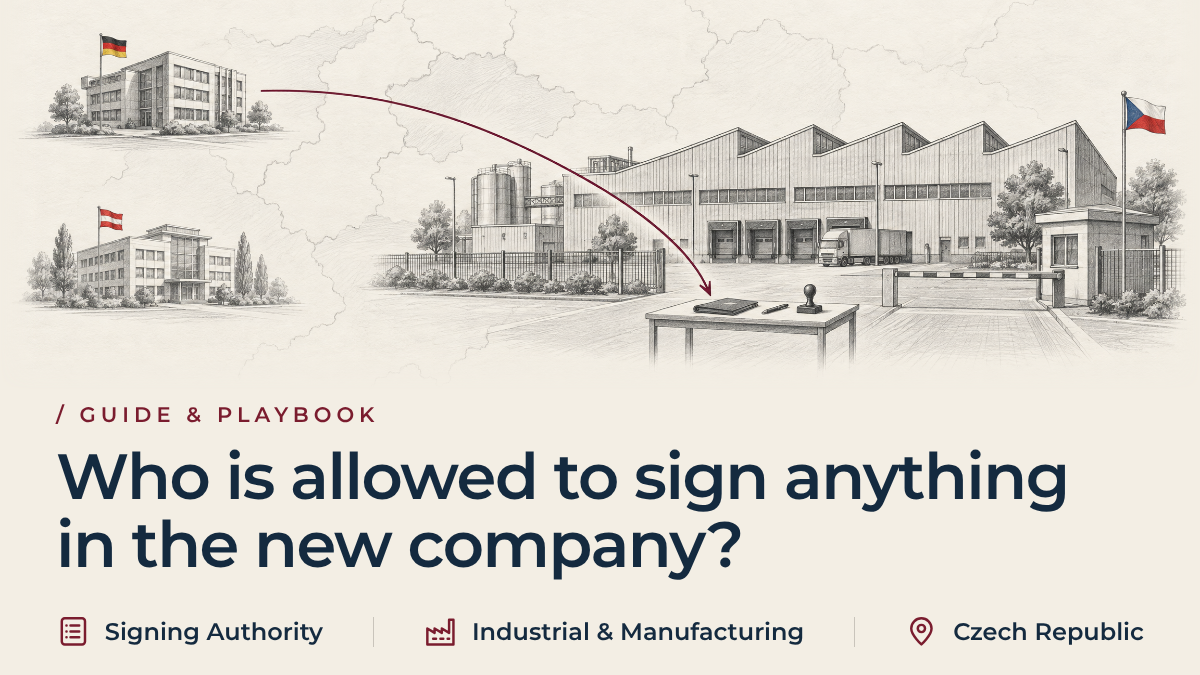
دراسة حالة: تحديد صلاحيات التوقيع للكيان المستقل في عملية فصل الأصول بين النمسا والتشيك
تفويض الصفقة: التخلص من شركة تابعة لا تتمتع بسلطة التوقيع بعد الاستحواذ
قامت مجموعة صناعية نمساوية، يقع مقرها الرئيسي في لينز، ببيع قسمها المتخصص في الصمامات الهيدروليكية الدقيقة والمشغلات. وكان المشتري عبارة عن صندوق استثمار خاص متوسط الحجم مقره في فرانكفورت. وشمل القسم مصنعاً للتصنيع في بلزن. وبلغت قيمة الصفقة 58 مليون يورو.
بموجب اتفاقية الصفقة، استقال كل مدير نمساوي كان يمثل الكيان التشغيلي التشيكي عند إتمام الصفقة. وتُعد هذه ممارسة معتادة لضمان فصل تام في الملكية.
لم يكن لدى أي فرد من فريق صندوق فرانكفورت صلاحية التوقيع بصفته كياناً مستقلاً مسجلاً نيابة عن الكيان. وكذلك لم يكن لدى أي فرد في مصنع بلزن هذه الصلاحية. وقد نشأت هذه الفجوة في اللحظة التي دخلت فيها تلك الاستقالات حيز التنفيذ.
المعوقات التشغيلية: تجميد الحسابات المصرفية وحجز البضائع الجمركية بسبب الافتقار إلى صلاحيات اتخاذ القرار المفوضة
في صباح اليوم الثاني بعد إتمام الصفقة، واجهت منشأة بلزن مشكلتين منفصلتين في آن واحد. فقد جمد البنك التجاري التشيكي جميع المدفوعات الإلكترونية الصادرة. وكان إتمام الصفقة قد أدى إلى شطب أسماء الموقعين النمساويين المسجلين، ولم يكن هناك بديل معتمد مسجل في السجلات. وأدى ذلك إلى تعليق مدفوعات الموردين ورواتب الموظفين المقررة لتلك الأسبوع.
وفي الوقت نفسه، احتجزت الجمارك التشيكية شحنة من لفائف الصلب المخصصة لخط الإنتاج في المصنع. فقد كان الإقرار الاستيراد يفتقر إلى توقيع ممثل مسجل للشركة.
كل ساعة تظل فيها الشحنة عالقة في الجمارك كانت تدفع المصنع نحو التوقف عن العمل في خط الإنتاج الرئيسي. وكان موعد التسليم لأحد العملاء الرئيسيين معرضًا للخطر بالفعل. كانت إدارة المصنع تدرك المشكلة بوضوح. لكنها لم تستطع فعل شيء حيالها: فلم يكن هناك أحد في الموقع يمتلك الصلاحية المستقلة للتوقيع التي تطلبها البنك أو مكتب الجمارك. وكان على مخططي الإنتاج أن يقرروا، ساعة بساعة، ما إذا كانوا سيبقون خط الإنتاج قيد التشغيل على أساس افتراض أن اللفائف ستُفرج عنها في الوقت المناسب.
الإجراء: استعادة صلاحية التوقيع ككيان مستقل في غضون 72 ساعة
قامت شركة CE Interim بتعيين مدير تنفيذي ذي خبرة مثبتة ومناسب لمتطلبات المهمة في الموقع، وكان جاهزًا لبدء العمل في غضون 72 ساعة من استكمال موجز المهمة. ثم نفذ المدير التنفيذي سلسلة من الإجراءات المكونة من أربعة أجزاء.
أولاً، منحت توكيل طارئ، تم توثيقه في نفس الأسبوع، المسؤول التنفيذي الصلاحية لتخليص الشحنة المحتجزة لدى الجمارك. وقد حدث ذلك قبل أن يتوقف خط الإنتاج عن العمل لمدة نوبة عمل واحدة.
ثانياً، التقى المسؤول التنفيذي بمسؤولي الائتمان في البنك مباشرةً. وقدم المسؤول التنفيذي اللوائح الداخلية المحدثة وعينة من التوقيع، والتي تطابقت تماماً مع المستندات المطلوبة في قائمة مراجعة الامتثال الخاصة بالبنك. وأدى ذلك إلى تسوية مدفوعات الرواتب والموردين في غضون أيام بدلاً من أسابيع.
ثالثًا، وضعت الإدارة التنفيذية مصفوفة قرارات عملية. وأصبح بإمكان المديرين المحليين الموافقة على نفقات تصل إلى 50,000 يورو بمجرد توقيعهم. أما أي مبلغ أكبر من ذلك، فيتطلب موافقة كل من الإدارة التنفيذية ومجلس الإدارة معًا.
رابعًا، كانت الصلاحيات والعلاقة المصرفية القائمة تتطلبان أكثر من مجرد حل مؤقت. وقد أكمل المدير التنفيذي التسجيل الرسمي بصفته «جيدناتيل» في السجل التجاري التشيكي، لضمان الامتثال على المدى الطويل. وبذلك تم سد الثغرة المتعلقة بسلطة التوقيع الخاصة بالكيان المستقل بشكل نهائي، وليس فقط كحل طارئ.
وتشمل المعالم الرئيسية الأربعة التي تم تحقيقها خلال سلسلة التدخلات التي استمرت 72 ساعة ما يلي:
التخليص الجمركي الطارئ: تم الحصول على توكيل موثق ومضمون لإطلاق سراح المواد الخام المحتجزة قبل توقف الإنتاج.
إلغاء تجميد الحسابات المصرفية: تم تقديم اللوائح الداخلية المحدثة ونماذج التوقيعات لاستئناف معالجة المدفوعات المصرفية.
مصفوفة القرار: تم تطبيق حدود إنفاق محلية تصل إلى 50,000 يورو دون الحاجة إلى إحالة الأمر إلى مجلس الإدارة.
التسجيل التجاري: تم إتمام الإدراج الرسمي بصفته «جيدناتيل» في السجل التجاري التشيكي لضمان الإدارة على المدى الطويل.
النتيجة: الحفاظ على الجاهزية من اليوم الأول وتحقيق انتقال سلس للقيادة
وقد التزمت المصنع بالتزاماتها المتعلقة بالتسليم تجاه عميلها الرئيسي. كما تمكنت من تجنب توقف الإنتاج الذي كان على وشك الحدوث في وقت ما. وبدأ المدير التنفيذي التشيكي الدائم الذي اختاره الصندوق عمله في الشهر السادس. وقد ورث فريق الإدارة كيانًا يتسم بالشفافية، وتفويضات مصرفية سارية المفعول، ومصفوفة قرارات موثقة. ولم تكن هناك أي مسائل عالقة تتعلق بسلطة التوقيع في الكيان المستقل يتعين حلها قبل أن يتمكنوا من البدء في العمل.
الأسئلة الشائعة: سلطة التوقيع والسيطرة على الشركة
من الذي يمتلك الصلاحية القانونية للتوقيع بصفته كيانًا مستقلًا عن الشركة التي تم فصلها حديثًا؟
لا يجوز إلا للأشخاص الذين مُنحوا سلطة رسمية أن يلتزموا باسم الشركة. وهذا يعني أي شخص مذكور في قرار المساهمين، أو في توكيل رسمي مسجل، أو في قيد بالسجل التجاري. ولا تنتقل الصلاحية تلقائيًا مع الملكية. وينطبق هذا حتى في الحالات التي يمتلك فيها المالك الجديد 100 في المائة من الأسهم. وعادةً ما تكتشف مجالس الإدارة التي تفترض عكس ذلك وجود فجوة في صلاحية التوقيع باسم الكيان المستقل من خلال تعليq تعليمات مصرفية، أو من خلال مورد يرفض قبول توقيع لا يمكن التحقق منه.
هل يمكن لمسؤول تنفيذي مؤقت أن يتمتع بسلطة التمثيل القانوني وحقوق اتخاذ القرار المفوضة؟
نعم، عندما يتطلب التفويض ذلك. يعتمد التمثيل القانوني على النطاق الذي يمنحه مجلس الإدارة، وليس على قاعدة ثابتة. لا تتطلب العديد من تفويضات الاستقرار سوى سلطة تشغيلية مفوضة، مع بقاء التمثيل القانوني على مستوى المجموعة. بينما تتطلب بعض التفويضات أكثر من ذلك. وهذا أمر شائع عندما يتطلب مأزق مصرفي أو تنظيمي وجود ممثل مسجل على أرض الواقع. ويقرر مجلس الإدارة نطاق الصلاحيات. ثم يحدد التفويض سلطة التوقيع الخاصة بالكيان المستقل التي تتبعه.
ما هي صلاحيات التوقيع الخاصة بالكيانات المستقلة التي ينبغي لمجلس الإدارة الاحتفاظ بها؟
تظل سلطة الموافقة على الحسابات السنوية من اختصاص مجلس الإدارة في جميع الأحوال. وكذلك الأمر بالنسبة للنفقات الرأسمالية التي تتجاوز الحد الأقصى المتفق عليه، وكل قرار استراتيجي طويل الأجل. ويسري هذا بغض النظر عن حجم الصلاحيات التشغيلية التي يفوضها مجلس الإدارة إلى الإدارة التنفيذية في الميدان. فهناك سبب وراء وجود هذا التقسيم. يمكن أن تسير عمليات التنفيذ اليومية بسرعة. أما القرارات التي تحدد التوجه طويل الأجل للشركة، فتبقى في يد الأشخاص الذين يتحملون المسؤولية النهائية عنها.
ماذا يحدث إذا لم يتم تسوية مسألة سلطة التوقيع الخاصة بالكيان المستقل قبل إتمام الصفقة؟
تظهر الفجوة من تلقاء نفسها، عادةً في غضون أيام. وتتجلى من خلال توقف عملية الدفع، أو تعطل الشحن، أو رفض المورد قبول أمر شراء جديد. ويستغرق حلها بعد حدوثها وقتًا أكبر ويؤدي إلى فقدان الزخم مقارنة بتسويتها قبل اكتمال العملية. وينتهي الأمر بمجلس الإدارة إلى التفاوض على حلول عاجلة تحت الضغط. أما المسار الأكثر هدوءًا فهو الاتفاق مسبقًا على هيكل حوكمة. فكل يوم تظل فيه الفجوة مفتوحة يزيد من تكلفة سدها.
هل تنتقل سلطة التوقيع تلقائيًا عند انتقال الملكية؟
لا. لا تنتقل سلطة التوقيع بعد الاستحواذ تلقائيًا مع الأسهم. فملكية الأسهم والسلطة القانونية للتصرف نيابة عن الشركة مسألتان منفصلتان. ويتعين على مجلس الإدارة أن يحدد المسألة الثانية بشكل متعمد، إما عن طريق التفويض أو التسجيل، أيًّا كان ما يتطلبه التفويض. ويُعد التعامل مع هذين الأمرين على أنهما مسألة واحدة السبب الأكثر شيوعًا لحدوث فجوة في سلطة التوقيع في الكيان المستقل منذ اليوم الأول.
المعرفة ذات الصلة والخطوة التالية
من السهل تحديد القرار المعروض على مجلس الإدارة بشأن سلطة التوقيع الخاصة بالكيانات المستقلة. لكن تنفيذه ليس دائمًا بالأمر السهل. يجب تحديد من يمتلك سلطة التوقيع الخاصة بكل كيان مستقل قبل إتمام الصفقة. وإلا، فستظهر هذه الثغرة في أول صباح صعب بعد إتمام الصفقة.
مقالات ذات صلة
في بعض الأحيان، يكون لدى فريق المشتري نفسه بالفعل شخص قادر على تولي هذه المهمة محليًّا. وغالبًا ما يكون هذا هو الحل الصحيح والأبسط. لكن هذا الحل لا يعود كافيًّا عندما يمتد نطاق التفويض إلى بلد لا يمكن لأي فرد من المجموعة التواجد فيه. كما أنه لا يعود كافيًّا عندما تتجاوز الصلاحيات المطلوبة ما يمكن لشريك تشغيلي واحد — يغطي عدة شركات في المحفظة — أن يمتلكه بشكل معقول.
A شريك مؤقت في CE وهو متاح لإجراء محادثة سرية. وتشمل هذه المحادثة موعدًا محددًا للإنجاز وما يتعين على مجلس الإدارة تسويته مسبقًا.
 EN
EN  DE
DE  FR
FR  IT
IT  PL
PL  RO
RO  CS
CS  SK
SK  HU
HU  ES
ES  RU
RU  AR
AR  SL
SL