المدير المالي المؤقت أم مستشار إعادة الهيكلة: من الذي سيعيد تنظيم إدارة السيولة في مصنع بولندي يعاني من صعوبات مالية؟

باختصار: تواجه شركة تابعة بولندية تعمل في مجال التصنيع أزمة سيولة مفاجئة. عندئذٍ يواجه المدير المالي للشركة خيارًا: إما أن يبدأ مهمة مؤقتة لإدارة السيولة في الموقع، أو أن يستعين بشركة استشارية متخصصة في إعادة الهيكلة. يقوم المستشارون بوضع نماذج مالية قوية، ويقدمون تقارير مفصلة إلى اتحادات المقرضين، لكنهم لا يوقعون على مدفوعات البنوك. ولا يتفاوضون مع الدائنين المحليين المتشددين. ولا يعالجون تسرب السيولة في موقع العمل. وعندما تتقلص مدة كفاية السيولة المتاحة إلى أيام معدودة، فإن الشركة تحتاج إلى مسؤول تنفيذي يتمتع بسلطة اتخاذ الإجراءات اللازمة. ولا تحتاج إلى تقرير يوصي بتعيين أحدهم. التعامل مع أزمات السيولة: عندما تواجه المصانع البولندية أزمة سيولة حادة. نادرًا ما تتفاقم أزمة السيولة ببطء. يُبلغ أمين الخزانة في المجموعة اللجنة التنفيذية بأن المصنع البولندي قد استنفد حد التسهيلات الائتمانية السحب على المكشوف. وفي الوقت نفسه، يفرض موردو المواد الخام في سيليزيا وفيلكوبولسكا على المصنع شروط الدفع النقدي المسبق. ويهددون بوقف التسليمات في غضون 48 ساعة. تدرس الإدارة المركزية الوضع عن كثب، وتتبين أن الأرقام غير صحيحة. وقد أخفت تقارير نهاية الشهر تراكمًا متزايدًا في الذمم الدائنة. كما أخفت الخصومات المتنازع عليها من العملاء والأموال العالقة في الأعمال قيد التنفيذ. يحتاج المصنع إلى تمويل طارئ من الشركة الأم لمجرد تغطية رواتب يوم الجمعة. في هذه المرحلة، يتعين على المدير المالي للشركة اختيار نموذج تقديم الخدمات. ويبدو أن الاستعانة بعلامة استشارية مألوفة هي الخطوة الأولى الآمنة. يطمئن التقرير التشخيصي الشامل مجلس الإشراف، ويتوقع المقرضون الاطلاع عليه. لكن التعاقد الاستشاري يجيب على سؤال مختلف عن السؤال الذي تواجهه الشركة حاليًا. يقوم المستشارون بالمراقبة والتحليل وتقديم الخيارات إلى اللجان. ولا يملكون سلطة التوقيع المصرفي. ولا يقومون بتنفيذ المهام داخل الشركة. عندما لا يتبقى سوى بضعة أيام من السيولة النقدية، لا يحتاج مجلس الإدارة إلى مزيد من التحليل حول أسباب استنزاف المصنع للأموال. بل يحتاج بدلاً من ذلك إلى مدير تنفيذي متواجد في الموقع. يتولى هذا المدير التنفيذي السيطرة على البوابة المصرفية، ويتفاوض مباشرةً مع الدائنين، ويفرض الانضباط في السداد منذ اليوم الأول. التغلب على مخاطر الإعسار عبر الحدود: الفجوة بين المقر الرئيسي والعمليات المحلية الفجوة بين المدير المالي للشركة والمصنع البولندي ليست جغرافية فحسب. فالقانون البولندي يضع المسؤولية الشخصية عن التأخر في تقديم طلب الإعسار على عاتق أعضاء مجلس الإدارة المحلي (członkowie zarządu). قد لا يضم مجلس الإدارة هذا أي شخص من قسم الشؤون المالية بالمجموعة. يمكن للشركة الأم أن تصرح بتمويل طارئ. لكنها لا تستطيع إعفاء نفسها من هذا الالتزام القانوني بمفردها. ومن بعيد، غالبًا ما يتعذر عليها معرفة ما إذا كان مجلس إدارة المصنع قد تجاوز بالفعل عتبة تقديم طلب الإعسار. وهذا أيضًا سبب قصور التشخيص عن بُعد. لن يتفاوض الدائنون المحليون وسلطة الضرائب البولندية بناءً على تقرير. فهم يتوقعون وجود مسؤول تنفيذي محدد يحمل صلاحية التوقيع ويمكنه الالتزام بخطة ما شخصيًا. تحتاج الشركة الأم الأجنبية إلى حقائق موثوقة بسرعة وإدارة مؤسسية سليمة. أما العمليات المحلية فتحتاج إلى شخص يتمتع بسلطة حقيقية للتصرف بناءً على تلك الحقائق. ولا يمكنها انتظار موافقة المقر الرئيسي على كل خطوة. ويقوم المدير المالي المؤقت (CFO) الموجود في الموقع، والذي يحمل تفويضًا واضحًا من الشركة الأم وسلطة رسمية في بولندا، بربط الطرفين. التعامل مع قانون الإعسار والإفلاس البولندي: المخاطر الرئيسية المتعلقة بالامتثال القانوني يحدد القانون البولندي عاملين يطلقان إجراءات الإعسار. ينطبق كل من قانون إعادة الهيكلة (Prawo restrukturyzacyjne) وقانون الإفلاس (Prawo upadłościowe). وتُعتبر الشركة معسرة بمجرد عدم قدرتها على سداد الالتزامات المتأخرة لأكثر من ثلاثة أشهر. كما تُعتبر معسرة أيضًا عندما تتجاوز الالتزامات الأصول لمدة تزيد عن 24 شهرًا. وبمجرد بلوغ أي من هذين الحدين، يتعين على مجلس الإدارة التقدم بطلب للإفلاس في غضون 30 يومًا، أو بدء إجراءات إعادة هيكلة رسمية. وتذهب المادة 299 من قانون الشركات التجارية (Kodeks spółek handlowych) إلى أبعد من ذلك. فهي تسمح للدائنين بملاحقة أعضاء مجلس الإدارة شخصيًا، على أصولهم الخاصة، لتسديد ديون الشركة غير المسددة في حالة تجاوز الموعد النهائي لتقديم الطلب. لا يتحمل مستشار إعادة الهيكلة (doradca restrukturyzacyjny) أي مسؤولية قانونية شخصية عن قرارات مجلس الإدارة. ويظل المدير المالي للشركة وأعضاء مجلس الإدارة المحليون معرضين للمساءلة طالما ظل التقرير التشخيصي في مرحلة المسودة. وتحمل القرارات المتعلقة بالنقد في مستوى العمليات الميدانية نفس القدر من الأهمية. كما أن التخلف عن سداد ضريبة الدخل على الموظفين (PIT) أو مدفوعات مؤسسة التأمين الاجتماعي (ZUS) ينطوي على مخاطر إضافية؛ فقد يؤدي ذلك إلى تحمل مسؤولية جنائية مالية شخصية بموجب قانون العقوبات المالية (Kodeks karny skarbowy). ويجب أن يتخذ شخص ما قرارًا يوميًا بشأن المدفوعات التي يجب سدادها أولاً. يتطلب هذا القرار شخصًا يفهم الأسبقية القانونية البولندية، ويكون مستعدًا لتحمل المسؤولية عن ذلك. نماذج التنفيذ الاستراتيجية: مهام المدير المالي المؤقت مقابل مهام الاستشارات في إعادة الهيكلة معايير الاستعانة بمستشار إعادة الهيكلة تعيين مدير مالي مؤقت السيولة اليومية: ما بين 12 إلى 16 أسبوعًا من السيولة المؤكدة. الهدف: تقييم مستقل أو إعادة تمويل. فترة سيولة أقل من 30 يومًا. يرفض الموردون الشحنات. تحتاج الخزانة إلى عزل الأموال الآن. الحاجة إلى التنفيذ: تريد الإدارة المركزية مراجعة مستقلة للأعمال من أجل المقرضين أو عملية بيع. خطة الإنعاش واضحة. يفتقر الفريق المحلي إلى السلطة للتصرف بناءً عليها. توقعات أصحاب المصلحة: يريد الدائنون مصادقة معتمدة من طرف ثالث قبل منح الإعفاءات. يريد الموردون والسلطات الضريبية إجراء محادثات مباشرة مع شخص مخول بالتوقيع. قدرات الفريق المحلي: المراقب المالي كفء وموثوق به، لكنه يفتقر إلى الخبرة المتعمقة في الهندسة المالية. رئيس قسم الشؤون المالية مثقل بالأعباء أو يتخذ موقفًا دفاعيًا. المقر الرئيسي بحاجة إلى بديل الآن. هذا الجدول هو تقييم تقديري، وليس قائمة مراجعة. يستجيب نموذجا التنفيذ هذان لأسئلة مختلفة. يكون الاستعانة بمستشار هو الخيار الصحيح عندما يكون السؤال هو: ما هي قيمة الشركة، أو كيف يتم التعامل مع اتحاد المقرضين؟ ويكون تعيين مدير مالي مؤقت هو الخيار الصحيح عندما يكون السؤال هو: من يمكنه وقف تدفق النقد الخارج هذا الأسبوع؟ إذا تم الخلط بين الاثنين، فغالبًا ما يخسر المصنع أسابيع من المهلة بسبب عملية مصممة لمشكلة مختلفة. التحكم التشغيلي في النقد: خارطة طريق لمدة 90 يومًا للمدير المالي المؤقت للشركات التابعة المتعثرة لا يبدأ المدير المالي المؤقت الذي يتم تعيينه في مصنع بولندي متعثر بإجراء تشخيص آخر. تبدأ المهمة على الصعيد التشغيلي، منذ اليوم الأول. وهذا يعني إنشاء مركز قيادة للنقد في الموقع، وتحمل المسؤولية الشخصية عن بقاء المصنع. المرحلة 1 (الأيام 1–10): إرساء الرقابة المصرفية وتجميد الخزانة: يتولى المدير المالي المؤقت حقوق التوقيع المصرفي بشكل منفرد أو مشترك. ويتم إيقاف جميع عمليات الدفع غير الخاضعة للمراقبة عبر الحسابات المحلية على الفور. ويتحول التنبؤ من التوقعات المحاسبية إلى نموذج التدفق النقدي المباشر. ويقوم هذا النموذج بتتبع المقبوضات والمصروفات، مع مطابقتها يوميًا مع الأرقام الفعلية
عندما تفقد مجموعة سويسرية الرؤية على عملياتها في رومانيا: استعادة السيطرة المالية في ظل الضغوط

باختصار: إن الضغوط التي تتعرض لها شركة تابعة رومانية لمجموعة سويسرية تتبع نمطًا مألوفًا. تبدو هوامش الربح جيدة على الورق. لكن الطلبات النقدية تستمر في الوصول، وهو ما لا يمكن تفسيره بهذه الهوامش. ويفرض قانون الالتزامات السويسري واجبًا غير قابل للتفويض على مجلس الإدارة؛ حيث يتعين عليه الإشراف على الشؤون المالية للشركة، أينما كانت هذه الشؤون موجودة فعليًّا. تبدأ استعادة السيطرة بتعيين مدير مالي مؤقت يتولى سلطة مباشرة وميدانية على العمليات المصرفية والمشتريات وإعداد التقارير. والخطوة التالية هي إعادة بناء قاعدة حقائق واحدة يثق بها كل من مجلس الإدارة والإدارة المحلية. كيف تصل شركة تابعة لمجموعة سويسرية في رومانيا إلى هذه المرحلة؟ بالنسبة لمجموعة صناعية سويسرية، أو شركة تصنيع دقيقة مملوكة لعائلة، نادرًا ما تنهار الرؤية المالية دفعة واحدة. بل تتآكل تدريجيًا من خلال نمط يبدو قابلاً للإدارة شهرًا بعد شهر. تُظهر الحزمة الإدارية الشهرية للشركة التابعة هوامش ربح إجمالية ثابتة. ويسير الإنتاج وفق الجدول الزمني المحدد. وفي الفترة نفسها، تطلب الإدارة المحلية من زيورخ أو زوغ سلفة خزينة غير مدرجة في الميزانية. وتغطي هذه السلفة رواتب الموظفين أو ضريبة القيمة المضافة. ويبدو كل من هذين الأمرين بمفرده أمرًا عاديًا. ولكن معًا، وعلى مدى عدة دورات إقفال حسابات، فإنهما تصفان نشاطًا تجاريًّا لم يعد مجلس الإدارة قادرًا على رؤيته بوضوح. وعادةً ما تمنح مجالس الإدارة السويسرية هذه الحالات «فائدة الشك»، وهذا التوجه معقول. شروط ائتمان ممتدة من الموردين، أو تأخر في سداد العملاء، أو مشكلة تتعلق بتوقيت الضرائب: كل تفسير يبدو معقولًا بحد ذاته. كما تفضل ثقافة الحوكمة السويسرية التفويض على التدخل عن بُعد. ينتظر مجلس الإدارة الحصول على صورة أوضح قبل أن يتخذ أي إجراء. تنص المادة 716أ على أن التوجيه والإشراف النهائيين على الإدارة يظلان من اختصاص مجلس الإدارة. ولا يمكن لمجلس الإدارة تفويض هذا الواجب. وفي الممارسة العملية، عادةً ما يفي مجلس الإدارة بهذا الواجب من خلال الثقة في القيادة المحلية، وليس من خلال التدخل اليومي في الشؤون المالية للشركة التابعة. وتمديد هذه الثقة لفترة ربع سنوي آخر هو رد فعل منصف تجاه نمط لم يثبت بعد أنه خطير. ويكمن الخطر الحقيقي في ما يحدث أثناء انتظار مجلس الإدارة. فبدون وجود ضوابط مالية فعالة في الموقع، قد ينحرف المصنع عن المسار الصحيح. فتظهر صفقات غير رسمية مع الموردين، ويتم تأجيل نفقات الصيانة. وقد تمتص قيم المخزون بهدوء مخلفات الإنتاج بدلاً من الإبلاغ عنها. لا يحتاج أي من هذا إلى نية سيئة وراءه. هذا ما يحدث عندما تدير الشركة التابعة انضباطها المالي بنفسها لفترة طويلة جدًا. فلا تستطيع أنظمتها وسلطتها مواكبة ذلك. التنقل بين نظامي حوكمة: قانون الالتزامات السويسري مقابل الإبلاغ القانوني الروماني تقع الشركة الأم السويسرية وشركتها التابعة الرومانية ضمن إطارين مختلفين للحوكمة. وعادةً ما تبدأ فجوة الرؤية من هناك. وهذا هو السبب الرئيسي الذي يجعل من الصعب إدارة شركة تابعة رومانية لمجموعة سويسرية عن بُعد. لا تسمح المادة 716أ من قانون الالتزامات السويسري لمجلس الإدارة بتفويض مهامه. ويبقى التوجيه النهائي للشركة والإشراف على الإدارة من اختصاص مجلس الإدارة. وينطبق هذا بغض النظر عن هيكل الإبلاغ الموجود تحتها. تعمل الشركة التابعة الرومانية ضمن نظام قانوني منفصل وصارم. يحدد القانون رقم 31/1990 وقواعد المحاسبة الواردة في OMFP 1802/2014 مخطط حسابات إلزامي. كما يحددان متطلبات صارمة لأرشفة الفواتير. تقضي فرق الشؤون المالية المحلية معظم وقتها في ضمان امتثال الكيان لمتطلبات الوكالة الوطنية للإدارة الضريبية. يعد الامتثال القانوني والرقابة الإدارية مهارتين مترابطتين. لكنهما ليسا نفس المهارة. فالفريق الذي يتولى الأولى لن يؤدي تلقائيًا الثانية. العوامل الرئيسية وراء الثغرات في إعداد التقارير: أنظمة تخطيط موارد المؤسسات (ERP)، وتقلبات العملة، والسلطة غير الرسمية. وتضيف التكنولوجيا طبقة أخرى من التعقيد. عادةً ما يقوم المقر الرئيسي السويسري بتوحيد البيانات من خلال منصة مثل SAP S/4HANA. وغالبًا ما يحتفظ المصنع الروماني بدفاتره القانونية على برامج محلية. ويقوم بربط النظامين من خلال جداول بيانات يتم تحديثها يدويًّا. وتضيف العملة تشويهًا آخر. فالمعاملات تتم بالليو الروماني واليورو والفرنك السويسري. وعندما لا يحافظ الفريق المالي بشكل متسق على عمليات التحوط وإعادة التحميل بين الشركات، قد يبدو الهامش دقيقًا في دفتر الأستاذ المحلي. ومع ذلك، قد يضلل هذا الهامش مجلس الإدارة بشأن العملة التي يديرها المصنع فعليًّا. تميل فجوات الصلاحيات إلى أن تُسدّ بشكل غير رسمي، وهذا أمر مفهوم. فلا بد أن يتولى شخص ما إدارة المصنع يوميًّا. وفي غياب هيكل واضح للموافقة، تقوم القيادة المحلية ببناء هيكلها الخاص. وغالبًا ما يتولى مدير المصنع السيطرة الشخصية على قرارات الشراء. ونادرًا ما تكون النتيجة إخفاءً للحقائق. عادةً ما يحل الفريق المحلي مشاكله بنفسه باستخدام الأدوات والصلاحيات المتاحة له فعليًّا. وفي الوقت نفسه، تواصل الإدارة المركزية إدارة الأمر من خلال نموذج إعداد تقارير مصمم لتوفير مستوى من الرؤية في الوقت الفعلي لم يعد متاحًا لها. علامات التحذير التي تشير إلى أن مصنعًا أجنبيًّا قد فقد الرؤية المالية: هناك عدة أنماط متكررة تُنبه المالك السويسري إلى أن الفجوة قد تطورت من مجرد خلافات إلى مشكلة في الحوكمة. وقد أصبح الأمر الآن بحاجة إلى تدخل مباشر. وأوضح إشارة هي أن الشركة التابعة تُبلغ عن أرباح قبل الفوائد والضرائب والاستهلاك والإطفاء (EBITDA) مقبولة. وفي الوقت نفسه، يظل التدفق النقدي التشغيلي سالبًا بشكل مستمر. وتحتاج مرارًا وتكرارًا إلى تمويل غير مخطط له من الشركة الأم. والإشارة الثانية هي أن التسوية بين الشركات لا تُغلق بشكل سليم عبر عدة فترات. وتتراكم الأرصدة في الحسابات المعلقة بدلاً من تسويتها. والإشارة الثالثة هي قيام قسم الشؤون المالية المحلي بالإجابة على أسئلة محددة بتفسيرات سردية بدلاً من بيانات دفتر الأستاذ العام المُتسوية. وهذا يعني عادةً أن البيانات نفسها لا توجد بعد في شكل موثوق به. وقد يخفي مخزون السلع التامة الصنع أو المواد الخام الذي يبدو غير متناسب مع الإنتاج الفعلي وجود منتجات عفا عليها الزمن أو نفايات غير مسجلة. الاختبار الوحيد الأكثر وضوحًا للرقابة المالية بسيط: هل تستطيع الشركة التابعة إعداد توقعات نقدية متجددة موثوقة لمدة ثلاثة عشر أسبوعًا؟ يجب أن تعكس هذه التوقعات الالتزامات التعاقدية الحقيقية. وإذا لم تستطع ذلك، فإن المقر الرئيسي يدير الأعمال على أساس الثقة، وليس على أساس الحقائق، مهما كان ما تقوله التقارير الشهرية. استعادة الرقابة المالية: تعيين مدير مالي مؤقت لاستعادة الرقابة التشغيلية لا ينتج عن التفتيش الذي تجريه إدارة التدقيق الداخلي للشركة، والذي يستغرق ثلاثة أيام، سوى لمحة تاريخية. فهو لا يحدد من يتحكم في التحويلات المصرفية الحالية. كما أنه لا يبقى في الموقع لفترة كافية لتغيير طريقة عمل الشركة التابعة. تتطلب استعادة الرقابة وجود مسؤول تنفيذي يتمتع بسلطة التصرف، وليس فريقًا يتمتع بسلطة تقديم التقارير. يتولى المدير المالي المؤقت الذي يتمتع بخبرة في مجال التصنيع الأوروبي عبر الحدود القيادة المباشرة للشؤون المالية المحلية، والخزانة، والمشتريات. ويحدد مجلس الإدارة هذه الصلاحيات قبل بدء المهمة. والتسلسل الموضح أدناه أكثر أهمية من أي إجراء منفرد. فهذا التسلسل هو الذي يعيد السيطرة في شركة تابعة رومانية لمجموعة سويسرية مرارًا وتكرارًا، وتعتمد كل مرحلة على استقرار المرحلة التي تسبقها.
عندما يؤثر إغلاق مصنع بولندي على الجدول الزمني لعملية إعادة الهيكلة في التشيك: لماذا تصبح القرارات المتوازية مستحيلة

تواجه مجموعة صناعية ألمانية، لها أنشطة تصنيعية في بولندا وجمهورية التشيك، قرارًا من مجلس الإدارة يجب اتخاذه في غضون ستة أسابيع. فالمصنع البولندي يخسر المال ويستنزف السيولة النقدية، أما الموقع التشيكي فيسجل أداءً ضعيفًا لكنه قابل للتعافي من الناحية التشغيلية. ويبلغ إجمالي رأس المال المتاح لإعادة الهيكلة حوالي 35 مليون يورو في كلا البلدين. وهنا تكمن المشكلة الحاسمة: إن اتخاذ قرار بإغلاق العمليات في بولندا يؤدي فورًا إلى ظهور خيار إعادة هيكلة في التشيك لا يمكن تأجيله أو إعادة ترتيبه أو إدارته بشكل مستقل. وعندما يواجه أحد البلدين الإغلاق بينما يحتاج الآخر إلى إعادة هيكلة، فإن سلسلة إعادة الهيكلة المتتالية عبر دول أوروبا الوسطى والشرقية (CEE) تؤدي إلى مأزق تنفيذي. وهذا يجبر مجلس الإدارة غير المستعد على اتخاذ خيار لم يخطط أحد لاتخاذه. إن فهم سبب استحالة اتخاذ قرارات متوازية أمر ضروري لأي قائد صناعي في منطقة ألمانيا والنمسا وسويسرا (DACH) يدير عمليات في أوروبا الوسطى والشرقية. الأيام الثلاثون الأولى: كيف تبدأ سلسلة عمليات إعادة الهيكلة المتتالية في أوروبا الوسطى والشرقية بمجرد موافقة مجلس الإدارة على إغلاق المصنع البولندي، يتم تفعيل متطلبات الإخطار في كلا البلدين في وقت واحد. والأهم من ذلك، أن الجدولين الزمنيين يتداخلان. ولا يمكن تأجيل أي منهما دون التعرض لمخاطر قانونية. ويؤدي هذا التشغيل المتزامن إلى تحريك سلسلة الأحداث المتتالية التي تميز حالات الإغلاق وإعادة الهيكلة في دول أوروبا الوسطى والشرقية (CEE) التي تشمل عدة بلدان. تتصادم الجداول الزمنية للإخطار في وقت واحد: يفرض قانون العمل البولندي على أرباب العمل إخطار مكتب التوظيف المحلي في غضون 20 يومًا من اتخاذ قرار التسريح الجماعي. وفي الوقت نفسه، يجب إجراء المشاورات مع النقابات العمالية خلال نفس فترة الـ20 يومًا. بالإضافة إلى ذلك، يفرض قانون العمل التشيكي فترة إشعار لا تقل عن 30 يومًا لمكتب العمل وممثلي الموظفين قبل أن تدخل أي إشعارات إنهاء الخدمة حيز التنفيذ. والنتيجة واضحة: يجب إجراء كلا الإشعارين. وتسير الجدولتان الزمنيتان بالتوازي. تنقسم القدرات التنفيذية بين قرارين يتطلب الإغلاق إجراءات محددة: شروط التسريح، وحسابات تعويضات نهاية الخدمة، وجرد الأصول، وتسلسل إجراءات إنهاء الإنتاج، وإخطار الدائنين، وتخطيط استمرارية خدمة العملاء. وتتطلب إعادة الهيكلة إجراءات مختلفة: إلغاء الوظائف، وقرارات الاستثمار في الإنتاجية، وتوقعات رأس المال العامل، وأهداف الأداء. وبالتالي، خلال الفترة المتداخلة التي تتراوح بين 20 و30 يومًا، يستحوذ الإغلاق البولندي على كامل اهتمام الفريق التشغيلي. وفي الوقت نفسه، يُفرض قرار إعادة الهيكلة التشيكي على جدول أعمال مزدحم بالفعل. وهذا هو بالضبط السبب في أن سيناريوهات الإغلاق وإعادة الهيكلة في عدة بلدان في أوروبا الوسطى والشرقية تخلق مشاكل في القدرات على مستوى القيادة. الأسابيع 4 – 8: تظهر ضغوط التدفق النقدي قبل تخصيص رأس المال المخصص لإعادة الهيكلة بمجرد انتهاء مرحلة الإخطار، تتسارع وتيرة الواقع المالي بسرعة. تتحول التزامات تعويضات إنهاء الخدمة إلى التزامات مالية ملموسة. يدرك الدائنون والموردون إشارة الإغلاق. بالإضافة إلى ذلك، تتشدد دورات الدفع الخاصة بالتصنيع في اللحظة بالذات التي يكون فيها النقد في أشد حالات الضيق. ضغوط دورات السداد وتشديد التدفق النقدي: عادةً ما تتراوح شروط السداد القياسية في قطاع التصنيع بين 60 و90 يومًا صافيًا في العلاقات الصناعية بين الشركات (B2B). وعندما يكتشف الموردون إشارات الإغلاق، فإنهم يقللون من تعرضهم للمخاطر الائتمانية. ويطالب الكثيرون بالدفع المسبق أو تسريع جداول تحصيل الفواتير. ونتيجة لذلك، تتقلص الحسابات الدائنة بينما يتباطأ تحصيل الحسابات المدينة. يجب على المدير المالي التعامل مع ضغوط الدائنين على الفور والحفاظ على إمكانية الوصول إلى خطوط ائتمان رأس المال العامل. وفي الوقت نفسه، لا يزال استثمار إعادة الهيكلة في التشيك في انتظار الموافقة. عجز في تخصيص رأس المال: 35 مليون يورو غير كافية لكلا البلدين لم تكن هذه الحسابات الرأسمالية مدرجة على جدول أعمال مجلس الإدارة قبل ستة أسابيع. بحلول الأسبوع الثامن، كان المدير المالي قد خصص بالفعل رأس المال لإغلاق العمليات في بولندا. والآن يتعين على المدير المالي إبلاغ مجلس الإدارة بأن إعادة هيكلة العمليات في التشيك لا يمكن تمويلها كما كان مخططًا في الأصل. ويُعد هذا الموقف نموذجًا لتضارب المصالح في عمليات إعادة الهيكلة التي تنطوي على إغلاق فروع في عدة بلدان في منطقة أوروبا الوسطى والشرقية. الأسابيع 8 – 16: إغلاق نافذة إعادة الهيكلة في البلد الثاني بشكل نهائي: بحلول هذه المرحلة، يصبح إغلاق العمليات في بولندا أمرًا معروفًا للجميع. يواصل الموظفون العمل خلال فترات الإشعار. يتم تحويل طلبات العملاء أو إلغاؤها. تدخل مبيعات الأصول مرحلة التفاوض. والأهم من ذلك، في التشيك، يصبح الرسالة الموجهة إلى القوى العاملة واضحة لا لبس فيها: المقر الرئيسي يقوم بتقليص محفظة الأعمال. قد تكون التشيك هي التالية. يتفاقم خطر فقدان الموظفين وتتآكل القدرات الفنية. يتلقى مدير المصنع التشيكي مكالمات أسبوعية من الموظفين الفنيين المهرة الذين تلقوا عروض عمل في أماكن أخرى. في الوقت نفسه، لم يقم المدير المالي بالإفراج عن التزامات رأس المال الخاصة بتشيكيا. ولم ينشر المدير التنفيذي للعمليات خطة إنعاش. ونتيجة لذلك، تمتد حالة عدم اليقين من أيام إلى أسابيع. بحلول الأسبوع 12، يفقد المصنع اثنين من كبار الفنيين وثلاثة مهندسين مبتدئين. وتتدهور جودة الإنتاج. وتزداد شكاوى العملاء بشكل كبير. التأخير يحول إمكانية التحول إلى تدهور تشغيلي: الحلول التي كان تنفيذها سيكلف 12 مليون يورو في الأسبوع الثاني أصبحت تكلف الآن 18 مليون يورو في الأسبوع العاشر. كل أسبوع من التأخير في إعادة الهيكلة يؤدي إلى تآكل الأداء بشكل منهجي. تنخفض الروح المعنوية بسبب عدم اتخاذ أي التزام. يقلل العملاء من حجم الطلبات بسبب تدهور أداء التسليم. تتفاقم شروط الدفع للموردين بسبب تدهور سجل السداد. بحلول الأسبوع الرابع عشر، يتحول الموقع التشيكي من مرشح لإعادة الهيكلة إلى مرشح للإغلاق. ويواجه مجلس الإدارة خيارًا مختلفًا عما كان متوقعًا: إعادة الهيكلة بتكلفة عالية ونتائج غير مؤكدة، أو الإغلاق للحفاظ على رأس المال. هذا التدهور ليس حتميًا. إنه ناتج مباشرة عن سلسلة إعادة الهيكلة والإغلاق المتتالية في دول أوروبا الوسطى والشرقية. اختيار التسلسل: التنفيذ المتسلسل أم المتوازي في إعادة الهيكلة والإغلاق في عدة بلدان يواجه مجلس الإدارة خيارًا ثنائيًا. ولا يبدو أي من الخيارين جذابًا. فكلاهما ينطوي على تكلفة ومخاطر جوهرية. وبشكل أساسي، فإن الاختيار هو بين نتائج مقبولة ونتائج أسوأ. الخيار 1: التنفيذ التسلسلي (إغلاق بولندا أولاً، ثم التشيك) الخيار 2: التنفيذ المتوازي (إدارة كلا الأمرين في وقت واحد) من يقرر التسلسل، ومتى تنهار السلطة؟ رسمياً، يقرر مجلس الإدارة أو مجلس الرقابة تسلسل قرارات إعادة الهيكلة والإغلاق في دول متعددة في أوروبا الوسطى والشرقية. في الممارسة العملية، يجب أن يتوافق كل من المدير المالي، والمدير التنفيذي للعمليات، ومجلس الإدارة. عندما يفشل التنسيق، تنقسم السلطة بين الواقع التشغيلي مقابل التفضيل الاستراتيجي. تفضيل مجلس الإدارة مقابل الواقع التشغيلي موقف مجلس الإدارة: يُفضل التنفيذ المتوازي. يقلل التنفيذ المتوازي من المدة الإجمالية ويحافظ على خيار إعادة هيكلة التشيك. تقييم مدير العمليات: التنفيذ المتوازي غير قابل للإدارة من الناحية التشغيلية. لا يمكن تنفيذ إجراءين رئيسيين في المحفظة بشكل ممتاز في آن واحد. من المؤكد حدوث نقص في الجودة في إحدى المبادرتين أو كلتيهما. مخاوف المدير المالي: كفاية رأس المال غير كافية. يدعو المدير المالي إلى التنفيذ المتسلسل: إتمام الإغلاق البولندي أولاً، والحفاظ على احتياطي رأس المال، ثم إعادة الهيكلة في جمهورية التشيك فقط إذا كان رأس المال متاحًا وتخففت ضغوط الدائنين. فجوات في الصلاحيات عبر الحدود عندما يتعذر التوافق في القرارات يدعو المدير الإقليمي في بولندا إلى تسلسل سريع لعمليات الإغلاق. على العكس من ذلك، يدعو المدير القطري التشيكي إلى التزام واضح بإعادة الهيكلة مدعومًا برأسمال مرئي. كلا الموقفين صحيحان من الناحية التشغيلية. ولا يمكن تلبية كلاهما في آن واحد. يضع توجيه الاتحاد الأوروبي 98/59/EC والتوجيه 2019/2121 بشأن إعادة الهيكلة عبر الحدود أطرًا قانونية ولكنهما لا يحلان مسألة تسلسل التنفيذ. يتحكم المدير المالي في الإفراج عن رأس المال. وعندما يحجب المدير المالي رأس المال المخصص لإعادة الهيكلة في جمهورية التشيك في انتظار تسوية مسألة الدائنين في بولندا، فإن قرار مجلس الإدارة بالتنفيذ المتوازي يتحول عمليًّا إلى تنفيذ متسلسل. وهكذا تتفكك السلطة.
إحدى وجهات النظر حول الحقيقة: استعادة التواصل بين مصنع روماني والمقر الرئيسي السويسري

باختصار: عندما يعمل المقر الرئيسي السويسري ومصنعه الروماني وفقًا لمعايير مختلفة، نادرًا ما يكون السبب هو عدم النزاهة. فالمقر الرئيسي يطلع على النتائج الشهرية المجمعة لنظام تخطيط موارد المؤسسة (ERP). أما المصنع فيدير عملياته اليومية وفقًا لجداول زمنية محلية، وقرارات غير رسمية بإعادة العمل، وأعمال قيد التنفيذ غير مسجلة. وإلى أن يعمل كلا الطرفين انطلاقاً من قاعدة حقائق واحدة تم التحقق منها، لا يمكن لمجلس الإدارة تقييم المخاطر التي يتعرض لها. واستعادة السيطرة تعني تحديد الحقائق الميدانية في الموقع وتحديد من يحق له اتخاذ القرارات. وهذا يعني تعيين مسؤول تنفيذي يتمتع بسلطة مالية وتشغيلية على حد سواء. العامل المحفز: التناقض بين التقارير التشغيلية ووضع التدفقات النقدية. تصل هذه الحالة إلى مجلس الإدارة بشكل واضح. تُبلغ الشركة التابعة الرومانية عن إنتاج مستقر، وتسليم مقبول، وتكاليف خاضعة للرقابة. لكن الوضع النقدي المجمع يقول شيئًا آخر. يرتفع رأس المال العامل ويطلب المصنع التمويل مرة أخرى. لا أحد على مستوى المجموعة يستطيع تفسير هذا الاختلاف عن المعتاد. الغريزة تدفع إلى طلب المزيد من التقارير، وهذا أمر معقول. المزيد من التفاصيل هو الرافعة التي يمكن للمقر الرئيسي استخدامها. لكن التقارير المستمدة من نفس البيانات لا تجعل تلك البيانات أكثر موثوقية. تتحرك مجالس الإدارة ببطء لسبب ثانٍ. إن تحديد الوضع الحقيقي له عواقب، بدءًا من خفض قيمة المخزون وصولًا إلى إعادة بيان هامش الربح الذي تمت الموافقة عليه. إن الرئيس التنفيذي للمجموعة أو المالك العائلي الذي يوازن بين هذه الخطوة يتحمل تكلفة حقيقية، ولا يتجنب محادثة غير مريحة. التقويم هو الذي يحدد الجدول الزمني، وليس الشعور بعدم الارتياح: الجرد والتدقيق في نهاية العام، واختبار الالتزامات التعاقدية التالي، والشريحة التمويلية التالية. إذا اكتشف فريق العناية الواجبة أو مدقق الحسابات في نهاية العام الوضع أولاً، فسيتولى شخص آخر تقييمه. يكون كل من الجرد وخفض القيمة أسهل عندما يختار المالك التاريخ. لماذا تتسع فجوات الإبلاغ عبر الحدود بين المصانع والمقر الرئيسي؟ هناك أربعة شروط توسعها، ولكل منها أصل مشروع. عندما لا تعكس مسارات تخطيط موارد المؤسسة (ERP) للمجموعة أوقات الإعداد الفعلية، يقوم المخططون المحليون بإنشاء جداول بيانات لإدارة العمل اليومي. يوجد سجلتان، لكنهم يعتمدون على سجل واحد فقط لاتخاذ القرار. وعندما تكون الموافقة على الشطب على مستوى المجموعة، تقوم المصنع بوضع الأجزاء المرفوضة جانباً لإعادة العمل عليها، وهو ما لا يحدث أبداً. وتبقى هذه الأجزاء في السجلات كعمل قيد التنفيذ: وهي فجوة في تصميم العملية، وليست تهرباً محلياً. وعندما يقيس المصنع التسليم في الموعد المحدد مقارنةً بتاريخه المعدل الخاص، فإن كلا الطرفين يقيسان بأمانة، لكنهما يقيسان أشياء مختلفة. تحدد ’المجلة الدولية لعلوم الجودة والخدمة» هذا الأمر باعتباره نمطًا متكررًا في التقارير غير المتحقق منها الصادرة من الخطوط الأمامية. فالمسافة تزيل التصحيح غير الرسمي الذي يقوم به المراقب المالي المحلي من خلال تجولُه في أرجاء المصنع. وعبر الحدود، تُستخدم مكالمة الفيديو لشرح الفروق، غالبًا بشكل صحيح، لكن لا أحد يتحقق منها مقابل المخزون الفعلي. هذه ليست شركة تابعة تخفي وضعها عن المالك. إنهما منظمتان، تتصرف كل منهما بشكل معقول وتمسك بنصفين مختلفين من الصورة نفسها. لا يوجد ما يربط بين الإنتاج على مستوى الآلات والأداء المالي. تتناول تقارير بحثية متعددة هذا الارتباط باعتباره الشرط المسبق لإدارة الأداء التشغيلي والمالي. تحديات محددة في إعداد التقارير المالية في قطاع التصنيع السويسري-الروماني: هناك ثلاث سمات تجعل تسوية هذا الوضع أكثر صعوبة. تحتفظ الكيان الروماني بحسابات قانونية وفقًا للقواعد الضريبية المحلية، إلى جانب مجموعة الحسابات الخاصة بالمجموعة. توجد مجموعتان شرعيتان من السجلات المحاسبية. ينصب الاهتمام المحلي على المجموعة التي تدعمها سلطة الضرائب. تطبق المجموعة السويسرية عتبة الأهمية النسبية، لكن فريق الشؤون المالية المحلي ربما لم يسمع بها قط. الأرصدة التي تعاملها المصنع على أنها أمور إدارية هي بالضبط تلك التي تهم عند التوحيد. يستوعب تحويل الفرنك السويسري (CHF) والليو الروماني (RON) جزءًا من الانحراف في تكلفة التحويل قبل أن يصل إلى الهامش المجمع. وهذا أحد الأسباب التي تجعل كلًا من تكلفة الوحدة وحركة النقد تبدو معقولة. يمكن للمجموعة اختبار اثنين من هذه العوامل من سويسرا. الأول هو مطابقة تقييم المخزون القانوني مع حزمة المجموعة حسب الفئة. والآخر هو إعادة بيان تكلفة التحويل للوحدة بالليو الروماني (RON) بأسعار صرف ثابتة. تتطلب مسألة الأهمية النسبية إجراء محادثة مع المراقب المالي المحلي، وليس مجرد ملف. كيف يحدد مجلس الإدارة التباينات في تقارير أداء المصنع يمكن للمقر الرئيسي ملاحظة هذه الظروف دون الحاجة إلى إجراء تحقيق. وعندما تستمر أي ثلاثة من هذه العوامل الخمسة على مدار إغلاقين شهريين، فإن المقر الرئيسي يكون قد استجاب لفترة تم إغلاقها بالفعل. خطوات إنشاء قاعدة حقائق واحدة تم التحقق منها عبر مواقع التصنيع: البدء بنظام إعداد التقارير هو الخطوة الأولى الخاطئة. فالنظام المبني على أرصدة غير متحقق منها يعيد إنتاج الخطأ نفسه، وبسرعة أكبر. تبدأ العملية بإجراء جرد مادي للمواد الخام، والأعمال قيد التنفيذ، والسلع التامة الصنع، ورفوف إعادة التصنيع التي لم يتم جردها بعد. يقوم الفريق بمطابقة الجرد مع دفتر الأستاذ العام ويقدم اقتراحًا بالشطب إلى مجلس الإدارة في غضون ثلاثة إلى أربعة أسابيع. أعد صياغة التسليمات خلال الأشهر الستة الماضية مقارنةً بالتواريخ الأصلية التي طلبها العملاء. الميزانية العمومية ليست سوى نصف ما يقيّمه مجلس الإدارة. افترض أن التباين ناتج عن خلل في التصميم حتى تثبت الأدلة عكس ذلك. الاختلاف الذي يمكن إرجاعه إلى عملية غير مسجلة هو اختلاف هيكلي. أما الاختلاف الذي يتغير أثناء فحصه من قبل الفريق، أو الذي يقوم شخص ما بتعديله بعد تاريخ الجرد، فيشير بدلاً من ذلك إلى وجود مخالفة. وعندها يتغير الاستجابة: الحفاظ على الأدلة وإمكانية الوصول إليها، وإشراك المستشارين، ثم التحدث إلى المصنع. يقوم الراعي المكلف بالمهمة، وهو عادةً الرئيس التنفيذي للمجموعة أو عضو مجلس الإدارة المسؤول، بإجراء هذا التغيير بناءً على الأدلة، وليس المدير التنفيذي وحده. وأثناء إجراء الجرد، يواصل المصنع الشحن. يقوم الفريق بإجراء جرد خاضع للرقابة حسب المنطقة، وليس إيقافًا تامًا. ويحول التمويل إلى توقعات متجددة بدلاً من صرفه بناءً على الطلبات. وبمجرد أن يحدد الفريق الموقف، يصبح هناك تعريفان أكثر أهمية من أي مشروع تخطيط موارد المؤسسات (ERP). تسجل محطات العمل الخردة لحظة حدوثها، وليس النظام في نهاية الشهر. ويتم احتساب التسليم في الموعد المحدد وفقًا للتاريخ الأصلي للعميل. وتتبع صلاحيات اتخاذ القرار نفس المنطق. يسجل المصنع التخلص من المخلفات التي تقل قيمتها عن حد متفق عليه محليًّا في نفس اليوم. ويحيل أي شيء يتجاوز هذا الحد إلى المجموعة خلال فترة استجابة محددة. تلتزم الإدارة المركزية بإطلاع الموظفين المحليين على الأمور الجوهرية والرد على حالات التصعيد في غضون فترة زمنية محددة. ويمكن تأجيل مواءمة نظام تخطيط موارد المؤسسات (ERP) والتعيين الدائم في قسم الشؤون المالية حتى يتم تثبيت هذا الوضع. قرارا مجلس الإدارة غير القابلين للتفويض فيما يتعلق بالرقابة التشغيلية: المفاضلة أضيق مما تبدو عليه. فهي ليست بين الدقة والسرعة. الخيار الحقيقي هو ما إذا كان يجب قبول انخفاض في القيمة مرئي الآن، وبناء قاعدة وقائعية يمكن أن تعتمد عليها كل قرار لاحق. البديل
مزودو حسابات التجار ذات المخاطر العالية: قائمة مراجعة للمدير المالي

يُعد حساب التاجر عالي المخاطر مركزًا للسيولة، وليس بندًا من بنود المشتريات. فالاحتياطيات وشروط التسوية وحقوق الإنهاء هي العوامل التي تحدد مقدار النقد الذي يمكن لشركتك الوصول إليه فعليًّا. وفيما يلي مقارنة بين ستة مزودين متخصصين، وما يجب على مجالس الإدارة والمديرين الماليين تحديده قبل التوقيع على أي اتفاقية.
أصبح الامتثال لنظام «CBAM» بالنسبة للمصنعين مشكلة تتعلق بالتدفقات النقدية

يواجه المصنعون الملتزمون بنظام «CBAM» مخاطر تكلفة في عام 2026 تمتد لتشمل الأسعار والمخصصات والسيولة قبل بدء شراء الشهادات.
خطة خلق القيمة في قطاع رأس المال الخاص تعاني من نقص في القوى العاملة التشغيلية

تُظهر حزمة عرض مجلس الإدارة الإجراءات المتعلقة بالتسعير، والوفورات في المشتريات، وتدابير تخفيض عدد الموظفين، وأهداف رأس المال العامل، والمساحة المعدلة للمصنع. وتحدد خطة خلق القيمة الخاصة بشركات الأسهم الخاصة فائدة مالية لكل مبادرة، لكن الفرق لا تزال تتخلف عن جداول الإنتاج، وتستمر المخزونات في الارتفاع، ويواصل العملاء تأجيل قراراتهم. والمشكلة لا تكمن في نقص التحليل. فشركة المحفظة تفتقر إلى السلطة التشغيلية الكافية لتحويل الخطة إلى تغيير في السلوك، وتغيير في الإنتاج، وتوليد السيولة النقدية. أفادت شركة «باين آند كومباني» في يونيو 2026 أن شركات الأسهم الخاصة تمتلك ما يقرب من 33,000 شركة محفظة غير مباعة، إلى جانب دورة رأس مال ضمنية وفترة حيازة تبلغ حوالي سبع سنوات. وسجل التقرير نفسه أربع سنوات متتالية من التوزيعات التي بلغت أدنى مستوياتها على الإطلاق كنسبة مئوية من صافي قيمة الأصول خلال النصف الأول من عام 2026. ويؤدي الاحتفاظ بالاستثمارات لفترة أطول إلى إطالة الفترة التي تستهلك خلالها الأعمال التشغيلية غير المكتملة السيولة واهتمام الإدارة. تفشل خطة خلق القيمة في قطاع رأس المال الخاص عندما تنفصل الملكية عن السلطة؛ وتؤدي الضغوط الرأسمالية إلى توسيع الفجوة التشغيلية في عملية خلق القيمة في هذا القطاع. أفادت منظمة «إنفست يوروب» (Invest Europe) أن شركات رأس المال الخاص ورأس المال الاستثماري الأوروبية جمعت 147 مليار يورو في عام 2025 واستثمرت 135 مليار يورو. بلغ إجمالي عمليات التصفية الأوروبية 45 مليار يورو بالتكلفة التاريخية للاستثمار في عام 2025، مقارنة بـ 47 مليار يورو في عام 2024. انتعش جمع الأموال والاستثمار بشكل أقوى من عمليات التصفية التي تمت فعليًّا، مما ترك الجهات الراعية مع المزيد من الأصول التي يجب تحسينها أو الاحتفاظ بها أو إعدادها للبيع. تظهر فجوة المشغل في ثلاثة جوانب: حجم الحوكمة ليس مؤشراً دقيقاً للسيطرة. يمكن أن تؤدي زيادة اجتماعات التوجيه إلى تحسين الرؤية مع ترك حقوق اتخاذ القرار الأساسية دون تغيير. يمكن للشريك التشغيلي أن يتحدى الافتراضات ويفرض معالم إنجاز، لكن الشركة لا تزال بحاجة إلى مدير تنفيذي قادر على توجيه الموظفين، والالتزام بالنفقات، ووقف العمل، وتقبل العواقب التشغيلية. يجب على الرئيس التنفيذي لشركة المحفظة ترتيب أولويات خلق القيمة خلال الأيام المائة الأولى يبدأ خلق القيمة خلال الأيام المائة الأولى بعملية «الطرح» عادةً ما يتلقى الرئيس التنفيذي لشركة المحفظة أهدافاً أكثر مما تستطيع المنظمة تنفيذه دفعة واحدة. غالباً ما تتنافس كل من التسعير، والتوسع الجغرافي، والمشتريات، واستبدال الإدارة، وخفض رأس المال العامل على نفس الموارد المالية والهندسية وموارد المصنع. يعتمد خلق القيمة خلال الأيام المائة الأولى على تحديد أي القيد يجب إزالته أولاً وأي المبادرات يجب تأجيلها. تحدد التبعيات المادية الترتيب؛ فلا يمكن للمصنع تقليل العمالة وتركيب المعدات وتأهيل مورد جديد وزيادة الإنتاج في آن واحد دون التسبب في مخاطر تتعلق بالتسليم أو الجودة. ولا يمكن للفريق التجاري تغيير هيكل الأسعار بينما يظل تقييم مديري الحسابات مقتصراً على الحجم فقط. يجب على الرئيس التنفيذي اختيار القيد الأساسي وتوضيح المفاضلة بشكل صريح. قامت شركة CE Interim بدراسة كيفية تأثير الثغرات في منصب المدير المالي بعد الاستحواذ على زعزعة استقرار وتيرة إعداد التقارير، ووضوح التدفقات النقدية، وتوافق الإدارة خلال الأيام المائة الأولى. ونادرًا ما تكون هذه الثغرة المالية معزولة؛ فهي تؤدي إلى إبطاء اتخاذ القرارات على مستوى البرنامج بأكمله. يجب على المدير المالي أن يثبت أن تحسن هامش الأرباح قبل الفوائد والضرائب والاستهلاك والإطفاء (EBITDA) يصل إلى التقرير قبل أن يصل إلى النقد. يمكن للإدارة الإبلاغ عن تحسن هامش الأرباح قبل الفوائد والضرائب والاستهلاك والإطفاء (EBITDA) قبل أن تحصل الشركة على أي فائدة نقدية. قد تعترف الإدارة بوفورات في المشتريات بينما تظل المخزونات القديمة مدرجة في الميزانية العمومية. وقد تعوض ساعات العمل الإضافية أو تعويضات إنهاء الخدمة أو انخفاض الإنتاج تخفيضات العمالة. قد تؤدي الزيادات في الأسعار إلى تحسين بيان الدخل في الوقت الذي تتأخر فيه تحصيلات الذمم المدينة وتنخفض أحجام العملاء. يجب على المدير المالي الفصل بين الوضع المالي النهائي والنقد الذي يستهلكه التنفيذ. هناك أربعة اختبارات مالية تدعم التحسين التشغيلي لشركات المحفظة: قياس تأثير الأرباح المتكررة بعد أن تكمل الشركة التنفيذ. تسجيل التكلفة النقدية لمرة واحدة المطلوبة للوصول إلى ذلك الوضع. تتبع تأثير رأس المال العامل خلال الفترة الانتقالية. تحديد التاريخ الذي تظهر فيه الفائدة في النقد والهامش التمويلي. يجب أن تربط الأدلة الأسبوعية بين الشؤون المالية والعمليات تشكل معايير إعداد التقارير الخاصة بـ «رابطة الشركاء المحدودين المؤسسيين» (Institutional Limited Partners Association) الطريقة التي يتم بها إيصال أداء الصندوق إلى المستثمرين، لكن الرقابة على مستوى الشركة لا تزال تعتمد على الأدلة التشغيلية الأسبوعية. يحتاج المدير المالي إلى جسر يربط بين دراسة الجدوى الاستثمارية والأسعار، والحجم، ومزيج المنتجات، والعمالة، والمواد، والمصاريف العامة، والمخزون، والذمم المدينة. لا يمكن لمؤشر EBITDA الشهري وحده أن يوضح أي العوامل المادية هي التي تتعثر. يجب على مدير العمليات (COO) تحويل التحسين التشغيلي لشركات المحفظة إلى قرارات تتعلق بالمصانع؛ فأهداف الهامش لا تحدد القيد المادي. قد تحدد خطة التصنيع قيمة واحدة لخفض تكلفة التحويل، على الرغم من أن الأسباب الكامنة وراء ذلك قد تشمل عدم استقرار المعدات، وسوء توازن خطوط الإنتاج، والتعقيد المفرط للمنتج، وانخفاض العائد، وضعف الصيانة، أو المساحة غير المناسبة. يبدأ التحسين التشغيلي لشركات المحفظة بتحديد الظروف التي تحد من الإنتاجية أو تستنزف السيولة. ولا يمكن لبرنامج الإنتاجية العام أن يعوض عن التشخيص الخاطئ. ويؤدي التسلسل إلى تغيير النتيجة المالية؛ فخفض عدد الموظفين قبل تحقيق الاستقرار في توفر الآلات قد يؤدي إلى زيادة العمل الإضافي وتأخر التسليم. كما أن إعادة التفاوض مع الموردين قبل تبسيط المواصفات قد يحافظ على تعقيدات كان من الممكن تجنبها. وإغلاق الطاقة الإنتاجية قبل نقل المعرفة المتعلقة بالعمليات قد ينقل الاضطراب من موقع إلى آخر. وتتنافس الأعمال التنظيمية على نفس القدرات الإدارية؛ فقد نقلت المفوضية الأوروبية «آلية تعديل الحدود الكربونية» إلى نظامها النهائي في 1 يناير 2026، مع التزامات تتعلق بالترخيص والإبلاغ عن الانبعاثات والشهادات بالنسبة للمستوردين في القطاعات المشمولة. يفرض كل من توجيه NIS2 وتوجيه الإبلاغ عن الاستدامة المؤسسية وتوجيه العناية الواجبة في مجال الاستدامة المؤسسية مطالب إضافية على البيانات والضوابط والقدرة الإدارية، حتى في الحالات التي يختلف فيها النطاق والتنفيذ من شركة إلى أخرى. يجب على رئيس الموارد البشرية (CHRO) سد فجوة المواهب في قطاع رأس المال الخاص قبل أن تفشل القدرة على التنفيذ. الخبرة والقدرة اختباران منفصلان. فجوة المواهب في قطاع رأس المال الخاص لا تقتصر على وظيفة شاغرة. بل توجد عندما لا يكون القادة الأكفاء قد أداروا من قبل عملية إعادة هيكلة أو إغلاق مصنع أو دمج أو أزمة نقدية في ظل جدول زمني ضيق للملكية. كما توجد هذه الفجوة عندما يكون لديهم الخبرة ذات الصلة ولكن دون القدرة على تنفيذ التغيير مع الحفاظ على استقرار الأعمال الأساسية. التعيينات الخارجية شائعة، لكن السلطة لا تزال هي التي تحدد النتيجة أفادت Altrata BoardEx أن التعيينات الخارجية شكلت ما يقرب من 70% من أعضاء فرق القيادة الحالية لشركات المحفظة في الولايات المتحدة. وقد غطت قاعدة بياناتها ما يقرب من 12,000 شركة و55,000 فرد في جميع أنحاء الولايات المتحدة وكندا والمملكة المتحدة وألمانيا وفرنسا. كما وجدت أن 70% من الرؤساء التنفيذيين لشركات المحفظة شغلوا سابقًا منصب الرئيس التنفيذي في مكان آخر، وأن 93% من المديرين الماليين لديهم خبرة سابقة في منصب المدير المالي. يجب على رئيس شؤون الموارد البشرية (CHRO) أن يتحقق مما إذا كان المدير التنفيذي يتحكم في الفرق والقرارات التي تحدد النتيجة. فقد يؤدي تعيين أحد كبار المسؤولين ضمن الهيكل الإداري القديم إلى استمرار نفس التأخير تحت مسمى مختلف. وينطبق نفس الاختبار على المستويات الأدنى من اللجنة التنفيذية، حيث قد تكون إدارة المصانع، والرقابة، والمشتريات، والقيادة التجارية
هجوم ببرنامج الفدية في قطاع التصنيع: ستة أسابيع حتى الإفلاس
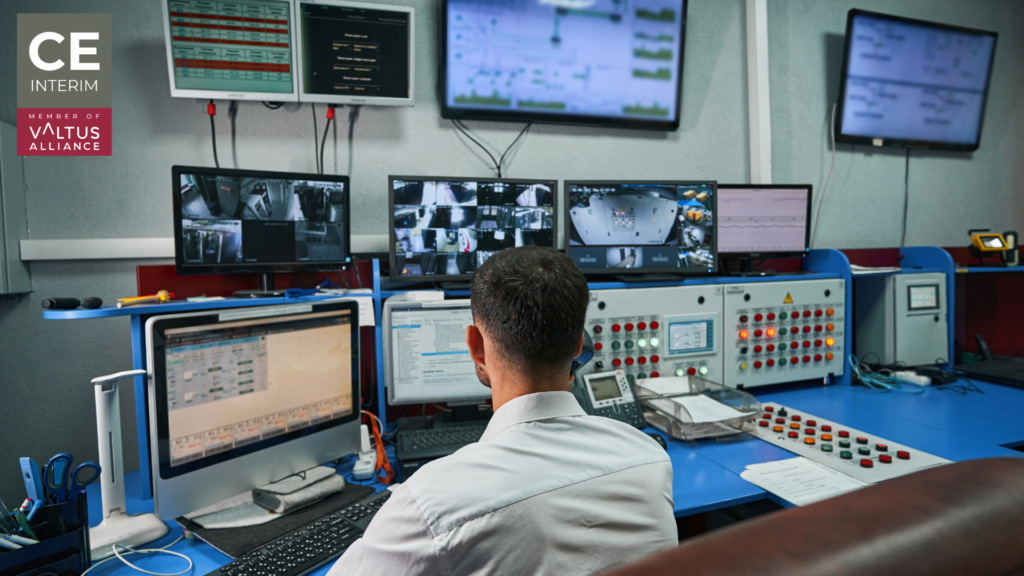
يمكن لأزمة ناجمة عن هجوم ببرنامج فدية أن تؤدي إلى توقف الإنتاج، واستنزاف السيولة النقدية، وإجبار مجلس الإدارة على إعادة الهيكلة أو البيع أو الإغلاق في غضون أسابيع.
تبدأ حالة إفلاس موردي قطع غيار السيارات عندما يلغي المصنع الأصلي للسيارات (OEM) الطلب

غالبًا ما تبدأ حالة الإعسار لدى موردي صناعة السيارات عندما يقوم أحد مصنعي المعدات الأصلية (OEM) بسحب البرنامج الذي يتحمل التكاليف الثابتة للمصنع. يشرح هذا المقال كيف يتحول انخفاض حجم المبيعات إلى أزمة سيولة، ومتى تنشأ الالتزامات القانونية المتعلقة بتقديم الطلبات، وكيف يتعين على مجالس الإدارة اتخاذ قرار بشأن إعادة الهيكلة أو البيع أو الإغلاق.
إعادة الهيكلة والتحول في بلجيكا: رؤى الخبراء

إعادة الهيكلة في بلجيكا: الإفلاس الصامت، وعمليات إعادة الهيكلة التي يقودها مكتب إدارة المخاطر، وكيف يحافظ العمل المبكر على القيمة في حالات التعثر المالي.
 EN
EN  DE
DE  FR
FR  IT
IT  PL
PL  RO
RO  CS
CS  SK
SK  HU
HU  ES
ES  RU
RU  AR
AR  SL
SL