
لماذا لا يُعد تحديد هدف لتكلفة التصنيع إعادة تصميم للنموذج التشغيلي
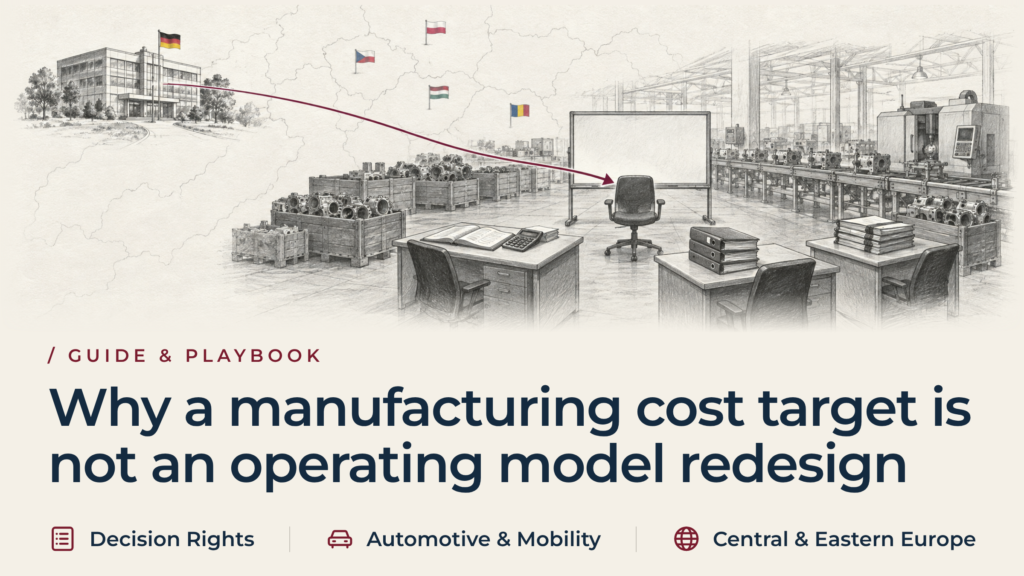
خفض تكاليف التصنيع مقابل إعادة الهيكلة التشغيلية: يحدد قسم الشؤون المالية حجم الوفورات، ويقوم قسم الموارد البشرية بتنفيذها، لكن لا يقوم أي منهما بإعادة تصميم طريقة تشغيل المصنع بعد ذلك.
التوريد الطارئ لمصنع صربي: المخزون المتوفر لا يُعد خطة تسليم
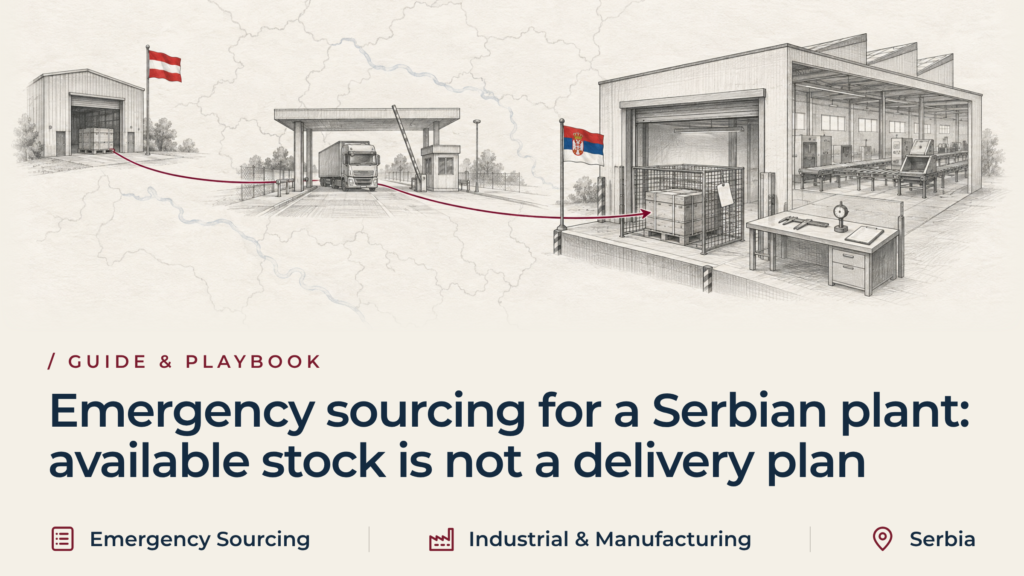
المخزون البديل الموجود في الخارج لا يُعتبر حتى الآن إمدادات جاهزة للاستخدام في صربيا. يجب التنسيق بين عمليات الشحن والعبور والوثائق وجاهزية الاستلام قبل التعهد بموعد تسليم.
الصفحة 115
المدخل المدخل الشاشة الكاملة W A S D أو أسهم الاتجاه: المشي الماوس: النظر في الأرجاء مفتاح Shift: سرعة أكبر مفتاح Esc: تحرير الماوس الشقة B115 تجول في الشقة كما لو كنت في الواقع.تحرك باستخدام مفاتيح W A S D أو أسهم الاتجاهات، وانظر حولك بالماوس. تجول في الشقة. تحرك باستخدام مفاتيح W A S D أو مفاتيح الأسهم، وانظر حولك باستخدام الماوس. الدخول إلى الشقة على الهاتف المحمول: النصف الأيسر من الشاشة = المشي، النصف الأيمن = النظر حولك. انقر على الصورة وتابع الجولة
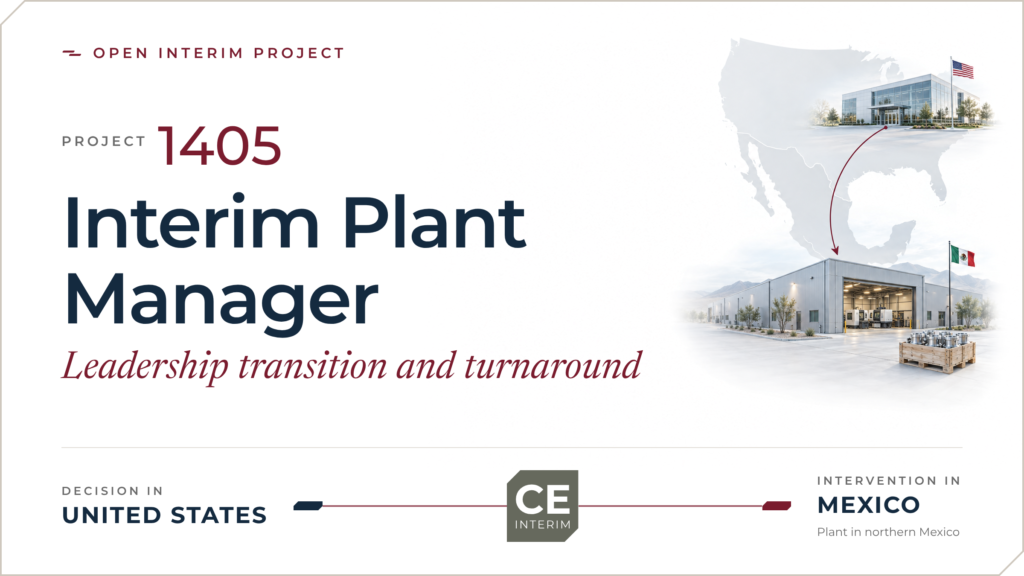
لماذا تم اختيار مرشح آخر لهذا المشروع المؤقت؟ | 1405
شكرًا لكم على الوقت والجهد اللذين كرستموهما لهذه المهمة. إن مجرد أخذكم في الاعتبار يعني أن خبرتكم كانت موثوقة في مواجهة متطلبات صعبة. وقد لاقت عملية البحث استجابة واسعة، وكان المديرون التنفيذيون المؤقتون الذين وصلوا إلى المراحل النهائية جميعهم قادة مصانع ذوي خبرة، ولديهم سجل حافل بالإنجازات الملموسة. نادراً ما تتعلق القرارات المتعلقة بالتعيينات المؤقتة بالجودة العامة. بل تتلخص في مجموعة محدودة من العوامل: مدى تشابه المواقف السابقة للمدير التنفيذي مع الوضع الحالي، ونوع المعدات وحجم العمليات المعنية، ومرحلة برنامج التغيير، ومدى سرعة قدرة المالكين على تصور تولي ذلك الشخص زمام الأمور منذ اليوم الأول. تشرح هذه المذكرة الملف الشخصي الذي تطابق بشكل وثيق مع هذه المهمة بالذات، حتى تتمكن من فهم كيفية إجراء التقييم والاستفادة منه في الفرص المستقبلية. ما كان يحتاجه العميل حقًا: على الورق، كان هذا منصب مدير مصنع. لكن في الواقع، كان الأمر عبارة عن تسليم زمام القيادة في خضم عملية تعافي تشغيلي. كان قائد الموقع الذي خدم لفترة طويلة على وشك المغادرة في تاريخ محدد، وكان المصنع في منتصف طريقه لتحسين أدائه، وأراد المالكون الحفاظ على التقدم الذي تم إحرازه بالفعل بدلاً من البدء من جديد تحت اسم جديد. كان الموقع صغيرًا وعالي الميكنة. كان جزء كبير من الإنتاج يعتمد على آلات أوتوماتيكية قديمة ومعقدة ميكانيكيًا، حيث كان كل مشغل يدير عدة آلات منها في آن واحد. وقد تم اكتساب المهارات اللازمة لإعداد تلك المعدات وصيانتها داخليًّا على مدار سنوات عديدة، وكانت موجودة إلى حد كبير في عقول الموظفين ذوي الخبرة. كما كان مالكو المصنع وموظفوه موجودين في بلدان مختلفة ويعملون بلغات مختلفة. كان المدير التنفيذي سيقدم تقاريره مباشرةً إلى قمة المجموعة، بينما يقود يوميًا فريقًا إداريًا محليًّا صغيرًا في موقع العمل. عمليًّا، تطلبت المهمة خمسة أمور في آن واحد: الملف الشخصي الذي يتناسب مع هذه المهمة بشكل وثيق من خلال موجز المهمة والمقابلات، ظهرت صورة واضحة للمدير التنفيذي الذي تتطلبه هذه الحالة. لا تعتبر أي من النقاط أدناه غير عادية بحد ذاتها. ما كان مهمًا هو العثور عليها مجتمعة في شخص واحد. 1. خبرة متكررة في تولي إدارة مصنع في خضم التغيير: كان المرشح الأنسب هو المدير التنفيذي الذي سبق له تولي إدارة عدة مصانع خلال مرحلة انتقالية في القيادة أو عملية تعافي، والذي يمكنه عرض الأرقام قبل وبعد ذلك. كان ذلك مهمًا لأن المهمة الفورية كانت ضمان الاستمرارية تحت الضغط. أراد المالكون شخصًا سبق له أن عاش هذه اللحظة بالذات من قبل، وليس شخصًا سيتعلم الأمر في الموقع. 2. خبرة عملية عميقة مع المعدات الفعلية للمصنع كانت الخبرة العامة في التصنيع بكميات كبيرة أو الآلي أمرًا شائعًا بين المرشحين النهائيين. أما الخبرة المباشرة والشخصية في تشغيل وإعداد معدات التصنيع الآلية القديمة، حيث يتولى كل مشغل عدة آلات، فكانت نادرة جدًّا. وحيثما كانت هذه الخبرة موجودة، كان بإمكان المدير التنفيذي التحدث بمصداقية مع الأشخاص الذين يشغلون الآلات منذ اليوم الأول. وحيثما كانت غائبة، كان على المالكين قبول وجود منحنى تعلم خلال فترة لم يكن لديهم فيها متسع كبير لذلك. 3. الراحة في العمل على نطاق موقع صغير جاءت عدة ملفات شخصية قوية من مؤسسات رائدة كبيرة متعددة المواقع تتمتع بوظائف دعم عميقة. أما هذا المصنع فلم يكن لديه سوى عدد قليل من المديرين. كان المرشح الأنسب هو مدير تنفيذي يشعر بالراحة في أن يكون المهندس الأول، ونقطة التصعيد في شؤون الصيانة، وجهات الاتصال مع العملاء في آن واحد، دون الحاجة إلى المستويات الإدارية المتعددة التي توفرها العمليات الكبيرة. 4. الانضباط في صيانة الأصول القديمة تعتمد فعالية المعدات في الآلات القديمة على إجراءات الصيانة الروتينية، وأوقات الإعداد، وقطع الغيار بقدر ما تعتمد على تخطيط الإنتاج. كانت السير الذاتية التي أظهرت خبرة في بناء أنظمة الصيانة الوقائية بنفسها وتدريب الفنيين المحليين متوافقة بشكل وثيق مع القيود الفعلية في المصنع. 5. طريقة محترمة لاستيعاب المعرفة الفنية التي يمتلكها الموظفون كان المالكون واضحين في أن القوى العاملة لم تكن تقاوم التغيير، ولكنها كانت بحاجة إلى فهم سبب حدوثه. كان المرشح الأنسب هو مدير تنفيذي تكون خطوته الأولى هي المراقبة والتعلم قبل تغيير أي شيء، ثم يحوّل الخبرة غير الموثقة إلى إجراءات عمل قياسية دون أن يشعر الموظفون القدامى بأنهم سيُستبدلون. 6. جسر طبيعي بين المالكين والمصنع: كان الدور يتطلب تواصلًا سلسًا مع أرض المصنع بلغة العاملين فيه، وتقديم تقارير واضحة وموجزة إلى قيادة المجموعة بلغتهم. وكان المرشح الأنسب قد قام بذلك من قبل، في ظل ملكية أجنبية، وكان قادرًا على تحمل المسؤولية المحلية مع إبقاء المقر الرئيسي على اطلاع تام. 7. سجل حافل حقيقي في المناصب المؤقتة وتوافر فوري أخيرًا، احتاج المالكون إلى شخص يمكنه البدء قبل مغادرة القائد المنتهية ولايته، والالتزام بالتواجد بدوام كامل في الموقع، والعمل بموجب تفويض مؤقت مع تسليم واضح للمهام في النهاية. كان وجود سجل حافل بالمهام المؤقتة المنجزة، بدلاً من المناصب الدائمة وحدها، يمنح ثقة إضافية في أن المدير التنفيذي سيحقق النتائج المطلوبة خلال فترة محددة ثم ينسحب بشكل سلس. لماذا لم يتم اختيار المرشحين الأقوياء بعد؟ استوفى معظم المديرين التنفيذيين الذين تم النظر في ترشيحهم غالبية المتطلبات الرسمية. كان الفارق يكمن في عدد النقاط المذكورة أعلاه التي تم إثباتها معًا، ومدى مباشرة ذلك الإثبات. في ولاية قصيرة وحاسمة من حيث الوقت، كان المالكون يجيبون فعليًّا على مجموعة صغيرة من الأسئلة: قد يحصل المرشح الذي يتمتع بسجل حافل بالنتائج الممتازة في بيئة أكبر أو أكثر حداثة على درجات أقل في اثنين أو ثلاثة من هذه الأسئلة. وهذا يعكس ضيق نطاق هذه الولاية، وليس ضعف كفاءة المدير التنفيذي. ما يمكنك تعلمه من هذا بالنسبة للمشاريع المؤقتة المستقبلية ملاحظة أخيرة صادقة: في المرحلة النهائية، يقيّم المالكون أيضًا مدى سرعة تصورهم للمدير التنفيذي وهو يتولى زمام الأمور في مصنعهم المحدد، مع موظفيهم ومعداتهم. يعتمد هذا التقييم جزئيًا على الأدلة وجزئيًا على الثقة. ويكون هذا التقييم مشروعًا عندما يستند إلى الوضع التجاري، وغالبًا ما يُحسم بفارق ضئيل. تظل خبرتك ذات صلة، وسنواصل النظر في ترشيحك للمهام التي تتطابق خلفيتك معها بشكل وثيق. لماذا تعمل معنا؟ توفر CE Interim قادة تنفيذيين مؤقتين أثبتوا كفاءتهم ومناسبين للمهمة، جاهزين للبدء في غضون 72 ساعة من استكمال موجز المهمة، عبر الحدود والثقافات والقطاعات. نحن متخصصون في الإدارة المؤقتة ذات التأثير الكبير لشركات الأسهم الخاصة،,
تقوم أوروبا بإعادة هيكلة قاعدة التوريد الخاصة بصناعة السيارات. ولا تتبع جميع المصانع نفس النهج
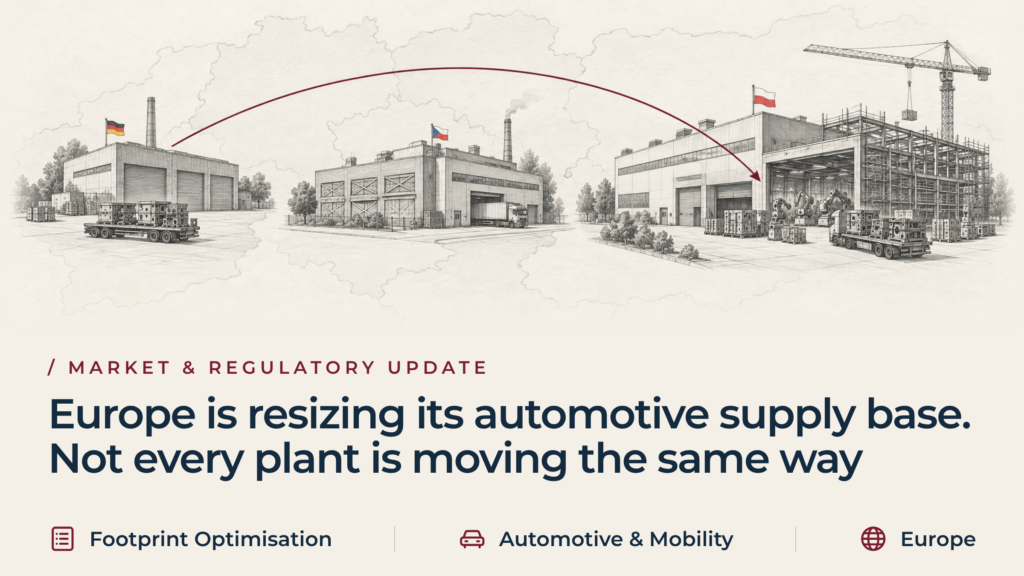
إعادة هيكلة موردي صناعة السيارات في عام 2026 لا تتمثل في موجة واحدة من الإغلاق. فهناك مصانع يتم تقليص حجمها إلى النصف مع الإبقاء عليها، وأخرى يتم إغلاقها ونقلها، في حين تتولى مصانع أخرى تنفيذ الأعمال.
ما الذي يتعطل عندما يتم إلغاء نوبة عمل؟
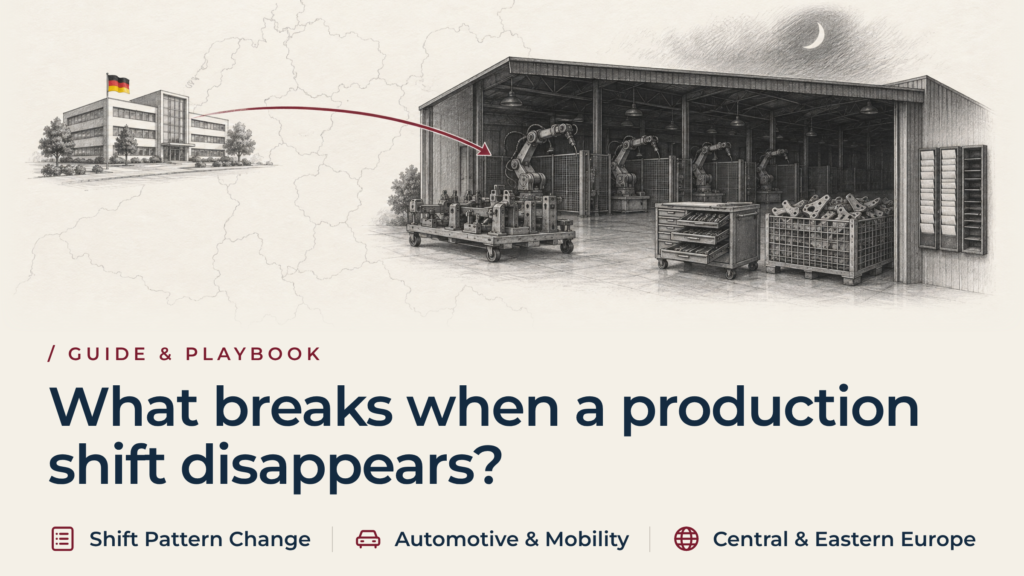
إن إلغاء نوبة عمل في خط الإنتاج يقلل التكاليف نظريًّا، لكن فترات الصيانة، وعمليات التبديل، والإشراف، وتغطية حالات التصعيد، كلها أمور يجب أن تُنقل إلى مكان آخر أولاً.
وافق المقر الرئيسي الألماني على إعادة هيكلة مصنع تشيكي. ما هي التكلفة التي ستترتب على تحقيق هذه الوفورات؟
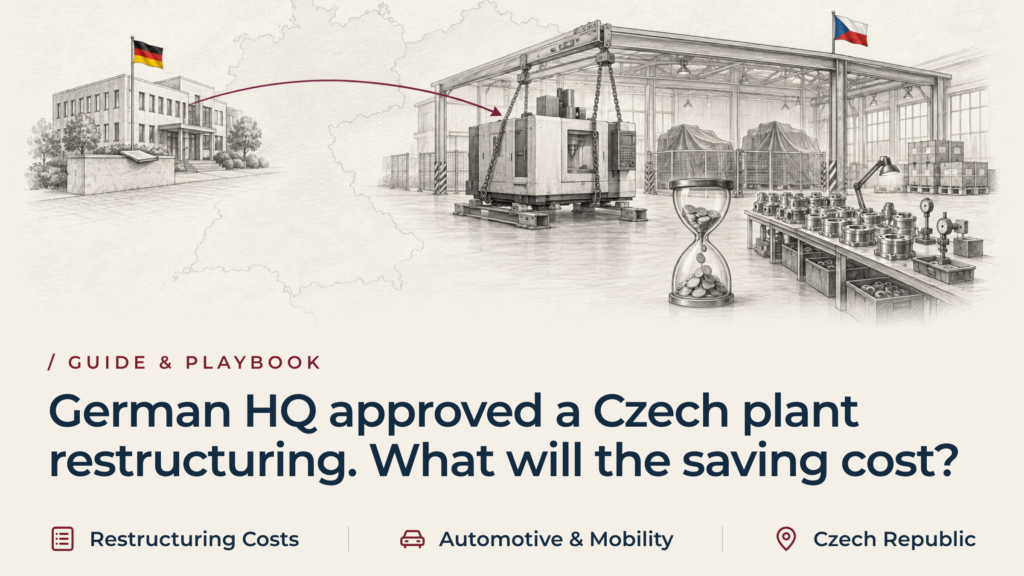
توافق الإدارة على هدف التوفير السنوي، لكن تكاليف إعادة هيكلة المصنع اللازمة لتحقيقه نادرًا ما يتم تقييمها بالكامل. الفئات التي يجب تحديدها أولاً.
يوجد هدف محدد لعدد الموظفين في مصنعكم في بولندا. هل تمت إعادة تصميم العمل ليتوافق مع هذا الهدف؟
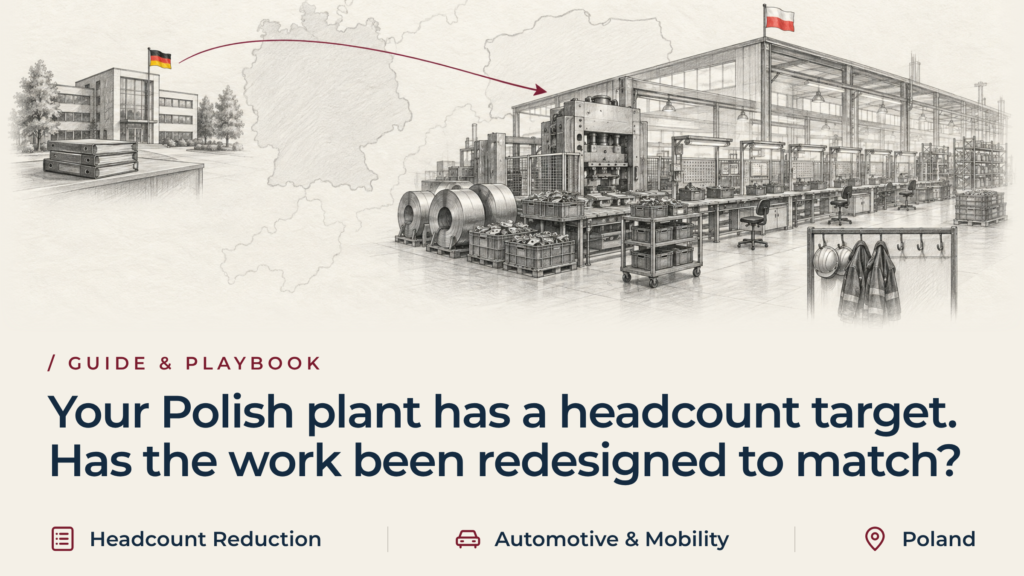
يؤدي تخفيض عدد الموظفين في المصنع إلى خفض تكاليف الرواتب، لا إلى تقليص حجم العمل. اكتشف ما الذي يجب إعادة تصميمه أو إيقافه حتى تتمكن المنشأة البولندية الأصغر حجمًا من الوفاء بنفس الالتزامات.
عندما تقوم عدة مصانع في أوروبا الوسطى والشرقية بتعديل أحجامها في آن واحد، من الذي يحدد تسلسل التغييرات؟
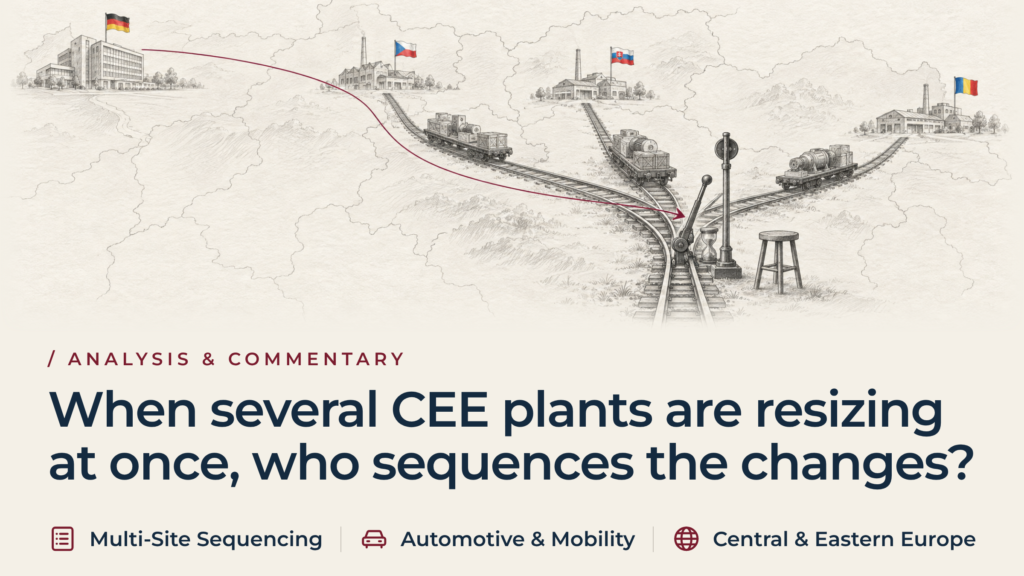
تواجه عملية إعادة هيكلة المصانع المتعددة المواقع في منطقة أوروبا الوسطى والشرقية عقبات عندما تجري عمليات التخفيضات والتحويلات وزيادة الإنتاج في وقت واحد. من الذي يمتلك الصلاحية لجعل أحد المواقع ينتظر؟
يتم نقل الإنتاج إلى سلوفاكيا. من المسؤول عن خطة الطاقة الاستيعابية للموقع المستقبل؟
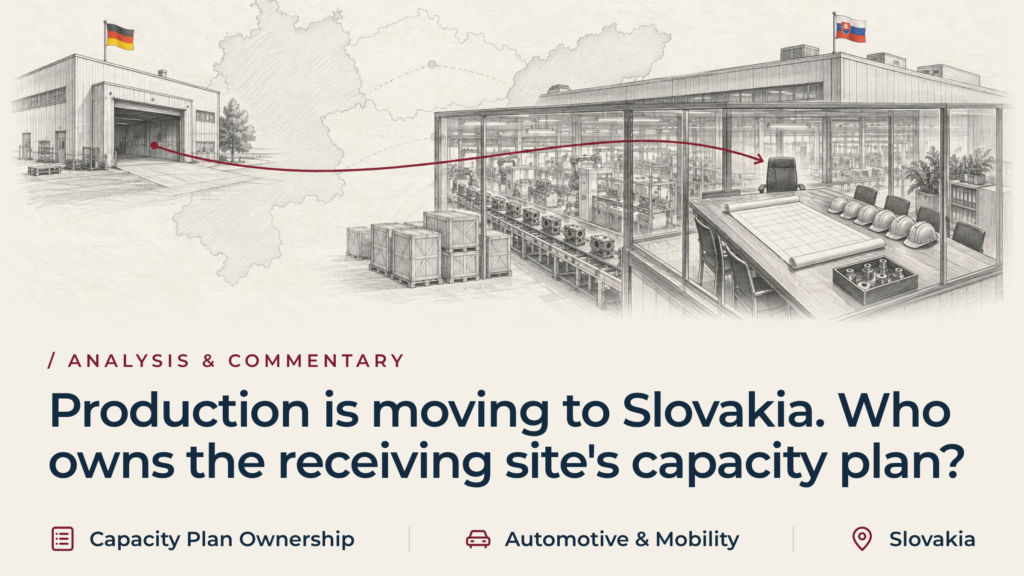
يتحمل مصنع استقبال نقل الإنتاج العبء من حيث الحجم ومخاطر الإطلاق وأعباء الإدارة، في حين لا يزال عملاؤه يتوقعون إنتاجًا عاديًّا. فمن يملكه؟
 EN
EN  DE
DE  FR
FR  IT
IT  PL
PL  RO
RO  CS
CS  SK
SK  HU
HU  ES
ES  RU
RU  AR
AR  SL
SL