
Dočasný finanční ředitel nebo poradce pro restrukturalizaci: kdo obnoví kontrolu nad peněžními toky v polské továrně v tíživé situaci?

Stručně řečeno: Polská výrobní dceřiná společnost se ocitla v náhlé krizi likvidity. Finanční ředitel společnosti pak stojí před rozhodnutím: zahájit na místě dočasné řízení hotovosti v roli prozatímního finančního ředitele, nebo pověřit poradenskou firmu specializující se na restrukturalizace. Poradci vytvářejí spolehlivé finanční modely. Důkladně informují syndikáty věřitelů. Nepodepisují však bankovní platby. Nejednají s agresivními místními věřiteli. Neřeší úniky hotovosti ve výrobě. Když se zásoba hotovosti zkrátí na několik dní, podnik potřebuje manažera s pravomocí jednat. Nepotřebuje zprávu, která by takového manažera doporučila. Jak zvládat krize likvidity: Když polské výrobní závody čelí propadu hotovosti Krize likvidity se málokdy vyvíjí pomalu. Finanční ředitel skupiny sděluje výkonnému výboru, že polský závod vyčerpal svůj kontokorentní úvěr až na maximum. Současně dodavatelé surovin ve Slezsku a Velkopolsku přecházejí u závodu na podmínky platby předem. Hrozí, že do 48 hodin zastaví dodávky. Centrála situaci pečlivě prošetřuje a čísla nesedí. Měsíční výkazy zakrývaly rostoucí objem neuhrazených závazků. Skrývaly sporné srážky ze strany zákazníků i prostředky vázané v nedokončené výrobě. Závod potřebuje nouzové financování od mateřské společnosti, aby vůbec mohl v pátek vyplatit mzdy. V této chvíli si finanční ředitel společnosti musí vybrat model poskytování služeb. Zapojení známé poradenské značky se jeví jako bezpečný první krok. Komplexní diagnostická zpráva uklidní dozorčí radu a věřitelé ji očekávají. Poradenská zakázka však odpovídá na jinou otázku, než jakou podnik nyní řeší. Poradci pozorují, analyzují a předkládají výborům možnosti. Nemají podpisové oprávnění k bankovním operacím. Neprovádějí operace přímo v podniku. Když zbývají jen dny hotovosti, představenstvo nepotřebuje další analýzu toho, proč závod utrácí hotovost. Místo toho potřebuje manažera přímo na místě. Ten převezme kontrolu nad bankovním portálem, bude přímo vyjednávat s věřiteli a od prvního dne bude prosazovat platební disciplínu. Překonávání rizik přeshraniční insolvence: Propast mezi ústředím a místními provozovnami Propast mezi finančním ředitelem společnosti a polským závodem není pouze geografická. Polské právo ukládá osobní odpovědnost za opožděné podání návrhu na insolvenci členům místního představenstva (członkowie zarządu). V tomto představenstvu nemusí být nikdo z finančního oddělení skupiny. Mateřská společnost může schválit nouzové financování. Sama však nemůže tuto zákonnou odpovědnost za sebe převzít. Na dálku často nedokáže posoudit, zda představenstvo závodu již překročilo prahovou hodnotu pro podání návrhu na insolvenci. To je také důvod, proč vzdálená diagnostika nestačí. Místní věřitelé a polský daňový úřad nebudou jednat na základě zprávy. Očekávají jmenovaného vedoucího pracovníka, který má podpisové právo a může se osobně zavázat k plnění plánu. Zahraniční mateřská společnost potřebuje rychle spolehlivé informace a řádné řízení společnosti. Místní provoz potřebuje někoho s reálnou pravomocí, kdo na základě těchto informací bude jednat. Nemůže čekat, až centrála schválí každý krok. Dočasný finanční ředitel (CFO) přímo na místě, který má jasný mandát od mateřské společnosti a formální pravomoc v Polsku, propojuje obě strany. Orientace v polském insolvenčním a konkurzním právu: Klíčová rizika v oblasti dodržování zákonných předpisů Polské právo stanoví dva spouštěcí mechanismy pro insolvenční řízení. Platí jak zákon o restrukturalizaci (Prawo restrukturyzacyjne), tak zákon o úpadku (Prawo upadłościowe). Podnik je v platební neschopnosti, jakmile není schopen uhradit závazky, jejichž splatnost je po lhůtě více než tři měsíce. V platební neschopnosti se podnik ocitne také v případě, že jeho závazky převyšují aktiva po dobu delší než 24 měsíců. Jakmile je dosaženo jedné z těchto prahových hodnot, musí představenstvo do 30 dnů podat návrh na vyhlášení konkurzu nebo zahájit formální restrukturalizační řízení. Článek 299 Obchodního zákoníku (Kodeks spółek handlowych) jde ještě dále. Umožňuje věřitelům vymáhat neuhrazené dluhy společnosti osobně od členů představenstva z jejich vlastního majetku, pokud dojde k prodlení s podáním návrhu. Restrukturalizační poradce (doradca restrukturyzacyjny) nenese žádnou osobní zákonnou odpovědnost za rozhodnutí představenstva. Finanční ředitel společnosti a místní statutární ředitelé zůstávají vystaveni riziku, dokud je diagnostická zpráva ještě v návrhu. Stejnou váhu mají i rozhodnutí o nakládání s hotovostí na provozní úrovni. Další riziko představuje neuhrazení daně z příjmů fyzických osob (PIT) nebo příspěvků do Úřadu sociálního pojištění (ZUS). Může to vést k osobní trestní odpovědnosti za daňové delikty podle Trestního zákoníku o daňových deliktech (Kodeks karny skarbowy). Někdo musí každý den rozhodovat, které platby budou uhrazeny jako první. Toto rozhodnutí vyžaduje osobu, která rozumí polským zákonným předpisům a je ochotná za něj nést odpovědnost. Strategické modely poskytování služeb: Mandáty pro dočasného finančního ředitele vs. poradenské zakázky v oblasti restrukturalizace Kritéria pro zapojení poradce pro restrukturalizaci Nasazení dočasného finančního ředitele Denní likvidita: 12 až 16 týdnů potvrzené likvidní rezervy. Cíl: nezávislé ocenění nebo refinancování. Rezerva na provoz méně než 30 dnů. Dodavatelé odmítají dodávky. Finanční oddělení potřebuje okamžité oddělení aktiv. Potřeba realizace: Centrála požaduje nezávislý posudek podniku pro věřitele nebo pro proces prodeje. Plán ozdravení je jasný. Místnímu týmu chybí pravomoc jej realizovat. Očekávání zainteresovaných stran: Věřitelé požadují ověření akreditovanou třetí stranou před udělením výjimek. Dodavatelé a daňové úřady požadují přímá jednání s osobou oprávněnou k podpisu. Schopnosti místního týmu: Kontrolor je kompetentní a důvěryhodný, ale postrádá hlubší znalosti finančního inženýrství. Vedoucí finančního oddělení je přetížený nebo zaujímá defenzivní postoj. Centrála nyní potřebuje náhradu. Tato tabulka slouží jako vodítko pro posouzení, nikoli jako kontrolní seznam. Tyto dva modely řešení odpovídají na různé otázky. Poradce je vhodnou volbou, pokud jde o to, jakou má podnik hodnotu, nebo jak oslovit syndikát věřitelů. Dočasný finanční ředitel je vhodnou volbou, pokud jde o to, kdo dokáže zastavit odliv hotovosti v tomto týdnu. Pokud se tyto dva přístupy zamění, závod často ztratí týdny času na řešení problému, který byl původně koncipován pro jinou situaci. Provozní kontrola hotovosti: 90denní plán pro dočasného finančního ředitele v dceřiných společnostech v tísni Dočasný finanční ředitel vyslaný do polského závodu v tísni nezačíná další diagnostikou. Jeho mandát je od prvního dne zaměřen na provoz. To znamená vybudovat na místě řídící centrum pro hotovost a převzít osobní odpovědnost za přežití závodu. Fáze 1 (1.–10. den): Zavedení bankovní kontroly a uzamčení pokladny Dočasný finanční ředitel převezme výhradní nebo společná podpisová práva k bankovním účtům. Veškerý nesledovaný přístup k platbám na místních účtech se okamžitě zastaví. Prognózování se přesouvá od účetních odhadů k modelu přímého cash flow. Ten sleduje příjmy a výdaje a denně se porovnává se skutečností
Když švýcarská skupina ztratí přehled o svém rumunském podniku: obnovení finanční kontroly pod tlakem

Stručně řečeno: Situace rumunské dceřiné společnosti švýcarské skupiny, která se ocitla pod tlakem, se vyvíjí podle známého scénáře. Marže vypadají na papíře slibně. Neustále však přicházejí žádosti o hotovost, které tyto marže nedokážou vysvětlit. Švýcarský občanský zákoník ukládá představenstvu povinnost, kterou nelze delegovat. Musí dohlížet na firemní finance, ať už se tyto finance nacházejí kdekoli. Obnovení kontroly začíná tím, že prozatímní finanční ředitel převezme přímou autoritu přímo na místě nad bankovními operacemi, nákupem a výkaznictvím. Dalším krokem je vytvoření jednotné faktické základny, které důvěřuje jak představenstvo, tak místní vedení. Jak se rumunská dceřiná společnost švýcarské skupiny dostane do této situace U švýcarské průmyslové skupiny nebo rodinného výrobce přesných součástek se finanční přehlednost málokdy zhroutí najednou. Postupně se zhoršuje v rámci vzorce, který vypadá zvládnutelně, když se na něj díváme měsíc po měsíci. Měsíční manažerská zpráva dceřiné společnosti vykazuje stabilní hrubé marže. Výroba probíhá podle plánu. Ve stejném období však místní vedení požádá Curych nebo Zug o neplánovanou hotovostní zálohu. Tato záloha pokryje mzdy nebo daň z přidané hodnoty. Každá z těchto skutečností sama o sobě vypadá normálně. Dohromady však v průběhu několika účetních období vypovídají o podniku, který představenstvo již nedokáže jasně přehlédnout. Švýcarská představenstva obvykle dávají v takových případech přednost pochybnostem, a tento instinkt je rozumný. Prodloužené splatnosti u dodavatelů, pomalé platby od zákazníků, problém s načasováním daní: každé vysvětlení zní samo o sobě věrohodně. Švýcarská kultura řízení také upřednostňuje delegování před zásahy na dálku. Představenstvo čeká na jasnější obraz situace, než začne jednat. Článek 716a ponechává konečné vedení a dohled nad managementem v rukou představenstva. Představenstvo tuto povinnost nemůže delegovat. V praxi ji představenstva obvykle plní prostřednictvím důvěry v místní vedení, nikoli každodenním zasahováním do financí dceřiné společnosti. Prodloužení této důvěry o další čtvrtletí je přiměřenou reakcí na vývoj, o jehož závažnosti zatím nikdo neprokázal. Skutečné riziko spočívá v tom, co se stane, zatímco představenstvo čeká. Bez fungujících finančních kontrolních mechanismů na místě se může závod dostat na scestí. Objevují se neformální dohody s dodavateli a výdaje na údržbu se odkládají. Hodnoty zásob mohou nenápadně absorbovat výrobní odpad, místo aby se vykazovaly. Za ničím z toho nemusí stát zlý úmysl. K tomu dochází, když dceřiná společnost příliš dlouho řídí svou vlastní finanční disciplínu. Její systémy a pravomoci nestačí držet krok. Orientace ve dvou systémech správy a řízení: Švýcarský občanský zákoník vs. rumunské zákonné výkaznictví Švýcarská mateřská společnost a její rumunská dceřiná společnost se nacházejí ve dvou odlišných rámcích správy a řízení. Právě tam obvykle vzniká mezera v přehlednosti. To je z velké části důvodem, proč se rumunská dceřiná společnost švýcarské skupiny stává obtížně říditelnou na dálku. Článek 716a švýcarského občanského zákoníku neumožňuje představenstvu delegovat své povinnosti. Konečné vedení společnosti a dohled nad managementem zůstávají v kompetenci představenstva. To platí bez ohledu na to, jaká vykazovací struktura pod ním existuje. Rumunská dceřiná společnost působí v rámci samostatného, náročného zákonného režimu. Zákon č. 31/1990 a účetní pravidla stanovená v OMFP 1802/2014 určují povinný účtový rozvrh. Stanovují také přísné požadavky na archivaci faktur. Místní finanční týmy tráví značnou část svého času zajištěním souladu společnosti s požadavky Národní agentury pro daňovou správu. Dodržování zákonných předpisů a manažerské řízení jsou související dovednosti. Nejedná se však o stejnou dovednost. Tým, který se zabývá první z nich, nemusí automaticky zvládat i tu druhou. Klíčové příčiny mezer ve výkaznictví: ERP systémy, volatilita měn a neformální pravomoci. Technologie přidává další vrstvu. Švýcarská centrála obvykle provádí konsolidaci prostřednictvím platformy, jako je SAP S/4HANA. Rumunský závod často vede své zákonem předepsané účetnictví v místním softwaru. Propojení obou systémů zajišťuje pomocí ručně aktualizovaných tabulek. Měna přináší další zkreslení. Transakce probíhají v rumunských leu, eurech a švýcarských francích. Pokud finanční tým důsledně nevedené zajištění a vnitropodnikové vyúčtování, může marže v místní účetní knize vypadat správně. Přesto může uvést představenstvo v omyl, pokud jde o měnu, kterou ve skutečnosti spravuje. Mezery v pravomocích se obvykle neformálně vyplňují samy, což je pochopitelné. Někdo musí zajistit každodenní chod závodu. Bez jasně stanovené schvalovací struktury si místní vedení vytvoří vlastní. Často přebírá osobní kontrolu nad rozhodnutími o nákupu přímo ředitel závodu. Výsledkem je málokdy záměrné zatajování. Místní tým obvykle řeší své vlastní problémy pomocí nástrojů a pravomocí, které skutečně má. Centrála mezitím pokračuje v řízení prostřednictvím formátu výkaznictví vytvořeného pro úroveň přehledu v reálném čase, kterou již nemá. Varovné signály, že zahraniční výrobní závod ztratil finanční přehled Několik opakujících se vzorců signalizuje švýcarskému vlastníkovi, že se tato mezera posunula od pouhého tření k problému řízení. Nyní je zapotřebí přímý zásah. Nejjasnějším signálem je dceřiná společnost, která vykazuje přijatelnou hodnotu EBITDA. Provozní peněžní tok však zůstává trvale záporný. Opakovaně potřebuje neplánované finanční prostředky od mateřské společnosti. Druhým signálem je mezipodnikové vyúčtování, které se v průběhu několika období nedá řádně uzavřít. Zůstatky se hromadí na prozatímních účtech, místo aby se vyřešily. Třetím signálem je, že místní finanční oddělení odpovídá na konkrétní otázky slovními vysvětleními namísto odsouhlasených údajů z hlavní účetní knihy. To obvykle znamená, že samotné údaje zatím neexistují v důvěryhodné podobě. Zásoby hotových výrobků nebo surovin, které se jeví jako nepřiměřené ve vztahu ke skutečné produkci, mohou skrývat zastaralé zásoby nebo nezaúčtovaný šrot. Jediný nejjasnější test finanční kontroly je jednoduchý: dokáže dceřiná společnost vypracovat spolehlivou třináctitýdenní klouzavou prognózu cash flow? Ta by měla odrážet skutečné smluvní závazky. Pokud to nedokáže, řídí centrála podnik na základě důvěry, nikoli na základě faktů, ať už měsíční zpráva uvádí cokoli. Obnova finanční kontroly: Nasazení dočasného finančního ředitele k obnovení provozního dohledu Třídenní inspekce provedená interním auditem společnosti poskytuje pouze historický přehled. Nezjistí, kdo dnes řídí bankovní převody. Ani nezůstává na místě dostatečně dlouho, aby změnila způsob fungování dceřiné společnosti. Obnova kontroly vyžaduje vedoucího pracovníka s pravomocí jednat, nikoli tým s pravomocí podávat zprávy. Dočasný finanční ředitel s přeshraničními zkušenostmi z evropského výrobního průmyslu převezme přímé velení nad místními financemi, pokladnou a nákupem. Představenstvo definuje tento mandát ještě před zahájením úkolu. Níže uvedená posloupnost je důležitější než jakýkoli jednotlivý krok. Právě tato posloupnost opakovaně obnovuje kontrolu v rumunské dceřiné společnosti švýcarské skupiny a každá fáze závisí na tom, zda byla dodržena fáze předchozí.
Když uzavření polského závodu ovlivní harmonogram restrukturalizace v České republice: Proč se stávají souběžná rozhodnutí nemožnými

Německý průmyslový koncern s výrobními závody v Polsku a České republice stojí před rozhodnutím představenstva, které musí padnout do šesti týdnů. Polský závod je ztrátový a čerpá hotovost. Český závod vykazuje podprůměrné výsledky, ale z provozního hlediska je možné jej ozdravit. Celkový disponibilní kapitál na restrukturalizaci v obou zemích činí přibližně 35 milionů EUR. Zde je klíčový problém: rozhodnutí o okamžitém uzavření polského závodu automaticky vyvolá nutnost restrukturalizace v České republice, kterou nelze odložit, změnit její pořadí ani řídit samostatně. Když jedna země čelí uzavření a druhá vyžaduje restrukturalizaci, vede kaskádový efekt uzavření a restrukturalizace napříč více zeměmi ve střední a východní Evropě k patové situaci na úrovni vedení. To nutí nepřipravené představenstvo k rozhodnutí, které nikdo neplánoval učinit. Pochopení toho, proč se paralelní rozhodnutí stávají nemožnými, je zásadní pro každého vedoucího představitele průmyslu z regionu DACH, který řídí provoz v střední a východní Evropě. Prvních 30 dní: jak začíná kaskádový proces restrukturalizace spojený s uzavřením závodů ve více zemích střední a východní Evropy Jakmile představenstvo schválí uzavření polského závodu, současně se aktivují oznamovací povinnosti v obou zemích. A co je nejdůležitější, obě lhůty se překrývají. Ani jednu z nich nelze odložit bez právního rizika. Tento souběžný spouštěcí mechanismus uvádí do pohybu kaskádu, která charakterizuje situace uzavření a restrukturalizace ve více zemích v regionu střední a východní Evropy. Lhůty pro oznámení se střetávají současně Polský zákoník práce ukládá zaměstnavatelům povinnost oznámit rozhodnutí o hromadném propouštění okresnímu úřadu práce do 20 dnů. Zároveň musí v rámci stejné 20denní lhůty proběhnout konzultace s odborovou organizací. Kromě toho český zákoník práce ukládá minimální 30denní lhůtu pro oznámení úřadu práce a zástupcům zaměstnanců předtím, než jakékoli výpovědi nabudou účinnosti. Výsledek je jasný: obě oznámení musí být podána. Obě lhůty běží souběžně. Kapacita vedení se rozděluje mezi dvě rozhodnutí. Uzavření podniku vyžaduje odlišné kroky: podmínky propouštění, výpočet odstupného, inventarizaci majetku, postupné utlumování výroby, informování věřitelů a plánování kontinuity služeb pro zákazníky. Restrukturalizace vyžaduje jiné kroky: rušení funkcí, rozhodnutí o investicích do produktivity, prognózy provozního kapitálu a výkonnostní cíle. V důsledku toho v překrývajícím se 20–30denním období vyžaduje uzavření v Polsku plnou pozornost operačního týmu. Mezitím se rozhodnutí o restrukturalizaci v České republice vtlačuje do již tak přeplněného programu. Právě proto scénáře uzavření a restrukturalizace ve více zemích střední a východní Evropy způsobují problémy s kapacitou na úrovni vedení. 4.–8. týden: tlak na cash flow nastává ještě před uvolněním kapitálu na restrukturalizaci Jakmile fáze oznamování skončí, finanční realita se rapidně zhoršuje. Závazky z odstupného se mění v konkrétní pasiva. Věřitelé a dodavatelé rozpoznávají signál o ukončení činnosti. Navíc se platební cykly ve výrobě zkracují právě v okamžiku, kdy je hotovost nejvíce omezená. Tlaky na platební cykly a zpřísnění cash flow Standardní platební podmínky ve výrobním sektoru se v průmyslových B2B vztazích obvykle pohybují v rozmezí 60 až 90 dnů netto. Jakmile dodavatelé zaznamenají signály o uzavření, omezují úvěrové riziko. Mnozí požadují platbu předem nebo urychlují splátkové kalendáře faktur. V důsledku toho se zkracují závazky, zatímco inkaso pohledávek se zpomaluje. Finanční ředitel musí okamžitě reagovat na tlak věřitelů a zachovat přístup k úvěrovým linkám na provozní kapitál. Mezitím stále čeká na schválení investice do restrukturalizace v České republice. Nedostatek alokovaného kapitálu: 35 milionů EUR nestačí pro obě země Tato kapitálová kalkulace nebyla na pořadu jednání představenstva před šesti týdny. V 8. týdnu již finanční ředitel vyčlenil kapitál na uzavření polské pobočky. Nyní musí finanční ředitel informovat představenstvo, že česká restrukturalizace nemůže být financována podle původního plánu. Tato situace je typickým příkladem konfliktů při restrukturalizaci s uzavřením poboček ve více zemích v regionu střední a východní Evropy. 8.–16. týden: okno pro restrukturalizaci druhé země se nezvratně uzavírá. V této fázi se uzavření polské pobočky stává veřejnou záležitostí. Zaměstnanci odpracovávají výpovědní lhůty. Zákaznické objednávky se převádějí nebo ruší. Prodej aktiv vstupuje do fáze jednání. Co je zásadní, v České republice se vzkaz pro zaměstnance stává nezaměnitelným: centrála omezuje portfolio. Česká republika by mohla být na řadě. Riziko odchodu zaměstnanců se zvyšuje a technická způsobilost se zhoršuje. Český ředitel závodu každý týden přijímá hovory od kvalifikovaných technických pracovníků, kteří dostali pracovní nabídky jinde. Zároveň finanční ředitel dosud neuvolnil kapitálové prostředky pro Českou republiku. Provozní ředitel nezveřejnil plán ozdravení. V důsledku toho se nejistota prodlužuje z dnů na týdny. Do 12. týdne závod přichází o dva vedoucí techniky a tři mladší inženýry. Kvalita výroby se zhoršuje. Stížnosti zákazníků výrazně narůstají. Zpoždění mění potenciál k obratu v zhoršení provozu. Řešení, jejichž zavedení by ve 2. týdnu stálo 12 milionů EUR, nyní v 10. týdnu stojí 18 milionů EUR. Každý týden zpoždění restrukturalizace systematicky oslabuje výkonnost. Morálka klesá, protože nebylo učiněno žádné závazné rozhodnutí. Zákazníci snižují objem objednávek, protože se zhoršuje plnění dodávek. Platební podmínky dodavatelů se zhoršují, protože se zhoršuje platební morálka. Ve 14. týdnu se český závod posouvá z pozice kandidáta na restrukturalizaci do pozice kandidáta na uzavření. Představenstvo stojí před jinou volbou, než se předpokládalo: provést restrukturalizaci za vysokých nákladů s nejistými výsledky, nebo závod uzavřít, aby se zachoval kapitál. Toto zhoršení není nevyhnutelné. Je přímým důsledkem kaskádového efektu restrukturalizace spojené s uzavíráním závodů ve více zemích střední a východní Evropy. Volba pořadí: postupné nebo souběžné provádění restrukturalizace zahrnující uzavření poboček ve více zemích Představenstvo stojí před binární volbou. Ani jedna z možností není atraktivní. Obě s sebou nesou značné náklady a rizika. V podstatě se jedná o volbu mezi přijatelnými výsledky a horšími výsledky. Možnost 1: Postupné provádění (nejprve uzavřít Polsko, poté Česko) Možnost 2: Paralelní provádění (řídit obě země současně) Kdo rozhoduje o pořadí a kdy dochází k rozpadu autority Formálně o pořadí při rozhodování o restrukturalizaci spojené s uzavřením v několika zemích střední a východní Evropy rozhoduje představenstvo nebo dozorčí rada. V praxi se musí sladit finanční ředitel (CFO), provozní ředitel (COO) a představenstvo. Pokud se nedaří dosáhnout shody, dochází ke střetu mezi operační realitou a strategickými preferencemi. Preference představenstva versus operační realita Postoj představenstva: Upřednostňuje se paralelní provádění. Paralelní provádění zkracuje celkovou dobu trvání a zachovává možnost restrukturalizace v České republice. Hodnocení provozního ředitele: Paralelní provádění je z operačního hlediska neproveditelné. Dvě významné akce v rámci portfolia nelze provést současně na vysoké úrovni. Je jisté, že v jedné nebo obou iniciativách dojde ke snížení kvality. Obava finančního ředitele: Kapitálová přiměřenost je nedostatečná. Finanční ředitel prosazuje postupné provádění: nejprve dokončit uzavření v Polsku, zachovat kapitálovou rezervu a teprve poté provést restrukturalizaci v České republice, pokud bude k dispozici kapitál a uleví se tlaku ze strany věřitelů. Mezinárodní rozpor v pravomocích, když se rozhodnutí nemohou sladit Polský country manager prosazuje rychlé uzavření. Naopak český country manager prosazuje jasný závazek k restrukturalizaci s viditelnou kapitálovou podporou. Z provozního hlediska jsou oba postoje správné. Nelze však uspokojit oba současně. Směrnice EU 98/59/ES a směrnice 2019/2121 o přeshraniční restrukturalizaci stanovují právní rámec, ale nevyřeší pořadí provádění. Finanční ředitel řídí uvolňování kapitálu. Pokud finanční ředitel zadrží kapitál na českou restrukturalizaci do vyřešení situace s polskými věřiteli, stává se paralelní rozhodnutí představenstva o provedení v praxi postupným provedením. Dochází k rozpadu pravomocí.
Jedna verze pravdy: obnovení propojení mezi rumunským závodem a švýcarskou centrálou

Stručně řečeno: Pokud švýcarská mateřská společnost a její rumunský závod vycházejí z odlišných údajů, málokdy jde o nepoctivost. Centrála pracuje s agregovanými měsíčními výstupy z ERP (systému pro plánování podnikových zdrojů). Závod však funguje na základě místních harmonogramů, neformálních rozhodnutí o opravách a nezaznamenané rozpracované výroby. Dokud nebudou oba subjekty vycházet ze stejné ověřené faktické základny, představenstvo nemůže správně ocenit své vlastní riziko. Obnovení kontroly znamená zjistit skutečný stav přímo na místě a jasně definovat, kdo o čem smí rozhodovat. Znamená to jmenovat vedoucího pracovníka s pravomocemi jak v oblasti financí, tak v oblasti provozu. Spouštěč: provozní výkaznictví a stav peněžních toků si přestávají odpovídat. Situace se dostane k představenstvu v jasně rozpoznatelné podobě. Rumunská dceřiná společnost vykazuje stabilní produkci, přijatelné dodávky a pod kontrolou udržované náklady. Konsolidovaná hotovostní pozice však hovoří jinak. Provozní kapitál roste a závod opět žádá o finanční prostředky. Nikdo na úrovni skupiny nedokáže vysvětlit rozdíl oproti ostatním. Instinktivně se žádá o další výkazy, což je rozumné. Více detailů je páka, kterou může centrála použít. Ale výkaznictví vycházející ze stejných dat tato data nespravedlivě nezvýší. Představenstva postupují pomalu i z druhého důvodu. Zjištění skutečné situace má důsledky, od odpisů zásob až po přehodnocení schválené marže. Generální ředitel skupiny nebo rodinný vlastník, který zvažuje tento krok, nese skutečné náklady, nejde jen o vyhýbání se nepříjemnému rozhovoru. Časový plán určuje kalendář, nikoli nepříjemné pocity: závěrečné inventury a audit, další test dodržování smluvních podmínek, další tranše financování. Pokud situaci jako první odhalí due diligence nebo auditor při závěrečném auditu, cenu stanoví někdo jiný. Jak inventura, tak odpis jsou snazší, když si datum zvolí majitel. Proč se prohlubují mezery v přeshraničním výkaznictví mezi závody a ústředím? Prohlubují je čtyři podmínky, z nichž každá má legitimní původ. Tam, kde trasy v ERP systému skupiny neodrážejí skutečné časy přípravy, vytvářejí místní plánovači tabulky, aby mohli řídit denní provoz. Existují dva záznamy, ale při rozhodování se spoléhají pouze na jeden. Pokud schvalování odpisů spadá na úroveň skupiny, závod odkládá zmetky stranou k přepracování, k němuž však nikdy nedojde. V účetnictví zůstávají jako rozpracovaná výroba: jde o mezeru v návrhu procesu, nikoli o místní obcházení předpisů. Když závod měří včasnost dodávek podle svého vlastního revidovaného termínu, obě strany měří poctivě, avšak měří různé věci. Časopis ’International Journal of Quality & Service Sciences“ toto identifikuje jako opakující se vzorec v neověřeném reportingu z první linie. Vzdálenost znemožňuje neformální korekci, kterou provádí domácí kontrolor při obchůzce výrobní haly. Přes hranici se odchylky vysvětlují prostřednictvím videohovoru, často správně, ale nikdo je neověřuje u konkrétního zásobníku. Nejde o dceřinou společnost, která skrývá svou pozici před vlastníkem. Jde o dvě organizace, z nichž každá se chová rozumně a má k dispozici odlišnou polovinu stejného obrazu. Nic nepropojuje výstup na úrovni strojů s finanční výkonností. Řada výzkumných zpráv považuje tuto souvislost za předpoklad pro řízení provozní a finanční výkonnosti. Specifické výzvy v oblasti finančního výkaznictví ve švýcarsko-rumunském výrobním odvětví Tři rysy ztěžují vyřešení této situace. Rumunská společnost vede zákonnou účetní evidenci podle místních daňových předpisů, souběžně s konsolidovanou účetní závěrkou skupiny. Existují tedy dva legitimní soubory účetních záznamů. Místní pozornost se soustředí na ten, který podporuje daňový úřad. Švýcarská skupina uplatňuje prahovou hodnotu významnosti, ale místní finanční tým o ní možná nikdy neslyšel. Zůstatky, které závod považuje za interní záležitost, jsou přesně ty, na kterých při konsolidaci záleží. Přepočet ze švýcarského franku (CHF) na rumunský leu (RON) pohlcuje část odchylky v konverzních nákladech, než se projeví v konsolidované marži. To je jeden z důvodů, proč mohou jednotkové náklady i pohyb hotovosti vypadat jako opodstatněné. Skupina může ze Švýcarska prověřit dvě z těchto položek. Jednou z nich je sesouhlasení zákonného ocenění zásob s konsolidovanou účetní závěrkou skupiny podle kategorií. Druhým je přepočet jednotkových nákladů na konverzi v RON při použití konstantních kurzů. Posouzení významnosti vyžaduje rozhovor s místním kontrolorem, nikoli pouze soubor dat. Jak představenstvo identifikuje nesrovnalosti ve výkazech o výkonnosti závodů Centrála může tyto podmínky pozorovat i bez provádění šetření. Pokud jakékoli tři z těchto pěti nesrovnalostí přetrvávají ve dvou po sobě jdoucích měsíčních uzávěrkách, centrála reaguje na období, které již bylo uzavřeno. Kroky k vytvoření jedné ověřené faktické základny napříč výrobními závody Začít s reportovacím systémem je nesprávný první krok. Systém postavený na neověřených zůstatcích reprodukuje stejnou chybu, a to ještě rychleji. Postup začíná fyzickou inventurou surovin, nedokončené výroby, hotových výrobků a neinventarizovaných regálů s přepracovaným zbožím. Tým porovná výsledky inventury s hlavní účetní knihou a do tří až čtyř týdnů předloží představenstvu návrh na odpis. Uveďte přepracované údaje o dodávkách za posledních šest měsíců ve srovnání s původními termíny požadovanými zákazníky. Rozvaha představuje pouze polovinu toho, co představenstvo zohledňuje při stanovování cen. Předpokládejte, že odchylka je důsledkem konstrukční chyby, dokud důkazy neprokáží opak. Odchylka, kterou lze vysledovat k nezaznamenanému procesu, je strukturální. Odchylka, která se mění v průběhu jejího zkoumání týmem nebo kterou někdo upraví po datu inventury, naopak signalizuje nesrovnalost. Reakce se pak mění: zajistěte důkazy a přístup k nim, zapojte poradce a poté oslovte závod. O této změně rozhoduje zadavatel projektu, obvykle generální ředitel skupiny nebo odpovědný člen představenstva, na základě důkazů, nikoli pouze vedoucí pracovník. Během inventury závod pokračuje v expedici. Tým provádí kontrolovanou inventuru podle oblastí, nikoli úplné zastavení provozu. Přesouvá financování do průběžné prognózy namísto uvolňování prostředků na základě žádostí. Jakmile tým stanoví situaci, jsou důležitější dvě definice než jakýkoli projekt ERP. Pracovní stanice zaznamenávají zmetky v okamžiku jejich vzniku, nikoli systém na konci měsíce. Včasné dodání se počítá podle původního termínu zákazníka. Rozhodovací pravomoci se řídí stejnou logikou. Závod zaznamenává likvidaci zmetků pod dohodnutou hodnotou lokálně ještě týž den. Vše, co tuto hodnotu přesahuje, předává skupině v rámci definované doby odezvy. Centrála se zavazuje informovat místní zaměstnance o významnosti a reagovat na eskalace ve stanovené lhůtě. Harmonizace ERP a trvalé jmenování finančního ředitele mohou počkat, dokud se toto neujme. Dvě rozhodnutí představenstva týkající se provozní kontroly, která nelze delegovat Kompromis je užší, než se zdá. Nejde o volbu mezi přesností a rychlostí. Skutečnou volbou je, zda nyní přijmout viditelné snížení hodnoty a vybudovat tak faktickou základnu, na kterou se bude moci opřít každé pozdější rozhodnutí. Alternativou je
Poskytovatelé platebních účtů pro vysoce rizikové obchodníky: Kontrolní seznam pro finančního ředitele

Účet pro obchodníky s vysokým rizikem představuje likvidní pozici, nikoli položku v rozpočtu. O tom, kolik hotovosti má vaše firma skutečně k dispozici, rozhodují rezervy, platební podmínky a práva na vypovězení smlouvy. Zde najdete srovnání šesti specializovaných poskytovatelů a informace o tom, co by představenstva a finanční ředitelé měli vyjasnit před podpisem jakékoli smlouvy.
Dodržování předpisů CBAM představuje pro výrobce nyní problém s peněžními toky

Výrobci, kteří se musí přizpůsobit systému CBAM, čelí v roce 2026 nákladům, které se promítnou do cen, rezerv a likvidity ještě předtím, než začne nákup certifikátů.
Plán tvorby hodnoty v oblasti soukromého kapitálu trpí nedostatkem provozních subjektů

Prezentace pro představenstvo obsahuje cenová opatření, úspory v oblasti nákupu, personální opatření, cíle v oblasti provozního kapitálu a revidovanou strukturu závodů. Plán na tvorbu hodnoty vypracovaný společností soukromého kapitálu přiřazuje každé iniciativě finanční přínos, avšak týmy stále nedodržují výrobní plány, zásoby nadále rostou a zákazníci i nadále odkládají svá rozhodnutí. Problémem není nedostatek analýz. Portfoliové společnosti chybí dostatečná provozní pravomoc k tomu, aby plán proměnily ve změnu chování, změnu výstupu a hotovost. Společnost Bain & Company v červnu 2026 uvedla, že soukromé kapitálové společnosti držely přibližně 33 000 neprodaných portfoliových společností, přičemž implicitní kapitálový cyklus a doba držení činily přibližně sedm let. Stejná zpráva zaznamenala čtyři po sobě jdoucí roky rekordně nízkých výplat jako procenta z čisté hodnoty aktiv až do první poloviny roku 2026. Delší doba držení prodlužuje období, během něhož nedokončená provozní činnost spotřebovává hotovost a pozornost managementu. Plán tvorby hodnoty v oblasti soukromého kapitálu selhává, když je vlastnictví odděleno od rozhodovací pravomoci. Tlak na kapitál prohlubuje propast mezi vlastníky a provozovateli při tvorbě hodnoty v oblasti soukromého kapitálu. Organizace Invest Europe uvedla, že evropské společnosti zabývající se soukromým kapitálem a rizikovým kapitálem v roce 2025 získaly 147 miliard eur a investovaly 135 miliard eur. Evropské odprodeje dosáhly v roce 2025 celkové hodnoty 45 miliard eur v historických pořizovacích cenách, ve srovnání s 47 miliardami eur v roce 2024. Získávání prostředků a investice se zotavily výrazněji než realizované odprodeje, což sponzorům zanechalo více aktiv, která je třeba zlepšit, držet nebo připravit k prodeji. Provozní mezera se projevuje ve třech oblastech: Rozsah správy není dobrým ukazatelem kontroly. Více řídících schůzek může zlepšit přehlednost, aniž by se změnila základní rozhodovací pravomoc. Provozní partner může zpochybňovat předpoklady a stanovovat milníky, ale společnost stále potřebuje vedoucího pracovníka, který dokáže řídit lidi, schvalovat výdaje, zastavit práci a přijmout provozní důsledky. Generální ředitel společnosti v portfoliu musí stanovit pořadí kroků pro tvorbu hodnoty během prvních 100 dnů. Tvorba hodnoty během prvních 100 dnů začíná omezováním. Generální ředitel společnosti v portfoliu obvykle dostává více cílů, než kolik je organizace schopna najednou realizovat. Cenová politika, geografická působnost, nákup, výměna vedení a snižování provozního kapitálu často soupeří o stejné finanční, technické a výrobní zdroje. Tvorba hodnoty během prvních 100 dnů závisí na rozhodnutí, které omezení je třeba řešit jako první a které iniciativy musí počkat. Fyzické závislosti určují pořadí: Závod nemůže současně snižovat počet zaměstnanců, instalovat zařízení, provádět kvalifikaci nového dodavatele a zvyšovat produkci, aniž by tím vzniklo riziko v dodávkách nebo kvalitě. Obchodní tým nemůže měnit cenovou strukturu, pokud jsou account manažeři nadále hodnoceni pouze podle objemu. Generální ředitel musí vybrat primární omezení a jasně formulovat kompromis. Společnost CE Interim zkoumala, jak mezery v pozici finančního ředitele (CFO) po akvizici destabilizují frekvenci výkaznictví, přehled o hotovosti a sladění vedení během prvních 100 dnů. Tato finanční mezera je málokdy izolovaná. Zpomaluje rozhodování v rámci celého programu. Finanční ředitel musí prokázat, že zlepšení marže EBITDA se promítne do hotovosti. Zlepšení marže EBITDA se objeví ve zprávě dříve, než se projeví v hotovosti. Vedení může vykazovat zlepšení marže EBITDA ještě předtím, než společnost získá jakýkoli hotovostní přínos. Vedení může vykazovat úspory v oblasti nákupu, zatímco staré zásoby zůstávají v rozvaze. Přesčasy, odstupné nebo nižší produkce mohou kompenzovat snížení počtu zaměstnanců. Zvýšení cen může zlepšit výsledovku, zatímco pohledávky stárnou a objem zákazníků klesá. Finanční ředitel musí oddělit konečný finanční stav od hotovosti, kterou implementace spotřebuje. Pro zlepšení provozní výkonnosti portfoliové společnosti slouží čtyři finanční testy: Změřte vliv na opakující se zisk poté, co společnost dokončí implementaci. Zaznamenejte jednorázové hotovostní náklady potřebné k dosažení tohoto stavu. Sledujte vliv na provozní kapitál během přechodného období. Stanovte datum, kdy se přínos projeví v hotovosti a ve finančním prostoru. Týdenní údaje musí propojovat finance s provozem. Standardy pro výkaznictví Institucionální asociace komanditních partnerů (ILPA) určují, jakým způsobem se investorům sděluje výkonnost fondu, avšak kontrola na úrovni společnosti stále závisí na týdenních provozních údajích. Finanční ředitel potřebuje propojení mezi investičním případem a cenou, objemem, sortimentem, mzdami, materiálem, režijními náklady, zásobami a pohledávkami. Samotná měsíční EBITDA nedokáže ukázat, který fyzický faktor selhává. Provozní ředitel (COO) musí proměnit provozní zlepšení společností v portfoliu v rozhodnutí na úrovni závodu. Cílové marže neidentifikují fyzické omezení. Výrobní plán může přiřadit jednu hodnotu ke snížení konverzních nákladů, ačkoli mezi základní příčiny mohou patřit nestabilní zařízení, špatné vyvážení výrobní linky, nadměrná složitost produktu, nízká výtěžnost, nedostatečná údržba nebo nevhodná dispozice závodu. Zlepšení provozu portfoliové společnosti začíná identifikací toho, která okolnost omezuje průchodnost nebo pohlcuje hotovost. Obecný program zvyšování produktivity nemůže kompenzovat nesprávnou diagnózu. Pořadí opatření mění finanční výsledek. Snížení počtu zaměstnanců před stabilizací dostupnosti strojů může vést ke zvýšení přesčasů a zmeškaných dodávek. Přehodnocení podmínek s dodavateli před zjednodušením specifikací může zachovat zbytečnou složitost. Uzavření kapacit před předáním znalostí o procesech může přesunout narušení provozu z jednoho závodu do druhého. Regulační práce soupeří o stejnou kapacitu managementu. Evropská komise 1. ledna 2026 uvedla mechanismus uhlíkové hraniční úpravy (Carbon Border Adjustment Mechanism) do definitivního režimu, včetně povinností týkajících se povolení, vykazování emisí a certifikátů pro dovozce v dotčených odvětvích. Směrnice NIS2, směrnice o podávání zpráv o udržitelnosti podniků a směrnice o náležité péči v oblasti udržitelnosti podniků kladou další nároky na data, kontrolní mechanismy a kapacity vedení, a to i v případech, kdy se rozsah a implementace liší podle jednotlivých společností. CHRO musí vyřešit nedostatek talentů v oblasti PE dříve, než dojde k selhání prováděcích kapacit. Zkušenosti a kapacity jsou dvě odlišné věci. Nedostatek talentů v oblasti PE se neomezuje pouze na neobsazenou pozici. Existuje i tehdy, když kompetentní vedoucí pracovníci nikdy neřídili restrukturalizaci, uzavření závodu, integraci nebo finanční krizi v rámci zkráceného harmonogramu vlastnických změn. Existuje také tehdy, když mají sice relevantní zkušenosti, ale nemají kapacitu provést změnu a zároveň udržet stabilitu základního podnikání. Externí jmenování jsou běžná, ale o výsledku stále rozhoduje vedení. Společnost Altrata BoardEx uvedla, že externí jmenování představují přibližně 70% současných členů vedoucích týmů portfoliových společností v USA. Její datová sada zahrnovala téměř 12 000 společností a 55 000 osob ve Spojených státech, Kanadě, Velké Británii, Německu a Francii. Zjistila také, že 70% generálních ředitelů portfoliových společností již dříve působilo jako generální ředitelé jinde a 93% finančních ředitelů mělo předchozí zkušenosti v této funkci. CHRO musí ověřit, zda výkonný ředitel ovládá týmy a rozhodnutí, která určují výsledek. Jmenování vedoucího pracovníka do staré hierarchické struktury může zachovat stejné zpoždění pod jiným názvem. Stejný test platí i pod úrovní výkonného výboru, kde vedení závodu, controlling, nákup a obchodní vedení mohou
Útok ransomwaru ve výrobním odvětví: šest týdnů k platební neschopnosti
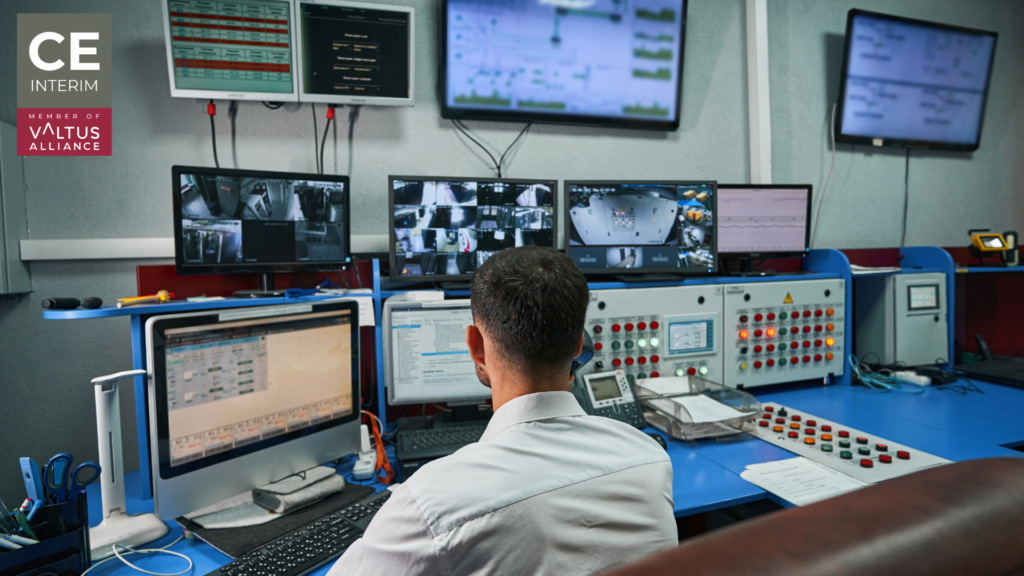
Krize způsobená útokem ransomwaru může zastavit výrobu, vyčerpat finanční prostředky a donutit představenstvo k restrukturalizaci, prodeji nebo uzavření podniku během několika týdnů.
Insolvence dodavatele v automobilovém průmyslu začíná v okamžiku, kdy výrobce zruší objednávku

Insolvence dodavatelů v automobilovém průmyslu často začíná v okamžiku, kdy výrobce OEM zruší program, z něhož byly hrazeny fixní náklady závodu. Tento článek vysvětluje, jak se pokles objemu výroby promění v krizi likvidity, kdy vznikají povinnosti podání insolvenčního návrhu a jak musí představenstva rozhodnout, zda provést restrukturalizaci, prodej nebo uzavření závodu.
Restrukturalizace a restrukturalizace v Belgii: Pohledy odborníků

Restrukturalizace v Belgii: tichý úpadek, zvraty pod vedením CRO a způsoby, jak včasným zásahem zachovat hodnotu v případě finančních potíží.
 EN
EN  DE
DE  FR
FR  IT
IT  PL
PL  RO
RO  CS
CS  SK
SK  HU
HU  ES
ES  RU
RU  AR
AR  SL
SL