Interims-Finanzvorstand oder Sanierungsberater: Wer stellt in einem in Schwierigkeiten geratenen polnischen Werk wieder die Kontrolle über die Liquidität her?

Kurz gesagt: Eine polnische Produktionsgesellschaft gerät plötzlich in eine Liquiditätskrise. Der CFO des Konzerns steht daraufhin vor einer Entscheidung: Entweder er beauftragt einen Interim-CFO mit der Liquiditätssteuerung vor Ort oder er beauftragt eine Beratungsfirma für Restrukturierungen. Die Berater erstellen solide Finanzmodelle. Sie informieren die Kreditkonsortien umfassend. Aber sie unterzeichnen keine Bankzahlungen. Sie verhandeln nicht mit aggressiven lokalen Gläubigern. Sie beheben keine Liquiditätsverluste in der Produktion. Wenn die Liquiditätsreichweite auf wenige Tage schrumpft, braucht das Unternehmen eine Führungskraft mit Handlungsbefugnis. Es braucht keinen Bericht, der eine solche empfiehlt. Umgang mit Liquiditätskrisen: Wenn polnische Produktionsstätten vor einem Liquiditätsabgrund stehen – Liquiditätsengpässe bauen sich selten langsam auf. Der Konzernfinanzvorstand teilt der Geschäftsleitung mit, dass das polnische Werk seinen Überziehungskredit bis zum Limit ausgeschöpft hat. Gleichzeitig stellen Rohstofflieferanten in Schlesien und Großpolen das Werk auf Vorauszahlungsbedingungen um. Sie drohen, die Lieferungen innerhalb von 48 Stunden einzustellen. Die Zentrale prüft die Situation genau, und die Zahlen gehen nicht auf. Die Monatsabschlussberichterstattung hat einen wachsenden Rückstand bei den Verbindlichkeiten aus Lieferungen und Leistungen verschleiert. Sie hat strittige Kundenabzüge und in unfertigen Erzeugnissen gebundenes Kapital verschleiert. Das Werk benötigt Notfallfinanzierung von der Muttergesellschaft, um überhaupt die Gehaltszahlungen am Freitag leisten zu können. An diesem Punkt muss der Finanzvorstand des Unternehmens sich für ein Beratungsmodell entscheiden. Die Beauftragung einer bekannten Beratungsmarke erscheint als sicherer erster Schritt. Ein umfassender Diagnosebericht beruhigt den Aufsichtsrat, und die Kreditgeber erwarten einen solchen. Doch ein Beratungsmandat beantwortet eine andere Frage als die, vor der das Unternehmen derzeit steht. Berater beobachten, analysieren und präsentieren den Gremien Optionen. Sie verfügen nicht über Bankzeichnungsbefugnis. Sie führen keine Maßnahmen im Unternehmen durch. Wenn nur noch Bargeld für wenige Tage vorhanden ist, braucht der Vorstand keine weitere Analyse darüber, warum das Werk Geld verbrennt. Stattdessen braucht er eine Führungskraft vor Ort. Diese Führungskraft übernimmt die Kontrolle über das Bankportal, verhandelt direkt mit den Gläubigern und setzt vom ersten Tag an Zahlungsdisziplin durch. Überwindung grenzüberschreitender Insolvenzrisiken: Die Kluft zwischen Hauptsitz und lokalen Betrieben Die Kluft zwischen dem CFO des Konzerns und dem polnischen Werk ist nicht nur geografischer Natur. Nach polnischem Recht haften die Mitglieder des lokalen Vorstands (członkowie zarządu) persönlich für eine verspätete Insolvenzanmeldung. In diesem Vorstand ist möglicherweise niemand aus der Konzernfinanzabteilung vertreten. Eine Muttergesellschaft kann Notfallfinanzierungen genehmigen. Sie kann diese gesetzliche Haftung jedoch nicht eigenständig abwenden. Aus der Ferne lässt sich oft nicht erkennen, ob der Vorstand des Werks die Schwelle für die Insolvenzanmeldung bereits überschritten hat. Auch deshalb reicht eine Ferndiagnose nicht aus. Lokale Gläubiger und die polnische Steuerbehörde verhandeln nicht auf der Grundlage eines Berichts. Sie erwarten einen namentlich genannten Geschäftsführer, der über Zeichnungsbefugnis verfügt und sich persönlich zu einem Plan verpflichten kann. Eine ausländische Muttergesellschaft benötigt schnell verlässliche Fakten und eine solide Unternehmensführung. Der lokale Betrieb benötigt jemanden mit echter Befugnis, um auf der Grundlage dieser Fakten zu handeln. Er kann nicht darauf warten, dass die Zentrale jeden Schritt genehmigt. Ein Interim-CFO vor Ort, der ein klares Mandat der Muttergesellschaft und formelle Befugnisse in Polen besitzt, verbindet beide Seiten. Umgang mit dem polnischen Insolvenz- und Konkursrecht: Wesentliche Risiken bei der Einhaltung gesetzlicher Vorschriften Das polnische Recht sieht zwei Insolvenzauslöser vor. Sowohl das Sanierungsgesetz (Prawo restrukturyzacyjne) als auch das Konkursgesetz (Prawo upadłościowe) finden Anwendung. Ein Unternehmen gilt als insolvent, sobald es Verbindlichkeiten, die mehr als drei Monate überfällig sind, nicht mehr begleichen kann. Es gilt ebenfalls als insolvent, sobald die Verbindlichkeiten das Vermögen seit mehr als 24 Monaten übersteigen. Sobald eine dieser Schwellen erreicht ist, muss der Vorstand innerhalb von 30 Tagen Insolvenz anmelden oder ein formelles Restrukturierungsverfahren einleiten. Artikel 299 des Handelsgesetzbuchs (Kodeks spółek handlowych) geht noch weiter. Er ermöglicht es Gläubigern, Vorstandsmitglieder persönlich mit ihrem eigenen Vermögen für unbezahlte Unternehmensschulden in Anspruch zu nehmen, wenn die Anmeldefrist versäumt wird. Ein Sanierungsberater (doradca restrukturyzacyjny) trägt keine persönliche gesetzliche Haftung für die Entscheidungen des Vorstands. Der Finanzvorstand des Unternehmens und die lokalen gesetzlichen Geschäftsführer bleiben haftbar, solange sich ein Diagnosebericht noch im Entwurfsstadium befindet. Finanzentscheidungen an der Basis haben das gleiche Gewicht. Ausbleibende Zahlungen der Einkommensteuer (PIT) oder der Sozialversicherungsanstalt (ZUS) bergen ein weiteres Risiko. Sie können eine persönliche strafrechtliche steuerrechtliche Haftung gemäß dem Steuerstrafgesetzbuch (Kodeks karny skarbowy) auslösen. Jemand muss jeden Tag entscheiden, welche Zahlungen zuerst geleistet werden. Diese Entscheidung erfordert eine Person, die die polnischen gesetzlichen Prioritäten versteht und bereit ist, dafür die Verantwortung zu übernehmen. Strategische Umsetzungsmodelle: Interim-CFO-Mandate vs. Restrukturierungsberatungsaufträge Kriterien Beauftragung eines Restrukturierungsberaters Einsatz eines Interim-CFOs Tägliche Liquidität 12 bis 16 Wochen bestätigte Liquiditätsreichweite. Ziel: eine unabhängige Bewertung oder Refinanzierung. Weniger als 30 Tage Liquiditätsreserve. Lieferanten verweigern Lieferungen. Die Finanzabteilung muss sofort Mittel abschotten. Umsetzungsbedarf: Die Zentrale wünscht eine unabhängige Geschäftsüberprüfung für Kreditgeber oder einen Verkaufsprozess. Der Sanierungsplan ist klar. Dem lokalen Team fehlt die Befugnis, ihn umzusetzen. Erwartungen der Stakeholder: Gläubiger verlangen eine akkreditierte Validierung durch Dritte, bevor sie Verzichtserklärungen erteilen. Lieferanten und Steuerbehörden wünschen direkte Gespräche mit einem Zeichnungsberechtigten. Kompetenz des lokalen Teams: Der Controller ist kompetent und genießt Vertrauen, verfügt jedoch nicht über fundierte Kenntnisse im Bereich Financial Engineering. Der Finanzleiter ist überfordert oder nimmt eine defensive Haltung ein. Die Zentrale benötigt sofort einen Ersatz. Diese Tabelle dient als Orientierungshilfe, nicht als Checkliste. Die beiden Umsetzungsmodelle beantworten unterschiedliche Fragen. Ein Berater ist die richtige Wahl, wenn es darum geht, den Unternehmenswert zu ermitteln oder den richtigen Ansatz für Verhandlungen mit einem Kreditkonsortium zu finden. Ein Interim-CFO ist die richtige Wahl, wenn es darum geht, den Cash-Abfluss dieser Woche zu stoppen. Verwechselt man beides, verliert das Werk oft Wochen an Zeit durch einen Prozess, der für ein anderes Problem konzipiert wurde. Operative Cash-Kontrolle: Ein 90-Tage-Plan für einen Interim-CFO in notleidenden Tochtergesellschaften Ein Interim-CFO, der in ein notleidendes polnisches Werk entsandt wird, beginnt nicht mit einer weiteren Diagnose. Das Mandat ist vom ersten Tag an operativ ausgerichtet. Das bedeutet, vor Ort eine Cash-Leitstelle aufzubauen und persönlich die Verantwortung für das Überleben des Werks zu übernehmen. Phase 1 (Tage 1–10): Einrichtung der Bankkontrolle und Treasury-Sperre Der Interim-CFO übernimmt die alleinige oder gemeinsame Zeichnungsberechtigung für Bankgeschäfte. Alle unüberwachten Zahlungszugriffe auf lokale Konten werden sofort eingestellt. Die Prognosen verlagern sich von buchhalterischen Hochrechnungen hin zu einem direkten Cashflow-Modell. Dieses erfasst Ein- und Auszahlungen und wird täglich mit den tatsächlichen Zahlen abgeglichen.
Wenn ein Schweizer Konzern den Überblick über seine rumänischen Aktivitäten verliert: Wiederherstellung der finanziellen Kontrolle unter Druck

Kurz gesagt: Eine unter Druck geratene rumänische Tochtergesellschaft eines Schweizer Konzerns folgt einem bekannten Muster. Auf dem Papier sehen die Margen solide aus. Es gehen jedoch immer wieder Zahlungsanforderungen ein, die sich nicht durch diese Margen erklären lassen. Das Schweizer Obligationenrecht erlegt dem Vorstand eine nicht übertragbare Pflicht auf. Er muss die Unternehmensfinanzen überwachen, unabhängig davon, wo diese tatsächlich angesiedelt sind. Die Wiederherstellung der Kontrolle beginnt damit, dass ein Interim-CFO die direkte, vor Ort ausgeübte Weisungsbefugnis über Bankgeschäfte, Beschaffung und Berichterstattung übernimmt. Der nächste Schritt ist der Aufbau einer einheitlichen Faktengrundlage, der sowohl der Verwaltungsrat als auch das lokale Management vertrauen. Wie eine rumänische Tochtergesellschaft eines Schweizer Konzerns an diesen Punkt gelangt: Bei einem Schweizer Industriekonzern oder einem familiengeführten Präzisionshersteller bricht die finanzielle Transparenz selten auf einen Schlag zusammen. Sie schwindet durch ein Muster, das Monat für Monat überschaubar erscheint. Das monatliche Management-Dashboard der Tochtergesellschaft zeigt stabile Bruttomargen. Die Produktion verläuft planmäßig. Im gleichen Zeitraum bittet die lokale Geschäftsleitung Zürich oder Zug um einen nicht budgetierten Liquiditätsvorschuss. Der Vorschuss deckt die Lohnkosten oder die Mehrwertsteuer ab. Jede dieser Tatsachen für sich genommen wirkt normal. Zusammen, über mehrere Abschlusszyklen hinweg, zeichnen sie jedoch ein Bild des Geschäfts, das der Verwaltungsrat nicht mehr klar überblicken kann. Schweizer Verwaltungsräte räumen dabei in der Regel einen Vertrauensvorschuss ein, und dieser Instinkt ist vernünftig. Verlängerte Zahlungsfristen der Lieferanten, eine verspätete Zahlung eines Kunden, ein zeitliches Steuerproblem: Jede Erklärung klingt für sich genommen plausibel. Die Schweizer Unternehmensführungskultur bevorzugt zudem die Delegation gegenüber einem Eingreifen aus der Ferne. Der Verwaltungsrat wartet auf ein klareres Bild, bevor er handelt. Artikel 716a behält die oberste Leitung und Aufsicht über die Geschäftsführung beim Verwaltungsrat. Der Verwaltungsrat kann diese Pflicht nicht delegieren. In der Praxis kommt der Verwaltungsrat dieser Pflicht in der Regel durch Vertrauen in die lokale Führung nach, nicht durch tägliche Einmischung in die Finanzen einer Tochtergesellschaft. Dieses Vertrauen um ein weiteres Quartal zu verlängern, ist eine angemessene Reaktion auf ein Muster, das bisher noch niemand als ernsthaft nachgewiesen hat. Das eigentliche Risiko liegt darin, was passiert, während der Verwaltungsrat abwartet. Ohne funktionierende finanzielle Sicherheitsvorkehrungen vor Ort kann ein Werk aus der Bahn geraten. Es entstehen informelle Vereinbarungen mit Lieferanten, und Instandhaltungsausgaben werden aufgeschoben. Lagerbestände können Produktionsabfälle stillschweigend auffangen, anstatt sie zu melden. All dies muss nicht unbedingt auf böse Absicht zurückzuführen sein. So etwas passiert, wenn eine Tochtergesellschaft ihre finanzielle Disziplin zu lange selbst regelt. Ihre Systeme und Befugnisse können da nicht mithalten. Der Umgang mit zwei Governance-Systemen: Schweizer Obligationenrecht vs. rumänische gesetzliche Berichtspflichten Eine Schweizer Muttergesellschaft und ihre rumänische Tochtergesellschaft unterliegen zwei unterschiedlichen Governance-Rahmenwerken. Dort beginnt in der Regel die Lücke in der Transparenz. Dies ist ein wesentlicher Grund dafür, warum sich eine rumänische Tochtergesellschaft eines Schweizer Konzerns aus der Ferne nur schwer führen lässt. Artikel 716a des Schweizer Obligationenrechts erlaubt es dem Verwaltungsrat nicht, seine Pflichten zu delegieren. Die oberste Leitung des Unternehmens und die Aufsicht über die Geschäftsführung verbleiben beim Verwaltungsrat. Dies gilt unabhängig davon, welche Berichtsstruktur darunter liegt. Die rumänische Tochtergesellschaft unterliegt einem separaten, anspruchsvollen gesetzlichen Rahmen. Das Gesetz 31/1990 und die Rechnungslegungsvorschriften in OMFP 1802/2014 legen einen verbindlichen Kontenplan fest. Zudem sehen sie strenge Anforderungen an die Archivierung von Rechnungen vor. Lokale Finanzteams verbringen einen Großteil ihrer Zeit damit, die Konformität des Unternehmens mit den Vorgaben der Nationalen Agentur für Steuerverwaltung sicherzustellen. Die Einhaltung gesetzlicher Vorschriften und das betriebswirtschaftliche Controlling sind verwandte Kompetenzen. Sie sind jedoch nicht identisch. Ein Team, das sich um Ersteres kümmert, wird nicht automatisch auch Letzteres leisten. Hauptursachen für Lücken in der Berichterstattung: ERP-Systeme, Währungsschwankungen und informelle Entscheidungsbefugnisse. Die Technologie fügt eine weitere Ebene hinzu. Die Schweizer Zentrale führt die Konsolidierung in der Regel über eine Plattform wie SAP S/4HANA durch. Das rumänische Werk führt seine gesetzlich vorgeschriebenen Bücher oft mit lokaler Software. Es überbrückt die beiden Systeme durch manuell gepflegte Tabellenkalkulationen. Die Währung sorgt für eine weitere Verzerrung. Transaktionen laufen über rumänische Leu, Euro und Schweizer Franken. Wenn das Finanzteam Absicherungsgeschäfte und konzerninterne Verrechnungen nicht konsequent pflegt, kann eine Marge im lokalen Hauptbuch korrekt erscheinen. Dennoch kann sie den Vorstand in Bezug auf die Währung, die er tatsächlich verwaltet, in die Irre führen. Kompetenzlücken schließen sich oft informell von selbst, und das ist verständlich. Jemand muss den täglichen Betrieb des Werks aufrechterhalten. Ohne eine explizite Genehmigungsstruktur baut die lokale Führung ihre eigene auf. Oft übernimmt ein Werksleiter persönlich die Kontrolle über Beschaffungsentscheidungen. Das Ergebnis ist selten eine Vertuschung. Ein lokales Team löst seine Probleme in der Regel mit den Instrumenten und der Befugnis, über die es tatsächlich verfügt. Die Zentrale hingegen steuert das Geschehen weiterhin über ein Berichtsformat, das für eine Echtzeit-Transparenz konzipiert wurde, über die sie nicht mehr verfügt. Warnsignale dafür, dass ein ausländisches Produktionswerk die finanzielle Transparenz verloren hat Mehrere wiederkehrende Muster deuten für einen Schweizer Eigentümer darauf hin, dass sich die Lücke von einer Reibung zu einem Governance-Problem entwickelt hat. Es ist nun ein direktes Eingreifen erforderlich. Das deutlichste Signal ist eine Tochtergesellschaft, die ein akzeptables EBITDA ausweist. Gleichzeitig bleibt der operative Cashflow anhaltend negativ. Sie benötigt wiederholt ungeplante Finanzmittel von der Muttergesellschaft. Ein zweites Signal ist eine konzerninterne Abstimmung, die über mehrere Perioden hinweg nicht sauber abgeschlossen werden kann. Salden sammeln sich in Zwischenkonten an, anstatt aufgelöst zu werden. Ein drittes Signal ist, dass die lokale Finanzabteilung spezifische Fragen mit beschreibenden Erklärungen beantwortet, anstatt mit abgestimmten Daten aus dem Hauptbuch. Das bedeutet in der Regel, dass die Daten selbst noch nicht in einer vertrauenswürdigen Form vorliegen. Bestände an Fertigwaren oder Rohstoffen, die im Verhältnis zum tatsächlichen Durchsatz unverhältnismäßig erscheinen, können Veralterung oder nicht erfasste Ausschussware verbergen. Der eindeutigste Test für die finanzielle Kontrolle ist einfach: Kann die Tochtergesellschaft eine zuverlässige rollierende Cashflow-Prognose für dreizehn Wochen erstellen? Diese sollte die tatsächlichen vertraglichen Verpflichtungen widerspiegeln. Ist dies nicht der Fall, führt die Zentrale das Geschäft auf Vertrauensbasis und nicht auf der Grundlage von Fakten – ganz gleich, was der monatliche Bericht aussagt. Wiederherstellung der Finanzkontrolle: Einsatz eines Interim-CFO zur Wiederherstellung der operativen Aufsicht Eine dreitägige Prüfung durch die interne Revision des Konzerns liefert lediglich eine Momentaufnahme der Vergangenheit. Sie klärt nicht, wer heute die Banküberweisungen kontrolliert. Auch bleibt das Team nicht lange genug vor Ort, um die Arbeitsweise der Tochtergesellschaft zu ändern. Zur Wiederherstellung der Kontrolle ist eine Führungskraft mit Handlungsbefugnis erforderlich, nicht ein Team mit Berichtsbefugnis. Ein Interim-CFO mit grenzüberschreitender Erfahrung in der europäischen Fertigungsindustrie übernimmt die direkte Leitung der lokalen Bereiche Finanzen, Treasury und Beschaffung. Der Vorstand legt dieses Mandat fest, bevor der Einsatz beginnt. Die unten beschriebene Abfolge ist wichtiger als jede einzelne Maßnahme. Es ist diese Abfolge, die in einer rumänischen Tochtergesellschaft eines Schweizer Konzerns immer wieder die Kontrolle wiederherstellt, und jede Phase hängt davon ab, dass die vorhergehende Phase standhält.
Wenn die Schließung eines polnischen Werks den Zeitplan für die Umstrukturierung in Tschechien beeinflusst: Warum parallele Entscheidungen unmöglich werden

Ein deutscher Industriekonzern mit Produktionsstätten in Polen und der Tschechischen Republik steht vor einer Entscheidung des Vorstands, die innerhalb von sechs Wochen getroffen werden muss. Das polnische Werk schreibt Verluste und zehrt die Liquidität auf. Der tschechische Standort bleibt hinter den Erwartungen zurück, ist aber betrieblich sanierbar. Das für die Restrukturierung verfügbare Kapital beläuft sich in beiden Ländern auf insgesamt rund 35 Millionen Euro. Hier liegt das entscheidende Problem: Die Entscheidung, den polnischen Betrieb zu schließen, löst sofort eine Umstrukturierungsmaßnahme in Tschechien aus, die weder verzögert, neu geordnet noch unabhängig davon abgewickelt werden kann. Wenn ein Land vor der Schließung steht und das andere eine Umstrukturierung benötigt, führt die länderübergreifende Kaskade von Schließungen und Umstrukturierungen in Mittel- und Osteuropa zu einer Führungsblockade. Dies zwingt einen unvorbereiteten Vorstand zu einer Entscheidung, die niemand geplant hatte. Zu verstehen, warum parallele Entscheidungen unmöglich werden, ist für jede Führungskraft der DACH-Industrie, die CEE-Betriebe leitet, unerlässlich. Die ersten 30 Tage: Wie die Kaskade von Schließungen und Umstrukturierungen in mehreren CEE-Ländern beginnt Sobald der Vorstand die Schließung des polnischen Werks genehmigt, treten die Meldepflichten in beiden Ländern gleichzeitig in Kraft. Vor allem überschneiden sich beide Fristen. Keine davon kann ohne rechtliches Risiko aufgeschoben werden. Dieser gleichzeitige Auslöser setzt die Kaskade in Gang, die für länderübergreifende Schließungs- und Umstrukturierungssituationen in Mittel- und Osteuropa charakteristisch ist. Die Anmeldefristen kollidieren gleichzeitig Das polnische Arbeitsgesetzbuch verpflichtet Arbeitgeber, das Bezirksarbeitsamt innerhalb von 20 Tagen nach dem Beschluss über die Massenentlassung zu benachrichtigen. Gleichzeitig muss die Anhörung der Gewerkschaft innerhalb desselben 20-Tage-Zeitraums erfolgen. Darüber hinaus schreibt das tschechische Arbeitsgesetzbuch eine Mindestankündigungsfrist von 30 Tagen gegenüber dem Arbeitsamt und den Arbeitnehmervertretern vor, bevor Kündigungen wirksam werden. Das Ergebnis ist klar: Beide Anmeldepflichten müssen erfüllt werden. Beide Fristen laufen parallel. Die Führungskapazitäten verteilen sich auf zwei Entscheidungen Eine Schließung erfordert spezifische Maßnahmen: Kündigungsbedingungen, Abfindungsberechnungen, Bestandsaufnahme der Vermögenswerte, Ablaufplanung für die Produktionseinstellung, Benachrichtigung der Gläubiger und Planung der Kundenkontinuität. Eine Umstrukturierung erfordert andere Maßnahmen: Streichung von Funktionen, Investitionsentscheidungen zur Produktivitätssteigerung, Prognosen zum Betriebskapital und Leistungsziele. Folglich beansprucht die Schließung in Polen in dem sich überschneidenden Zeitfenster von 20 bis 30 Tagen die volle Aufmerksamkeit des operativen Teams. Unterdessen wird die Entscheidung zur Umstrukturierung in Tschechien in eine bereits überfüllte Tagesordnung gezwängt. Genau aus diesem Grund verursachen Szenarien mit länderübergreifenden Schließungen und Umstrukturierungen in Mittel- und Osteuropa Kapazitätsprobleme auf Führungsebene. Wochen 4 – 8: Der Cashflow-Druck setzt ein, bevor das Restrukturierungskapital eingesetzt wird Sobald die Benachrichtigungsphase abgeschlossen ist, verschärft sich die finanzielle Lage rapide. Abfindungsverpflichtungen werden zu konkreten Verbindlichkeiten. Gläubiger und Lieferanten erkennen das Signal der Schließung. Zudem verkürzen sich die Zahlungszyklen in der Fertigung genau in dem Moment, in dem die Liquidität am stärksten eingeschränkt ist. Druck durch Zahlungsfristen und sich verschärfender Cashflow-Engpass: Die üblichen Zahlungsbedingungen in der Fertigungsindustrie liegen in industriellen B2B-Beziehungen typischerweise bei 60 bis 90 Tagen netto. Wenn Lieferanten Signale für eine Schließung erkennen, reduzieren sie ihr Kreditrisiko. Viele verlangen Vorauszahlungen oder beschleunigen den Einzug ihrer Rechnungen. Infolgedessen verkürzen sich die Verbindlichkeiten aus Lieferungen und Leistungen, während sich der Einzug der Forderungen verlangsamt. Der CFO muss unverzüglich auf den Druck der Gläubiger reagieren und den Zugang zu Betriebsmittelkrediten sichern. Unterdessen wartet die Investition in die tschechische Restrukturierung noch immer auf ihre Genehmigung. Kapitalzuweisungslücke: 35 Millionen Euro reichen für beide Länder nicht aus Diese Kapitalrechnung stand sechs Wochen zuvor noch nicht auf der Tagesordnung des Vorstands. In Woche 8 hat der CFO bereits Kapital für die Schließung in Polen gebunden. Nun muss der Finanzvorstand den Vorstand darüber informieren, dass die Umstrukturierung in Tschechien nicht wie ursprünglich geplant finanziert werden kann. Diese Situation ist typisch für Konflikte bei länderübergreifenden Schließungs- und Umstrukturierungsmaßnahmen in Mittel- und Osteuropa. Wochen 8–16: Das Umstrukturierungsfenster für das zweite Land schließt sich unwiderruflich Zu diesem Zeitpunkt wird die Schließung in Polen öffentlich bekannt. Die Mitarbeiter arbeiten ihre Kündigungsfristen ab. Kundenaufträge werden übertragen oder storniert. Der Verkauf von Vermögenswerten tritt in die Verhandlungsphase ein. Entscheidend ist, dass in Tschechien die Botschaft an die Belegschaft unmissverständlich wird: Die Zentrale verkleinert das Portfolio. Tschechien könnte als Nächstes an der Reihe sein. Das Risiko von Mitarbeiterabgängen verschärft sich und die technische Kompetenz schwindet. Der tschechische Werksleiter erhält wöchentlich Anrufe von qualifizierten technischen Mitarbeitern, die Stellenangebote von anderen Unternehmen erhalten haben. Gleichzeitig hat der Finanzvorstand die Kapitalzusage für Tschechien noch nicht freigegeben. Der Betriebsleiter hat noch keinen Sanierungsplan vorgelegt. Infolgedessen zieht sich die Unsicherheit von Tagen auf Wochen hin. Bis Woche 12 verliert das Werk zwei leitende Techniker und drei Nachwuchsingenieure. Die Produktionsqualität verschlechtert sich. Die Kundenbeschwerden nehmen erheblich zu. Verzögerungen verwandeln das Sanierungs-Potenzial in eine operative Verschlechterung. Lösungen, deren Umsetzung in Woche 2 noch 12 Millionen Euro gekostet hätte, kosten in Woche 10 nun 18 Millionen Euro. Jede Woche Verzögerung bei der Restrukturierung untergräbt die Leistung systematisch. Die Arbeitsmoral sinkt, da keine verbindlichen Zusagen gemacht wurden. Kunden reduzieren ihr Auftragsvolumen, da sich die Liefertreue verschlechtert. Die Zahlungsbedingungen der Lieferanten verschlechtern sich, da sich die Zahlungsmoral verschlechtert. In Woche 14 wechselt der tschechische Standort vom Restrukturierungskandidaten zum Schließungskandidaten. Der Vorstand steht vor einer anderen Entscheidung als erwartet: Restrukturierung zu hohen Kosten mit ungewissem Ausgang oder Schließung zur Kapitalerhaltung. Diese Verschlechterung ist nicht unvermeidlich. Sie resultiert direkt aus der länderübergreifenden Kaskade von Schließungsrestrukturierungen in Mittel- und Osteuropa. Die Entscheidung über die Reihenfolge: sequenzielle oder parallele Durchführung bei länderübergreifenden Schließungs- und Restrukturierungsmaßnahmen Der Vorstand steht vor einer binären Entscheidung. Keine der beiden Optionen ist attraktiv. Beide sind mit erheblichen Kosten und Risiken verbunden. Im Wesentlichen geht es um die Wahl zwischen akzeptablen Ergebnissen und schlechteren Ergebnissen. Option 1: Sequenzielle Durchführung (zuerst Polen schließen, dann Tschechien) Option 2: Parallele Durchführung (beide gleichzeitig abwickeln) Wer entscheidet über die Reihenfolge, und wann bricht die Entscheidungsgewalt zusammen? Formal entscheidet der Vorstand oder Aufsichtsrat über die Reihenfolge bei länderübergreifenden Schließungs- und Restrukturierungsentscheidungen in Mittel- und Osteuropa. In der Praxis müssen sich der Finanzvorstand, der operative Geschäftsführer und der Vorstand abstimmen. Wenn die Abstimmung scheitert, bricht die Entscheidungshoheit in einen Konflikt zwischen operativer Realität und strategischer Präferenz zusammen. Präferenz des Vorstands versus operative Realität: Position des Vorstands: Eine parallele Umsetzung wird bevorzugt. Die parallele Umsetzung verkürzt den Gesamtzeitrahmen und bewahrt die Optionen für die Restrukturierung in Tschechien. Einschätzung des COO: Eine parallele Umsetzung ist operativ nicht zu bewältigen. Zwei große Maßnahmen im Unternehmensportfolio lassen sich nicht gleichzeitig mit höchster Qualität durchführen. Ein Qualitätsverlust bei einer oder beiden Initiativen ist sicher. Bedenken des CFO: Die Kapitalausstattung ist unzureichend. Der CFO plädiert für eine sequenzielle Umsetzung: zuerst die vollständige Schließung in Polen, Erhaltung des Kapitalpuffers, dann die Umstrukturierung in Tschechien nur, wenn Kapital verfügbar ist und der Druck der Gläubiger nachlässt. Grenzüberschreitende Entscheidungslücken, wenn keine Einigung erzielt werden kann Der polnische Country Manager plädiert für eine rasche Abfolge der Schließungen. Umgekehrt plädiert der tschechische Landesleiter für eine klare Umstrukturierungszusage mit sichtbarer Kapitalunterstützung. Beide Positionen sind operativ korrekt. Beide können nicht gleichzeitig erfüllt werden. Die EU-Richtlinie 98/59/EG und die Richtlinie 2019/2121 zur grenzüberschreitenden Umstrukturierung legen rechtliche Rahmenbedingungen fest, regeln jedoch nicht die Reihenfolge der Umsetzung. Der Finanzvorstand kontrolliert die Freigabe von Kapital. Wenn der Finanzvorstand das Kapital für die tschechische Restrukturierung bis zur Klärung der Situation mit den polnischen Gläubigern zurückhält, wird die Entscheidung des Vorstands zur parallelen Durchführung in der Praxis zu einer sequenziellen Durchführung. Die Zuständigkeiten zerfallen.
Eine Version der Wahrheit: Wiederherstellung der Transparenz zwischen einem rumänischen Werk und der Schweizer Zentrale

Kurz gesagt: Wenn ein Schweizer Mutterkonzern und sein rumänisches Werk auf unterschiedlichen Zahlen basieren, liegt das Problem selten in Unehrlichkeit. Die Zentrale stützt sich auf aggregierte monatliche ERP-Daten (Enterprise Resource Planning). Das Werk hingegen arbeitet nach lokalen Zeitplänen, informellen Entscheidungen über Nacharbeiten und nicht erfassten laufenden Aufträgen. Solange nicht beide auf einer einheitlichen, verifizierten Faktenbasis arbeiten, kann der Vorstand sein eigenes Risiko nicht einschätzen. Die Wiederherstellung der Kontrolle bedeutet, die tatsächlichen Gegebenheiten vor Ort zu ermitteln und festzulegen, wer welche Entscheidungen treffen darf. Dazu gehört die Ernennung einer Führungskraft mit sowohl finanzieller als auch operativer Entscheidungsbefugnis. Der Auslöser: Die operativen Berichte und die Cashflow-Situation stimmen nicht mehr überein. Die Situation erreicht den Vorstand in einer erkennbaren Form. Die rumänische Tochtergesellschaft meldet eine stabile Produktion, akzeptable Lieferungen und kontrollierte Kosten. Die konsolidierte Liquiditätslage sagt etwas anderes aus. Das Betriebskapital steigt, und das Werk beantragt erneut Finanzmittel. Niemand auf Konzernebene kann den Unterschied gegenüber den anderen Standorten erklären. Der Instinkt ist, mehr Berichterstattung zu verlangen, und das ist vernünftig. Mehr Details sind der Hebel, den die Zentrale betätigen kann. Doch Berichte, die auf denselben Daten basieren, machen diese Daten nicht zuverlässiger. Vorstände handeln aus einem zweiten Grund zögerlich. Die Ermittlung der tatsächlichen Lage hat Konsequenzen, von der Abschreibung von Lagerbeständen bis zur Korrektur einer bereits genehmigten Marge. Ein Konzern-CEO oder Familieninhaber, der diesen Schritt abwägt, trägt echte Kosten – er vermeidet nicht nur ein unangenehmes Gespräch. Der Kalender legt den Zeitplan fest, nicht das Unbehagen: die Jahresendbestandsaufnahme und -prüfung, der nächste Covenants-Test, die nächste Finanzierungstranche. Wenn die Due-Diligence-Prüfung oder der Jahresabschlussprüfer die Situation zuerst aufdecken, muss jemand anderes den Preis dafür festlegen. Sowohl die Bestandsaufnahme als auch die Wertberichtigung sind einfacher, wenn der Eigentümer den Zeitpunkt bestimmt. Warum sich die Lücken in der grenzüberschreitenden Berichterstattung zwischen Werken und Zentrale vergrößern Vier Faktoren tragen dazu bei, jeder mit einem legitimen Ursprung. Wo die Routing-Pläne im Konzern-ERP die tatsächlichen Rüstzeiten nicht widerspiegeln, erstellen lokale Planer Tabellenkalkulationen, um den Tagesablauf zu steuern. Es existieren zwei Datensätze, doch bei Entscheidungen stützt man sich nur auf einen. Wenn die Genehmigung von Abschreibungen auf Konzernebene liegt, legt das Werk aussortierte Teile für eine Nachbearbeitung beiseite, die nie stattfindet. Sie bleiben in den Büchern als unfertige Erzeugnisse verbucht: eine Lücke in der Prozessgestaltung, keine lokale Umgehung. Wenn das Werk die termingerechte Lieferung anhand seines eigenen revidierten Termins misst, messen beide Seiten ehrlich, doch sie messen unterschiedliche Dinge. Das ’International Journal of Quality & Service Sciences“ identifiziert dies als ein wiederkehrendes Muster bei nicht verifizierten Berichten aus der Produktion. Die Entfernung verhindert die informelle Korrektur, die ein inländischer Controller durch einen Rundgang in der Produktion vornimmt. Über die Grenze hinweg werden Abweichungen per Videokonferenz erklärt – oft korrekt –, aber niemand überprüft sie anhand des tatsächlichen Lagerbestands. Hier handelt es sich nicht um eine Tochtergesellschaft, die ihre Lage vor dem Eigentümer verschleiert. Es handelt sich um zwei Organisationen, die sich jeweils vernünftig verhalten und unterschiedliche Hälften desselben Gesamtbildes im Blick haben. Nichts verbindet die Produktion auf Maschinenebene mit der finanziellen Leistung. Zahlreiche Forschungsberichte betrachten diesen Zusammenhang als Voraussetzung für das Management der operativen und finanziellen Leistung. Spezifische Herausforderungen bei der Finanzberichterstattung in der schweizerisch-rumänischen Fertigungsindustrie Drei Merkmale erschweren die Abstimmung in diesem Fall. Die rumänische Gesellschaft führt neben dem Konzernabschluss eine gesetzlich vorgeschriebene Buchhaltung nach lokalen Steuervorschriften. Es existieren zwei legitime Buchhaltungssysteme. Das lokale Augenmerk liegt auf demjenigen, das von der Steuerbehörde unterstützt wird. Ein Schweizer Konzern wendet eine Wesentlichkeitsschwelle an, doch das lokale Finanzteam hat möglicherweise noch nie davon gehört. Salden, die das Werk als interne Abrechnungen betrachtet, sind genau diejenigen, die bei der Konsolidierung von Bedeutung sind. Die Umrechnung von Schweizer Franken (CHF) in rumänische Leu (RON) gleicht einen Teil der Abweichung bei den Umrechnungskosten aus, bevor diese die konsolidierte Marge erreichen. Das ist ein Grund, warum sowohl die Stückkosten als auch der Cashflow vertretbar erscheinen können. Der Konzern kann zwei dieser Punkte von der Schweiz aus überprüfen. Zum einen geht es darum, die gesetzliche Bestandsbewertung nach Kategorien mit dem Konzernabschluss abzugleichen. Der andere ist die Neudarstellung der Stückkosten in RON zu konstanten Wechselkursen. Die Wesentlichkeit erfordert ein Gespräch mit dem lokalen Controller, keine Datei. Wie der Vorstand Diskrepanzen in der Leistungsberichterstattung der Werke identifiziert Die Zentrale kann diese Zustände ohne eine Untersuchung beobachten. Wenn drei dieser fünf Punkte über zwei Monatsabschlüsse hinweg bestehen bleiben, reagiert die Zentrale auf einen Zeitraum, der bereits abgeschlossen ist. Schritte zur Schaffung einer einheitlichen, verifizierten Faktengrundlage über alle Produktionsstandorte hinweg Mit dem Berichtssystem zu beginnen, ist der falsche erste Schritt. Ein System, das auf unbestätigten Salden basiert, reproduziert denselben Fehler – nur schneller. Der Prozess beginnt mit einer physischen Bestandsaufnahme von Rohstoffen, unfertigen Erzeugnissen, Fertigerzeugnissen und nicht gezählten Nacharbeitsregalen. Das Team gleicht die Zählung mit dem Hauptbuch ab und legt dem Vorstand innerhalb von drei bis vier Wochen einen Abschreibungsvorschlag vor. Die Lieferungen der letzten sechs Monate sind anhand der ursprünglich von den Kunden angeforderten Termine neu aufbereitet. Die Bilanz macht nur die Hälfte dessen aus, was der Vorstand bewertet. Gehen Sie davon aus, dass Abweichungen auf Konstruktionsfehler zurückzuführen sind, bis Beweise das Gegenteil belegen. Abweichungen, die auf einen nicht erfassten Prozess zurückzuführen sind, sind struktureller Natur. Abweichungen, die sich im Laufe der Untersuchung durch das Team ändern oder die jemand nach dem Zählstichtag nachträglich anpasst, deuten hingegen auf Unregelmäßigkeiten hin. Die Reaktion ändert sich dann: Beweismittel sichern und Zugriff gewährleisten, Berater hinzuziehen und anschließend mit dem Werk sprechen. Der Auftraggeber des Mandats – in der Regel der Konzern-CEO oder das zuständige Vorstandsmitglied – nimmt diese Umstellung auf der Grundlage von Beweisen vor, nicht die Führungskraft allein. Während die Bestandsaufnahme läuft, setzt das Werk den Versand fort. Das Team führt eine kontrollierte Zählung nach Bereichen durch, nicht einen vollständigen Stillstand. Es stellt die Finanzierung auf eine rollierende Prognose um, anstatt sie auf Antrag freizugeben. Sobald das Team den Stand ermittelt hat, sind zwei Definitionen wichtiger als bei jedem ERP-Projekt. Die Arbeitsstationen protokollieren Ausschuss in dem Moment, in dem er entsteht, nicht erst das System am Monatsende. Die termingerechte Lieferung wird anhand des ursprünglichen Termins des Kunden gemessen. Entscheidungsbefugnisse folgen derselben Logik. Das Werk erfasst die Entsorgung von Ausschuss unterhalb eines vereinbarten Wertes noch am selben Tag vor Ort. Alles, was darüber liegt, wird innerhalb einer festgelegten Reaktionszeit an die Konzernzentrale weitergeleitet. Die Konzernzentrale verpflichtet sich, die Mitarbeiter vor Ort über die Wesentlichkeit zu informieren und innerhalb einer festgelegten Zeit auf Eskalationen zu reagieren. Die ERP-Harmonisierung und die dauerhafte Besetzung der Finanzposition können warten, bis dies umgesetzt ist. Die beiden nicht delegierbaren Vorstandsbeschlüsse zur operativen Steuerung Der Zielkonflikt ist geringer, als es den Anschein hat. Es geht nicht um Genauigkeit gegen Geschwindigkeit. Die eigentliche Entscheidung lautet, ob man jetzt eine sichtbare Wertminderung in Kauf nimmt, um eine Faktengrundlage zu schaffen, auf die sich jede spätere Entscheidung stützen kann. Die Alternative
Anbieter von Händlerkonten für risikoreiche Branchen: Eine Checkliste für den Finanzvorstand

Ein Hochrisiko-Händlerkonto ist eine Liquiditätsposition und kein Posten im Beschaffungsplan. Rücklagen, Abrechnungsbedingungen und Kündigungsrechte entscheiden darüber, auf wie viel Bargeld Ihr Unternehmen tatsächlich zugreifen kann. Hier erfahren Sie, wie sechs spezialisierte Anbieter im Vergleich abschneiden und was Vorstände und Finanzvorstände vor der Unterzeichnung eines Vertrags klären sollten.
Die Einhaltung der CBAM-Vorschriften ist für Hersteller mittlerweile zu einem Liquiditätsproblem geworden

Hersteller, die die CBAM-Vorschriften einhalten müssen, sehen sich im Jahr 2026 mit Kostenbelastungen konfrontiert, die sich auf die Preisgestaltung, Rückstellungen und Liquidität auswirken, noch bevor der Kauf von Zertifikaten beginnt.
Dem Plan zur Wertschöpfung im Private-Equity-Bereich fehlt es an einem Träger

Das Board-Paket enthält Preismaßnahmen, Einsparungen im Beschaffungswesen, Personalmaßnahmen, Ziele für das Betriebskapital sowie eine überarbeitete Standortstruktur. Der Wertschöpfungsplan der Private-Equity-Gesellschaft weist jeder Initiative einen finanziellen Nutzen zu, doch die Teams verfehlen weiterhin die Produktionspläne, die Lagerbestände steigen weiter an und die Kunden zögern ihre Entscheidungen weiterhin hinaus. Das Problem ist nicht ein Mangel an Analysen. Dem Portfoliounternehmen fehlt es an ausreichender operativer Handlungsbefugnis, um den Plan in verändertes Verhalten, veränderte Produktionsergebnisse und Liquidität umzusetzen. Bain & Company berichtete im Juni 2026, dass Private-Equity-Firmen rund 33.000 unverkaufte Portfoliounternehmen hielten, bei einem implizierten Kapitalzyklus und einer Haltedauer von etwa sieben Jahren. Derselbe Bericht verzeichnete bis zur ersten Hälfte des Jahres 2026 vier aufeinanderfolgende Jahre mit Rekordtiefs bei den Ausschüttungen als Prozentsatz des Nettovermögenswerts. Eine längere Haltedauer verlängert den Zeitraum, in dem unvollendete operative Aufgaben Liquidität und die Aufmerksamkeit des Managements beanspruchen. Der Wertschöpfungsplan von Private-Equity-Gesellschaften scheitert, wenn Eigentumsrechte von Entscheidungsbefugnissen getrennt sind. Kapitaldruck vergrößert die Lücke zwischen Eigentümern und Betreibern bei der Wertschöpfung durch Private Equity. Invest Europe berichtete, dass europäische Private-Equity- und Venture-Capital-Gesellschaften im Jahr 2025 147 Milliarden Euro einwarben und 135 Milliarden Euro investierten. Die europäischen Veräußerungen beliefen sich im Jahr 2025 auf insgesamt 45 Milliarden Euro zu historischen Anschaffungskosten, verglichen mit 47 Milliarden Euro im Jahr 2024. Das Fundraising und die Investitionen erholten sich stärker als die realisierten Veräußerungen, sodass die Sponsoren über mehr Vermögenswerte verfügen, die verbessert, gehalten oder für den Verkauf vorbereitet werden müssen. Die „Operator-Lücke“ zeigt sich an drei Stellen: Das Umfang der Governance ist ein schlechter Indikator für Kontrolle. Mehr Steuerungssitzungen können die Transparenz verbessern, während die zugrunde liegenden Entscheidungsrechte unverändert bleiben. Der operative Partner kann Annahmen hinterfragen und Meilensteine festlegen, aber das Unternehmen benötigt dennoch eine Führungskraft, die Mitarbeiter leiten, Ausgaben genehmigen, Arbeiten stoppen und die operativen Konsequenzen tragen kann. Der CEO eines Portfoliounternehmens muss die Wertschöpfung in den ersten 100 Tagen strategisch planen. Die Wertschöpfung in den ersten 100 Tagen beginnt mit dem Weglassen. Ein CEO eines Portfoliounternehmens erhält in der Regel mehr Ziele, als die Organisation auf einmal umsetzen kann. Preisgestaltung, Standortpräsenz, Beschaffung, Führungswechsel und die Reduzierung des Betriebskapitals konkurrieren oft um dieselben finanziellen, technischen und anlagentechnischen Ressourcen. Die Wertschöpfung in den ersten 100 Tagen hängt davon ab, zu entscheiden, welche Einschränkung zuerst beseitigt werden muss und welche Initiativen warten müssen. Physische Abhängigkeiten bestimmen die Reihenfolge: Ein Werk kann nicht gleichzeitig Personal abbauen, Anlagen installieren, einen neuen Lieferanten qualifizieren und die Produktion steigern, ohne Liefer- oder Qualitätsrisiken zu verursachen. Ein Vertriebsteam kann die Preisarchitektur nicht ändern, solange Kundenbetreuer weiterhin ausschließlich am Umsatz gemessen werden. Der CEO muss den primären Engpass auswählen und den Kompromiss explizit machen. CE Interim hat untersucht, wie Lücken im CFO-Bereich nach einer Übernahme die Berichtsfrequenz, die Liquiditätsübersicht und die Abstimmung im Management während der ersten 100 Tage destabilisieren. Diese Finanzlücke tritt selten isoliert auf. Sie verlangsamt Entscheidungen im gesamten Programm. Der CFO muss nachweisen, dass die Verbesserung der EBITDA-Marge sich in einer Verbesserung der Cash-EBITDA-Marge niederschlägt – diese erscheint im Bericht, bevor sie sich in der Liquidität niederschlägt. Das Management kann eine Verbesserung der EBITDA-Marge ausweisen, bevor das Unternehmen einen tatsächlichen Liquiditätsvorteil erzielt. Das Management kann Einsparungen im Einkauf verbuchen, während alte Lagerbestände weiterhin in der Bilanz stehen. Überstunden, Abfindungen oder geringere Produktionsmengen können den Personalabbau wieder aufwiegen. Preiserhöhungen können die Gewinn- und Verlustrechnung verbessern, während Forderungen veralten und das Kundenvolumen sinkt. Der CFO muss die erreichte Finanzlage von den Cash-Mittel, die die Umsetzung verschlingt, trennen. Vier Finanztests unterstützen die operative Verbesserung von Portfoliounternehmen: Messen Sie den wiederkehrenden Gewinnbeitrag, nachdem das Unternehmen die Umsetzung abgeschlossen hat. Erfassen Sie die einmaligen Cash-Kosten, die erforderlich sind, um diesen Zustand zu erreichen. Verfolgen Sie die Auswirkungen auf das Betriebskapital während der Übergangsphase. Legen Sie den Zeitpunkt fest, zu dem sich der Nutzen in Form von Liquidität und finanziellem Spielraum bemerkbar macht. Wöchentliche Nachweise müssen die Finanzen mit dem operativen Geschäft verknüpfen. Die Berichtsstandards der Institutional Limited Partners Association legen fest, wie die Fondsperformance den Anlegern kommuniziert wird, doch die Kontrolle auf Unternehmensebene hängt weiterhin von wöchentlichen operativen Nachweisen ab. Der CFO benötigt eine Verbindung vom Investitionskonzept zu Preis, Volumen, Produktmix, Arbeitskräften, Material, Gemeinkosten, Lagerbeständen und Forderungen. Das monatliche EBITDA allein kann nicht aufzeigen, welcher physische Faktor versagt. Der COO muss operative Verbesserungen in den Portfoliounternehmen in Entscheidungen auf Werksebene umsetzen. Margenziele identifizieren nicht die physischen Engpässe. Ein Fertigungsplan mag einen Wert zur Senkung der Umwandlungskosten vorgeben, obwohl die zugrunde liegenden Ursachen instabile Anlagen, eine schlechte Linienauslastung, übermäßige Produktkomplexität, geringe Ausbeute, mangelhafte Wartung oder eine ungeeignete Betriebsfläche sein können. Die operative Verbesserung eines Portfoliounternehmens beginnt damit, zu ermitteln, welcher Umstand den Durchsatz einschränkt oder Liquidität bindet. Ein allgemeines Produktivitätsprogramm kann eine falsche Diagnose nicht ausgleichen. Die Reihenfolge beeinflusst das Finanzergebnis: Ein Personalabbau vor der Stabilisierung der Maschinenverfügbarkeit kann zu mehr Überstunden und Lieferverzögerungen führen. Die Neuverhandlung mit Lieferanten vor der Vereinfachung von Spezifikationen kann vermeidbare Komplexität aufrechterhalten. Die Stilllegung von Kapazitäten vor dem Transfer von Prozesswissen kann Störungen von einem Standort auf einen anderen verlagern. Regulatorische Aufgaben beanspruchen dieselben Managementkapazitäten: Die Europäische Kommission hat den CO₂-Grenzausgleichsmechanismus (Carbon Border Adjustment Mechanism, NIS2) am 1. Januar 2026 in seine endgültige Regelung überführt, mit Genehmigungs-, Emissionsberichts- und Zertifikatsverpflichtungen für Importeure in den erfassten Sektoren. Die NIS2-Richtlinie, die Richtlinie zur Nachhaltigkeitsberichterstattung von Unternehmen und die Richtlinie zur Sorgfaltspflicht von Unternehmen im Bereich Nachhaltigkeit stellen weitere Anforderungen an Daten, Kontrollen und Managementkapazitäten, auch wenn Umfang und Umsetzung je nach Unternehmen unterschiedlich sind. Der CHRO muss die PE-Talentlücke schließen, bevor die Umsetzungskapazitäten versagen. Erfahrung und Kapazität sind zwei getrennte Kriterien. Die PE-Talentlücke beschränkt sich nicht auf eine unbesetzte Stelle. Sie besteht, wenn kompetente Führungskräfte noch nie eine Umstrukturierung, eine Werksschließung, eine Integration oder eine Liquiditätskrise unter einem engen Zeitplan der Eigentümer bewältigt haben. Sie besteht auch dann, wenn sie zwar über einschlägige Erfahrung verfügen, aber nicht in der Lage sind, Veränderungen umzusetzen und gleichzeitig das Kerngeschäft stabil zu halten. Externe Besetzungen sind üblich, doch die Entscheidungsgewalt bestimmt nach wie vor das Ergebnis. Altrata BoardEx berichtete, dass externe Besetzungen etwa 70% der derzeitigen Mitglieder der Führungsteams von US-Portfoliounternehmen ausmachten. Der Datensatz umfasste fast 12.000 Unternehmen und 55.000 Personen in den Vereinigten Staaten, Kanada, dem Vereinigten Königreich, Deutschland und Frankreich. Außerdem wurde festgestellt, dass 70% der CEOs von Portfoliounternehmen zuvor an anderer Stelle als CEO tätig waren und 93% der CFOs über vorherige Erfahrung als CFO verfügten. Der CHRO muss prüfen, ob die Führungskraft die Teams und Entscheidungen kontrolliert, die das Ergebnis bestimmen. Eine Ernennung einer Führungskraft innerhalb der alten Berichtsstruktur kann die gleiche Verzögerung unter einem anderen Namen aufrechterhalten. Die gleiche Prüfung gilt unterhalb der Geschäftsleitung, wo die Leitung von Werk, Controlling, Einkauf und Vertrieb möglicherweise
Ransomware-Angriff in der Fertigungsindustrie: Sechs Wochen bis zur Insolvenz
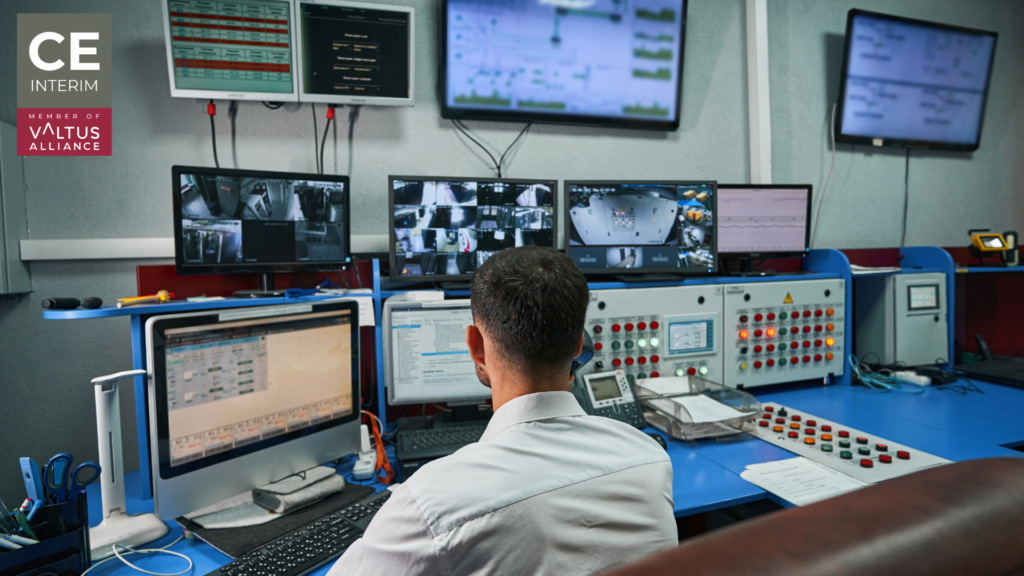
Ein durch einen Ransomware-Angriff ausgelöster Krisenfall in der Fertigungsindustrie kann die Produktion zum Erliegen bringen, die Liquidität erschöpfen und den Vorstand dazu zwingen, innerhalb weniger Wochen eine Umstrukturierung vorzunehmen, das Unternehmen zu verkaufen oder zu schließen.
Die Insolvenz eines Automobilzulieferers beginnt, wenn der Erstausrüster den Auftrag storniert

Die Insolvenz eines Automobilzulieferers beginnt häufig damit, dass ein Erstausrüster das Programm einstellt, das die Fixkosten eines Werks trägt. In diesem Artikel wird erläutert, wie sich der Volumenverlust zu einer Liquiditätskrise ausweitet, wann eine Anmeldepflicht entsteht und wie die Unternehmensleitung entscheiden muss, ob eine Restrukturierung, ein Verkauf oder eine Schließung erfolgen soll.
Umstrukturierung und Turnaround in Belgien: Einblicke von Experten

Umstrukturierung in Belgien: Stiller Konkurs, CRO-geführte Turnarounds und wie frühzeitiges Handeln den Wert von Unternehmen in finanziellen Schwierigkeiten bewahrt.
 EN
EN  DE
DE  FR
FR  IT
IT  PL
PL  RO
RO  CS
CS  SK
SK  HU
HU  ES
ES  RU
RU  AR
AR  SL
SL