
Nu aveți suficient timp pentru a citi articolul integral? Ascultați rezumatul în 2 minute.
În ultimul deceniu, Ungaria a deținut o distincție care a oprit majoritatea oamenilor la jumătatea propoziției atunci când au auzit-o.
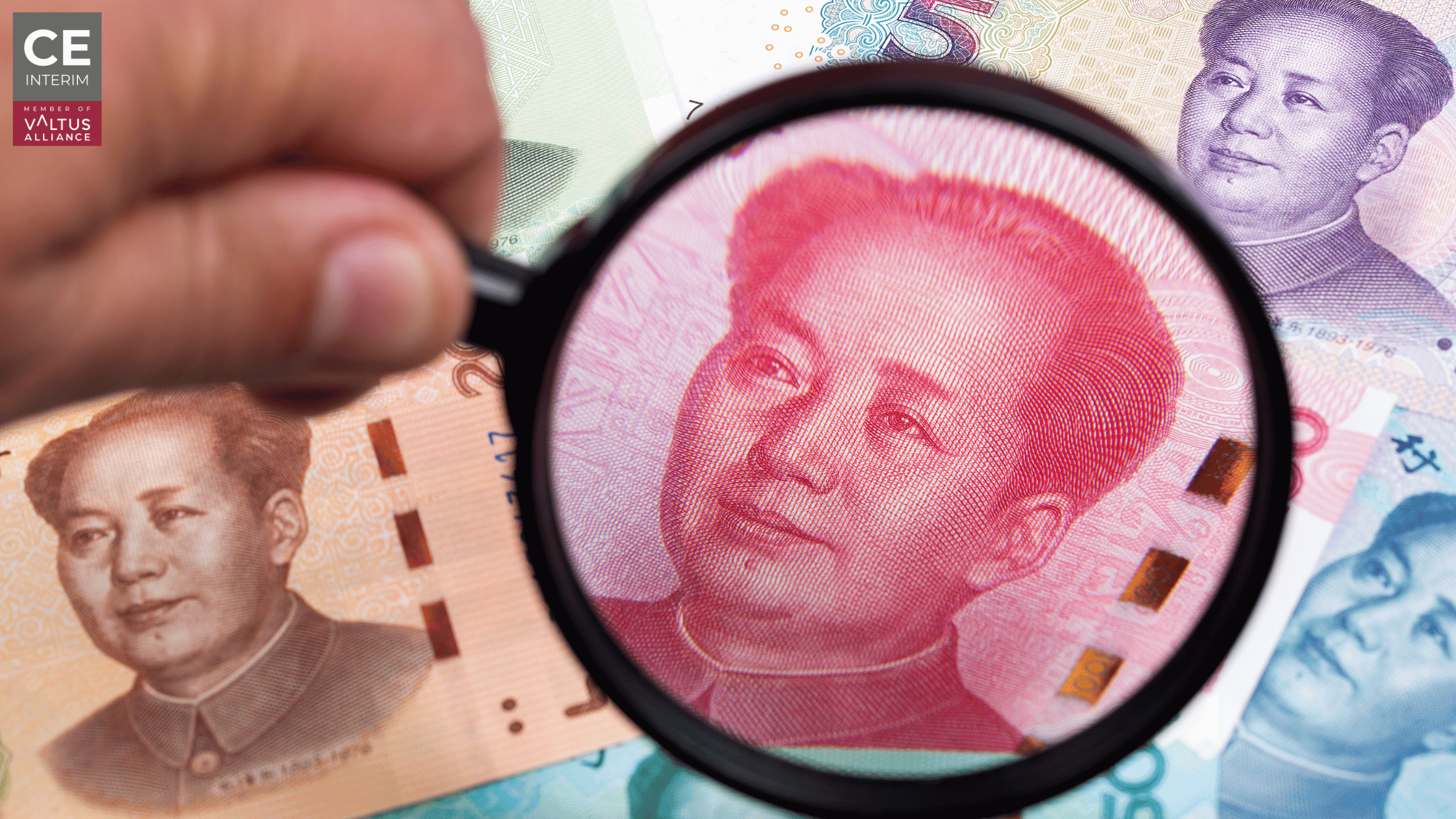
O țară din Europa Centrală cu zece milioane de locuitori absorbea mai multe investiții străine directe chineze decât Germania, Franța și Regatul Unit la un loc. În 2023, Ungaria a absorbit 44% din toate investițiile străine directe chineze care au intrat în Uniunea Europeană. Aproape jumătate din tot.
Întrebarea care merită pusă acum este dacă 12 aprilie 2026 a schimbat această poveste sau pur și simplu i-a schimbat termenii.
Cum a devenit Ungaria ancora europeană a Chinei
Relația dintre Budapesta și Beijing a fost construită în mod deliberat pe parcursul a mai mult de un deceniu.
În 2015, Ungaria a semnat primul memorandum al UE privind Inițiativa Belt and Road. Au urmat vizite de stat regulate. Acordurile comerciale s-au aprofundat an de an.
În mod esențial, Ungaria și-a exercitat în mod repetat dreptul de veto în cadrul Consiliului UE pentru a bloca măsurile care ar fi complicat interesele de afaceri chineze în întregul bloc. Această acoperire politică valora mai mult pentru Beijing decât orice stimulent fiscal.
Rezultatul a fost un mediu extrem de permisiv pentru capitalul chinez. CATL a ales Debrecen pentru cea mai mare gigafabrică a sa din Europa, un angajament care a devenit cea mai mare investiție străină din istoria Ungariei.
BYD a construit prima sa fabrică europeană de asamblare a autoturismelor la Szeged. Au urmat EVE Energy și un grup de furnizori de materiale pentru baterii. Huawei a înființat un important centru logistic european în afara Budapestei.
Până în 2024, Ungaria a absorbit 62% din toate investițiile chineze legate de vehiculele electrice în Europa. Concentrarea a fost extraordinară prin orice măsură.
Ce schimbă de fapt alegerile
Poziția guvernului maghiar cu privire la China este descrisă cel mai bine ca o recalibrare pragmatică, mai degrabă decât ca o ruptură strategică.
La câteva zile după aflarea rezultatului, Beijingul l-a felicitat pe Magyar și și-a exprimat dorința de a continua cooperarea. Magyar a răspuns numind China unul dintre cei mai importanți parteneri economici ai lumii. Temperatura diplomatică a rămas caldă.
Însă trei schimbări structurale sunt mult mai importante decât limbajul diplomatic.
Dreptul de veto a dispărut.
Disponibilitatea Ungariei de a bloca măsurile la nivelul UE a fost unul dintre cele mai valoroase lucruri pe care Budapesta le-a oferit Beijingului. Această protecție dispare în momentul în care noul guvern își preia mandatul.
Regulamentul privind subvențiile străine, cadrele extinse de evaluare a investițiilor străine directe și aplicarea tarifelor compensatorii se vor aplica acum operațiunilor chineze cu sediul în Ungaria, fără ca Budapesta să aibă dreptul de veto pentru a le atenua. Investitorii chinezi își pierd cel mai de încredere scut în interiorul UE.
Începe auditul criminalistic.
Magyar a semnalat în mod special calea ferată Budapesta-Belgrad ca fiind un proiect construit cu bani, tehnologie și lucrători chinezi, în primul rând în beneficiul Chinei. Urmează audituri ale contractelor majore de infrastructură.
Acest lucru nu amenință investițiile în producție care generează deja producție. Acesta semnalează un nou standard de control pentru viitoarele proiecte contractate de China, care va schimba în mod semnificativ calculele pentru noile angajamente.
Prima politică dispare.
O parte din ceea ce a făcut Ungaria deosebit de atractivă a fost cultivarea activă de către guvernul Orbán a relației la cel mai înalt nivel politic. Xi Jinping a vizitat Budapesta în mai 2024. Această relație politică a adus avantaje comerciale reale.
Sub conducerea lui Magyar, Ungaria devine un stat membru normal al UE, mai degrabă decât un partener special cultivat. Normalul este mult mai puțin valoros decât specialul atunci când încerci să miști rapid capitalul.
Ce nu se schimbă
Investitorii cu expuneri existente la China și Ungaria ar trebui să înțeleagă clar ce nu schimbă alegerile.
Fabricile sunt în funcțiune. Fabrica CATL din Debrecen a intrat în producție la începutul anului 2026, capacitatea fiind rezervată integral. Fabrica BYD din Szeged a trecut de la faza de testare la producția de masă.
Gigafabrica adiacentă a BMW depinde de furnizarea de celule CATL. Aceste relații industriale există independent de cine guvernează Ungaria.
Fundamentele care au atras investițiile chineze rămân complet intacte. Forță de muncă calificată. Localizare în Europa Centrală. Infrastructura profundă a lanțului de aprovizionare pentru industria auto, construită pe parcursul a 30 de ani. Niciuna dintre acestea nu s-a schimbat la 12 aprilie.
Magyar însuși a fost explicit cu privire la intențiile sale. El dorește ca întreprinderile chineze din Ungaria să respecte standardele locale în materie de muncă, mediu și achiziții publice. El nu dorește ca acestea să plece.
Recalibrarea se referă la termeni și transparență. Nu despre direcția de deplasare.
Imaginea înainte și după
| Factor | Sub guvernul anterior | Sub guvernul maghiar |
|---|---|---|
| Protecția dreptului de veto al Consiliului UE | Activ și desfășurat în mod regulat | Plecat |
| Relația politică cu Beijingul | Cultivate la cel mai înalt nivel | Cordial, dar normalizat |
| Examinarea contractelor de infrastructură | Minimală | Auditul criminalistic în curs de desfășurare |
| Noua conductă chineză de investiții străine directe | Fără fricțiune | Verificarea UE se aplică pe deplin |
| Investiții existente în producție | Stabilă | Stabilă |
| Practici chineze în materie de muncă și de mediu | În mare parte nerestricționat | Conformitate standard necesară |
| Poziționarea Ungariei în UE | Outsider | Membru Mainstream |
Coloana din dreapta nu descrie un mediu ostil pentru capitalul chinez. Ea descrie un mediu european normal.
Implicațiile strategice
Pentru întreprinderile și investitorii care operează la intersecția intereselor industriale ale Chinei și Ungariei, trei implicații ies în evidență.
Pozițiile existente sunt mai stabile decât sugerează titlurile.
Fabricile sunt construite, contractele de furnizare sunt semnate, iar programele de producție sunt blocate în calendarele globale ale OEM. Tranzițiile politice nu rescriu aceste realități comerciale.
Oricine deține capitaluri proprii sau expunere operațională la grupul de producție chinez existent nu ar trebui să interpreteze rezultatul alegerilor drept o amenințare la adresa poziției sale. Logica industrială care a adus acest capital aici nu s-a schimbat.
Noile angajamente chinezești se confruntă cu un profil de risc diferit.
Fluxul de investiții chinezești care a circulat liber sub guvernul anterior se va confrunta acum cu un control la nivelul UE și cu cerințe de conformitate. Un guvern maghiar mai puțin dispus să utilizeze capitalul politic pentru a netezi calea modifică semnificativ calendarul și costul noilor angajamente.
Deciziile care înainte durau luni pot dura acum ani. Proiectele care au primit anterior subvenții de la statul maghiar fără obiecții din partea Bruxelles-ului vor fi examinate în conformitate cu Regulamentul privind subvențiile străine. Investitorii care construiesc teze pe baza unor intrări continue de capital chinez la ratele din 2023 trebuie să își revizuiască acum ipotezele.
Reconstrucția conformității creează o complexitate operațională reală.
Fiecare întreprindere din Ungaria deținută sau operată de chinezi se confruntă acum cu un peisaj al conformității în schimbare. Practicile de muncă, standardele de mediu, transparența achizițiilor și cerințele în materie de guvernanță a datelor se îndreaptă către normele principale ale UE.
Întreprinderile care și-au construit modelul operațional maghiar în jurul mediului permisiv anterior vor trebui să se adapteze mai repede decât au planificat majoritatea. Această adaptare necesită o conducere experimentată.
Mai exact, este nevoie de oameni care să înțeleagă atât modul în care funcționează operațiunile de producție din China, cât și modul în care se operează într-un mediu de conformitate al UE care se înăsprește în timp real.
Imaginea europeană mai amplă
Recalibrarea Ungariei nu are loc în mod izolat.
În întreaga Europă, relația dintre capitalul industrial chinez și cadrele de reglementare ale UE este povestea investițională definitorie a deceniului. Tarife pentru vehiculele electrice chinezești. Anchete privind subvențiile externe. Analizele privind securitatea infrastructurilor critice.
Ungaria a fost un caz izolat care a rezistat acestui val sub guvernul anterior. Aderarea la curentul general nu reduce investițiile chineze în Europa. Ea normalizează condițiile în care operează aceste investiții.
“Se trece de la o relație construită pe excepționalismul politic la una construită pe fundamente comerciale. Pentru investitorii serioși pe termen lung, aceasta este de fapt o bază mai durabilă.”
Pentru companiile chineze, problema maghiară face acum parte dintr-o recalibrare europeană mai amplă. Arbitrajul facil al direcționării investițiilor printr-o poartă protejată politic se închide. Logica industrială de bază rămâne complet intactă.
Ce fac acum operatorii inteligenți
Întreprinderile care gestionează cel mai eficient această tranziție au în comun o caracteristică. Au acționat din timp în ceea ce privește conformitatea și adaptarea operațională, mai degrabă decât să aștepte cristalizarea completă a noilor cadre.
Revizuirea relațiilor cu furnizorii chinezi, auditarea practicilor de muncă și de mediu în raport cu noile standarde UE și evaluarea structurilor de guvernanță din filialele ungare sunt sarcini care necesită timp. A începe după ce noile cadre sunt pe deplin în vigoare înseamnă a începe cu întârziere.
Conducerea operațională necesară pentru a gestiona această tranziție este cu adevărat rară pe piața ECE. Directori de conformitate care înțeleg atât practicile industriale chineze, cât și cerințele de reglementare ale UE. Directori de operațiuni capabili să reconstruiască modelele operaționale sub presiunea timpului.
Acesta este exact tipul de tranziție în care managementul interimar adaugă cea mai mare valoare. Nu ca soluție permanentă, ci ca punte de execuție între mediul care a existat și cel care se construiește.
La CE Interimar am observat acest model în tranzițiile anterioare de guvernanță din ECE. Întreprinderile care reușesc să treacă cu bine aproape întotdeauna au experimentat o conducere externă în locurile critice din perioada de tranziție.
Linia de fund
Investițiile chineze în Ungaria nu se încheie. Fabricile sunt în funcțiune, lanțurile de aprovizionare sunt integrate, iar fundamentele comerciale care au atras capitalul nu s-au schimbat.
Ceea ce dispare este excepționalismul politic care a făcut ca Ungaria să fie deosebit de atractivă ca poartă de intrare protejată în UE.
Pentru investitori și operatori, această distincție este extrem de importantă. Pozițiile existente merită încredere. Noile ipoteze privind conductele merită revizuite. Lucrările de conformare și de adaptare operațională pe care le necesită tranziția merită mai multă urgență decât o acordă în prezent majoritatea întreprinderilor.
Povestea investițiilor chineze în Ungaria intră în al doilea capitol. Primul capitol a fost despre accesul politic. Al doilea se referă la fundamentele comerciale și la disciplina operațională.
Aceasta este o fundație mai bună. Dar este nevoie de o conducere diferită pentru a construi pe ea.
 EN
EN  DE
DE  FR
FR  IT
IT  PL
PL  RO
RO  CS
CS  SK
SK  HU
HU  ES
ES  RU
RU  AR
AR  SL
SL