

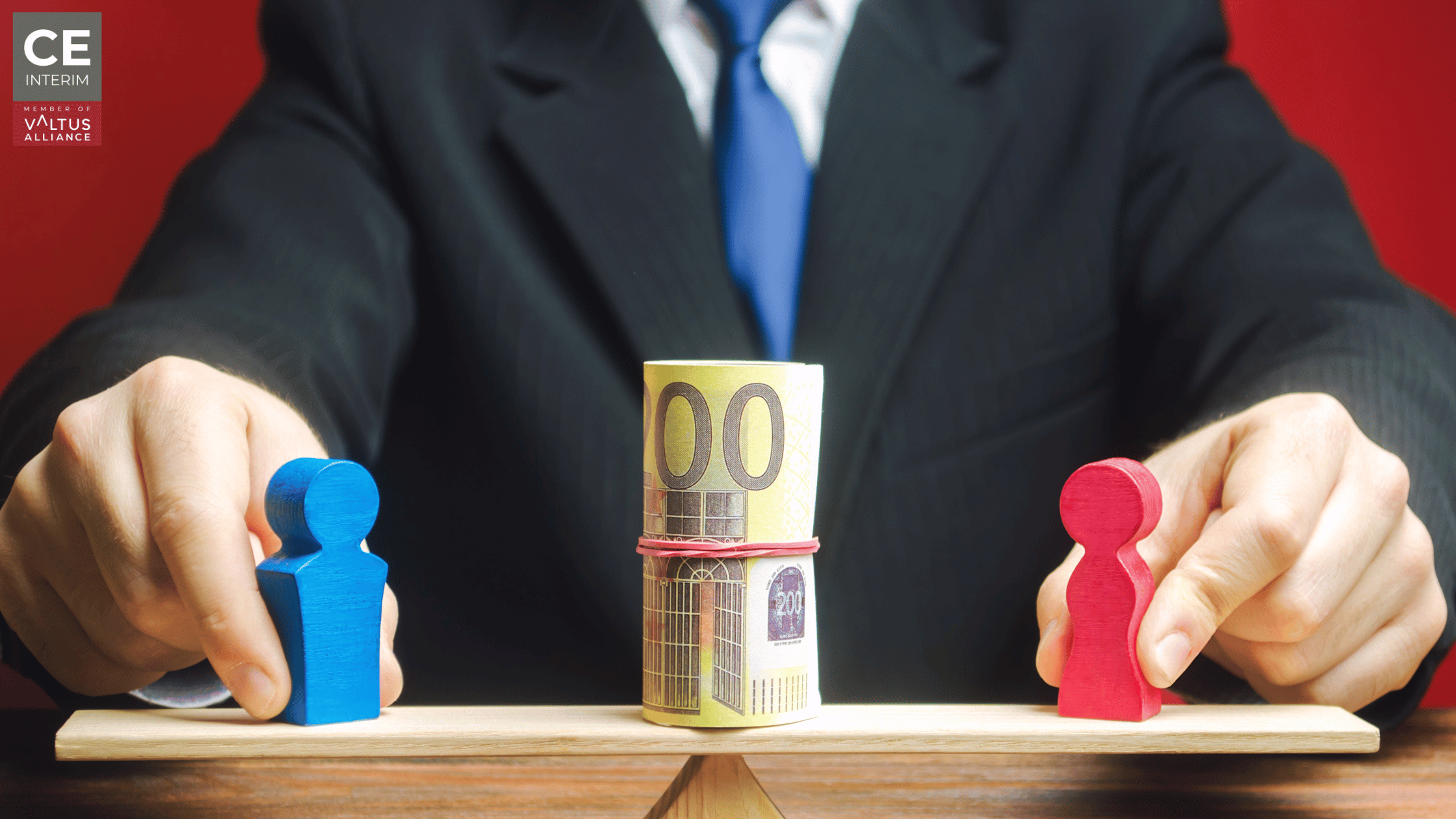
Nemáte dosť času na prečítanie celého článku? Vypočujte si zhrnutie za 2 minúty.
Poľská hospodárska transformácia po roku 2004 je najčastejšie citovaným úspešným príbehom moderných európskych investícií. Je tiež najviac nepochopená.
Investori, ktorí sa pozerajú na Maďarsko v roku 2026, inštinktívne siahajú po porovnaní s Poľskom. Odblokovanie fondov EÚ. Obnovenie riadenia. Priemyselná základňa čakajúca na absorbovanie kapitálu. Je to známe. A v hrubých rysoch to tak aj je.
Na detailoch však záleží viac ako na všeobecných črtách. A v detailoch je Maďarsko v roku 2026 sľubnejšie a zároveň komplikovanejšie ako Poľsko v roku 2004.
Spoločný okamih
Obe krajiny sa dostali do bodu zlomu s rovnakými štrukturálnymi výhodami.
Stredoeurópska lokalita so silnou logistickou infraštruktúrou. Kvalifikovaná, vzdelaná a relatívne cenovo dostupná pracovná sila. Hlboké výrobné korene siahajúce desaťročia dozadu. A politický reset, ktorý zrazu opäť umožnil serióznu spoluprácu s Bruselom.
Pre Poľsko to bol v roku 2004 vstup do EÚ, ktorý po prvýkrát otvoril kohútik s finančnými prostriedkami. Pre Maďarsko v roku 2026 je to obnovenie riadenia, ktoré znovu otvorí kohútik, ktorý bol šestnásť rokov suchý.
Povrchová podobnosť je skutočná. Ale povrchová podobnosť je tam, kde sa jednoduché porovnanie končí.
Čo Poľsko skutočne urobilo
Poľsko nerástlo preto, že doň prišli prostriedky z EÚ. Rástlo preto, lebo bolo operačne pripravené na ich použitie.
V desaťročí pred vstupom Poľsko v tichosti vybudovalo inštitucionálnu infraštruktúru, kapacity na riadenie projektov a hĺbku súkromného sektora potrebnú na absorbovanie náhleho prílevu kapitálu. Keď peniaze prišli, boli pripravení ľudia a organizácie, ktoré ich mohli presunúť.
Nasledujúce čísla boli mimoriadne. Poľsko rástlo v priebehu dvoch desaťročí po roku 2004 rýchlejšie ako takmer akákoľvek ekonomika v Európe. Len v prvom roku sa priame zahraničné investície viac ako zdvojnásobili. Varšava, Krakov a Vroclav sa takmer cez noc stali hlavnými mestami kontinentu v oblasti back-office a zdieľaných služieb.
Tu je však časť, ktorá sa v investičných prezentáciách objavuje len zriedka.
“Poľsko nemalo len šťastie pri načasovaní EÚ. Roky budovalo výkonnú vrstvu, o ktorej väčšina krajín predpokladá, že sa objaví, keď sa objaví kapitál.”
Najskôr prišla realizačná vrstva. Kapitál ju odmenil.
Čo urobilo Maďarsko namiesto toho
Maďarsko vstúpilo do EÚ v rovnakej vlne ako Poľsko v roku 2004. Malo porovnateľné východiskové podmienky, porovnateľný prístup k financovaniu a porovnateľné priemyselné základy.
V nasledujúcich dvadsiatich rokoch rast HDP na obyvateľa výrazne zaostával za Poľskom, Slovenskom a Českou republikou. Investičné prostredie sa postupne stávalo ťažšie priechodným. Nadnárodné spoločnosti sa ocitli na trhu so skutočne silnými základmi, ktorý obklopovali nepredvídateľné pravidlá.
Krajina, ktorá má všetky štrukturálne výhody, v tichosti nevyužíva svoj vlastný potenciál.
Automobilový sektor je výnimkou, ktorá to dáva jasne najavo. Audi, Mercedes a Suzuki pokračovali v investíciách aj počas turbulencií v riadení, pretože priemyselné základy boli príliš silné na to, aby sa ich vzdali. Továrne fungovali ďalej. Všetko okolo nich sa snažilo držať krok.
Prečo je rok 2026 skutočne iný
Tri veci odlišujú moment Maďarska v roku 2026 od momentu v roku 2004, ktoré sú dôležité pre investorov.
1. Priemyselný základ je už vybudovaný.
Keď Poľsko v roku 2004 začalo s konvergenciou, výrobná základňa sa ešte len rozvíjala. Maďarsko v roku 2026 prichádza s už otvoreným najmodernejším globálnym závodom BMW v Debrecíne, s rozbiehajúcou sa gigatovárňou CATL v tom istom meste, s prvým európskym závodom na výrobu osobných automobilov BYD v skúšobnej prevádzke v Szegede a so zdvojnásobením kapacity Mercedesu v Kecskeméte.
Poľsko muselo prilákať investície. Maďarsko ju už má. Teraz ide skôr o rozšírenie toho, čo už existuje, než o budovanie od nuly.
2. Finančné prostriedky EÚ sú viazané na pevný termín.
Poľsko dostávalo povstupové fondy postupne v priebehu rokov, čo umožnilo inštitúciám postupne budovať absorpčnú kapacitu. Maďarská suma 17 miliárd EUR sa blíži k termínu 31. augusta 2026. Stlačený časový harmonogram zásadne mení požiadavky na čerpanie. Všetko, na čo Poľsko potrebovalo tri roky, musí Maďarsko nasadiť v priebehu niekoľkých mesiacov.
3. Obnovenie riadenia prebieha v reálnom čase.
Inštitucionálna kvalita Poľska sa zlepšovala už pred vstupom do EÚ. Maďarsko prebudováva inštitúcie riadenia súčasne so snahou absorbovať kapitál a riadiť priemyselné rampy. Táto paralelná dráha je príležitosťou a zároveň rizikom, ktoré Poľsko nikdy nemuselo prekonávať rovnakým spôsobom.
Čo sa nezmenilo
Poctivé porovnanie si vyžaduje, aby sme si uvedomili, čo sa v Poľsku v roku 2004 a v Maďarsku v roku 2026 nezmenilo.
| Faktor | Poľsko 2004 | Maďarsko 2026 |
|---|---|---|
| Dostupné finančné prostriedky EÚ | Áno, postupne | Áno, naliehavo |
| Priemyselný základ | Vývoj | Už postavené |
| Kvalita riadenia | Silné a zlepšujúce sa | Prestavba v reálnom čase |
| Vykonávacia kapacita | Hlboké a pripravené | V takomto meradle sa do značnej miery netestuje |
| Tlak na časovú os | Roky | Mesiace |
| Dostupnosť talentovaných seniorov | Obmedzené | Obmedzené |
V posledných dvoch riadkoch je skutočné riziko.
Poľsko malo čas na vybudovanie exekučnej kapacity, kým tlak dosiahol vrchol. Maďarsko tento luxus nemá. A seniorský prevádzkový talent, riaditelia závodov, finanční riaditelia pre integráciu, vedúci pracovníci pre dodržiavanie predpisov a manažéri programov EÚ, ktorí premieňajú kapitál na výsledky, bol na trhoch strednej a východnej Európy vždy záväzným obmedzením bez ohľadu na to, koľko peňazí je k dispozícii.
Tak to bolo aj v Poľsku v roku 2004. V Maďarsku to bude platiť v roku 2026. Rozdiel je v tom, že časová os tentoraz neodpúšťa medzeru.
Otázka, ktorú si investori nekladú dostatočne nahlas
Väčšina investičných analýz Maďarska sa v súčasnosti zameriava na kapitálovú stránku rovnice. Odblokovanie fondov EÚ, trajektória forintu, zrušenie mimoriadnej dane, časový harmonogram prijatia eura.
Toto sú správne otázky. Sú však ľahšou časťou analýzy.
Poľské ponaučenie, ak sa na to pozrieme poctivo, je, že investori, ktorí dosiahli lepšie výsledky, boli tí, ktorí si popri otázke kapitálu kládli aj inú otázku. Nielen “prídu peniaze?”, ale aj “kto ich nasadí a sú už na mieste?”.”
Na trhu, kde sa súčasne rozbiehajú štyri závody OEM, kde sa realizujú miliardové projekty EÚ v pevne stanovených termínoch a kde sa začínajú hýbať desaťročie zmrazené aktivity v oblasti fúzií a akvizícií, nie je táto otázka druhoradá.
Je to hlavný rozlišovací znak medzi investíciami, ktoré sa vydarili, a investíciami, ktoré sa takmer vydarili.
Porovnanie s Poľskom je poučné nie preto, že by investori mali byť v prípade Maďarska optimistickí. Je poučné preto, lebo im presne hovorí, kde majú hľadať príležitosti, ktoré prinesú ovocie, a kde tie, ktoré sklamú.
Kapacita vykonávania. Hĺbka vedenia. Správni ľudia na správnych miestach pred vrcholom okna, nie po ňom.
To bola skutočná výhoda Poľska v roku 2004. Je to skutočná skúška Maďarska v roku 2026.
Záverečná myšlienka
Maďarsko nie je Poľsko. Nemusí ním byť.
Poľská cesta si vyžadovala vybudovať všetko od nuly v okamihu príchodu hlavného mesta. Maďarsko už má továrne, priemyselnú infraštruktúru a dodávateľské reťazce.
Teraz potrebuje vyššie operačné vedenie, ktoré ich bude riadiť takou rýchlosťou, akú si to momentálne vyžaduje.
Na stránke CE Interim už roky umiestňujeme toto vedenie v strednej a východnej Európe. Príbeh Poľska nás naučil, kde sa tieto momenty lámu. Maďarsko v roku 2026 je najkoncentrovanejšou verziou tohto momentu, ktorú sme v regióne videli.
Investori, ktorí pochopia tento rozdiel, budú klásť lepšie otázky. A lepšie otázky mali na trhoch strednej a východnej Európy vždy väčšiu cenu ako väčšie šeky.
 EN
EN  DE
DE  FR
FR  IT
IT  PL
PL  RO
RO  CS
CS  SK
SK  HU
HU  ES
ES  RU
RU  AR
AR  SL
SL