
Gestión de la transferencia de utillaje y la reducción de existencias durante el cierre de una planta de automoción en Hungría
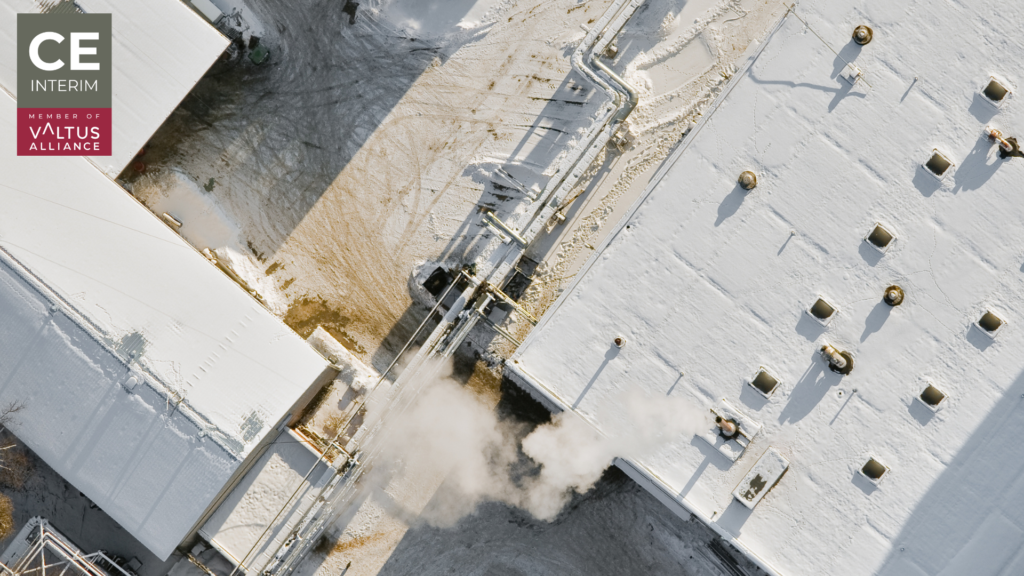
In brief Tooling transfer during plant closure is a sequencing problem, not a logistics problem. Closing an automotive component plant in Hungary means running two clocks at once. One clock tracks how fast certified tooling can move to the receiving site. The other tracks how fast raw material and finished stock must reach zero. Misjudge the sequence, and the business faces an OEM line stop on one side. On the other side, it faces stranded inventory. Protecting customer delivery requires a single on-site executive, usually an Interim Plant Manager or Closure Director. That executive needs direct authority over production sequencing, retention and every purchase order until the final tool ships. The Strategic Challenges of Automotive Plant Closure and Production Consolidation When an automotive Tier 1 supplier decides to consolidate its footprint, board discussion tends to concentrate on the future. Leaders picture lower labour cost at the receiving site, fewer fixed sites to run, and a cleaner balance sheet. Closing a plant near an established Hungarian automotive cluster, such as Győr or Székesfehérvár, can look financially straightforward on paper. Execution is where the plan meets resistance. Once word of a closure reaches the shop floor, certified toolmakers, setters and quality engineers start looking elsewhere. Hungary’s dense automotive supplier base gives them plenty of options. Absenteeism rises. Preventive maintenance on ageing presses slips. Scrap increases on previously stable lines. None of this signals a poorly run plant. It is what happens once a workforce knows its site has an end date. At the same time, the OEM customer moves to protect itself. Under IATF 16949 and AIAG PPAP requirements, an OEM will not authorise a certified die, mould or progressive tool to leave. It waits until the plant secures an agreed buffer of finished components, and until the receiving site passes its own qualification. The cost case assumed a clean handover. The operational reality is a narrow window between two dates. One is when the safety stock reaches completion. The other is when the receiving plant is actually ready to build. Managing Conflicting Timelines: Labour Regulations vs. OEM Quality Standards Tooling transfer during plant closure only works when the labour timeline and the OEM quality timeline share one schedule. Right now, they usually do not. Under the Hungarian Labour Code (Act I of 2012), a redundancy affecting a large share of the workforce triggers formal consultation. The employer must give the works council or union seven days’ notice before negotiations open. It must then continue those negotiations for at least fifteen days, or until it reaches agreement. The employer must also notify the employment agency thirty days before dismissal notices reach employees. These are statutory minimums, not planning targets. A closure built to the letter of the law leaves no margin for error. Specialist toolmakers start leaving the day the announcement lands. In parallel, the OEM’s quality system runs on its own clock. PPAP treats a tooling move as a significant manufacturing site change. The receiving plant cannot ship production parts until the OEM approves its initial samples. Suppliers typically build a safety stock of 45 to 90 days of confirmed customer volume before disconnecting a tool. The exact range depends on tooling complexity and how quickly the receiving site reaches a stable cycle time. The real factory closure cost sits in the gap between these two clocks, not in the headline restructuring charge. Stopping production before the safety bank is complete exposes the group to OEM line-down penalties. Overcorrecting, and building stock past what the receiving plant needs, leaves working capital idle in a factory trying to close. Neither error is a manufacturing problem. Both come from managing the labour timeline and the quality timeline separately, against different dates. Early Warning Signs of Operational Failure During Factory Closure Operational failure during a closure becomes visible weeks before a single tool leaves the building. The corporate team just needs to know where to look. The plant falls behind the run-rate needed to complete the safety bank. Machine breakdowns or scrap on neglected, ageing lines usually cause this. Voluntary resignation among certified toolmakers and die-setters is a sharper warning than general attrition. These are the few people who can keep a tool running and ready it for a clean transfer. Losing even one leaves specific tools exposed. Procurement sometimes keeps placing orders against historic ERP parameters instead of a burn-down calculation tied to the final safety runs. That habit is how a shrinking plant ends up with stranded stock. A receiving site reporting delays in foundation work, utilities or crane capacity sends its own signal. Tools due to leave on schedule will have nowhere to go. A Four-Phase Framework for Seamless Tooling Transfer and Shutdown Closing a factory and transferring production without disrupting customers is a sequencing exercise. The order matters as much as the steps themselves. Phase 1: Establishing Operational Control and Workforce Retention The incoming executive needs one integrated schedule. It must reconcile the statutory labour timeline with the customer tooling and PPAP timeline, part number by part number. The schedule tracks tool condition, run rate and required buffer. Two decisions cannot wait. First, the Interim Plant Manager switches off automated purchase order generation. From this point, every raw material commitment needs that executive’s personal sign-off against the burn-down plan. The ERP system’s historic parameters no longer decide anything. Second, a retention structure goes to the works council alongside the statutory consultation. Bonuses tie to attendance, quality and completion of the final safety runs. The statutory notice period alone rarely keeps a certified toolmaker from taking the next offer. A cash-to-close forecast then gives the Board one number to manage the closure against. It covers retention cost, logistics, disposal proceeds and the wind-down timetable. Phase 2: Building and Managing OEM Component Safety Stock The plant runs at the rate needed to complete the agreed customer buffer. Maintenance focuses on the dies and moulds still required, not the whole tool population. As the plant produces stock, it moves to a bonded,
Reestructuración de la planta: el director interino de la planta restablece el control de la producción en Hungría en 90 días
El director interino de la planta recupera el control en 90 días
 EN
EN  DE
DE  FR
FR  IT
IT  PL
PL  RO
RO  CS
CS  SK
SK  HU
HU  ES
ES  RU
RU  AR
AR  SL
SL