¿Director financiero interino o asesor de reestructuración?: ¿quién restablece el control de la tesorería en una fábrica polaca en dificultades?

En resumen: una filial industrial polaca se enfrenta a una crisis de liquidez repentina. El director financiero de la empresa debe tomar entonces una decisión: poner en marcha un mandato de control de tesorería con un director financiero interino in situ o contratar a una consultora especializada en reestructuraciones. Los consultores elaboran modelos financieros sólidos. Informan adecuadamente a los consorcios de prestamistas. Pero no firman los pagos bancarios. No negocian con los acreedores locales más agresivos. No solucionan las fugas de efectivo en la planta de producción. Cuando la autonomía financiera se reduce a unos pocos días, la empresa necesita un ejecutivo con autoridad para actuar. No necesita un informe que lo recomiende. Cómo afrontar las crisis de liquidez: cuando las plantas de fabricación polacas se enfrentan a un «precipicio de tesorería». Las dificultades de liquidez rara vez se acumulan lentamente. El tesorero del grupo comunica al comité ejecutivo que la planta polaca ha agotado su línea de crédito hasta el límite. Al mismo tiempo, los proveedores de materias primas de Silesia y Wielkopolska imponen a la planta condiciones de pago por adelantado. Amenazan con suspender los envíos en un plazo de 48 horas. La sede central analiza la situación detenidamente y las cifras no cuadran. Los informes de fin de mes han ocultado un creciente atraso en las cuentas por pagar. Han ocultado deducciones controvertidas de los clientes y efectivo inmovilizado en trabajos en curso. La planta necesita financiación de emergencia de la empresa matriz solo para poder pagar las nóminas del viernes. En este punto, el director financiero corporativo debe elegir un modelo de prestación de servicios. Recurrir a una firma de asesoría conocida parece la primera medida más segura. Un informe de diagnóstico exhaustivo tranquiliza al consejo de supervisión, y los prestamistas esperan recibirlo. Pero un encargo de asesoramiento responde a una pregunta diferente a la que la empresa afronta ahora. Los asesores observan, analizan y presentan opciones a los comités. No tienen poder de firma bancaria. No toman decisiones operativas dentro de la empresa. Cuando solo quedan unos días de liquidez, el consejo de administración no necesita más análisis sobre por qué la planta está gastando dinero a toda velocidad. En su lugar, necesita un ejecutivo in situ. Ese ejecutivo toma el control del portal bancario, negocia directamente con los acreedores e impone una disciplina de pagos desde el primer día. Superar los riesgos de insolvencia transfronteriza: la brecha entre la sede central y las operaciones locales La brecha entre el director financiero corporativo y la planta polaca no es solo geográfica. La legislación polaca atribuye responsabilidad personal por una presentación tardía de la declaración de insolvencia a los miembros del consejo de administración local (członkowie zarządu). Es posible que en ese consejo no figure nadie del departamento financiero del grupo. Una empresa matriz puede autorizar financiación de emergencia, pero no puede eximirse por sí sola de esa responsabilidad legal. A distancia, a menudo no puede determinar si el consejo de la planta ya ha superado el umbral de declaración de insolvencia. Esta es también la razón por la que un diagnóstico a distancia resulta insuficiente. Los acreedores locales y la administración tributaria polaca no negociarán basándose en un informe. Esperan a un directivo identificado que tenga poder de firma y pueda comprometerse con un plan en persona. Una matriz extranjera necesita datos fiables con rapidez y un buen gobierno corporativo. La operación local necesita a alguien con autoridad real para actuar en función de esos datos. No puede esperar a que la sede central apruebe cada paso. Un director financiero interino in situ, con un mandato claro de la empresa matriz y autoridad formal en Polonia, sirve de enlace entre ambas partes. Navegando por la legislación polaca en materia de insolvencia y quiebra: principales riesgos de cumplimiento normativo La legislación polaca establece dos supuestos que desencadenan la insolvencia. Son de aplicación tanto la Ley de Reestructuración (Prawo restrukturyzacyjne) como la Ley de Quiebras (Prawo upadłościowe). Una empresa se considera insolvente cuando no puede hacer frente a sus obligaciones con más de tres meses de retraso. También se considera insolvente cuando el pasivo ha superado al activo durante más de 24 meses. Una vez alcanzado cualquiera de estos umbrales, el consejo de administración debe solicitar la quiebra en un plazo de 30 días o iniciar un procedimiento formal de reestructuración. El artículo 299 del Código de Sociedades Mercantiles (Kodeks spółek handlowych) va más allá. Permite a los acreedores reclamar a los miembros del consejo de administración a título personal, con sus propios activos, por las deudas impagadas de la empresa si se incumple el plazo de presentación. Un asesor de reestructuración (doradca restrukturyzacyjny) no incurre en responsabilidad personal legal por las decisiones del consejo de administración. El director financiero de la empresa y los consejeros locales siguen estando expuestos a responsabilidad mientras el informe de diagnóstico se encuentre aún en fase de borrador. Las decisiones sobre la gestión del efectivo en la planta de producción tienen el mismo peso. El impago del impuesto sobre la renta de las personas físicas (PIT) o de las cotizaciones a la Institución de la Seguridad Social (ZUS) conlleva un riesgo adicional. Puede dar lugar a responsabilidad penal fiscal personal en virtud del Código Penal Fiscal (Kodeks karny skarbowy). Alguien tiene que decidir, cada día, a qué pagos se da prioridad. Esa decisión requiere una persona que comprenda la jerarquía normativa polaca y esté dispuesta a asumir la responsabilidad de la misma. Modelos estratégicos de prestación de servicios: Mandatos de director financiero interino frente a encargos de asesoramiento en reestructuración Criterios Contratar a un asesor de reestructuración Nombrar a un director financiero interino Liquidez diaria: entre 12 y 16 semanas de autonomía financiera confirmada. Objetivo: una valoración independiente o una refinanciación. Menos de 30 días de autonomía financiera. Los proveedores rechazan los envíos. La tesorería necesita una separación de activos de inmediato. Necesidad de ejecución: la sede central quiere una revisión empresarial independiente para los prestamistas o un proceso de venta. El plan de recuperación está claro. El equipo local carece de autoridad para ponerlo en práctica. Expectativas de las partes interesadas: Los acreedores quieren una validación por parte de un tercero acreditado antes de conceder exenciones. Los proveedores y las autoridades fiscales quieren conversaciones directas con un signatario. Capacidad del equipo local: El controlador es competente y goza de confianza, pero carece de profundidad en ingeniería financiera. El responsable financiero está desbordado o a la defensiva. La sede central necesita un sustituto ya. Esta tabla es una cuestión de criterio, no una lista de verificación. Los dos modelos de intervención responden a preguntas diferentes. Un asesor es la opción adecuada cuando la pregunta es cuánto vale el negocio o cómo abordar a un consorcio de prestamistas. Un director financiero interino es la opción adecuada cuando la pregunta es quién puede detener la salida de efectivo de esta semana. Si se confunden ambos conceptos, la planta suele perder semanas de margen de maniobra en un proceso diseñado para un problema diferente. Control operativo de la tesorería: una hoja de ruta de 90 días para un director financiero interino en filiales en dificultades Un director financiero interino destinado a una planta polaca en dificultades no empieza con otro diagnóstico. El mandato comienza de forma operativa, desde el primer día. Esto implica crear un centro de control de tesorería in situ y asumir la responsabilidad personal de la supervivencia de la planta. Fase 1 (días 1-10): Establecimiento del control bancario y el bloqueo de tesorería. El director financiero interino asume los derechos de firma bancaria, ya sea de forma exclusiva o conjunta. Se detiene inmediatamente todo acceso no supervisado a los pagos en las cuentas locales. La previsión pasa de las proyecciones contables a un modelo directo de flujo de caja. Este modelo realiza un seguimiento de los ingresos y los desembolsos, conciliándolos diariamente con los datos reales
Por qué una sede central francesa pierde el control de una filial rumana adquirida

En resumen: la integración de una filial rumana por parte de una sede central francesa suele estancarse por una razón. El modelo de la operación da por sentado que los poderes de decisión y los hábitos de información se armonizarán por sí solos. Rara vez ocurre así. París sigue presentando en el comité directivo informes sobre la captación de sinergias. La planta sigue funcionando con contratos heredados y sistemas locales. Un director de integración interino destinado in situ cambia esta situación. Reportando directamente al comité ejecutivo francés, el director crea una base de datos contrastada. El mandato convierte entonces la lógica del acuerdo en un cambio operativo real, y no en un ajuste cultural de duración indefinida. El detonante: sinergias del acuerdo no aprovechadas y desconexiones en la planta de producción. Las adquisiciones transfronterizas de activos industriales rumanos por parte de grupos franceses suelen comenzar con un argumento comercial claro. Francia sigue siendo una de las mayores fuentes de inversión extranjera directa de Rumanía. Los grupos franceses llevan décadas forjando relaciones industriales en los sectores de la automoción, la industria aeroespacial y la energía. Los documentos del consejo de administración destacan la proximidad lingüística y la competitividad en los costes como factores naturales que facilitan una integración rápida. Entre seis y doce meses después del cierre, el panorama cambia. El comité directivo del grupo francés revisa una presentación mensual. En él se observan contratos de compra duplicados que siguen vigentes en la planta rumana. Se muestran flujos de trabajo del sistema ERP que la planta no ha adoptado. Los avances comunicados y la realidad operativa han empezado a divergir. Los comités ejecutivos de París o Lyon suelen mostrarse reacios a intervenir directamente en esta fase. Asumen, con razón, que una empresa adquirida bien gestionada adoptará los estándares del grupo según su propio calendario. La planta, mientras tanto, sigue funcionando según sus prácticas establecidas. Nadie ha indicado aún a los responsables locales, que cuentan con clara autoridad ejecutiva, que actúen de otra manera. El momento suele adquirir un carácter financiero. Las sinergias en materia de compras previstas en el caso de la operación no se han materializado. Las conciliaciones de los informes financieros se retrasan. En ese momento, la sede central reconoce una dura realidad. Ser propietario de la entidad no es lo mismo que controlar cómo opera. Por qué se estanca la integración transfronteriza tras la fusión entre París y Rumanía Los grupos industriales franceses y sus filiales manufactureras rumanas suelen compartir una suposición razonable, pero incompleta. Esperan que la proximidad lingüística e histórica facilite la transición más rápidamente que en un mercado sin puntos de referencia comunes. Esa suposición no es errónea. Pero es incompleta. La fricción que sigue a una adquisición franco-rumana tiene poco que ver con la cultura. Proviene de dos sistemas operativos distintos en cuanto a los derechos de decisión que nadie concilió en el momento del cierre. Los grupos empresariales franceses suelen gobernarse a través de estructuras de comités en niveles, como el Comité de Direction y el Comex. Funcionan con líneas de información duales: una cadena de entidades jurídicas y una cadena funcional que abarca las compras, la calidad y los recursos humanos. Una vez que la sede central aprueba una política de forma centralizada, espera que dicha política se aplique de manera uniforme, con un margen de discrecionalidad local limitado para adaptarla. Comprender la estructura de gobernanza y la lógica operativa de una planta rumana Muchas empresas manufactureras rumanas operan bajo una lógica diferente, pero igualmente coherente. Muchas comenzaron como plantas de propiedad estatal o como proveedores del mercado medio creados por la iniciativa privada. Normalmente, el director general asume la responsabilidad directa y personal sobre la producción de la planta, la plantilla y las relaciones con los proveedores. Esa autoridad se forja a lo largo de años, no de meses. Los responsables locales de compras se basan en relaciones duraderas con los proveedores que han permitido que la producción funcione de forma fiable. Desde ese punto de vista, trasladar el volumen a un contrato negociado a nivel de grupo parece un riesgo operativo real. No se trata simplemente de un cambio al que hay que resistirse. La legislación rumana añade una capa adicional. Un memorándum de la sede central no puede anularla por sí solo. La reestructuración, los traslados de empleados y la consulta al comité de empresa conllevan obligaciones legales. Esas obligaciones recaen en la propia dirección de la entidad local, sea quien sea quien la ostente, y no solo en las instrucciones de la matriz. Ninguno de los dos modelos es incorrecto. Ambos modelos operativos existen para gestionar el riesgo en su propio entorno. La adquisición cambia ese entorno. No modifica automáticamente los hábitos operativos de ninguna de las partes. Tal y como se documenta en una investigación citada por Harvard Business Review, entre el 70% y el 90% de las fusiones no logran alcanzar las sinergias previstas. La falta de alineación cultural y de gobernanza representa el principal factor de destrucción de valor en las operaciones transfronterizas. Señales de alerta de que la integración de tu filial extranjera se ha estancado: los ejecutivos y los responsables de integración del grupo no tienen por qué esperar a que se produzca un deterioro de los márgenes. Un estancamiento en la integración se manifiesta antes, a través de una serie de señales específicas y recurrentes. La dirección local confirma la adopción de las iniciativas del grupo en las reuniones de revisión. Sin embargo, la ejecución diaria en la planta de producción sigue basándose en los sistemas ya existentes. No se trata de un encubrimiento. Refleja una brecha real entre lo que la sede central aprobó y lo que la planta ha implementado realmente. La filial lleva sus libros contables en un software local. Los concilia con el paquete de informes del grupo mediante hojas de cálculo manuales, lo que añade tiempo y riesgo de error a cada ciclo. Las compras siguen realizándose a través de los proveedores locales habituales, a precios superiores a los de los contratos negociados por el grupo. El cambio de proveedores suele conllevar un riesgo de entrega a corto plazo que nadie ha evaluado de forma centralizada. Los ingenieros bilingües, los responsables de calidad y los supervisores de producción se encuentran en el centro de la carga de trabajo de la integración. Empiezan a marcharse, alegando la carga administrativa que supone la presentación paralela de informes, más que un desacuerdo con la propia adquisición. Por su parte, los responsables funcionales franceses de TI, RR. HH. y compras reducen el contacto directo con la filial. Alegan tiempos de respuesta más lentos, sin una vía clara de escalado para resolver el motivo. Según los análisis de McKinsey & Company sobre la integración tras una fusión, para aprovechar las sinergias es necesaria una alineación operativa directa sobre el terreno en los primeros 100 días tras el cierre de la operación. Una vez que las estructuras paralelas se consolidan, desmantelarlas resulta significativamente más costoso y políticamente controvertido. Si se mantienen durante más de un ciclo, cualquiera de estas dos señales justifica una decisión a nivel del consejo de administración, y no otro trimestre de seguimiento. Requisitos fundamentales para un mandato de integración in situ eficaz Una auditoría de la sede central no resuelve esta fricción. Tampoco lo hace una serie de breves visitas a la fábrica. Un responsable funcional que visite la planta puede detectar los mismos contratos duplicados y hojas de cálculo sin conciliar que ya aparecen en la presentación mensual. Lo que realmente cambia la planta es una autoridad ejecutiva continua y sobre el terreno. Eso significa un mandato definido y una línea jerárquica directa con el comité ejecutivo francés. Un director de integración interino con auténtica experiencia industrial franco-rumana dota a la adquisición de esa autoridad de forma inmediata. La organización no tiene que esperar a que concluya la búsqueda de un director general permanente. Se trata de un mandato de integración, no de un plan de reestructuración de la planta ni de una revisión aislada de la gobernanza. A ninguna de las partes le falta competencia. Lo que falta es un ejecutivo que asuma la responsabilidad.
Director general interino de una filial extranjera: garantizar las entregas a los clientes en una planta de Hungría

En resumen: el nombramiento de un director general interino para una filial en el extranjero surge de forma repentina. El director general de una planta de fabricación húngara dimite sin previo aviso. El consejo de administración no cuenta con nadie in situ. Por lo general, el proceso de selección, negociación y traspaso de un sustituto permanente desde una empresa de la competencia lleva entre cuatro y seis meses. El nombramiento de un director general interino para la filial en el extranjero cubre ese vacío. El ejecutivo interino asume la facultad de firma prevista en la legislación mercantil húngara. El ejecutivo interino garantiza in situ el cumplimiento de los compromisos de entrega a los clientes y estabiliza al equipo directivo local. De este modo, el sucesor permanente hereda un negocio intacto, no un proyecto de recuperación. Gestionar la dimisión repentina de un director general y el vacío de liderazgo de seis meses: es raro que un director general de una planta de Europa Central dimita en un momento oportuno. A veces, un competidor presenta una oferta más atractiva. En ocasiones, una disputa con la sede central se vuelve insostenible. A veces, un problema de cumplimiento normativo obliga a una salida abrupta. Sea cual sea la causa, el consejo de administración se enfrenta a un vacío inmediato en las competencias legales, operativas y comerciales. El nombramiento de un director general interino en una filial en el extranjero suele ser la forma más rápida de subsanarlo. La respuesta instintiva es comprensible. La planta cuenta con jefes de departamento con experiencia y supervisores de turno competentes. Dispone de equipos modernos y en gran medida automatizados. La sede central da por hecho que la planta puede valerse por sí misma durante unos meses. Mientras tanto, una consultora de selección de personal sigue un proceso adecuado. El mercado laboral industrial húngaro rara vez permite que esa suposición se cumpla. La dinámica del mercado laboral húngaro acelera los riesgos de vacantes directivas: los directivos con experiencia para las plantas escasean en zonas como Győr, Debrecen, Tatabánya y Székesfehérvár. Todos los empleadores y cazatalentos de la región ya conocen los nombres que importan. La salida de un director general se interpreta a nivel local como una señal, no como un rumor. En cuestión de semanas, los jefes de operaciones, los especialistas en herramientas y los responsables de calidad comienzan a recibir llamadas de la competencia. Las solicitudes de capital quedan sin firmar. Las disputas con los proveedores quedan sin resolver. Alrededor de la octava semana sin un ejecutivo designado en la planta, esa deriva suele llegar a los clientes. Se producen retrasos en los envíos y, con ellos, llegan llamadas difíciles del departamento de compras. Por qué es esencial el nombramiento de un director general interino en una filial extranjera para la continuidad operativa: dos presiones distintas se agravan mutuamente cuando una planta húngara pierde a su director general. Una es de carácter legal. La otra es una presión del mercado laboral. Representación legal y autoridad jurídica según el derecho mercantil húngaro. Según el Código Civil húngaro (Ley V de 2013), el director general (ügyvezető) ostenta el cargo de directivo registrado de la empresa. Dicho cargo queda registrado en el Tribunal de Registro (Cégbíróság). Los contratos comerciales importantes, las declaraciones fiscales, las declaraciones de aduana y los pagos a bancos locales requieren la firma de un directivo registrado. Un director general puede presentar su dimisión en cualquier momento. Sin embargo, cuando el funcionamiento de la empresa lo requiera, la dimisión solo surtirá efecto una vez que la empresa nombre a un nuevo directivo. De lo contrario, surtirá efecto el sexagésimo día tras la notificación. Hasta que el Tribunal de Registro inscriba formalmente a un directivo cualificado, o le conceda un poder notarial comercial pleno (cégvezető), la filial tiene dificultades para formalizar contratos rutinarios. También le cuesta relacionarse con los sindicatos locales y tratar con las autoridades. Gestionar el plazo de seis meses para la búsqueda de directivos durante las transiciones de liderazgo: una búsqueda convencional de directivos en Hungría no es un proceso rápido. El retraso es de carácter estructural, no un indicio de que la consultora de selección esté actuando de forma deficiente. Localizar a líderes industriales bilingües en Hungría, Austria y Eslovaquia lleva tiempo. Llevar a cabo un proceso adecuado de evaluación de competencias y de aprobación por parte del consejo de administración suele llevar, por sí solo, entre ocho y doce semanas. Negociar la remuneración, las expectativas de gobernanza y una oferta formal añade entre dos y cuatro semanas. Además, los altos ejecutivos industriales húngaros suelen cumplir períodos de preaviso de entre tres y seis meses. Los acuerdos de no competencia exigibles a menudo alargan esos períodos de preaviso. Esto añade entre doce y veinticuatro semanas más antes de que el sucesor pueda incorporarse. Suma todas estas cifras. El plazo realista para cubrir la vacante de un director general interino en una filial extranjera es de cuatro a seis meses, a veces incluso más. Nadie en la planta tiene plena autoridad durante todo ese periodo. Ese coste rara vez aparece como una cifra aislada en los documentos del consejo de administración. En cambio, se acumula en las bajas, los envíos retrasados y las decisiones estancadas que se describen a continuación. La mayor parte ya ha ocurrido para cuando aparece reflejado en las cifras. Señales de alerta de una vacante ejecutiva no gestionada en las plantas de fabricación Una planta sin liderazgo ejecutivo rara vez fracasa de golpe. No todas las señales merecen el mismo peso. Fricción interdepartamental: la principal señal operativa de un liderazgo interino La señal más reveladora es también la más temprana: la fricción entre departamentos que nadie tiene autoridad para resolver. Las reuniones de producción, mantenimiento y calidad se convierten en disputas en lugar de en decisiones. Un ejecutivo con experiencia considera esa fricción como el momento de actuar. No es una tendencia que deba seguir observándose. Riesgos derivados de las vacantes prolongadas de directores generales en las filiales locales Todo lo que sigue a esta primera señal es, en gran medida, una confirmación, no información nueva. Los ingenieros de calidad, los responsables de mejora continua y los supervisores de turno comienzan a presentar su dimisión. Alegan incertidumbre sobre el futuro liderazgo de la planta. El índice de cumplimiento de entregas puntuales y completas se desvía de un valor típico de 98% hacia valores bajos de 90 o inferiores. Los cuellos de botella no gestionados y el aumento de los costes del transporte urgente impulsan ese descenso. Las facturas de los proveedores que requieren la firma del director general se acumulan sin pagar. Los representantes sindicales locales y del comité de empresa (üzemi tanács) acaban planteando sus quejas directamente a la sede regional, en lugar de resolverlas a nivel local. Para cuando aparece esa última señal, la planta ya lleva algún tiempo sin una autoridad local que funcione. La continuidad durante un cambio de liderazgo depende de una sola cosa: es necesario que haya alguien que asuma la responsabilidad de forma visible e inmediata in situ, en lugar de limitarse a tranquilizar al consejo de administración desde la distancia. Actuar ante la primera señal suele costar menos que esperar a que las posteriores la confirmen. Requisitos fundamentales del mandato de un director general interino en una filial extranjera Un director general interino de emergencia no es un simple interino que se limita a mantener el puesto caliente. El mandato conlleva la plena responsabilidad sobre el rendimiento de la planta, las relaciones con los clientes y las obligaciones legales desde el primer día. Sigue una secuencia que da prioridad a las decisiones más urgentes. Antes de que llegue el ejecutivo, un socio de CE Interim acuerda la periodicidad de los informes directamente con el consejo de administración. El socio también acuerda el umbral de escalación y revisa los avances cada dos semanas a lo largo de todo el mandato. Esa periodicidad garantiza que la supervisión nunca
Cuatro de cada diez inversores encuestados ya no elegirían Eslovaquia
Solo el 4 % de las empresas encuestadas califica la situación económica de Eslovaquia como buena, y
cuatro de cada diez inversores ya no elegirían ese país. Para un empresario que tenga una planta allí, eso es un motivo para replantearse la situación, no un
veredicto sobre la planta.
Escaladas en la cadena de suministro automovilística europea: cuando las auditorías de calidad de los clientes exigen la sustitución inmediata de los responsables en Polonia
En resumen: un fabricante de equipo original (OEM) europeo ha elevado los repetidos fallos de calidad en una planta polaca de primer nivel (Tier 1) al Nivel 2 de control de envíos. Se ha suspendido una auditoría VDA 6.3. En ese momento, la recuperación de la calidad en el sector de la automoción depende del liderazgo, no de otro análisis de las causas raíz. Hay cinco condiciones que marcan ese cambio: la reaparición del mismo defecto tras un 8D cerrado, una contención que no se levanta, la escalación del cliente al consejero delegado del grupo, una rebaja en la calificación de la VDA 6.3 y una respuesta defensiva por parte de la dirección de la planta. Cuando se dan dos o más de estas condiciones a la vez, la recuperación de la calidad en el sector de la automoción pasa a ser tarea del director de operaciones (COO). Un ejecutivo interino con autoridad para llevar a cabo un cambio radical se desplaza a la planta. Del fallo técnico a la crisis de liderazgo: el detonante de la escalada al fabricante de equipos originales (OEM). Los directores de operaciones (COO) corporativos rara vez sustituyen al director de una planta filial tras una sola auditoría fallida. El camino hacia la recuperación de la calidad en el sector de la automoción mediante un cambio de liderazgo suele seguir la misma secuencia. Comienza con picos aislados de partes por millón o pequeñas variaciones dimensionales en el portal del cliente. El director de la planta polaca asegura a la sede central del grupo que el equipo comprende la causa. Normalmente se achaca a variaciones en la materia prima o al desgaste de las herramientas. La sede central lo acepta. Es una respuesta razonable. La planta está funcionando a pleno rendimiento y las explicaciones son plausibles. Intervenir desde la distancia también conlleva el riesgo de socavar la autoridad de un director que quizá aún tenga razón. La recuperación de la calidad en el sector de la automoción depende de detectar el patrón antes de que se consolide. Esa paciencia tiene un coste que solo se hace visible más adelante. La dirección del grupo sigue basándose en los cuadros de mando mensuales y en las revisiones de calidad a distancia. Da por sentado que la planta puede cerrar sus propios informes 8D. Detrás de las promesas de contención, la planta de producción no está respetando las tolerancias básicas de los procesos. Las piezas defectuosas comienzan a llegar a las líneas de montaje de los fabricantes de equipos originales (OEM) en Alemania, Francia o la República Checa. Este es el punto ciego que la recuperación de la calidad en el sector de la automoción debe subsanar en primer lugar. El punto de inflexión es de carácter procedimental, no emocional. El cliente invoca el Nivel 2 de Envío Controlado (CS2) y envía inspectores externos a las instalaciones, a cargo del proveedor. Una posterior auditoría de procesos según la norma VDA 6.3 arroja entonces un resultado negativo. En ese momento, el director de calidad del fabricante de equipo original (OEM) lanza un ultimátum: sustituir al equipo directivo in situ o perder el contrato. La cuestión técnica y la cuestión del liderazgo se han separado ahora. La planta de producción sigue pudiendo responder solo a una de ellas. A partir de este momento, la recuperación de la calidad en el sector de la automoción pasa por el liderazgo, no por otra revisión de ingeniería. Gestión de la calidad automovilística transfronteriza: retos estructurales y operativos. Cómo cumplir con la norma de auditoría de procesos VDA 6.3 y las calificaciones de proveedores. Los fabricantes de equipo original (OEM) alemanes, franceses y otros europeos exigen el cumplimiento de los proveedores a través de la norma de auditoría de procesos VDA 6.3. Esta norma puntúa elementos definidos del proyecto y la producción según estrictas reglas de rebaja de calificación. Una puntuación inferior al 80 % rebaja automáticamente a un proveedor a la calificación C. Lo mismo ocurre si se suspende una pregunta marcada con un asterisco sobre el riesgo del proceso. La recuperación de la calidad en el sector de la automoción debe llevarse a cabo dentro de esa norma, no eludiéndola. Una calificación C activa la «suspensión de nuevos negocios». Impide que la planta obtenga futuras adjudicaciones de plataformas y da lugar a nuevas auditorías sin previo aviso. El incumplimiento continuado se agrava aún más, hasta alcanzar la contención de «Nivel 2 de envío controlado» (CS2), que exige que una agencia externa acreditada inspeccione cada pieza que sale de la planta. Una vez activado, nada de esto deja margen para la negociación, y una llamada telefónica al gestor de cuentas del cliente no revierte nada de ello. Esta rigidez es precisamente la razón por la que la recuperación de la calidad en el sector de la automoción no deja margen para la negociación a posteriori. Superar la brecha de visibilidad entre la sede central y las plantas de fabricación En muchos grupos industriales transfronterizos, la sede central recibe una visión más superficial de la gravedad de los problemas. El cliente, en la cadena de montaje, vive una realidad mucho más completa. Rara vez se trata de un ocultamiento deliberado. Los responsables de la planta, sometidos a la presión de la producción, tienen una razón de peso para tratar cada nuevo aviso del fabricante de equipos originales (OEM) como una queja rutinaria más. Presentan el informe 8D que cierra el expediente, no el que corrige la deficiencia subyacente del proceso. Por eso, la recuperación de la calidad en el sector de la automoción no puede basarse únicamente en el informe de la propia planta. La propia sede central realiza un seguimiento de las cifras de producción diarias. Cumplir con estas cifras puede llegar a tener más peso que mantener todos los controles de calidad, especialmente antes de que una escalada del cliente haga evidente la tensión. La barrera del idioma y la distancia cultural se suman a esto. Un responsable de calidad de un proveedor alemán o francés que visite la planta polaca puede interpretar una explicación sobre la capacidad de la maquinaria como una resistencia a asumir la responsabilidad. Esto puede ser cierto incluso cuando la planta está describiendo una limitación real. Ninguna de las partes actúa de mala fe. Ambas trabajan a partir de información e incentivos diferentes. La brecha se amplía mientras nadie ajeno a la planta tenga visibilidad directa de ella. Esta es también la razón por la que la paciencia de los clientes es menor de lo que solía ser. El Estudio Global de Proveedores de Automoción 2026 de BCG señala una presión sostenida sobre los márgenes de fabricación de automoción en toda la base de fabricantes de equipos originales (OEM). Esa presión está empujando a los fabricantes de vehículos a imponer condiciones más estrictas de traspaso de costes y calidad a sus niveles de proveedores. Un fabricante de equipos originales que gestiona sus propios márgenes tiene menos margen para absorber incumplimientos repetidos. También tiene menos paciencia con una planta que considera que una escalada de un cliente fabricante de equipos originales es un problema de comunicación. El problema es operativo, no de comunicación. La recuperación de la calidad en el sector de la automoción depende ahora tanto de la rapidez como del fondo. Indicadores clave para los directores de operaciones: cuando la recuperación de la calidad en el sector de la automoción requiere un cambio de liderazgo. El mismo defecto reaparece tras un cierre verificado del proceso 8D. La planta presenta una acción correctiva formal. El cliente la acepta. A continuación, el mismo defecto reaparece en la producción en serie en un plazo de treinta a sesenta días. Esta es la señal más clara que puede haber. La disciplina en materia de contención y acciones correctivas en la planta aún no consigue mantener la solución, independientemente de lo que diga el análisis de la causa raíz sobre el papel. La contención CS2 no se levanta en un plazo aproximado de ocho semanas. Los costes de inspección por terceros se acumulan rápidamente, a menudo hasta alcanzar cientos de miles de euros al mes. Una planta que no puede salir de la CS2 dentro de ese plazo ha perdido el control de su propio sistema de calidad. No se ha topado simplemente con un defecto difícil. Los responsables de calidad o de compras del cliente se ponen en contacto directamente con el director general del grupo. Un fabricante de equipo original (OEM) que pasa por alto la relación con el cliente para dirigirse al director general o al director de operaciones del grupo está indicando algo concreto. La estructura existente ha agotado su paciencia, y el cliente espera ahora una consecuencia a nivel de personal, no otra actualización de la situación. Una auditoría VDA 6.3 arroja una calificación de «C». La auditoría proporciona una confirmación externa y estructurada de que el fallo operativo es sistémico. Las conclusiones en
Gestión de la transferencia de utillaje y la reducción de existencias durante el cierre de una planta de automoción en Hungría
En resumen, la transferencia de utillaje durante el cierre de una planta es un problema de secuenciación, no un problema logístico. Cerrar una planta de componentes de automoción en Hungría supone gestionar dos procesos simultáneamente. Uno de ellos controla la rapidez con la que el utillaje certificado puede trasladarse a la planta receptora. El otro controla la rapidez con la que las existencias de materia prima y de productos terminados deben reducirse a cero. Si se calcula mal la secuencia, la empresa se enfrenta, por un lado, a una parada de la línea de producción del fabricante de equipo original (OEM). Por otro lado, se enfrenta a un exceso de existencias. Para garantizar las entregas a los clientes es necesario contar con un único responsable in situ, normalmente un director de planta interino o un director de cierre. Ese responsable debe tener autoridad directa sobre la secuenciación de la producción, la retención de existencias y todas las órdenes de compra hasta que se envíe la última herramienta. Los retos estratégicos del cierre de plantas de automoción y la consolidación de la producción Cuando un proveedor de primer nivel del sector de la automoción decide consolidar su presencia, el debate en la junta directiva tiende a centrarse en el futuro. Los líderes prevén menores costes laborales en la planta de destino, menos instalaciones fijas que gestionar y un balance más saneado. Cerrar una planta cercana a un clúster automovilístico consolidado en Hungría, como Győr o Székesfehérvár, puede parecer financieramente sencillo sobre el papel. Es en la ejecución donde el plan encuentra resistencia. En cuanto la noticia del cierre llega a la planta de producción, los fabricantes de herramientas certificados, los ajustadores y los ingenieros de calidad empiezan a buscar trabajo en otros sitios. La densa red de proveedores automovilísticos de Hungría les ofrece numerosas opciones. Aumenta el absentismo. Se descuida el mantenimiento preventivo de las prensas antiguas. Aumentan los desechos en líneas que antes eran estables. Nada de esto indica que la planta esté mal gestionada. Es lo que ocurre cuando la plantilla sabe que su centro tiene una fecha de cierre. Al mismo tiempo, el cliente fabricante de equipos originales (OEM) toma medidas para protegerse. Según los requisitos de la norma IATF 16949 y del PPAP de la AIAG, un fabricante de equipo original (OEM) no autorizará la salida de un troquel, molde o herramienta progresiva certificados. Esperará hasta que la planta garantice un stock de seguridad acordado de componentes acabados y hasta que la planta receptora supere su propia cualificación. El análisis de costes partía de la hipótesis de un traspaso sin problemas. La realidad operativa es un estrecho margen de tiempo entre dos fechas. Una es cuando se completa el stock de seguridad. La otra es cuando la planta receptora está realmente lista para fabricar. Gestión de plazos contradictorios: normativa laboral frente a normas de calidad de los fabricantes de equipos originales (OEM) La transferencia de utillaje durante el cierre de la planta solo funciona cuando el plazo laboral y el plazo de calidad del fabricante de equipos originales (OEM) comparten un mismo calendario. En la actualidad, no suele ser así. Según el Código Laboral húngaro (Ley I de 2012), un despido colectivo que afecte a una gran parte de la plantilla da lugar a una consulta formal. El empresario debe notificarlo al comité de empresa o al sindicato con siete días de antelación antes de que se inicien las negociaciones. A continuación, debe mantener dichas negociaciones durante al menos quince días, o hasta que se alcance un acuerdo. El empresario también debe notificarlo a la agencia de empleo treinta días antes de que las notificaciones de despido lleguen a los empleados. Se trata de mínimos legales, no de objetivos de planificación. Un cierre llevado a cabo al pie de la letra de la ley no deja margen de error. Los fabricantes de utillaje especializados comienzan a marcharse el mismo día en que se hace público el anuncio. Paralelamente, el sistema de calidad del fabricante de equipos originales (OEM) funciona según su propio calendario. El PPAP considera el traslado de utillaje como un cambio significativo en la planta de fabricación. La planta receptora no puede enviar piezas de producción hasta que el fabricante apruebe sus muestras iniciales. Los proveedores suelen constituir un stock de seguridad de entre 45 y 90 días del volumen confirmado por el cliente antes de desconectar un utillaje. El rango exacto depende de la complejidad del utillaje y de la rapidez con la que la planta receptora alcance un tiempo de ciclo estable. El coste real del cierre de la fábrica reside en la brecha entre estos dos calendarios, no en el gasto de reestructuración que aparece en los titulares. Detener la producción antes de que se complete el stock de seguridad expone al grupo a sanciones por parada de línea por parte del fabricante de equipo original (OEM). Corregir en exceso y acumular existencias más allá de lo que necesita la planta receptora deja el capital circulante inactivo en una fábrica que intenta cerrar. Ninguno de estos errores es un problema de fabricación. Ambos se deben a gestionar por separado los plazos de mano de obra y los de calidad, en función de fechas diferentes. Señales de alerta tempranas de fallos operativos durante el cierre de una fábrica Los fallos operativos durante un cierre se hacen evidentes semanas antes de que una sola herramienta salga del edificio. El equipo corporativo solo tiene que saber dónde buscar. La planta se queda por detrás del ritmo de producción necesario para completar el ’banco de seguridad». Las averías de las máquinas o los desechos en líneas descuidadas y envejecidas suelen ser la causa. La renuncia voluntaria de los fabricantes de herramientas y ajustadores de troqueles certificados es una señal de alerta más clara que la rotación general del personal. Son las pocas personas capaces de mantener una herramienta en funcionamiento y prepararla para una transferencia sin problemas. Perder incluso a una sola de ellas deja expuestas herramientas específicas. El departamento de compras a veces sigue realizando pedidos basándose en parámetros históricos del ERP en lugar de en un cálculo de reducción vinculado a las series de seguridad finales. Ese hábito es lo que hace que una planta en proceso de reducción acabe con existencias bloqueadas. Un centro de recepción que informe de retrasos en los trabajos de cimentación, en los servicios públicos o en la capacidad de las grúas envía su propia señal. Las herramientas que deben salir según lo previsto no tendrán adónde ir. Un marco de cuatro fases para una transferencia de utillaje y un cierre sin contratiempos Cerrar una fábrica y transferir la producción sin afectar a los clientes es un ejercicio de secuenciación. El orden es tan importante como los propios pasos. Fase 1: Establecimiento del control operativo y la retención de la plantilla El nuevo directivo necesita un calendario integrado. Este debe conciliar el calendario laboral reglamentario con el calendario de herramientas del cliente y el del PPAP, pieza por pieza. El calendario hace un seguimiento del estado de las herramientas, el ritmo de producción y el margen de seguridad necesario. Hay dos decisiones que no pueden esperar. En primer lugar, el director de planta interino desactiva la generación automática de órdenes de compra. A partir de este momento, cada compromiso de adquisición de materia prima requiere la aprobación personal de dicho ejecutivo, de acuerdo con el plan de reducción de existencias. Los parámetros históricos del sistema ERP ya no determinan nada. En segundo lugar, se presenta al comité de empresa una estructura de retención junto con la consulta legal. Las primas se vinculan a la asistencia, la calidad y la finalización de las pruebas de seguridad finales. El plazo de preaviso legal por sí solo rara vez impide que un fabricante de utillaje certificado acepte la siguiente oferta. A continuación, una previsión de «cash-to-close» proporciona al Consejo de Administración una cifra de referencia para gestionar el cierre. Esta incluye los costes de retención, la logística, los ingresos por enajenación y el calendario de liquidación. Fase 2: Creación y gestión del stock de seguridad de componentes OEM La planta funciona al ritmo necesario para completar el stock de seguridad acordado con el cliente. El mantenimiento se centra en los troqueles y moldes que aún se necesitan, no en el conjunto de herramientas. A medida que la planta produce stock, este se traslada a un almacén aduanero,
Reestructuración con un director de operaciones (CRO) interino frente a un director general interino: elección del equipo directivo para una filial checa deficitaria

En resumen: un mandato de reestructuración provisional a cargo de un director general interino (CRO) es la solución adecuada para una filial checa que registra pérdidas. En esa situación, la liquidez se mide en semanas, no en meses. Los bancos y los proveedores ya han adoptado condiciones más restrictivas. El consejero estatutario asume una responsabilidad personal, en virtud de la Ley de Insolvencia checa, por retrasar la presentación de la solicitud de insolvencia. Por el contrario, un mandato de director general interino resulta adecuado cuando la planta es fundamentalmente viable. La tesorería cubre entre doce y dieciséis semanas de operaciones. Las pérdidas se deben a la ejecución operativa, no a dificultades en el balance. Ambos mandatos conllevan una autoridad legal diferente y una definición distinta de éxito. Nombrar al candidato equivocado agrava el problema que se pretendía resolver. Evaluar la decisión de reestructuración o cierre cuando una filial extranjera incurre en pérdidas Los consejos de administración rara vez deciden, en una sola reunión, que una planta en el extranjero se ha convertido en un riesgo existencial. El proceso suele ser más lento. Una filial manufacturera de Europa Central presenta otro trimestre de pérdidas. El consejo de administración lo debate. Ese debate tiende a centrarse en las personas, no en la estructura. Los consejeros barajan la posibilidad de sustituir al director expatriado de la planta. O bien piden al director comercial regional que supervise la planta, además de sus funciones actuales. Ese instinto es comprensible. Los propietarios suelen haber invertido decenas de millones de euros en terrenos, maquinaria y utillaje. Naturalmente, quieren creer que un mejor liderazgo local puede reflotar la planta. Se resisten a aceptar que la propia entidad pueda estar en peligro. La dificultad radica en que este instinto responde a una cuestión operativa. Sin embargo, cada vez más, la verdadera cuestión es de carácter legal. Para responderla adecuadamente se necesita un mandato de reestructuración a cargo de un director de reestructuración (CRO) interino, no una reorganización de la dirección. Los consejos de administración pierden tiempo cuando confunden la ineficiencia operativa con la insolvencia estructural. Las tasas de desechos, el tiempo de inactividad de las máquinas y los retrasos en las entregas describen un problema operativo. La liquidez agotada, el incumplimiento de los convenios, el patrimonio neto negativo y la responsabilidad de los administradores describen otro problema distinto. Un pliego de condiciones que no separe ambos aspectos suele dar lugar a un nombramiento ambiguo. Los nombramientos ambiguos son el punto de partida habitual de la rotación de ejecutivos y la pérdida continuada de valor. Comprender la Ley de Insolvencia checa y la responsabilidad personal del «Jednatel» estatutario En la República Checa, esta elección no es solo una preferencia organizativa. El derecho mercantil y de insolvencia checo condiciona directamente la decisión. Dicha ley se aplica a la entidad local, independientemente de dónde se encuentre su propietario. La Ley de Insolvencia checa (Ley n.º 182/2006 Coll.) establece tres obligaciones. Los consejos de administración deben comprender cada una de ellas antes de realizar este nombramiento: Por qué la sede central de la empresa matriz evalúa erróneamente el riesgo del balance y la solvencia en las filiales extranjeras. Un consejo de administración de la empresa matriz con sede en Alemania, Austria o Suiza puede interpretar erróneamente este marco con facilidad. Los departamentos financieros del grupo suelen tratar a la entidad checa como un centro de costes interno. Dan por sentado que el balance y la gestión de tesorería de la matriz protegen a la entidad local de las consecuencias legales. La legislación checa evalúa a la filial por sí misma, no en función de la matriz. Dos criterios jurídicos determinan esta situación. La entidad puede tener una deuda excesiva en relación con sus activos (sobreendeudamiento, předlužení). O bien puede ser incapaz de cumplir con las obligaciones vencidas (insolvencia, platební neschopnost). Cualquiera de estos criterios impide que la entidad pueda seguir operando legalmente sin un plan de recuperación creíble. Esto es así independientemente del apoyo informal que la matriz crea estar proporcionando. El mandato de reestructuración de un director de reestructuración interino (CRO) existe precisamente para colmar esta brecha. Un gestor competente no puede colmarla simplemente trabajando más duro. El análisis de McKinsey sobre cuándo las empresas nombran a un director de reestructuración (CRO) señala dos razones por las que los consejos de administración buscan candidatos fuera del equipo directivo existente. La primera es la credibilidad independiente ante los prestamistas y los consejeros. La segunda es la capacidad de mantener unidos los intereses contrapuestos de las partes interesadas bajo una presión sostenida. Un director general interino, por muy capaz que sea desde el punto de vista operativo, no desempeña esa función específica frente a la ley y las partes interesadas. Matriz de diagnóstico: cómo identificar cuándo se necesita un director de reestructuración interino (CRO) o un director general interino La siguiente matriz de diagnóstico sirve para responder a una pregunta: ¿necesita esta filial un mandato de reestructuración a cargo de un director de reestructuración interino (CRO) o un director general interino? En la práctica, cinco dimensiones diferencian ambas situaciones. Dimensión Mandato de director general interino Mandato de director de reestructuración interino Liquidez y solvencia Al menos entre doce y dieciséis semanas de efectivo operativo. La empresa es legalmente solvente y cumple puntualmente con el pago de nóminas e impuestos. La liquidez se reduce a días o semanas. Los bancos han congelado las líneas de crédito y el balance muestra un patrimonio neto negativo. Conflicto entre partes interesadas: Las relaciones con los clientes y los bancos permanecen intactas. Las partes interesadas quieren que se recupere la producción, no garantías legales. Los bancos locales han asignado la cuenta a un equipo de reestructuración. Los proveedores clave han presentado acciones de ejecución. Viabilidad operativa: La planta cuenta con una sólida capacidad técnica y una cartera de pedidos viable. Las pérdidas se deben a la ejecución, no a la estructura. La planta se enfrenta a un exceso de capacidad estructural o a la obsolescencia. La supervivencia requiere una reducción sustancial de la capacidad. Autoridad estatutaria: El ejecutivo ocupa el cargo de director general con control operativo. Es posible que el grupo siga compartiendo la autoridad estatutaria. El ejecutivo está registrado formalmente como «jednatel» o dispone de un poder irrevocable con autoridad ilimitada sobre la liquidez. Objetivo estratégico: Estabilizar el rendimiento de la planta y devolver la cuenta de resultados a una contribución operativa positiva. Preservar la liquidez, proteger al consejo de administración de cualquier exposición personal y tomar una decisión sobre la reestructuración o el cierre en un plazo aproximado de 120 días. Una filial puede situarse más cerca de una columna en la mayoría de los aspectos y, aun así, requerir un análisis más detallado en los demás. Considerar el diagnóstico como un punto de partida para la propia evaluación del consejo de administración, no como un sustituto de la misma. Principales compensaciones estratégicas entre las funciones de director de reestructuración (CRO) y de director general (MD) Hay una compensación subyacente a esta tabla. Un mandato de CRO proporciona protección legal y autoridad centralizada en situaciones de crisis. A cambio, la planta pierde parte de sus relaciones comerciales existentes y de su dinamismo operativo diario. Un mandato de MD protege esas relaciones y ese dinamismo. No contribuye en nada a reducir la exposición personal de un director si el diagnóstico resulta ser erróneo. Definición del alcance y los objetivos del mandato antes de nombrar a la dirección ejecutiva Una vez que el consejo de administración haya analizado el diagnóstico, el propio mandato debe tener la misma precisión. Ni el mandato de reestructuración de un director de reestructuración interino (CRO) ni el de un director general interino (MD) deben redactarse como un híbrido. Un mandato que se defina como liderazgo de reestructuración a tiempo parcial y crecimiento comercial a tiempo parcial rara vez tiene éxito. Ambas partes compiten por el mismo tiempo. El ejecutivo acaba siendo responsable de los resultados sin tener la autoridad necesaria para controlar ninguna de las dos áreas. Estructuración de un mandato interino eficaz de reestructuración para el director de operaciones (CRO) en casos de reestructuración financiera en los que
Cuando un grupo suizo pierde la visión global de sus operaciones en Rumanía: recuperar el control financiero bajo presión

En resumen: una filial rumana de un grupo suizo que se encuentra en dificultades sigue un patrón ya conocido. Los márgenes parecen sólidos sobre el papel. Sin embargo, siguen llegando solicitudes de liquidez que esos márgenes no deberían justificar. El Código de Obligaciones suizo impone al consejo de administración una obligación indelegable: debe supervisar las finanzas de la empresa, independientemente de dónde se encuentren realmente. Recuperar el control empieza por nombrar a un director financiero interino que asuma la autoridad directa y in situ sobre las operaciones bancarias, las compras y la presentación de informes. El siguiente paso es reconstruir una base de datos en la que confíen tanto el consejo de administración como la dirección local. Cómo llega a este punto una filial rumana de un grupo suizo. Para un grupo industrial suizo, o una empresa familiar dedicada a la fabricación de productos de precisión, la visibilidad financiera rara vez se pierde de golpe. Se va erosionando a través de un patrón que parece manejable mes a mes. El informe de gestión mensual de la filial muestra márgenes brutos estables. La producción avanza según lo previsto. En el mismo periodo, la dirección local solicita a Zúrich o Zug un anticipo de tesorería no presupuestado. El anticipo cubre la nómina o el impuesto sobre el valor añadido. Cualquiera de estos hechos, por sí solo, parece normal. Juntos, a lo largo de varios ciclos de cierre, describen un negocio que el consejo de administración ya no puede ver con claridad. Los consejos de administración suizos suelen dar a esto el beneficio de la duda, y ese instinto es razonable. Plazos de crédito ampliados a los proveedores, un pago lento por parte de un cliente, un problema de calendario fiscal: cada explicación suena plausible por sí sola. La cultura de gobernanza suiza también favorece la delegación frente a la intervención a distancia. El consejo espera a tener una visión más clara antes de actuar. El artículo 716a mantiene en manos del consejo la dirección y supervisión últimas de la gestión. El consejo no puede delegar esta obligación. En la práctica, los consejos suelen cumplirla mediante la confianza en el liderazgo local, no mediante una implicación diaria en las finanzas de una filial. Prolongar esa confianza un trimestre más es una respuesta razonable ante una tendencia que nadie ha demostrado aún que sea grave. El riesgo real radica en lo que ocurre mientras el consejo espera. Sin medidas de control financiero eficaces sobre el terreno, una planta puede descarrilar. Surgen acuerdos informales con proveedores y se aplazan los gastos de mantenimiento. Los valores de las existencias pueden absorber silenciosamente los desechos de producción en lugar de contabilizarlos. Nada de esto tiene por qué obedecer a una mala intención. Esto es lo que ocurre cuando una filial gestiona su propia disciplina financiera durante demasiado tiempo. Sus sistemas y su autoridad no dan abasto. Navegar entre dos sistemas de gobernanza: el Código de Obligaciones suizo frente a la normativa rumana de presentación de informes Una matriz suiza y su filial rumana se encuentran dentro de dos marcos de gobernanza diferentes. La falta de visibilidad suele comenzar ahí. Esta es, en gran parte, la razón por la que una filial rumana de un grupo suizo resulta difícil de gestionar a distancia. El artículo 716a del Código de Obligaciones suizo no permite que el consejo de administración delegue sus funciones. La dirección última de la empresa y la supervisión de la gestión recaen en el consejo de administración. Esto es así independientemente de la estructura jerárquica que exista por debajo. La filial rumana opera dentro de un régimen legal independiente y exigente. La Ley 31/1990 y las normas contables de la OMFP 1802/2014 establecen un plan de cuentas obligatorio. También fijan requisitos estrictos de archivo de facturas. Los equipos financieros locales dedican gran parte de su tiempo a garantizar que la entidad cumpla con la Agencia Nacional de Administración Fiscal. El cumplimiento normativo y el control de gestión son competencias relacionadas. Sin embargo, no son la misma competencia. Un equipo que se encarga de la primera no garantiza automáticamente la segunda. Factores clave de las deficiencias en la presentación de informes: los sistemas ERP, la volatilidad de las divisas y la autoridad informal. La tecnología añade una capa más. La sede central suiza suele realizar la consolidación a través de una plataforma como SAP S/4HANA. La planta rumana suele llevar sus libros contables obligatorios en un software local. Se establece un puente entre ambos sistemas mediante hojas de cálculo actualizadas manualmente. La divisa añade otra distorsión. Las transacciones se realizan en leu rumano, euros y francos suizos. Cuando el equipo financiero no gestiona de forma coherente las operaciones de cobertura y los reajustes entre empresas, un margen puede parecer correcto en el libro mayor local. Aun así, puede inducir a error al consejo de administración en cuanto a la moneda que realmente gestiona. Las brechas de autoridad tienden a cerrarse de manera informal, lo cual es comprensible. Alguien tiene que mantener la planta en funcionamiento día a día. Sin una estructura de aprobación explícita, los responsables locales crean la suya propia. A menudo, el director de la planta asume el control personal de las decisiones de aprovisionamiento. El resultado rara vez es un encubrimiento. Un equipo local suele resolver sus propios problemas con las herramientas y la autoridad de las que realmente dispone. La sede central, por su parte, sigue gestionándolo a través de un formato de información diseñado para un nivel de visibilidad en tiempo real del que ya no dispone. Señales de alerta de que una planta de fabricación en el extranjero ha perdido visibilidad financiera. Varios patrones recurrentes indican a un propietario suizo que la brecha ha pasado de ser una simple fricción a convertirse en un problema de gobernanza. Ahora se requiere una intervención directa. La señal más clara es que una filial presente un EBITDA aceptable. Al mismo tiempo, el flujo de caja operativo se mantiene persistentemente negativo. Necesita repetidamente financiación no planificada de la matriz. Una segunda señal es que la conciliación entre empresas no se cierre correctamente a lo largo de varios periodos. Los saldos se acumulan en cuentas de espera en lugar de resolverse. Una tercera señal es que el departamento financiero local responda a preguntas específicas con explicaciones narrativas en lugar de con datos conciliados del libro mayor. Eso suele significar que los datos en sí mismos aún no existen en un formato fiable. Las existencias de productos terminados o de materias primas que parecen desproporcionadas con respecto al rendimiento real pueden ocultar obsolescencia o desechos no registrados. La prueba más clara del control financiero es sencilla: ¿puede la filial elaborar una previsión de tesorería móvil de trece semanas que sea fiable? Debería reflejar los compromisos contractuales reales. Si no puede hacerlo, la sede central está gestionando el negocio basándose en la confianza, no en hechos, independientemente de lo que digan los informes mensuales. Recuperación del control financiero: designación de un director financiero interino para restablecer la supervisión operativa Una inspección de tres días realizada por la auditoría interna corporativa solo ofrece una instantánea histórica. No determina quién controla las transferencias bancarias actuales. Tampoco permanece in situ el tiempo suficiente para cambiar el modo de funcionamiento de la filial. Para restablecer el control se necesita un ejecutivo con autoridad para actuar, no un equipo con autoridad para informar. Un director financiero interino con experiencia en fabricación transfronteriza en Europa asume el mando directo de las finanzas, la tesorería y las compras locales. El consejo de administración define este mandato antes de que comience la misión. La secuencia que se describe a continuación es más importante que cualquier acción aislada. Es la secuencia la que restablece el control en una filial rumana de un grupo suizo una y otra vez, y cada etapa depende de que se haya cumplido la anterior.
Informes de gestión poco fiables en una filial industrial polaca: cómo la sede central reconstruye una base de datos única y contrastada
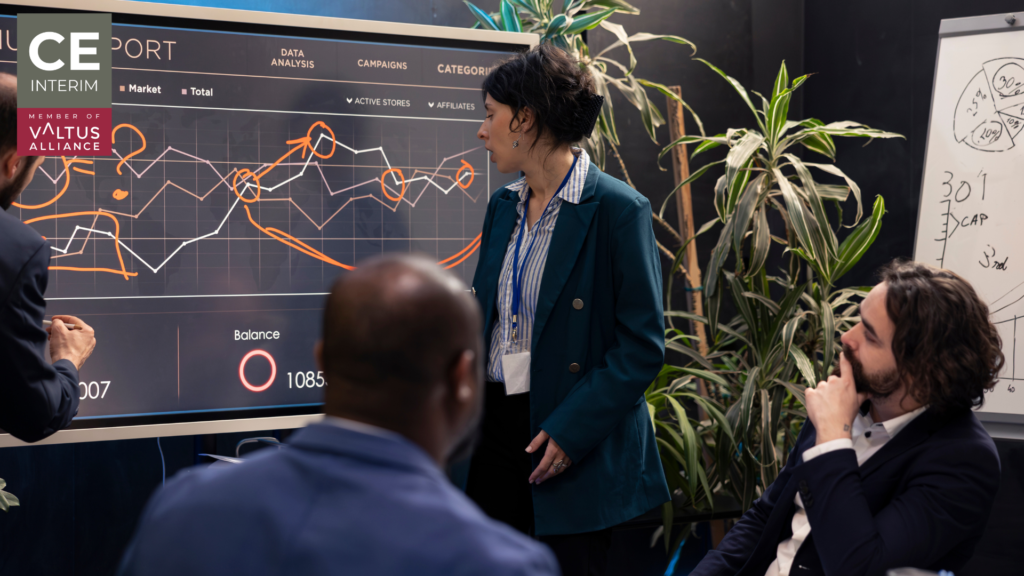
En resumen, la falta de fiabilidad en los informes de gestión de una filial manufacturera polaca rara vez se trata de un error aislado. Es un patrón que se va gestando silenciosamente, trimestre tras trimestre. Al final, el Consejo de Administración ya no puede confiar en las cifras que presenta la planta. En ese momento, la tarea no consiste en renegociar los objetivos ni en solicitar otra conciliación. Consiste en establecer una base de datos contrastada. Eso significa una visión única y conciliada del efectivo, el inventario y el margen que tanto la sede central como el equipo financiero local acepten como un hecho. Un director financiero interino con autoridad sobre la banca y el sistema ERP desde el primer día puede asegurar la liquidez rápidamente. En el plazo de dos semanas, el director financiero suele también poner fin a los informes informales. A continuación se lleva a cabo la conciliación entre los datos legales y los de gestión, antes de que el Consejo tome cualquier decisión estructural. Cuando los problemas de fiabilidad en los informes de gestión de una filial extranjera revelan datos de gestión inexactos, los equipos financieros del Grupo rara vez descubren una única cifra errónea catastrófica. La falta de fiabilidad en los informes de gestión suele ir en aumento de forma gradual, y cada caso parece explicable por sí solo. El cierre de fin de mes se retrasa unos días. El departamento financiero local lo achaca a un ajuste manual de los tipos de cambio o a un repunte en el precio de las materias primas. Los valores de los trabajos en curso se desvían. El margen se reduce, y luego se reduce de nuevo. La sede central suele tolerar esta situación durante dos o tres trimestres. Esa paciencia es comprensible, no un fallo en la supervisión. Cuestionar directamente al equipo financiero local, en plena fase de producción, es un instinto razonable. La desviación aún podría tener una explicación inocente, y perturbar una planta que sigue realizando envíos a los clientes conlleva su propio riesgo. La dificultad radica en que esa misma paciencia da tiempo a que una desviación sin resolver se agrave. Bajo la presión constante de cumplir el margen presupuestado, un equipo financiero local puede empezar a crear «puentes de conciliación» informales. Estos se sitúan al margen del libro mayor principal: hojas de cálculo que aplazan el reconocimiento de los desechos, suavizan las amortizaciones de existencias o capitalizan desviaciones que el equipo debería haber contabilizado como gastos. Nadie se propone necesariamente falsear los resultados de la empresa. Estos «puentes» suelen comenzar como una forma de explicar una discrepancia a la sede central, para luego convertirse en el mecanismo que la oculta. El detonante de la intervención rara vez es un debate contable. Es el momento en que el director financiero del grupo se da cuenta de que el margen consolidado y la generación real de efectivo ya no coinciden. Esa discrepancia se hace demasiado grande como para respaldar con confianza las previsiones externas, una negociación sobre las condiciones de un préstamo bancario o una decisión de asignación de capital. Por qué se afianza la información de gestión poco fiable en una filial manufacturera polaca: la información contable reglamentaria polaca y la de gestión del grupo suelen ser dos sistemas separados, que se concilian manualmente. No se trata de un único sistema con dos denominaciones. Una entidad debe llevar libros contables reglamentarios formales (księgi rachunkowe) según un plan de cuentas estandarizado (plan kont). El artículo 4, apartado 5, de la Ley de Contabilidad polaca atribuye la responsabilidad jurídica directa de dichos libros al responsable de la entidad, el kierownik jednostki. Esa responsabilidad es personal, y delegar la tarea en un jefe de contabilidad no exime de ella. Esto genera un sesgo natural en materia de cumplimiento hacia las autoridades legales y fiscales polacas, y no hacia la plantilla de consolidación del grupo. En la práctica, los equipos financieros locales llevan los libros contables legales en software local, normalmente Symfonia, Comarch Optima o una configuración local de SAP. A continuación, una capa de mapeo manual traslada esas cifras a la plataforma de consolidación del grupo, ya sea OneStream, Tagetik o Hyperion. Cada puente manual es un punto en el que pueden introducirse distorsiones sin que nadie se dé cuenta, ya que nadie se responsabiliza de la conciliación de principio a fin. Dónde las distorsiones en la fabricación provocan informes de gestión inexactos En una operación de fabricación, esa distorsión se concentra en cuatro áreas. El trabajo en curso y los desechos son uno de ellos. Ante la presión por el rendimiento, una planta puede aplazar el reconocimiento de los desechos en lugar de contabilizarlos como gasto en el coste de los productos vendidos. El cálculo de costes estándar es otro. Cuando la eficiencia de la línea de producción disminuye, el departamento financiero puede capitalizar las variaciones negativas de absorción en los productos terminados en lugar de contabilizarlas como gastos, lo que infla silenciosamente el margen contable. El momento del cierre contable y la contabilización de los cargos a cuenta es un tercer punto. Los controladores a veces retienen facturas fuera del sistema a fin de mes para proteger una partida presupuestaria de gastos operativos. Los precios de transferencia entre empresas del mismo grupo son un cuarto punto. Cuando los equipos contabilizan los márgenes entre la sede central y la entidad polaca de forma inconsistente, las discrepancias en la conciliación nunca se resuelven por completo. Nada de esto implica mala fe por ninguna de las partes. Se debe a un sistema en el que coexisten dos conjuntos de libros contables. Solo uno de ellos está sujeto a la disciplina de la auditoría legal, con un puente invisible que los conecta. Cómo identifican los consejos de administración los informes de gestión contradictorios y los problemas de presentación de informes: una opinión de auditoría con salvedades es un indicador rezagado. Para cuando llega, el consejo de administración suele llevar ya varios trimestres inmerso en un fallo en la presentación de informes. Las primeras señales se encuentran en los flujos de trabajo rutinarios de fin de mes, y ninguna de ellas parece alarmante por sí sola. Los ajustes manuales persistentes en la herramienta de consolidación son la señal más clara. Esto cobra especial importancia cuando no se remontan al libro mayor del ERP: el departamento financiero está manipulando las cifras para cumplir un objetivo, en lugar de extraerlas del sistema de registro. Una brecha cada vez mayor entre el EBITDA declarado y el saldo de caja real es la siguiente señal. El efectivo no miente como puede hacerlo una cuenta de devengos. Una antigüedad de las existencias que supera el volumen de producción suele indicar existencias obsoletas o material de desecho no registrado. El responsable financiero local debería elaborar un puente conciliado entre la presentación reglamentaria y el informe del grupo en un plazo de un par de días. De no ser así, nadie dispone actualmente de ambas perspectivas a la vez. La elevada rotación entre los contables de planta es una señal más sutil, pero real, especialmente si va acompañada de un responsable financiero inusualmente celoso del acceso a las transacciones. La conciliación se ha convertido en la responsabilidad privada de una sola persona, en lugar de ser una disciplina compartida por toda la organización. Cualquiera de estas señales puede tener una explicación inocente. Si se dan dos o tres a la vez, durante varios trimestres consecutivos, significa que el Consejo de Administración ya se encuentra inmerso en el problema, en lugar de estar abordándolo. Cómo un director financiero interino restablece el control de la información y construye una base única de datos verificados: la auditoría externa rara vez soluciona los informes de gestión poco fiables. Los auditores comprueban el cumplimiento mediante muestreo al cierre del ejercicio. No reconstruyen un proceso diario de asignación de costes. Restablecer el control requiere la presencia de un ejecutivo in situ. Ese ejecutivo necesita la autoridad para cambiar la forma en que la planta elabora sus cifras, no solo para revisarlas a posteriori. Semanas 1-2: Recuperación de la información por parte del director financiero interino, aseguramiento de la liquidez y congelación de los «puentes» Un director financiero interino asume el control directo de las órdenes bancarias, la autorización de pagos con doble firma y los derechos de contabilización en el ERP. El director financiero congela, en lugar de eliminar, las hojas de cálculo externas que sirven de puente entre las cifras reglamentarias y las del grupo
Cuando el cierre de una planta polaca afecta al calendario de reestructuración checo: por qué resulta imposible tomar decisiones paralelas

Un grupo industrial alemán con plantas de producción en Polonia y la República Checa debe tomar una decisión a nivel del consejo de administración en un plazo de seis semanas. La planta polaca es deficitaria y está consumiendo liquidez. La planta checa tiene un rendimiento inferior al esperado, pero es recuperable desde el punto de vista operativo. El capital disponible para la reestructuración asciende a unos 35 millones de euros en ambos países. Aquí radica el problema fundamental: la decisión de cerrar la planta polaca desencadena inmediatamente una decisión de reestructuración en la República Checa que no puede posponerse, reordenarse ni gestionarse de forma independiente. Cuando un país se enfrenta a un cierre y el otro requiere una reestructuración, la cascada de cierres y reestructuraciones en varios países de Europa Central y Oriental (CEE) provoca un bloqueo en la toma de decisiones ejecutivas. Esto obliga a un consejo de administración desprevenido a tomar una decisión que nadie había previsto. Comprender por qué las decisiones paralelas se vuelven imposibles es esencial para cualquier líder industrial de la región DACH que gestione operaciones en Europa Central y Oriental. Los primeros 30 días: cómo comienza la cascada de cierres y reestructuraciones multinacionales en Europa Central y Oriental. Una vez que el consejo de administración aprueba el cierre de la planta polaca, se activan simultáneamente los requisitos de notificación en ambos países. Y lo más importante: ambos plazos se solapan. Ninguno de ellos puede aplazarse sin riesgo legal. Este desencadenante simultáneo pone en marcha la cascada que caracteriza las situaciones de cierre y reestructuración en varios países de Europa Central y Oriental (CEE). Los plazos de notificación entran en conflicto simultáneamente. El Código Laboral polaco exige a los empleadores que notifiquen a la Oficina de Empleo del Distrito en un plazo de 20 días a partir de la decisión de despido colectivo. Al mismo tiempo, la consulta sindical debe tener lugar dentro de ese mismo plazo de 20 días. Además, el Código Laboral checo impone un plazo mínimo de preaviso de 30 días a la Oficina de Empleo y a los representantes de los trabajadores antes de que surtan efecto las notificaciones de despido. El resultado es claro: ambas notificaciones deben realizarse. Ambos plazos discurren en paralelo. La capacidad ejecutiva se divide entre dos decisiones. El cierre requiere acciones específicas: condiciones de despido, cálculo de indemnizaciones, inventario de activos, secuencia de reducción gradual de la producción, notificación a los acreedores y planificación de la continuidad del servicio a los clientes. La reestructuración requiere acciones diferentes: eliminación de funciones, decisiones de inversión en productividad, previsiones de capital circulante y objetivos de rendimiento. En consecuencia, en el periodo superpuesto de entre 20 y 30 días, el cierre en Polonia acapara toda la atención del equipo operativo. Mientras tanto, la decisión de reestructuración en la República Checa se ve forzada a encajar en una agenda ya saturada. Precisamente por eso, los escenarios de cierre y reestructuración en varios países de Europa Central y Oriental (CEE) crean problemas de capacidad a nivel directivo. Semanas 4 – 8: la presión sobre el flujo de caja llega antes de que se destine el capital para la reestructuración Una vez concluida la fase de notificación, la realidad financiera se acelera rápidamente. Las obligaciones por indemnizaciones por despido se convierten en pasivos concretos. Los acreedores y proveedores reconocen la señal de cierre. Además, los ciclos de pago del sector manufacturero se acortan precisamente en el momento en que la liquidez es más limitada. Presiones en los ciclos de pago y endurecimiento del flujo de caja: las condiciones de pago estándar en el sector manufacturero suelen oscilar entre 60 y 90 días netos en las relaciones B2B industriales. Cuando los proveedores detectan señales de cierre, reducen su exposición crediticia. Muchos exigen el pago por adelantado o aceleran los plazos de cobro de las facturas. Como resultado, las cuentas por pagar se acortan, mientras que el cobro de las cuentas por cobrar se ralentiza. El director financiero debe hacer frente de inmediato a la presión de los acreedores y preservar el acceso a las líneas de crédito para capital circulante. Mientras tanto, la inversión en la reestructuración checa sigue a la espera de aprobación. Déficit en la asignación de capital: 35 millones de euros, insuficientes para ambos países. Esta aritmética de capital no figuraba en la agenda del consejo de administración seis semanas antes. En la semana 8, el director financiero ya ha comprometido capital para el cierre de la planta polaca. Ahora, el director financiero debe informar al consejo de administración de que la reestructuración checa no puede financiarse según lo previsto inicialmente. Esta situación es típica de los conflictos que surgen en las reestructuraciones con cierre en varios países de Europa Central y Oriental. Semanas 8-16: la ventana de reestructuración del segundo país se cierra de forma irreversible. En esta fase, el cierre de la sede polaca se hace público. Los empleados cumplen sus plazos de preaviso. Los pedidos de los clientes se transfieren o se cancelan. La venta de activos entra en fase de negociación. Lo más importante es que, en la República Checa, el mensaje para la plantilla se vuelve inequívoco: la sede central está reduciendo la cartera de proyectos. La República Checa podría ser la siguiente. El riesgo de retención de personal se agrava y la capacidad técnica se erosiona. El director de la planta checa atiende llamadas semanales de personal técnico cualificado que ha recibido ofertas de trabajo en otros lugares. Al mismo tiempo, el director financiero no ha liberado el compromiso de capital para la planta checa. El director de operaciones no ha publicado un plan de recuperación. En consecuencia, la incertidumbre se prolonga de días a semanas. En la semana 12, la planta pierde a dos técnicos superiores y a tres ingenieros junior. La calidad de la producción se deteriora. Las quejas de los clientes aumentan sustancialmente. El retraso convierte el potencial de recuperación en un deterioro operativo. Las soluciones cuya implementación costaba 12 millones de euros en la semana 2 ahora cuestan 18 millones de euros en la semana 10. Cada semana de retraso en la reestructuración merma el rendimiento de forma sistemática. La moral decae porque no se ha asumido ningún compromiso. Los clientes reducen el volumen de pedidos debido a que el cumplimiento de las entregas se está degradando. Las condiciones de pago a los proveedores empeoran debido al deterioro del historial de pagos. En la semana 14, la planta checa pasa de ser candidata a la reestructuración a ser candidata al cierre. El consejo de administración se enfrenta a una disyuntiva diferente a la prevista: reestructurar a un alto coste con resultados inciertos, o cerrar para preservar el capital. Este deterioro no es inevitable. Es consecuencia directa de la cascada de reestructuraciones con cierres en varios países de Europa Central y Oriental. La elección de la secuencia: ejecución secuencial o paralela en la reestructuración con cierre en varios países. El consejo de administración se enfrenta a una elección binaria. Ninguna de las opciones resulta atractiva. Ambas conllevan costes y riesgos significativos. En esencia, la elección es entre resultados aceptables y resultados peores. Opción 1: Ejecución secuencial (cerrar primero Polonia y luego la planta checa) Opción 2: Ejecución paralela (gestionar ambas simultáneamente) ¿Quién decide la secuencia y cuándo se rompe la autoridad? Formalmente, es el Consejo de Administración o el Consejo de Supervisión quien decide la secuencia en las decisiones de reestructuración con cierre en varios países de Europa Central y Oriental. En la práctica, el director financiero, el director de operaciones y el Consejo de Administración deben ponerse de acuerdo. Cuando falla la coordinación, la autoridad se desglosa entre la realidad operativa y la preferencia estratégica. Preferencia del Consejo frente a la realidad operativa. Posición del Consejo: se prefiere la ejecución paralela. La ejecución paralela reduce la duración total del proceso y preserva la flexibilidad de la reestructuración checa. Evaluación del director de operaciones: la ejecución paralela es inmanejable desde el punto de vista operativo. No es posible ejecutar con excelencia dos acciones importantes de la cartera al mismo tiempo. Es seguro que se producirá un déficit de calidad en una o ambas iniciativas. Preocupación del director financiero: la adecuación del capital es insuficiente. El director financiero aboga por una ejecución secuencial: completar primero el cierre en Polonia, preservar el colchón de capital y, a continuación, proceder a la reestructuración en la República Checa solo si hay capital disponible y se alivia la presión de los acreedores. Lagunas de autoridad transfronterizas cuando las decisiones no pueden alinearse. El director nacional de Polonia aboga por una secuencia de cierre rápida. Por el contrario, el director nacional checo aboga por un compromiso claro de reestructuración con un respaldo de capital visible. Ambas posiciones son correctas desde el punto de vista operativo. No es posible satisfacerlas simultáneamente. La Directiva 98/59/CE de la UE y la Directiva 2019/2121 sobre reestructuración transfronteriza establecen marcos jurídicos, pero no resuelven la secuencia de ejecución. El director financiero controla la liberación de capital. Cuando el director financiero retiene el capital destinado a la reestructuración checa a la espera de la resolución de los acreedores polacos, la decisión de ejecución paralela del consejo de administración se convierte, en la práctica, en una ejecución secuencial. La autoridad se desintegra.
 EN
EN  DE
DE  FR
FR  IT
IT  PL
PL  RO
RO  CS
CS  SK
SK  HU
HU  ES
ES  RU
RU  AR
AR  SL
SL