L'escalade vers le service client est le dernier signal, pas le premier : reprendre le contrôle dans une usine automobile roumaine

v
Pourquoi l'intégration post-fusion piétine-t-elle dans les usines polonaises détenues par des entreprises allemandes ?

En bref : l’intégration post-fusion entre les propriétaires allemands et les usines polonaises rachetées s’enlise souvent au cours de la première année, non pas pour des raisons techniques, mais parce que les structures centralisées allemandes de reporting et d’approbation sont mises en place plus rapidement que ne peut les assimiler l’autorité opérationnelle locale. Les hypothèses de synergie s’effondrent discrètement tandis que les deux parties pensent que l’intégration est en bonne voie. Pour relancer la dynamique, il faut un cadre sur place doté de l’autorité nécessaire pour traduire la gouvernance du groupe en décisions quotidiennes au sein de l’usine, une délégation claire des pouvoirs dès le premier jour, et un processus qui stabilise le flux opérationnel avant l’harmonisation des systèmes administratifs. Les premiers signes de friction dans les acquisitions d’usines polonaises que les conseils d’administration ignorent : les frictions commencent généralement en douceur. Les rapports d’intégration mensuels d’une usine de Poznań, Katowice ou Bydgoszcz commencent à faire état d’étapes non franchies : une migration vers l’ERP retardée par la complexité des systèmes locaux, une économie sur les achats reportée car les contrats existants avec les fournisseurs doivent être réexaminés, un recul des performances de livraison attribué à la réorganisation post-acquisition. Aucune de ces explications n’est déraisonnable en soi. Après avoir défendu la valorisation et les arguments en faveur des synergies devant un comité d’investissement, l’instinct d’un conseil d’administration est de considérer ces frictions précoces comme un ajustement normal, et non comme un signal d’alerte. Cet instinct est compréhensible. Le risque est que chaque explication, raisonnable prise isolément, retarde le moment où le siège pose une question plus difficile : l’usine est-elle réellement en cours d’intégration, ou exploite-t-elle deux systèmes parallèles qui semblent tous deux acceptables vus de loin ? Une étude de McKinsey & Company sur la réalisation des synergies post-fusion met en évidence une tendance qui corrobore ce constat : les acquéreurs surestiment systématiquement la rapidité de la réalisation des synergies et sous-estiment les frictions ponctuelles liées à l’intégration, et plus de soixante pour cent des fusions industrielles ne parviennent pas à atteindre les marges d’exploitation prévues lors de la signature. L’érosion de la valeur dans les acquisitions du secteur manufacturier tend à se produire progressivement plutôt que sous la forme d’un événement ponctuel et visible, ce qui explique précisément pourquoi il est difficile pour un conseil d’administration d’intervenir dès le troisième ou quatrième mois. Causes structurelles de l’échec post-fusion dans les opérations germano-polonaises : la Pologne est l’un des partenaires industriels les plus importants de l’Allemagne, et les liens industriels bilatéraux sont profondément ancrés. Cette proximité peut rendre la distance opérationnelle plus facile à sous-estimer. La difficulté réside rarement dans la langue. Elle tient à la différence entre la manière dont les décisions étaient prises avant l’acquisition et celle que le nouveau propriétaire attend désormais. De nombreuses entreprises industrielles polonaises rachetées ont été bâties par des fondateurs-propriétaires qui dirigeaient l’usine grâce à des relations directes avec le personnel de production et à des décisions verbales rapides. Lorsqu’une maison mère allemande met en place des lignes hiérarchiques matricielles exigeant l’aval fonctionnel du siège pour des questions courantes telles que la réparation d’un outillage ou un changement d’équipe, la prise de décision locale ne gagne pas en rigueur. Elle devient plus lente, et les personnes qui disposaient auparavant de cette autorité commencent à perdre la capacité d’agir en fonction de ce qu’elles constatent sur le terrain. Un deuxième problème, plus insidieux, ne tarde pas à se manifester. Les rapports d’entreprise peuvent donner l’impression d’une harmonisation sans qu’il y ait de substance réelle. Les équipes locales apprennent à remplir les modèles attendus par le siège tout en continuant à gérer les opérations quotidiennes à l’aide de registres informels qui reflètent mieux la réalité du terrain. Aucune des deux parties n’agit de mauvaise foi. Le siège a besoin de rapports standardisés pour gérer un portefeuille ; l’usine a besoin d’un mode de fonctionnement de la production que le modèle standard n’a pas été conçu pour saisir. Il en résulte deux versions de la vérité, toutes deux défendues avec sincérité. Deux autres effets viennent aggraver cette situation. Les responsables de production qualifiés, les ingénieurs en automatisation et les outilleurs sont très recherchés dans les pôles industriels tels que la Basse-Silésie et la Grande-Pologne. Lorsque l’intégration alourdit la charge administrative et supprime les pouvoirs de décision sans les remplacer par une plus grande clarté, ce sont précisément ces talents qui sont les plus susceptibles de partir chez un concurrent. De plus, les déploiements d’ERP ou de processus conçus de manière centralisée, mis en place sans implication étroite de l’atelier, partent souvent du principe que les configurations des machines, les délais de livraison des fournisseurs et les modes de fonctionnement de la main-d’œuvre correspondent à ceux de l’usine en question, ce qui n’est pas le cas. Une étude du Boston Consulting Group sur les cadres d’intégration post-fusion souligne un point similaire : un modèle opérationnel cible conçu sans la participation du personnel de terrain a tendance à créer les goulots d’étranglement opérationnels qu’il était censé éviter. Principaux indicateurs d’alerte d’une intégration post-fusion au point mort dans le secteur manufacturier Un conseil d’administration n’a pas besoin d’attendre un bilan officiel pour constater si une usine acquise a basculé dans ce schéma. Quelques signes, lorsqu’ils apparaissent simultanément, constituent un indicateur fiable. Les courbes de synergies s’aplatissent après les cent premiers jours : les remises d’approvisionnement initiales ont été obtenues, mais la réaffectation prévue de la production, les services partagés et la rationalisation de l’outillage ne montrent plus de progrès. Les rapports commencent à diverger : un ensemble de chiffres est préparé pour le siège social allemand, tandis qu’un autre, informel, est utilisé pour la gestion quotidienne de l’usine. Les dirigeants locaux en place passent d’une implication active à une conformité passive : ils participent aux visioconférences, mais n’assument plus la responsabilité personnelle des écarts opérationnels. Les clients des gammes de produits établies, auparavant servis de manière fiable, commencent à constater une instabilité, la production étant perturbée par des changements de processus ou des décisions d’achat centralisées. Et le siège social commence à envoyer ses propres contrôleurs de gestion et spécialistes fonctionnels pour des visites répétées afin de gérer les fonctions de base de l’usine, ce qui engendre des coûts supplémentaires sans renforcer les capacités locales. Lorsque trois de ces signes, voire plus, sont présents au cours de la première année, le modèle d’intégration sous-jacent doit être modifié. Une nouvelle série de rapports destinés à la direction centrale, ou le recours à un cabinet de conseil en stratégie pour réécrire le plan d’intégration, ne fait que s’attaquer à la paperasserie plutôt qu’au déficit d’autorité qui freine réellement la reprise. Stratégies de redressement pour redonner de l’élan aux usines après une acquisition Redonner de l’élan signifie remplacer la supervision à distance par un leadership sur site capable de concilier simultanément les deux aspects de la relation : rendre des comptes à la gouvernance du groupe, tout en étant suffisamment proche de l’usine pour prendre les décisions dont celle-ci a réellement besoin. Gérer la gouvernance transfrontalière et l’autonomie opérationnelle locale Aucune des deux parties à cette relation n’est responsable de cette dérive, et aucune ne peut y remédier seule. Le siège social travaille à partir d’informations agrégées et décalées dans le temps, et il a raison de vouloir des rapports fiables, une discipline en matière de capital et une voie rapide vers l’escalade. L’équipe locale travaille dans le cadre d’une structure hiérarchique pour laquelle elle n’a pas été conçue, et sa demande de délais réalistes et de pouvoirs décisionnels effectifs est tout aussi raisonnable. Le rôle d’un dirigeant sur place consiste à établir une base factuelle commune et une structure décisionnelle unique permettant aux deux parties
Redressement, restructuration ou fermeture : choisir le bon avenir pour un site tchèque

En bref : lorsqu’une filiale de production tchèque manque systématiquement ses objectifs financiers, un actionnaire suisse se trouve confronté à l’un des trois choix suivants : redressement opérationnel, restructuration structurelle ou fermeture ordonnée. Le choix approprié dépend de la compétitivité des produits, de la rentabilité unitaire et de l’autonomie financière, qu’il convient de mettre en balance avec les obligations légales découlant du Code du travail tchèque et de la loi sur l’insolvabilité. Chaque voie nécessite un mandat de direction différent et un type d’autorité différent sur le terrain. Le risque n’est pas de faire le mauvais choix. Il est de ne pas faire de choix du tout, et de perdre ainsi les liquidités et le temps nécessaires pour bien choisir. Pourquoi les conseils d’administration suisses tardent-ils à prendre des décisions concernant le redressement des usines tchèques ? Dans les salles de réunion de Zurich, Bâle et Winterthour, une usine tchèque peu performante fait rarement l’objet de discussions objectives. Un groupe industriel suisse ou un fonds de capital-investissement ayant investi dans l’acquisition, la modernisation ou l’extension d’un site à Plzeň, Brno ou Liberec a de bonnes raisons de croire en son dossier d’investissement initial. Revenir sur cette position, en public, devant des collègues et des investisseurs, est véritablement difficile. L’instinct qui pousse à accorder plus de temps au site est raisonnable. Une nouvelle injection de capitaux, un changement à la tête de la direction commerciale ou un trimestre supplémentaire pour permettre à la demande industrielle européenne de se redresser peuvent tous sembler être des choix responsables et patients. Une analyse du secteur industriel réalisée par PwC Suisse sur la restructuration de l’industrie manufacturière met en évidence une tendance sous-jacente à cet instinct : la faiblesse des exportations et l’inflation persistante des coûts peuvent transformer un léger déficit de trésorerie mensuel en un problème de bilan avant même que la direction n’ait pleinement pris conscience du changement. La difficulté réside dans le fait que le report n’est pas une position neutre. Chaque mois où le conseil d’administration reporte une décision entre redressement, redimensionnement ou fermeture, la filiale consomme des liquidités qui pourraient autrement financer les indemnités de licenciement, le réoutillage des clients ou une liquidation contrôlée. Si l’on attend trop longtemps, le choix s’impose de lui-même : les réserves de trésorerie s’épuisent, et le contrôle passe de la maison mère suisse aux banques tchèques, aux créanciers et aux tribunaux d’insolvabilité. La tâche du conseil d’administration consiste à prendre la décision tant qu’il dispose encore d’options, et non après que celles-ci se sont réduites à une seule. Les principaux défis des stratégies de redressement des usines suisses implantées de l’autre côté de la frontière : les activités manufacturières tchèques sont souvent techniquement solides et profondément ancrées dans les chaînes d’approvisionnement européennes, ce qui rend la décision plus lourde de conséquences, et non plus simple. Quatre facteurs structurels compliquent la prise de décision depuis Zurich. Critères de diagnostic : redressement opérationnel, restructuration des capacités ou fermeture de l’usine. Le diagnostic ne porte pas sur la gravité des chiffres, mais sur leurs causes. Quatre questions, évaluées conjointement, indiquent une voie différente. Critère de diagnostic Redressement opérationnel Restructuration des capacités Fermeture ordonnée Demande du marché et carnet de commandes La demande pour les produits phares est forte ; il existe un carnet de commandes, mais celui-ci n’est pas honoré en raison de goulots d’étranglement dans l’usine. La demande a définitivement évolué ; certaines gammes historiques sont structurellement non rentables. La demande s’est effondrée ou s’est déplacée vers des zones géographiques à moindre coût ; il ne reste plus de marché viable à long terme. Santé opérationnelle Pannes de machines, cadence quotidienne faible, taux de rebut élevé, supervision irrégulière de l’atelier. Surcapacité ; les frais généraux fixes dépassent les volumes actuels et prévisionnels de plus de 40 %. La technologie de production est obsolète ; les investissements nécessaires à la modernisation ne permettent pas d’atteindre le taux de rentabilité minimal de l’entreprise. Marges contributives unitaires : marge brute positive par unité ; pertes dues aux rebuts, aux heures supplémentaires et aux frais de transport majorés. Marges variables positives sur les gammes principales, négatives sur les gammes secondaires ; l’absorption des frais généraux est déficiente. Marge brute négative même à pleine capacité théorique ; la hausse des coûts des intrants ne peut être répercutée sur les clients. Autonomie financière : fonds de roulement suffisant ; la consommation de trésorerie peut être stoppée dans les 60 à 90 jours suivant la stabilisation de l’atelier. Trois à six mois de liquidités pour financer les indemnités de licenciement, la résiliation des baux et la consolidation des lignes de production. La liquidité est fortement limitée ; la poursuite de l’activité expose les dirigeants à une responsabilité civile et à un risque d’insolvabilité en vertu du droit tchèque. Lorsque les marges brutes se maintiennent et que le carnet de commandes est intact, le site a besoin d’un redressement opérationnel. Lorsque certaines lignes de production sont obsolètes ou que l’empreinte industrielle ne correspond plus à la demande, une restructuration s’impose. Lorsque la rentabilité unitaire est négative et que la technologie ne peut plus être rendue rentable, le conseil d’administration envisage une fermeture ordonnée, qu’il l’ait encore déclaré ou non. Adapter les pouvoirs de direction au mandat de restructuration du site tchèque Ces trois voies ne constituent pas simplement des degrés d’intensité différents d’une même tâche. Chacune requiert un mandat distinct, un champ de compétences distinct et une tolérance au risque différente ; c’est le diagnostic ci-dessus qui doit déterminer laquelle le conseil d’administration choisira de confier. Si l’on attribue des pouvoirs avant que le diagnostic ne soit achevé, le mandat sera élaboré sur la base d’une hypothèse plutôt que des réalités du site. Comme le souligne l’étude de McKinsey sur le leadership en matière de redressement, la rapidité d’exécution et le pouvoir de décision doivent correspondre aux enjeux du mandat spécifique, et non à un mandat provisoire générique. Attribuer une autorité inadaptée à un mandat inapproprié est l’une des façons les plus courantes pour un conseil d’administration de perdre un temps qu’il ne pourra jamais rattraper : un spécialiste du redressement dépourvu d’autorité statutaire ne peut pas mener à bien une liquidation, et un dirigeant axé sur la liquidation considérera chaque problème opérationnel comme irrémédiable, même lorsqu’un redressement est réellement possible. Comment la direction intérimaire fait le lien entre le siège de Zurich et les opérations tchèques Aucune de ces trois voies ne peut être mise en œuvre depuis Zurich uniquement, et aucune ne doit être laissée entièrement à l’interprétation de l’équipe locale. Le siège social a besoin d’une base factuelle fiable et détaillée : coûts unitaires, données sur les rebuts, autonomie financière, risque client, exprimés en termes permettant au conseil d’administration d’agir, plutôt qu’un résumé mensuel trop agrégé pour être utile. L’équipe locale a besoin d’un dirigeant responsable doté d’une autorité clairement définie, afin que la direction de l’usine ne soit pas amenée à gérer un redressement, une restructuration ou une liquidation en recevant simultanément des instructions contradictoires de la part de multiples parties prenantes. Le rôle de CE Interim consiste à établir cette base factuelle commune et cette chaîne de responsabilité unique, puis à nommer le dirigeant dont l’autorité correspond au mandat que le diagnostic met effectivement en évidence. Cela implique de confirmer, avant la mobilisation, quelles décisions relèvent du conseil d’administration suisse, lesquelles reviennent au dirigeant intérimaire, et quels événements nécessiteraient un renvoi à Zurich : par exemple, une détérioration de la rentabilité unitaire dépassant les seuils fixés dans le cahier des charges, ou un client signalant son intention d’invoquer une clause d’arrêt de production. Ces seuils de déclenchement sont convenus avant l’entrée en fonction du dirigeant, et non improvisés une fois le mandat en cours. Une fois le mandat défini, un dirigeant expérimenté et adapté au mandat peut
Pourquoi la discipline sur le lieu de travail se détériore-t-elle dans les usines roumaines détenues par des entreprises allemandes ?

Dans les usines roumaines, la discipline sur le lieu de travail ne faiblit que rarement, en raison de la culture d'entreprise. Découvrez comment le « travail standard des responsables », la gestion visuelle, une procédure claire de remontée des problèmes et une autorité de supervision renforcée permettent de rétablir une exécution cohérente.
De la gestion des urgences à la cadence d'exploitation : refondre la gestion quotidienne dans une usine polonaise

En bref : lorsqu'une usine de fabrication polonaise se retrouve prise dans un cycle chronique de gestion de crise, les propriétaires allemands interprètent souvent les longues heures de travail et l'activité incessante comme un signe d'engagement plutôt que comme un signal d'alarme. Le problème sous-jacent réside rarement dans les compétences techniques ou la résistance locale. Il s’agit plutôt de la rupture d’un rythme de gestion quotidien structuré qui relie la réalité sur le terrain aux pouvoirs décisionnels de la direction. En l’absence de revues quotidiennes à plusieurs niveaux, de seuils d’escalade clairs et d’une résolution disciplinée des problèmes, la direction locale passe ses journées à gérer les urgences au lieu de les prévenir. Pour reprendre le contrôle, il faut avant tout un directeur d’usine responsable, capable de rétablir ce rythme sur le terrain. CE Interim peut mettre à disposition un cadre expérimenté, dont le profil correspond à la mission, prêt à prendre ses fonctions dans les 72 heures suivant la finalisation du brief de mission. Pourquoi les conseils d’administration des entreprises manufacturières allemandes tolèrent-ils la gestion de crise opérationnelle ? À Stuttgart, Munich et Francfort, les conseils d’administration interviennent rarement dès les premiers signes de dérive opérationnelle, et il existe une explication raisonnable à cela. Depuis des mois, les directions locales des usines de Wrocław, Katowice ou Poznań avancent des raisons plausibles pour justifier les baisses de production : des rebuts attribués à la variabilité des fournisseurs, des heures supplémentaires justifiées par des modifications de commande urgentes de la part des clients, des retards d’expédition imputés aux perturbations du transport de marchandises en Europe. Chaque explication est crédible en soi. Lorsque tout le monde travaille douze heures par jour et répond à des e-mails après minuit, on comprend que le siège social interprète cet effort comme un engagement. La difficulté réside dans le fait que les longues heures de travail et l’activité constante ne sont pas synonymes de progrès opérationnel. Accorder à l’usine un trimestre supplémentaire pour se redresser par ses propres moyens peut sembler être la décision la plus sûre et la plus solidaire. Le risque est que l’usine ne manque ni d’efforts ni de ressources. Elle a perdu son rythme de fonctionnement, et les heures supplémentaires ne suffisent pas à elles seules à le rétablir. Le dilemme auquel le conseil d’administration est en réalité confronté ne porte pas sur la question de savoir s’il faut faire confiance à la direction locale. Il s’agit de savoir s’il faut laisser l’usine tenter de retrouver son propre rythme pendant un trimestre supplémentaire, avec le risque que cela comporte pour l’entreprise, ou faire intervenir dès maintenant l’autorité de la direction, tant que la relation avec l’équipementier et la structure des coûts sont encore récupérables. Plus cette décision est reportée, moins il restera d’options sur la table au moment où elle sera prise. Le recours chronique à des mesures d’urgence est un défaut opérationnel coûteux, qui ne reflète en rien les compétences des personnes dirigeant l’usine. Lorsque les problèmes quotidiens sont résolus par des actions héroïques ponctuelles plutôt que par des routines standardisées, l’entreprise perd de la marge en raison d’heures supplémentaires non budgétisées, de frais de transport majorés, d’un taux de rebut excessif et de pénalités imposées par les clients. Une étude de McKinsey & Company sur la gestion de la performance en atelier montre que des routines de base en atelier et une gestion visuelle structurée peuvent permettre une amélioration opérationnelle immédiate de 5 à 8 %. Si rien n’est fait, un environnement opérationnel instable peut coûter à une installation industrielle entre 2 et 4 % de marge brute chaque trimestre. Résoudre la complexité opérationnelle dans le corridor industriel germano-polonais La mise en place d’une discipline opérationnelle quotidienne dans l’ensemble du corridor industriel germano-polonais implique une gouvernance spécifique et des dynamiques structurelles particulières. Les sites de production polonais disposent souvent de machines modernes, de cellules d’emboutissage automatisées et d’un personnel technique compétent, comme le soulignent des initiatives collaboratives telles que le projet de recherche de la Fraunhofer-Gesellschaft sur la fabrication de pointe germano-polonaise. La mise en œuvre transfrontalière tend toutefois encore à échouer à quatre niveaux prévisibles. Signes avant-coureurs d’une perte de cadence opérationnelle dans la fabrication Les dirigeants allemands et les responsables des opérations du groupe n’ont pas besoin d’attendre un audit d’un client OEM pour se rendre compte qu’un site polonais est pris au piège dans une gestion de crise permanente. Le schéma est visible au quotidien. Comment rétablir le contrôle opérationnel dans les sites industriels Le rétablissement du contrôle opérationnel ne se résume pas à de nouveaux manuels de politique ou à des logiciels supplémentaires. Elle nécessite une intervention de la direction sur site qui établisse quatre piliers opérationnels, selon une séquence bien définie. La cadence au niveau des équipes et une autorité claire en matière d’arrêt de la chaîne de production doivent d’abord être en place : sans elles, aucun autre élément de la séquence ne peut s’ancrer. La gestion visuelle et une discipline formelle axée sur les causes profondes peuvent alors être mises en place au cours des deux à trois premières semaines sans augmenter significativement les risques. Gestion quotidienne à plusieurs niveaux : renforcer la responsabilisation sur le terrain La discipline opérationnelle s’articule autour de trois revues structurées, menées debout, qui ont lieu chaque jour. Gestion visuelle et appropriation des performances par les équipes de première ligne Le suivi des performances doit revenir à des tableaux physiques ou interactifs situés au cœur de la production. Chaque cellule de production doit afficher la production horaire cible par rapport à la production réelle, les taux de rebut et les temps d’arrêt actuels de la ligne. Comme le souligne une étude de McKinsey sur la transformation des systèmes d’exploitation dans le secteur manufacturier, le fait de relier directement la performance visuelle de première ligne aux routines quotidiennes renforce la responsabilisation entre les équipes de travail plus efficacement qu’un tableau de bord examiné une fois tous les quinze jours. Des bacs à rebuts physiques, des zones de défauts identifiées et des outils de suivi des temps d’arrêt en temps réel remplacent les saisies tardives dans des feuilles de calcul en fin de semaine. Protocoles standardisés de résolution des problèmes et seuils d’escalade Un problème qui ne peut être résolu en moins de trente minutes au niveau 1 doit déclencher une escalade documentée vers le niveau 2. Les problèmes qui mettent en péril les volumes quotidiens d’expédition vers les clients sont directement escaladés vers le niveau 3. Chaque problème récurrent nécessite une analyse structurée de la cause première, telle que la méthode des « 5 pourquoi » ou le diagramme d’Ishikawa, avec un responsable désigné et un délai de résolution de soixante-douze heures. Cela permet de centrer les revues opérationnelles sur les faits plutôt que sur les spéculations. Définition des pouvoirs de décision en atelier et du leadership « Gemba » Les responsables de l’usine doivent passer au moins quarante pour cent de leur temps en atelier, à effectuer des tournées « Gemba » structurées. Les décisions relatives à la hiérarchisation de la maintenance, aux heures supplémentaires par équipe et à l’équilibrage des lignes de production doivent être prises au point de création de valeur, et non dans un fil de discussion par e-mail traversant les frontières. Les superviseurs de première ligne ont besoin d’une autorité claire pour arrêter la chaîne de production en cas de non-respect des seuils de qualité, sans craindre de représailles de la part de l’une ou l’autre partie. Faire le lien entre le siège social et les opérations de l’usine : le rôle des cadres intérimaires Le rétablissement du rythme de production n’est pas quelque chose que le siège social allemand peut diriger à distance, et ce n’est pas non plus quelque chose que la direction locale de l’usine peut reconstruire seule. La communication locale se dégrade généralement non pas parce que quelqu’un dissimule des faits, mais parce que les superviseurs manquent d’autorité et de seuils de remontée pour signaler les problèmes à un stade précoce et faire en sorte qu’ils soient traités. Le siège, quant à lui, a besoin d’une vision fiable des performances et de la certitude que les changements convenus sont effectivement mis en œuvre sur le terrain. L’usine a besoin d’un dirigeant responsable sur place, doté de l’autorité nécessaire pour prendre quotidiennement des décisions concernant les effectifs, les priorités de maintenance et les arrêts de production, sans attendre l’accord de l’autre côté de la frontière. CE Interim place un cadre intérimaire au cœur de cette brèche : responsable des résultats devant le siège social, intégré à l’usine pour l’exécution. Tout au long de sa mission, un partenaire de CE Interim assure la
Le « nearshoring » en Europe centrale et orientale souffre d'un manque de dirigeants
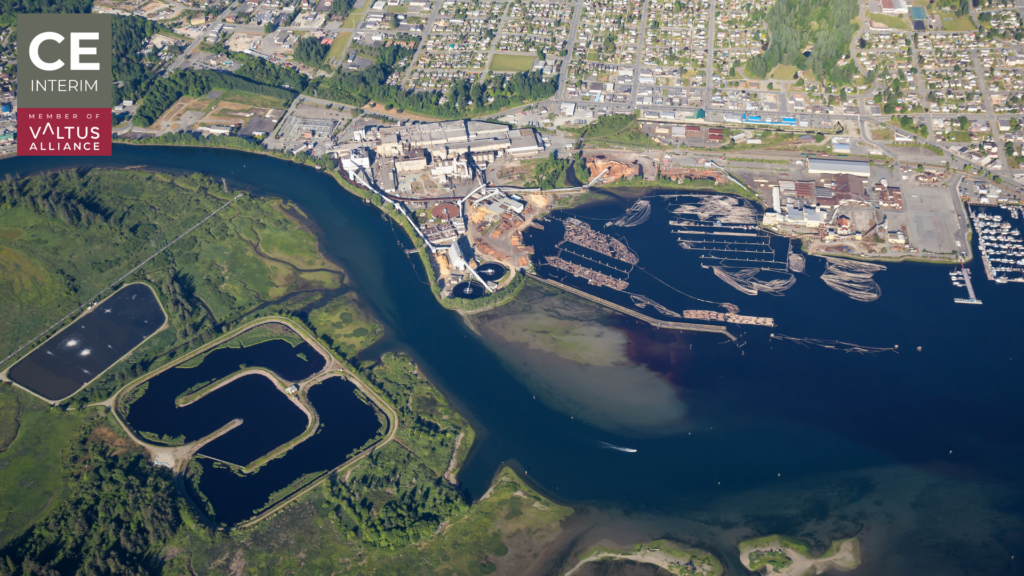
La Pologne a entamé l’année 2026 avec des usines, des chaînes de production et des engagements d’investissement qui progressaient plus rapidement que la main-d’œuvre disponible. L’Agence polonaise pour l’investissement et le commerce (PAIH) a fait état de 64 projets soutenus en 2025. Les investissements annoncés ont dépassé les 4 milliards d’euros, avec plus de 6 600 emplois prévus. Parmi ceux-ci, 42 projets de production représentaient plus de 3,6 milliards d’euros et environ 2 900 emplois prévus. Pour les conseils d’administration qui envisagent une délocalisation de proximité vers l’Europe centrale et orientale, ce rapport entre capital et emploi est déterminant. La question se pose alors de savoir qui est capable de rendre productive, dans les délais prévus, une capacité de production de plus en plus automatisée. L'Office central des statistiques de Pologne (Główny Urząd Statystyczny, GUS) a estimé que la production industrielle vendue avait augmenté de 3,11 TP3T en 2025 et que la productivité du travail avait progressé de 3,51 TP3T. L’emploi moyen a baissé de 0,51 TP3T, tandis que les salaires mensuels bruts nominaux ont augmenté de 8,01 TP3T. La Commission européenne a indiqué que 62,41 TP3T des entreprises industrielles polonaises considéraient la pénurie de main-d’œuvre comme un frein à la production au quatrième trimestre 2025. Dans l’ensemble de l’UE, ce chiffre s’élevait à 17,51 TP3T. Telle est la situation de départ pour l’industrie manufacturière d’Europe centrale et orientale (CEE) en 2026 : l’intensité en capital augmente tandis que les ressources en main-d’œuvre et en cadres restent limitées. Le nearshoring vers l’Europe centrale et orientale devient un problème opérationnel après la sélection du site. L’argumentaire d’implantation prend fin avant que le risque lié à la mise en œuvre ne commence. CE Interim a déjà présenté l’argumentaire d’implantation régional dans « Nearshoring Advantage : l’Europe centrale et orientale, pôle industriel de l’Europe ». Cet article prend le relais une fois que le conseil d’administration a sélectionné la zone géographique, approuvé le capital et validé l’analyse de rentabilité. À ce stade, le nearshoring en Europe centrale et orientale se transforme en une succession chronologique d’obligations liées à la mise en service, à la qualification et à la montée en puissance. Le conseil d’administration ne se contente plus d’une simple thèse d’implantation. Il dispose désormais d’un calendrier d’exécution. La capacité industrielle polonaise se développe dans un contexte de coûts plus serrés. La Banque nationale de Pologne (NBP) a enregistré 56,5 milliards de zlotys de transactions d’investissements directs étrangers en Pologne en 2024. Ce chiffre était inférieur de 55,11 TP3T, soit 69,2 milliards de zlotys, à celui de 2023. La NBP a également identifié la hausse des coûts de main-d’œuvre et des prix de l’énergie parmi les facteurs affectant les plans d’investissement. La reprise des projets de la PAIH prévue pour 2025 s’inscrit donc dans un marché sous pression. La capacité industrielle polonaise doit s’adapter à ces conditions d’exploitation, et pas seulement aux nouvelles machines. La construction peut masquer le déficit de leadership en matière de nearshoring L’achèvement physique ne prouve pas la préparation opérationnelle Les étapes relatives aux travaux de génie civil, aux livraisons d’équipements et à l’installation sont faciles à rendre compte. La préparation opérationnelle est plus difficile à évaluer. Une ligne de production peut être physiquement achevée alors que les normes de maintenance, les procédures d’escalade, la gestion des équipes et la reprise des fournisseurs restent incomplètes. Le corridor industriel de Basse-Silésie et d’Opole illustre ce problème plus général. Les nouvelles capacités industrielles polonaises sont en concurrence pour attirer des responsables expérimentés de la production, de l’ingénierie et de la maintenance, qui sont peut-être déjà en charge de la production existante. Avant la mise en service, cinq systèmes doivent avoir des responsabilités clairement définies : le déficit de leadership en matière de nearshoring devient coûteux lorsque les responsabilités restent fragmentées entre les différentes fonctions. Avant que l’usine n’entre en phase de mise en service, la direction doit exercer un contrôle clair sur un ensemble restreint de systèmes d’exploitation : Eurostat ajoute une contrainte supplémentaire. Entre le 1er janvier 2005 et le 1er janvier 2025, la Pologne et la Roumanie ont chacune perdu environ 2 millions d’habitants. La population roumaine a diminué d’environ 11%. Pour un directeur d’usine, cela modifie les hypothèses en matière de personnel. Cela affecte les équipes de travail, l’intensité de la maintenance et le remplacement des superviseurs pendant la phase de montée en puissance. L’automatisation peut réduire la main-d’œuvre directe dans certains processus. Elle augmente également le coût des décisions techniques peu judicieuses concernant des actifs à forte intensité capitalistique. La mise en service transforme des flux de travail distincts en un seul système de production. Le déficit de leadership en matière de nearshoring devient mesurable lors de l’intégration. La mise en service oblige les machines, les services publics, les interfaces ERP et MES, les contrôles qualité, les routines de maintenance, les fournisseurs et les compétences du personnel à fonctionner de concert. L’usine met désormais en évidence les faiblesses dans les pouvoirs de décision à travers des jalons manqués, des temps de cycle instables et des défauts non résolus. Le directeur des opérations (COO), le directeur des opérations ou le directeur de la montée en puissance doit déterminer quels écarts l’usine peut gérer localement. D’autres écarts menacent la qualification ou le calendrier de lancement et nécessitent une remontée plus rapide. Si personne n’assume la responsabilité de ces compromis, chaque fonction peut donner l’impression d’être occupée tandis que l’usine reste instable. La production en Europe centrale et orientale en 2026 accorde davantage d’importance à la qualité des décisions locales. Cette pression s’étend au-delà de la Pologne. Le groupe BMW a inauguré son usine de Debrecen, en Hongrie, le 29 septembre 2025. La production en série de la « Neue Klasse » BMW iX3 a débuté fin octobre 2025. Le site intègre la production de batteries haute tension à des processus de fabrication hautement numérisés. Dans l’ensemble de la production en Europe centrale et orientale en 2026, le même test opérationnel s’applique aux actifs hautement intégrés. Parmi les sites industriels concernés figurent Mercedes-Benz Vans à Jawor, en Pologne, et Nokian Tyres à Oradea, en Roumanie. Les exigences en matière de gestion augmentent avec le niveau d’intégration. Un problème d’ingénierie local peut affecter simultanément la production, la qualité et la logistique. Une automatisation accrue ne supprime pas la nécessité de faire preuve de discernement ; elle concentre simplement ce discernement sur un nombre réduit de postes. C’est pourquoi le déficit de leadership en matière de nearshoring apparaît souvent avant même qu’un poste ne soit officiellement vacant. Les procédures opérationnelles standard (SOP) transforment les problèmes non résolus en coûts, en stocks et en risques clients. Les IDE dans le secteur manufacturier roumain montrent pourquoi les actifs installés ne correspondent pas à la rentabilité opérationnelle. La Banque nationale de Roumanie (BNR) a fait état d’un solde d’IDE entrants de 125,035 milliards d’euros à la fin de l’année 2024. L’industrie représentait 37,11 TP3T, et le secteur manufacturier 76,11 TP3T de la position des IDE dans l’industrie. Les flux nets d’IDE en 2024 s’élevaient à 5,603 milliards d’euros, soit une baisse de 17,01 TP3T par rapport à 2023. Les IDE dans le secteur manufacturier roumain sont substantiels, mais les capacités installées doivent encore faire leurs preuves. L’usine doit convertir ses capacités techniques en volume, en qualité et en trésorerie aux dates prévues dans le dossier d’investissement. Le fonds de roulement connaît une instabilité avant même que le dossier de présentation ne soit finalisé. Selon la Commission européenne, la production industrielle roumaine a reculé de 0,9% en 2025. Ce même rapport estimait la croissance réelle de la productivité horaire du travail à environ 4,51 TP3T par an entre 2015 et 2019. Elle a ralenti pour s’établir à environ 21 TP3T entre 2020 et 2025. Les prix élevés de l’énergie et la hausse rapide des coûts de main-d’œuvre ont affaibli la compétitivité du secteur manufacturier. Tel est le contexte opérationnel des IDE dans l’industrie manufacturière roumaine, notamment à Oradea et à Bucarest-Ilfov. Dès le lancement de la production (SOP), l’instabilité se répercute rapidement sur les états financiers. Les rebuts consomment des matières premières, le fret à tarif majoré permet de respecter les délais des clients, les heures supplémentaires comblent les baisses de productivité et les stocks augmentent pour amortir l’incertitude. La marge sur coût variable n’apparaît que plus tard, alors que les coûts fixes sont déjà engagés. Le « nearshoring » vers l’Europe centrale et orientale devient donc un enjeu de gestion de trésorerie lorsque la production ne répond pas aux hypothèses du dossier d’investissement. Les six premiers mois de production testent la capacité de gestion de la production en Europe centrale et orientale en 2026 : cela nécessite un système de gestion, et non une équipe de projet. Les premières phases de production révèlent si le site a réussi la transition entre la gouvernance de projet et la discipline opérationnelle. Les défauts récurrents doivent passer d’une phase de confinement à une correction permanente. La maintenance doit passer de
Comment mobiliser un cadre intérimaire à l'étranger en moins de 72 heures ?

En bref, mobiliser un dirigeant intérimaire à l’étranger en 72 heures n’est pas un sprint de recrutement. Il s’agit d’un processus institutionnel rigoureux qui ne démarre qu’une fois le cahier des charges finalisé : définir le défi de transformation, le mettre en adéquation avec un réseau pré-sélectionné de dirigeants ayant fait leurs preuves, et confirmer les pouvoirs de décision avant le départ. Un dirigeant présélectionné, dont le profil correspond au mandat et prêt à prendre ses fonctions dans les 72 heures suivant la finalisation du cahier des charges, permet de rétablir le contrôle opérationnel avant que la valeur de l’entreprise ne continue de se dégrader. La rapidité est le résultat du processus, et non un raccourci pour le contourner. Le coût financier et opérationnel des décisions tardives du conseil d’administration lors des transitions de direction Aucun conseil d’administration ne se réveille un matin en décidant de fermer une usine. Ce qui se passe réellement est plus modeste et plus humain que cela. Un directeur de site démissionne. Le directeur des opérations (COO) assure au conseil d’administration que la situation est “ sous contrôle ”. Tout le monde s’accorde à attendre les prochains résultats financiers avant de prendre des mesures radicales. Remplacer un dirigeant en pleine crise revient à admettre que la situation est pire que ce qui a été rapporté. Admettre cela devant les actionnaires, les prêteurs ou la société mère semble, sur le moment, plus risqué que d’attendre un cycle de reporting supplémentaire pour voir si la direction locale parvient à redresser la situation par elle-même. Ce calcul n’est pas de la stupidité. C’est de l’aversion à la perte, et tous les conseils d’administration en font preuve. Le problème, c’est que l’activité n’attend pas que le conseil d’administration se sente prêt. Un processus traditionnel de recrutement de cadres dure de trois à six mois entre le mandat et la date d’entrée en fonction, et chaque semaine pendant cette période, l’entreprise fonctionne toute seule, sans supervision, dans la direction qu’elle avait déjà prise. Un fournisseur passe discrètement d’un délai de paiement de 60 jours au paiement à la livraison. L’équipe des achats d’un client lance un processus de qualification parallèle auprès d’un concurrent, non pas parce qu’elle souhaite changer de fournisseur, mais parce que sa propre gouvernance exige qu’un plan d’urgence soit mis en place dès qu’un fournisseur clé semble instable. Aucune de ces décisions n’est annulée par un bon trimestre trois mois plus tard. Les fournisseurs et les clients interprètent les comportements, pas les intentions, et lorsque le conseil d’administration s’en rend compte, le comportement a déjà changé. Le coût de ce décalage n’est pas abstrait. Il a été démontré que les transitions de direction ratées coûtent à une entreprise plus du double de la rémunération annuelle du dirigeant sortant, une fois pris en compte la perte de productivité, l’attrition de l’équipe et les opportunités commerciales manquées. Au moment où un conseil d’administration approuve officiellement les effectifs nécessaires à une recherche de remplaçant permanent, les dommages qu’un mandat intérimaire rapide aurait pu éviter se sont généralement déjà produits. Ils n’apparaissent tout simplement pas encore dans les comptes de gestion. Gérer la complexité juridique et opérationnelle transfrontalière dans le cadre d’un mandat de direction intérimaire Déployer une autorité de direction dans un autre pays est un problème différent du remplacement d’un dirigeant national, et le traiter de la même manière conduit à l’échec des mandats avant même l’arrivée du dirigeant. L’envoi de CV ne vaut pas l’adéquation au mandat. Un cabinet de recrutement qui envoie au service RH du groupe une pile de profils perd des jours sans répondre à la seule question qui compte : l’une de ces personnes possède-t-elle la maîtrise du secteur, l’envie de diriger une entreprise sous pression et la crédibilité transfrontalière que cette mission exige, dès maintenant, dans cette usine, sous le regard de ces clients ? La mobilité juridique est une condition préalable, pas une simple formalité. En Allemagne, un directeur général doit gérer les affaires de la société avec la diligence requise d’un homme d’affaires prudent, et il est personnellement responsable envers la société des pertes résultant d’un manquement à cette obligation, en vertu de l’article 43 de la loi sur les sociétés à responsabilité limitée (Chambre de commerce de Hambourg). La norme équivalente pour les sociétés par actions figure à l’article 93 de la loi sur les sociétés par actions, qui exige la diligence d’un dirigeant avisé et rend les membres du conseil d’administration solidairement responsables en cas de manquement (Ministère fédéral de la Justice). Cette obligation prend effet dès la nomination. La jurisprudence allemande va plus loin et reconnaît le « directeur général de fait » : une personne qui, dans la pratique, exerce la fonction de direction sans être enregistrée peut engager sa responsabilité au titre de l’article 43 de la même manière (Kunz Rechtsanwälte). C’est précisément pour cette raison qu’un dirigeant ne peut pas apporter son aide de manière informelle sur place tant que les contrats et les enregistrements ne sont pas encore finalisés en coulisses. Agir sans avoir été nommé n’évite pas la responsabilité. Cela engendre une responsabilité sans bénéficier de la légitimité inhérente à la fonction. La mobilisation confirme la conformité juridique avant le départ, jamais après. La confidentialité détermine si l’usine survivra intacte à la transition. Considérez cela comme une famille face à un diagnostic grave : les personnes les plus proches de la situation doivent l’apprendre directement, calmement et de manière ordonnée, sinon elles combleront le silence avec leurs pires suppositions. Une filiale étrangère sous pression qui laisse filtrer l’information concernant l’arrivée d’un dirigeant par intérim avant que le mandat ne soit confirmé risque de perdre précisément les personnes dont le nouveau dirigeant aura besoin dès le premier jour. Les collaborateurs locaux des services financiers et opérationnels qui perçoivent une instabilité mettent à jour leur CV avant même que le conseil d’administration n’ait finalisé son procès-verbal. Les pouvoirs de décision doivent être clairement définis avant l’arrivée du dirigeant, et il ne s’agit pas là d’une simple formalité. Une enquête menée auprès de dirigeants de 350 entreprises internationales a révélé que seuls 15% estimaient que leur organisation prenait des décisions suffisamment efficaces pour surpasser ses concurrents. Ce qui distinguait les autres, c’était la qualité, la rapidité et la mise en œuvre de la prise de décision, et les quatre points où les décisions se bloquaient correspondaient directement à un mandat transfrontalier : le niveau mondial face au niveau local, le siège face à l’unité opérationnelle, une fonction face à une autre, et les partenaires internes face aux partenaires externes. Le deuxième de ces points concerne un groupe et son usine à l’étranger. L’étude a noté que ce problème touche souvent les sociétés mères et leurs filiales, car l’unité opérationnelle est proche du client tandis que le siège fixe les objectifs, et aucune des deux parties ne parvient à déterminer qui décide. Leur conclusion est sans ambiguïté : l’ambiguïté est l’ennemi, et lorsque la responsabilité n’est pas clairement définie, l’impasse et les retards sont les conséquences probables. Leur solution consiste en une répartition écrite établie avant que la décision ne soit prise, plutôt que pendant le processus. Une seule personne détient le pouvoir de décision. Un petit nombre de personnes détient un droit de veto. Tous les autres apportent leur contribution ou exécutent les décisions. Dans le cadre d’une mission transfrontalière, cette répartition des responsabilités est convenue entre le groupe et le nouveau dirigeant dès la première semaine, consignée par écrit et communiquée aux deux parties. Un dirigeant qui arrive sans délimitation écrite de son autorité unilatérale ne perd pas progressivement sa crédibilité.
Pourquoi la transformation transfrontalière commence par une base de données factuelles vérifiées

En bref, la transformation ne peut être pilotée lorsque le siège social et les structures locales s’appuient sur des définitions, des hypothèses et des chiffres divergents. Avant de fixer des objectifs ou de lancer des initiatives, la première tâche des dirigeants consiste à établir une vision unique et vérifiée de l’activité : quelles sont les liquidités réellement disponibles, à quoi correspond réellement le carnet de commandes, quelles sont les capacités et la qualité réellement disponibles ? Tout ce qui en découle, y compris la crédibilité du plan lui-même, repose sur cet accord. Lorsque les faits sont contestés, les décisions sont bloquées ou prises à deux reprises. Pourquoi les filiales et le siège divergent : reporting opérationnel vs reporting financier Personne ne cherche délibérément à gérer deux versions d’une même entreprise. Cela se produit parce qu’un groupe a besoin de comparabilité et qu’une usine doit fonctionner. La direction financière du groupe définit le chiffre d’affaires sur une base consolidée, le comptabilise selon la politique du groupe et rend compte chaque mois selon un calendrier commun à l’ensemble du portefeuille. L’unité locale mesure ce qu’elle peut observer et sur quoi elle peut agir : ce qui a été expédié, ce que le client a accepté, ce qui se trouve dans la cour en attente d’une pièce. Les deux approches sont exactes dans leur propre cadre. Aucune n’est exhaustive. Au bout de dix-huit mois, les deux cadres divergent suffisamment pour qu’un simple mot cesse d’être fiable. Le terme “ carnet de commandes ” désigne les commandes confirmées dans un cadre, et l’ensemble des projets en cours dans l’autre. La “ livraison dans les délais ” est mesurée par rapport à l’engagement initial au niveau du groupe et par rapport au dernier engagement révisé au niveau local. Cet écart n’est pas le fruit d’une dissimulation. Il tient à la définition même du terme. Remédier aux divergences de reporting : pourquoi les conseils d’administration hésitent à remettre en cause les chiffres C’est là que les conseils d’administration hésitent, et cette hésitation mérite d’être soulignée. Remettre en cause les chiffres donne l’impression de remettre en cause les personnes. Un PDG de groupe qui remet en question les faits émet un jugement implicite sur le directeur général qu’il a nommé, sur le directeur financier qui signe le dossier, et sur son propre jugement pour avoir accepté ces deux personnes au cours des six derniers trimestres. Il y a aussi un problème plus discret : si les définitions étaient erronées, alors les décisions fondées sur celles-ci ont été prises sur une base erronée, et certaines de ces décisions relevaient du conseil d’administration. Ainsi, les faits restent non examinés plus longtemps qu’ils ne le devraient, tandis que l’on se contente de répéter l’explication opérationnelle. C’était un décalage dans le calendrier. C’était un mauvais mois. Le client a modifié le calendrier. Pendant ce temps, l’équipe locale travaille généralement sous des contraintes dont on ne lui a pas directement parlé. Les attentes du groupe, fixées au niveau du portefeuille, peuvent ne pas refléter ce que le site est en mesure de produire avec l’outillage, les effectifs et les conditions de ses fournisseurs dont il dispose. Remonter ces problèmes a un coût sur le plan politique. Les absorber discrètement coûte moins cher, jusqu’à ce qu’ils ne puissent plus l’être. Deux personnes tenant la comptabilité du ménage dans des carnets séparés seront toutes deux honnêtes et ne seront jamais d’accord ; et lorsque la dispute éclatera, elle portera sur l’argent plutôt que sur les carnets. La complexité de la gestion des opérations industrielles transfrontalières La distance modifie les mécanismes, et pas seulement l’ambiance. Les informations parviennent au siège sous forme agrégée et avec un certain retard, après être passées par un grand livre local, un cadre réglementaire et une couche de consolidation, chacun de ces maillons étant légitime mais supprimant des détails. Un directeur financier du groupe à Munich qui lit le dossier d’une filiale hongroise se retrouve face à une interprétation d’une interprétation, et les faits opérationnels qui expliqueraient l’écart se trouvent à deux traductions de là. L’enjeu n’est pas négligeable. Dans l’ensemble de l’UE, les entreprises sous contrôle étranger représentent environ 1% des entreprises productrices du marché, mais génèrent environ un quart de la valeur ajoutée totale ; dans plusieurs économies d’Europe centrale, cette concentration est bien plus élevée. Les entreprises sous contrôle étranger représentaient 50% de la valeur ajoutée en Slovaquie, et 28% des emplois tant en Slovaquie qu’en Tchéquie en 2023. Une grande partie de la production industrielle européenne est gérée depuis un pays autre que celui où elle est produite. Ajoutez à cela des obligations de reporting réglementaires qui divergent de la politique du groupe, des instances ERP localisées lors de la mise en œuvre et jamais harmonisées, ainsi qu’une couche de direction chargée de faire le pont chaque mois entre deux logiques comptables, et la divergence devient structurelle. Il ne s’agit ni d’un problème linguistique ni d’un problème culturel. Il s’agit de savoir quels chiffres font autorité, qui est autorisé à modifier une définition et combien de temps il faut pour qu’un fait opérationnel parvienne à la personne qui en est responsable. Identifier les signes d’une base factuelle compromise dans la gouvernance Ne pas aborder cette situation. On y est déjà. Ce dernier cas est le signe le plus fiable. Dès lors que les décisions commencent à dépendre d’un accord sur les faits, la base factuelle devient un frein à l’activité. Six indicateurs clés pour vérifier l’existence d’une « vérité unique de l’entreprise » Six domaines concentrent la quasi-totalité des risques. Chacun nécessite une définition unique et consensuelle, un responsable et un système source documenté. Cet exercice est peu prestigieux, mais c’est là que se décide la valeur. Les recherches menées par McKinsey sur 15 ans de transformations ont montré que la réalisation d’une évaluation complète et fondée sur des faits de l’activité est l’une des trois actions les plus prédictives d’une transformation permettant d’en tirer toute la valeur, et que près d’un quart de toutes les pertes de valeur survient lors de la définition des objectifs, avant même le début de la mise en œuvre. Les objectifs fixés sur la base de faits contestés sont compromis dès le jour où ils sont approuvés. L’ampleur des erreurs courantes est facile à sous-estimer. Dans une étude de la Harvard Business Review au cours de laquelle 75 cadres ont évalué 100 dossiers de leur propre service, 47% des dossiers nouvellement créés contenaient au moins une erreur critique, et seuls 3% des scores de qualité des données obtenus étaient acceptables, même selon les critères les plus souples. L’échantillon est restreint et issu d’une auto-évaluation, et l’étude date désormais de plusieurs années, mais la tendance correspond à ce qui ressort chaque fois qu’un groupe procède à un examen rigoureux. Mise en œuvre d’un cadre de prise de décision fondé sur les faits La vérification n’est pas un audit. Un audit établit ce qui s’est passé. La vérification établit ce qui est vrai aujourd’hui, afin qu’une décision puisse être prise cette semaine. La démarche efficace est concise. Convenez des définitions par écrit. Désignez un responsable par indicateur. Corrigez le système source pour chacun d’entre eux, afin qu’un même chiffre ne puisse pas être généré de deux manières différentes. Recalculez les deux derniers trimestres selon la nouvelle base, ce qui est fastidieux mais nécessaire, car une nouvelle base de référence dépourvue d’historique ne donne au conseil d’administration aucun élément de comparaison pour évaluer l’évolution. Fixez ensuite des objectifs.
Cadre intérimaire local ou international : lequel la transformation nécessite-t-elle ?

Le choix entre un dirigeant intérimaire local et international ne se résume pas à une question de nationalité. Découvrez comment les conseils d'administration doivent évaluer l'indépendance, le statut juridique, la crédibilité auprès du personnel, l'adéquation avec la gouvernance et le pouvoir de redressement avant de procéder à la nomination.
Comment un mandat de direction intérimaire transfrontalier doit-il être encadré ?

Une mission intérimaire transfrontalière ne peut être couronnée de succès que si les règles de gouvernance sont clairement définies. Découvrez comment les conseils d'administration doivent définir le parrainage, les pouvoirs décisionnels, la fréquence des rapports, les règles d'escalade et les bilans à 30, 60 et 90 jours avant d'affecter un cadre dirigeant dans une filiale étrangère.
 EN
EN  DE
DE  FR
FR  IT
IT  PL
PL  RO
RO  CS
CS  SK
SK  HU
HU  ES
ES  RU
RU  AR
AR  SL
SL