
Un furnizor esențial a încetat livrările. Cât timp va mai putea fabricația voastră din Polonia să efectueze livrări?
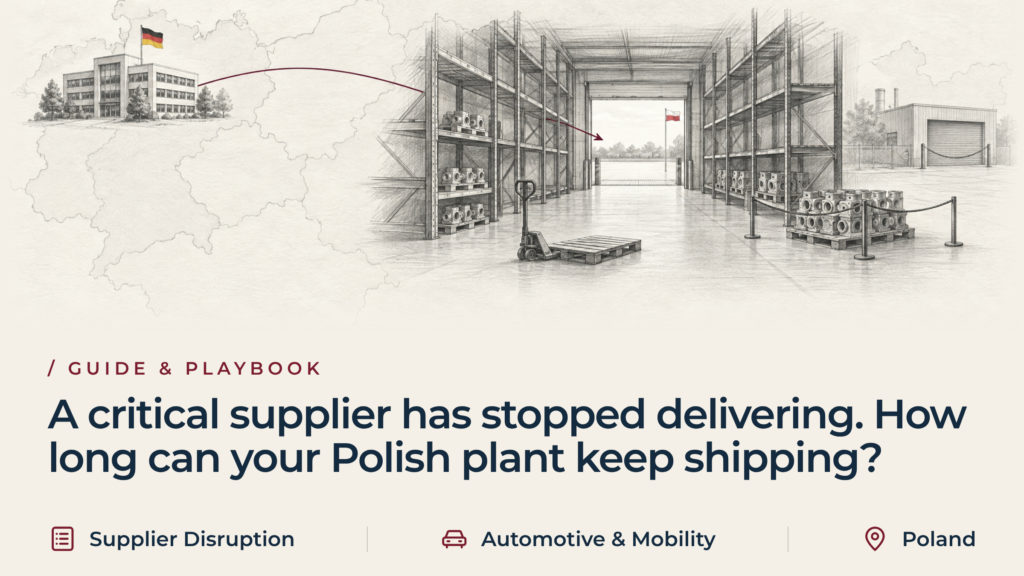
Un furnizor încetează livrările. Un plan de urgență în caz de întrerupere a aprovizionării stabilește ce comenzi poate onora în continuare fabrica dumneavoastră și cine este responsabil de această decizie.
Închiderea unei fabrici din SUA, coordonată din Germania: directorul interimar al unității care a dus la bun sfârșit acest proiect în șase luni
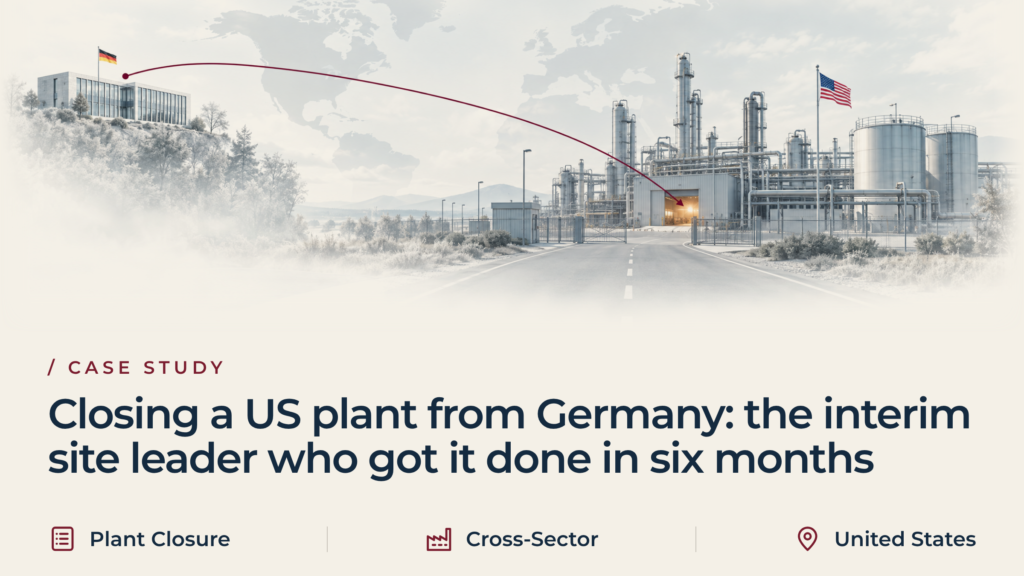
Un grup german a decis să-și închidă fabrica din SUA. Echipa de la fața locului era capabilă să o gestioneze, dar nu și să o închidă. Cum un director interimar al unității, cu autoritate deplină, a reușit să închidă fabrica în șase luni, fără să lase nimic nerezolvat.
Un singur furnizor aprovizionează mai multe fabrici din Europa Centrală și de Est. Cum ar trebui repartizate materialele disponibile în cantități limitate?
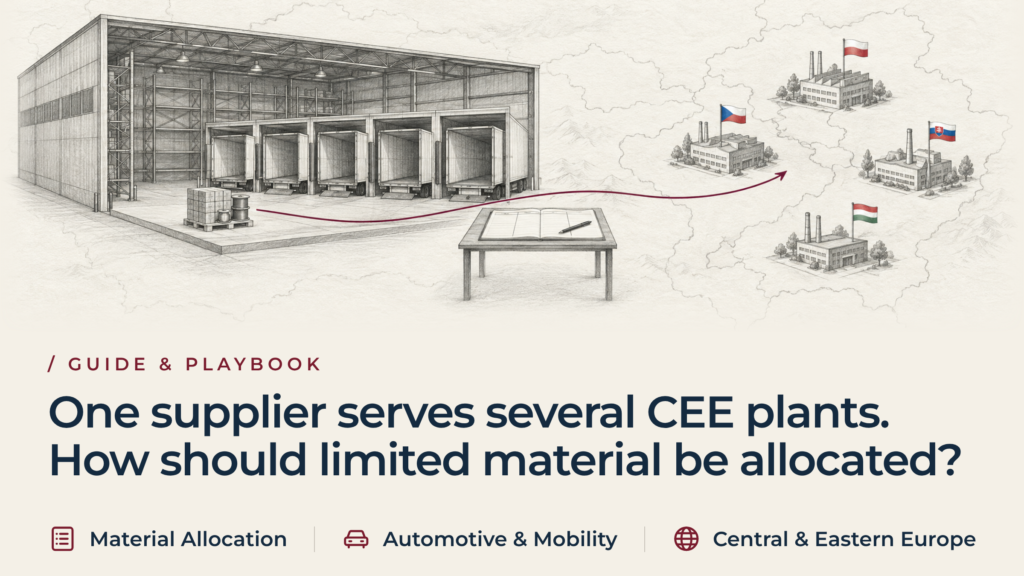
Mai multe fabrici au nevoie de același material, a cărui cantitate este limitată. Elaborați o decizie de alocare în grup, ținând cont de angajamentele față de clienți, de alternativele disponibile și de consecințele unei întârzieri.
De ce stabilirea unui obiectiv privind costurile de producție nu înseamnă o reproiectare a modelului operațional
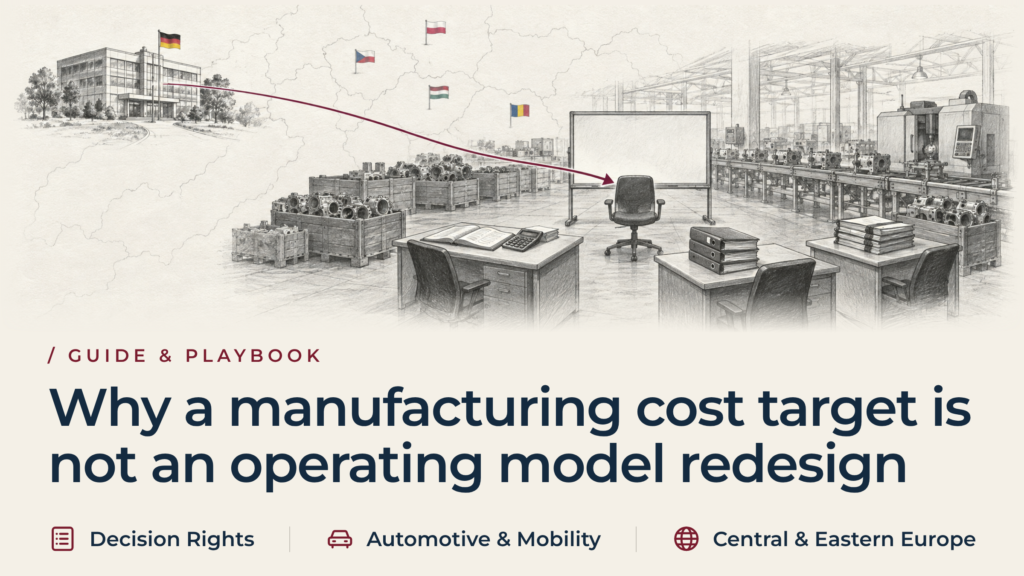
Reducerea costurilor de producție vs. restructurarea operațională: departamentul financiar stabilește economiile, departamentul de resurse umane le pune în aplicare, dar niciunul dintre ele nu redefinește modul în care funcționează fabrica după aceea.
Aprovizionare de urgență pentru o fabrică din Serbia: stocul disponibil nu reprezintă un plan de livrare
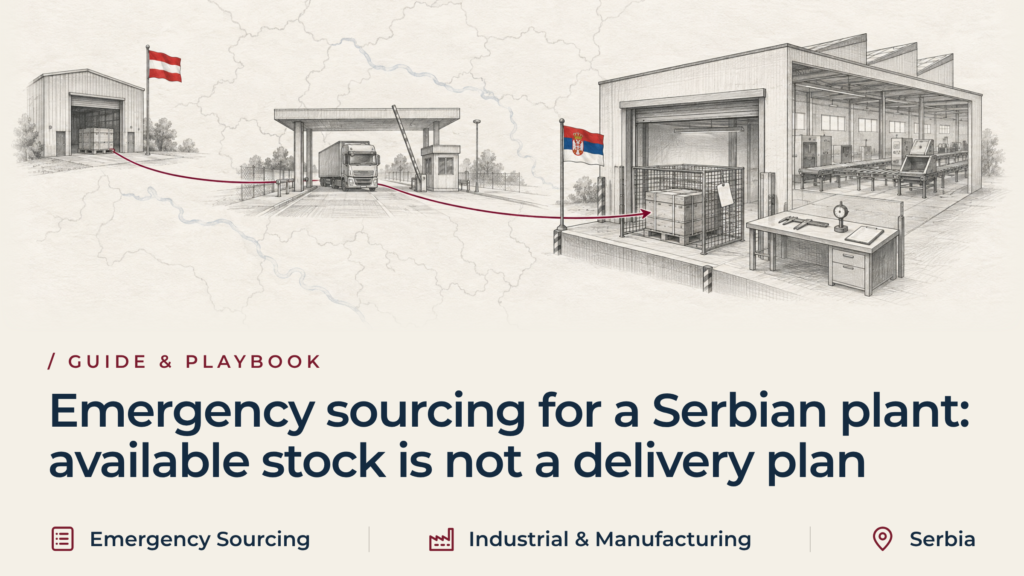
Stocul de înlocuire din străinătate nu reprezintă încă o cantitate disponibilă în Serbia. Asigurați-vă că expedierea, tranzitul, documentele și disponibilitatea pentru recepție sunt coordonate înainte de a promite o dată de livrare.
De ce a fost ales un alt candidat pentru acest proiect interimar? | 1405
Vă mulțumim pentru timpul și atenția pe care le-ați dedicat acestui mandat. Faptul că ați fost luați în considerare înseamnă că experiența dumneavoastră a fost considerată credibilă în contextul unui brief exigent. Procesul de selecție a atras un număr mare de candidați, iar directorii interimari care au ajuns în etapele finale erau toți lideri cu experiență în conducerea fabricilor, cu rezultate concrete la activ. Deciziile privind numirile interimare se bazează rareori pe calitatea generală. Ele se reduc la o combinație restrânsă de factori: cât de bine reflectă situațiile anterioare ale unui director situația actuală, tipul de echipamente și amploarea proiectului, etapa în care se află programul de schimbare și cât de repede își pot imagina proprietarii că acea persoană va prelua controlul încă din prima zi. Această notă explică profilul care s-a potrivit cel mai bine cu acest mandat specific, astfel încât să puteți înțelege cum s-a realizat evaluarea și să o folosiți pentru oportunități viitoare. Ce avea nevoie clientul cu adevărat Pe hârtie, acesta era un post de director de fabrică. În realitate, era vorba de o predare a conducerii în mijlocul unui proces de redresare operațională. Un lider de unitate cu vechime urma să plece la o dată stabilită, fabrica se afla în plin proces de îmbunătățire a performanței, iar proprietarii doreau să protejeze progresul deja realizat, mai degrabă decât să o ia de la capăt sub un nou nume. Unitatea era mică și foarte mecanizată. O mare parte din producție depindea de mașini automate mai vechi, complexe din punct de vedere mecanic, fiecare operator operând mai multe dintre ele simultan. Competențele necesare pentru configurarea și întreținerea acelui echipament fuseseră acumulate intern de-a lungul multor ani și se regăseau în mare parte în mintea angajaților experimentați. Proprietarii și fabrica se aflau, de asemenea, în țări diferite și lucrau în limbi diferite. Directorul executiv urma să raporteze direct conducerii de vârf a grupului, conducând în același timp zilnic o mică echipă locală de management direct în fabrică. În practică, mandatul solicita cinci lucruri simultan: Profilul care se potrivea cel mai bine acestui mandat Pe parcursul brief-ului și al interviurilor, a reieșit o imagine clară a directorului executiv de care avea nevoie această situație. Niciunul dintre punctele de mai jos nu este neobișnuit în sine. Ceea ce conta era să le regăsim pe toate într-o singură persoană. 1. Experiență repetată în preluarea unei fabrici aflate în plin proces de schimbare Cel mai potrivit candidat era un director care preluase deja conducerea mai multor fabrici în timpul unei tranziții de conducere sau al unui proces de redresare și care putea prezenta cifrele înainte și după. Acest lucru era important deoarece sarcina imediată era asigurarea continuității sub presiune. Proprietarii doreau pe cineva care trecuse deja prin acest moment exact, nu pe cineva care ar fi învățat totul pe teren. 2. Cunoaștere practică aprofundată a echipamentelor concrete ale fabricii. Experiența generală în producția de mare volum sau automatizată era comună printre candidații selectați. Experiența directă și personală în operarea și configurarea echipamentelor de prelucrare automată mai vechi, cu operatori care se ocupau fiecare de mai multe mașini, era mult mai rară. În cazul în care această experiență era prezentă, directorul putea discuta în mod credibil cu persoanele care operau mașinile încă din prima zi. În cazul în care lipsea, proprietarii trebuiau să accepte o perioadă de adaptare într-un moment în care nu aveau prea mult spațiu de manevră pentru aceasta. 3. Confortul de a lucra la scara unei unități mici Mai multe profiluri puternice proveneau din organizații mari, cu mai multe unități și funcții de suport bine dezvoltate. Această fabrică avea doar o mână de manageri. Cel mai potrivit candidat a fost un director care se simțea în largul său îndeplinind simultan rolurile de inginer șef, punct de contact pentru escaladarea problemelor de întreținere și persoană de contact pentru clienți, fără ierarhiile pe care le implică o operațiune de mari dimensiuni. 4. Disciplina de întreținere a echipamentelor învechite Eficiența echipamentelor mai vechi depinde de rutinele de întreținere, de timpii de reglare și de piesele de schimb la fel de mult cât de planificarea producției. Profilurile care au construit personal sisteme de întreținere preventivă și au format tehnicieni locali s-au aliniat strâns la constrângerile reale din fabrică. 5. O modalitate respectuoasă de a valorifica cunoștințele de specialitate deținute de angajați Proprietarii au precizat clar că personalul nu se opunea schimbării, dar avea nevoie să înțeleagă motivul pentru care aceasta avea loc. Cea mai potrivită alegere a fost un director executiv al cărui prim pas este să observe și să învețe înainte de a schimba ceva, iar apoi să transforme experiența nedocumentată în proceduri standardizate, fără a-i face pe angajații cu vechime să se simtă înlocuiți. 6. O punte naturală între proprietari și fabrică Rolul necesita o comunicare fluentă cu personalul de la nivelul de producție în limbajul acestuia și raportări clare și concise către conducerea grupului în limbajul lor. Cel mai potrivit candidat mai făcuse acest lucru anterior, sub conducere străină, și putea să-și asume responsabilitatea la nivel local, ținând în același timp sediul central pe deplin informat. 7. O experiență reală în funcții interimare și disponibilitate imediată În cele din urmă, proprietarii aveau nevoie de cineva care să poată începe înainte ca liderul care pleca să-și părăsească funcția, să se angajeze să fie prezent cu normă întreagă la fața locului și să lucreze în cadrul unui mandat interimar, cu o predare clară a sarcinilor la final. Un istoric de misiuni interimare finalizate, mai degrabă decât doar roluri permanente, oferea o încredere suplimentară că directorul executiv va obține rezultate într-o perioadă definită și apoi se va retrage fără probleme. De ce candidații puternici ar putea totuși să nu fi fost selectați Majoritatea directorilor executivi luați în considerare îndeplineau majoritatea cerințelor formale. Diferența consta în câte dintre punctele de mai sus erau demonstrate împreună și cât de direct. Într-un mandat scurt, în care timpul era esențial, proprietarii răspundeau, de fapt, la un set restrâns de întrebări: un profil cu rezultate excelente într-un mediu mai mare sau mai modern putea totuși să obțină un punctaj mai mic la două sau trei dintre aceste întrebări. Acest lucru reflectă caracterul restrâns al acestui mandat, nu punctajul directorului executiv. Ce puteți învăța din aceasta pentru viitoare proiecte interimare O ultimă observație sinceră În etapa finală, proprietarii evaluează, de asemenea, cât de repede își pot imagina un director preluând controlul în fabrica lor specifică, alături de angajații și echipamentele lor. Această evaluare se bazează parțial pe dovezi și parțial pe încredere. Este legitimă atunci când se bazează pe situația afacerii și este adesea decisă de marje mici. Experiența dumneavoastră rămâne relevantă și vom continua să vă luăm în considerare pentru mandate în care experiența dumneavoastră se potrivește îndeaproape cu situația respectivă. De ce să colaborați cu noi? CE Interim pune la dispoziție lideri interimari cu experiență dovedită, potriviți pentru fiecare mandat, gata să înceapă în termen de 72 de ore de la finalizarea brief-ului mandatului, indiferent de granițe, culturi și sectoare de activitate. Suntem specializați în management interimar de mare impact pentru firme de capital privat,
Europa își redimensionează baza de furnizori din industria auto. Nu toate fabricile urmează aceeași direcție
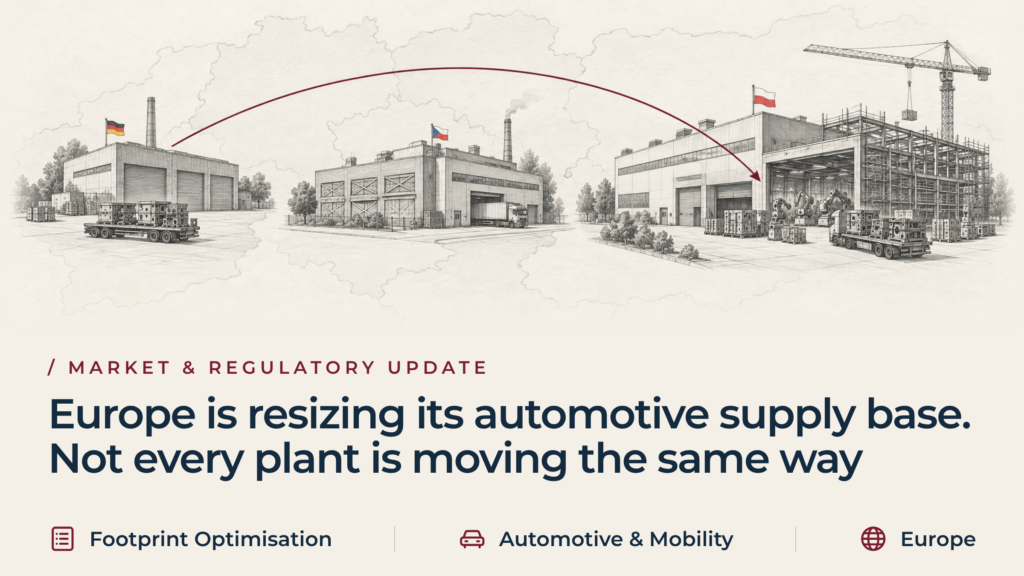
Restructurarea furnizorilor din industria auto în 2026 nu se rezumă la un singur val de închideri. Unele fabrici își reduc capacitatea la jumătate și sunt menținute în funcțiune, altele sunt închise și mutate, iar altele preiau volumul de muncă.
1410 Director comercial interimar al grupului – Republica Cehă

Un grup farmaceutic de familie, extrem de profitabil, caută un lider internațional care să conducă departamentul de vânzări pe trei continente în calitate de manager interimar timp de șase luni, să preia apoi funcția permanentă și să avanseze către postul de director general al grupului în decurs de patru până la șase ani.
Ce se întâmplă când dispare un schimb de producție?
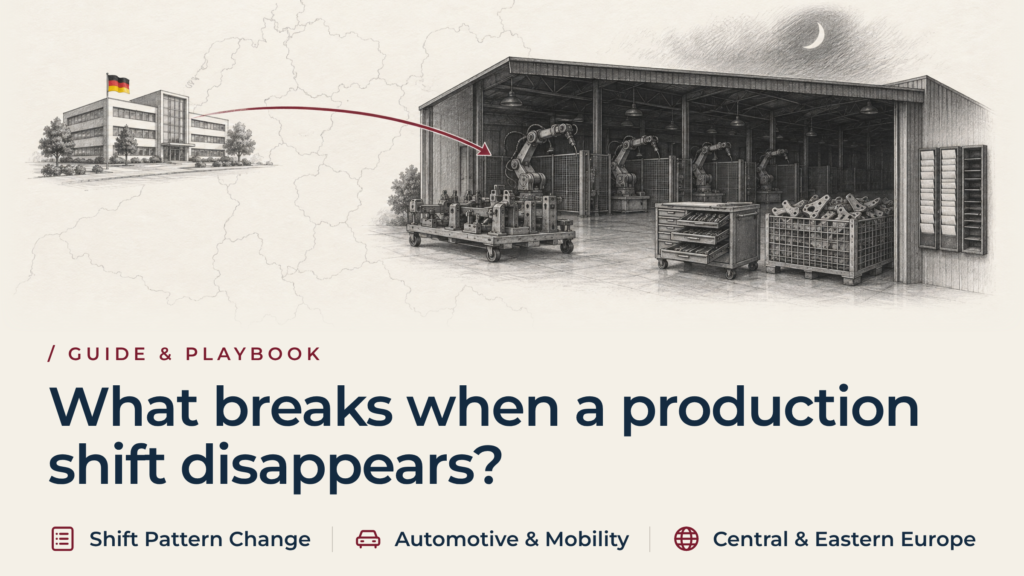
Eliminarea unui schimb de producție reduce costurile pe hârtie, dar intervalele de întreținere, schimbările de producție, supravegherea și gestionarea problemelor trebuie să fie redirecționate undeva mai întâi.
Sediul central din Germania a aprobat restructurarea unei fabrici din Cehia. Care va fi costul realizării economiilor?
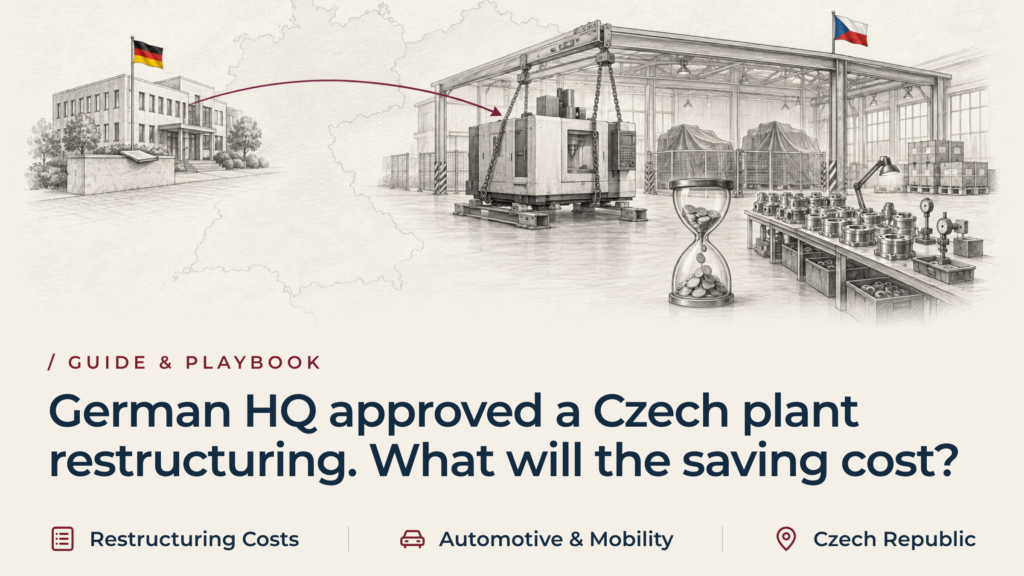
Consiliul de administrație aprobă un obiectiv anual de economii, dar costurile de restructurare a fabricii necesare pentru atingerea acestuia sunt rareori evaluate în întregime. Categoriile care trebuie stabilite în primul rând.
 EN
EN  DE
DE  FR
FR  IT
IT  PL
PL  RO
RO  CS
CS  SK
SK  HU
HU  ES
ES  RU
RU  AR
AR  SL
SL