
Röviden
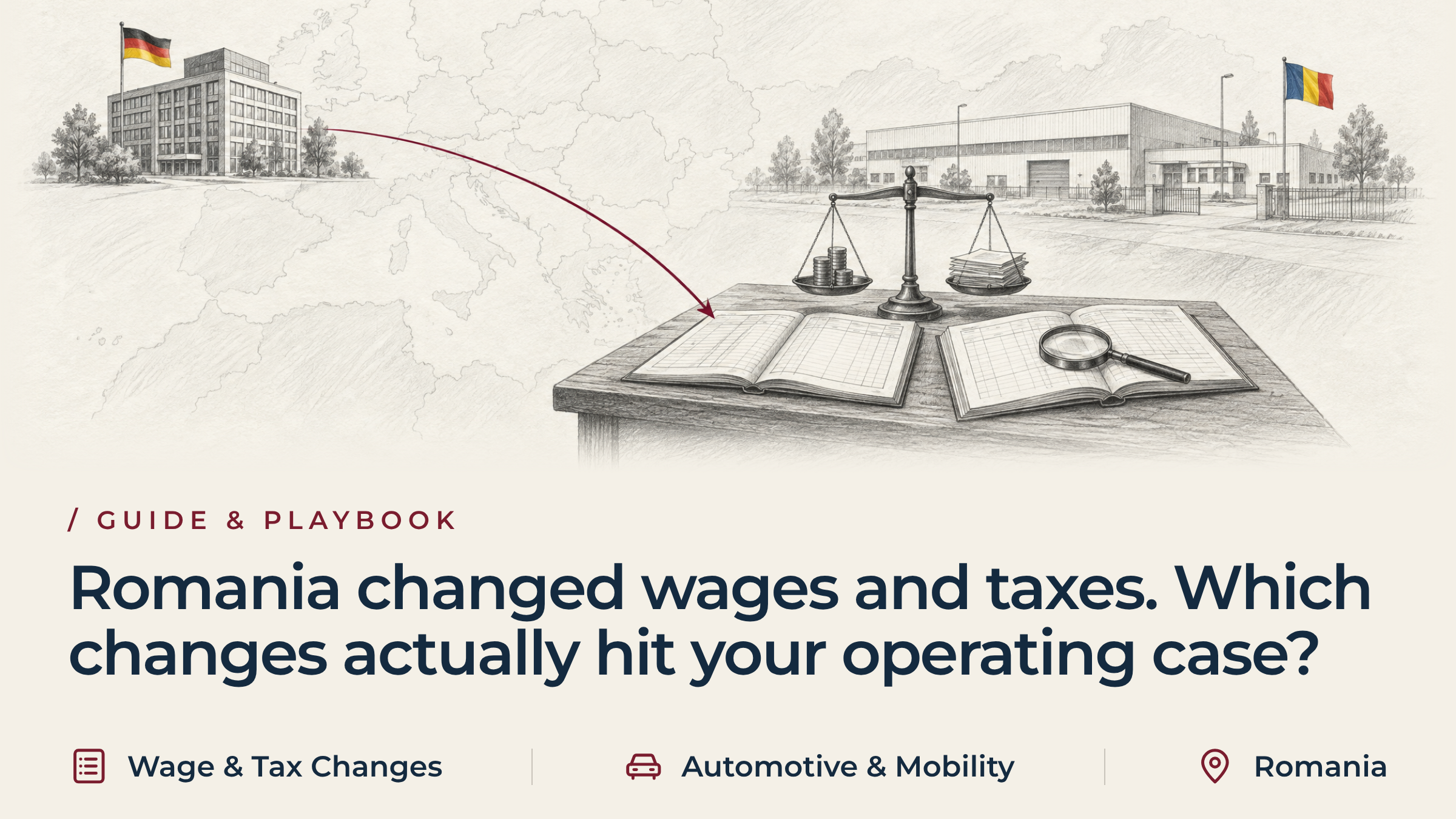
Románia tizenkét hónapon belül módosította a törvényben előírt minimálbért, az áfa-kulcsot és az osztalék-forrásadót. Ugyanezen időszak alatt az ipari energiaárak is jelentősen változtak. Nem minden változás érinti ugyanúgy a külföldi tulajdonú román leányvállalatokat. A minimálbér és az energiaköltségek közvetlenül érinthetik a bérköltségeket és az árrést. Az áfa-emelés elsősorban a belföldi értékesítést és a forgótőke időzítését érinti, nem pedig az exportárrést. Az osztalékadó az EU anyavállalat-leányvállalat irányelv értelmében gyakran egyáltalán nem vonatkozik a letelepedett uniós anyavállalatra. Négy kritérium alapján állapítható meg, hogy mely változások valósak, mielőtt az igazgatóság megvitatná a lezárást.
Három romániai költségvetési változás, amely hatással van a vállalati tervezési ciklusokra
Amennyiben egy román leányvállalat frissített előrejelzései eltérnek az éves tervtől, a csoport pénzügyi részlegének három különböző, jogszabályban előírt változást kell értékelnie, amelyek egy adott tizenkét hónapos tervezési cikluson belül következtek be:
- A törvényben előírt minimálbér emelése: A közvetlen bérköltségek az alapszintű létszám egészére vonatkozóan azonnal emelkednek, és 2026. július 1-jére további kötelező módosítás van tervezve.
- A belföldi áfa-kulcs emelése: A belföldi beszerzésekre magasabb adókulcsok vonatkoznak, ami szűkíti a forgótőke rendelkezésre állásának időkeretét, miközben a nulla százalékos adókulcsú exportárrésekre nincs hatással.
- Az osztalék utáni forrásadó kiigazítása: A Pénzügyminisztérium felhívja a figyelmet a hazatelepített nyereségre vonatkozó forrásadó-levonás lehetséges változásaira, amelyek az anyavállalat adóegyezmények és uniós irányelvek szerinti minősítésétől függenek.
Miért értelmezi félre a csoportközpont a román leányvállalat költségszerkezetét?
A központi vezetés gyakran tévesen értelmezi a pénzügyi csomagot, mivel egyetlen, átfogó feltételezést alkalmaz az egész vállalatra, ahelyett, hogy értékelné, hogyan hatnak az egyes változások a konkrét üzleti tevékenységekre:
- A minimálbér emelése: Közvetlenül megnöveli a bérköltségeket attól függően, hogy a munkavállalók mekkora hányada keres a bérskálán a legalacsonyabb bérszint közelében.
- Az áfa-kulcs emelése: Ez inkább a belföldi fogyasztásra és a forgótőke időzítésére van hatással, mint a nulla százalékos adókulcsú exportértékesítésekre.
- Az osztalékadó emelése: Nem vonatkozik azokra a minősített anyavállalatokra, amelyek megfelelnek az EU anya- és leányvállalati irányelvben foglalt részesedési követelményeknek.
- Az energiaárak ingadozása: Csak a magas műszaki energiaintenzitású létesítmények esetében jelent jelentős árrésnyomást.
Négy pénzügyi teszt egy román leányvállalat üzleti modelljének értékeléséhez
Mielőtt az igazgatóság a költségek átvállalásáról, a szerkezetátalakításról vagy a kivonulásról tárgyalna, a csoport pénzügyi részlegének először el kell végeznie a szükséges feladatokat. A román leányvállalatra vonatkozóan négy tesztet kell végrehajtania, egymást követő sorrendben. Minden egyes teszt az elsődleges bérszámfejtési, vám- vagy részvénytulajdon-nyilvántartásokat veszi alapul, nem pedig egyetlen, a csoport szintjén összevont feltételezést.
1. teszt: A román minimálbér-emelés és a bérsávok szűkítésének értékelése
A kormány megfagyott a bruttó minimálbér 2026. június 30-ig 4 050 RON marad. A kormányhatározat értelmében 2026. július 1-jétől 4 325 RON-ra emelkedik 146/2026. Ez az ország minden munkáltatójára vonatkozik. Az viszont változó, hogy a munkaerő mekkora hányada ül ténylegesen a padló közelében.
A teszt egyszerű. Ellenőrizzük, hogy a létszám mekkora hányada kapja a minimálbért vagy ahhoz közeli bért. Ezután nézzük meg, hogy az új minimálbér mennyire szűkíti a fölötte lévő bérsávokat. Egy nagy volumenű összeszerelő üzemben a munkaerő 30–40 százaléka kaphatja az alapbért. Ilyenkor a közvetlen költségek azonnal emelkednek. Egy precíziós vagy elektronikai üzemben a kezdő fizetés gyakran már meghaladja az 5000 RON-t, így a közvetlen hatás csekély marad.
A nagyobb költséget a nyomás jelenti. Amikor a kezdő bérek rendelet alapján emelkednek, a technikusok és a műszakvezetők is arányos emelést várnak. Ha ezt megadják nekik, a bérköltségek az egész szervezetben megnőnek. Ha viszont elutasítják, a képzett szakemberek a helyi versenytársakhoz mennek át. Egy román leányvállalat esetében a bérküszöb-vizsgálatnak a bérstruktúrát kell figyelembe vennie, nem csupán a névleges bért.
2. teszt: A romániai áfa-emelés hatásának elemzése a forgótőkére és az exportra
Románia a 141/2025. számú törvény értelmében 2025. augusztus 1-jén 19 százalékról 21 százalékra emelte az általános áfa-kulcsot. A vállalatok vezetői ezt gyakran közvetlenül beépítik az árrés-előrejelzésekbe. Feltételezik, hogy ez közvetlenül csökkenti a jövedelmezőséget. Egy exportorientált román leányvállalat esetében azonban ez a feltételezés általában nem állja meg a helyét.
Az áfa egy fogyasztási adó, amely a belföldi vevőt terheli. A román leányvállalat kész alkatrészeket exportálhat az anyavállalat németországi, osztrák vagy franciaországi összeszerelő üzemeibe, illetve európai OEM-gyártóknak. Ezekre a közösségen belüli szállításokra nulla százalékos áfa-kulcs vonatkozik, így a gyár nem számít fel áfát ezekre az értékesítésekre.
Ahol a drágulás valóban érezhető, az a hazai beszerzések, a közüzemi szolgáltatások és a helyi vállalkozók számláinak terén van. A leányvállalat ezt később, a havi áfa-bevallásokon keresztül igényli vissza. Ha az adóhatóság késlelteti a visszatérítéseket, addig a forgótőke szűkül. Egy exportáló üzem esetében ez pénzforgalmi probléma, nem pedig árrésprobléma, és a kettőre eltérő megoldásokra van szükség.
3. teszt: A román osztalék-forrásadó és az uniós irányelv szerinti mentességek értékelése
2026. január 1-jén az osztalék utáni forrásadó mértéke 10 százalékról 16 százalékra emelkedett. A kommentátorok ezt széles körben a befektetők hozamainak közvetlen csökkenéseként értelmezték. Egy román leányvállalattal rendelkező német, francia vagy osztrák vállalatcsoport esetében azonban előfordulhat, hogy a névleges adókulcs egyáltalán nem alkalmazandó.
Ez a vizsgálat azt jelenti, hogy a részvénykönyvet összevetik az EU-s anya- és leányvállalati rendszerrel Irányelv, a Tanács 2011/96/EU irányelve. PwC Románia a jogszabályi útmutatásában összefoglalja ezt a szabályt. Egy másik EU- vagy EGT-tagállamban lakó szülőtársaság forrásadómentesen kaphat osztalékot. A szülőtársaságnak egy évig megszakítás nélkül legalább a román társaság 10 százalékát birtokolnia kell. Ezenkívül érvényes adóügyi székhelyigazolással is rendelkeznie kell.
Az a csoport, amely több éve 100 százalékban birtokolja román leányvállalatát, nulla tényleges adókulcsot alkalmaz. A 16 százalékos adókulcs a magánszemélyekre és a 10 százalékos küszöbérték alatti kisebbségi részesedéssel rendelkező tulajdonosokra vonatkozik. Emellett azokra az EU-n kívüli struktúrákra is vonatkozik, amelyekkel nincs érvényben hasonló adóegyezmény, illetve azokra a szervezetekre, amelyek még nem lépték át az egyéves határidőt. A legtöbb vállalatcsoport kihagyja ezt a vizsgálatot román leányvállalatuk esetében. Egyszerűen 6 százalékos levonással számolnak a hazahozott készpénz után, és ez a feltételezés gyakran téves.
4. teszt: Az ipari energiadíjak ingadozásának és a technikai energiaintenzitás mérésére
Egy román ipari gyártó ügyvezető igazgatója a változékony villamosenergia-árakat nevezte meg a gyártási versenyképességre nehezedő legnagyobb nyomásként 2026-ban. Ezzel a tarifák a törvényes adóváltozások elé kerültek a rangsorban. A javasolt minimális forgalmi adó tovább növelte az aggodalmakat. Ez tartós ellenállást váltott ki tizenkét országos munkáltatói szövetség részéről, köztük a Romániában működő Francia Kereskedelmi és Iparkamara (CCIFER) részéről is.
A jelen vizsgálat egy román leányvállalat műszaki energiaintenzitását értékeli, nem pedig az országos átlagot. Egy öntödében, fröccsöntő műhelyben vagy üveggyártó soron az energia a működési költségek tizenkét–húsz százalékát is kiteheti. Egy tarifahozzárás tehát közvetlenül befolyásolja az egységköltségeket. A kézi összeszerelés vagy a könnyű csomagolás esetében az energia költsége ritkán haladja meg a költségek 3 százalékát. Ugyanez a tarifaváltozás ott alig érezhető. Egyetlen országos energiaadat elrejti, hol rejlik a valódi kockázat.
A legfontosabb figyelmeztető jelek arra, hogy egy román leányvállalat pénzügyi nehézségekkel küzd
A vezetőségnek nem kell megvárnia az éves értékelést ahhoz, hogy kiderüljön, van-e jelentősége ezeknek a teszteknek. Általában öt jel jelenik meg először, gyakran éppen ebben a sorrendben.
- A képzett operátorok és technikusok elkezdenek távozni, mivel a minimálbér miatt csökken a különbség a kezdő fizetésekhez képest.
- A vállalatok közötti tartozás növekszik, mivel az áfa-visszatérítések késve érkeznek, és a gyár saját forrásaiból fedezi a hiányt.
- A helyi beszállítók az adó- és bérinflációra hivatkozva emelik az árakat, anélkül, hogy a drágulásra szerződéses alapjuk lenne.
- A rögzített árú ügyfélszerződések nem tartalmaznak munkaerő- vagy energiaár-indexálást, így a költséginfláció nem hárítható át.
- A helyi pénzügyi beszámolók késve érkeznek, vagy az eltéréseket megmagyarázhatatlan egyszeri tételekként sorolják át.
Bármelyik jel önmagában kezelhető. Két vagy több jel együttesen általában azt jelenti, hogy a román leányvállalatnak független, helyszíni vizsgálatra van szüksége, mielőtt az igazgatóság bármilyen döntést hozna.
A csoport pénzügyi részlegének elsődleges feladata: a hitelesített operatív tények megállapítása
Mielőtt a vállalati igazgatóságok olyan fontos stratégiai döntéseket mérlegelnének, mint a költségek átvállalása, a szerződések újratárgyalása vagy egy üzem bezárása, a csoport pénzügyi részlegének hitelesített működési tényeket kell megállapítania:
- Végezze el a négy pénzügyi tesztet: A bérszámfejtési, vám- és részvénytulajdon-nyilvántartásokat egymás után kell értékelni, ahelyett, hogy összevont feltételezésekre támaszkodnánk.
- A belső felülvizsgálati kapacitás kihasználása: Ha a helyi pénzügyi osztálynak van szabad kapacitása és átlátható könyvelése, akkor a hitelesítést házon belül hajtsák végre.
- Független vezetés kialakítása: Váltson külső szakértőkre, ha a helyi csapatok teljes figyelmét a napi válságkezelés köti le, a jelentési csatornák túlterheltek, vagy a lehetséges bezárás belső elfogultságot eredményez.
Ideiglenes pénzügyi igazgató kinevezése Romániában a központi iroda és a gyár működése közötti kapcsolat biztosítása érdekében
Ez nem egy olyan történet, amelyben egy hozzáértő központi vezetés rendbe hozza a gyengén teljesítő román leányvállalatot. És nem is arról szól, hogy egy tehetséges gyár védekezik egy távoli tulajdonos ellen. Általában mindkét fél a helyzet egy valós részét látja.
A központi vezetésnek megbízható, ellenőrzött tényalapra van szüksége, mielőtt tőkét fektetne be vagy bezárást jelentene be. A helyi vezetésnek pedig reális határidőkre, egyértelmű prioritásokra és védelemre van szüksége a hiányos modellen alapuló döntésekkel szemben. Jelenlegi helyzetükben egyik fél sem tudja biztosítani a másiknak azt, amire szüksége van.
Egy a román leányvállalatba beosztott ideiglenes pénzügyi igazgató vagy ideiglenes ügyvezető igazgató közvetlenül pótolja ezt a hiányosságot. A vezető a főkönyvek alapján elvégzi a négy tesztet. Emellett külső jogi tanácsadóval tisztázza az adóegyezmények szerinti helyzetet, és elkülöníti a tényleges energetikai kitettséget. Ezután ugyanazt az ellenőrzött képet továbbítják mind a központi székhelynek, mind a helyi csapatnak. Ha a leányvállalat életképes, a vezető újratárgyalja a szerződéseket és átszervezi a költségalapot. Ha nem az, ugyanaz a vezető rendelkezik a felhatalmazással a kontrollált bezárás megtervezésére. Ez azt jelenti, hogy a bezárásig meg kell őrizni a vállalati értéket és megtartani a kulcsfontosságú munkatársakat. Ezenkívül azt is jelenti, hogy a végkielégítéseket a megfelelő jogi eljárás keretében kell kezelni.
Egy átvilágított, a megbízás követelményeinek megfelelő vezető 72 órán belül készen áll a munkába állásra a megbízási feladatleírás elkészülte után. Ezzel az igazgatóság azonnal megkapja a szükséges döntéshozatali jogkört, nem pedig hónapokig tartó belső viták után.
Esettanulmány: Egy romániai, Brassóban működő autóipari beszállító jövedelmezőségének helyreállítása
Egy német Tier 1-es autóipari beszállító Brasov közelében működtetett egy elektromechanikai összeszerelő és sajtolóüzemet. A román leányvállalat 480 főt foglalkoztatott, és kormányoszlop-érzékelőket, sajtolt tartóelemeket, valamint kábelköteg-összeállításokat gyártott európai járműplatformokhoz. Éves bevétele 42 millió eurót tett ki.
Románia 2025 végén 21 százalékra emelte az áfát. A kormány ezt követően bejelentette, hogy 2026 júliusától a minimálbér 4 325 RON-ra emelkedik. A stuttgarti vállalati kontrollerek erre reagálva egyszerűsített érzékenységi elemzést végeztek. A bérnövelést a teljes román bérköltségre alkalmazták, és hozzáadták az új, 16 százalékos osztalék-forrásadót. A konszolidált előrejelzés szerint a leányvállalat EBITDA-margója a korábbi pozitív 6,2 százalékról negatív 2,8 százalékra esett vissza.
A csoport pénzügyi igazgatója arra a következtetésre jutott, hogy Románia már nem életképes. Hivatkozott az állami politika ingadozásaira. Javasolta a brasovi üzem felszámolását és mind a 480 alkalmazott elbocsátását. Emellett azt is javasolta, hogy a gyártóberendezéseket helyezzék át egy testvérüzembe, a marokkói Tangerbe. A helyszínen a román beszállítók egyenesen tizenöt százalékos áremelést követeltek. A magasabb besorolású CNC-beállító gépészek és minőségbiztosítási technikusok, szűkülő bérkülönbségeikre hivatkozva, azonnali 20 százalékos béremelést követeltek.
Helyszíni elemzés: Mit fedezett fel egy ideiglenes pénzügyi igazgató Romániában a főkönyvek alapján
A felügyelőbizottság felfüggesztette a bezárási döntést. Ideiglenes ügyvezető partnert nevezett ki egy ideiglenes pénzügyi igazgató közép-európai szerkezetátalakítási tapasztalattal. A megbízási leírás véglegesítésétől számított 72 órán belül a vezető már a helyszínen volt. Az ideiglenes pénzügyi igazgató a négy tesztet közvetlenül a főkönyvekből végezte el, nem pedig a csoport konszolidált modellje alapján. A közép-európai ideiglenes partner a megbízás teljes időtartama alatt részt vett a munkában, és minden teszt eredményét áttekintette, mielőtt az a felügyelőbizottság elé került volna.
A minimálbér-vizsgálat megállapította, hogy a 480 alkalmazott közül csupán 38-nak volt a bére a törvényes minimum közelében. Ezek a munkakörök a csomagolás és a kézi anyagmozgatás területén voltak. A stuttgarti modell ezzel szemben a román leányvállalat minden mérnöki és műszaki besorolási szintjére alkalmazta a bérinflációs rátát. A bérköltségre gyakorolt tényleges közvetlen hatás évi 58 000 eurót tett ki. A csoport eredeti előrejelzése 360 000 euróval számolt. Az ideiglenes pénzügyi igazgató egy háromszintű teljesítménymátrixot dolgozott ki a kulcsfontosságú operátorok számára, amelynek költsége évi 42 000 euró volt. Ez megállította a műszaki szakemberek elvándorlását anélkül, hogy megnövelte volna a teljes bérköltséget.
Az áfa-vizsgálat a kimenő szállítási jegyzékeket vette alapul. Ebből kiderült, hogy a termelés 94 százaléka közvetlenül a németországi, osztrák és szlovákiai összeszerelő üzemekbe került. Ezek a szállítmányok az EU áfa-szabályai szerint nulla százalékos közösségen belüli szolgáltatásoknak minősültek. A 21 százalékos adókulcs kizárólag a belföldi közüzemi és karbantartási beszerzésekre vonatkozott. Ez 110 000 eurós forgótőke-közvetítést eredményezett, nem pedig árrésveszteséget. Az ideiglenes pénzügyi igazgató a havi áfa-visszatérítési kérelmek benyújtásának felgyorsításával 45 napra csökkentette ezt a közvetítést.
A működési eredmény helyreállítása és a román leányvállalat nyereségtartalékának megőrzése
Az osztalékadó-vizsgálat megerősítette, hogy a német anyavállalat 2017 óta 100 százalékban birtokolta a román társaságot. Az ideiglenes pénzügyi igazgató külső adótanácsadóval együttműködve beszerezte az adóügyi illetőségre vonatkozó dokumentációt. Ez a dokumentáció megerősítette, hogy az EU anya- és leányvállalati irányelv alapján teljes adómentesség illeti meg a társaságot. A 16 százalékos névleges adókulcs egyáltalán nem vonatkozott erre a tulajdonosi struktúrára.
Az energiafelmérés során egy valódi kockázati tényezőt tártak fel. A sajtolóüzemben a fedezet nélküli ipari villamosenergia-tarifák 31 százalékkal emelkedtek. Az ideiglenes pénzügyi igazgató auditált fogyasztási adatokat mutatott be a legfontosabb autóipari ügyfélnek. Ezzel sikerült elérni egy ideiglenes pótdíj bevezetését, amely a drágulás 70 százalékát fedezte, évi 310 000 euró értékben.
A négy teszt felváltotta a román leányvállalatra vonatkozó vegyes becslést. Ezt követően a vállalat stabil, 6,8 százalékos működési árrést mutatott ki, nem pedig a prognosztizált veszteséget. A felügyelőbizottság visszavonta a bezárási határozatot. Ez a döntés 4,2 millió eurónyi végkielégítési, telephely-helyreállítási és áthelyezési költséget takarított meg. Emellett biztosította a folytonosságot azoknak az elsődleges autóipari programoknak a tekintetében, amelyeket az üzem ellátott.
Gyakran feltett kérdések a román leányvállalat irányításáról
A román minimálbér 4 325 RON-ra történő emelése veszélyezteti-e a gyártási tevékenység életképességét?
Nem. Ez a válasz magától a román leányvállalattól függ, nem pedig az országos átlagértéktől. A román órabér-költségek továbbra is az EU-ban a legalacsonyabbak közé tartoznak: az Eurostat adatai szerint 2025-ben átlagosan 13,6 euró lesz. A fenntarthatóság attól függ, hogy a munkaerő mekkora része tartozik a legalacsonyabb bérsávba, és hogy az igazgatóság hogyan kezeli a bérkompressziót. Az alapvető termelékenység is számít, nem csupán a névleges bérszint.
Miért nem csökkenti az exportárréseket a román áfa 21 százalékra történő emelése?
Az áfa a belföldi fogyasztásra kivetett adó. A más EU-tagállamokban működő vállalati ügyfeleknek nyújtott határon átnyúló szolgáltatásokra nulla áfakulcs vonatkozik. Egy exportorientált román leányvállalat számára ez a növekedés a helyi beszerzésekkel kapcsolatos forgótőke-időzítési problémát jelent. Ez nem a bruttó árrés csökkenését jelenti.
Mentesülnek-e a külföldi anyavállalatok a román osztalék-forrásadó alól?
Gyakran előfordul, igen. Az EU anyavállalat-leányvállalat irányelv értelmében egy uniós anyavállalat forrásadómentesen kaphat osztalékot. Az anyavállalatnak legalább egy megszakítás nélküli éven át legalább 10 százalékos részesedéssel kell rendelkeznie. Az anyavállalatnak emellett érvényes adóügyi illetőségi igazolással is rendelkeznie kell. Az igazgatóságnak ezt a konkrét tulajdonosi szerkezet alapján kell ellenőriznie, ahelyett, hogy egyszerűen feltételezné.
Mikor van szüksége egy román leányvállalatnak ideiglenes pénzügyi igazgatóra Romániában, és mikor elegendő a belső felülvizsgálat?
Egy román leányvállalatnak akkor van szüksége ilyenre, ha a helyi pénzügyi vezetésnek nincs meg a kapacitása vagy a hitelessége a négy kritérium teljesítéséhez. Akkor is szükség van rá, ha a központi irodával és a gyár közötti kommunikáció megszakadt. Ugyanez vonatkozik arra az esetre is, ha a döntés átszervezéssel vagy bezárással járhat. Egy független vezető törvényes felhatalmazással rendelkezik, és nincs előzetes érdekeltsége az eredményben.
Hogyan kell reagálnia egy vállalat igazgatóságának, ha több leányvállalattal kapcsolatos figyelmeztető jel is felmerül?
Mielőtt a költségek átvállalásáról, a szerződések újratárgyalásáról vagy a szerkezetátalakításról döntenek, rendeljenek el egy független, helyszíni vizsgálatot. Ez a központi irodára vonatkozó vegyes feltételezés eredményezte a brasovi leírási forgatókönyvet az említett román leányvállalat esetében, még mielőtt bárki is tesztelte volna.
A romániai üzemek számára az ipari energiaárak ingadozása jelent-e nagyobb kockázatot, mint az adóváltozások?
Energiaigényes folyamatok esetében – például öntödékben, formázási vagy üveggyártó sorokon – gyakran igen. Kézi összeszerelés vagy könnyű csomagolási műveletek esetén az energiaköltségek ritkán haladják meg a költségalap 3 százalékát. Ilyen esetekben általában a minimálbér és a vevői szerződések indexálásában fennálló esetleges eltérések jelentősebbek.
Kapcsolódó ismeretek és a következő lépés
Azok a vállalatcsoportok, amelyek Közép- és Kelet-Európában egy szélesebb körű terjeszkedéssel kapcsolatos döntést mérlegelnek, hasznosnak találhatják a témával kapcsolatos útmutatásunkat. Az útmutató kitér arra, mi történik, ha a pénzügyi igazgató (CFO) és az operatív igazgató (COO) nem ért egyet egy gyártóüzemmel kapcsolatos döntésről. Emellett elmagyarázza, hogyan oldja meg az igazgatóság a megosztott véleményt, miután a négy kritérium alapján a tényállás megállapításra került.
Kapcsolódó cikkek:
Mielőtt az igazgatóság döntést hozna egy román leányvállalat bezárásáról, átszervezéséről vagy megtartásáról, a négy kritérium alapján megállapítják, mely változások valósak. A CE ideiglenes partner segíthet a helyszínen szükséges végrehajtó hatáskör biztosításában.

 EN
EN  DE
DE  FR
FR  IT
IT  PL
PL  RO
RO  CS
CS  SK
SK  HU
HU  ES
ES  RU
RU  AR
AR  SL
SL