

Pe scurt
Atunci când o filială de producție din Cehia nu își îndeplinește în mod constant obiectivele financiare, proprietarul elvețian se confruntă cu una dintre următoarele trei opțiuni: redresarea operațională, restructurarea structurală sau închiderea ordonată. Alegerea corectă depinde de competitivitatea produsului, de rentabilitatea unitară și de lichiditățile disponibile, toate acestea fiind puse în balanță cu obligațiile legale prevăzute de Codul Muncii și de Legea privind insolvența din Cehia. Fiecare cale necesită un mandat executiv diferit și un alt tip de autoritate la fața locului. Riscul nu constă în a alege greșit, ci în a nu alege deloc și a pierde astfel lichiditățile și timpul necesare pentru a face o alegere bună.
De ce consiliile de administrație elvețiene amână deciziile privind redresarea fabricii din Cehia
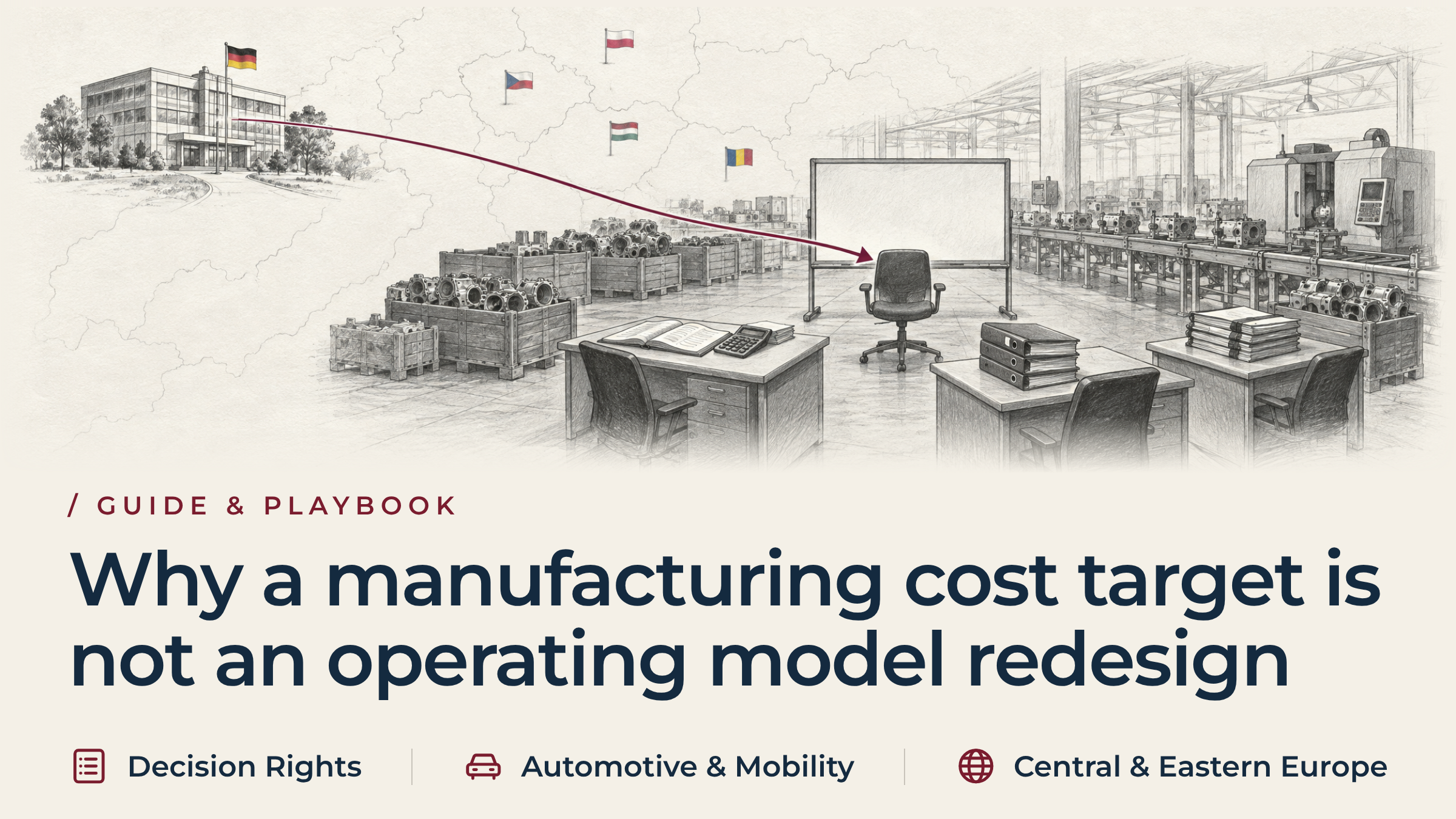
În sălile de consiliu din Zurich, Basel și Winterthur, o fabrică cehă cu performanțe slabe este rareori discutată cu detașare. Un grup industrial elvețian sau un fond de investiții private care a investit în achiziționarea, modernizarea sau extinderea unei unități din Plzeň, Brno sau Liberec are motive întemeiate să creadă în argumentele inițiale care au stat la baza investiției. A-și schimba public această părere, în fața colegilor și a investitorilor, este cu adevărat dificil.
Instinctul de a acorda mai mult timp acestui proiect este rezonabil. O nouă injecție de capital, o schimbare la conducerea departamentului de vânzări sau încă un trimestru pentru ca cererea industrială europeană să-și revină pot părea, fiecare în parte, o alegere responsabilă și plină de răbdare. Analiza sectorului industrial realizată de PwC Elveția, în ceea ce privește restructurarea sectorului manufacturier, evidențiază un model care stă la baza acestui instinct: slăbiciunea exporturilor și inflația persistentă a costurilor pot transforma un mic deficit lunar de lichidități într-o problemă de bilanț înainte ca conducerea să fi conștientizat pe deplin această schimbare.
Dificultatea constă în faptul că amânarea nu este o poziție neutră. În fiecare lună în care consiliul de administrație amână luarea unei decizii între redresare, redimensionare sau închidere, filiala consumă lichidități care, în alte condiții, ar putea finanța plățile de despăgubiri, reorientarea clienților sau o lichidare controlată. Dacă se lasă lucrurile să decurgă suficient de mult, alegerea se face de la sine: rezervele de numerar se epuizează, iar controlul trece de la societatea-mamă elvețiană la băncile cehe, creditori și instanțele de insolvență. Sarcina consiliului de administrație este să ia decizia cât încă mai are opțiuni, nu după ce opțiunile s-au redus la una singură.
Principalele provocări ale strategiilor de restructurare a fabricilor deținute de companii elvețiene de-a lungul coridorului
Întreprinderile de producție din Cehia sunt adesea performante din punct de vedere tehnic și profund integrate în lanțurile de aprovizionare europene, ceea ce face ca decizia să fie mai importantă, nu mai simplă. Patru factori structurali îngreunează luarea unei decizii corecte de la Zurich.
- Informațiile ajung la sediul central cu întârziere și sub formă agregată. Conducătorii elvețieni analizează, de obicei, cifrele lunare consolidate din contul de profit și pierdere. Fără date privind costul unitar, numărul de produse defecte și gradul de utilizare a liniilor de producție la nivel de schimb, este dificil să se determine de la sediul central dacă problema ține de o deficiență în execuția managerială sau de o operațiune nesustenabilă din punct de vedere structural. Distincția este importantă, deoarece determină care dintre cele trei căi este chiar disponibilă.
- Legislația muncii din Cehia este cea care dictează ritmul, nu societatea-mamă. Reducerea personalului sau închiderea unei unități din Cehia se supune unor cerințe legale bine definite: notificări privind concedierile colective către Oficiul Muncii (Úřad práce), perioade de consultare cu sindicatele sau comitetele de întreprindere și multiplicatori obligatorii pentru indemnizațiile de concediere. Aceste etape trebuie parcurse în ordinea corectă. Nerespectarea ordinii corecte poate atrage după sine amenzi, măsuri de interdicție și prejudicii de imagine care depășesc durata mandatului în sine.
- Administratorii locali poartă o răspundere personală pe care Zurich nu o are. În temeiul Legii privind insolvența (Legea nr. 182/2006 din Colecția de legi) și al Legii privind restructurarea preventivă, astfel cum sunt prevăzute în Ghidul juridic CMS Conform Legii cehe privind restructurarea și insolvența, un administrator statutar ceh (jednatel) poate fi tras la răspundere civilă și penală personală pentru că nu a depus cererea de insolvență fără întârziere nejustificată, odată ce societatea a ajuns în situație de supraîndatorare sau de lipsă de lichidități. O societate-mamă elvețiană nu poate da instrucțiuni conducerii locale să continue activitatea fără a oferi un angajament obligatoriu privind lichiditățile care să susțină acea instrucțiune.
- Angajamentele față de clienți impun respectarea termenelor, indiferent de preferințele consiliului de administrație. În cadrul lanțului de aprovizionare cu componente auto și industriale de nivel 1 și 2, o fabrică nu poate fi oprită unilateral fără a expune grupul la reclamații legate de întreruperea producției. Mutarea utilajelor la o altă locație necesită, de obicei, între patru și șase luni pentru validarea de către client (PPAP) și constituirea unui stoc de siguranță, înainte ca tranziția să poată fi efectuată în condiții de siguranță.
Criterii de diagnostic: redresare operațională, restructurarea capacității de producție sau închiderea fabricii
Diagnosticul nu se referă la cât de îngrijorătoare sunt cifrele, ci la cauza care stă la baza lor. Patru întrebări, analizate în ansamblu, indică o altă direcție.
| Criteriu de diagnostic | Răsturnare operațională | Restructurarea capacității | Închidere ordonată |
| Cererea de pe piață și portofoliul de comenzi | Cererea pentru produsele principale este puternică; există comenzi restante, dar acestea nu sunt onorate din cauza blocajelor din fabrică. | Cererea s-a schimbat definitiv; anumite linii tradiționale sunt neprofitabile din punct de vedere structural. | Cererea s-a prăbușit sau s-a orientat către zone geografice cu costuri mai mici; nu mai există nicio piață viabilă pe termen lung. |
| Sănătatea la locul de muncă | Defecțiuni ale utilajelor, ritm de lucru zilnic redus, procent ridicat de produse defecte, supravegherea inconsecventă a activității din atelier. | Supracapacitate; cheltuielile fixe depășesc volumele actuale și cele previzionate cu peste 40%. | Tehnologia de producție este învechită; capitalul necesar pentru modernizare nu poate atinge rata minimă de rentabilitate a companiei. |
| Marjele de contribuție pe unitate | Marjă brută pozitivă pe unitate; pierderile sunt generate de deșeuri, ore suplimentare și transportul cu tarif majorat. | Marjele variabile sunt pozitive pentru liniile principale și negative pentru liniile secundare; absorbția cheltuielilor generale nu funcționează. | Marja brută este negativă chiar și la capacitatea teoretică maximă; costurile crescânde ale materiilor prime nu pot fi transferate clienților. |
| Pista de numerar | Un capital de exploatare adecvat; consumul de lichidități poate fi oprit în termen de 60 până la 90 de zile de la stabilizarea activității din fabrică. | Lichidități suficiente pentru o perioadă de trei până la șase luni, destinate finanțării indemnizațiilor de concediere, rezilierii contractelor de închiriere și consolidării liniilor de credit. | Lichiditatea este extrem de limitată; continuarea activității implică riscul răspunderii directorilor și al insolvenței, în conformitate cu legislația cehă. |
Atunci când marjele brute se mențin la același nivel și portofoliul de comenzi rămâne intact, site-ul are nevoie de un redresare operațională. Atunci când anumite linii de producție devin depășite sau capacitatea de producție nu mai corespunde cererii, este necesară o restructurare. Atunci când indicatorii economici pe unitate sunt negativi și tehnologia nu mai poate fi rentabilizată, consiliul de administrație ia în considerare o închidere ordonată, indiferent dacă a declarat sau nu acest lucru până acum.
Alinierea autorității executive la mandatul de restructurare a amplasamentului din Cehia
Cele trei abordări nu reprezintă simple variații de intensitate ale aceleiași sarcini. Fiecare dintre ele necesită un mandat distinct, un domeniu de competență distinct și un nivel diferit de toleranță la risc, iar analiza de mai sus este cea care ar trebui să determine pe care dintre ele o va alege consiliul de administrație. Dacă se atribuie competențele înainte de finalizarea analizei, mandatul va fi construit pe baza unei ipoteze, și nu pe baza realităților concrete ale situației. După cum subliniază McKinsey’s cercetare În ceea ce privește conducerea în contextul redresării, viteza de execuție și autoritatea decizională trebuie să corespundă mizei mandatului specific, nu unui mandat provizoriu generic.
- Misiunea de redresare: director interimar de fabrică sau director operațional interimar. Obiectivul este de a restabili controlul operațional: creșterea OEE, eliminarea produselor defecte și stabilizarea livrărilor către clienți. Acest lucru necesită autoritate directă asupra programării turelor, bugetelor locale de întreținere, controlului calității și numirilor în funcții de supraveghere la nivel de primă linie. Stabilizarea completă durează, de obicei, între trei și șase luni.
- Mandatul de restructurare: director operațional interimar (CRO) sau director de operațiuni interimar (COO). Obiectivul este raționalizarea capacității: renegocierea acordurilor cu furnizorii, eliminarea liniilor de produse neprofitabile și redimensionarea efectivelor de personal. Acest lucru necesită autoritatea de a negocia cu sindicatele cehe și cu Oficiul pentru Muncă, de a rezilia contractele, de a realoca capitalul și de a restructura liniile ierarhice interne. Durata tipică a procesului este de șase până la douăsprezece luni.
- Mandatul de închidere: director operațional interimar (CRO) sau director general interimar (CEO). Obiectivul este acela de a proteja valoarea întreprinderii pe parcursul procesului de lichidare: constituirea unui stoc de rezervă pentru clienți, relocarea utilajelor și lichidarea activelor fizice în conformitate cu legea. Acest lucru necesită autoritate deplină din partea directorului general (jednatel), cu un mandat direct de a colabora cu băncile locale, proprietarii de imobile, echipele de achiziții ale clienților și autoritățile municipale. Un proces de lichidare controlată durează, de obicei, între șase și nouă luni.
Atribuirea unei competențe nepotrivite unui mandat nepotrivit este una dintre cele mai frecvente modalități prin care un consiliu de administrație pierde timp pe care nu îl mai poate recupera: un specialist în redresare fără competențe legale nu poate duce la bun sfârșit o închidere, iar un director orientat spre închidere va interpreta fiecare problemă operațională ca fiind fatală, chiar și în cazurile în care redresarea este cu adevărat posibilă.
Cum managementul interimar face legătura între sediul central din Zurich și operațiunile din Cehia
Niciuna dintre cele trei căi nu poate fi pusă în aplicare doar din Zurich, și niciuna nu ar trebui lăsată în întregime în seama echipei locale pentru a o interpreta pe cont propriu. Sediul central are nevoie de o bază de date fiabilă și detaliată: costuri unitare, date privind deșeurile, lichidități disponibile, riscul clienților, exprimate în termeni pe baza cărora consiliul de administrație să poată acționa, mai degrabă decât un rezumat lunar care ajunge prea agregat pentru a fi util. Operațiunea locală are nevoie de un director executiv responsabil, cu autoritate clar definită, astfel încât conducerea fabricii să nu gestioneze o redresare, o restructurare sau o lichidare pe baza unor instrucțiuni contradictorii venite simultan de la mai mulți părți interesate.
Rolul CE Interim este acela de a stabili acea bază comună de informații și acea linie unică de responsabilitate, pentru a numi apoi un director executiv a cărui autoritate să corespundă mandatului indicat de analiza de diagnostic. Aceasta înseamnă confirmarea, înainte de mobilizare, a deciziilor care rămân în competența consiliului de administrație elvețian, a celor care revin directorului executiv interimar și a factorilor care ar declanșa escaladarea către Zurich: de exemplu, deteriorarea performanței economice a unității peste pragurile stabilite în brief-ul mandatului sau semnalarea de către un client a intenției de a invoca o clauză de oprire a liniei de producție. Aceste elemente declanșatoare sunt convenite înainte ca directorul executiv să își înceapă activitatea, nu sunt improvizate odată ce mandatul este în desfășurare. Odată ce mandatul este definit, un director executiv cu experiență dovedită și potrivit pentru mandat poate fi gata să își înceapă activitatea în termen de 72 de ore de la finalizarea caietului de sarcini al mandatului.
Studiu de caz: Restructurarea unei filiale de producție cehe din Moravia
Iată un caz care implică un producător elvețian de mașini de precizie, care deține o filială de producție în regiunea Moravia-Silezia din Cehia.
Unitatea din Cehia avea 280 de angajați și producea supape hidraulice și componente turnate la comandă. Pe parcursul a doi ani, fabrica a înregistrat pierderi operaționale în valoare de 3,2 milioane CHF. Consiliul de administrație era împărțit: directorul financiar pleda pentru închiderea imediată, iar directorul operațional susținea necesitatea unor investiții suplimentare de capital.
Un audit operațional independent, desfășurat la fața locului, a aplicat diagnosticul de mai sus rând cu rând. Divizia de supape hidraulice se încadra în categoria „în proces de redresare”: o marjă brută de 18% și un portofoliu de comenzi solid din punct de vedere fundamental, pierderile fiind generate de o singură linie de producție cu performanțe slabe, și nu de produsul în sine. Turnătoria se afla în coloana „închidere”: tehnologie învechită, contribuție negativă odată luate în calcul costurile de întreținere și deșeurile, și niciun argument credibil pentru capitalul necesar modernizării acesteia. Aceasta genera 80% din deșeurile unității și consuma 65% din cheltuielile de întreținere.
CE Interim a detașat un director general interimar, care s-a prezentat la fața locului în termen de 72 de ore de la semnarea contractului de mandat. Acesta director general interimar a închis activitatea turnătoriei în cadrul unui program de plecare voluntară negociat cu consiliul de întreprindere local, a consolidat operațiunile de asamblare hidraulică într-un singur schimb eficient, a vândut utilajele de turnare învechite și a externalizat livrarea pieselor turnate brute către un furnizor extern.
În decurs de cinci luni, fabrica și-a redus amprenta operațională cu 45%, a eliminat cheltuieli generale fixe anuale în valoare de 1,8 milioane CHF și a revenit la un EBITDA pozitiv. Prin evitarea lichidării totale, societatea-mamă elvețiană și-a păstrat activitatea principală de producție a supapelor hidraulice, și-a protejat contractele cu clienții și a evitat obligații totale legate de închidere estimate la 4,5 milioane CHF.
Întrebări frecvente: Legislația privind insolvența și restructurarea din Cehia pentru consiliile de administrație elvețiene
Care este riscul juridic la care se expun membrii consiliului de administrație elvețian în cazul în care o filială cehă devine insolvabilă?
Consiliile de administrație elvețiene sunt, de obicei, protejate, dar, conform legislației cehe, directorii locali poartă o răspundere personală gravă. În plus, grupul-mamă se expune riscului aplicării clauzelor de neîndeplinire încrucișată și al afectării reputației. CE Interim atenuează aceste riscuri la nivel de grup prin detașarea unor directori executivi care gestionează criza respectând cu strictețe cerințele legale locale, protejând atât persoanele fizice, cât și întreprinderea.
Cât durează o închidere ordonată a unei fabrici în Republica Cehă?
Un proces de închidere conform cu legislația necesită, de obicei, între șase și nouă luni pentru gestionarea consultărilor cu sindicatele, a stocurilor de siguranță și a cedării activelor. Grăbirea acestui proces transferă un risc major asupra grupului-mamă. CE Interim gestionează în siguranță acest calendar complex, asigurându-se că toate cerințele legale și operaționale sunt îndeplinite fără a genera răspunderi inutile.
Poate un director de fabrică în funcție să conducă un proces de restructurare sau de închidere?
Rar. Un manager care a petrecut ani de zile construind relații cu angajații locali se confruntă cu un conflict grav de interese atunci când trebuie să pună în aplicare măsuri de reducere a efectivelor. CE Interim vă protejează echipa actuală, punând la dispoziție un director executiv obiectiv și independent, capabil să ia decizii dificile fără a fi influențat de loialități din trecut.
În ce mod diferă modul în care CE Interim structurează caietul de sarcini în cazul unui proces de redresare față de cel al unei lichidări?
Criteriile de succes trebuie să corespundă strategiei: procesele de redresare se concentrează pe indicatori operaționali precum OEE și ratele de rebut, în timp ce închiderile se concentrează pe conservarea lichidităților și transferul echipamentelor. CE Interim aliniază misiunea încă din prima zi, personalizând etapele cheie pentru a se asigura că directorul executiv îndeplinește cu strictețe rezultatul exact cerut de consiliul dumneavoastră de administrație.
Resurse suplimentare privind procesele de reorganizare și restructurare a întreprinderilor din Cehia
Alegerea între redresare, restructurare și închidere este una dintre cele mai importante decizii pe care consiliul de administrație le va lua în legătură cu o filială din străinătate. Articole conexe:
Dacă o filială de producție din Cehia înregistrează pierderi, epuizează rezervele de numerar sau generează dezacorduri la nivelul consiliului de administrație, diagnosticul de mai sus – și nu o amânare suplimentară – este cel care va arăta dacă unitatea respectivă are nevoie de o redresare, de o restructurare sau de închidere. A Partener interimar CE poate contribui la efectuarea acelui diagnostic la fața locului și la stabilirea mandatului executiv pe care îl impune răspunsul.
 EN
EN  DE
DE  FR
FR  IT
IT  PL
PL  RO
RO  CS
CS  SK
SK  HU
HU  ES
ES  RU
RU  AR
AR  SL
SL