El «nearshoring» en Europa Central y del Este adolece de una falta de liderazgo
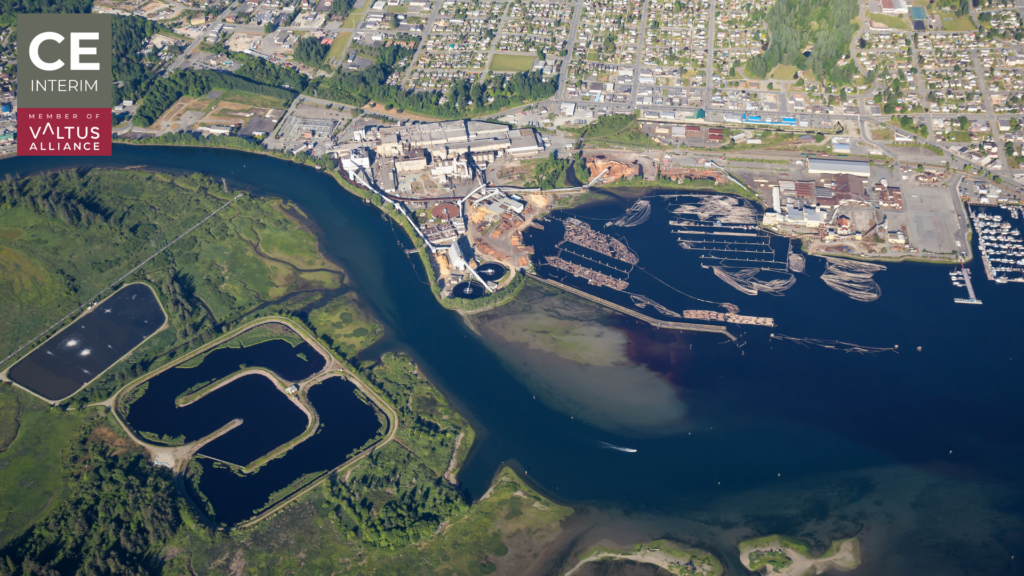
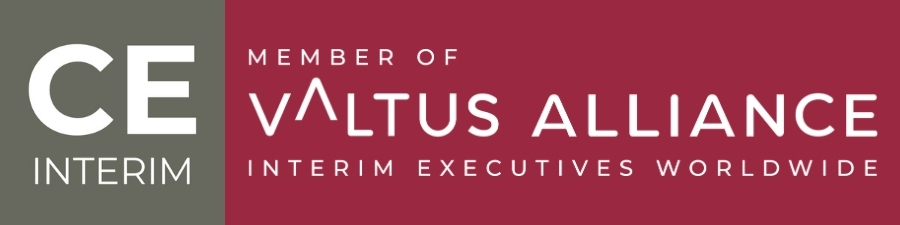
Polonia comenzó el año 2026 con fábricas, líneas de producción y compromisos de inversión que avanzaban más rápido que la mano de obra disponible en su entorno. La Agencia Polaca de Inversiones y Comercio (PAIH) informó de 64 proyectos subvencionados en 2025. La inversión declarada superó los 4 000 millones de euros, con más de 6 600 puestos de trabajo previstos. De ellos, 42 proyectos de producción representaban más de 3.600 millones de euros y unos 2.900 puestos de trabajo previstos. Para los consejos de administración que buscan el «nearshoring» en Europa Central y del Este, esa relación entre capital y empleo es importante. Desplaza la cuestión hacia quién puede hacer que una capacidad cada vez más automatizada sea productiva en los plazos previstos. La Oficina Central de Estadística de Polonia (Główny Urząd Statystyczny, GUS) estimó que la producción industrial vendida aumentó un 3,11 TP3T en 2025 y que la productividad laboral creció un 3,51 TP3T. El empleo medio descendió un 0,51 TP3T, mientras que los salarios brutos mensuales nominales aumentaron un 8,01 TP3T. La Comisión Europea informó de que el 62,41 TP3T de las empresas industriales polacas consideraban la escasez de mano de obra como una limitación a la producción en el cuarto trimestre de 2025. En toda la UE, la cifra fue del 17,51 TP3T. Esa es la situación de partida para el sector manufacturero de Europa Central y Oriental en 2026: la intensidad de capital está aumentando, mientras que la disponibilidad de mano de obra y los recursos de gestión siguen siendo escasos. El nearshoring en Europa Central y Oriental se convierte en un problema operativo tras la selección de la ubicación: el análisis de la ubicación finaliza antes de que comience el riesgo de ejecución. CE Interim ya ha expuesto los argumentos a favor de la ubicación regional en «Nearshoring Advantage: Europa Central y Oriental como centro industrial de Europa». Este artículo comienza una vez que el consejo de administración ha seleccionado la zona geográfica, aprobado la inversión y asignado el caso de negocio. En ese momento, el nearshoring en Europa Central y Oriental se convierte en una secuencia ya establecida de obligaciones de puesta en marcha, cualificación y aumento progresivo de la producción. El consejo de administración ya no se limita a tener una tesis de ubicación. Ahora tiene un calendario de ejecución. La capacidad industrial de Polonia se está expandiendo en un contexto de costes más ajustados. El Narodowy Bank Polski (NBP) registró 56 500 millones de PLN en transacciones de inversión directa extranjera en Polonia en 2024. Esa cifra fue de 55,11 TP3T, o 69 200 millones de PLN, inferior a la de 2023. El NBP también identificó el aumento de los costes laborales y los precios de la energía entre los factores que afectan a los planes de inversión. Por lo tanto, el repunte de los proyectos de la PAIH para 2025 se produce en un mercado bajo presión. La capacidad industrial de Polonia debe absorber esas condiciones operativas, no solo las nuevas máquinas. La construcción puede ocultar la brecha de liderazgo en el nearshoring La finalización física no garantiza la preparación operativa Las obras civiles, las entregas de equipos y los hitos de instalación son fáciles de comunicar. La preparación operativa es más difícil de apreciar. Una línea de producción puede alcanzar su finalización física mientras que los estándares de mantenimiento, las rutinas de escalado, el liderazgo de los turnos y la recuperación de los proveedores siguen sin estar completos. El corredor industrial de la Baja Silesia y Opole ilustra este problema más amplio. La nueva capacidad industrial de Polonia compite por líderes con experiencia en producción, ingeniería y mantenimiento que quizá ya estén a cargo de la producción existente. Antes de la puesta en marcha, cinco sistemas deben tener una responsabilidad clara: la brecha de liderazgo en el nearshoring resulta costosa cuando la responsabilidad permanece fragmentada entre las distintas funciones. Antes de que la planta entre en fase de puesta en marcha, la dirección necesita un control claro sobre un conjunto reducido de sistemas operativos: Eurostat añade otra limitación. Entre el 1 de enero de 2005 y el 1 de enero de 2025, Polonia y Rumanía perdieron cada una aproximadamente 2 millones de habitantes. La población de Rumanía se redujo en unos 11%. Para un jefe de planta o un director de planta, esto modifica las previsiones de personal. Afecta a los turnos, al nivel de mantenimiento y a la sustitución de supervisores durante la fase de puesta en marcha. La automatización puede reducir la mano de obra directa en algunos procesos. También eleva el coste de las decisiones técnicas poco acertadas en torno a activos que requieren una mayor inversión de capital. La puesta en marcha convierte flujos de trabajo separados en un único sistema de producción. La brecha de liderazgo en el nearshoring se hace cuantificable durante la integración. La puesta en marcha obliga a que la maquinaria, los servicios públicos, las interfaces de ERP y MES, los controles de calidad, las rutinas de mantenimiento, los proveedores y la capacidad de la plantilla trabajen conjuntamente. La planta pone ahora de manifiesto las deficiencias en la toma de decisiones a través de hitos incumplidos, tiempos de ciclo inestables y defectos sin resolver. El director de operaciones (COO), el director de operaciones o el director de puesta en marcha deben decidir qué desviaciones puede gestionar la planta a nivel local. Otras desviaciones amenazan la certificación o los plazos de lanzamiento y requieren una escalación más rápida. Si nadie asume la responsabilidad de esas compensaciones, cada función puede parecer ocupada mientras la planta sigue siendo inestable. La fabricación en Europa Central y Oriental en 2026 concede mayor importancia a la calidad de las decisiones locales. Esta presión se extiende más allá de Polonia. El Grupo BMW inauguró su planta de Debrecen (Hungría) el 29 de septiembre de 2025. La producción en serie del BMW iX3 de la Neue Klasse comenzó a finales de octubre de 2025. La planta integra la producción de baterías de alto voltaje con procesos de fabricación altamente digitalizados. En toda la fabricación en Europa Central y Oriental en 2026, la misma prueba operativa se aplica a los activos altamente integrados. Entre las instalaciones industriales relevantes se incluyen Mercedes-Benz Vans en Jawor (Polonia) y Nokian Tyres en Oradea (Rumanía). Las exigencias de gestión aumentan con la integración. Un problema de ingeniería local puede afectar a la producción, la calidad y la logística al mismo tiempo. Una mayor automatización no elimina la necesidad de tomar decisiones; lo que hace es concentrar esa toma de decisiones en un número menor de puestos. Por eso, la falta de liderazgo en el nearshoring suele hacerse evidente antes de que surja una vacante oficial. El SOP convierte los problemas sin resolver en costes, existencias y riesgos para los clientes. La IED en el sector manufacturero de Rumanía muestra por qué los activos instalados no equivalen a la rentabilidad operativa. El Banco Nacional de Rumanía (BNR) informó de una posición de IED entrante de 125 035 millones de euros a finales de 2024. El sector industrial representó el 37,11 TP3T, y el sector manufacturero, el 76,11 TP3T de la posición de IED industrial. Los flujos netos de IED en 2024 ascendieron a 5.603 mil millones de euros, lo que supone un descenso de 17,01 TP3T respecto a 2023. La IED en el sector manufacturero rumano es considerable, pero la capacidad instalada aún tiene que dar resultados. La planta debe convertir la capacidad técnica en volumen, calidad y efectivo en las fechas previstas en el estudio de viabilidad. El capital circulante muestra inestabilidad antes de que lo haga la presentación a la junta directiva. Según la Comisión Europea, la producción industrial rumana disminuyó un 0,9% en 2025. El mismo informe situó el crecimiento real de la productividad laboral por hora en torno al 4,51 TP3T anual entre 2015 y 2019. Este crecimiento se ralentizó hasta situarse en torno al 21 TP3T entre 2020 y 2025. Los elevados precios de la energía y los rápidos aumentos de los costes laborales debilitaron la competitividad del sector manufacturero. Ese es el contexto operativo de la inversión extranjera directa (IED) en el sector manufacturero rumano en lugares como Oradea y Bucarest-Ilfov. Una vez que comienza la puesta en marcha (SOP), la inestabilidad se traslada rápidamente a los estados financieros. La chatarra consume material, el transporte de mercancías con tarifa premium protege los plazos de los clientes, las horas extras cubren las brechas de productividad y el inventario aumenta para amortiguar la incertidumbre. El margen de contribución llega más tarde, mientras que los costes fijos ya se están generando. Por lo tanto, la deslocalización cercana a Europa Central y Oriental se convierte en un problema de control de tesorería cuando la producción no cumple con las hipótesis del caso de inversión. Los primeros seis meses de producción ponen a prueba la capacidad de gestión de la fabricación en Europa Central y Oriental en 2026: se requiere un sistema de gestión, no un equipo de proyecto. Las primeras fases de producción revelan si la planta ha completado la transición de la gobernanza del proyecto a la disciplina operativa. Los defectos recurrentes deben pasar de la contención a la corrección permanente. El mantenimiento tiene que pasar de
Los cuellos de botella en la cadena de suministro de defensa comienzan por debajo del nivel uno
Los cuellos de botella de la cadena de suministro del sector de la defensa se sitúan ahora por debajo de los contratistas principales, donde la capacidad, la cualificación, la localización y el capital circulante limitan la producción.
El cumplimiento de la CBAM por parte de los fabricantes se ha convertido ahora en un problema de flujo de caja
Los fabricantes que deben cumplir con el CBAM se enfrentan a un riesgo de costes en 2026 que afecta a los precios, las provisiones y la liquidez antes de que comiencen las compras de certificados.
Estrategias del CFO interino para estabilizar el capital circulante

La presión sobre el capital circulante empieza con un desvío operativo, no con una crisis de liquidez. He aquí cómo los directores financieros interinos identifican y fijan las tres palancas específicas que importan.
La industria manufacturera húngara en 2026: ¿puede el liderazgo local seguir el ritmo?

La fabricación húngara en 2026 se acelera, pero sigue habiendo lagunas de liderazgo. Pueden los equipos locales seguir el ritmo de las inversiones, los aumentos y la creciente presión de ejecución?
La expansión de la automoción en Hungría necesita líderes, no planes
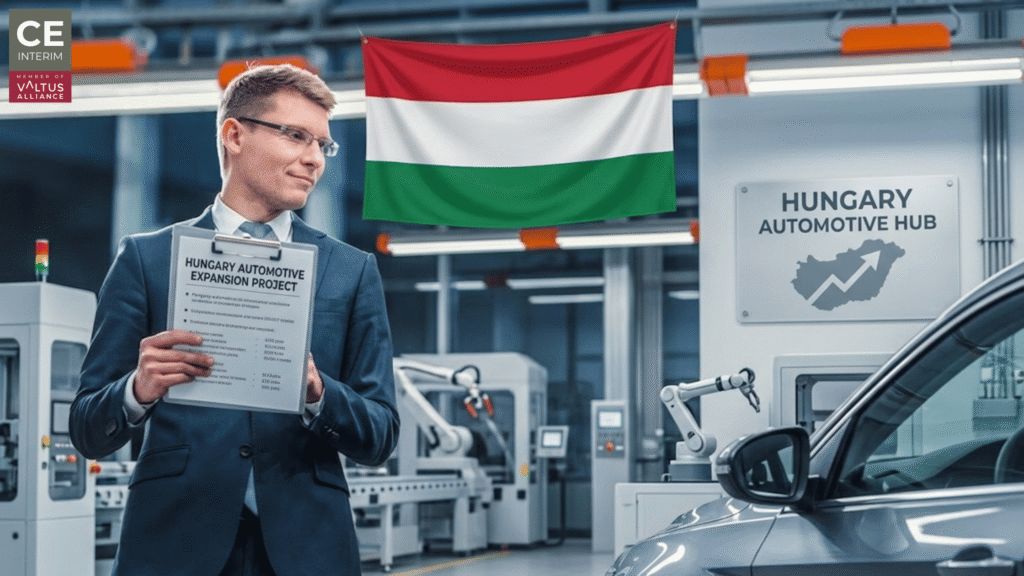
La expansión de la automoción en Hungría se acelera, pero las plantas se enfrentan a la falta de liderazgo. Por qué la ejecución, y no la estrategia, decidirá los resultados para fabricantes y proveedores.
Por qué las cadenas de suministro del automóvil están más expuestas a Hormuz

La automoción se enfrenta a cinco interrupciones simultáneas del suministro del Golfo: aluminio, petroquímica, caucho, semiconductores y logística. Ningún otro sector está expuesto a todas las categorías de materiales a la vez.
Hormuz, Mar Rojo, Suez: cuando los tres corredores fallan a la vez
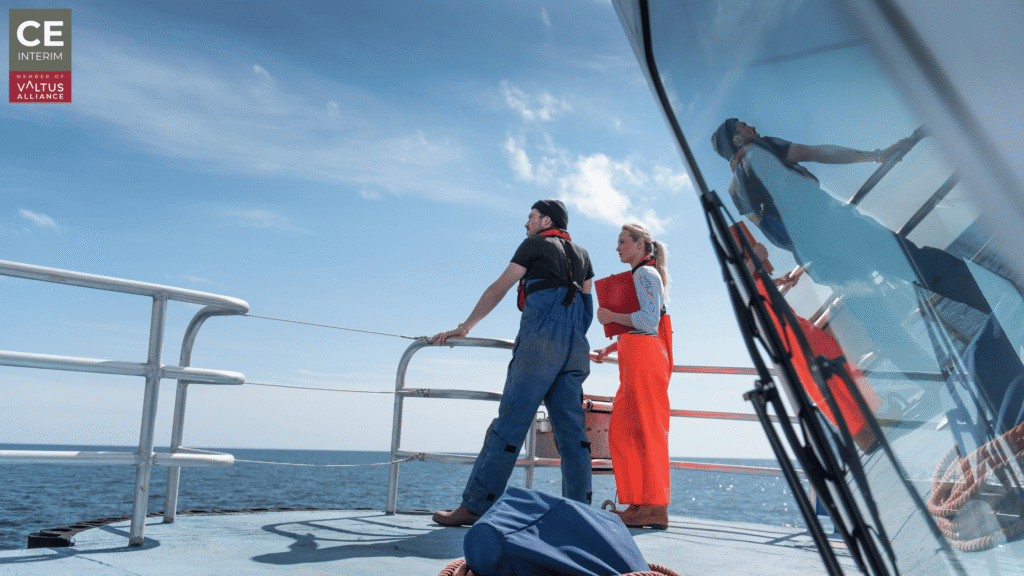
Por primera vez en la historia comercial moderna, tres grandes corredores marítimos han fallado simultáneamente. He aquí por qué esto es categóricamente diferente de cualquier interrupción anterior.
Después de Hormuz: cómo construir una cadena de suministro que no pueda ser rehén

Hormuz puso al descubierto qué cadenas de suministro pueden ser rehenes y cuáles no. La diferencia se construyó años antes. He aquí cómo construir la suya ahora.
La crisis de Ormuz provoca fuerza mayor. Esto es lo que hay que hacer.

La mayoría de las empresas que reciben avisos de fuerza mayor los tratan como asuntos legales. Deberían tratarlas como pistoletazos de salida operativos. Esto es lo que sus contratos no pueden cubrir.
 EN
EN  DE
DE  FR
FR  IT
IT  PL
PL  RO
RO  CS
CS  SK
SK  HU
HU  ES
ES  RU
RU  AR
AR  SL
SL