Seguridad de la planta durante las paradas de mantenimiento
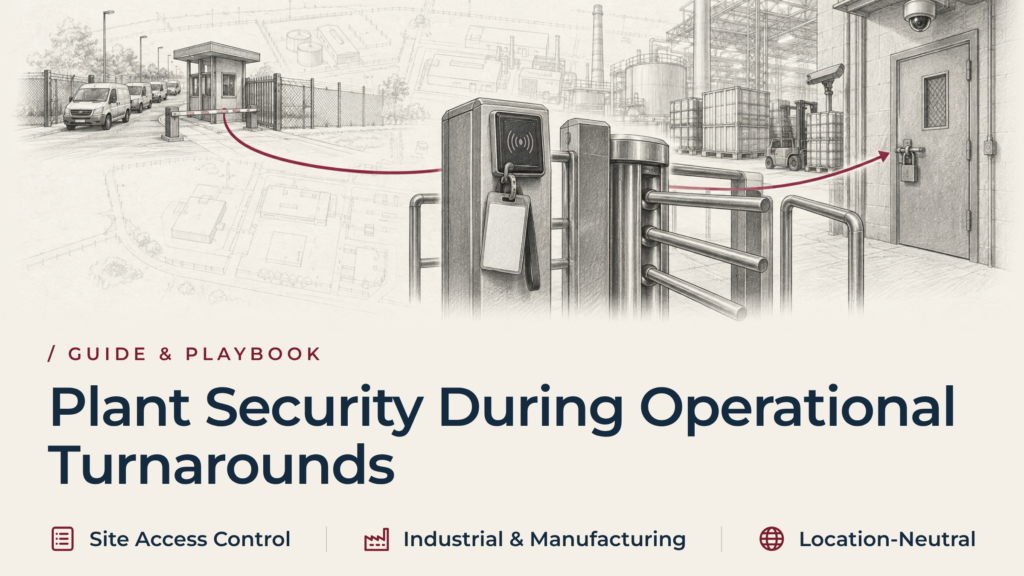
Descubre cómo los responsables de las plantas pueden reforzar la seguridad durante las paradas operativas mediante el control del acceso de los contratistas, las zonas restringidas, las credenciales y los riesgos en las instalaciones.
Cuándo debe intervenir la sede central: una lista de comprobación para el consejo de administración de las operaciones de fabricación checas

En resumen: cuando una filial industrial checa incumple repetidamente los objetivos operativos, la respuesta natural del consejo de administración es solicitar más información. Esto suele traducirse en un plan de recuperación revisado, un seguimiento semanal de la tesorería u otra reunión de revisión. Ese instinto es comprensible. Sin embargo, rara vez resuelve el problema, ya que disponer de más detalles procedentes de la misma línea jerárquica no cambia lo que está ocurriendo en la planta de producción. La intervención directa de la dirección se convierte en la decisión acertada cuando se dan unas condiciones específicas y observables, no cuando se agota la paciencia. Aquí se exponen cuáles son esas condiciones y qué autoridad ejecutiva requiere realmente cada patrón. También se aborda la rapidez con la que se puede ejercer dicha autoridad. El desencadenante operativo: por qué el aumento de la información no resuelve el incumplimiento de los objetivos de la planta. El patrón llega a un consejo de administración alemán en una forma ya conocida. Una planta de Plzeň, Mladá Boleslav o Liberec lleva varios trimestres comunicando unos resultados globalmente aceptables. El rendimiento sigue decayendo y el margen sigue reduciéndose. Cada trimestre, la dirección local presenta un plan de recuperación revisado que no ha logrado cerrar la brecha. Pedir más información es una primera respuesta razonable. Un consejo de administración puede accionar varias palancas sin intervenir directamente en la propia planta. Un seguimiento semanal de la tesorería, un nuevo plan de recuperación, otra reunión de revisión: todo ello supone un coste mínimo. Bajo presión, ese instinto es acertado. La dificultad radica en que los informes extraídos de la misma operación, al mismo nivel de autoridad, rara vez aportan datos diferentes. Lo que ofrecen es la misma imagen con mayor detalle. El momento oportuno es más importante de lo que parece en esta fase. Un estudio de McKinsey & Company sobre la reestructuración operativa, centrado en la intervención decisiva de los ejecutivos, pone de manifiesto por qué es importante el momento oportuno. Las situaciones de reestructuración responden a una acción ejecutiva rápida y decisiva en los primeros treinta días. Cada mes adicional dedicado a revisar planes, mientras los desechos en la planta siguen aumentando, agota la liquidez y la confianza de los clientes. También reduce el abanico de opciones que aún tiene a su disposición el consejo de administración. Retos de gestión transfronteriza: límites de supervisión entre la sede central alemana y las plantas checas. Cuatro condiciones hacen que este corredor concreto sea más difícil de gestionar de lo que sugiere la geografía, y cada una de ellas tiene un origen razonable. La presentación de informes conforme a las normas puede seguir ocultando desviaciones operativas. Los equipos de las plantas checas suelen mantener una sólida disciplina administrativa. El paquete mensual que llega a Stuttgart o Múnich suele estar completo y correctamente formateado. Ese cumplimiento formal es real, pero no es lo mismo que la visibilidad operativa. Las máquinas que funcionan por debajo de la velocidad nominal, las microparadas no registradas y los ciclos de reelaboración rara vez aparecen en las cifras de OEE o de desechos de alto nivel. Nada en la plantilla de informes los solicita directamente. La proximidad no sustituye al conocimiento a nivel de turno. Una planta en Ústí nad Labem o Plzeň se encuentra a solo unas horas de Baviera o Sajonia. Los ejecutivos alemanes interpretan razonablemente esa distancia como una supervisión manejable. Una visita de medio día a las instalaciones ofrece un recorrido impecable y una conversación útil con el director de la planta. No saca a la luz lo que cambia entre turnos, que suele ser donde reside la verdadera variación. Barreras legales y de información: la responsabilidad del director general checo y los riesgos relacionados con el conocimiento local. El derecho mercantil checo atribuye responsabilidad personal al director general local. El «jednatel» asume la responsabilidad fiduciaria legal de la entidad, independiente de la propia gobernanza de la matriz alemana. La sede central a veces establece objetivos de producción agresivos sin liberar el capital circulante o los gastos de inversión que dichos objetivos suponen. Cuando eso ocurre, la propia exposición legal del «jednatel» le da una razón directa para proteger su puesto. Tiene menos motivos para ofrecer voluntariamente una visión completa de la situación a sus superiores. Esa es una respuesta previsible a cómo se reparten la autoridad y la responsabilidad a través de la frontera. No es un indicio de mala fe. Los equipos locales con larga trayectoria poseen conocimientos que la sede central no puede auditar fácilmente. El historial de precios de los proveedores, los registros de mantenimiento y la lógica de planificación de turnos suelen basarse en relaciones personales forjadas a lo largo de los años. Rara vez ese conocimiento se encuentra en un sistema compartido. Cuando la sede central solicita datos, lo que recibe es un resumen filtrado a través de ese mismo conocimiento local. Actualmente no existe ninguna otra versión que se pueda enviar. Lista de verificación diagnóstica para el consejo de administración: señales de alerta clave de un colapso operativo en las filiales extranjeras. Estas condiciones son observables desde la sede central, sin necesidad de encargar una revisión adicional: cuando se dan dos o más de ellas a la vez, la gobernanza pasiva ha llegado a su límite. Múltiples estudios de investigación sobre gobernanza, centrados en la supervisión de las filiales y los sistemas operativos, apuntan a la misma conclusión. La decisión que debe tomar el consejo de administración es qué autoridad ejecutiva enviar in situ. No se trata de si hay que solicitar un informe más. Marco de intervención ejecutiva: adaptar los patrones operativos a las funciones de liderazgo provisionales. La intervención no significa enviar un equipo corporativo desde Alemania para realizar una revisión adicional. Significa adaptar el patrón ya visible en las condiciones anteriores a la autoridad ejecutiva específica que requiere. Dicha autoridad debe estar presente in situ con la suficiente rapidez como para poder cambiar aún el resultado. Patrón sobre el terreno Función ejecutiva requerida Autoridad conferida Duración típica La ejecución en la planta de producción se ha colapsado: porcentaje de desechos superior al 51 % (TP3T), cumplimiento de plazos de entrega inferior al 85 % (TP3T), tiempo de inactividad sin controlar Director de planta interino Autoridad directa sobre la programación de turnos, la disciplina en la planta de producción, el mantenimiento y los controles de calidad De 3 a 6 meses Los departamentos de compras, ingeniería y producción trabajan en contra unos de otros Director de operaciones interino (COO) Autoridad interdepartamental para reajustar la cadena de suministro, el flujo de producción y la ingeniería local De 6 a 9 meses El consumo de efectivo se ha convertido en un riesgo estructural: EBITDA negativo, presión de los acreedores. Director de Riesgos (CRO) interino: autoridad de director gerente estatutario (jednatel) para reestructurar el balance, renegociar condiciones y redimensionar la presencia. De 6 a 12 meses. Se ha perdido la confianza del consejo de administración en el liderazgo local y el cumplimiento normativo se ha desmoronado de forma sistémica. Director general (CEO) o director gerente interino: liderazgo pleno de la empresa, interacción directa con el consejo de administración del grupo, los comités de empresa, los clientes clave y los bancos. De 6 a 12 meses. Secuencia de implementación: uso de la autoridad legal para un rápido cambio de rumbo de la planta. Adaptar el modelo al cargo es solo la primera decisión. La segunda es la secuencia. Un mandato para el director de planta que posteriormente requiera autoridad a nivel de director de riesgos (CRO) para renegociar las condiciones con los proveedores conlleva semanas de escalado y remobilización. Por eso, el diagnóstico anterior debe realizarse con honestidad, en lugar de con optimismo. Hay que llevarlo a cabo con honestidad en el momento en que el consejo de administración decida qué encargar. Una investigación de McKinsey & Company sobre la transformación en operaciones distribuidas plantea una cuestión relacionada. Las intervenciones que funcionan
Los cuellos de botella en la cadena de suministro de defensa comienzan por debajo del nivel uno

Los cuellos de botella de la cadena de suministro del sector de la defensa se sitúan ahora por debajo de los contratistas principales, donde la capacidad, la cualificación, la localización y el capital circulante limitan la producción.
El cumplimiento de la CBAM por parte de los fabricantes se ha convertido ahora en un problema de flujo de caja

Los fabricantes que deben cumplir con el CBAM se enfrentan a un riesgo de costes en 2026 que afecta a los precios, las provisiones y la liquidez antes de que comiencen las compras de certificados.
Ataque de ransomware en el sector manufacturero: seis semanas hasta la insolvencia

Un ataque de ransomware que provoque una crisis en el sector manufacturero puede paralizar la producción, agotar la liquidez y obligar al consejo de administración a reestructurar la empresa, venderla o cerrarla en cuestión de semanas.
Perspectivas del sector manufacturero en Europa para 2026: reposición de existencias, no demanda

Las perspectivas del sector manufacturero europeo para 2026 apuntan a que las fábricas están experimentando una reposición de existencias antes de que se produzca una auténtica recuperación de la demanda. Descubre qué implica esto para la planificación de la capacidad.
Las primeras 72 horas tras la escalación de una planta húngara por parte de un cliente

Las primeras 72 horas tras la escalación de un problema por parte de un cliente determinan si el problema se queda en el ámbito operativo o se convierte en un riesgo para la empresa. Esto es lo que los consejos de administración deben hacer en primer lugar.
¿El director de planta interino, el director de operaciones o el director general? ¿Quién debería liderar la recuperación en Hungría?

La reestructuración de una planta fracasa cuando la autoridad es menor que el problema. Descubre cuándo una empresa húngara necesita un director de planta interino, un director de operaciones o un director general.
¿Malos resultados operativos o crisis estructural? Un análisis a nivel del consejo de administración para el sector manufacturero húngaro

No todos los problemas operativos son una crisis estructural. Descubre el método de diagnóstico a nivel de consejo de administración que ayuda a distinguir entre un bajo rendimiento temporal y un fallo de gobernanza.
¿Por qué fracasan los planes de recuperación en las fábricas húngaras de propiedad alemana?

Cuando los planes de recuperación se siguen modificando en lugar de llevarse a cabo, el problema rara vez radica en el plan en sí. Descubre por qué una ejecución basada en mandatos cambia el resultado.
 EN
EN  DE
DE  FR
FR  IT
IT  PL
PL  RO
RO  CS
CS  SK
SK  HU
HU  ES
ES  RU
RU  AR
AR  SL
SL