Co investice Spojených arabských emirátů znamenají pro německý průmysl

Německý průmyslový podnik, který přijal kapitál z Perského zálivu, zaznamenává změny ve svých měsíčních závěrkách. Investice Spojených arabských emirátů do německého průmyslu se posunuly od oznámení k realizaci. Tiskové oddělení spolkové vlády potvrdilo toto oznámení dne 10. září 2026. Oba představitelé uvítali investiční balíček Spojených arabských emirátů v Německu ve výši 40 miliard EUR. Tato částka však představenstvu nic neříká o harmonogramu realizace, který převzalo. Tři formy investic SAE do německého průmyslu, tři plány realizace Tato částka představuje prohlášení o záměru, nikoli podrobný závazek. Společné prohlášení, o kterém informovala agentura WAM, zaznamenává 29 dohod mezi podniky v hodnotě více než 9,356 miliardy EUR, které tvoří doplněk k balíčku, nikoli jeho součást. Ministr Sultan Ahmed Al Jaber označil tuto částku za doplňkovou k již investovaným přibližně 34 miliardám eur, jak informoval deník Handelsblatt 10. září 2026. Z provozního hlediska je rozhodující forma, jakou investice SAE do německého průmyslu nabývají. V případě akvizice se prvním omezením stává řízení integrace. Nejjasnějším příkladem je společnost Covestro, přičemž tato akvizice předcházela zářijovému balíčku. XRG, mezinárodní divize společnosti ADNOC, dokončila převzetí společnosti Covestro AG dne 10. prosince 2025, přičemž při uzavření transakce došlo k navýšení kapitálu o 1,17 miliardy EUR. Společnost Emirates Global Aluminium vykazuje odlišný model, když rozšiřuje německý recyklační závod, který již vlastní. V obou případech stanovuje standardy výkaznictví vlastník a německé finanční oddělení provádí dvě účetní uzávěrky. Kontrola s sebou nese také regulační postup. Na nabyvatele mimo EU se vztahuje prověřování podle zákona o zahraničním obchodu (Außenwirtschaftsgesetz) a nařízení o zahraničním obchodu (Außenwirtschaftsverordnung), které spravuje Spolkové ministerstvo pro hospodářství a energetiku (Bundesministerium für Wirtschaft und Energie). Souběžně s tím platí nařízení (EU) 2019/452. Kontrola fúzí spadá do působnosti Bundeskartellamt nebo, podle nařízení EU o fúzích, Evropské komise. Nařízení EU o zahraničních dotacích, nařízení (EU) 2022/2560, může stanovit závazky, které ovlivňují způsob, jakým vlastník spravuje daný aktivum. Představenstva je považují za podmínky uzavření transakce. Stanovují provozní podmínky na dva roky. Menšinový podíl přesouvá otázku z kontroly na informovanost. Menšinový kapitál ukládá povinnost podávat zprávy společnosti, která ji dosud neměla. Společnost Partners Group oznámila dne 14. července 2025, že konsorcium se dohodlo na akvizici společnosti Techem z Eschbornu, přičemž se Mubadala Investment Company připojila jako menšinový investor. Paritní spolurozhodování podle zákona o spolurozhodování (Mitbestimmungsgesetz) z roku 1976 se vztahuje na podniky s více než 2 000 zaměstnanci, zákon o třetinové účasti (Drittelbeteiligungsgesetz) pak na podniky s 500 až 1 999 zaměstnanci. Menšinový akcionář získává vhled do dozorčí rady, kterou však nemůže přetvořit, a zátěž tak spočívá spíše na kontrole než na samotném závodě. Financování projektu činí z podávání zpráv o milnících provozní disciplínu. Projektový kapitál je nejnáročnější ze všech tří, protože je vázán na termíny. Společnost RWE oznámila 6. února 2026 uzavření memoranda s firmou Masdar. Společnost Masdar by do roku 2030 zvážila investici do stávajících bateriových úložišť ve vlastnictví RWE o kapacitě až 1 GW v Německu, s dalším 1 GW do roku 2035. To představuje záměr, nikoli dokončení. Tento vzorec platí i v případech, kdy investor není smluvní stranou. Společnost GlobalFoundries, skupina se sídlem v USA, v níž má Mubadala Investment Company významný podíl, oznámila 28. října 2025 rozšíření svého závodu v Drážďanech v hodnotě 1,1 miliardy EUR, díky čemuž by měla do konce roku 2028 překročit hranici jednoho milionu waferů ročně, a to s očekávanou podporou spolkové vlády a Svobodného státu Sasko v rámci evropského zákona o čipech. Jedná se o podnikový kapitál, který není součástí zářijového balíčku. Veřejné spolufinancování s sebou nese povinnost předkládat auditní zprávy a doklady o splnění milníků, takže harmonogram podávání zpráv se stává výrobním omezením, nikoli finančním úkolem. Vztah mezi ústředím a provozovnou určuje německé průmyslové operace po zahraniční investici. Rozhodovací práva před formáty výkaznictví. Vzdálenost mění mechaniku, nejen atmosféru. Akcionářský výbor v Perském zálivu pracuje v jiném týdenním rytmu, takže kapitálová otázka z čtvrtka čeká na ten příští. Investiční rada zvyklá na měsíční provozní detaily se setkává s kontrolní funkcí vytvořenou pro dozorčí radu, která zasedá čtvrtletně. Ani jedno z těchto očekávání není nepřiměřené, ale obě se navzájem vylučují. To je kompromis, s nímž se představenstvo ve skutečnosti potýká. Rychlé uspokojení informačních potřeb vlastníka má tendenci zpomalovat místní rozhodování, zatímco snaha o rychlost rozhodování ponechává vlastníka déle v nejistotě. Představenstvo rozhoduje, jakou míru zpoždění v rozhodování akceptuje a na jak dlouho. Zde záleží na pořadí. Rozhodovací práva mají přednost, protože formáty dohodnuté ještě před udělením pravomoci vedou k rychlým číslům, na jejichž základě nikdo na místě nemůže jednat. Schvalovací proces kapitálu je na druhém místě, protože zastavený projekt je první nákladovou položkou, kterou zákazník zaznamená. Harmonizace kontrolních mechanismů je až na posledním místě. V německých průmyslových provozech po zahraničních investicích je toto pořadí často obrácené. Po skončení druhého čtvrtletí se to projeví v dodávkách dříve, než se to projeví v účetnictví, což je vzorec, který CE Interim popisuje ve své práci o integraci po fúzi. Časový harmonogram podnikové rady udává tempo Podle § 106 zákona o podnikové samosprávě (Betriebsverfassungsgesetz) musí společnost s více než 100 zaměstnanci informovat svůj hospodářský výbor (Wirtschaftsausschuss) o podstatných obchodních změnách. Jakákoli změna, která splňuje podmínky pro „Betriebsänderung“, spouští proces sladění zájmů a vypracování sociálního plánu podle § 111 až 113. Dosažitelné tempo změn určuje kalendář podnikové rady, nikoli dokument investičního výboru. Kontrola připravenosti k realizaci během prvních 180 dnů Představenstvo může většinu těchto aspektů posoudit ještě před prvním uzavřením transakce s vlastníkem. Tři otázky určují, v jaké situaci se daný závod nachází, a každá z nich má svou prahovou hodnotu. Rozhodnutí, které nyní stojí před představenstvem – investice Spojených arabských emirátů do německého průmyslu – samo o sobě nepředstavuje provozní riziko. Riziko spočívá v rozporu mezi novou zátěží v oblasti řízení a stávajícími kapacitami managementu, přičemž závod musí dodržovat své dodací závazky. 10 miliard EUR určených pro Svobodný stát Bavorsko nemá jmenovaného příjemce, proto by představenstva měla plánovat spíše s ohledem na struktury než na mediální titulky. Možnosti jsou užší, než naznačuje oznámení. Představenstvo může novou zátěž zvládnout se svým stávajícím týmem, přebudovat vedení v oblasti financí a provozu tak, aby ji trvale zvládalo, nebo přijmout, že závod nemůže splnit závazky přijaté jeho jménem, a znovu otevřít otázku rozsahu, vlastnictví či uzavření. Pokud je mezera konkrétní a časově omezená, může ji na základě písemného mandátu zastat prozatímní finanční ředitel nebo provozní ředitel. Ten stanoví, kdo má přímou podřízenost vůči novému vlastníkovi,
Když uzavření polského závodu ovlivní harmonogram restrukturalizace v České republice: Proč se stávají souběžná rozhodnutí nemožnými

Německý průmyslový koncern s výrobními závody v Polsku a České republice stojí před rozhodnutím představenstva, které musí padnout do šesti týdnů. Polský závod je ztrátový a čerpá hotovost. Český závod vykazuje podprůměrné výsledky, ale z provozního hlediska je možné jej ozdravit. Celkový disponibilní kapitál na restrukturalizaci v obou zemích činí přibližně 35 milionů EUR. Zde je klíčový problém: rozhodnutí o okamžitém uzavření polského závodu automaticky vyvolá nutnost restrukturalizace v České republice, kterou nelze odložit, změnit její pořadí ani řídit samostatně. Když jedna země čelí uzavření a druhá vyžaduje restrukturalizaci, vede kaskádový efekt uzavření a restrukturalizace napříč více zeměmi ve střední a východní Evropě k patové situaci na úrovni vedení. To nutí nepřipravené představenstvo k rozhodnutí, které nikdo neplánoval učinit. Pochopení toho, proč se paralelní rozhodnutí stávají nemožnými, je zásadní pro každého vedoucího představitele průmyslu z regionu DACH, který řídí provoz v střední a východní Evropě. Prvních 30 dní: jak začíná kaskádový proces restrukturalizace spojený s uzavřením závodů ve více zemích střední a východní Evropy Jakmile představenstvo schválí uzavření polského závodu, současně se aktivují oznamovací povinnosti v obou zemích. A co je nejdůležitější, obě lhůty se překrývají. Ani jednu z nich nelze odložit bez právního rizika. Tento souběžný spouštěcí mechanismus uvádí do pohybu kaskádu, která charakterizuje situace uzavření a restrukturalizace ve více zemích v regionu střední a východní Evropy. Lhůty pro oznámení se střetávají současně Polský zákoník práce ukládá zaměstnavatelům povinnost oznámit rozhodnutí o hromadném propouštění okresnímu úřadu práce do 20 dnů. Zároveň musí v rámci stejné 20denní lhůty proběhnout konzultace s odborovou organizací. Kromě toho český zákoník práce ukládá minimální 30denní lhůtu pro oznámení úřadu práce a zástupcům zaměstnanců předtím, než jakékoli výpovědi nabudou účinnosti. Výsledek je jasný: obě oznámení musí být podána. Obě lhůty běží souběžně. Kapacita vedení se rozděluje mezi dvě rozhodnutí. Uzavření podniku vyžaduje odlišné kroky: podmínky propouštění, výpočet odstupného, inventarizaci majetku, postupné utlumování výroby, informování věřitelů a plánování kontinuity služeb pro zákazníky. Restrukturalizace vyžaduje jiné kroky: rušení funkcí, rozhodnutí o investicích do produktivity, prognózy provozního kapitálu a výkonnostní cíle. V důsledku toho v překrývajícím se 20–30denním období vyžaduje uzavření v Polsku plnou pozornost operačního týmu. Mezitím se rozhodnutí o restrukturalizaci v České republice vtlačuje do již tak přeplněného programu. Právě proto scénáře uzavření a restrukturalizace ve více zemích střední a východní Evropy způsobují problémy s kapacitou na úrovni vedení. 4.–8. týden: tlak na cash flow nastává ještě před uvolněním kapitálu na restrukturalizaci Jakmile fáze oznamování skončí, finanční realita se rapidně zhoršuje. Závazky z odstupného se mění v konkrétní pasiva. Věřitelé a dodavatelé rozpoznávají signál o ukončení činnosti. Navíc se platební cykly ve výrobě zkracují právě v okamžiku, kdy je hotovost nejvíce omezená. Tlaky na platební cykly a zpřísnění cash flow Standardní platební podmínky ve výrobním sektoru se v průmyslových B2B vztazích obvykle pohybují v rozmezí 60 až 90 dnů netto. Jakmile dodavatelé zaznamenají signály o uzavření, omezují úvěrové riziko. Mnozí požadují platbu předem nebo urychlují splátkové kalendáře faktur. V důsledku toho se zkracují závazky, zatímco inkaso pohledávek se zpomaluje. Finanční ředitel musí okamžitě reagovat na tlak věřitelů a zachovat přístup k úvěrovým linkám na provozní kapitál. Mezitím stále čeká na schválení investice do restrukturalizace v České republice. Nedostatek alokovaného kapitálu: 35 milionů EUR nestačí pro obě země Tato kapitálová kalkulace nebyla na pořadu jednání představenstva před šesti týdny. V 8. týdnu již finanční ředitel vyčlenil kapitál na uzavření polské pobočky. Nyní musí finanční ředitel informovat představenstvo, že česká restrukturalizace nemůže být financována podle původního plánu. Tato situace je typickým příkladem konfliktů při restrukturalizaci s uzavřením poboček ve více zemích v regionu střední a východní Evropy. 8.–16. týden: okno pro restrukturalizaci druhé země se nezvratně uzavírá. V této fázi se uzavření polské pobočky stává veřejnou záležitostí. Zaměstnanci odpracovávají výpovědní lhůty. Zákaznické objednávky se převádějí nebo ruší. Prodej aktiv vstupuje do fáze jednání. Co je zásadní, v České republice se vzkaz pro zaměstnance stává nezaměnitelným: centrála omezuje portfolio. Česká republika by mohla být na řadě. Riziko odchodu zaměstnanců se zvyšuje a technická způsobilost se zhoršuje. Český ředitel závodu každý týden přijímá hovory od kvalifikovaných technických pracovníků, kteří dostali pracovní nabídky jinde. Zároveň finanční ředitel dosud neuvolnil kapitálové prostředky pro Českou republiku. Provozní ředitel nezveřejnil plán ozdravení. V důsledku toho se nejistota prodlužuje z dnů na týdny. Do 12. týdne závod přichází o dva vedoucí techniky a tři mladší inženýry. Kvalita výroby se zhoršuje. Stížnosti zákazníků výrazně narůstají. Zpoždění mění potenciál k obratu v zhoršení provozu. Řešení, jejichž zavedení by ve 2. týdnu stálo 12 milionů EUR, nyní v 10. týdnu stojí 18 milionů EUR. Každý týden zpoždění restrukturalizace systematicky oslabuje výkonnost. Morálka klesá, protože nebylo učiněno žádné závazné rozhodnutí. Zákazníci snižují objem objednávek, protože se zhoršuje plnění dodávek. Platební podmínky dodavatelů se zhoršují, protože se zhoršuje platební morálka. Ve 14. týdnu se český závod posouvá z pozice kandidáta na restrukturalizaci do pozice kandidáta na uzavření. Představenstvo stojí před jinou volbou, než se předpokládalo: provést restrukturalizaci za vysokých nákladů s nejistými výsledky, nebo závod uzavřít, aby se zachoval kapitál. Toto zhoršení není nevyhnutelné. Je přímým důsledkem kaskádového efektu restrukturalizace spojené s uzavíráním závodů ve více zemích střední a východní Evropy. Volba pořadí: postupné nebo souběžné provádění restrukturalizace zahrnující uzavření poboček ve více zemích Představenstvo stojí před binární volbou. Ani jedna z možností není atraktivní. Obě s sebou nesou značné náklady a rizika. V podstatě se jedná o volbu mezi přijatelnými výsledky a horšími výsledky. Možnost 1: Postupné provádění (nejprve uzavřít Polsko, poté Česko) Možnost 2: Paralelní provádění (řídit obě země současně) Kdo rozhoduje o pořadí a kdy dochází k rozpadu autority Formálně o pořadí při rozhodování o restrukturalizaci spojené s uzavřením v několika zemích střední a východní Evropy rozhoduje představenstvo nebo dozorčí rada. V praxi se musí sladit finanční ředitel (CFO), provozní ředitel (COO) a představenstvo. Pokud se nedaří dosáhnout shody, dochází ke střetu mezi operační realitou a strategickými preferencemi. Preference představenstva versus operační realita Postoj představenstva: Upřednostňuje se paralelní provádění. Paralelní provádění zkracuje celkovou dobu trvání a zachovává možnost restrukturalizace v České republice. Hodnocení provozního ředitele: Paralelní provádění je z operačního hlediska neproveditelné. Dvě významné akce v rámci portfolia nelze provést současně na vysoké úrovni. Je jisté, že v jedné nebo obou iniciativách dojde ke snížení kvality. Obava finančního ředitele: Kapitálová přiměřenost je nedostatečná. Finanční ředitel prosazuje postupné provádění: nejprve dokončit uzavření v Polsku, zachovat kapitálovou rezervu a teprve poté provést restrukturalizaci v České republice, pokud bude k dispozici kapitál a uleví se tlaku ze strany věřitelů. Mezinárodní rozpor v pravomocích, když se rozhodnutí nemohou sladit Polský country manager prosazuje rychlé uzavření. Naopak český country manager prosazuje jasný závazek k restrukturalizaci s viditelnou kapitálovou podporou. Z provozního hlediska jsou oba postoje správné. Nelze však uspokojit oba současně. Směrnice EU 98/59/ES a směrnice 2019/2121 o přeshraniční restrukturalizaci stanovují právní rámec, ale nevyřeší pořadí provádění. Finanční ředitel řídí uvolňování kapitálu. Pokud finanční ředitel zadrží kapitál na českou restrukturalizaci do vyřešení situace s polskými věřiteli, stává se paralelní rozhodnutí představenstva o provedení v praxi postupným provedením. Dochází k rozpadu pravomocí.
Zpomalení rozběhu v Srbsku: Tři rozhodnutí představenstva, která měla padnout již dříve
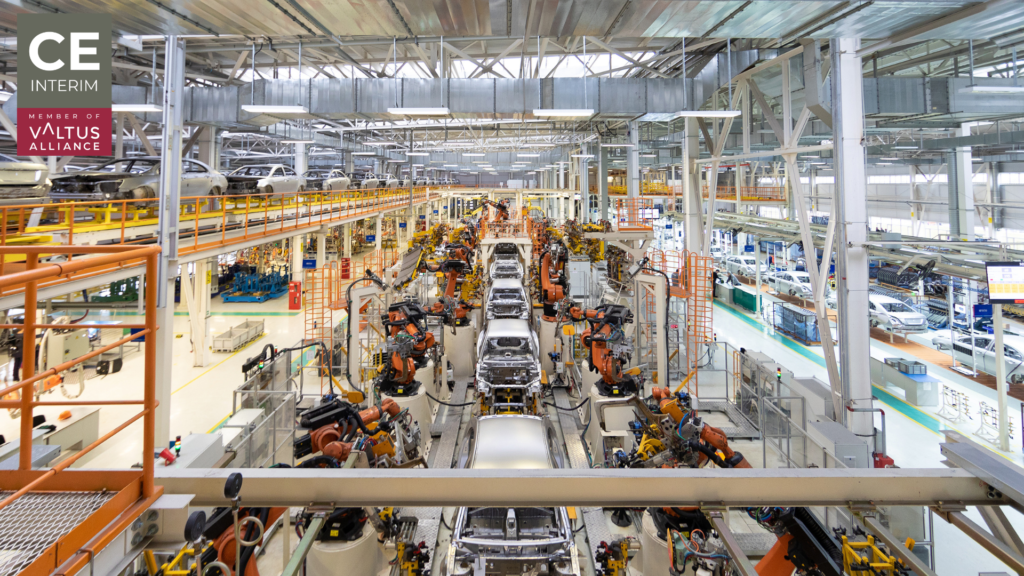
Německý konglomerát provozuje závody v Polsku a Srbsku pod vedením jednoho provozního ředitele (COO). Polsko dodává podle plánu. Srbsko rozjíždí nové výrobní kapacity. Představenstvo skupiny dostává měsíční klíčové ukazatele výkonnosti (KPI): celková produkce odpovídá plánu, kapitálové výdaje se pohybují v rámci rozpočtu a portfolio se jeví jako zdravé. To, co představenstvo nevidí, je, že ukazatele výroby na úrovni Tier 2 v srbském závodě se zhoršují, což souhrnné zprávy zakrývají. Nedostatek pracovní síly zkracuje časové lhůty. Termíny dodávek zákazníkům se posouvají. V době, kdy se formální eskalace dostane k představenstvu, jsou náklady na zpoždění již zřejmé. Jádro problému Nejde o neschopnost. Jedná se o příklad toho, jak selhává dohled nad provozem dodavatelů druhé úrovně (Tier 2), když řízení portfolia závisí na souhrnných ukazatelích a pozornost představenstva se soustředí na závody, které plní plán. Tržní kontext Srbský automobilový průmysl vygeneroval v roce 2025 export v hodnotě 4 miliard eur, což představuje 12,3 procenta celkového exportu. Podle studie trhu práce UNDP vzroste poptávka po pracovní síle v Srbsku ze 125 000 v roce 2024 na 144 000 v roce 2026, přičemž hlavní podíl na tomto růstu bude mít zpracovatelský průmysl. Dopad se výrazně projevil v roce 2025: 1. 12 640 pracovníků v srbském automobilovém sektoru bylo posláno na placenou dovolenou s 60% náhradou mzdy na delší dobu, než je zákonem povoleno. 2. To vedlo k propuštění více než 6 000 zaměstnanců. 3. Tento efekt se projevil řetězovou reakcí v podobě zpoždění při rozběhu výroby, která ústředí v regionu DACH nezaznamenalo, dokud nepřišly pokuty za zpoždění dodávek zákazníkům. Rozhodnutí 1: Kolik závodů může provozní ředitel (COO) dohlížet, aniž by ztratil přehled? Strukturální mezera v odpovědnosti Provozní ředitel (COO) dohlížející na více závodů obvykle řídí provoz prostřednictvím čtvrtletních revizí a hlášení výjimek. To funguje, když jsou závody zralé a fungují podle plánu. Systém selhává, když COO řídí současně jak závod s běžnou výrobou (Polsko), tak závod v fázi rozběhu (Srbsko). Závod s běžnou výrobou vyžaduje pozornost zaměřenou na optimalizaci. Závod v fázi rozběhu vyžaduje eskalaci a řešení problémů. Jedna osoba nemůže oběma věnovat dostatečnou pozornost. Co se vlastně stalo 8. měsíc rozběhu: Srbský závod nesplnil cíle v náboru pracovníků. Ředitel závodu na to upozornil provozního ředitele. Provozní ředitel si riziko uvědomil, ale záležitost neeskaloval na představenstvo, protože souhrnné výsledky portfolia stále vypadaly přijatelně, a to díky solidním výsledkům v Polsku. Rozhodnutí neeskalovat bylo racionální za předpokladu, že odchylku na úrovni Tier 2 lze vyřešit na místní úrovni. Tento předpoklad byl však mylný. Proč pozornost představenstva ochabuje Srbský automobilový sektor zaznamenal nárůst tržeb z 7,2 miliardy eur v roce 2023 na 8,3 miliardy eur v roce 2024, ale podle časopisu CorD Magazine varovali analytici již v lednu 2026, že rok 2025 by mohl být výrazně slabší kvůli klesající poptávce v EU. Tento vnější tlak byl již znám. Neznámé však bylo, že nedostatek pracovní síly zkrátí časový prostor pro oživení. Rozhodnutí 2: Jaká prahová hodnota odchylky vyvolá přezkum představenstvem? Past souhrnných ukazatelů Většina představenstev dostává KPI na úrovni portfolia, nikoli podrobnosti o jednotlivých závodech. Chybějící rozhodovací pravidlo Jen málo představenstev má výslovně definovanou prahovou hodnotu odchylky, při jejímž překročení vyžaduje rozjezd na sekundárním trhu zásah na úrovni představenstva. V praxi je to, co představuje anomálii, subjektivní. Rozhodnutí 3: Kdo eskaluje problém dříve, než to udělá zákazník? Problém nahrazování dovedností Problém ilustruje přechod společnosti Stellantis na výrobu elektromobilů v Kragujevci. Tato konverze meziročně snížila poptávku po tradičních strojnících o 12 procent, zatímco poptávka po technicích na baterie vzrostla o 34 procent. Vedoucí závodu, který čelí této transformaci, ji nemůže vyřešit na místní úrovni. Specializovaných dovedností není k dispozici dostatek. To vyžaduje přerozdělení kapitálu na úrovni představenstva. Možnosti, které má představenstvo k dispozici: 1. Zvyšování kvalifikace (nákladné a pomalé). 2. Outsourcing nepodstatných montážních činností (pokles marže). 3. Prodloužení časového harmonogramu rozběhu výroby (zpoždění návratnosti investic). 4. Ředitel závodu nemůže toto rozhodnutí učinit. Provozní ředitel (COO) nemůže záležitost eskalovat bez oprávnění představenstva. Když se eskalace ze strany zákazníka stane závazkem Zákazníci z řad výrobců originálního vybavení (OEM) pracují podle pevných dodacích harmonogramů. Zpoždění o dva až čtyři týdny je běžná odchylka. Zpoždění o osm až dvanáct týdnů spouští formální eskalaci a posouzení sankcí. Postup eskalace v případě Srbska: 1. 8. měsíc: Ředitel závodu měl eskalovat záležitost k provoznímu řediteli, když nebyly splněny cíle v oblasti pracovní síly. 2. 10. měsíc: Provozní ředitel měl eskalovat záležitost k představenstvu a prezentovat ji jako riziko pro dodávky zákazníkům. 3. 12. měsíc: Zákazník si všiml nesplnění cíle kvůli zpožděným dodávkám. 4. 13. měsíc: Zákazník podal formální reklamaci. Takto se selhání provozního dohledu na úrovni Tier 2 stávají rizikem eskalace u zákazníka a peněžním závazkem. Proč souhrnné KPI neodrážejí provozní realitu Představenstvo obvykle sleduje výstup portfolia, kapitálové výdaje, marži a peněžní tok. Tato odchylka se může vejít do tolerance, pokud již byly zohledněny nepříznivé tržní podmínky. Agregované údaje však neukazují složení: Polsko plní nad rámec plánu, aby kompenzovalo strukturální problém Srbska. Polsko to nemůže udržet po dobu 18 měsíců. Když se Polsko v 16. měsíci vrátí k normálnímu tempu, portfolio se zhroutí. Otázka zásahu, až konečně dojde k eskalaci na představenstvo Ve 13. měsíci zákazník formálně uplatní nárok na sankci za nedodržení termínu dodávky. Představenstvo stojí před třemi možnostmi. 1. Investovat kapitál a dočasné manažerské zdroje na záchranu provozu. To vyžaduje 15 až 20 milionů eur a předpokládá, že se udrží situace na trhu práce i trpělivost zákazníka. 2. Prodloužit náběh výroby o šest měsíců. To sice oddálí návratnost hotovosti, ale sníží tlak na měsíční mzdy. 3. Prodat nebo uzavřít provoz a konsolidovat srbské dodávky do Polska nebo Rumunska. Představenstvo stojí před rozhodnutím o restrukturalizaci, které mělo učinit již v 10. měsíci, kdy se odchylky týkaly pouze interních procesů. Možnosti představenstva se zúžily. Ve 13. měsíci, kdy zákazník již eskaloval problém, má jakýkoli nově dosazený vedoucí menší vliv a musí pracovat v rámci přísnějších omezení. Architektura řízení pro strukturální prevenci bez jediného bodu selhání Strukturální problém nespočívá v tom, že jeden provozní ředitel (COO) dohlíží na více závodů. Spočívá v tom, že odpovědnost za odchylky v náběhu výroby je rozdělena mezi více rolí bez jasného určení, kdo nese odpovědnost za eskalaci. Robustnější struktura přiřazuje explicitní odpovědnost v tomto pořadí: 1. Ředitel závodu nese odpovědnost za výkonnost na úrovni závodu a je povinen eskalovat situaci provoznímu řediteli (COO), pokud některý z předstihových ukazatelů překročí definovanou prahovou hodnotu. 2. Provozní ředitel (COO) nese odpovědnost za výkonnost portfolia více závodů a musí eskalovat situaci představenstvu, pokud dojde k překročení prahové hodnoty. 3. Představenstvo nese odpovědnost za přezkoumání odchylek na úrovni portfolia a musí ve stanoveném časovém rámci rozhodnout o přerozdělení kapitálu nebo úpravě rozsahu projektu. Oddělení dohledu nad rozběhem od souhrnného výkaznictví Většina představenstev dostává čtvrtletně klíčové ukazatele výkonnosti (KPI) na úrovni portfolia. To je vhodné pro
Když čísla nesedí: prověřování českého závodu, aniž by to vyvolalo chaos

Stručně řečeno: Finanční evidence, záznamy o šrotu a ocenění zásob v českém závodě se přestávají shodovat. Německé představenstvo pak stojí před skutečnou rozhodovací dilematou v oblasti správy a řízení. Neformální telefonát vedoucímu závodu nebo finančnímu kontrolorovi dá manažerovi, který je do kauzy zapleten, čas na úpravu záznamů. Formální prověrka tak ztrácí prvek překvapení. Čekání navíc zvyšuje riziko odhalení podvodu a zákonnou odpovědnost členů představenstva podle českého práva. Účinný přístup je jiný: diskrétní vyšetřování vedené dvěma cestami. Dočasný manažer s reálnými provozními pravomocemi zajistí fakta přímo na místě během několika dní. Výroba, dodávky zákazníkům a platby dodavatelům pokračují bez přerušení. Spouštěče auditu: proč německé představenstvo váhá s zahájením vyšetřování Upozornění od oznamovatele nebo anonymní tip se může objevit kdykoli. Stejně tak i nesoulad ve skladových zásobách, který nelze vyrovnat, z českého závodu v Plzni, Liberci nebo Brně. Představenstva v Mnichově, Stuttgartu nebo Frankfurtu pak čelí skutečnému dilematu. Formální forenzní vyšetřování vedené viditelně z centrály s sebou nese reálná rizika. Může nejen destabilizovat dodávky zákazníkům, ale také odcizit důvěryhodného místního jednatele. Může se také dostat na veřejnost způsobem, který poškodí pověst mateřské společnosti. Pod tímto tlakem se neformální telefonát místnímu řediteli závodu jeví jako opatrný první krok. Je to pochopitelné: nikdo nechce eskalovat nesrovnalost, která by se mohla ukázat jako administrativní chyba. Problém je však jinde: i dobře míněný telefonát dává podezřelému manažerovi čas na reakci. Manažer může upravit výrobní záznamy, opravit stav zásob nebo smazat elektronickou korespondenci ještě před příjezdem vyšetřovatelů. Nesoulad ve skladových zásobách, nevysvětlitelné zmetky a neschválené prodeje zmetků jsou málokdy náhodné. Obvykle zakrývají problém s výtěžností výroby, neautorizovanou obchodní dohodu nebo zneužití marže. Ke stejnému závěru dochází i výzkum společnosti McKinsey & Company zaměřený na vyšetřování kvality dat ve výrobním sektoru. Představenstva musí izolovat a vyřešit provozní nesrovnalosti prostřednictvím strukturovaných protokolů zaměřených na příčiny, nikoli prostřednictvím telefonátu. S každým týdnem, kdy zůstane anomálie neprošetřena, se finanční riziko zvyšuje a důkazní stopa se zhoršuje. Přeshraniční řízení výroby: rizika dodavatelského řetězce mezi Německem a Českem Výrobní sítě mezi Německem a Českem fungují na vysoce integrovaném, často just-in-time principu. Tuto integraci podporují organizace jako Německá a česká průmyslová a obchodní komora (DTIHK). Narušení provozu jediného závodu může do čtyřiceti osmi hodin ovlivnit německé montážní linky. Vyšetřování uvnitř této sítě s sebou nese čtyři zřetelné komplikace. 4 provozní výzvy při přeshraničních auditech závodů Místní politika může změnit rámec vyšetřování. Neohlášený tým provádějící firemní audit, který přichází s viditelnou právní kontrolou, mění to, jak závod vnímá vyšetřování. Místní vedení může situaci prezentovat jako zásah centrály proti místním zaměstnancům, nikoli jako konkrétní finanční záležitost. Takové rámcování může vyvolat odpor odborů, striktní dodržování pracovních předpisů a ztrátu těžko nahraditelných technických pracovníků. Riziko je reálné, ale lze mu předejít. Šetření vyžaduje přístup na místě, který nebude vnímán jako útok z dálky. Podvody ve výrobě jsou fyzické, nikoli pouze digitální. Zfalšované záznamy o šrotu mohou zakrývat neoprávněné přesčasy nebo neevidované prodeje kovů místním recyklačním firmám. Nezaznamenaná rozpracovaná výroba může nafouknout rozvahu dceřiné společnosti, aby splnila podmínky pro výplatu bonusů. Zjištění toho, co se skutečně stalo, vyžaduje znalost poměrů přímo na výrobní lince, nikoli pouze kontrolu tabulek. Zákonné povinnosti se řídí českým právem, nikoli právem německým. Podle českého zákona o obchodních společnostech (zákon č. 90/2012 Sb.) má jednatel zákonnou povinnost péče a loajality. České právo tuto povinnost označuje jako „péče řádného hospodáře“. Pokud vyšetřování potvrdí porušení zákonné povinnosti, musí tým pečlivě shromáždit důkazy. Ty musí být od samého počátku přípustné podle českého občanského soudního řádu, nikoli dodatečně přizpůsobené. Výroba nemůže být pozastavena, zatímco vyšetřovatelé zjišťují skutkový stav. Zákaznické objednávky je třeba i nadále plnit, suroviny je třeba i nadále přijímat a dodavatelům je třeba i nadále platit, zatímco vyšetřování pokračuje. Účetní nemohou jednoduše prověřovat faktury z Německa za posledních pět let, zatímco je závod zastaven. To není reálné pro závod, který zásobuje montážní linky výrobců originálního vybavení (OEM). Vyvážení správy a řízení společnosti s provozními realitami dceřiné společnosti Nic z toho není příběhem o nespolehlivém místním provozu versus bdělé centrále. Místní vedení závodu obvykle pracuje pod vlastním tlakem. Centrála centrálně stanovuje výrobní cíle a marže zůstávají nízké. Závod často nemá jasnou cestu, jak upozornit na problém, než se z něj stane viditelná nesrovnalost. Většina vedoucích a zaměstnanců ve výrobě se na systému podávání zpráv nepodílí. Nikdo by s nimi neměl zacházet jako s podezřelými jen kvůli jejich příslušnosti k danému závodu. Obě strany potřebují totéž: jeden ověřený soubor faktů, potvrzený dříve, než je někdo stihne změnit. Odhalování finančních anomálií: varovné signály ve výkazech o zásobách a zmetcích Tři nebo více z těchto vzorců, objeví-li se společně, signalizují úmyslné zkreslení mnohem silněji než jakákoli jednotlivá anomálie sama o sobě. Objeví-li se jich několik najednou, situace již přesahuje rámec pouhého dotazu ohledně výkazů. Vyžaduje to zásah provozní autority přímo na místě, nikoli další kolo e-mailů. Zásah prozatímního vedení: provedení dvoukolejného forenzního auditu Pořadí kroků je důležitější než jednotlivé kroky samotné. Prozatímní vedoucí pracovník potřebuje skutečnou zákonnou pravomoc od prvního dne. Tato pravomoc by neměla být udělována postupně, až po vybudování důvěry. Zajištění důkazů v závodě a nastolení výkonné pravomoci Prvním krokem je dosazení prozatímního generálního ředitele nebo prozatímního finančního ředitele na místo s opravdovým operačním mandátem. Nejdůvěryhodnější mandát souvisí se skutečnou obchodní prioritou, jako je diagnostika výkonnosti nebo plánovaný přezkum kapacit. Vedoucí pracovník skutečně řídí výkonnost závodu a zajišťuje jeho kontinuitu od prvního dne. Zjišťování skutečností pak probíhá přirozeně v rámci této pravomoci. Oznámení této činnosti jako samostatného opatření by pouze dalo kompromitovanému manažerovi čas na úpravu záznamů. Během prvních dvaceti čtyř až čtyřiceti osmi hodin je prioritou zajistit důkazy. To znamená elektronické záznamy, data z ERP, e-mailové servery a fyzické výrobní protokoly, a to vše bez vyvolání poplachu na výrobní lince. Znamená to také neohlášenou fyzickou inventuru surovin, nedokončené výroby a hotových výrobků, která se porovná s hlavní účetní knihou. Inventarizace se obvykle provádí o víkendu, kdy nenaruší výrobu. Srovnání fyzických zásob s výrobními údaji z ERP Srovnání začíná teprve poté, co je tato důkazní základna zajištěna. Tým porovnává údaje o době chodu strojů a spotřebě energie s vykazovanou produkcí. To ukáže, zda zařízení zpracovávalo neevidované šarže, nebo zda někdo
Když musí centrála pro region DACH řídit restrukturalizace v Polsku, České republice a Rumunsku současně
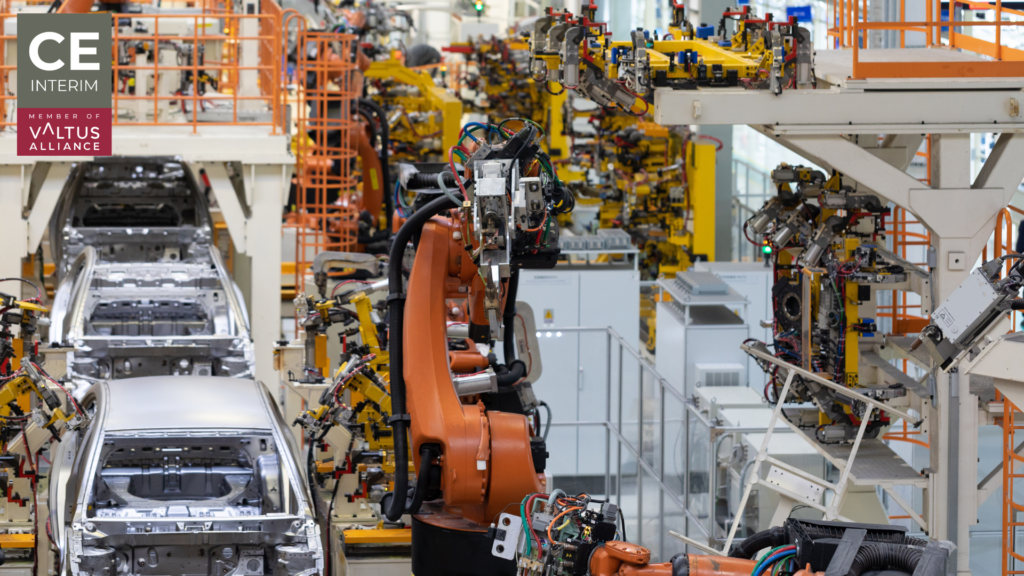
Německý dodavatel pro automobilový průmysl drží kontrolní podíly v Polsku, Rumunsku a České republice. Polská výroba je silná, ale tlak na mzdy roste. Rumunská výroba od roku 2021 poklesla o 5 procent. Kapacita v České republice je stabilní, ale na trhu práce dochází k nedostatku pracovníků. Na úrovni představenstva se projednává restrukturalizace portfolia ve více zemích střední a východní Evropy. Představenstvo si však zatím neuvědomuje, že tři jednotlivě smysluplné plány oživení, realizované současně, se na úrovni řízení dostanou do konfliktu a zničí hodnotu, i když se provoz v jednotlivých závodech zlepší. Dilema generálního ředitele: konsolidovaný příběh versus provozní realita Generální ředitel, který řídí portfolio v několika zemích, čelí zásadnímu problému. Generální ředitel nese konečnou odpovědnost za konsolidované finanční výsledky, návratnost investovaného kapitálu a strategickou soudržnost. Tyto ukazatele vyžadují jednotný příběh: portfolio vykazuje podprůměrné výsledky z X důvodů, oživení vyžaduje Y opatření a konsolidovaná EBITDA se zlepší o 15 procent. Provozní realita vypráví tři odlišné příběhy. Podle analýzy XYZ z července 2026 byla polská průmyslová výroba v červnu 2026 téměř o 16 procent vyšší než v roce 2021, což představuje nejlepší výkon v regionu. Polský provoz úspěšně zvládá poptávku a zároveň absorbuje mzdovou inflaci. Příběh oživení v Polsku se týká ochrany marží, nikoli záchrany provozu. Rumunsko představuje odlišný provozní problém. Podle Institutul Național de Statistică se rumunská průmyslová produkce od roku 2021 snížila přibližně o 5 procent. Konkrétně ve zpracovatelském průmyslu došlo v lednu 2026 meziročně k poklesu o 6,0 procenta. Jedná se o viditelný důsledek strukturálního poklesu poptávky. Automobilový průmysl představuje přibližně 10 procent HDP a téměř 50 procent celkového vývozu. Oživení Rumunska vyžaduje nasazení kapitálu a víceletý časový rámec oživení s nejistou tvorbou hotovosti v blízké budoucnosti. Provoz v České republice vykazuje stabilní finanční výsledky. Za těmito výsledky však nedostatek pracovní síly způsobuje odkládání údržby a skryté kapacitní omezení. Konsolidovaný scénář oživení, který zachází se všemi třemi závody jako se součástmi jediného plánu oživení, tyto neslučitelné skutečnosti zastírá. Problém s kapacitou provozního ředitele: Jeden manažer nemůže mít pravomoc nad třemi zeměmi Provozní plán oživení portfolia ve více zemích střední a východní Evropy (CEE) obvykle svěřuje odpovědnost jedinému provoznímu řediteli, od kterého se očekává, že bude mít operativní pravomoc nad všemi třemi zeměmi, zajistí konzistentnost výkaznictví a urychlí rozhodovací proces. Jedná se o konstrukční chybu, která vypadá racionálně v organizačním schématu, ale v praxi selhává. Nedostatek pracovní síly vytváří omezení specifická pro jednotlivé země. V Polsku patří podle “Barometru zaměstnanosti 2026” krajského úřadu práce v Krakově k nedostatkovým povoláním elektrikáři, elektromechanici, montéři elektrických zařízení, svářeči a obsluha CNC strojů. Provozní ředitel odpovědný za Polsko musí věnovat neúměrně mnoho času udržení zaměstnanců, vyjednávání mezd a taktickým rozhodnutím o počtu zaměstnanců. Stejný manažer nemůže současně věnovat stejnou pozornost Rumunsku, kde je problémem stabilizace poptávky a zachování likvidity, ani České republice, kde je problémem plánování kapacit v podmínkách nedostatku pracovní síly. Rychlost rozhodování se ve třech zemích výrazně snižuje. Restrukturalizace s více závody vytváří protichůdné požadavky: Volba finančního ředitele (CFO) ohledně alokace kapitálu: Když se investice stávají hierarchií. Finanční ředitel (CFO), který řídí alokaci kapitálu v rámci restrukturalizace portfolia ve více zemích střední a východní Evropy (CEE), si musí odpovědět na otázku: Která země dostane investiční kapitál, která restrukturalizační kapitál a která bude spravována s ohledem na likviditu? Pokud Polsko potřebuje 15 milionů eur na ochranu marže, Rumunsko 25 milionů eur na stabilizaci provozu a Česká republika 10 milionů eur na řešení odložených údržbových prací, celková potřeba činí 50 milionů eur. Většina zavedených průmyslových skupin nemá k dispozici 50 milionů eur, když kapitál soupeří s dividendami, strategickými investicemi a splácením dluhů. Finanční ředitel čelí hierarchii neslučitelných rozhodnutí. Každé rozhodnutí má odlišné dopady na konsolidovanou EBITDA a odolnost portfolia. Přesto není představenstvu žádné z těchto rozhodnutí jako takové předloženo. Místo toho finanční ředitel vytváří narativ o “efektivitě” nebo „postupných investicích“, který zakrývá provozní hierarchii, v níž je jedna země upřednostňována před ostatními. Výzva pro investiční tezi partnera soukromého kapitálu: Cíle portfolia jsou v rozporu s oživením Pokud je portfolio podporováno soukromým kapitálem, má partner soukromého kapitálu jednoduchý mandát: zlepšit konsolidovanou EBITDA portfolia o cílové procento během 18 až 36 měsíců. To je jádro investiční teze. Když je navrhována restrukturalizace portfolia ve více zemích střední a východní Evropy, partner z oblasti soukromého kapitálu souhlasí s tím, že prostřednictvím provozních zásahů zlepší ukazatel EBITDA ve třech zemích. Skutečnost je však mnohem složitější. Všechny tři země čelí stejným strukturálním překážkám. Podle údajů Evropské konfederace odborových svazů z března 2024 ztratila EU v letech 2019 až 2023 přibližně 1 milion pracovních míst ve zpracovatelském průmyslu. Polsko zaznamenalo ztrátu 278 000 pracovních míst, Rumunsko 144 000 a Německo 129 000. Tyto ztráty odrážejí strukturální změny v průmyslové kapacitě a ekonomice práce, nikoli dočasnou slabost trhu. Vyřešení soupeřících pravomocí: Je nezbytná regionální výkonná odpovědnost Selhání řízení v rámci těchto soupeřících rolí nelze vyřešit přidáním procesů ani vylepšením šablon pro podávání zpráv. Řešením je zavedení jasné, jediné výkonné pravomoci pro celé portfolio, oddělené od každodenního řízení operací v jednotlivých zemích. Co musí regionální výkonná pravomoc zahrnovat Nejedná se o koordinační roli. Jedná se o roli výkonné pravomoci. Koordinátor předává rozhodnutí; výkonná pravomoc je přijímá. Způsob řízení této pravomoci určuje, zda bude tato role úspěšná, nebo se stane překážkou, která zpomalí oživení portfolia. Tato role nemůže být trvalá. V době, kdy se v celém regionu snižuje zaměstnanost ve zpracovatelském průmyslu a jednotlivé provozy táhnou různými směry, nemůže být regionální výkonný manažer trvalou součástí nákladové základny. Úkolem této role je zjistit fakta, stanovit pořadí rozhodnutí a vynutit sjednocení postupů. Jakmile je tato práce hotová, role obvykle zaniká nebo se sloučí se stálým vedením na úrovni jednotlivých zemí. Rozhodnutí představenstva: Tři odlišné operační cesty Představenstvo se nyní musí rozhodnout, co vlastně znamená oživení portfolia ve více zemích v regionu střední a východní Evropy (CEE). Nejedná se o binární rozhodnutí. Jedná se o sled rozhodnutí v různých časových rámcích. Kontext trhu DACH: portfolia se přeorientovávají Podle analýzy společnosti ARC Group z února 2026 se aktivita v oblasti průmyslových fúzí a akvizic (M&A) v regionu DACH přesunula směrem k vyčlenění částí podniků, menšinovým podílům a restrukturalizacím. Objem průmyslových transakcí v Německu dosáhl v roce 2025 počtu 551 transakcí. Celková hodnota transakcí se snížila na 16,5 miliardy EUR, což představuje 40procentní pokles oproti předchozímu roku. Tato změna odráží záměrné volby v rámci portfolia: prodej neklíčových aktiv a soustředění kapitálu na podniky, u nichž dochází k oživení
Když se slovenský závod stane nejméně navštěvovaným webem v portfoliu společnosti DACH

Konkrétní scénář. Závod s 2 800 zaměstnanci a ročním obratem 90 milionů eur tiše funguje v rámci výrobní struktury na Slovensku na úrovni Tier 2. Závod podává zprávy prostřednictvím regionálního manažera klastru do ústředí ve Stuttgartu nebo ve Vídni. Na čtvrtletních zasedáních představenstva se hodnotí souhrnné výsledky klastru: počet zaměstnanců, produkce, náklady, kvalita. Výkaz zisků a ztrát slovenského závodu je stabilní. Včasnost dodávek dosahuje 96%. EBITDA odpovídá prognóze. Ředitel závodu předkládá svou měsíční zprávu v termínu. Za posledních osmnáct měsíců závod nenavštívil nikdo z úrovně představenstva. Poté, ve 13. měsíci této stability, přichází eskalace ze strany zákazníka. Již 90 dní se hromadí problém s kvalitou. Jeden inženýr nečekaně odešel a nebyl nikdy nahrazen. Stroj, který měl projít údržbou, pracuje mimo specifikace. První otázkou představenstva není, proč závod selhal. Je to otázka, proč se tento problém nepodařilo předvídat. Odpověď spočívá v tom, jak ve skutečnosti funguje správa na úrovni Tier 2 ve slovenské výrobě v rámci průmyslových portfolií se sídlem v regionu DACH. Nejde o nedbalost. Jde o strukturu. Model řízení, který chrání vlajkové závody, kde velikost závodu ospravedlňuje aktivní dohled představenstva, se účinně nevztahuje na středně velké sekundární provozy. Výsledkem je slepá skvrna: závod, který dosahuje adekvátních čtvrtletních ukazatelů, se stává neviditelným pro rozhodovací orgány, které kontrolují kapitál, počet zaměstnanců a pravomoc k eskalaci. Model řízení byl vytvořen pro klíčové závody, nikoli pro středně velké provozy Když byly navrhovány systémy dohledu nad závody v regionu CEE ze strany ústředí v zemích DACH, odrážely realitu 90. let a počátku 21. století: centralizovanou výrobu na hlavních trzích Tier 1. Německý dodavatel pro automobilový průmysl se sídlem ve Stuttgartu vlastnil závody v Polsku s 5 000 zaměstnanci, v České republice s 4 200 zaměstnanci a další sekundární závody jinde. Představenstvo zavedlo rámec řízení zaměřený na velké závody. Specializovaný vedoucí závodu Tier 1 podléhal přímo regionálnímu řediteli. Rozhodnutí o kapitálových investicích se řídila na úrovni závodu. Měsíčních provozních revizí se účastnil prodejní tým závodu, vedoucí inženýr a ředitel závodu. Řízení bylo aktivní a detailní. Tato architektura fungovala u závodů s 5 000 zaměstnanci, které produkovaly 40 procent celkové produkce skupiny. Co se změnilo. Jak se portfolia rozšiřovala prostřednictvím akvizic a investic do nových závodů, model se dostal na hranici svých možností. Společnosti získaly sekundární závody s 2 500 až 3 500 zaměstnanci. Vytvořily regionální seskupení s cílem zjednodušit podávání zpráv. Místo toho však způsobily, že tyto závody zůstaly mimo dohled. Rámec řízení, který fungoval pro pět velkých závodů, nelze bez zásadní úpravy rozšířit na dvacet závodů v sedmi zemích. Středně velké provozy s ročním obratem 80 až 150 milionů eur se nyní nacházejí v mezeře v řízení. Proč středně velké závody mizí: Efekt prahové hodnoty řízení Zlomový bod nastává, když se závod stane příliš malým na to, aby si zasloužil individuální pozornost představenstva, a zároveň příliš velkým na to, aby mohl být řízen na dálku. Závod s 1 000 zaměstnanci: řízen jako nákladové středisko | Závod s 5 000 zaměstnanci: vyžaduje aktivní dohled představenstva | Závod s 3 000 zaměstnanci: spadá do mezery Právě zde začíná selhávat řízení výroby na Slovensku na úrovni Tier 2. V závodě s 3 000 zaměstnanci představenstvo nepovažuje za opodstatněné provádět měsíční provozní kontroly. Nařizuje čtvrtletní podávání zpráv. Regionální manažer klastru, který dohlíží na tři závody (Maďarsko s 4 800 zaměstnanci, Česko s 3 200 a Slovensko s 2 800), soustředí většinu svého úsilí na největší provoz. Co se stane s druhořadým závodem: Problémem není to, že by dohled byl záměrně povrchní. Jde o to, že architektura řízení nikdy nedefinovala, co znamená adekvátní dohled pro středně velký závod. Výchozím postupem je aplikovat model navržený pro vlajkové závody a poté intenzitu dohledu omezit v závislosti na velikosti závodu. Výsledkem je závod fungující na autopilota. Konkurenční tlak uvnitř portfolií odvádí zdroje od provozů druhé úrovně (Tier 2) Řízení portfolia zahrnujícího více zemí vytváří vnitřní konkurenci o kapitál, počet zaměstnanců a pozornost vedení. Když se rozpočty centrály zpřísňují, největší závody jsou chráněny jako první. Míra koncentrace je reálná. Podle Svazu automobilového průmyslu Slovenské republiky vyrobilo Slovensko v roce 2025 1,07 milionu vozidel. Volkswagen Bratislava vyrobil 336 905 kusů; Stellantis Trnava vyrobila 330 000 kusů; Kia Žilina dodala 296 550 kusů; Jaguar Land Rover Nitra přispěl 107 000 kusy. Závod Volkswagenu v Bratislavě zaměstnává 14 800 pracovníků a vyrábí modely VW e-up, Škoda Citigo iV a Seat Mii Electric. Tento závod se těší pozornosti vedení úměrné jeho velikosti a strategickému významu. Závod Stellantis v Trnavě s 3 300 zaměstnanci a tržbami ve výši 3 786 milionů eur je předmětem pozornosti na úrovni klastru. Sekundární závod nese tlak na snižování nákladů, zatímco vlajková loď přináší investice do růstu. To vytváří kaskádový efekt: Regionální klastrová past: Jak seskupení tří závodů zakrývá individuální riziko. Centrály v regionu DACH a ve Francii řídí závody ve střední a východní Evropě prostřednictvím regionálních řídících klastrů. Jeden manažer klastru nese odpovědnost za zisk ve třech zemích a ve třech závodech různé velikosti. Klastr podává představenstvu zprávy o souhrnných výsledcích: využití pracovní síly, produkci, jednotkových nákladech a ukazatelích kvality. Samostatně jsou všechny tři ukazatele v pořádku. Společně však zakrývají zhoršující se situaci v nejmenším závodě. Toto selhání regionálního dohledu je strukturální, nikoli náhodné. Vyplývá ze způsobu, jakým je navrženo podávání zpráv v rámci klastru. Jak past funguje: Pokud se výkon maďarského závodu zhoršuje a ohrožuje zisk klastru, manažer klastru se soustředí právě na něj. Nemůže si dovolit ztratit Maďarsko. Pokud je třeba přetvořit nákladovou strukturu českého závodu, směřují tam kapitál i pozornost. Slovenský závod, který vykazuje stabilní výkonnost ve všech čtvrtletních ukazatelích, se stává zdrojem volné kapacity. Když představenstvo požaduje snížení nákladů o 2 miliony eur, slovenský závod to absorbuje, protože regionální manažer ví, že je to jediný závod, kde může šetřit, aniž by vyvolal bezprostřední riziko. Závod se zmenšuje. Počet zaměstnanců klesá. Závod se na papíře stává efektivnějším. Nemá však žádnou rezervu. Funguje na hranici svých možností. Když přestává záležet na úrovni 2: Okamžik, kdy se závod v podnikové paměti stává „stabilním stavem“ Podniková paměť je selektivní. Představenstvo si pamatuje závody, které způsobily problémy, provozy vyžadující zásah, činnosti, které si vyžádaly investice. Slovenský závod k nim nepatří. Sedm čtvrtletí plnil prognózy, dodával včas a držel se v rámci nákladového rozpočtu. V podnikové paměti byl zařazen do kategorie „stabilního stavu“. „Stabilní stav“ je kód pro „nevyžaduje naši pozornost“. V okamžiku, kdy si závod tuto klasifikaci vyslouží: Jakmile se objeví problémy, stává se tento pomalejší cyklus přítěží.
Proč se integrace po fúzi v polských závodech v německém vlastnictví zadrhává

Stručně řečeno: Integrace po fúzi mezi německými vlastníky a převzatými polskými závody se často během prvního roku zastaví, a to nikoli kvůli technologii, ale proto, že centralizované německé struktury podávání zpráv a schvalování jsou zaváděny rychleji, než je místní provozní vedení schopno je vstřebat. Předpoklady o synergii tiše selhávají, zatímco obě strany věří, že integrace probíhá podle plánu. Obnovení dynamiky vyžaduje vedoucího pracovníka přímo na místě, který má pravomoc převádět řízení skupiny do každodenních rozhodnutí závodu, jasné delegování pravomocí od prvního dne a postup, který stabilizuje provozní toky ještě před harmonizací back-office systémů. Včasné známky třenic při akvizicích polských závodů, které představenstva ignorují. Třecí plochy obvykle začínají nenápadně. Měsíční integrační zprávy ze závodu v Poznani, Katovicích nebo Bydhošti začínají ukazovat nesplněné milníky: migrace ERP zpožděná složitostí místního systému, odložení úspor v oblasti nákupu kvůli nutnosti přezkoumání stávajících smluv s dodavateli, pokles výkonnosti dodávek připisovaný reorganizaci po uzavření transakce. Žádné z těchto vysvětlení není samo o sobě nepřiměřené. Poté, co představenstvo obhájilo ocenění a argumenty pro synergii před investičním výborem, má instinktivní tendenci považovat počáteční tření za běžné přizpůsobení, nikoli za varovný signál. Tento instinkt je pochopitelný. Riziko spočívá v tom, že každé z těchto jednotlivě rozumných vysvětlení oddaluje okamžik, kdy centrála položí zásadnější otázku. Probíhá ve výrobním závodě skutečně integrace, nebo zde běží dva paralelní systémy, které z dálky vypadají přijatelně? Výzkum společnosti McKinsey & Company týkající se realizace synergií po fúzi poukazuje na vzorec, který s tímto tvrzením souzní: nabyvatelé běžně přeceňují rychlost dosažení synergií a podceňují jednorázová integrační tření, přičemž více než šedesát procent průmyslových fúzí nedosahuje provozních marží předpokládaných při podpisu smlouvy. K poklesu hodnoty při akvizicích ve výrobním sektoru dochází spíše postupně než jako jediná viditelná událost, což je přesně to, co ztěžuje představenstvu přijetí opatření ve třetím či čtvrtém měsíci. Strukturální příčiny neúspěchu po fúzi v německo-polských provozech Polsko je jedním z nejvýznamnějších výrobních partnerů Německa a bilaterální průmyslové vazby jsou hluboké. Právě tato blízkost může vést k tomu, že se provozní odstup snáze podcení. Problémem je málokdy jazyk. Jde o vztah mezi tím, jak se rozhodnutí přijímala před akvizicí, a tím, jak nový vlastník očekává, že se budou přijímat poté. Mnoho převzatých polských průmyslových podniků vybudovali zakladatelé-vlastníci, kteří závod řídili prostřednictvím přímých vztahů s pracovníky na výrobní lince a rychlých ústních rozhodnutí. Když německá mateřská společnost zavede maticovou strukturu podřízenosti, která vyžaduje funkční schválení z centrály i pro rutinní záležitosti, jako je oprava nástrojů nebo změna směny, místní rozhodování se nestane disciplinovanějším. Stane se pomalejším a lidé, kteří dříve disponovali touto pravomocí, začínají ztrácet schopnost reagovat na to, co vidí přímo na pracovišti. Hned za tím následuje druhý, méně nápadný problém. Korporátní reporting může vytvářet zdání souladu, aniž by tomu odpovídala skutečnost. Místní týmy se naučí vyplňovat šablony, které centrála očekává, zatímco každodenní provoz nadále řídí prostřednictvím neformálních záznamů, které lépe odrážejí, co se ve skutečnosti děje. Žádná ze stran nejedná ve zlém úmyslu. Centrála potřebuje standardní výkaznictví k řízení portfolia; závod potřebuje způsob řízení výroby, který standardní šablona nezachytí. Výsledkem jsou dvě verze pravdy, přičemž obě jsou udržovány v dobré víře. K tomu se přidávají další dva jevy. Zkušení výrobní manažeři, inženýři automatizace a nástrojaři jsou velmi žádaní ve výrobních centrech, jako je Dolní Slezsko a Velkopolsko. Pokud integrace zvyšuje administrativní zátěž a odebírá rozhodovací pravomoci, aniž by je nahradila jasností, jsou to právě tito talentovaní pracovníci, kteří jsou nejvíce náchylní k odchodu ke konkurenci. A centrálně navržené systémy ERP nebo zavádění procesů, vytvořené bez úzké spolupráce s výrobní linkou, často předpokládají konfigurace strojů, dodací lhůty dodavatelů a vzorce pracovní síly, které neodpovídají konkrétnímu závodu. Výzkum společnosti Boston Consulting Group týkající se rámců integrace po fúzi poukazuje na související skutečnost: cílový provozní model navržený bez zapojení pracovníků ve výrobě má tendenci vytvářet provozní úzká místa, kterým měl právě zabránit. Klíčové varovné ukazatele zastavené integrace výroby po fúzi Představenstvo nemusí čekat na formální přezkum, aby zjistilo, zda se získaný závod dostal do tohoto vzorce. Společný výskyt několika málo znaků je spolehlivým indikátorem. Křivky synergií se po prvních sto dnech zplošťují: počáteční slevy v oblasti nákupu jsou sice využity, ale plánované přerozdělení výroby, sdílené služby a racionalizace nástrojového vybavení nevykazují žádný další pokrok. Výkaznictví se začíná rozcházet: jedna sada čísel se připravuje pro německou centrálu a druhá, neformální sada, se používá pro každodenní chod závodu. Stávající místní vedoucí pracovníci přecházejí od aktivního vedení k pasivnímu plnění pokynů; účastní se videohovorů, ale již nepřebírají osobní odpovědnost za provozní odchylky. Zákazníci u zavedených produktových řad, kterým byly dříve poskytovány spolehlivé služby, začínají pociťovat nestabilitu, protože výroba je narušována změnami procesů nebo centralizovanými rozhodnutími o nákupu. A centrála začíná opakovaně vysílat své vlastní kontrolory a funkční specialisty, aby řídili základní funkce závodu, čímž zvyšuje náklady, aniž by budovala místní kapacity. Pokud se během prvního roku objeví tři nebo více z těchto příznaků, je třeba změnit základní integrační model. Další kolo centrálního reportingu nebo zapojení strategické poradenské firmy k přepracování integračního plánu řeší spíše papírování než mezeru v pravomocích, která ve skutečnosti zpomaluje oživení. Strategie oživení pro obnovení dynamiky v závodech po akvizici Obnovení dynamiky znamená nahradit vzdálený dohled vedením přímo na místě, které dokáže současně plnit obě role ve vztahu: být odpovědné vůči skupinovému řízení a zároveň být dostatečně blízko závodu, aby mohlo činit rozhodnutí, která závod skutečně potřebuje. Řízení přeshraničního řízení a místní provozní autonomie Žádná ze stran tohoto vztahu není na vině za tento posun a ani jedna z nich jej nemůže vyřešit sama. Centrála pracuje s agregovanými a zpožděnými informacemi a má právo požadovat spolehlivé podávání zpráv, kapitálovou disciplínu a rychlou cestu k eskalaci. Místní tým pracuje v rámci struktury podávání zpráv, pro kterou nebyl vytvořen, a jeho požadavek na realistické lhůty a funkční rozhodovací pravomoci je stejně tak rozumný. Úlohou vedoucího pracovníka přímo na místě je vybudovat jednu společnou faktickou základnu a jednu rozhodovací strukturu, které budou vyhovovat oběma stranám
Proč se v rumunských závodech v německém vlastnictví hroutí disciplína na pracovišti

Disciplína na výrobních pracovištích v rumunských výrobních závodech se z kulturních důvodů málokdy naruší. Přečtěte si, jak standardizované pracovní postupy vedoucích pracovníků, vizuální řízení, jasný postup eskalace problémů a posílená autorita vedoucích pracovníků pomáhají obnovit důsledné plnění úkolů.
Dodržování předpisů CBAM představuje pro výrobce nyní problém s peněžními toky

Výrobci, kteří se musí přizpůsobit systému CBAM, čelí v roce 2026 nákladům, které se promítnou do cen, rezerv a likvidity ještě předtím, než začne nákup certifikátů.
Útok ransomwaru ve výrobním odvětví: šest týdnů k platební neschopnosti
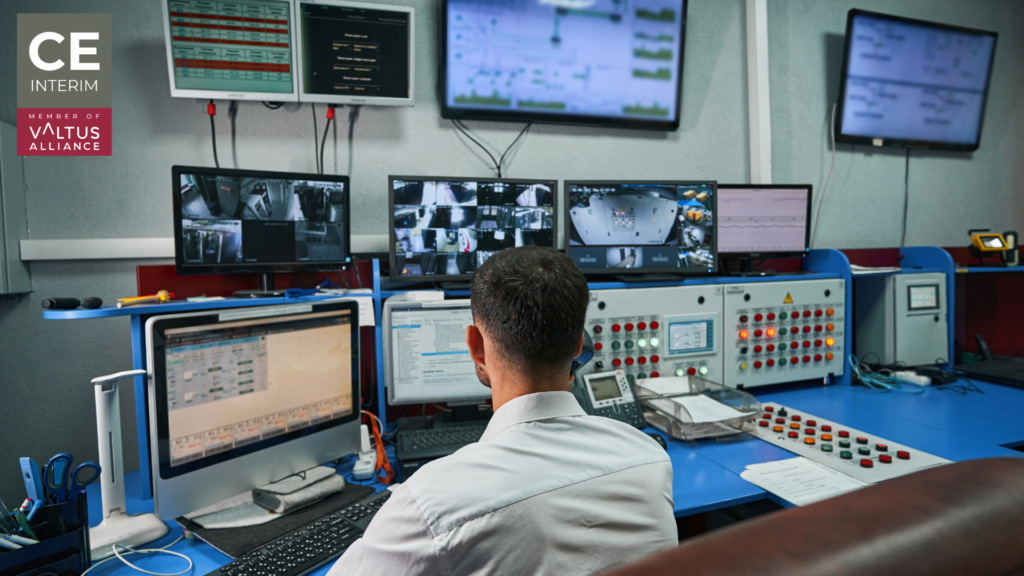
Krize způsobená útokem ransomwaru může zastavit výrobu, vyčerpat finanční prostředky a donutit představenstvo k restrukturalizaci, prodeji nebo uzavření podniku během několika týdnů.
 EN
EN  DE
DE  FR
FR  IT
IT  PL
PL  RO
RO  CS
CS  SK
SK  HU
HU  ES
ES  RU
RU  AR
AR  SL
SL