Čo znamenajú investície Spojených arabských emirátov pre nemecký priemysel

Nemecký priemyselný podnik, ktorý prijal kapitál z Perzského zálivu, zaznamenáva zmeny pri mesačnom uzávierkovom výkazníctve. Investície Spojených arabských emirátov do nemeckého priemyslu prešli z fázy oznámenia do fázy realizácie. Tlačové oddelenie spolkovej vlády potvrdilo toto oznámenie 10. septembra 2026. Obaja lídri privítali investičný balík Spojených arabských emirátov v hodnote 40 miliárd EUR v Nemecku. Toto číslo však predstavenstvu nič nehovorí o pláne realizácie, ktorý zdedilo. Tri formy investícií Spojených arabských emirátov do nemeckého priemyslu, tri plány realizácie Táto suma je vyhlásením zámeru, nie podrobným záväzkom. Spoločné vyhlásenie, o ktorom informovala agentúra WAM, zaznamenáva 29 dohôd medzi podnikmi v hodnote viac ako 9,356 miliardy EUR, ktoré tvoria súčasť balíka, nie sú však jeho súčasťou. Minister Sultan Ahmed Al Jaber označil túto sumu za dodatočnú k približne 34 miliárd eur, ktoré už boli investované, ako 10. septembra 2026 informoval denník Handelsblatt. Z prevádzkového hľadiska je dôležité, akú formu nadobúdajú investície Spojených arabských emirátov do nemeckého priemyslu. V prípade akvizície sa prvým obmedzením stáva riadenie integrácie. Najjasnejším príkladom je spoločnosť Covestro, pričom táto akvizícia predchádzala septembrovému balíku. XRG, medzinárodná divízia spoločnosti ADNOC, dokončila prevzatie spoločnosti Covestro AG 10. decembra 2025, pričom pri uzavretí transakcie došlo k navýšeniu kapitálu o 1,17 miliardy EUR. Spoločnosť Emirates Global Aluminium vykazuje odlišný model, keď rozširuje nemecký recyklačný závod, ktorý už vlastní. V oboch prípadoch stanovuje štandard vykazovania vlastník a nemecké finančné oddelenie vykonáva dve uzávierky. Kontrola so sebou prináša aj regulačný postup. Nadobúdateľ mimo EÚ podlieha preskúmaniu podľa zákona o zahraničnom obchode (Außenwirtschaftsgesetz) a nariadenia o zahraničnom obchode (Außenwirtschaftsverordnung), ktoré spravuje Spolkové ministerstvo pre hospodárstvo a energetiku (Bundesministerium für Wirtschaft und Energie). Súbežne sa uplatňuje nariadenie (EÚ) 2019/452. Kontrola fúzií patrí do pôsobnosti Bundeskartellamt alebo, podľa nariadenia EÚ o fúziách, Európskej komisie. Nariadenie EÚ o zahraničných dotáciách (nariadenie (EÚ) 2022/2560) môže obsahovať záväzky, ktoré určujú, ako majiteľ spravuje aktíva. Predstavenstvá ich považujú za podmienky uzavretia transakcie. Tým sa stanovujú prevádzkové podmienky na dva roky. Menšinová účasť presúva otázku z kontroly na informovanosť. Menšinový kapitál ukladá povinnosť podávať správy spoločnosti, ktorá ju doteraz nemala. Spoločnosť Partners Group oznámila 14. júla 2025, že konzorcium sa dohodlo na akvizícii spoločnosti Techem z Eschbornu, pričom sa k nemu pripojila spoločnosť Mubadala Investment Company ako menšinový investor. Paritné spolurozhodovanie podľa zákona o spolurozhodovaní (Mitbestimmungsgesetz) z roku 1976 sa uplatňuje pri počte zamestnancov nad 2 000, zákon o tretinovej účasti (Drittelbeteiligungsgesetz) pri počte medzi 500 a 1 999. Menšinový akcionár získa prehľad o dozornej rade, ktorú však nemôže preformovať, a záťaž spočíva skôr na kontrole než na prevádzke. Financovanie projektu robí z podávania správ o dosiahnutých míľnikoch prevádzkovú disciplínu Projektový kapitál je najnáročnejší zo všetkých troch, pretože je viazaný na termíny. Spoločnosť RWE oznámila 6. februára 2026 podpísanie memoranda so spoločnosťou Masdar. Spoločnosť Masdar by do roku 2030 zvážila investovanie do existujúcich aktív na ukladanie energie v batériách vo vlastníctve RWE s kapacitou až 1 GW v Nemecku, s ďalším 1 GW do roku 2035. To potvrdzuje zámer, nie dokončenie. Tento vzorec platí aj v prípadoch, keď investor nie je zmluvnou stranou. Spoločnosť GlobalFoundries, skupina so sídlom v USA, v ktorej má Mubadala Investment Company významný podiel, oznámila 28. októbra 2025 rozšírenie svojho závodu v Drážďanoch v hodnote 1,1 miliardy EUR, čím sa do konca roka 2028 zvýši výroba na viac ako jeden milión polovodičových doštičiek ročne, s očakávanou podporou federálnej vlády a Slobodného štátu Sasko v rámci európskeho zákona o čipoch. Ide o podnikový kapitál, ktorý nie je súčasťou septembrového balíka. Verejné spolufinancovanie si vyžaduje audítorské overenie a doklady o dosiahnutí míľnikov, takže harmonogram podávania správ sa stáva výrobným obmedzením, nie finančnou úlohou. Vzťah medzi ústredím a závodom určuje nemecké priemyselné operácie po príchode zahraničných investícií. Rozhodovacie právomoci pred formátmi podávania správ. Vzdialenosť mení mechaniku, nielen atmosféru. Akcionársky výbor v Perzskom zálive pracuje v inom týždni, takže kapitálová otázka zo štvrtka čaká na nasledujúci týždeň. Investičná rada zvyknutá na mesačné prevádzkové detaily sa stretáva s kontrolnou funkciou vytvorenou pre dozornú radu, ktorá zasadá štvrťročne. Žiadne z týchto očakávaní nie je neprimerané, no obe sa navzájom protirečia. To je kompromis, s ktorým sa predstavenstvo v skutočnosti vyrovnáva. Rýchle uspokojenie informačných potrieb vlastníka má tendenciu spomaľovať miestne rozhodnutia, zatiaľ čo ochrana rýchlosti rozhodovania ponecháva vlastníka v neistote dlhšie. Predstavenstvo rozhoduje, akú mieru oneskorenia pri rozhodovaní akceptuje a na ako dlho. Poradie krokov je tu dôležité. Právo rozhodovať má prednosť, pretože formáty dohodnuté skôr ako právomoci vedú k rýchlym číslam, na základe ktorých nikto na mieste nemôže konať. Schvaľovací proces kapitálu je na druhom mieste, pretože zastavený projekt je prvou nákladovou položkou, ktorú si zákazník všimne. Harmonizácia kontroly je na poslednom mieste. V nemeckých priemyselných prevádzkach po zahraničných investíciách je toto poradie často obrátené. Po uplynutí druhého štvrťroka sa to prejaví skôr v dodávkach ako v účtovníctve, čo je vzor, ktorý spoločnosť CE Interim opisuje vo svojej práci o integrácii po fúzii. Časový harmonogram podnikovej rady určuje tempo Podľa § 106 zákona o podnikovej samospráve (Betriebsverfassungsgesetz) musí spoločnosť s viac ako 100 zamestnancami informovať svoj hospodársky výbor (Wirtschaftsausschuss) o podstatných obchodných zmenách. Akákoľvek zmena, ktorá spĺňa kritériá „Betriebsänderung“, spúšťa proces zosúlaďovania záujmov a vypracovania sociálneho plánu podľa § 111 až 113. Tempo zmien určuje harmonogram podnikovej rady, nie dokument investičného výboru. Kontrola pripravenosti na realizáciu počas prvých 180 dní Predstavenstvo môže väčšinu týchto aspektov posúdiť ešte pred prvým uzavretím transakcie s vlastníkom. Tri otázky určujú, v akej situácii sa závod nachádza, a každá z nich má stanovenú prahovú hodnotu. Rozhodnutie, ktoré teraz stojí pred predstavenstvom – investícia Spojených arabských emirátov do nemeckého priemyslu – samo o sebe nepredstavuje prevádzkové riziko. Riziko spočíva v rozpore medzi novou záťažou v oblasti riadenia a existujúcou kapacitou manažmentu, pričom závod musí naďalej plniť svoje dodávateľské záväzky. Suma 10 miliárd EUR určená pre Slobodný štát Bavorsko nemá menovaného príjemcu, preto by predstavenstvá mali plánovať skôr na základe štruktúr než na základe titulkov. Možnosti sú užšie, než naznačuje oznámenie. Predstavenstvo môže novú záťaž zvládnuť so svojím existujúcim tímom, prebudovať vedenie v oblasti financií a prevádzky, aby ju trvalo zvládalo, alebo prijať, že závod nedokáže splniť záväzky, ktoré boli v jeho mene prijaté, a opäť otvoriť otázku rozsahu, vlastníctva alebo zatvorenia. Ak je medzera konkrétna a časovo obmedzená, môže ju na základe písomného poverenia zastávať dočasný finančný riaditeľ alebo prevádzkový riaditeľ. V ňom sa stanovuje, kto má priame podriadenosť voči novému vlastníkovi,
Keď zatvorenie poľského závodu ovplyvní harmonogram reštrukturalizácie v Českej republike: Prečo sa paralelné rozhodnutia stávajú nemožnými

Nemecký priemyselný koncern s výrobnými závodmi v Poľsku a v Českej republike čelí rozhodnutiu predstavenstva, ktoré musí prijať do šiestich týždňov. Poľský závod je stratový a čerpá hotovosť. Český závod dosahuje slabé výsledky, ale z prevádzkového hľadiska je možné ho ozdraviť. Celkový disponibilný kapitál na reštrukturalizáciu v oboch krajinách predstavuje približne 35 miliónov EUR. Kľúčový problém je nasledujúci: rozhodnutie o okamžitom uzavretí poľského závodu automaticky spustí reštrukturalizačné opatrenia v Českej republike, ktoré nemožno odložiť, zmeniť ich poradie ani riadiť nezávisle. Keď jedna krajina čelí uzavretiu a druhá vyžaduje reštrukturalizáciu, kaskádový efekt uzavretia a reštrukturalizácie v viacerých krajinách strednej a východnej Európy vedie k patovej situácii na úrovni vedenia. To núti nepripravené predstavenstvo k rozhodnutiu, s ktorým nikto nepočítal. Pochopenie toho, prečo sa paralelné rozhodnutia stávajú nemožnými, je kľúčové pre každého vedúceho predstaviteľa priemyslu z regiónu DACH, ktorý riadi prevádzky v strednej a východnej Európe. Prvých 30 dní: ako začína kaskáda reštrukturalizácie spojená s uzatvorením prevádzok vo viacerých krajinách v strednej a východnej Európe Akonáhle predstavenstvo schváli uzatvorenie poľského závodu, súčasne sa aktivujú oznamovacie povinnosti v oboch krajinách. Najdôležitejšie je, že sa oba časové rámce prekrývajú. Ani jeden z nich nemožno odložiť bez právneho rizika. Tento súbežný spúšťací mechanizmus uvádza do pohybu kaskádu, ktorá charakterizuje situácie zatvárania a reštrukturalizácie v viacerých krajinách strednej a východnej Európy. Lehoty na oznámenie sa zbiehajú súčasne Poľský zákonník práce vyžaduje, aby zamestnávatelia oznámili okresnému úradu práce rozhodnutie o hromadnom prepúšťaní do 20 dní. Súčasne konzultácie s odborovými organizáciami musia prebehnúť v rámci toho istého 20-dňového obdobia. Okrem toho český zákonník práce stanovuje minimálnu 30-dňovú oznamovaciu lehotu pre úrad práce a zástupcov zamestnancov predtým, ako nadobudnú účinnosť akékoľvek výpovede. Výsledok je jasný: obe oznámenia musia byť podané. Obe lehoty bežia paralelne. Kapacita vedenia sa rozdeľuje medzi dve rozhodnutia. Uzatvorenie prevádzky si vyžaduje osobitné kroky: podmienky prepúšťania, výpočet odstupného, inventarizáciu majetku, postup postupného ukončovania výroby, oznámenie veriteľom a plánovanie kontinuity vzťahov so zákazníkmi. Reštrukturalizácia si vyžaduje iné kroky: rušenie pracovných pozícií, rozhodnutia o investíciách do produktivity, prognózy prevádzkového kapitálu a výkonnostné ciele. V dôsledku toho v prekrývajúcom sa 20- až 30-dňovom období si poľské zatvorenie vyžaduje plnú pozornosť operačného tímu. Medzitým sa rozhodnutie o reštrukturalizácii v Českej republike vtláča do už aj tak preplneného programu. Práve preto scenáre zatvorenia a reštrukturalizácie v viacerých krajinách strednej a východnej Európy (CEE) vytvárajú problémy s kapacitou na úrovni vedenia. 4. – 8. týždeň: tlak na peňažný tok nastáva skôr, ako sa nasadí reštrukturalizačný kapitál Po ukončení fázy oznamovania sa finančná realita rýchlo zrýchľuje. Záväzky voči zamestnancom v súvislosti s odstupným sa menia na konkrétne pasíva. Veritelia a dodávatelia rozpoznávajú signál o ukončení činnosti. Navyše sa platobné cykly vo výrobe skracujú práve v okamihu, keď je hotovosť najviac obmedzená. Tlaky na platobné cykly a zúženie peňažného toku Štandardné platobné podmienky vo výrobe sa v priemyselných B2B vzťahoch zvyčajne pohybujú v rozmedzí 60 až 90 dní netto. Keď dodávatelia zaznamenajú signály o ukončení činnosti, znižujú úverové riziko. Mnohí požadujú platbu vopred alebo urýchľujú harmonogramy inkasa faktúr. V dôsledku toho sa skracujú záväzky, zatiaľ čo inkaso pohľadávok sa spomaľuje. Finančný riaditeľ musí okamžite reagovať na tlak veriteľov a zachovať prístup k úverovým linkám na prevádzkový kapitál. Medzitým stále čaká na schválenie investícia do reštrukturalizácie v Českej republike. Nedostatok alokovaného kapitálu: 35 miliónov EUR nestačí pre obe krajiny Táto kapitálová kalkulácia nebola na programe zasadnutia predstavenstva pred šiestimi týždňami. V 8. týždni už finančný riaditeľ vyčlenil kapitál na zatvorenie v Poľsku. Teraz musí finančný riaditeľ informovať predstavenstvo, že reštrukturalizácia v Českej republike nemôže byť financovaná podľa pôvodného plánu. Táto situácia je typickým príkladom konfliktov pri reštrukturalizácii spojených s ukončením činnosti vo viacerých krajinách v regióne strednej a východnej Európy. 8. – 16. týždeň: okno na reštrukturalizáciu v druhej krajine sa nenávratne uzatvára. V tejto fáze sa ukončenie činnosti v Poľsku stáva verejnou informáciou. Zamestnanci odpracúvajú výpovedné lehoty. Objednávky zákazníkov sa presúvajú alebo rušia. Predaj aktív vstupuje do fázy rokovaní. Kľúčové je, že v Českej republike sa posolstvo pre zamestnancov stáva jednoznačným: centrála zúžuje portfólio. Česká republika by mohla byť na rade. Riziko odchodu zamestnancov sa zvyšuje a technická spôsobilosť sa znižuje. Riaditeľ českého závodu týždenne vybavuje telefonáty od kvalifikovaných technických pracovníkov, ktorí dostali ponuky práce inde. Zároveň finančný riaditeľ ešte neuvoľnil kapitálový príspevok pre Českú republiku. Prevádzkový riaditeľ nezverejnil plán ozdravenia. V dôsledku toho sa neistota predlžuje z dní na týždne. Do 12. týždňa závod príde o dvoch vedúcich technikov a troch mladších inžinierov. Kvalita výroby sa zhoršuje. Sťažnosti zákazníkov výrazne narastajú. Oneskorenie mení potenciál na obrat na zhoršenie prevádzky. Riešenia, ktorých implementácia by v 2. týždni stála 12 miliónov EUR, teraz v 10. týždni stoja 18 miliónov EUR. Každý týždeň oneskorenia reštrukturalizácie systematicky oslabuje výkonnosť. Morálka klesá, pretože nebolo prijaté žiadne záväzné rozhodnutie. Zákazníci znižujú objem objednávok, pretože sa zhoršuje spoľahlivosť dodávok. Platobné podmienky dodávateľov sa zhoršujú, pretože sa zhoršuje platobná morálka. Do 14. týždňa sa český závod mení z kandidáta na reštrukturalizáciu na kandidáta na zatvorenie. Predstavenstvo stojí pred inou voľbou, ako sa očakávalo: reštrukturalizovať za vysoké náklady s neistými výsledkami, alebo závod zatvoriť s cieľom zachovať kapitál. Toto zhoršenie nie je nevyhnutné. Je priamym dôsledkom kaskádového efektu reštrukturalizácie spojeného so zatváraním závodov vo viacerých krajinách strednej a východnej Európy. Voľba postupnosti: postupné alebo paralelné vykonávanie reštrukturalizácie spojené s uzatvorením prevádzok vo viacerých krajinách Predstavenstvo stojí pred binárnou voľbou. Ani jedna z možností nie je atraktívna. Obidve so sebou nesú podstatné náklady a riziko. V podstate ide o voľbu medzi prijateľnými výsledkami a horšími výsledkami. Možnosť 1: Postupné vykonávanie (najprv zatvoriť Poľsko, potom Česko) Možnosť 2: Paralelné vykonávanie (riadiť obidve súčasne) Kto rozhoduje o poradí a kedy dochádza k rozpadu autority Formálne o poradí pri rozhodnutiach o reštrukturalizácii spojenom s uzatvorením prevádzok v viacerých krajinách strednej a východnej Európy rozhoduje predstavenstvo alebo dozorná rada. V praxi sa musia zosúladiť finančný riaditeľ (CFO), prevádzkový riaditeľ (COO) a predstavenstvo. Keď sa zosúladenie nepodarí, dochádza k rozpadu kompetencií medzi prevádzkovou realitou a strategickými preferenciami. Preferencie predstavenstva verzus prevádzková realita Postoj predstavenstva: Uprednostňuje sa paralelné vykonávanie. Paralelné vykonávanie skracuje celkový časový harmonogram a zachováva možnosť reštrukturalizácie v Českej republike. Hodnotenie prevádzkového riaditeľa: Paralelné vykonávanie je z prevádzkového hľadiska nezvládnuteľné. Dve veľké akcie v portfóliu nie je možné vykonať súčasne na vynikajúcej úrovni. Je isté, že v jednej alebo oboch iniciatívach dôjde k zníženiu kvality. Obavy finančného riaditeľa: Kapitálová primeranosť je nedostatočná. Finančný riaditeľ obhajuje postupné vykonávanie: najprv dokončiť zatvorenie v Poľsku, zachovať kapitálovú rezervu a potom pristúpiť k reštrukturalizácii v Českej republike len v prípade, ak bude k dispozícii kapitál a zmierni sa tlak veriteľov. Medzinárodné rozpory v právomociach, keď sa rozhodnutia nedajú zosúladiť Poľský krajský riaditeľ obhajuje rýchle zatvorenie. Naopak, český Country Manager obhajuje jasný záväzok k reštrukturalizácii s viditeľnou kapitálovou podporou. Obe pozície sú z prevádzkového hľadiska správne. Obe však nemožno splniť súčasne. Smernica EÚ 98/59/ES a smernica 2019/2121 o cezhraničnej reštrukturalizácii stanovujú právne rámce, ale neriešia poradie realizácie. Finančný riaditeľ kontroluje uvoľňovanie kapitálu. Keď finančný riaditeľ zadrží kapitál na českú reštrukturalizáciu do vyriešenia situácie s poľskými veriteľmi, rozhodnutie predstavenstva o paralelnom vykonávaní sa v praxi mení na postupné vykonávanie. Kompetencie sa rozpadajú.
Zastavenie rozbiehania operácií v Srbsku: Tri rozhodnutia predstavenstva, ktoré mali prísť skôr
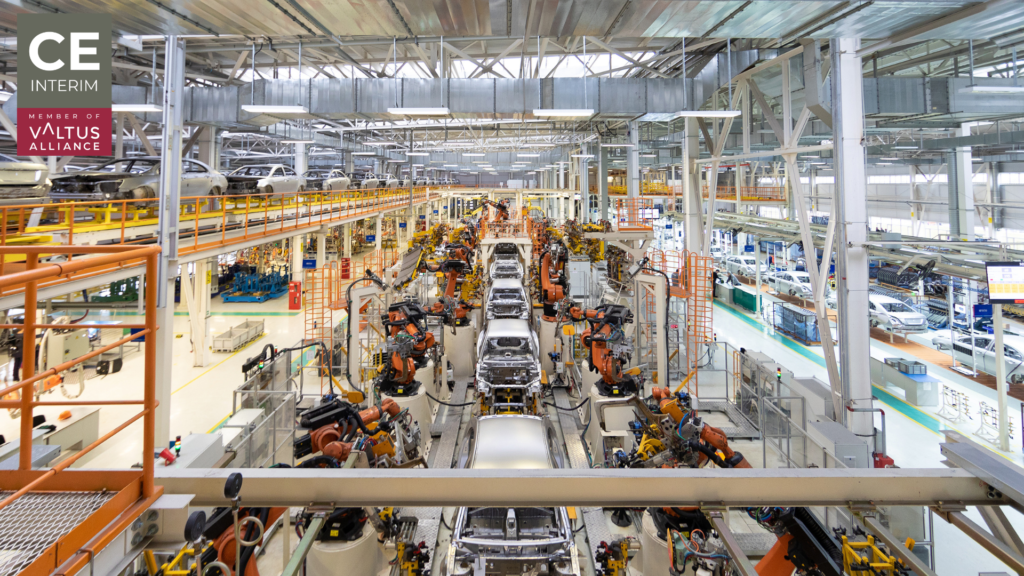
Nemecký konglomerát prevádzkuje závody v Poľsku a Srbsku pod vedením jedného prevádzkového riaditeľa (COO). Poľsko dodáva tovar podľa plánu. Srbsko rozbieha nové výrobné kapacity. Predstavenstvo skupiny dostáva mesačné kľúčové ukazovatele výkonnosti (KPI): celková produkcia je v súlade s plánom, kapitálové výdavky sú v rámci rozpočtu a portfólio sa javí ako stabilné. Predstavenstvo však nevidí, že ukazovatele výroby na úrovni Tier 2 v srbskom závode sa zhoršujú spôsobom, ktorý celkové výkazníctvo zakrýva. Nedostatok pracovnej sily skracuje časové harmonogramy. Termíny dodávok zákazníkom sa posúvajú. V čase, keď sa táto situácia formálne dostane až k predstavenstvu, náklady spojené so zdržaním sú už jasne zreteľné. Základný problém Nie je to otázka nekompetentnosti. Je to príbeh o tom, ako zlyháva prevádzkový dohľad nad dodávateľmi 2. úrovne, keď riadenie portfólia závisí od súhrnných ukazovateľov a pozornosť predstavenstva sa sústreďuje na prevádzky, ktoré plnia plán. Trhový kontext Srbský automobilový priemysel dosiahol v roku 2025 vývoz v hodnote 4 miliardy eur, čo predstavuje 12,3 percenta celkového vývozu. Podľa štúdie trhu práce UNDP sa dopyt po pracovnej sile v Srbsku zvýši zo 125 000 v roku 2024 na 144 000 v roku 2026, pričom vedúci postavenie bude mať výrobný sektor. Tento dopad sa výrazne prejavil v roku 2025: 1. 12 640 pracovníkov v srbskom automobilovom sektore bolo poslaných na platenú dovolenku s 60-percentnou náhradou mzdy na dlhšie obdobie, než je povolené zákonom. 2. To viedlo k prepusteniu viac ako 6 000 zamestnancov. 3. Tento efekt sa prejavil v oneskoreniach pri rozbiehaní výroby, ktoré ústredie v regióne DACH nezistilo, až kým neprišli pokuty za meškanie dodávok zákazníkom. Rozhodnutie 1: Koľko prevádzok môže prevádzkový riaditeľ (COO) riadiť bez straty prehľadu? Štrukturálna medzera v zodpovednosti: Prevádzkový riaditeľ dohliadajúci na viaceré prevádzky zvyčajne riadi prostredníctvom štvrťročných prehľadov a hlásení výnimiek. To funguje, keď sú prevádzky zrelé a fungujú podľa plánu. Systém sa však zrúti, keď prevádzkový riaditeľ súčasne riadi prevádzku s dodávkami (Poľsko) aj prevádzku v fáze rozbiehania výroby (Srbsko). Prevádzka s dodávkami si vyžaduje pozornosť zameranú na optimalizáciu. Závod v fáze rozbiehania si vyžaduje eskaláciu a riešenie problémov. Jedna osoba nemôže obom venovať dostatočnú pozornosť. Čo sa vlastne stalo – 8. mesiac rozbiehania: Srbský závod nesplnil ciele v oblasti náboru pracovnej sily. Riaditeľ závodu na to upozornil prevádzkového riaditeľa. Prevádzkový riaditeľ si uvedomoval riziko, ale neeskaloval to predstavenstvu, pretože celkové čísla portfólia stále vyzerali prijateľne vďaka solídnym výsledkom v Poľsku. Rozhodnutie neeskalovať bolo racionálne za predpokladu, že odchýlku na úrovni Tier 2 bude možné vyriešiť lokálne. Tento predpoklad bol nesprávny. Prečo pozornosť predstavenstva opadá Srbský automobilový sektor zaznamenal nárast tržieb zo 7,2 mld. eur v roku 2023 na 8,3 mld. eur v roku 2024, ale podľa časopisu CorD Magazine prognostici v januári 2026 varovali, že rok 2025 by mohol byť výrazne slabší v dôsledku klesajúceho dopytu v EÚ. Tento vonkajší tlak bol už známy. Neznáme však bolo, že nedostatok pracovnej sily skráti časový priestor na zotavenie. Rozhodnutie č. 2: Pri akej prahovej hodnote odchýlky sa spustí preskúmanie predstavenstvom? Pasca agregovaných ukazovateľov Väčšina predstavenstiev dostáva KPI na úrovni portfólia, nie podrobné údaje za jednotlivé prevádzky. Chýbajúce rozhodovacie pravidlo Máloktoré predstavenstvá majú výslovne definovanú prahovú hodnotu odchýlky, pri ktorej si rozbeh sekundárneho trhu vyžaduje zásah na úrovni predstavenstva. V praxi je to, čo predstavuje anomáliu, subjektívne. Rozhodnutie 3: Kto eskaluje situáciu skôr, než to urobí zákazník? Problém nahradenia zručností Prechod spoločnosti Stellantis na elektromobily v Kragujevci ilustruje tento problém. Táto konverzia medziročne znížila dopyt po tradičných strojárskych pracovníkoch o 12 percent, zatiaľ čo dopyt po technikoch na batérie vzrástol o 34 percent. Riaditeľ závodu, ktorý čelí tejto transformácii, ju nemôže vyriešiť na miestnej úrovni. Špecializovaných zručností nie je v dostatočnom množstve. To si vyžaduje prerozdelenie kapitálu na úrovni predstavenstva. Možnosti, ktoré má predstavenstvo k dispozícii: 1. Zvyšovanie kvalifikácie (nákladné a pomalé). 2. Outsourcing nepodstatných montážnych činností (vplyv na maržu). 3. Predĺženie časového harmonogramu rozbiehania výroby (oneskorenie návratnosti investícií). 4. Riaditeľ závodu nemôže toto rozhodnutie urobiť. Prevádzkový riaditeľ (COO) nemôže túto záležitosť eskalovať bez povolenia predstavenstva. Keď sa eskalácia zo strany zákazníka stane prekážkou Zákazníci OEM pracujú podľa pevných harmonogramov dodávok. Oneskorenie o dva až štyri týždne je bežnou odchýlkou. Oneskorenie o osem až dvanásť týždňov spúšťa formálnu eskaláciu a preskúmanie sankcií. Postup eskalácie v prípade Srbska: 1. 8. mesiac: Riaditeľ závodu mal eskalovať situáciu prevádzkovému riaditeľovi, keď neboli splnené ciele v oblasti pracovnej sily. 2. 10. mesiac: Prevádzkový riaditeľ mal eskalovať situáciu predstavenstvu, a to s dôrazom na riziko nesplnenia dodávok pre zákazníka. 3. 12. mesiac: Zákazník si všimol nesplnenie cieľov v dôsledku oneskorených dodávok. 4. 13. mesiac: Zákazník podal formálnu reklamáciu. Takto sa zlyhania prevádzkového dohľadu na úrovni Tier 2 menia na riziko eskalácie zo strany zákazníka a finančnú zodpovednosť. Prečo agregované KPI nezohľadňujú prevádzkovú realitu Predstavenstvo zvyčajne sleduje výstup portfólia, kapitálové výdavky, maržu a peňažný tok. Táto odchýlka sa môže zmestiť do tolerančného rozpätia, ak boli už zohľadnené nepriaznivé trhové vplyvy. Čo súhrnné ukazovatele neukazujú, je zloženie: Poľsko dodáva nadmerné množstvo, aby kompenzovalo štrukturálny problém Srbska. Poľsko to nedokáže udržať 18 mesiacov. Keď sa Poľsko v 16. mesiaci vráti k bežnému tempu, portfólio sa zrúti. Otázka zásahu, keď konečne dôjde k eskalácii na predstavenstvo V 13. mesiaci zákazník formálne podá reklamáciu za nedodržanie termínu dodávky. Predstavenstvo stojí pred tromi možnosťami. 1. Investovať kapitál a dočasné riadiace zdroje na záchranu prevádzky. To si vyžaduje 15 až 20 miliónov eur a predpokladá, že trh práce aj trpezlivosť zákazníka vydržia. 2. Predĺžiť nábeh o šesť mesiacov. To oddiali návratnosť hotovosti, ale zníži tlak na mesačné mzdy. 3. Predať alebo zatvoriť prevádzku a konsolidovať srbské dodávky do Poľska alebo Rumunska. Predstavenstvo stojí pred rozhodnutím o reštrukturalizácii, ktoré malo urobiť už v 10. mesiaci, keď bola odchýlka ešte vnútropodniková. Možnosti predstavenstva sa zúžili. V 13. mesiaci, keď zákazník už eskaloval problém, má akýkoľvek novoprijatý vedúci menej vplyvu a musí pracovať v rámci prísnejších obmedzení. Architektúra riadenia zameraná na štrukturálnu prevenciu bez jediného bodu zlyhania Štrukturálny problém nespočíva v tom, že jeden prevádzkový riaditeľ (COO) dohliada na viacero prevádzok. Problémom je, že zodpovednosť za odchýlky v nábehu výroby je rozdelená medzi viaceré pozície bez jasného určenia, kto nesie zodpovednosť za eskaláciu. Robustnejšia štruktúra prideľuje explicitnú zodpovednosť v tomto poradí: 1. Riaditeľ závodu nesie zodpovednosť za výkonnosť na úrovni závodu a je povinný eskalovať situáciu prevádzkovému riaditeľovi, ak ktorýkoľvek predstihový ukazovateľ prekročí definovanú prahovú hodnotu. 2. Prevádzkový riaditeľ nesie zodpovednosť za výkonnosť portfólia viacerých závodov a musí eskalovať situáciu predstavenstvu, ak dôjde k prekročeniu prahovej hodnoty. 3. Predstavenstvo nesie zodpovednosť za preskúmanie odchýlok na úrovni portfólia a musí v stanovenom časovom rámci rozhodnúť o prerozdelení kapitálu alebo úprave rozsahu. Oddelenie dohľadu nad nábehom od súhrnného vykazovania Väčšina predstavenstiev dostáva kľúčové ukazovatele výkonnosti (KPI) na úrovni portfólia štvrťročne. To je vhodné pre
Keď čísla nesedia: prešetrenie českého závodu bez vyvolania chaosu

Stručne povedané: Finančné záznamy, evidencie šrotu a oceňovanie zásob v českom závode sa prestávajú zhodovať. Nemecké predstavenstvá sa potom ocitnú pred skutočnou voľbou v oblasti riadenia. Neformálny telefonát riaditeľovi závodu alebo finančnému kontrolórovi dá manažérovi, ktorý je pod tlakom, čas na úpravu záznamov. Formálna kontrola tak stráca prvok prekvapenia. Čakanie zároveň zvyšuje riziko podvodu a zákonnú zodpovednosť členov predstavenstva podľa českého práva. Účinný prístup je iný: diskrétne vyšetrovanie na dvoch frontoch. Dočasný manažér s reálnymi prevádzkovými právomocami zistí fakty priamo na mieste v priebehu niekoľkých dní. Výroba, dodávky zákazníkom a platby dodávateľom pokračujú bez prerušenia. Spúšťače auditu: prečo nemecké predstavenstvá váhajú s začatím vyšetrovania Upozornenie od informátora alebo anonymný tip sa môže objaviť kedykoľvek. Rovnako tak aj nezosúladená inventárna odchýlka z českého závodu v Plzni, Liberci alebo Brne. Predstavenstvá v Mníchove, Štutgarte alebo Frankfurte potom čelia skutočnému dilematu. Formálne forenzné vyšetrovanie, ktoré viditeľne vedie ústredie, so sebou nesie reálne riziká. Môže nielen destabilizovať dodávky zákazníkom, ale aj odcudziť si dôveryhodného miestneho konateľa (jednatel). Môže sa tiež dostať na verejnosť spôsobom, ktorý poškodí povesť materskej spoločnosti. Pod týmto tlakom sa neformálny telefonát miestnemu riaditeľovi závodu javí ako opatrný prvý krok. Je to pochopiteľné: nikto nechce eskalovať nezrovnalosť, ktorá sa môže ukázať ako administratívna chyba. Problém je však iný: aj telefonát s dobrým úmyslom dáva podozrivému manažérovi čas na konanie. Manažér môže upraviť výrobné záznamy, opraviť inventár alebo vymazať elektronickú komunikáciu ešte pred príchodom vyšetrovateľov. Nezosúladené zásoby, nevysvetliteľný odpad a neschválený predaj odpadu sú zriedka náhodné. Zvyčajne zakrývajú problém s výťažnosťou výroby, neautorizovanú obchodnú dohodu alebo zneužitie marže. K rovnakému záveru dospela aj spoločnosť McKinsey & Company vo svojom výskume vyšetrovaní kvality údajov vo výrobnom sektore. Predstavenstvá musia izolovať a riešiť prevádzkové nezrovnalosti prostredníctvom štruktúrovaných protokolov zameraných na príčiny, nie prostredníctvom telefonátu. Každý týždeň, keď sa anomália nevyšetrí, finančné riziko narastá a dôkazová stopa sa zhoršuje. Cezhraničné riadenie výroby: riziká nemecko-českého dodávateľského reťazca Výrobné siete medzi Nemeckom a Českou republikou fungujú na vysoko integrovanom, často just-in-time základe. Organizácie ako Nemecko-česká priemyselná a obchodná komora (DTIHK) túto integráciu podporujú. Narušenie prevádzky jediného závodu môže ovplyvniť nemecké montážne linky do štyridsiatich ôsmich hodín. Vyšetrovanie v rámci tejto siete so sebou prináša štyri odlišné komplikácie. 4 prevádzkové výzvy pri cezhraničných auditoch závodov Miestna politika môže zmeniť rámec vyšetrovania. Neohlásený firemný audítorský tím, ktorý prichádza s viditeľnou právnou kontrolou, mení spôsob, akým závod vníma vyšetrovanie. Miestne vedenie to môže prezentovať ako konanie centrály proti miestnym zamestnancom, a nie ako konkrétnu finančnú záležitosť. Takéto vykreslenie situácie môže vyvolať odpor odborov, striktné dodržiavanie pracovných predpisov a stratu ťažko nahraditeľného technického personálu. Riziko je reálne, ale dá sa mu predísť. Vyšetrovanie si vyžaduje prístup priamo na mieste, ktorý nebude vnímaný ako útok z diaľky. Podvody vo výrobe sú fyzické, nielen digitálne. Falšované záznamy o šrote môžu zakrývať neoprávnené nadčasy alebo neevidovaný predaj kovu miestnym recyklačným firmám. Neevidovaná rozpracovaná výroba môže nafúknuť súvahu dcérskej spoločnosti, aby sa dosiahli bonusové ciele. Zistenie toho, čo sa skutočne stalo, si vyžaduje znalosť výrobnej haly, nie len kontrolu tabuliek. Zákonné povinnosti sa riadia českým právom, nie nemeckým. Podľa českého zákona o obchodných spoločnostiach (zákon č. 90/2012 Zb.) má konateľ (jednatel) zákonnú povinnosť starostlivosti a lojality. České právo túto povinnosť označuje ako „péče řádného hospodáře“. Ak vyšetrovanie potvrdí porušenie zákonných povinností, tím musí dôkladne zhromažďovať dôkazy. Tieto dôkazy musia byť od začiatku prípustné podľa českého občianskeho súdneho poriadku, nie dodatočne upravené. Výroba sa nemôže zastaviť, kým vyšetrovatelia zisťujú skutkový stav. Objednávky zákazníkov sa musia naďalej plniť, suroviny sa musia naďalej prijímať a dodávateľom sa musia naďalej vyplácať platby, aj keď vyšetrovanie prebieha. Účtovníci nemôžu jednoducho preverovať faktúry z Nemecka za päť rokov, keď je prevádzka zastavená. Pre závod zásobujúci montážne linky OEM to nie je realistické. Vyváženie správy a riadenia spoločnosti s prevádzkovými realitami dcérskych spoločností V žiadnom prípade tu nejde o príbeh o nespoľahlivej miestnej prevádzke v protiklade k ostražitému ústrediu. Vedenie miestneho závodu zvyčajne pracuje pod vlastným tlakom. Centrála centrálne stanovuje výrobné ciele a marže zostávajú nízke. Závod často nemá jasnú cestu, ako upozorniť na problém, skôr než sa stane viditeľným nesúladom. Väčšina vedúcich pracovníkov a zamestnancov vo výrobe sa nezúčastňuje na systéme podávania správ. Nikto by ich nemal považovať za podozrivých len na základe spojitosti. Obidve strany potrebujú to isté: jeden overený súbor faktov, potvrdený skôr, než ich niekto stihne zmeniť. Odhaľovanie finančných anomálií: varovné signály vo výkazoch o zásobách a odpade Ak sa súčasne vyskytnú tri alebo viac z týchto vzorov, signalizujú úmyselné skresľovanie oveľa silnejšie než akákoľvek jednotlivá anomália sama o sebe. Keď sa niekoľko z nich objaví súčasne, situácia už presahuje rámec otázky týkajúcej sa výkazníctva. Vyžaduje si to zásah prevádzkového vedenia priamo na mieste, nie ďalšiu sériu e-mailov. Dočasný zásah vedenia: vykonanie dvojkoľajného forenzného auditu Poradie krokov je dôležitejšie ako jednotlivé kroky. Dočasný riaditeľ potrebuje skutočnú zákonnú právomoc od prvého dňa. Táto právomoc by nemala prichádzať postupne, až keď sa vybuduje dôvera. Zabezpečenie dôkazov v závode a ustanovenie výkonnej právomoci Prvým krokom je umiestnenie dočasného výkonného riaditeľa alebo dočasného finančného riaditeľa na mieste s reálnym operačným mandátom. Najvierohodnejšie poverenie súvisí so skutočnou obchodnou prioritou, ako je diagnostika výkonnosti alebo plánované preskúmanie kapacít. Vedenie skutočne riadi výkonnosť závodu a zabezpečuje jeho kontinuitu už od prvého dňa. Zisťovanie faktov potom prebieha prirodzene v rámci tohto poverenia. Oznámenie tohto kroku ako samostatnej činnosti by len poskytlo kompromitovanému manažérovi čas na zmanipulovanie záznamov. V priebehu prvých dvadsiatich štyroch až štyridsiatich ôsmich hodín je prioritou zaistenie dôkazov. To znamená elektronické záznamy, údaje z ERP, e-mailové servery a fyzické výrobné denníky, a to všetko bez vyvolania poplachu na výrobnej linke. Znamená to tiež neohlásenú fyzickú inventúru surovín, rozpracovanej výroby a hotových výrobkov, overenú voči hlavnej knihe. Inventarizácia sa zvyčajne vykonáva cez víkend, keď nenaruší výrobu. Zosúladenie fyzickej inventúry s výrobnými údajmi z ERP Zosúladenie sa začína až vtedy, keď je táto základňa dôkazov zabezpečená. Tím porovnáva údaje o prevádzkovej dobe strojov a spotrebe energie s nahlásenou produkciou. To ukáže, či zariadenia spracovávali neevidované šarže, alebo či niekto
Keď centrála pre región DACH musí súčasne riadiť reštrukturalizácie v Poľsku, Českej republike a Rumunsku
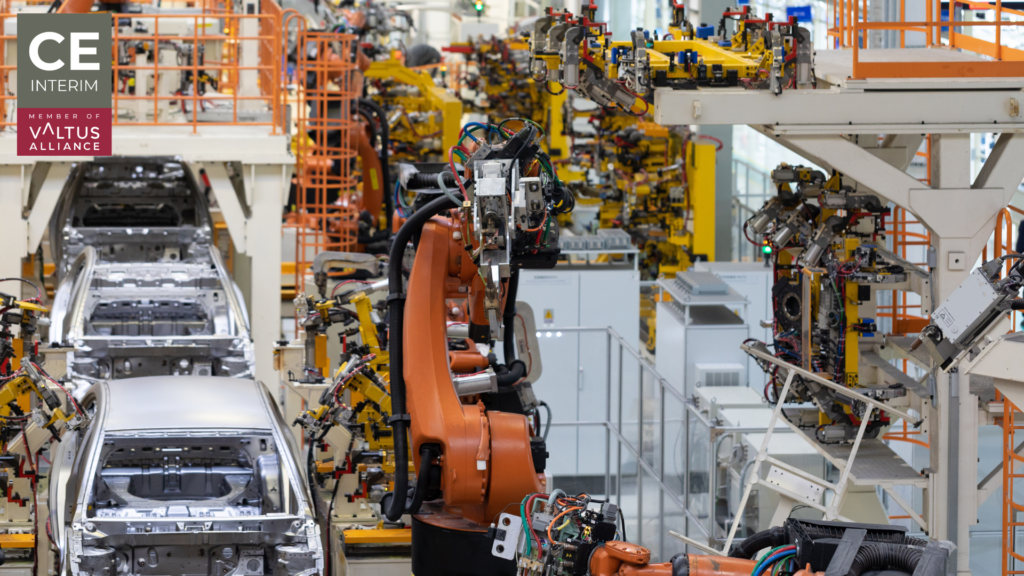
Nemecký dodávateľ pre automobilový priemysel vlastní kontrolné podiely v Poľsku, Rumunsku a Českej republike. Poľská výroba je silná, avšak tlak na mzdy rastie. Rumunská výroba od roku 2021 poklesla o 5 percent. Kapacity v Českej republike sú stabilné, avšak na trhu práce dochádza k nedostatku pracovnej sily. Na úrovni predstavenstva sa diskutuje o reštrukturalizácii portfólia v viacerých krajinách strednej a východnej Európy (CEE). Predstavenstvo si však zatiaľ neuvedomuje, že tri samostatne solídne plány oživenia, realizované súčasne, sa na úrovni riadenia dostanú do konfliktu a zničia hodnotu, aj keby sa prevádzka v každom závode zlepšila. Dilema generálneho riaditeľa: Konsolidovaný naratív verzus prevádzková realita Generálny riaditeľ, ktorý vedie portfólio v viacerých krajinách, čelí zásadnému problému. Generálny riaditeľ nesie konečnú zodpovednosť za konsolidované finančné výsledky, návratnosť investovaného kapitálu a strategickú súdržnosť. Tieto ukazovatele si vyžadujú jednotný naratív: portfólio dosahuje slabé výsledky z X dôvodov, oživenie si vyžaduje Y opatrenia a konsolidovaná EBITDA sa zlepší o 15 percent. Prevádzková realita rozpráva tri odlišné príbehy Podľa analýzy XYZ z júla 2026 bola poľská priemyselná výroba v júni 2026 takmer o 16 percent vyššia ako v roku 2021, čo predstavuje najlepší výkon v regióne. Poľská prevádzka úspešne zvládla dopyt a zároveň absorbovala mzdovú infláciu. Príbeh o oživení v Poľsku sa týka ochrany marží, nie záchrany prevádzky. Rumunsko predstavuje iný prevádzkový problém. Podľa Institutul Național de Statistică sa rumunská priemyselná produkcia od roku 2021 znížila približne o 5 percent. Konkrétne v odvetví spracovateľského priemyslu došlo v januári 2026 medziročne k poklesu o 6,0 percenta. Ide o viditeľný dôsledok štrukturálneho poklesu dopytu. Automobilový priemysel predstavuje približne 10 percent HDP a takmer 50 percent celkového vývozu. Oživenie Rumunska si vyžaduje nasadenie kapitálu a viacročný časový rámec oživenia s neistou tvorbou hotovosti v blízkej budúcnosti. Prevádzka v Českej republike dosahuje stabilné finančné výsledky. Za týmito výsledkami však nedostatočná dostupnosť pracovnej sily spôsobuje odklad údržby a skryté obmedzenia kapacít. Konsolidovaný naratív o oživení, ktorý považuje všetky tri prevádzky za súčasti jediného plánu oživenia, zakrýva tieto nezlučiteľné skutočnosti. Problém prevádzkového riaditeľa s kapacitou: Jeden manažér nemôže mať právomoci v troch krajinách Prevádzkový plán na oživenie portfólia v viacerých krajinách strednej a východnej Európy zvyčajne zveruje zodpovednosť jedinému prevádzkovému riaditeľovi, od ktorého sa očakáva, že bude mať priamu právomoc nad všetkými tromi krajinami, zabezpečí konzistentnosť podávania správ a urýchli rozhodovací proces. Ide o konštrukčnú chybu, ktorá sa v organizačnom schéme javí ako racionálna, avšak v praxi zlyháva. Nedostatok pracovnej sily vytvára obmedzenia špecifické pre jednotlivé krajiny. V Poľsku podľa “Barometra zamestnanosti 2026” Krajského úradu práce v Krakove patria medzi nedostatkové profesie elektrikári, elektromechanici, montéri elektrických zariadení, zvárači a operátori CNC strojov. Prevádzkový riaditeľ zodpovedný za Poľsko musí venovať neprimerane veľa času udržaniu zamestnancov, rokovaniam o mzdách a taktickým rozhodnutiam o počte zamestnancov. Ten istý manažér nemôže súčasne venovať rovnakú pozornosť Rumunsku, kde je problémom stabilizácia dopytu a zachovanie hotovosti, ani Českej republike, kde je problémom plánovanie kapacít v podmienkach nedostatku pracovnej sily. Rýchlosť rozhodovania sa v týchto troch krajinách výrazne znižuje. Reštrukturalizácia viacerých závodov vytvára konkurenčné požiadavky: Voľba finančného riaditeľa (CFO) pri alokácii kapitálu: Keď sa investície stávajú hierarchiou. Finančný riaditeľ (CFO), ktorý riadi alokáciu kapitálu v rámci reštrukturalizácie portfólia v viacerých krajinách strednej a východnej Európy (CEE), si musí odpovedať na otázku: Ktorá krajina dostane investičný kapitál, ktorá reštrukturalizačný kapitál a ktorá bude spravovaná s ohľadom na zachovanie hotovosti? Ak Poľsko potrebuje 15 miliónov eur na ochranu marže, Rumunsko potrebuje 25 miliónov eur na stabilizáciu prevádzky a Česká republika potrebuje 10 miliónov eur na riešenie odložených údržbových prác, celková potreba je 50 miliónov eur. Väčšina vyspelých priemyselných skupín nemá k dispozícii 50 miliónov eur, keď kapitál konkuruje dividendám, strategickým investíciám a splácaniu dlhu. Finančný riaditeľ čelí hierarchii nezlučiteľných voľieb. Každá voľba má odlišné dôsledky pre konsolidovanú EBITDA a odolnosť portfólia. Predstavenstvu však žiadna voľba nie je prezentovaná ako taká. Namiesto toho finančný riaditeľ vytvára naratív o “efektívnosti” alebo „postupných investíciách“, ktorý zakrýva prevádzkovú hierarchiu, v ktorej je jednej krajine uprednostňovaná pred ostatnými. Výzva pre investičného partnera: Ciele portfólia sú v rozpore s oživením Ak je portfólio podporované súkromným kapitálom, investičný partner má jednoduchý mandát: zlepšiť konsolidovanú EBITDA portfólia o cieľové percento v priebehu 18 až 36 mesiacov. To je základná investičná téza. Keď sa navrhuje oživenie portfólia v viacerých krajinách strednej a východnej Európy, partner súkromného kapitálu súhlasí so zlepšením ukazovateľa EBITDA v troch krajinách prostredníctvom prevádzkových zásahov. Skutočnosť je však oveľa zložitejšia. Všetky tri krajiny čelia rovnakým štrukturálnym prekážkam. Podľa údajov Európskej konfederácie odborových zväzov z marca 2024 prišla EÚ v rokoch 2019 až 2023 o približne 1 milión pracovných miest vo výrobnom sektore. Poľsko zaznamenalo stratu 278 000 pracovných miest, Rumunsko 144 000 a Nemecko 129 000. Tieto straty odrážajú štrukturálne zmeny v priemyselných kapacitách a ekonomike práce, nie dočasnú slabosť trhu. Vyriešenie problému konkurenčných právomocí: nevyhnutnosť regionálnej výkonnej zodpovednosti Zlyhanie riadenia v rámci týchto konkurenčných rolí sa nevyrieši pridávaním procesov ani vylepšovaním šablón pre podávanie správ. Vyrieši sa zavedením jasnej, jednotnej výkonnej právomoci pre celé portfólio, oddelenej od každodenného riadenia operácií v jednotlivých krajinách. Čo musí regionálna výkonná autorita mať v kompetencii Nie je to koordinačná úloha. Je to úloha výkonnej autority. Koordinátor odovzdáva rozhodnutia; výkonná autorita ich prijíma. Spôsob riadenia tejto autority určuje, či bude táto úloha úspešná, alebo sa stane prekážkou, ktorá spomalí oživenie portfólia. Táto úloha nemôže byť trvalá Keď sa v celom regióne znižuje zamestnanosť vo výrobnom sektore a jednotlivé prevádzky ťahajú rôznymi smermi, regionálny výkonný manažér nemôže byť trvalou súčasťou nákladovej základne. Úloha existuje na to, aby zistila fakty, stanovila poradie rozhodnutí a vynútila zosúladenie. Akonáhle je táto práca hotová, úloha sa zvyčajne zruší alebo sa zlúči s trvalým vedením na úrovni krajiny. Rozhodnutie predstavenstva: Tri odlišné operačné cesty Predstavenstvo sa teraz musí rozhodnúť, čo vlastne znamená oživenie portfólia v viacerých krajinách strednej a východnej Európy (CEE). Nie je to binárne rozhodnutie. Ide o sled voľieb v rôznych časových horizontoch. Kontext trhu DACH: portfóliá sa preorientovávajú Podľa analýzy ARC Group z februára 2026 sa aktivita v oblasti priemyselných fúzií a akvizícií v regióne DACH presunula smerom k vyčleňovaniu častí podnikov, menšinovým podielom a reštrukturalizáciám. Objem nemeckých priemyselných transakcií dosiahol v roku 2025 551 transakcií. Celková hodnota transakcií klesla na 16,5 miliardy EUR, čo predstavuje 40-percentný pokles oproti predchádzajúcemu roku. Tento posun odzrkadľuje premyslené voľby v rámci portfólia: predaj nehlavných aktív a sústredenie kapitálu na podniky, kde dochádza k oživeniu
Keď sa slovenský závod stane najmenej navštevovanou stránkou v portfóliu spoločnosti DACH

Konkrétny scenár. Závod s 2 800 zamestnancami, ktorý dosahuje ročný obrat 90 miliónov eur, pokojne funguje v rámci výrobnej štruktúry na Slovensku na úrovni Tier 2. Závod podáva správy prostredníctvom regionálneho manažéra klastra do centrály v Štutgarte alebo vo Viedni. Na štvrťročných zasadnutiach predstavenstva sa preberajú súhrnné údaje o klastri: počet zamestnancov, produkcia, náklady, kvalita. Výkaz ziskov a strát slovenského závodu je stabilný. Včasnosť dodávok dosahuje úroveň 96%. Ukazovateľ EBITDA spĺňa prognózu. Riaditeľ závodu predkladá svoje mesačné správy v stanovených termínoch. Nikto z členov predstavenstva závod nenavštívil už osemnásť mesiacov. Potom, v 13. mesiaci tejto stability, prichádza eskalácia zo strany zákazníka. Problém s kvalitou sa hromadil už 90 dní. Inžinier neočakávane odišiel a nikdy nebol nahradený. Stroj, ktorý mal prejsť servisom, pracuje mimo špecifikácií. Prvá otázka predstavenstva neznie: prečo závod zlyhal. Znie: prečo sa tento problém nepredvídal. Odpoveď spočíva v tom, ako v skutočnosti funguje riadenie 2. úrovne vo výrobných prevádzkach na Slovensku v rámci priemyselných portfólií so sídlom v regióne DACH. Nie je to nedbanlivosť. Je to architektúra. Model riadenia, ktorý chráni vlajkové závody, kde veľkosť závodu odôvodňuje aktívny dohľad predstavenstva, sa efektívne nevzťahuje na stredne veľké sekundárne prevádzky. Výsledkom je slepá škvrna: závod, ktorý dosahuje primerané výsledky v štvrťročných ukazovateľoch, sa stáva neviditeľným pre rozhodovateľov, ktorí kontrolujú kapitál, počet zamestnancov a právomoc eskalovať problémy. Model riadenia bol vytvorený pre kľúčové závody, nie pre stredné prevádzky Keď sa navrhovali systémy dohľadu nad závodmi v strednej a východnej Európe zo strany centrály v regióne DACH, odrážali realitu 90. rokov a začiatku 21. storočia: centralizovanú výrobu na hlavných trhoch Tier 1. Nemecký dodávateľ pre automobilový priemysel so sídlom v Štutgarte vlastnil závody v Poľsku s 5 000 zamestnancami, v Českej republike s 4 200 zamestnancami a ďalšie sekundárne prevádzky v iných krajinách. Predstavenstvo vytvorilo rámec riadenia zameraný na veľké prevádzky. Špecializovaný riaditeľ závodu Tier 1 podliehal priamo regionálnemu riaditeľovi. Rozhodnutia o kapitálových investíciách sa riadili na úrovni závodu. Na mesačných prevádzkových hodnoteniach sa zúčastňoval predajný tím závodu, vedúci technického oddelenia a riaditeľ závodu. Riadenie bolo aktívne a detailné. Táto štruktúra fungovala v zariadeniach s 5 000 zamestnancami, ktoré produkovali 40 percent celkovej produkcie skupiny. Čo sa zmenilo. Ako sa portfólio rozširovalo prostredníctvom akvizícií a investícií do nových závodov, tento model sa stal nedostatočným. Spoločnosti získali sekundárne závody s 2 500 až 3 500 zamestnancami. Vytvorili regionálne zoskupenia s cieľom zjednodušiť podávanie správ. Namiesto toho však spôsobili, že sa tieto závody stali „neviditeľnými“. Rámec riadenia, ktorý fungoval pre päť veľkých závodov, nie je bez zásadnej rekonštrukcie škálovateľný na dvadsať závodov v siedmich krajinách. Stredne veľké prevádzky s ročným obratom 80 až 150 miliónov eur sa teraz nachádzajú v riadiacej medzere. Prečo stredné závody miznú: Efekt prahu riadenia Bod zlomu nastáva vtedy, keď sa závod stane príliš malým na to, aby si zaslúžil individuálnu pozornosť predstavenstva, a zároveň príliš veľkým na to, aby sa dal riadiť na diaľku. Závod s 1 000 zamestnancami: riadený ako nákladové stredisko | Závod s 5 000 zamestnancami: vyžaduje aktívny dohľad predstavenstva | Závod s 3 000 zamestnancami: spadá do medzery Práve tu začína zlyhávať riadenie výrobných podnikov 2. úrovne na Slovensku. V závode s 3 000 zamestnancami predstavenstvo nepovažuje za opodstatnené vykonávať mesačné prevádzkové kontroly. Namiesto toho zavádza štvrťročné podávanie správ. Regionálny manažér klastra, ktorý dohliada na tri závody (Maďarsko s 4 800 zamestnancami, Česko s 3 200 a Slovensko s 2 800), sústreďuje väčšinu svojej pozornosti na najväčší závod. Čo sa deje s menším závodom: Problémom nie je to, že by bol dohľad zámerne nedostatočný. Problémom je, že architektúra riadenia nikdy nedefinovala, čo znamená primeraný dohľad pre stredne veľký závod. Štandardným postupom je uplatniť model navrhnutý pre vlajkové závody a následne znížiť intenzitu na základe veľkosti závodu. Výsledkom je závod fungujúci na autopilote. Konkurenčný tlak v rámci portfólií odťahuje zdroje od prevádzok 2. úrovne Riadenie portfólia v viacerých krajinách vytvára vnútornú konkurenciu o kapitál, počet zamestnancov a pozornosť vedenia. Keď sa rozpočty centrály sprísnia, najväčšie závody sú chránené ako prvé. Rozsah koncentrácie je reálny. Podľa Zväzu automobilového priemyslu Slovenskej republiky vyrobilo Slovensko v roku 2025 1,07 milióna vozidiel. Volkswagen Bratislava vyrobil 336 905 kusov; Stellantis Trnava vyrobil 330 000 kusov; Kia Žilina dodala 296 550 kusov; Jaguar Land Rover Nitra prispel 107 000 kusov. Závod Volkswagen Bratislava zamestnáva 14 800 pracovníkov a vyrába modely VW e-up, Škoda Citigo iV a Seat Mii Electric. Tento závod sa teší intenzite riadenia úmernej jeho veľkosti a strategickému významu. Závod Stellantis Trnava s 3 300 zamestnancami a tržbami vo výške 3 786 miliónov eur je predmetom záujmu na úrovni klastra. Vedľajší závod absorbuje tlak na znižovanie nákladov, zatiaľ čo vlajková loď nesie investície do rastu. To vytvára kaskádový efekt: „Regionálna klastrová pasca“: Ako zoskupenie troch závodov zakrýva individuálne riziko. Centrály v regióne DACH a vo Francúzsku riadia závody v strednej a východnej Európe prostredníctvom regionálnych riadiacich klastrov. Jeden manažér klastra nesie zodpovednosť za zisk v troch krajinách a troch závodoch rôznej veľkosti. Klaster podáva správu predstavenstvu o súhrnných výsledkoch: vyťaženie pracovnej sily, produkcia, náklady na jednotku, ukazovatele kvality. Individuálne sú všetky tri ukazovatele v poriadku. Spolu však zakrývajú zhoršenie situácie v najmenšom závode. Toto zlyhanie regionálneho dohľadu je štrukturálne, nie náhodné. Vyplýva zo spôsobu, akým je navrhnuté podávanie správ v rámci klastra. Ako pasca funguje: Ak sa výkonnosť maďarského závodu zhorší a ohrozí zisk klastra, manažér klastra sa sústredí práve naň. Nemôže si dovoliť stratiť Maďarsko. Ak je potrebné prehodnotiť nákladovú štruktúru českého závodu, kapitál a pozornosť smerujú tam. Slovenský závod, ktorý vykazuje stabilnú výkonnosť vo všetkých štvrťročných ukazovateľoch, sa stáva zdrojom voľnej kapacity. Keď predstavenstvo požaduje zníženie nákladov o 2 milióny eur, slovenský závod to absorbuje, pretože regionálny manažér vie, že je to jediný závod, v ktorom môže šetriť bez toho, aby to vyvolalo bezprostredné riziko. Závod sa zmenšuje. Klesá počet zamestnancov. Závod sa na papieri stáva efektívnejším. Nemá však žiadnu rezervu. Funguje na hrane svojich možností. Keď už úroveň 2 nehrá rolu: Moment, keď sa závod stáva „stabilným stavom“ v pamäti spoločnosti Pamäť spoločnosti je selektívna. Predstavenstvo si pamätá závody, ktoré spôsobili problémy, prevádzky vyžadujúce zásah, operácie, ktoré si vyžiadali investície. Slovenský závod k nim nepatrí. Sedem kvartálov po sebe plnil prognózy, dodával načas a držal sa v rámci nákladového rozpočtu. V podnikovej pamäti bol zaradený do kategórie „stabilného stavu“. „Stabilný stav“ je kód pre „nevyžaduje našu pozornosť“. V okamihu, keď závod získa túto klasifikáciu: Keď sa objavia problémy, tento pomalší cyklus sa stáva prekážkou.
Prečo sa integrácia po fúzii v poľských závodoch v nemeckom vlastníctve spomaľuje

Stručne povedané: Integrácia po fúzii medzi nemeckými vlastníkmi a získanými poľskými závodmi sa často v priebehu prvého roka zastaví, a to nie kvôli technológii, ale preto, že centralizované nemecké štruktúry podávania správ a schvaľovania sa zavádzajú rýchlejšie, než ich miestne prevádzkové vedenie stíha vstrebávať. Predpoklady o synergiách nenápadne zlyhávajú, zatiaľ čo obe strany veria, že integrácia prebieha podľa plánu. Obnovenie dynamiky si vyžaduje prítomnosť vedúceho pracovníka priamo na mieste, ktorý má právomoc prekladať riadenie skupiny do každodenných rozhodnutí závodu, jasné delegovanie právomocí od prvého dňa a postup, ktorý stabilizuje prevádzkový tok ešte pred harmonizáciou back-office systémov. Prvé náznaky treníc pri akvizíciách poľských závodov, ktoré predstavenstvá ignorujú. Tieto trenice zvyčajne začínajú nenápadne. Mesačné integračné správy zo závodu v Poznani, Katowiciach alebo Bydgoszči začínajú ukazovať nesplnené míľniky: migrácia ERP systému oneskorená zložitosťou miestneho systému, odloženie úspor v oblasti nákupu kvôli potrebe revízie existujúcich zmlúv s dodávateľmi, pokles výkonnosti dodávok pripisovaný reorganizácii po uzavretí transakcie. Žiadne z týchto vysvetlení nie je samo osebe neopodstatnené. Keďže predstavenstvo obhájilo ocenenie a argumenty o synergiách pred investičným výborom, jeho inštinktom je považovať počiatočné ťažkosti za bežnú adaptáciu, nie za varovný signál. Tento inštinkt je pochopiteľný. Riziko spočíva v tom, že každé z týchto vysvetlení, ktoré je samo o sebe rozumné, oddiaľuje moment, kedy centrála položí náročnejšiu otázku. Skutočne sa závod integruje, alebo prevádzkuje dva paralelné systémy, ktoré z diaľky vyzerajú prijateľne? Výskum spoločnosti McKinsey & Company týkajúci sa realizácie synergií po fúzii poukazuje na vzorec, ktorý s tým súvisí: nadobúdatelia bežne preceňujú rýchlosť dosiahnutia synergií a podceňujú jednorazové integračné ťažkosti, pričom viac ako šesťdesiat percent priemyselných fúzií nedokáže dosiahnuť prevádzkové marže predpokladané pri podpise zmluvy. K erózii hodnoty pri akvizíciách vo výrobnom sektore dochádza skôr postupne než ako jediná viditeľná udalosť, čo je presne to, čo predstavenstvu sťažuje reagovať už v treťom alebo štvrtom mesiaci. Štrukturálne príčiny zlyhania po fúzii v nemecko-poľských prevádzkach Poľsko je jedným z najvýznamnejších výrobných partnerov Nemecka a bilaterálne priemyselné väzby sú hlboko zakorenené. Táto blízkosť môže spôsobiť, že sa prevádzková vzdialenosť ľahšie podcení. Problémom je zriedka jazyk. Ide o vzťah medzi tým, ako sa rozhodnutia prijímali pred akvizíciou, a tým, ako nový vlastník očakáva, že sa budú prijímať po nej. Mnohé nadobudnuté poľské priemyselné podniky vybudovali zakladatelia-vlastníci, ktorí riadili závod prostredníctvom priamych vzťahov s pracovníkmi vo výrobe a rýchlych ústnych rozhodnutí. Keď nemecká materská spoločnosť zavedie maticové riadiace štruktúry, ktoré vyžadujú funkčné schválenie z centrály aj v bežných záležitostiach, ako je oprava nástrojov alebo zmena pracovnej zmeny, miestne rozhodovanie sa nestane disciplinovanejším. Stane sa pomalším a ľudia, ktorí predtým disponovali touto právomocou, začínajú strácať schopnosť reagovať na to, čo vidia priamo vo výrobe. Hneď za tým nasleduje druhý, menej nápadný problém. Podávanie správ na korporátnej úrovni môže vytvárať dojem zosúladenia bez toho, aby to malo skutočnú podstatu. Miestne tímy sa naučia vypĺňať šablóny, ktoré očakáva centrála, pričom naďalej riadia každodenné operácie prostredníctvom neformálnych záznamov, ktoré lepšie odrážajú to, čo sa skutočne deje. Žiadna strana nekoná v zlej viere. Centrála potrebuje štandardné výkazníctvo na riadenie portfólia; závod potrebuje spôsob riadenia výroby, ktorý štandardná šablóna nezachytáva. Výsledkom sú dve verzie pravdy, z ktorých obe sú udržiavané v dobrej viere. K tomu prispievajú ďalšie dva faktory. Kvalifikovaní vedúci výroby, inžinieri automatizácie a nástrojári sú veľmi žiadaní vo výrobných centrách, ako je Dolné Sliezsko a Veľké Poľsko. Keď integrácia zvyšuje administratívnu záťaž a odoberá rozhodovacie právomoci bez toho, aby ich nahradila jasnosťou, práve títo talentovaní ľudia sú najviac náchylní odísť ku konkurencii. A centrálne navrhnuté zavádzanie ERP systémov alebo procesov, vybudované bez úzkej účasti pracovníkov z výrobnej haly, často predpokladajú konfigurácie strojov, dodacie lehoty dodávateľov a vzorce pracovnej sily, ktoré nezodpovedajú konkrétnemu závodu. Výskum spoločnosti Boston Consulting Group týkajúci sa rámcov integrácie po fúzii poukazuje na podobný problém: cieľový prevádzkový model navrhnutý bez zapojenia výrobnej linky má tendenciu vytvárať prevádzkové úzke miesta, ktorým mal práve zabrániť. Kľúčové varovné indikátory stagnujúcej integrácie výroby po fúzii Predstavenstvo nemusí čakať na formálne hodnotenie, aby zistilo, či sa nadobudnutý závod dostal do tohto vzorca. Spojenie niekoľkých príznakov je spoľahlivým indikátorom. Krivky synergie sa po prvých sto dňoch vyrovnávajú: počiatočné zľavy z nákupu sú síce využité, ale plánované prerozdelenie výroby, zdieľané služby a racionalizácia nástrojov nevykazujú žiadny ďalší pokrok. Vykazovanie sa začína rozchádzať – jeden súbor čísel sa pripravuje pre nemecké ústredie a samostatný, neformálny súbor sa používa na každodenné riadenie závodu. Doterajší miestni vedúci pracovníci prechádzajú z aktívneho riadenia k pasívnemu plneniu predpisov, zúčastňujú sa videohovorov, ale už nepreberajú osobnú zodpovednosť za prevádzkové odchýlky. Zákazníci v rámci zavedených produktových radov, ktorým sa predtým spoľahlivo poskytovali služby, začínajú pociťovať nestabilitu, keďže výroba je narúšaná zmenami procesov alebo centralizovanými nákupnými rozhodnutiami. A centrála začína opakovane vysielať svojich vlastných kontrolórov a funkčných špecialistov, aby riadili základné funkcie závodu, čím zvyšuje náklady bez budovania miestnych kapacít. Ak sa v priebehu prvého roka prejavia tri alebo viac z týchto príznakov, je potrebné zmeniť základný integračný model. Ďalšie kolo centrálneho podávania správ alebo angažovanie strategického poradcu na prepracovanie integračného plánu rieši skôr byrokraciu než medzeru v právomociach, ktorá v skutočnosti spomaľuje oživenie. Strategie na zvrátenie situácie s cieľom obnoviť dynamiku v závodoch po akvizícii Obnovenie dynamiky znamená nahradiť diaľkový dohľad vedením priamo na mieste, ktoré dokáže zároveň zastávať obe strany vzťahu: zodpovednosť voči riadeniu skupiny a dostatočnú blízkosť k závodu, aby mohlo prijímať rozhodnutia, ktoré závod skutočne potrebuje. Riadenie cezhraničného riadenia a miestnej prevádzkovej autonómie Za tento posun nemôže ani jedna strana tohto vzťahu a ani jedna ho nedokáže vyriešiť sama. Centrála pracuje s agregovanými, oneskorenými informáciami a oprávnene požaduje spoľahlivé podávanie správ, kapitálovú disciplínu a rýchlu cestu k eskalácii. Miestny tím pracuje v rámci štruktúry podávania správ, pre ktorú nebol vytvorený, a jeho požiadavka na realistické termíny a fungujúce rozhodovacie právomoci je rovnako opodstatnená. Úlohou vedúceho pracovníka priamo na mieste je vytvoriť jednu spoločnú faktickú základňu a jednu rozhodovaciu štruktúru, ktoré obom stranám
Prečo sa v rumunských závodoch v nemeckom vlastníctve narúša disciplína na pracovisku

Disciplína vo výrobných prevádzkach v Rumunsku sa z kultúrnych dôvodov málokedy narúša. Zistite, ako štandardné pracovné postupy vedúcich, vizuálne riadenie, jasný postup eskalácie a silnejšia autorita nadriadených obnovujú konzistentné plnenie úloh.
Dodržiavanie predpisov CBAM zo strany výrobcov sa teraz stalo problémom v oblasti peňažných tokov

Výrobcovia, ktorí musia splniť požiadavky CBAM, čelia v roku 2026 nákladovým rizikám, ktoré sa prejavujú v cenách, rezervách a likvidite ešte predtým, ako začne nákup certifikátov.
Útok ransomware vo výrobnom odvetví: Šesť týždňov do platobnej neschopnosti
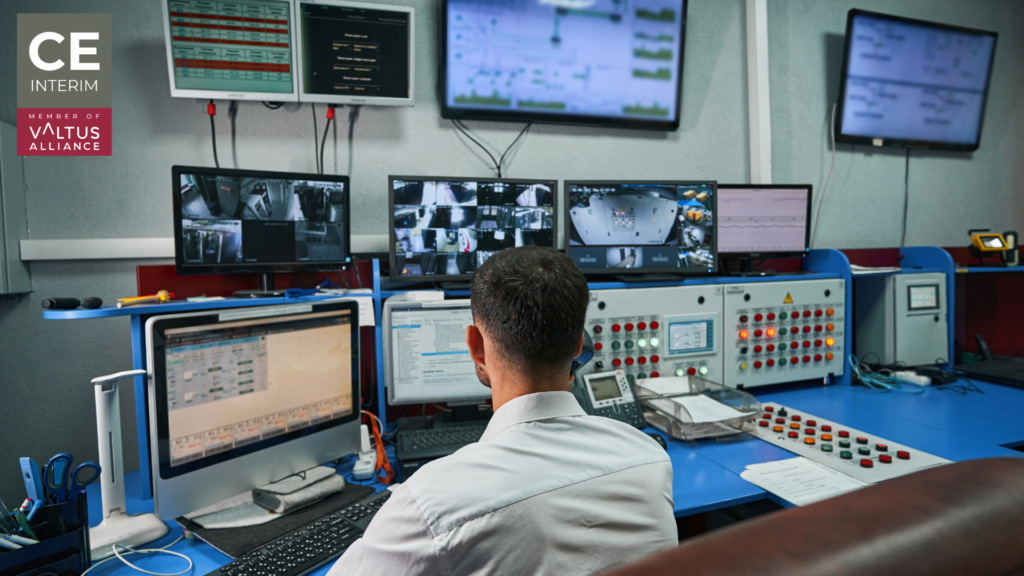
Kríza spôsobená útokom ransomware môže zastaviť výrobu, vyčerpať hotovosť a donútiť predstavenstvo, aby v priebehu niekoľkých týždňov vykonalo reštrukturalizáciu, predalo spoločnosť alebo ju zatvorilo.
 EN
EN  DE
DE  FR
FR  IT
IT  PL
PL  RO
RO  CS
CS  SK
SK  HU
HU  ES
ES  RU
RU  AR
AR  SL
SL