Kaj naložbe Združenih arabskih emiratov pomenijo za nemško industrijo

Nemško industrijsko podjetje, ki je sprejelo kapital iz Zaliva, opaža spremembe pri zaključku poslovnega meseca. Naložbe ZAE v nemško industrijo so prešle iz faze napovedi v fazo izvedbe. Tiskovni urad zvezne vlade je 10. septembra 2026 potrdil to napoved. Oba voditelja sta pozdravila investicijski paket ZAE v višini 40 milijard evrov v Nemčiji. Ta znesek upravnemu odboru ne pove ničesar o načrtu izvedbe, ki ga je podedoval. Tri oblike naložb ZAE v nemško industrijo, trije načrti izvedbe Znesek je izjava o nameri, ne pa podrobna zaveza. Skupna izjava, o kateri je poročala agencija WAM, navaja 29 medpodjetniških sporazumov v vrednosti več kot 9,356 milijarde evrov, ki dopolnjujejo paket, ne pa so njegov del. Minister Sultan Ahmed Al Jaber je dejal, da se ta znesek dodaja k približno 34 milijardam evrov, ki so že bile vložene, kot je 10. septembra 2026 poročal Handelsblatt. Operativno je pomembno, v kakšni obliki potekajo naložbe ZAE v nemško industrijo. Pri prevzemu je nadzor nad integracijo prva ovira; najjasnejši primer je podjetje Covestro, ki sega v čas pred septembrskim paketom. XRG, mednarodna podružnica podjetja ADNOC, je 10. decembra 2025 zaključila prevzem podjetja Covestro AG, ob zaključku pa je izvedla povečanje kapitala v višini 1,17 milijarde evrov. Podjetje Emirates Global Aluminium kaže drugačen vzorec, saj širi nemško reciklažno sredstvo, ki je že v njegovi lasti. V obeh primerih lastnik določi standard poročanja, nemška finančna služba pa izvede dva zaključka poslovnih obdobij. Nadzor prinaša tudi regulativni postopek. Prevzemnik, ki ni iz EU, je predmet pregleda v skladu z Außenwirtschaftsgesetzom in Außenwirtschaftsverordnungom, ki ju upravlja Bundesministerium für Wirtschaft und Energie. Hkrati velja tudi Uredba (EU) 2019/452. Nadzor nad združitvami je v pristojnosti Bundeskartellamta ali, v skladu z Uredbo EU o združitvah, Evropske komisije. Uredba EU o tujih subvencijah, Uredba (EU) 2022/2560, lahko določa obveznosti, ki vplivajo na to, kako lastnik upravlja s sredstvom. Upravni odbori te obveznosti obravnavajo kot pogoje za zaključek transakcije. Določajo pogoje poslovanja za dve leti. Manjšinski delež preusmerja vprašanje s kontrole na obveščanje. Manjšinski kapital podjetju, ki ga doslej ni imelo, nalaga obveznost poročanja. Družba Partners Group je 14. julija 2025 objavila, da se je konzorcij dogovoril za prevzem družbe Techem iz Eschborna, pri čemer se je kot manjšinski vlagatelj pridružila družba Mubadala Investment Company. Enakovredna soodločba v skladu z zakonom Mitbestimmungsgesetz iz leta 1976 velja za podjetja z več kot 2.000 zaposlenimi, zakon Drittelbeteiligungsgesetz pa za podjetja z med 500 in 1.999 zaposlenimi. Manjšinski delničar pridobi vpogled v nadzorni svet, ki ga ne more preoblikovati, breme pa pade na nadzorni organ in ne na obrat. Financiranje projekta postavlja poročanje o mejnikih v središče operativne discipline Projektni kapital je najzahtevnejši od vseh treh, saj je vezan na roke. RWE je 6. februarja 2026 objavila memorandum z Masdarjem. Masdar naj bi do leta 2030 preučil možnost vlaganja v obstoječa sredstva za shranjevanje energije v baterijah v lasti RWE z zmogljivostjo do 1 GW v Nemčiji, do leta 2035 pa še dodatnih 1 GW. To potrjuje namero, ne pa izvedbo. Ta vzorec velja tudi v primerih, ko vlagatelj ni pogodbena stranka. GlobalFoundries, skupina s sedežem v ZDA, v kateri ima Mubadala Investment Company velik delež, je 28. oktobra 2025 napovedala širitev svojega obrata v Dresdnu v vrednosti 1,1 milijarde evrov, s čimer bo do konca leta 2028 presegla milijon rezin na leto, pri čemer se pričakuje podpora zvezne vlade in Svobodne države Saške v okviru evropskega zakona o čipih. To je korporativni kapital, ki ni del septembrskega paketa. Javno sofinanciranje prinaša revizijske zahteve in dokazila o doseženih mejnikih, zato koledar poročanja postane omejitev proizvodnje, ne pa finančna naloga. Odnos med sedežem in obratom določa nemško industrijsko delovanje po tujih naložbah Pravice do odločanja pred oblikami poročanja Razdalja spreminja mehanizme, ne le vzdušje. Odbor delničarjev v Zalivu dela v drugem tednu, zato četrtkovo vprašanje o kapitalu počaka na naslednjega. Investicijski svet, navajen mesečnih podrobnosti o poslovanju, se srečuje s kontrolno funkcijo, zasnovano za nadzorni svet, ki se sestaja četrtletno. Nobeno od pričakovanj ni nerazumno, a se med seboj nasprotujeta. To je kompromis, s katerim se upravni odbor dejansko spopada. Hitro izpolnjevanje informacijskih potreb lastnika ponavadi upočasni lokalne odločitve, zaščita hitrosti odločanja pa lastnika dlje pušča v negotovosti. Upravni odbor odloči, koliko zamude pri odločanju je pripravljen sprejeti in za koliko časa. Pri tem je pomemben vrstni red. Pravice do odločanja so na prvem mestu, saj formati, dogovorjeni pred dodelitvijo pooblastil, prinašajo hitre številke, na podlagi katerih nihče na terenu ne more ukrepati. Pot do odobritve kapitala je na drugem mestu, saj je zastal projekt prvi strošek, ki ga opazi stranka. Usklajevanje nadzora je na zadnjem mestu. V nemških industrijskih podjetjih po tujih naložbah je ta vrstni red pogosto obraten. Po koncu drugega četrtletja se to pokaže v dobavah, preden se pokaže v računovodskih izkazih – vzorec, ki ga CE Interim opredeljuje v svojem delu o integraciji po združitvi. Časovni okviri delavskega sveta določajo ritem V skladu s 106. členom Zakona o organizaciji podjetij (Betriebsverfassungsgesetz) mora podjetje z več kot 100 zaposlenimi obvestiti svoj gospodarski odbor (Wirtschaftsausschuss) o bistvenih poslovnih spremembah. Vsaka sprememba, ki izpolnjuje pogoje za »Betriebsänderung«, sproži postopek usklajevanja interesov in socialnega načrta v skladu s členi 111 do 113. Koledar delavskega sveta določa dosegljivo hitrost sprememb, ne pa dokument investicijskega odbora. Preverjanje pripravljenosti na izvedbo v prvih 180 dneh Upravni odbor lahko večino tega oceni že pred prvim zaključkom transakcije s strani lastnika. Tri vprašanja ugotavljajo, kje se nahaja posamezna lokacija, vsako pa ima svoj prag. Odločitev, s katero se zdaj sooča upravni odbor – naložba ZAE v nemško industrijo – sama po sebi ni operativno tveganje. Tveganje leži v vrzeli med novo obremenitvijo na področju upravljanja in obstoječo upravljavsko zmogljivostjo, medtem ko mora obrat izpolnjevati svoje dobavne obveznosti. Za Svobodno državo Bavarsko navedenih 10 milijard evrov nima imenovanega prejemnika, zato bi morali upravni odbori načrtovati glede na strukture in ne glede na naslove v medijih. Izbira je ožja, kot nakazuje napoved. Upravni odbor lahko novo breme prevzame z obstoječo ekipo, preoblikuje vodstvo na področju financ in poslovanja, da ga bo lahko trajno ohranil, ali pa sprejme, da obrat ne more izpolniti obveznosti, sprejetih v njegovem imenu, in ponovno odpre vprašanje obsega, lastništva ali zaprtja. Kadar je vrzel konkretna in časovno omejena, jo lahko začasno prevzame začasni finančni direktor ali operativni direktor na podlagi pisnega pooblastila. V njem je določeno, kdo je odgovoren novemu lastniku,
Ko zaprtje poljskega obrata vpliva na časovni razpored prestrukturiranja v Češki: zakaj so vzporedne odločitve nemogoče

Nemška industrijska skupina s proizvodnimi obrati na Poljskem in v Češki se v šestih tednih sooča z odločitvijo upravnega odbora. Poljski obrat ustvarja izgubo in porablja denarna sredstva. Češki obrat dosega slabše rezultate, vendar je operativno mogoče ga sanirati. Razpoložljivi kapital za prestrukturiranje v obeh državah skupaj znaša približno 35 milijonov evrov. Tu se pojavi ključno vprašanje: odločitev o takojšnjem zaprtju poljskega obrata sproži odločitev o prestrukturiranju na Češkem, ki je ni mogoče odložiti, spremeniti vrstnega reda ali upravljati neodvisno. Ko ena država stoji pred zaprtjem, druga pa potrebuje prestrukturiranje, večdržavna kaskada zapiranja in prestrukturiranja v srednji in vzhodni Evropi povzroči izvršilni zastoj. To prisili nepripravljeni upravni odbor v odločitev, ki je nihče ni načrtoval. Razumevanje, zakaj so vzporedne odločitve nemogoče, je bistveno za vsakega vodilnega predstavnika industrije iz regije DACH, ki upravlja poslovanje v Srednji in Vzhodni Evropi. Prvih 30 dni: kako se začne verižni proces zapiranja in prestrukturiranja v več državah v Srednji in Vzhodni Evropi Takoj ko upravni odbor odobri zaprtje poljskega obrata, se hkrati sprožijo obveznosti obveščanja v obeh državah. Najpomembneje je, da se oba roka prekrivata. Nobenega od njiju ni mogoče odložiti brez pravnega tveganja. Ta sočasni sprožilec sproži verižni učinek, ki je značilen za situacije zapiranja in prestrukturiranja v več državah v Srednji in Vzhodni Evropi. Roki za obveščanje se sočasno prekrivajo Poljski delovni zakonik od delodajalcev zahteva, da v 20 dneh od sprejetja odločitve o kolektivnem odpustu obvestijo okrajni zavod za zaposlovanje. Hkrati morajo v istem 20-dnevnem roku potekati posvetovanja s sindikati. Poleg tega češki delovni zakonik predpisuje najmanj 30-dnevni rok za obvestilo zavodu za zaposlovanje in predstavnikom delavcev, preden začnejo veljati odpovedni roki. Rezultat je jasen: obe obvestili morata biti izvedeni. Oba roka potekata vzporedno. Zmogljivosti vodstva se razdelijo med dve odločitvi Zaprtje zahteva posebne ukrepe: pogoje odpuščanja, izračune odpravnin, popis premoženja, zaporedje ukinjanja proizvodnje, obveščanje upnikov in načrtovanje neprekinjenega poslovanja za stranke. Prestrukturiranje zahteva drugačne ukrepe: ukinitev delovnih mest, odločitve o naložbah v produktivnost, napovedi obratnega kapitala in cilje uspešnosti. Posledično v prekrivajočem se 20- do 30-dnevnem obdobju zaprtje v Poljski zahteva vso pozornost operativne ekipe. Medtem se odločitev o prestrukturiranju v Češki vsili na že tako prenapolnjen dnevni red. Prav zato scenariji zaprtja in prestrukturiranja v več državah Srednje in Vzhodne Evrope povzročajo težave z zmogljivostjo na vodstveni ravni. 4.–8. teden: pritisk na denarni tok se pojavi še pred zagotovitvijo kapitala za prestrukturiranje Ko se faza obveščanja zaključi, se finančna realnost hitro pospeši. Obveznosti v zvezi z odpravninami se spremenijo v konkretne obveznosti. Upniki in dobavitelji prepoznajo signal o zaprtju. Poleg tega se plačilni cikli v proizvodnji skrajšajo ravno v trenutku, ko je denar najbolj omejen. Pritisk plačilnih rokov in zategovanje denarnega toka Standardni plačilni roki v proizvodnji v industrijskih B2B odnosih običajno znašajo od 60 do 90 dni neto. Ko dobavitelji zaznajo signale zaprtja, zmanjšajo kreditno izpostavljenost. Mnogi zahtevajo predplačilo ali pospešijo roke za izterjavo računov. Posledično se obveznosti do dobaviteljev skrajšajo, medtem ko se izterjava terjatev upočasni. Finančni direktor mora nemudoma obravnavati pritisk upnikov in ohraniti dostop do kreditnih linij za obratni kapital. Medtem pa naložba v češko prestrukturiranje še vedno čaka na odobritev. Pomanjkanje dodeljenega kapitala: 35 milijonov evrov ni dovolj za obe državi Ta kapitalska aritmetika še pred šestimi tedni ni bila na dnevnem redu upravnega odbora. Do 8. tedna je finančni direktor že dodelil kapital za zaprtje v Poljski. Finančni direktor mora zdaj upravni odbor obvestiti, da prestrukturiranja v Češki ni mogoče financirati, kot je bilo prvotno načrtovano. Ta situacija je tipična za konflikte pri prestrukturiranju z zapiranjem poslovanja v več državah v srednji in vzhodni Evropi. 8.–16. teden: okno za prestrukturiranje v drugi državi se nepovratno zapre V tej fazi zaprtje poslovanja na Poljskem postane javno znano. Zaposleni delajo do izteka odpovednega roka. Naročila strank se prenesejo ali prekličejo. Prodaja sredstev vstopi v fazo pogajanj. Ključno je, da v Češki postane sporočilo zaposlenim nedvoumno: sedež podjetja krči portfelj. Češka bi lahko bila naslednja. Tveganje izgube kadrov se poveča, tehnične zmogljivosti pa se zmanjšujejo. Češki direktor tovarne vsak teden sprejema klice usposobljenega tehničnega osebja, ki je prejelo ponudbe za delo drugje. Hkrati finančni direktor še ni odobril kapitalske zaveze za Češko. Operativni direktor še ni objavil načrta za sanacijo. Posledično se negotovost podaljšuje iz dni v tedne. Do 12. tedna tovarna izgubi dva višja tehnika in tri mlajše inženirje. Kakovost proizvodnje se poslabša. Število pritožb strank se znatno poveča. Zamuda spremeni potencial za preobrat v poslabšanje poslovanja. Rešitve, katerih izvedba bi v 2. tednu stala 12 milijonov evrov, v 10. tednu stanejo že 18 milijonov evrov. Vsak teden zamude pri prestrukturiranju sistematično zmanjšuje uspešnost. Morala upada, ker ni bila sprejeta nobena zaveza. Stranke zmanjšujejo obseg naročil, ker se kakovost dostave poslabšuje. Pogoji plačila dobaviteljem se poslabšajo, ker se zgodovina plačil slabša. Do 14. tedna se češka lokacija iz kandidatke za prestrukturiranje spremeni v kandidatko za zaprtje. Upravni odbor se sooča z drugačno izbiro, kot je bilo pričakovano: prestrukturiranje z visokimi stroški in negotovimi izidi ali zaprtje za ohranitev kapitala. To poslabšanje ni neizogibno. Je neposredna posledica kaskadnega zapiranja in prestrukturiranja v več državah Srednje in Vzhodne Evrope. Izbira zaporedja: zaporedno ali vzporedno izvajanje prestrukturiranja z zapiranjem v več državah Upravni odbor se sooča z binarno izbiro. Nobena od možnosti ni privlačna. Obe prinašata znatne stroške in tveganje. V bistvu gre za izbiro med sprejemljivimi izidi in slabšimi izidi. Možnost 1: Zaporedno izvajanje (najprej zaprtje v Poljski, nato v Češki) Možnost 2: Vzporedno izvajanje (upravljanje obeh hkrati) Kdo odloča o zaporedju in kdaj pride do zloma avtoritete Formalno o zaporedju pri odločitvah o zaprtju in prestrukturiranju v več državah v srednji in vzhodni Evropi odloča upravni odbor ali nadzorni svet. V praksi se morajo finančni direktor, operativni direktor in upravni odbor uskladiti. Ko usklajevanje ne uspe, pride do razkola med operativno realnostjo in strateško usmeritvijo. Usmeritev upravnega odbora proti operativni realnosti Stališče upravnega odbora: Prednost ima vzporedno izvajanje. Vzporedno izvajanje skrajša skupni časovni okvir in ohranja možnost prestrukturiranja na Češkem. Ocena operativnega direktorja: Vzporedno izvajanje je operativno neizvedljivo. Dveh večjih ukrepov v portfelju ni mogoče hkrati izvesti na najvišji ravni. Zmanjšanje kakovosti pri eni ali obeh pobudah je neizogibno. Zaskrbljenost finančnega direktorja: Kapitalska ustreznost je nezadostna. Finančni direktor zagovarja zaporedno izvajanje: najprej popolno zaprtje v Poljski, ohranitev kapitalske rezerve, nato pa prestrukturiranje v Češki le, če je na voljo kapital in se zmanjša pritisk upnikov. Čezmejne vrzeli v pristojnostih, ko se odločitve ne morejo uskladiti Poljski direktor za državo zagovarja hitro zaprtje. Nasprotno pa češki direktor za državo zagovarja jasno zavezo k prestrukturiranju z vidno kapitalsko podporo. Obe stališči sta operativno pravilni. Obe pa ni mogoče hkrati izpolniti. Direktiva EU 98/59/ES in Direktiva 2019/2121 o čezmejnem prestrukturiranju določata pravne okvire, vendar ne rešujeta vprašanja zaporedja izvedbe. Finančni direktor nadzira sprostitev kapitala. Ko finančni direktor zadrži kapital za češko prestrukturiranje do rešitve poljskih upnikov, se vzporedna izvedbena odločitev upravnega odbora v praksi spremeni v zaporedno izvedbo. Pristojnosti se razkrojijo.
Zastajanje srbskega zagona: tri odločitve upravnega odbora, ki bi morale biti sprejete že prej
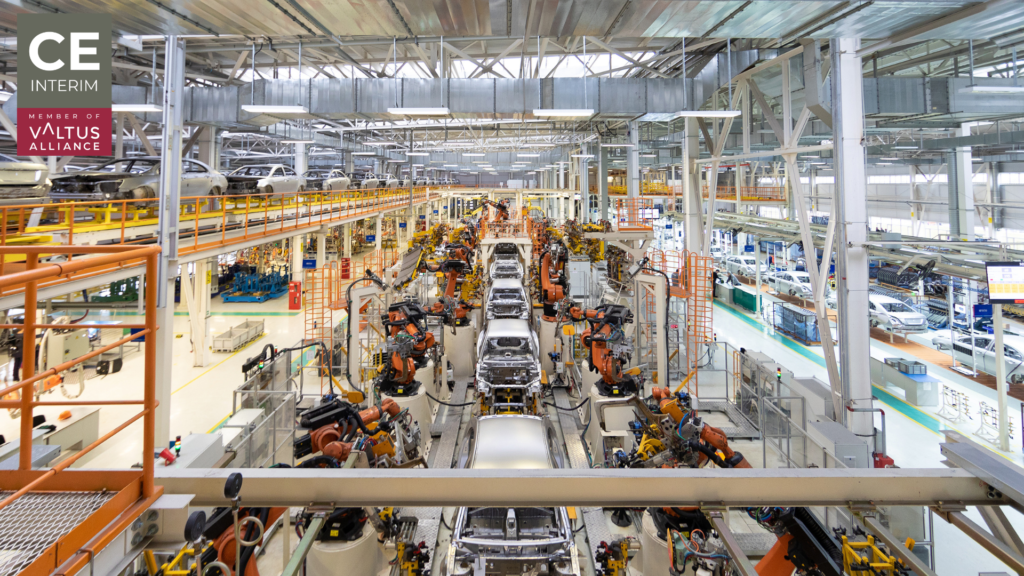
Nemški konglomerat pod vodstvom enega operativnega direktorja (COO) upravlja tovarne na Poljskem in v Srbiji. Poljska izpolnjuje načrtovane dobave. Srbija pa povečuje nove proizvodne zmogljivosti. Upravni odbor skupine prejema mesečne ključne kazalnike uspešnosti (KPI): skupna proizvodnja poteka po načrtu, kapitalski izdatki so v okviru proračuna, portfelj pa se zdi stabilen. Kar upravni odbor ne vidi, je, da se kazalniki proizvodnje na ravni 2 v srbskem obratu poslabšujejo na načine, ki jih skupno poročanje prikriva. Pomanjkanje delovne sile skrajšuje roke. Mejniki za dostavo strankam se zamikajo. Do trenutka, ko uradno poročilo o težavah prispe do upravnega odbora, so se stroški zamude že konkretizirali. Osnovni problem To ni nekompetentnost. To je zgodba o tem, kako nadzor nad delovanjem dobaviteljev drugega reda (Tier 2) odpove, ko upravljanje portfelja temelji na agregatnih kazalnikih, pozornost uprave pa se osredotoča na lokacije, ki izpolnjujejo načrt. Tržni kontekst Srbska avtomobilska industrija je leta 2025 ustvarila 4 milijarde evrov izvoza, kar predstavlja 12,3 odstotka celotnega izvoza. Glede na študijo trga dela UNDP se bo povpraševanje po delovni sili v Srbiji povečalo s 125.000 v letu 2024 na 144.000 v letu 2026, pri čemer bo vodilna vloga pripadala predelovalni industriji. Vpliv se je izrazito pokazal leta 2025: 1. 12.640 delavcev v srbskem avtomobilskem sektorju je bilo napotenih na plačani dopust z 60-odstotnim nadomestilom dlje, kot je zakonsko dovoljeno. 2. To je povzročilo odpust več kot 6.000 zaposlenih. 3. Učinek se je kaskadno razširil v zamude pri povečanju proizvodnje, ki jih sedež v regiji DACH ni zaznal, dokler niso prišle kazni zaradi zamud pri dobavi strankam. Odločitev 1: Koliko lokacij lahko nadzira operativni direktor, ne da bi izgubil pregled? Strukturna vrzeli v odgovornosti: Izvršni direktor, ki nadzoruje več lokacij, običajno upravlja prek četrtletnih pregledov in poročanja o izjemah. To deluje, ko so lokacije zrele in delujejo po načrtu. Sistem se sesuje, ko izvršni direktor hkrati upravlja lokacijo, ki že dobavlja (Poljska), in lokacijo v fazi povečanja proizvodnje (Srbija). Lokacija, ki že dobavlja, zahteva pozornost za optimizacijo. Lokacija v fazi zagona pa zahteva eskalacijo in reševanje problemov. Ena oseba ne more obema posvetiti zadostne pozornosti. Kaj se je dejansko zgodilo 8. mesec zagona: Srbska enota ni dosegla ciljev pri zaposlovanju delovne sile. Vodja obrata je na to opozoril operativnega direktorja. Operativni direktor je razumel tveganje, vendar zadeve ni eskaliral na upravni odbor, saj so skupni podatki portfelja še vedno izgledali sprejemljivo, kar je bilo posledica trdne izvedbe na Poljskem. Odločitev, da se zadeva ne eskalira, je bila racionalna ob predpostavki, da se odstopanje na ravni 2 lahko reši na lokalni ravni. Ta predpostavka je bila napačna. Zakaj se pozornost upravnega odbora izgubi Prihodki srbskega avtomobilskega sektorja so se povečali s 7,2 milijarde evrov v letu 2023 na 8,3 milijarde evrov v letu 2024, vendar so napovedovalci januarja 2026 opozorili, da bi leto 2025 lahko bilo znatno šibkejše zaradi padajočega povpraševanja v EU, kot poroča revija CorD Magazine. Ta zunanji pritisk je bil že znan. Neznano pa je bilo, da bo pomanjkanje delovne sile skrajšalo časovno okno za okrevanje. Odločitev 2: Pri kakšnem pragu odstopanja se sproži pregled s strani upravnega odbora? Past agregatnih kazalnikov Večina upravnih odborov prejema ključne kazalnike uspešnosti (KPI) na ravni portfelja, ne pa podrobnosti po posameznih lokacijah. Manjkajoče pravilo za odločanje Le malo upravnih odborov je izrecno opredelilo prag odstopanja, pri katerem je za pospešitev na sekundarnem trgu potrebno posredovanje na ravni upravnega odbora. V praksi je to, kaj predstavlja anomalijo, subjektivno. Odločitev 3: Kdo sproži postopek, preden to stori stranka? Problem izrivanja kvalificirane delovne sile Prehod Stellantisa na električna vozila v Kragujevcu ponazarja ta problem. Prehod je povzročil 12-odstotno zmanjšanje povpraševanja po tradicionalnih strojevodjih v primerjavi z enakim obdobjem prejšnjega leta, hkrati pa 34-odstotno povečanje povpraševanja po tehnikih za baterije. Vodja tovarne, ki se sooča s tem prehodom, tega ne more rešiti na lokalni ravni. Specializiranih veščin ni na voljo v zadostni meri. To zahteva prerazporeditev kapitala na ravni upravnega odbora. Možnosti, ki so na voljo upravnemu odboru: 1. Izpopolnjevanje znanja (drago in počasno). 2. Izvajanje neosnovnih montažnih delov zunanjim izvajalcem (zmanjšanje marže). 3. Podaljšanje časovnega okvira za povečanje proizvodnje (zamude pri donosu denarja). 4. Vodja tovarne ne more sprejeti te odločitve. Operativni direktor (COO) ne sme zadeve eskalirati brez pooblastila uprave. Ko eskalacija s strani stranke postane obveznost Stranke proizvajalcev originalne opreme (OEM) delujejo po fiksnih dobavnih urnikih. Zamuda od dveh do štirih tednov je običajno odstopanje. Zamuda od osmih do dvanajstih tednov sproži uradno eskalacijo in pregled kazni. Potek eskalacije v primeru Srbije: 1. 8. mesec: Direktor tovarne bi moral zadevo eskalirati k operativnemu direktorju, ko niso bili doseženi cilji glede delovne sile. 2. 10. mesec: Operativni direktor bi moral zadevo eskalirati k upravnemu odboru, in sicer kot tveganje za zamudo pri dobavi stranki. 3. 12. mesec: Stranka je opazila zamudo zaradi poznih pošiljk. 4. 13. mesec: Stranka je vložila uradno reklamacijo. Tako se napake v operativnem nadzoru na ravni 2 spremenijo v tveganje eskalacije pri stranki in denarno obveznost. Zakaj agregatni KPI ne odražajo operativne realnosti Upravni odbor običajno spremlja obseg portfelja, kapitalske izdatke, maržo in denarni tok. To odstopanje je lahko še znotraj tolerance, če so bili tržni neugodni vplivi že upoštevani. Kar agregatni kazalniki ne prikazujejo, je sestava: Poljska presega cilje, da bi nadomestila strukturne težave v Srbiji. Poljska tega ne more vzdrževati 18 mesecev. Ko se Poljska v 16. mesecu vrne na običajno raven delovanja, se portfelj sesuje. Vprašanje posredovanja, ko pride do eskalacije na ravni upravnega odbora V 13. mesecu stranka uradno vloži zahtevek za kazen zaradi zamude pri dobavi. Upravni odbor ima na voljo tri možnosti. 1. Vložiti kapital in začasne vodstvene kadre za reševanje poslovanja. To zahteva 15 do 20 milijonov evrov in predpostavlja, da se razmere na trgu dela in potrpežljivost strank ohranita. 2. Podaljšati zagon za šest mesecev. To odloži denarni donos, vendar zmanjša mesečni pritisk na plače. 3. Prodati ali zapreti poslovanje ter združiti srbsko oskrbo v Poljski ali Romuniji. Upravni odbor se sooča z odločitvijo o prestrukturiranju, ki bi jo moral sprejeti v 10. mesecu, ko je odstopanje še bilo notranje. Možnosti upravnega odbora so se zožile. V 13. mesecu, ko je stranka že eskalirala problem, ima vsak novo imenovani vodja manj vpliva in mora delovati v okviru strožjih omejitev. Arhitektura upravljanja za strukturno preprečevanje brez točke enotne odpovedi Strukturalni problem ni v tem, da en operativni direktor (COO) nadzoruje več lokacij. Problem je v tem, da je odgovornost za odstopanja pri povečanju proizvodnje razporejena med več vlog, brez jasne odgovornosti za eskalacijo. Trdnejša struktura dodeljuje izrecno odgovornost v tem zaporedju: 1. Vodja obrata je odgovoren za uspešnost na ravni lokacije in mora zadevo eskalirati na operativnega direktorja, če kateri koli vodilni kazalnik preseže določeno mejno vrednost. 2. Operativni direktor je odgovoren za uspešnost portfelja več lokacij in mora zadevo eskalirati na upravni odbor, če je mejna vrednost presežena. 3. Upravni odbor je odgovoren za pregled odstopanj na ravni portfelja in mora v določenem časovnem okviru sprejeti odločitev o prerazporeditvi kapitala ali prilagoditvi obsega. Ločitev nadzora nad povečanjem proizvodnje od agregatnega poročanja Večina upravnih odborov vsako četrtletje prejema ključne kazalnike uspešnosti (KPI) na ravni portfelja. To je primerno za
Ko se številke ne ujemajo: preiskava češkega obrata brez povzročanja kaosa

Na kratko: Finančni registri, evidence odpadnega materiala in vrednotenja zalog v češkem obratu se ne ujemajo več. Nemški upravni odbori se tako soočajo z resnično odločitvijo glede upravljanja. Neuradni klic direktorju obrata ali finančnemu nadzorniku daje kompromitiranemu vodstvenemu delavcu čas, da prilagodi evidence. Uradna preiskava izgubi element presenečenja. Čakanje prav tako poveča tveganje za goljufije in zakonsko odgovornost direktorjev v skladu s češko zakonodajo. Učinkovit pristop je drugačen: diskretna, dvosmerna preiskava. Začasni izvršni direktor z dejansko operativno pristojnostjo v nekaj dneh na kraju samem ugotovi dejstva. Proizvodnja, dobave strankam in plačila dobaviteljem potekajo brez prekinitve. Sprožilci revizije: zakaj nemški upravni odbori oklevajo pri začetku preiskav Opozorilo informatorja ali anonimni namig se lahko pojavi kadarkoli. Enako velja za neskladje v zalogah, ki ga ni mogoče uskladiti, iz češkega obrata v Plznu, Liberecu ali Brnu. Izvršni odbori v Münchnu, Stuttgartu ali Frankfurtu se nato soočajo z resnično dilemo. Uradna forenzična preiskava, ki jo vidno vodi sedež podjetja, prinaša resnična tveganja. Ne le da lahko destabilizira dobave strankam, ampak lahko tudi odtuji zaupanja vrednega lokalnega direktorja, t. i. »jednatelja«. Prav tako lahko postane javna na način, ki škoduje ugledu matične družbe. Pod tem pritiskom se neformalni klic lokalnemu direktorju tovarne zdi kot previden prvi korak. To je razumljivo: nihče ne želi eskalirati neskladja, ki bi se lahko izkazalo za administrativno napako. Problem je drugje: celo klic z dobrimi nameni daje ogroženemu direktorju čas za ukrepanje. Direktor lahko prilagodi proizvodne dnevnike, popravi stanje zalog ali izbriše elektronsko korespondenco, preden prispejo preiskovalci. Neusklajene zaloge, nepojasnjeni odpadki in neodobrena prodaja odpadkov so redko naključni. Običajno skrivajo problem z donosom proizvodnje, nepooblaščeno poslovno dogovor ali preusmerjanje marže. Raziskava podjetja McKinsey & Company o preiskavah kakovosti podatkov v proizvodnji potrjuje isto ugotovitev. Upravni odbori morajo operativne neskladnosti izolirati in odpraviti s pomočjo strukturiranih protokolov za ugotavljanje vzrokov, ne pa s telefonskim klicem. Vsak teden, ko ostane nepravilnost nepreiskana, se finančno tveganje povečuje, dokazna sled pa se slabša. Čezmejno upravljanje proizvodnje: tveganja v nemško-češki dobavni verigi Proizvodne mreže med Nemčijo in Češko delujejo na visoko integriran način, pogosto po načelu »just-in-time«. Organizacije, kot je Nemško-češka gospodarska zbornica (DTIHK), podpirajo to integracijo. Motnja v enem samem obratu lahko v oseminštiridesetih urah vpliva na nemške montažne linije. Preiskovanje znotraj te mreže prinaša štiri različne zaplete. 4 operativni izzivi pri čezmejnih revizijah obratov Lokalna politika lahko spremeni okvir preiskave. Nenapovedana revizijska ekipa podjetja, ki prispe z vidnim pravnim nadzorom, spremeni, kako obrat razume preiskavo. Lokalno vodstvo lahko to predstavi kot ukrep sedeža proti lokalnim delavcem, ne pa kot konkretno finančno vprašanje. Takšna interpretacija lahko sproži odpor sindikatov, delo po pravilih in izgubo težko nadomestljivega tehničnega osebja. Tveganje je resnično, a se mu je mogoče izogniti. Preiskava potrebuje takšno držo na kraju samem, ki se ne razume kot napad iz daljave. Goljufije v proizvodnji so fizične, ne le digitalne. Ponarejeni dnevniki o odpadnem materialu lahko prikrivajo nepooblaščene nadure ali neuradno prodajo kovin lokalnim podjetjem za recikliranje. Neevidentirana nedokončana proizvodnja lahko napihne bilanco hčerinske družbe, da bi dosegla pragove za izplačilo bonusov. Ugotavljanje, kaj se je dejansko zgodilo, zahteva poznavanje razmer v proizvodnji, ne le pregleda preglednic. Zakonite obveznosti izhajajo iz češke zakonodaje, ne iz nemške. V skladu s češkim Zakonom o gospodarskih družbah (Zakon št. 90/2012 Zb.) ima direktor, tj. »jednatel«, zakonsko obveznost skrbnosti in lojalnosti. Češka zakonodaja to obveznost imenuje »péče řádného hospodáře«. Če preiskava potrdi kršitev zakonskih obveznosti, mora ekipa skrbno zbrati dokaze. Ti morajo biti že od samega začetka dopustni v okviru češkega civilnega postopka, ne pa naknadno prilagojeni. Proizvodnja se ne sme ustaviti, medtem ko preiskovalci ugotavljajo dejstva. Naročila strank je še vedno treba izpolniti, surovine še vedno sprejeti, dobaviteljem pa še vedno plačati, medtem ko preiskava poteka. Računovodje ne morejo preprosto pregledovati pet let računov iz Nemčije, medtem ko je obrat zaustavljen. To ni realistično za obrat, ki oskrbuje montažne linije proizvajalcev originalne opreme (OEM). Uravnoteženje korporativnega upravljanja z operativnimi realnostmi hčerinskih družb Pri vsem tem ne gre za zgodbo o nezanesljivem lokalnem obratu v nasprotju z budnim sedežem družbe. Vodstvo lokalnega obrata običajno deluje pod lastnimi pritiski. Sedež centralno določa proizvodne cilje, marže pa ostajajo nizke. Tovarna pogosto nima jasne poti, po kateri bi lahko izrazila zaskrbljenost, preden se pojavi vidno neskladje. Večina nadzornikov in delavcev v proizvodnji ni vključena v sistem poročanja. Nihče jih ne sme obravnavati kot osumljence zgolj zaradi povezave s tovarno. Obe strani potrebujeta isto: en preverjen sklop dejstev, potrjenih, preden jih kdor koli lahko spremeni. Odkrivanje finančnih nepravilnosti: opozorilni znaki pri poročanju o zalogah in odpadkih Tri ali več teh vzorcev, ki se pojavijo skupaj, kažejo na namerno izkrivljanje močneje kot katera koli posamezna nepravilnost sama po sebi. Ko se jih pojavi več skupaj, situacija presega okvir preprostega vprašanja o poročanju. Zahteva operativno pooblastilo na kraju samem, ne pa še enega kroga e-poštnih sporočil. Začasni poseg vodstva: izvedba dvosmerne forenzične revizije Zaporedje je pomembnejše od posameznih korakov. Začasni izvršni direktor potrebuje resnično zakonsko pooblastilo že od prvega dne. To pooblastilo se ne sme pridobivati postopoma, šele ko se zaupanje okrepi. Zavarovanje dokazov v obratu in vzpostavitev izvršilne oblasti Prvi korak je imenovanje začasnega izvršnega direktorja ali začasnega finančnega direktorja na kraju samem z resničnim operativnim mandatom. Najbolj verodostojno pooblastilo je povezano z dejansko poslovno prednostno nalogo, kot je analiza uspešnosti ali načrtovan pregled zmogljivosti. Vodstveni delavec dejansko vodi uspešnost obrata in zagotavlja njegovo neprekinjeno delovanje že od prvega dne. Ugotavljanje dejstev nato poteka naravno v okviru tega pooblastila. Če bi to napovedali kot ločeno dejavnost, bi to ogroženemu vodstvenemu delavcu le dalo čas, da spremeni evidence. V prvih štiriindvajsetih do oseminštiridesetih urah je prednostna naloga zavarovanje dokazov. To pomeni elektronske evidence, podatke iz sistema ERP, e-poštne strežnike in fizične proizvodne dnevnike, vse to pa brez povzročanja panike v proizvodnji. Pomeni tudi nenapovedano fizično popisovanje surovin, nedokončane proizvodnje in končnih izdelkov, ki se primerja z glavno knjigo. Popis običajno poteka čez vikend, ko ne moti proizvodnje. Usklajevanje fizičnega popisa z ERP-podatki o proizvodnji Usklajevanje se začne šele, ko je baza dokazov zavarovana. Ekipa preveri podatke o delovnem času strojev in porabi energije ter jih primerja z navedeno proizvodnjo. To pokaže, ali je oprema proizvajala serije, ki niso bile vknjižene, ali pa je nekdo
Ko mora sedež DACH hkrati voditi sanacijske postopke na Poljskem, Češkem in v Romuniji
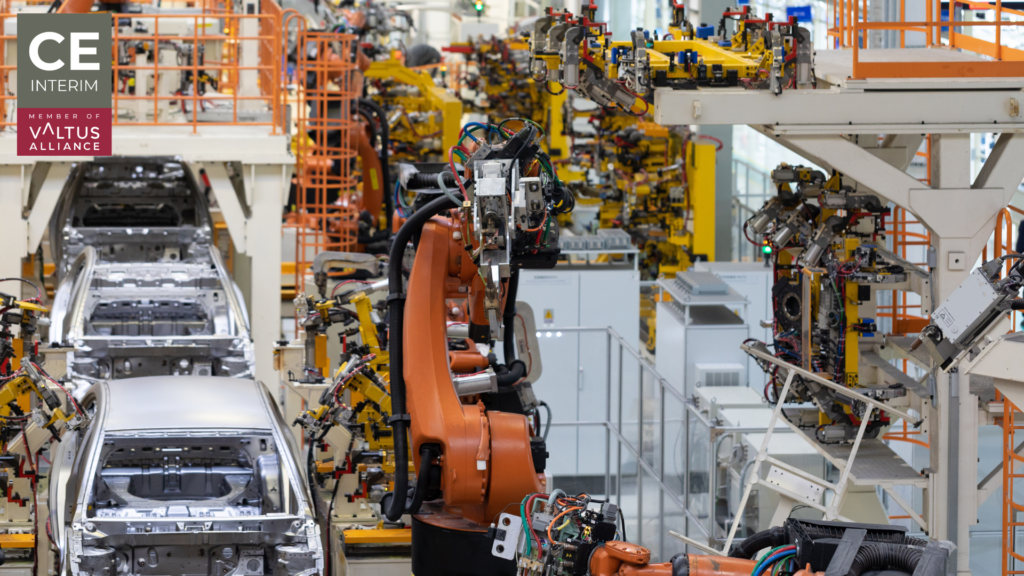
Nemški dobavitelj avtomobilske industrije ima večinske deleže na Poljskem, v Romuniji in na Češkem. Poljska proizvodnja je močna, vendar se povečuje pritisk na plače. Romunska proizvodnja se je od leta 2021 zmanjšala za 5 odstotkov. Kapacitete na Češkem so stabilne, vendar se ponudba delovne sile zmanjšuje. Na ravni upravnega odbora potekajo razprave o preoblikovanju portfelja v več državah srednje in vzhodne Evrope. Upravni odbor še ne razume, da se bodo trije posamezno utemeljeni načrti za okrevanje, izvedeni hkrati, na ravni upravljanja medsebojno nasprotovali in uničili vrednost, četudi se bo poslovanje vsake lokacije izboljšalo. Dilema izvršnega direktorja: konsolidirana zgodba proti operativni realnosti Izvršni direktor, ki vodi portfelj v več državah, se sooča s temeljnim problemom. Izvršni direktor nosi končno odgovornost za konsolidirane finančne rezultate, donosnost vloženega kapitala in strateško usklajenost. Ti kazalniki zahtevajo enotno zgodbo: portfelj dosega slabše rezultate zaradi X razlogov, oživitev zahteva Y ukrepe, konsolidirani EBITDA pa se bo izboljšal za 15 odstotkov. Operativna realnost pripoveduje tri ločene zgodbe. Glede na analizo XYZ iz julija 2026 je bila poljska industrijska proizvodnja v juniju 2026 za skoraj 16 odstotkov višja kot leta 2021, kar je najboljši rezultat v regiji. Poljsko poslovanje uspešno obvladuje povpraševanje in hkrati absorbira inflacijo plač. Zgodba o okrevanju na Poljskem govori o zaščiti marže, ne pa o operativnem reševanju. Romunija predstavlja drugačen operativni problem. Po podatkih Institutul Național de Statistică se je romunska industrijska proizvodnja od leta 2021 skrčila za približno 5 odstotkov. Zlasti proizvodnja se je januarja 2026 v primerjavi z enakim obdobjem prejšnjega leta zmanjšala za 6,0 odstotka. To je vidna posledica strukturne izgube povpraševanja. Avtomobilska industrija predstavlja približno 10 odstotkov BDP in skoraj 50 odstotkov celotnega izvoza. Preobrat v Romuniji zahteva vlaganje kapitala in večletni časovni okvir za okrevanje z negotovim ustvarjanjem denarnih tokov v bližnji prihodnosti. Podjetje v Češki republiki dosega stabilne finančne rezultate. Vendar pa za temi rezultati pomanjkanje delovne sile povzroča odložena vzdrževalna dela in skrite omejitve zmogljivosti. Konsolidirana zgodba o okrevanju, ki vse tri lokacije obravnava kot sestavne dele enotnega načrta za preobrat, zamegljuje te nezdružljive realnosti. Problem zmogljivosti izvršnega direktorja za operativne zadeve: en vodstveni delavec ne more imeti pristojnosti za tri države Operativni načrt za preobrat portfelja v več državah v srednji in vzhodni Evropi običajno dodeljuje odgovornost enemu samemu izvršnemu direktorju za operativne zadeve, od katerega se pričakuje, da bo imel operativno pristojnost nad vsemi tremi državami, zagotovil doslednost poročanja in pospešil sprejemanje odločitev. To je napaka v zasnovi, ki se v organizacijski shemi zdi racionalna, vendar v izvedbi ne deluje. Pomanjkanje delovne sile povzroča omejitve, specifične za posamezno državo. Na Poljskem, kot navaja “Barometer zaposlovanja 2026” pokrajinskega urada za zaposlovanje v Krakovu, med poklici s pomanjkanjem delovne sile sodijo električarji, elektromehaniki, električni monterji, varilci in operaterji CNC-strojev. Operativni direktor, odgovoren za Poljsko, mora nesorazmerno veliko časa posvetiti zadrževanju delovne sile, pogajanjem o plačah in taktičnim odločitvam o številu zaposlenih. Isti vodstveni delavec ne more hkrati posvečati enake pozornosti Romuniji, kjer je problem stabilizacija povpraševanja in ohranjanje likvidnosti, ali Češki republiki, kjer je problem načrtovanje zmogljivosti v razmerah pomanjkanja delovne sile. Hitrost odločanja se v treh državah močno upočasni. Prestrukturiranje več obratov ustvarja konkurenčne zahteve: Izbira finančnega direktorja glede razporeditve kapitala: Ko naložbe postanejo hierarhija. Finančni direktor, ki upravlja z razporeditvijo kapitala v okviru prestrukturiranja portfelja v več državah Srednje in Vzhodne Evrope, mora odgovoriti na vprašanje: katera država dobi investicijski kapital, katera kapital za prestrukturiranje, katera pa se upravlja z namenom ohranjanja likvidnosti? Če Poljska potrebuje 15 milijonov evrov za zaščito marže, Romunija 25 milijonov evrov za stabilizacijo poslovanja in Češka 10 milijonov evrov za reševanje odloženih vzdrževalnih del, znaša skupna potreba 50 milijonov evrov. Večina zrelih industrijskih skupin nima na voljo 50 milijonov evrov, ko kapital tekmuje z dividendami, strateškimi naložbami in odplačevanjem dolga. Finančni direktor se sooča s hierarhijo nezdružljivih izbir. Vsaka izbira ima drugačne posledice za konsolidirani EBITDA in odpornost portfelja. Vendar nobena izbira ni kot taka predstavljena upravnemu odboru. Namesto tega finančni direktor sestavi zgodbo o “učinkovitosti” ali »postopnih naložbah«, ki skriva operativno hierarhijo, v kateri je ena država prednostno obravnavana pred drugimi. Izziv naložbene teze partnerja zasebnega kapitala: cilji portfelja so v nasprotju z okrevanjem Če portfelj podpira zasebni kapital, ima partner zasebnega kapitala preprosto nalogo: izboljšati konsolidirani EBITDA portfelja za ciljni odstotek v roku 18 do 36 mesecev. To je osrednja naložbena teza. Ko se predlaga sanacija portfelja v več državah Srednje in Vzhodne Evrope, se partner iz sektorja zasebnega kapitala strinja, da bo z operativnim posredovanjem izboljšal EBITDA v treh državah. Resničnost je veliko bolj zapletena. Vse tri države se soočajo z istimi strukturnimi ovirami. Po podatkih Evropske konfederacije sindikatov iz marca 2024 je EU med letoma 2019 in 2023 izgubila približno 1 milijon delovnih mest v predelovalni industriji. Poljska je zabeležila izgubo 278.000 delovnih mest, Romunija 144.000, Nemčija pa 129.000. Te izgube odražajo strukturne spremembe v industrijskih zmogljivostih in ekonomiki dela, ne pa začasne šibkosti trga. Reševanje vprašanja tekmujočih pristojnosti: potrebna je odgovornost regionalne izvršilne oblasti Neuspeha pri upravljanju med temi tekmujočimi vlogami ni mogoče rešiti z dodajanjem postopkov ali izboljševanjem predlog za poročanje. Reši se z vzpostavitvijo jasne, enotne izvršilne oblasti za celoten portfelj, ločene od vsakodnevnega upravljanja dejavnosti v posameznih državah. Kaj mora imeti regionalna izvršilna avtoriteta To ni usklajevalna vloga. To je vloga izvršilne avtoritete. Koordinator posreduje odločitve; izvršilna oblast pa jih sprejema. Način vodenja te oblasti določa, ali bo vloga uspešna ali pa bo postala ozko grlo, ki upočasnjuje okrevanje portfelja. Ta vloga ne more biti stalna. Ko se zaposlenost v predelovalni industriji po regiji zmanjšuje in posamezne lokacije vlečejo v različne smeri, regionalni izvršilni vodja ne more biti stalni del stroškovne baze. Vloga obstaja zato, da se ugotovijo dejstva, določi vrstni red odločitev in doseže usklajenost. Ko je to delo opravljeno, se vloga običajno umakne ali združi s stalnim vodstvom na ravni države. Odločitev upravnega odbora: tri različne operativne poti Upravni odbor mora zdaj izbrati, kaj dejansko pomeni preobrat portfelja v več državah Srednje in Vzhodne Evrope (CEE). To ni binarna odločitev. Gre za zaporedje izbir v različnih časovnih okvirih. Kontekst trga DACH: portfelji se preusmerjajo Glede na analizo skupine ARC iz februarja 2026 se je dejavnost industrijskih združitev in prevzemov (M&A) na trgu DACH preusmerila k izčlenitvam, manjšinskim deležem in prestrukturiranjem. Obseg nemških industrijskih poslov je leta 2025 dosegel 551 transakcij. Skupna vrednost poslov se je zmanjšala na 16,5 milijarde evrov, kar predstavlja 40-odstotni padec v primerjavi s prejšnjim letom. Ta premik odraža premišljene odločitve glede portfelja: prodaja neosnovnih sredstev in osredotočanje kapitala na podjetja, kjer je mogoče doseči okrevanje
Ko slovaška tovarna postane najmanj obiskana lokacija v portfelju podjetja DACH

Konkreten scenarij. Tovarna z 2.800 zaposlenimi, ki ustvari 90 milijonov evrov letnega prihodka, mirno deluje znotraj proizvodne strukture na Slovaškem na ravni 2. Obrat poroča prek regionalnega vodje grozda sedežu v Stuttgartu ali na Dunaju. Na četrtletnih sejah upravnega odbora se pregledajo skupni podatki klastra: število zaposlenih, proizvodnja, stroški, kakovost. Izkaz uspeha slovaškega obrata je stabilen. Pravočasnost dobave znaša 96%. EBITDA dosega napoved. Direktor obrata pravočasno predloži mesečno poročilo. V zadnjih osemnajstih mesecih ni obiskal nihče iz uprave. Nato, v 13. mesecu te stabilnosti, pride do eskalacije s strani stranke. Že 90 dni se kopičijo težave s kakovostjo. Inženir je nepričakovano odšel in ni bil nikoli nadomeščen. Stroj, ki bi moral biti servisiran, deluje zunaj specifikacij. Prvo vprašanje upravnega odbora ni, zakaj je obrat odpovedal. Je, zakaj se ta problem ni predvidel. Odgovor leži v tem, kako dejansko deluje upravljanje proizvodnje na Slovaškem na ravni Tier 2 v industrijskih portfeljih s sedežem v regiji DACH. To ni malomarnost. To je arhitektura. Model upravljanja, ki ščiti vodilne obrate, kjer velikost obrata upravičuje aktivni nadzor upravnega odbora, se ne razteza učinkovito na srednje velike sekundarne obrate. Rezultat je slepa točka: obrat, ki ustrezno izpolnjuje četrtletne kazalnike, postane neviden za odločevalce, ki nadzorujejo kapital, število zaposlenih in pooblastila za eskalacijo. Model upravljanja je bil zasnovan za vodilne obrate, ne za srednje obrate Ko so bili zasnovani sistemi nadzora obratov v srednji in vzhodni Evropi s sedeži v regiji DACH, so odražali realnost 90. let in začetka 2000-ih: centralizirano proizvodnjo na glavnih trgih 1. stopnje. Nemški dobavitelj avtomobilskih delov s sedežem v Stuttgartu je imel tovarne na Poljskem z 5.000 delavci, na Češkem z 4.200 delavci ter sekundarne obrate drugod. Upravni odbor je vzpostavil okvir upravljanja za velike obrate. Posebni direktor tovarne prvega reda je poročal neposredno regionalnemu direktorju. Odločitve o kapitalskih naložbah so se sprejemale na ravni tovarne. V mesečnih pregledih poslovanja so sodelovali prodajna ekipa tovarne, vodja inženiringa in direktor tovarne. Upravljanje je bilo aktivno in podrobno. Ta struktura je delovala za obrate s 5.000 zaposlenimi, ki so proizvajali 40 odstotkov skupne proizvodnje skupine. Kaj se je spremenilo? Ko so se portfelji razširili z prevzemi in naložbami v nove obrate, je model dosegel svoje meje. Podjetja so prevzela sekundarne obrate z 2.500 do 3.500 zaposlenimi. Oblikovala so regionalne skupine, da bi poenostavila poročanje. Namesto tega pa so ustvarila nevidnost. Okvir upravljanja, ki je deloval za pet velikih obratov, se brez temeljite prenove ne more prilagoditi dvajsetim obratom v sedmih državah. Srednje velika podjetja z letnim prihodkom od 80 do 150 milijonov evrov se zdaj nahajajo v vladni vrzeli. Zakaj izginjajo srednje veliki obrati: učinek praga vladanja Prelomna točka nastopi, ko obrat postane premajhen, da bi upravičil posamezno pozornost upravnega odbora, hkrati pa prevelik, da bi ga bilo mogoče upravljati na daljavo. Obrat s 1000 zaposlenimi: upravlja se kot stroškovno središče | Obrat s 5000 zaposlenimi: zahteva aktivni nadzor upravnega odbora | Obrat s 3000 zaposlenimi: pade v vrzel Tu se upravljanje proizvodnje na Slovaškem na ravni Tier 2 začne krhati. V obratu s 3.000 zaposlenimi upravni odbor ne utemeljuje mesečnih pregledov poslovanja. Namesto tega uvede četrtletno poročanje. Regionalni vodja skupine, ki nadzoruje tri tovarne (na Madžarskem z 4.800 delavci, na Češkem z 3.200 in na Slovaškem z 2.800), večino svojega časa posveča največjemu obratu. Kaj se zgodi z drugorazrednim obratom: Problem ni v tem, da je nadzor namerno površen. Problem je v tem, da arhitektura upravljanja nikoli ni opredelila, kaj pomeni ustrezen nadzor za srednje velik obrat. Privzeto se uporabi model, zasnovan za vodilne obrate, nato pa se intenzivnost zmanjša glede na velikost obrata. Rezultat je obrat, ki deluje na avtopilotu. Konkurenčni pritisk znotraj portfeljev odvzema vire od obratov drugega reda Upravljanje portfelja v več državah ustvarja notranjo konkurenco za kapital, število zaposlenih in pozornost vodstva. Ko se proračuni sedeža zmanjšajo, največji obrati dobijo zaščito najprej. Obseg koncentracije je resničen. Po podatkih Zväza automobilového priemyslu Slovenskej republiky je Slovaška leta 2025 proizvedla 1,07 milijona vozil. Volkswagen Bratislava je proizvedel 336.905 enot; Stellantis Trnava je proizvedel 330.000 enot; Kia Žilina je proizvedla 296.550 enot; Jaguar Land Rover Nitra pa 107.000 enot. Tovarna Volkswagen Bratislava zaposluje 14.800 delavcev in proizvaja modele VW e-up, Škoda Citigo iV ter Seat Mii Electric. Ta tovarna prejema pozornost vodstva, sorazmerno z njenim obsegom in strateškim pomenom. Tovarna Stellantis Trnava z 3.300 zaposlenimi in prihodki v višini 3.786 milijonov evrov je deležna pozornosti na ravni grozda. Sekundarni obrat prevzema pritisk zmanjševanja stroškov, medtem ko vodilni obrat nosi naložbe v rast. To ustvarja verižni učinek: Regionalna grozljiva past: Kako združevanje treh obratov zamegljuje individualno tveganje. Sedež v regiji DACH in francoski sedež upravljata obrate v Srednji in Vzhodni Evropi prek regionalnih upravnih grozdov. En sam vodja klastra je odgovoren za dobiček treh držav in treh obratov različnih velikosti. Klaster poroča upravnemu odboru o skupnih rezultatih: izkoriščenosti delovne sile, proizvodnji, stroških na enoto in kazalnikih kakovosti. Posamezno so vsi trije kazalniki dobri. Skupaj pa prikrivajo poslabšanje v najmanjšem obratu. Ta pomanjkljivost regionalnega nadzora je strukturna, ne naključna. Izhaja iz načina, kako je zasnovano poročanje grozda. Kako deluje past: če se uspešnost madžarskega obrata poslabša in ogroža dobiček grozda, se vodja grozda osredotoči nanj. Ne more si privoščiti izgube Madžarske. Če je treba preoblikovati stroškovno strukturo češkega obrata, se kapital in pozornost usmerita tja. Slovaški obrat, ki v vseh četrtletnih kazalnikih kaže stabilno uspešnost, postane vir prostih zmogljivosti. Ko upravni odbor zahteva 2 milijona evrov zmanjšanja stroškov, to prevzame slovaški obrat, saj regionalni vodja ve, da je to edini obrat, kjer lahko izvede zmanjšanje, ne da bi s tem sprožil takojšnje tveganje. Obrat se skrči. Število zaposlenih se zmanjša. Tovarna na papirju postane učinkovitejša. A nima nobene rezerve. Deluje na robu zmogljivosti. Ko stopnja 2 preneha biti pomembna: trenutek, ko tovarna v spominu podjetja postane »stabilno stanje« Spomin podjetja je selektiven. Upravni odbor se spominja tovarn, ki so povzročale težave, lokacij, ki so zahtevale posredovanje, in dejavnosti, ki so zahtevale naložbe. Slovakija to ni storila. Sedem četrtletij je izpolnjevala napovedi, pošiljala pravočasno in ostajala v okviru proračuna. V spominu podjetja je bila uvrščena v stabilno stanje. Stabilno stanje je šifra za »ne zahteva naše pozornosti«. V trenutku, ko obrat zasluži to uvrstitev: ko se pojavijo težave, ta počasnejši cikel postane breme.
Zakaj se integracija po združitvi v poljskih tovarnah v nemški lasti upočasnjuje

Na kratko: Integracija po združitvi med nemškimi lastniki in prevzetimi poljskimi obrati se pogosto zastane že v prvem letu, ne zaradi tehnologije, temveč zato, ker se centralizirane nemške strukture poročanja in odobravanja uvajajo hitreje, kot jih lahko lokalna operativna vodstva sprejmejo. Predpostavke o sinergijah tiho propadejo, medtem ko obe strani menita, da integracija poteka po načrtu. Za ponovno vzpostavitev zagona je potreben vodstveni delavec na kraju samem, ki ima pooblastila za prenos upravljanja skupine v vsakodnevne odločitve v tovarni, jasno prenesenje pooblastil že od prvega dne ter postopek, ki stabilizira operativni tok, preden se uskladijo sistemi v ozadju. Zgodnji znaki trenj pri prevzemih poljskih tovarn, ki jih upravni odbori spregledajo Trenja se običajno začnejo neopazno. Mesečna poročila o integraciji iz tovarne v Poznanu, Katovicah ali Bydgoszczu začnejo kazati zamujene mejnike: selitev na ERP, ki se je zavlekla zaradi zapletenosti lokalnega sistema; prihranki pri nabavi, ki so bili odloženi, ker je treba pregledati obstoječe pogodbe z dobavitelji; upad uspešnosti dobav, ki se pripisuje reorganizaciji po sklenitvi posla. Nobena od teh razlag ni sama po sebi nerazumna. Ker je upravni odbor pred investicijskim odborom zagovarjal vrednotenje in sinergije, je njegov instinkt, da zgodnja trenja obravnava kot običajno prilagajanje, ne pa kot opozorilni signal. Ta instinkt je razumljiv. Tveganje je v tem, da vsaka posamezno razumna razlaga odloži trenutek, ko sedež zastavi težje vprašanje. Ali se tovarna dejansko integrira ali pa uporablja dva vzporedna sistema, ki od daleč izgledata sprejemljivo? Raziskava podjetja McKinsey & Company o uresničevanju sinergij po združitvi kaže na vzorec, ki je skladen s tem: prevzemniki rutinsko precenjujejo hitrost doseganja sinergij in podcenjujejo enkratne težave pri integraciji, pri čemer več kot šestdeset odstotkov industrijskih združitev ne doseže operativnih marž, predvidenih ob podpisu pogodbe. Zmanjšanje vrednosti pri prevzemih v proizvodnem sektorju se ponavadi dogaja postopoma in ne kot enkraten viden dogodek, kar upravnemu odboru pravzaprav otežuje ukrepanje v tretjem ali četrtem mesecu. Strukturni vzroki za neuspeh po združitvi v nemško-poljskih podjetjih Poljska je eden od najpomembnejših nemških partnerjev v proizvodnem sektorju, dvostranske industrijske vezi pa so globoko zakoreninjene. Zaradi te bližine je operativno razdaljo lažje podceniti. Težava redko leži v jeziku. Gre za razliko med tem, kako so se odločitve sprejemale pred prevzemom, in tem, kako novi lastnik pričakuje, da se bodo sprejemale po njem. Mnoga prevzeta poljska industrijska podjetja so zgradili ustanovitelji-lastniki, ki so tovarno vodili prek neposrednih odnosov na delovnem mestu in hitrih ustnih odločitev. Ko nemška matična družba uvede matrične poročevalne linije, ki zahtevajo funkcionalno odobritev s strani sedeža za rutinske zadeve, kot sta popravilo orodja ali sprememba delovne izmene, lokalno odločanje ne postane bolj disciplinirano. Postane počasnejše, ljudje, ki so prej imeli to pooblastilo, pa začnejo izgubljati sposobnost, da ukrepajo glede na to, kar vidijo v proizvodnji. Takoj za tem sledi drugi, manj opazen problem. Poročanje na ravni podjetja lahko ustvari videz usklajenosti, ne da bi ta dejansko obstajala. Lokalne ekipe se naučijo izpolnjevati predloge, ki jih pričakuje sedež, hkrati pa še naprej upravljajo vsakodnevno poslovanje prek neuradnih zapisov, ki bolje odražajo, kaj se dejansko dogaja. Nobena stran ne deluje v slabi veri. Sedež potrebuje standardno poročanje za upravljanje portfelja; tovarna pa potrebuje način vodenja proizvodnje, ki ga standardni obrazec ni bil zasnovan za zajemanje. Rezultat sta dve različici resnice, ki ju obe vzdržujejo v dobri veri. To še dodatno poslabšata dva učinka. Usposobljeni vodje proizvodnje, inženirji avtomatizacije in orodjarji so zelo iskani v proizvodnih središčih, kot sta Spodnja Šlezija in Velika Poljska. Ko integracija poveča administrativno obremenitev in odvzame pravice do odločanja, ne da bi jih nadomestila z jasnostjo, so prav ti kadri tisti, ki so najbolj nagnjeni k odhodu k konkurenci. Centralno zasnovani ERP-sistemi ali uvajanja procesov, oblikovani brez tesnega vključevanja delavcev na proizvodni ravni, pogosto predpostavljajo konfiguracije strojev, dobavne roke dobaviteljev in vzorce delovne sile, ki ne ustrezajo konkretnemu obratu. Raziskava skupine Boston Consulting Group o okvirih integracije po združitvi poudarja podobno točko: ciljni operativni model, zasnovan brez vključenosti delavcev na proizvodnem območju, ponavadi ustvarja operativna ozka grla, ki naj bi jih pravzaprav preprečil. Ključni opozorilni kazalniki zastoja integracije proizvodnje po združitvi Upravni odbor ni dolžan čakati na uradni pregled, da bi ugotovil, ali je prevzeti obrat zdrsnil v ta vzorec. Že majhno število znakov, ki se pojavijo skupaj, je zanesljiv kazalnik. Krivulje sinergij se po prvih sto dneh izravnajo: zgodnji popusti pri nabavi so izkoriščeni, vendar načrtovana prerazporeditev proizvodnje, skupne storitve in racionalizacija orodja ne kažejo nadaljnjega napredka. Poročanje se začne razlikovati, saj se en sklop podatkov pripravi za nemško glavno upravo, drug, neuradni sklop pa se uporablja za vsakodnevno vodenje tovarne. Dosedanji lokalni vodje preidejo od aktivnega lastništva k pasivnemu upoštevanju predpisov; udeležujejo se videoklicov, vendar ne prevzemajo več osebne odgovornosti za operativna odstopanja. Stranke uveljavljenih proizvodnih linij, ki so bile prej zanesljivo oskrbovane, začnejo opažati nestabilnost, saj proizvodnjo motijo spremembe procesov ali centralizirane odločitve o nabavi. Sedež pa začne pošiljati svoje nadzornike in funkcionalne strokovnjake na ponavljajoče se obiske, da bi upravljali osnovne funkcije tovarne, s čimer povečuje stroške, ne da bi na lokalni ravni gradil zmogljivosti. Če se v prvem letu pojavijo trije ali več teh znakov, je treba spremeniti temeljni model integracije. Novi krog centralnega poročanja ali najem strateškega svetovalca za prenovo integracijskega načrta rešuje le administrativne zadeve, ne pa vrzeli v pooblastilih, ki dejansko upočasnjuje okrevanje. Strategije preobrata za ponovno vzpostavitev zagon v obratih po prevzemu Ponovna vzpostavitev zagona pomeni zamenjavo nadzora na daljavo z vodstvom na kraju samem, ki lahko hkrati ohranja ravnovesje med obema stranema odnosa: odgovornost do upravljanja skupine in dovolj bližino obratu, da sprejema odločitve, ki jih obrat dejansko potrebuje. Upravljanje čezmejnega vodenja in lokalne operativne avtonomije Za to odstopanje ni kriva nobena stran v tem odnosu, prav tako pa ga nobena ne more rešiti sama. Sedež deluje na podlagi zbranih, zamujenih informacij in upravičeno zahteva zanesljivo poročanje, kapitalsko disciplino ter hiter postopek za eskalacijo. Lokalna ekipa deluje v okviru poročevalske strukture, za katero ni bila zasnovana, zato je njena zahteva po realističnih rokih in delujočih pravicah do odločanja enako utemeljena. Vloga vodstvenega delavca na kraju samem je vzpostaviti eno skupno bazo dejstev in eno strukturo odločanja, ki bo ustrezala obema stranema
Zakaj se v romunskih tovarnah v nemški lasti krši disciplina na delovnem mestu

Disciplina na proizvodnih oddelkih v romunskih proizvodnih obratih se zaradi kulturnih razlik redko poruši. Preberite, kako standardno delo vodij, vizualno vodenje, jasna hierarhija poročanja in močnejša nadzorna pristojnost ponovno vzpostavljajo dosledno izvajanje.
Usklajenost s sistemom CBAM za proizvajalce je zdaj problem denarnega toka

Proizvajalci, ki morajo izpolnjevati zahteve CBAM, se bodo leta 2026 soočili s stroški, ki bodo vplivali na cene, rezervacije in likvidnost, še preden se bo začel nakup certifikatov.
Napad z izsiljevalsko programsko opremo v proizvodnem sektorju: šest tednov do plačilne nesposobnosti
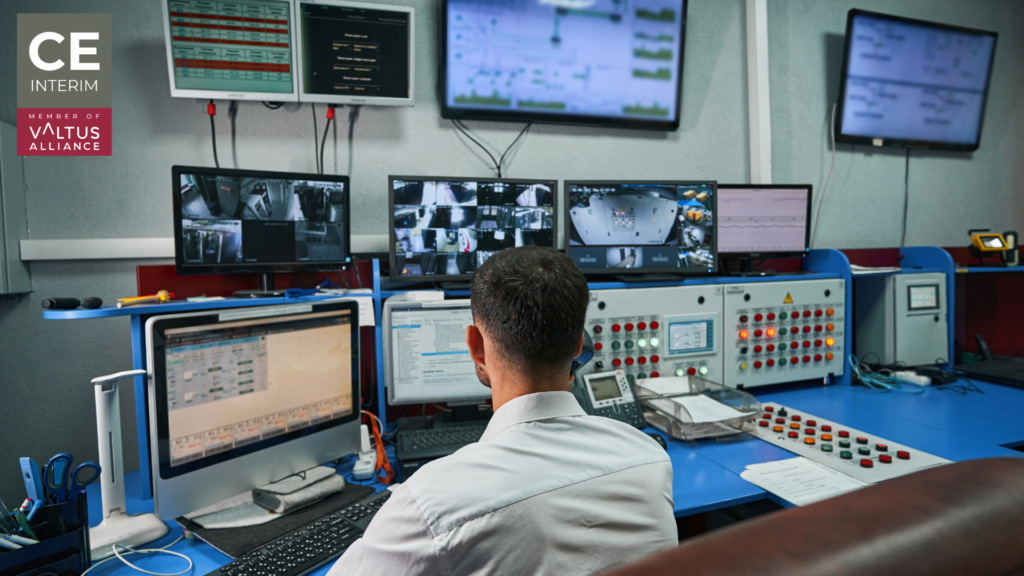
Kriza, ki jo povzroči napad z izsiljevalsko programsko opremo, lahko ustavi proizvodnjo, izčrpa denarna sredstva in v nekaj tednih prisili upravni odbor k prestrukturiranju, prodaji ali zaprtju podjetja.
 EN
EN  DE
DE  FR
FR  IT
IT  PL
PL  RO
RO  CS
CS  SK
SK  HU
HU  ES
ES  RU
RU  AR
AR  SL
SL