

V skratke
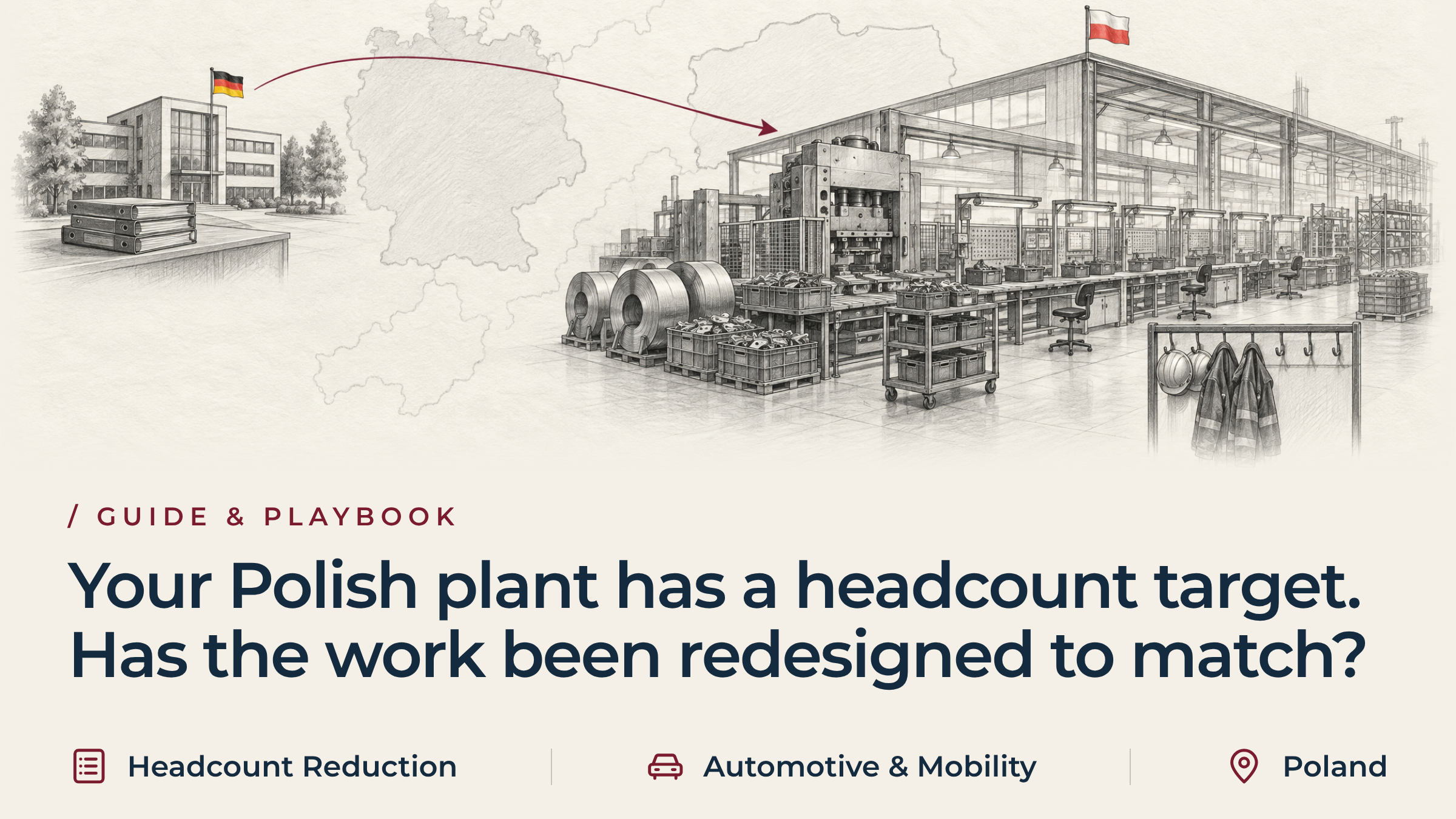
Pri cezhraničnom výkonnom vedení sa do zahraničnej dcérskej spoločnosti vymenuje dočasný výkonný manažér s mandátom zodpovedajúcim danej úlohe, ktorý má formálnu zákonnú právomoc v rámci miestneho právneho subjektu, namiesto toho, aby poskytoval poradenstvo z ústredia. Táto úloha existuje preto, lebo riadenie na diaľku síce dokáže zaznamenať odchýlky vo výkonnosti, nedokáže ich však napraviť. Tento vedúci pracovník vytvorí jednotnú overenú faktickú základňu, jasne stanoví rozhodovacie právomoci medzi predstavenstvom skupiny a miestnym vedením a preberá osobnú zodpovednosť za dosiahnutie výsledkov. Uplatňuje sa v situáciách, keď akvizícia, závod alebo dcérska spoločnosť nedosahuje plánované výsledky a samotné podávanie správ už nestačí na zlepšenie prevádzky.
Členovia predstavenstva zriedka prehliadnu varovné signály prichádzajúce zo zahraničnej dcérskej spoločnosti, ktorá sa nachádza v ťažkostiach. Čo im však uniká, je správny okamih na to, aby na ne reagovali. Medzinárodná expanzia sľubuje rozsah a prevádzkovú páku naprieč trhmi. Keď sa však zahraničný závod alebo nadobudnutá dcérska spoločnosť začne dostávať do problémov, predstavenstvá koncernov a partneri súkromných investičných fondov majú tendenciu prejavovať veľmi špecifické váhanie.
Nejde o neistotu ohľadom toho, čo je zle, ale o neochotu agresívne zasahovať do prevádzky a do oblasti pôsobnosti, ktorú nemajú plne pod kontrolou. Miestne vedenie uisťuje ústredie, že táto odchýlka je dočasná alebo sa týka len daného trhu. Je príjemnejšie uveriť tomuto vysvetleniu, ako ho spochybňovať.
Funguje to rovnako, ako keď majiteľ domu rieši vlasovú trhlinu v stene. Nikto kvôli jemnej trhline nevolá statika. Chvíľu ju sledujete, hovoríte si, že sa dom usadzuje, a zavoláte niekoho až vtedy, keď sa dvere prestanú poriadne zatvárať. Do tej doby vám trhlina zvyčajne už povedala všetko, čo vám kedy mala povedať, a to mesiace predtým, než ste sa rozhodli ju vypočuť. Takéto váhanie otvára priestor pre prevádzkovú zraniteľnosť.
Cena váhania! Čakanie na to, až sa výkonnosť ‘sama napraví’, môže zničiť hodnotu dcérskej spoločnosti
Zatiaľ čo sa na ústredí diskutuje o tom, či priamy zásah odradí miestne vedenie alebo poruší miestne zvyky, situácia v rámci operácie sa naďalej zhoršuje. Prognózy peňažných tokov nedosahujú stanovené ciele. Stúpa počet sťažností zákazníkov. Klesá úroveň kvality. Nedodržiavajú sa termíny dodávok.
Základným problémom je málokedy zlá stratégia z ústredia alebo nedostatočné úsilie na prevádzkovej úrovni. Ide o zlyhanie mechanizmu prenosu medzi tým, čo očakáva vedenie, a tým, čo miestne tímy skutočne realizujú.
Toto problém nevyriešia ani pravidelné podklady pre predstavenstvo, ani mesačné finančné prehľady. Miestne vedenie, či už z dôvodu sebaochrany alebo kultúrnej zdržanlivosti, prezentuje najoptimistickejšiu verziu udalostí, ktorú dokáže obhájiť. Nikto vlastne neklame.
Riešia to smerom nahor, tak ako to robí väčšina ľudí pod tlakom, a priepasť medzi tým, čo sa hovorí, a tým, čo je skutočnosťou, sa zväčšuje o jednu rozumne znejúcu výhovorku za druhou. Keď sa na skupinovej prehliadke objaví odchýlka, základný problém je často už niekoľko mesiacov starý a e-mailová smernica z ústredia už situáciu nezmení. Situácia si vyžaduje zodpovednú výkonnú autoritu, ktorá je fyzicky prítomná priamo v prevádzke.
Prečo vám váš systém podávania správ bráni vidieť hroziaci prevádzkový kolaps
Cezhraničná transformácia prináša štrukturálne trenice, ktoré narúšajú komunikáciu aj riadenie. Prejavuje sa to v troch odlišných oblastiach.
Informačná asymetria: Ako filtrované informácie a selektívne spravodajstvo zakrývajú vaše najväčšie prevádzkové riziká
Vedenie centrály a dcérskych spoločností pracuje v rôznych informačných prostrediach. Vedenie skupiny posudzuje súhrnné finančné ukazovatele. Miestni riaditelia závodov v reálnom čase riadia dennú produkciu jednotlivých zmien, riešia spory s dodávateľmi a vedú rokovania s odbormi.
Keď dôjde k treniciam, miestne vedenie má tendenciu chrániť ústredie pred zlými správami v nádeji, že sa problém podarí vyriešiť ešte pred nasledujúcim vykazovacím cyklom. Ako sa problémy hromadia, vykazovanie sa stáva selektívnym: smerom nahor sa uvádzajú pozitívne výsledky, zatiaľ čo na pracovisku sa situácia zhoršuje. Výskum v oblasti správy a riadenia nadnárodných podnikov to opisuje ako pretrvávajúcu medzeru vo viditeľnosti, v ktorej informácie zostávajú filtrované a neúplné aj napriek tomu, že sa digitálne nástroje na podávanie správ zdokonaľujú.
Táto priepasť nielenže spomaľuje nápravu situácie, ale aj narúša dôveru na oboch stranách. Centrála začne spochybňovať každú správu, ktorú dostane, zatiaľ čo miestne vedenie začne mať pocit, že je podrobené mikromanagementu a nemá potrebnú podporu. Ani jedna z týchto reakcií však nerieši základný problém.
Existuje jednoduchší spôsob, ako to vyjadriť. Miestny manažér, ktorý včas oznámi zlé správy, sa dobrovoľne vystavuje obvineniu ešte skôr, než niekto začne hľadať vinníka. Miestny manažér, ktorý nahlási zlé správy neskoro a prezentuje ich ako nepredvídateľné, si často udrží svoju prácu. Predstavenstvá, ktoré nezohľadňujú túto motiváciu, nie sú svojimi miestnymi tímami zradené. Sú nimi strategicky prekonané, pretože štruktúra podávania správ odmeňuje presne to správanie, ktorým je neskôr zaskočená.
Medzera v riadení: Právne prekážky a riziká osobnej zodpovednosti pri cezhraničných akvizíciách
Pôsobenie vo viacerých jurisdikciách obmedzuje rozsah, v akom môže materská spoločnosť zasahovať, a to aj v prípade, že by to chcela. V Nemecku napríklad konateľ spoločnosti GmbH nesie osobnú zákonnú povinnosť starostlivosti podľa § 43 zákona o spoločnostiach s ručením obmedzeným (GmbHG), pričom sú povinní voči spoločnosti konať s náležitou starostlivosťou obozretného podnikateľa a môžu byť osobne zodpovední za jej porušenie. Členovia predstavenstva miestnych subjektov v iných krajinách strednej Európy, vrátane Maďarska, majú voči svojmu právnemu subjektu porovnateľné zákonné povinnosti, bez ohľadu na to, aké neformálne pokyny im akcionári zo zahraničia dávajú.
Keď sa centrála pokúša diaľkovo riadiť miestne operácie bez štrukturálneho poverenia, miestni riaditelia môžu ticho klásť odpor, pričom si chránia svoje vlastné štatutárne postavenie, namiesto toho, aby sa otvorene vzopreli materskej spoločnosti. Toto sa málokedy vníma ako odpor. Vníma sa to ako opatrnosť, ako “musíme sa poradiť s právnikom”, ako odklad, ktorý sa nikdy úplne nevyrieši. Riaditeľ sa nespráva ťažkopádne. Chráni sa pred zodpovednosťou, ktorá sa na neho vzťahuje osobne, a žiadny e-mail od akcionárov túto úvahu nezmení. Bez výkonného mandátu, ktorý zosúladí miestnu právomoc s cieľmi akcionárov skupiny, sa riadenie zastaví a s ním aj realizácia.
Rozhodovacia nečinnosť a kultúrna paralýza: Prečo vaše medzinárodné tímy nedokážu realizovať svoje plány
Vedenie v cezhraničnom prostredí sa príliš často zúžuje len na jazykové zručnosti alebo kultúrnu citlivosť. Plynulá znalosť jazyka síce pomáha, skutočnou výzvou je však štruktúrna stránka: rôzne podnikové kultúry vychádzajú z odlišných predpokladov týkajúcich sa hierarchie, riešenia konfliktov, transparentnosti a toho, kto má skutočne rozhodovaciu právomoc.
V niektorých prostrediach sa miestne tímy vyhýbajú priamemu spochybňovaniu nadriadených. Na zasadnutiach sa dosahuje pasívny súhlas, no následná realizácia v praxi ticho zlyháva. V iných prostrediach zase silná kultúra konsenzu vedie k zdĺhavým cyklom výborov, zatiaľ čo naliehavé problémy zostávajú nevyriešené.
Predstavte si to ako domácnosť, v ktorej sa nikto skutočne nedohodol, kto zaplatí ktorú faktúru. Každý predpokladá, že to má na starosti niekto iný – až dovtedy, kým neodpoja elektrinu. Cezhraničné operácie zlyhávajú rovnakým spôsobom: nie kvôli otvorenému konfliktu, ale preto, že každý v duchu predpokladá, že rozhodnutie patrí niekomu inému. Žiaden medzinárodný vlastník to nedokáže vyriešiť na diaľku. Je potrebný manažér, ktorý fyzicky pôsobí v miestnej organizácii, rozumie pracovnej realite a presadzuje jasné rozhodovacie právomoci.
Plán transformácie: 4 nevyhnutné požiadavky na záchranu dcérskej spoločnosti v ťažkostiach
Obnovenie stability v problémovej zahraničnej dcérskej spoločnosti nie je len otázkou väčšieho úsilia. Vyžaduje si štruktúrovaný model zásahu, ktorý je postavený na štyroch nepopierateľných požiadavkách.
Radikálna transparentnosť: Prečo musíte predovšetkým vytvoriť jednotnú a overenú databázu faktov
Transformáciu nie je možné riadiť, ak ústredie a miestne vedenie vychádzajú z odlišných ukazovateľov, definícií a predpokladov. Ak finančné oddelenie skupiny definuje pojem “včas” ako odoslanie a závod ho definuje ako prijatie, obe strany môžu hlásiť úspech, zatiaľ čo zákazník hlási zlyhanie. Nikto z nich neklame. Jednoducho odpovedajú na rôzne otázky tým istým slovom.
Prvou úlohou cezhraničné výkonné vedenie Cieľom je úplne odstrániť túto nejednoznačnosť: stav hotovosti, skutočný objem nevybavených objednávok, kapacita závodu, oceňovanie zásob a miera kvalitatívnych chýb – všetko overené priamo pri zdroji, bez zhrnutia cez miestny filter. Jednotná faktická základňa ukončí špekulatívne diskusie. Zároveň nenápadne odstraňuje motiváciu pre kohokoľvek, aby sa namiesto riadenia závodu venoval skôr „príbehu“.
Jednoznačné rozhodovacie právomoci: Ako zabrániť fatálnym oneskoreniam v globálnom operačnom vedení
Nejasné rozdelenie právomocí vedie k oneskoreniam, a oneskorenia sú nákladné spôsobom, ktorý sa zriedka prejaví v jednej konkrétnej položke rozpočtu. Keď si miestni manažéri nie sú istí, či môžu presunúť kapitál, prerokovať podmienky s dodávateľmi alebo zreorganizovať pracovné zmeny, automaticky žiadajú o povolenie, a povolenie z miesta vzdialeného o tri časové pásma dorazí príliš neskoro na to, aby malo nejaký význam. Efektívny zásah nahrádza túto nejasnosť jasnou rozhodovacou maticou: čo zostáva v kompetencii predstavenstva skupiny, čo patrí do kompetencie dočasného výkonného riaditeľa a čo je delegované na miestne vedenie závodu – táto matica je zverejnená a zrozumiteľná ešte pred prvou krízovou schôdzou, nie improvizovaná počas nej.
Poverená výkonná právomoc: Prečo potrebujete skutočnú zákonnú právomoc v rámci svojich miestnych prevádzok
Poradca dáva odporúčania. Vedenie prijíma rozhodnutia a nesie osobnú zodpovednosť za tie, ktoré dopadnú zle. Tento rozdiel nie je len sémantický. Cezhraničná intervencia si vyžaduje osobu s formálnou zákonnou právomocou, napríklad Interim CEO, výkonný riaditeľ alebo prevádzkový riaditeľ v rámci miestnej právnickej osoby, pretože ide o jedinú pozíciu, z ktorej je možné upraviť zmluvu s dodávateľom, preorganizovať štruktúru alebo napraviť porušenie predpisov bez toho, aby sa rozhodnutie najskôr predložilo osobe, ktorá nemá právomoc ho prijať.
Inštitucionálna harmonizácia: Veda o udržaní úspechu transformácie na komplexných trhoch
Štruktúrované riadenie dosahuje merateľne lepšie výsledky ako intervencie bez odbornej podpory, pričom tento rozdiel je väčší, než si väčšina správnych rád uvedomuje. Na základe pätnásťročného výskumu spoločnosti McKinsey, ktorý zahŕňal tisíce organizácií, menej ako jedna z troch transformácií dosiahne úspech tak v zlepšení výkonnosti, ako aj v udržaní tohto zlepšenia. Tí z menšiny, ktorým sa to podarí, sú vždy tí, ktorí sa zaviažu k štruktúrovanejším riadiacim opatreniam, nie k menej štruktúrovaným, a žiadne z nich nevzdajú v polovici cesty. CE Interim zabezpečuje nepretržité zosúlaďovanie pod vedením partnerov: týždenné hodnotenie pokroku vo vzťahu k stanoveným míľnikom a riešenie eskalácií priamo so sponzorom skupiny, aby sa mandát po opadnutí počiatočnej naliehavosti nenápadne nezmenil.
Prípadová štúdia: Obrat spoločnosti $0 k úspechu. Ako jeden strategický zásah zachránil popredného dodávateľa v automobilovom priemysle
Uvažujme o dodávateľovi automobilového priemyslu prvého stupňa so sídlom v Nemecku, ktorý má výrobný závod v Maďarsku a dodáva výrobky významnému výrobcovi originálnych dielov (OEM).
Stretnutie s realitou. Dcérska spoločnosť čelila poklesu marže, rastúcim množstvám zmetku a prudkému poklesu včasnosti dodávok. Vedenie skupiny dostalo protichodné vysvetlenia: miestne vedenie vinilo nedostatok surovín, zatiaľ čo oddelenie nákupu skupiny uvádzalo chaotickú kontrolu zásob. Výrobca originálnych dielov pohrozil zrušením zmluvy do tridsiatich dní, ak sa výkonnosť nestabilizuje.
Zásah. Spoločnosť CE Interim bola poverená prevádzkovým riaditeľom skupiny (COO), aby zabezpečila skúseného dočasného výkonného riaditeľa so skúsenosťami s reštrukturalizáciou v automobilovom priemysle v strednej Európe. Po vypracovaní zadávacieho listu bol do 72 hodín pripravený na nástup dôkladne preverený manažér, ktorý spĺňal všetky požiadavky zadávacieho listu. Už počas prvého týždňa fyzická inventúra a audit vo výrobných priestoroch odhalili mieru zmetkovosti výrazne prevyšujúcu hodnoty nahlásené centrále, čo sa podarilo vysledovať až k nekalibrovanému náradiu. Tento manažér presmeroval výdavky na údržbu na okamžitú opravu kritických nástrojov, zmrazil nepodstatné miestne režijné náklady a organizoval denné porady priamo na výrobnej linke, pričom zároveň priamo spolupracoval s tímom pre kvalitu výrobcu OEM s cieľom obnoviť dôveru.
Výsledok. V priebehu deväťdesiatich dní sa miera zmetkovosti výrazne znížila, včasnosť dodávok sa vrátila na úroveň, ktorá vyhovovala výrobcovi originálnych dielov (OEM), a závod sa vrátil k kladnej prevádzkovej marži. Vedenie následne zaviedlo stabilnú prevádzkovú štruktúru, podporilo nábor miestneho výkonného riaditeľa na trvalý pracovný pomer a zrealizovalo štruktúrované štvortýždňové odovzdanie vedenia.
Odpovede odborníkov na vaše najčastejšie otázky týkajúce sa cezhraničného zásahu voči vedúcim pracovníkom
Čo je cezhraničné výkonné vedenie?
V rámci cezhraničného výkonného vedenia je medzi medzinárodnými vlastníkmi a miestnymi prevádzkami umiestnený jeden dočasný výkonný manažér, ktorého mandát zodpovedá danej úlohe. Spoločnosť CE Interim realizuje tento model tým, že poskytuje vedúceho pracovníka s formálnou právomocou vytvoriť jednotnú overenú faktickú základňu, zosúladiť riadenie a pod tlakom riadiť kľúčovú transformáciu podniku.
Ako rýchlo je možné nasadiť cezhraničného dočasného manažéra?
Spoločnosť CE Interim zabezpečuje vyčleneného manažéra, ktorý prešiel dôkladným výberovým procesom a spĺňa požiadavky mandátu, a ktorý je pripravený nastúpiť do 72 hodín od dokončenia zadania. Toto rýchle nasadenie zabezpečuje okamžité vedenie v rámci zahraničnej operácie s cieľom zastaviť zhoršovanie výkonnosti a obnoviť kontrolu.
V čom sa tento model líši od manažérskeho poradenstva?
Poradcovia v oblasti manažmentu iba predkladajú správy a odporúčania, pričom nepreberajú priamu zodpovednosť. Spoločnosť CE Interim transformuje vaše prevádzkové procesy tým, že do miestneho vedenia priamo vymenuje výkonného manažéra, ktorý preberá zákonné právomoci a plnú prevádzkovú zodpovednosť za dosiahnutie hmatateľných výsledkov.
Kto má konečnú kontrolu – ústredie alebo dočasný výkonný riaditeľ?
Konečnú kontrolu nad riadením si vždy zachováva predstavenstvo skupiny alebo sponzor. Spoločnosť CE Interim zabezpečuje túto súladnosť prostredníctvom prísneho zadávacieho listu, ktorý stanovuje jasné rozhodovacie právomoci a presne vymedzuje, čo riadi výkonný manažér a čo podlieha schváleniu ústredím.
Môže cezhraničný dočasný manažér riešiť miestne právne otázky a otázky súvisiace s dodržiavaním predpisov?
Áno. Spoločnosť CE Interim chráni vaše podnikanie tým, že vymenúva vedúcich pracovníkov, ktorí disponujú príslušnými zákonnými oprávneniami a právnou spôsobilosťou v rámci miestnej jurisdikcie, čím zabezpečuje prísne dodržiavanie regionálnych pracovných zákonov, zásad správy a riadenia spoločností a povinností v oblasti podávania správ.
Aká je typická dĺžka trvania cezhraničného výkonného mandátu?
Doba trvania mandátov sa zvyčajne pohybuje v rozmedzí od 6 do 18 mesiacov, v závislosti od rozsahu transformácie. CE Interim považuje úlohu za ukončenú až po úplnom obnovení prevádzkovej stability a po dokončení štruktúrovaného a bezpečného odovzdania úloh stálemu miestnemu vedeniu.
Podrobný pohľad: Kľúčové zdroje pre krízové riadenie a globálnu reštrukturalizáciu prevádzky
Porozprávajte sa s vedúcim partnerom
Ak dcérska spoločnosť, akvizícia alebo zahraničný závod nedosahujú plánované výsledky, diaľkové riadenie to samo o sebe nevyrieši. Kontakt Dočasný výkonný riaditeľ (CE Interim) má dôverne prerokovať situáciu so senior partnerom a zistiť, či je v danej chvíli potrebný cezhraničný zásah na úrovni vedenia.
 EN
EN  DE
DE  FR
FR  IT
IT  PL
PL  RO
RO  CS
CS  SK
SK  HU
HU  ES
ES  RU
RU  AR
AR  SL
SL