
Il nearshoring nell’Europa centro-orientale presenta un deficit di leadership
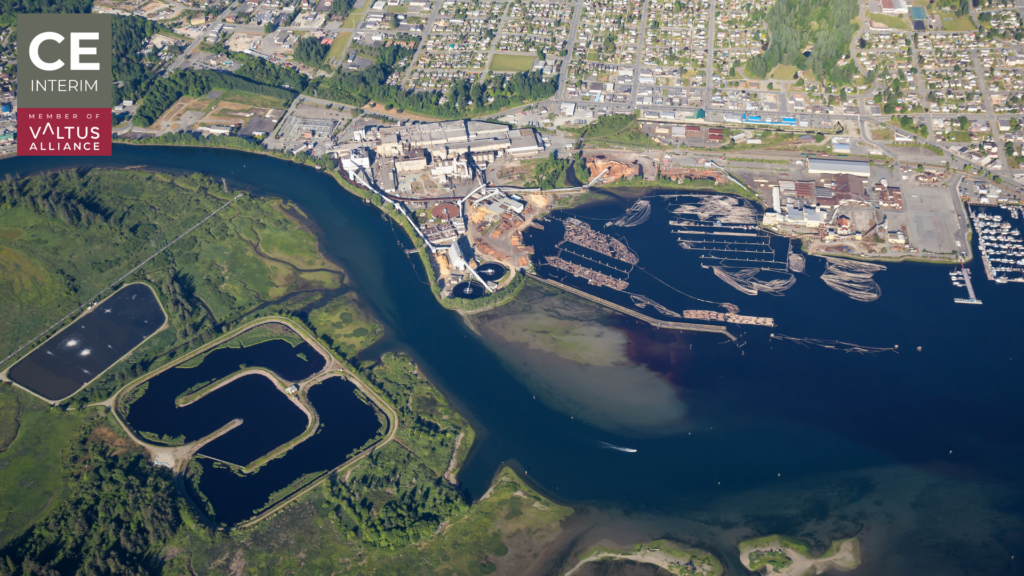
La Polonia ha iniziato il 2026 con fabbriche, linee di produzione e impegni di investimento che avanzavano a un ritmo più rapido rispetto alla base di manodopera circostante. L’Agenzia polacca per gli investimenti e il commercio (PAIH) ha segnalato 64 progetti sostenuti nel 2025. Gli investimenti dichiarati hanno superato i 4 miliardi di euro, con oltre 6.600 posti di lavoro previsti. Di questi, 42 progetti produttivi rappresentavano oltre 3,6 miliardi di euro e circa 2.900 posti di lavoro previsti. Per i consigli di amministrazione che perseguono il nearshoring nell’Europa centro-orientale, questo rapporto tra capitale e occupazione è fondamentale. Sposta infatti l’attenzione sulla capacità di rendere produttiva, nei tempi previsti, una capacità produttiva sempre più automatizzata. L’Ufficio Statistico Polacco / Główny Urząd Statystyczny (GUS) ha stimato che nel 2025 la produzione industriale venduta sia aumentata del 3,1% e che la produttività del lavoro sia cresciuta del 3,5%. L’occupazione media è diminuita dello 0,5%, mentre i salari mensili lordi nominali sono aumentati dell’8,0%. La Commissione europea ha riferito che nel quarto trimestre del 2025 il 62,4% delle imprese industriali polacche ha individuato nella carenza di manodopera un fattore limitante per la produzione. A livello dell’UE, la percentuale era pari al 17,5%. Questa è la situazione di partenza per il settore manifatturiero dell’Europa centrale e orientale nel 2026: l’intensità di capitale è in aumento, mentre la disponibilità di manodopera e di figure manageriali rimane limitata. Il nearshoring nell’Europa centro-orientale diventa un problema operativo dopo la selezione del sito: la valutazione della localizzazione termina prima che inizi il rischio di esecuzione. CE Interim ha già illustrato i vantaggi della localizzazione regionale in «Nearshoring Advantage: l’Europa centro-orientale come polo produttivo d’Europa». Questo articolo prende le mosse dal momento in cui il consiglio di amministrazione seleziona l’area geografica, approva il capitale e assegna il business case. A quel punto, il nearshoring nell’Europa centro-orientale diventa una sequenza prestabilita di obblighi relativi alla messa in servizio, alla qualificazione e all’aumento progressivo della produzione. Il consiglio di amministrazione non si occupa più solo della scelta della sede, ma deve gestire un calendario di esecuzione. La capacità industriale della Polonia si sta espandendo in un contesto di costi più contenuti. La Narodowy Bank Polski (NBP) ha registrato nel 2024 transazioni di investimenti diretti in entrata in Polonia per un valore di 56,5 miliardi di PLN. Si tratta di un dato inferiore del 55,1%, ovvero 69,2 miliardi di PLN, rispetto al 2023. L’NBP ha inoltre individuato l’aumento del costo del lavoro e dei prezzi dell’energia tra i fattori che incidono sui piani di investimento. La ripresa dei progetti PAIH prevista per il 2025 si inserisce quindi in un mercato sotto pressione. La capacità industriale polacca deve assorbire tali condizioni operative, non limitarsi all’introduzione di nuovi macchinari. La costruzione può nascondere il divario di leadership nel nearshoring Il completamento fisico non dimostra la prontezza operativa Le fasi relative alle opere civili, alle consegne delle attrezzature e all’installazione sono facili da documentare. La prontezza operativa è più difficile da valutare. Una linea di produzione può raggiungere il completamento fisico mentre gli standard di manutenzione, le procedure di escalation, la leadership dei turni e il recupero dei fornitori rimangono incompleti. Il corridoio industriale della Bassa Slesia e di Opole illustra il problema più ampio. La nuova capacità industriale polacca è in competizione per i leader esperti nella produzione, nell’ingegneria e nella manutenzione, che potrebbero già essere impegnati in attività esistenti. Prima della messa in servizio, cinque sistemi richiedono una chiara attribuzione di responsabilità: il divario di leadership nel nearshoring diventa costoso quando la responsabilità rimane frammentata tra le diverse funzioni. Prima che l’impianto entri in fase di messa in servizio, la direzione deve avere un controllo chiaro su una serie ristretta di sistemi operativi: Eurostat aggiunge un ulteriore vincolo. Tra il 1° gennaio 2005 e il 1° gennaio 2025, la Polonia e la Romania hanno perso ciascuna circa 2 milioni di residenti. La popolazione della Romania è diminuita di circa 11%. Per un responsabile di stabilimento o un direttore di stabilimento, ciò modifica le ipotesi relative al personale. Influisce sui turni, sull’intensità della manutenzione e sulla sostituzione dei supervisori durante la fase di avvio. L’automazione può ridurre la manodopera diretta in alcuni processi. Inoltre, aumenta il costo delle decisioni tecniche errate relative a beni più ad alta intensità di capitale. La messa in servizio trasforma flussi di lavoro separati in un unico sistema di produzione; il divario di leadership nel nearshoring diventa misurabile durante l’integrazione. La messa in servizio impone a macchinari, servizi di utilità, interfacce ERP e MES, controlli di qualità, routine di manutenzione, fornitori e capacità della forza lavoro di lavorare insieme. Lo stabilimento ora mette in luce carenze nei poteri decisionali attraverso il mancato raggiungimento delle tappe fondamentali, tempi di ciclo instabili e difetti irrisolti. Il COO, il direttore operativo o il responsabile dell’avvio della produzione devono decidere quali scostamenti lo stabilimento possa gestire a livello locale. Altre deviazioni minacciano la qualificazione o i tempi di lancio e richiedono un’escalation più rapida. Se nessuno si assume la responsabilità di tali compromessi, ogni funzione può sembrare impegnata mentre lo stabilimento rimane instabile. La produzione CEE del 2026 attribuisce maggiore importanza alla qualità delle decisioni locali. Questa pressione si estende oltre i confini della Polonia. Il Gruppo BMW ha inaugurato il proprio stabilimento di Debrecen, in Ungheria, il 29 settembre 2025. La produzione in serie della BMW iX3 della Neue Klasse è iniziata alla fine di ottobre 2025. Il sito integra la produzione di batterie ad alta tensione con processi di produzione altamente digitalizzati. In tutto il panorama produttivo dell’Europa centrale e orientale del 2026, lo stesso test operativo si applica agli asset altamente integrati. Tra gli stabilimenti industriali rilevanti figurano Mercedes-Benz Vans a Jawor, in Polonia, e Nokian Tyres a Oradea, in Romania. I requisiti gestionali aumentano con l’integrazione. Un problema ingegneristico locale può influire contemporaneamente sulla produzione, sulla qualità e sulla logistica. Una maggiore automazione non elimina la necessità di esercitare il giudizio; piuttosto, concentra tale giudizio in un numero minore di ruoli. Ecco perché il divario di leadership nel nearshoring spesso diventa visibile prima che si presenti un posto vacante formale. La SOP trasforma i problemi irrisolti in costi, scorte e rischi per i clienti Gli IDE nel settore manifatturiero rumeno dimostrano perché gli asset installati non corrispondono all’economia operativa La Banca Nazionale di Romania (BNR) ha riportato una posizione di IDE in entrata pari a 125,035 miliardi di euro alla fine del 2024. Il settore industriale ha rappresentato il 37,1%, mentre il settore manifatturiero ha rappresentato il 76,1% della posizione degli IDE industriali. I flussi netti di IDE nel 2024 sono stati pari a 5,603 miliardi di euro, in calo del 17,0% rispetto al 2023. Gli IDE nel settore manifatturiero rumeno sono consistenti, ma la capacità installata deve ancora dare i risultati attesi. L’impianto deve convertire la capacità tecnica in volume, qualità e liquidità entro le scadenze previste nel piano di investimento. Il capitale circolante mostra segni di instabilità prima ancora che ciò emerga nella presentazione al consiglio di amministrazione. Secondo la Commissione europea, la produzione industriale rumena è diminuita dello 0,9% nel 2025. Lo stesso rapporto ha stimato la crescita reale della produttività oraria del lavoro a circa il 4,5% all’anno nel periodo dal 2015 al 2019. Tale crescita ha subito un rallentamento attestandosi intorno al 2% nel periodo dal 2020 al 2025. I prezzi elevati dell’energia e i rapidi aumenti del costo del lavoro hanno indebolito la competitività del settore manifatturiero. Questo è il contesto operativo per gli investimenti diretti esteri (IDE) nel settore manifatturiero rumeno in località come Oradea e Bucarest-Ilfov. Una volta avviata la produzione (SOP), l’instabilità si riflette rapidamente nei bilanci. Gli scarti consumano materiale, le spedizioni a tariffa maggiorata garantiscono il rispetto delle scadenze dei clienti, gli straordinari colmano le lacune di produttività e le scorte aumentano per far fronte all’incertezza. Il margine di contribuzione arriva in un secondo momento, mentre i costi fissi sono già in corso. Il nearshoring nell’Europa centro-orientale diventa quindi una questione di controllo della liquidità quando la produzione non soddisfa le ipotesi del caso di investimento. I primi sei mesi di produzione mettono alla prova la capacità gestionale: la produzione nell’Europa centro-orientale del 2026 richiede un sistema di gestione, non un team di progetto. Le prime fasi di produzione rivelano se il sito ha completato la transizione dalla governance di progetto alla disciplina operativa. I difetti ricorrenti devono passare dal contenimento alla correzione permanente. La manutenzione deve passare da
I colli di bottiglia nella catena di approvvigionamento della difesa iniziano al di sotto del livello uno
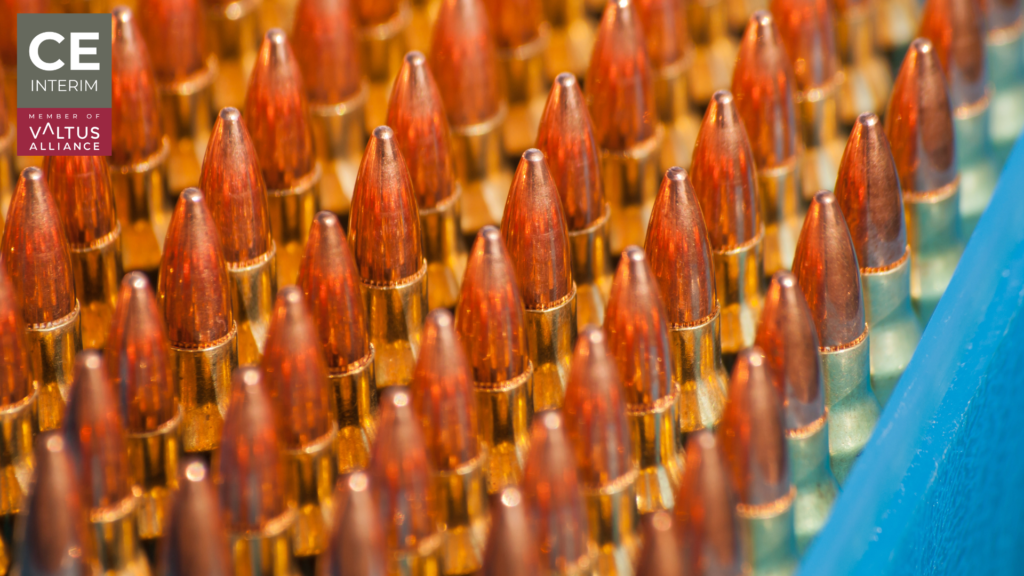
I colli di bottiglia della catena di approvvigionamento nel settore della difesa si trovano ora a un livello inferiore rispetto alle aziende principali, dove capacità, qualifiche, localizzazione e capitale circolante limitano la produzione.
La conformità al CBAM per i produttori è ormai un problema di flusso di cassa
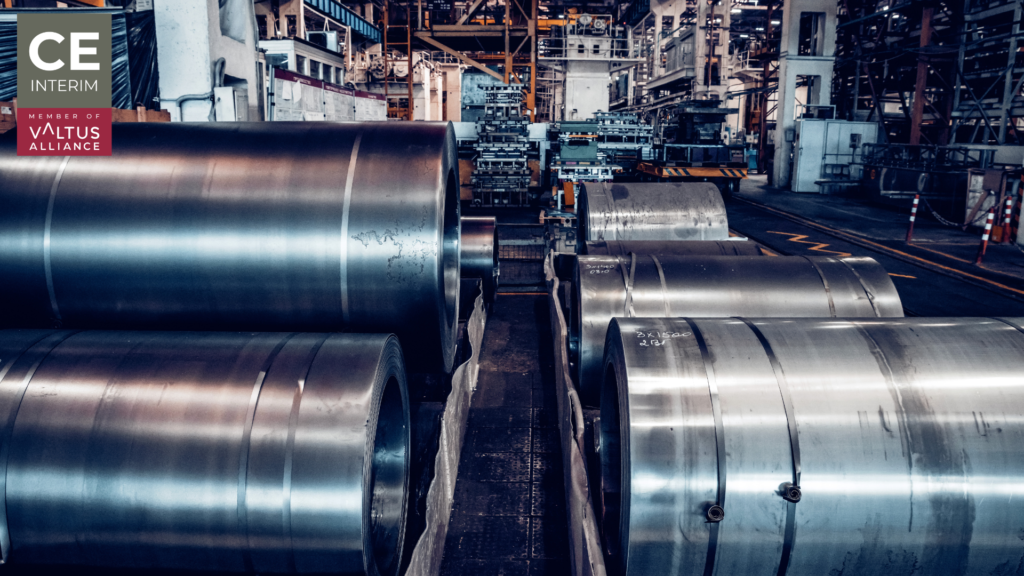
I produttori tenuti a conformarsi al CBAM devono far fronte a un rischio di costo nel 2026 che incide sui prezzi, sulle riserve e sulla liquidità prima ancora che inizi l’acquisto dei certificati.
Strategie del CFO ad interim per la stabilizzazione del capitale circolante

La pressione sul capitale circolante inizia con una deriva operativa, non con una crisi di liquidità. Ecco come i CFO interinali identificano e correggono le tre leve specifiche che contano.
L'Ungheria manifatturiera nel 2026: la leadership locale può tenere il passo?
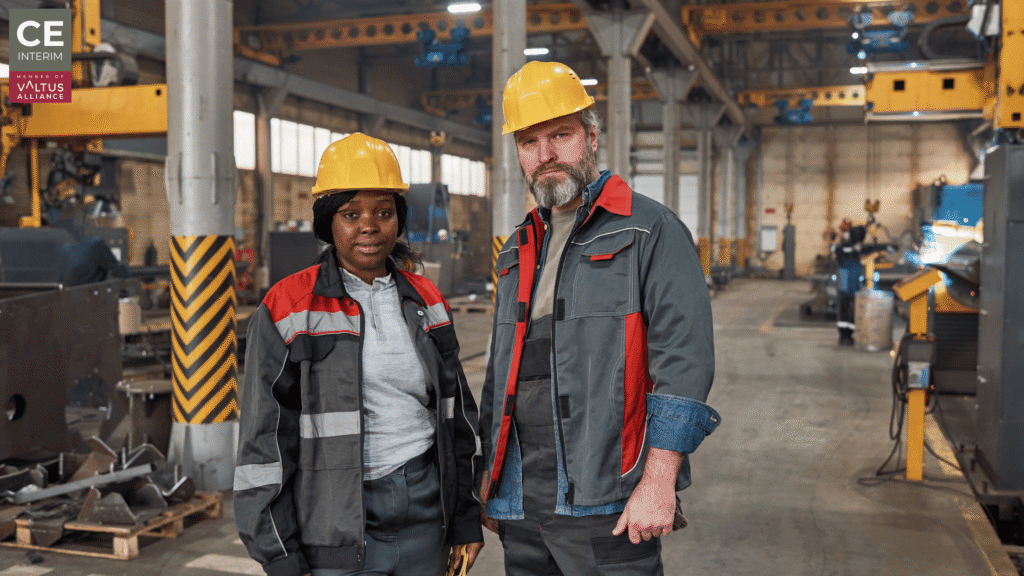
La produzione ungherese nel 2026 sta accelerando, ma rimangono delle lacune a livello di leadership. I team locali sono in grado di tenere il passo con gli investimenti, i ramp-up e la crescente pressione sull'esecuzione?
L'espansione dell'industria automobilistica ungherese ha bisogno di leader per l'accelerazione, non di piani
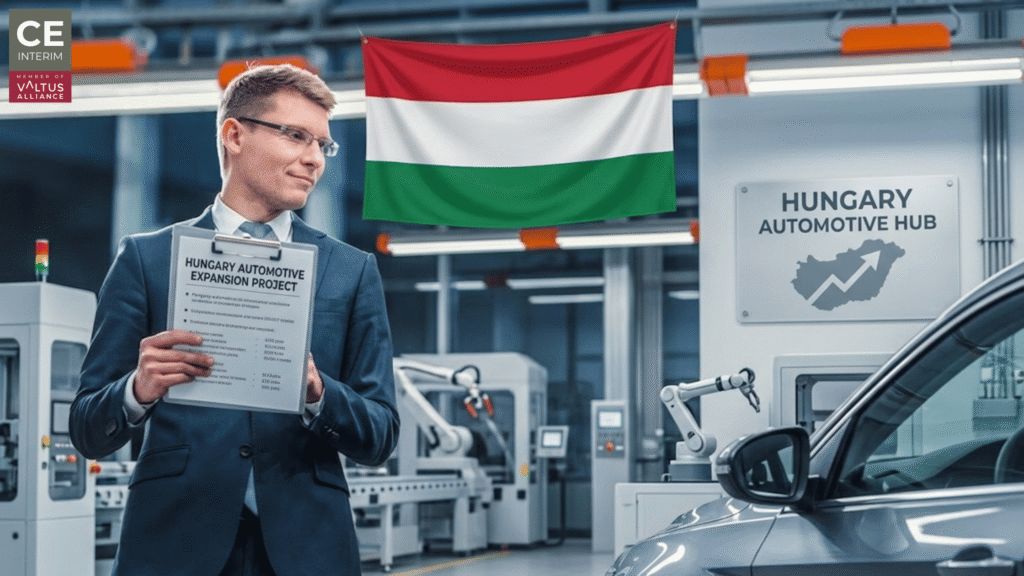
L'espansione dell'industria automobilistica ungherese sta accelerando, ma l'avvio degli impianti deve fare i conti con le carenze di leadership. Perché sarà l'esecuzione, e non la strategia, a decidere i risultati per OEM e fornitori.
Perché le catene di fornitura automobilistiche sono maggiormente esposte a Hormuz

Il settore automobilistico deve affrontare cinque interruzioni simultanee delle forniture del Golfo: alluminio, prodotti petrolchimici, gomma, semiconduttori e logistica. Nessun altro settore è esposto contemporaneamente a tutte le categorie di materiali.
Hormuz, Mar Rosso, Suez: quando tutti e tre i corridoi falliscono contemporaneamente
Per la prima volta nella storia commerciale moderna, tre grandi corridoi di navigazione sono falliti contemporaneamente. Ecco perché questo è categoricamente diverso da qualsiasi altra interruzione precedente.
Dopo Hormuz: come costruire una catena di approvvigionamento che non può essere tenuta in ostaggio

Hormuz ha messo in luce quali catene di approvvigionamento possono essere tenute in ostaggio e quali no. La differenza è stata costruita anni prima. Ecco come costruire la vostra ora.
La crisi di Hormuz sta provocando una forza maggiore. Ecco cosa fare.

La maggior parte delle aziende che ricevono avvisi di forza maggiore li trattano come questioni legali. Dovrebbero invece trattarle come un'arma operativa. Ecco cosa non possono coprire i vostri contratti.
 EN
EN  DE
DE  FR
FR  IT
IT  PL
PL  RO
RO  CS
CS  SK
SK  HU
HU  ES
ES  RU
RU  AR
AR  SL
SL