Varnost obrata med remontnimi deli

Preberite, kako lahko vodstvo obrata okrepi varnost med remontnimi deli z nadzorom dostopa podizvajalcev, območij z omejenim dostopom, pooblastil in tveganj na območju obrata.
Zakaj francoski sedež izgubi nadzor nad prevzeto romunsko hčerinsko družbo

Na kratko: Integracija romunske podružnice s sedežem v Franciji se običajno zastane zaradi enega samega razloga. Model posla predvideva, da se bodo pravice do odločanja in navade poročanja uskladile same od sebe. To se redko zgodi. V Parizu na ravni vodstvenega odbora še naprej poročajo o uresničevanju sinergij. Tovarna pa še naprej deluje na podlagi starih pogodb in lokalnih sistemov. To spremeni začasni direktor za integracijo, ki je napoten na lokacijo. Direktor, ki poroča neposredno francoskemu izvršnemu odboru, vzpostavi enotno bazo preverjenih dejstev. Mandat nato pretvori logiko posla v dejanske operativne spremembe, ne pa v nedoločeno kulturno prilagajanje. Sprožilec: neizkoriščene sinergije posla in neskladja na tovarniški ravni Čezmejne prevzeme romunskih industrijskih sredstev s strani francoskih skupin se običajno začnejo z jasno poslovno utemeljitvijo. Francija ostaja eden največjih virov neposrednih tujih naložb v Romuniji. Francoske skupine že desetletja gradijo industrijske odnose v avtomobilski, letalski in energetski industriji. Dokumenti za upravni odbor poudarjajo jezikovno bližino in stroškovno konkurenčnost kot naravna dejavnika, ki omogočata hitro integracijo. Šest do dvanajst mesecev po sklenitvi posla pa se slika spremeni. Usmerjevalni odbor francoske skupine pregleda mesečno predstavitev. Iz njega je razvidno, da v romunskem obratu še vedno veljajo podvojene nabavne pogodbe. Prikazuje tudi delovne tokove ERP-sistema, ki jih obrat še ni uvedel. Poročani napredek in dejanska operativna realnost sta se začela razhajati. Izvršni odbori v Parizu ali Lyonu se v tej fazi pogosto oklevajo, da bi neposredno posredovali. Razumno predvidevajo, da bo dobro vodeni prevzeti subjekt prevzel standarde skupine po lastnem časovnem načrtu. Tovarna medtem še naprej deluje po svojih uveljavljenih praksah. Nihče še ni naročil lokalnemu vodstvu, ki ima jasno izvršilno pooblastilo, naj ravna drugače. V tem trenutku se običajno pojavijo finančne težave. Sinergije na področju nabave, vgrajene v poslovni primer, se niso uresničile. Usklajevanja finančnega poročanja zamujajo. V tem trenutku sedež skupine spozna kruto resnico. Lastništvo nad podjetjem ni isto kot nadzor nad njegovim delovanjem. Zakaj se čezmejna integracija po združitvi med Parizom in Romunijo zastane Francoske industrijske skupine in romunske proizvodne hčerinske družbe pogosto delijo razumno, a nepopolno predpostavko. Pričakujejo, da bosta jezikovna in zgodovinska bližina omogočili hitrejši prehod kot na trgu brez skupnih referenčnih točk. Ta predpostavka ni napačna. Je pa nepopolna. Trenja, ki sledijo francosko-romunski prevzem, nimajo veliko opraviti s kulturo. Izvirajo iz dveh sistemov odločanja, ki ju ob sklenitvi posla nihče ni uskladil. Francoske korporacijske skupine običajno upravljajo prek večplastnih odbornih struktur, kot sta Comité de Direction in Comex. Uporabljajo dvojne poročevalne linije: verigo pravnih subjektov in funkcionalno verigo, ki zajema nabavo, kakovost in kadrovske zadeve. Ko sedež centralno odobri politiko, pričakuje, da se ta politika uporablja enotno, z omejeno lokalno diskrecijo pri njenem prilagajanju. Razumevanje upravne strukture in delovne logike romunskega obrata Mnoga romunska proizvodna podjetja delujejo po drugačni, a enako koherentni logiki. Mnoga so se začela kot državni obrati ali kot zasebno ustanovljeni dobavitelji srednjega tržnega segmenta. Generalni direktor običajno nosi neposredno, osebno odgovornost za proizvodnjo obrata, delovno silo in odnose z dobavitelji. Ta avtoriteta se gradi skozi leta, ne mesece. Lokalni vodje nabave se zanašajo na dolgoletne odnose z dobavitelji, ki so zagotavljali zanesljivo delovanje proizvodnje. Preusmeritev obsega v pogodbo, ki jo je izpogajala skupina, se s tega vidika zdi resnično operativno tveganje. To ni le sprememba, ki se ji je treba upirati. Romunska zakonodaja dodaja še eno raven. Sporočilo sedeža same po sebi ne more prevladati nad njo. Prestrukturiranje, premestitve zaposlenih in posvetovanje s svetom delavcev prinašajo pravne obveznosti. Te obveznosti nosi vodstvo lokalne enote, ne glede na to, kdo ga vodi, in ne zgolj navodila matične družbe. Noben model ni napačen. Oba poslovna modela obstajata za obvladovanje tveganj v svojem okolju. Pridobitev to okolje spremeni. Ne spremeni pa samodejno operativnih navad nobene od strani. Kot je dokumentirano v raziskavi, ki jo navaja Harvard Business Review, 70% do 90% združitev ne uspe doseči načrtovanih sinergij. Neusklajenost na področju kulture in upravljanja predstavlja največji posamezni dejavnik uničevanja vrednosti pri čezmejnih poslih. Opozorilni znaki, da se je integracija vaše tuje hčerinske družbe ustavila Vodstveni delavci in vodje integracije skupine ne potrebujejo čakati na poslabšanje marže. Zastala integracija se pokaže že prej, prek niza specifičnih, ponavljajočih se signalov. Lokalno vodstvo v preglednih sestankih potrjuje sprejemanje pobud skupine. Vsakodnevno izvajanje v proizvodnji pa medtem še vedno poteka po že vzpostavljenih sistemih. To ni prikrivanje. Odraža resnično vrzel med tem, kar je odobril sedež, in tem, kar je tovarna dejansko izvedla. Podružnica vodi svoje zakonsko predpisane poslovne knjige v lokalni programski opremi. Te usklajuje v paket poročanja skupine z ročnimi preglednicami, kar vsakemu ciklu dodaja čas in tveganje napak. Nabava poteka še naprej prek uveljavljenih lokalnih dobaviteljev, po cenah, ki presegajo pogodbe, ki jih je izpogajala skupina. Prehod na druge dobavitelje pogosto prinaša kratkoročno tveganje glede dobave, ki ga nihče ni centralno ocenil. Dvojezični inženirji, vodje kakovosti in nadzorniki proizvodnje so v središču delovne obremenitve integracije. Začeli so odhajati, pri čemer navajajo administrativno breme vzporednega poročanja, ne pa nesoglasja s prevzemom samim. Francoski funkcionalni vodje na področjih IT, kadrov in nabave medtem zmanjšujejo neposreden stik s hčerinsko družbo. Navajajo počasnejše odzivne čase, brez jasne poti za eskalacijo, da bi ugotovili vzrok. Glede na ugotovitve podjetja McKinsey & Company o integraciji po združitvi je za izkoriščanje sinergij potrebno neposredno operativno usklajevanje na terenu v prvih 100 dneh po sklenitvi posla. Ko se vzporedne strukture utrdijo, postane njihovo razgradnjo znatno dražje in politično sporno. Če kateri koli od teh dveh znakov traja več kot en cikel, to upravičuje odločitev na ravni upravnega odbora, ne pa še enega četrtletja spremljanja. Osnovne zahteve za učinkovit mandat integracije na kraju samem Revizija s strani glavne uprave teh trenj ne reši. Prav tako ne pomaga niti serija kratkih obiskov tovarn. Funkcionalni vodja, ki pride na obisk, lahko opazi iste podvojene pogodbe in neusklajene preglednice, ki jih že prikazuje mesečni pregled. Tisto, kar dejansko spremeni obrat, je neprekinjena izvršilna avtoriteta na kraju samem. To pomeni opredeljen mandat in neposredno poročevalsko linijo francoskemu izvršnemu odboru. Začasni direktor za integracijo z resničnimi francosko-romunskimi industrijskimi izkušnjami tej pridobitvi takoj zagotovi to avtoriteto. Organizacija ne bo morala čakati na zaključek iskanja stalnega generalnega direktorja. Gre za mandat za integracijo, ne za sanacijo tovarne ali samostojni pregled upravljanja. Nobeni strani ne primanjkuje kompetenc. Kar manjka, je en odgovoren izvršni direktor
Začasni direktor tuje hčerinske družbe: zagotavljanje dobave strankam v madžarskem obratu

Na kratko: Mandat začasnega direktorja v tuji podružnici nastane v trenutku. Direktor madžarskega proizvodnega obrata nepričakovano odstopi. Upravni odbor nima nikogar na kraju samem. Iskanje stalnega naslednika, pogajanja z njim in njegova odpustitev pri konkurenčnem delodajalcu običajno trajajo od štiri do šest mesecev. Imenovanje začasnega direktorja v tuji podružnici zapolni to vrzel. Začasni izvršni direktor prevzame zakonsko pooblastilo za podpisovanje v skladu z madžarskim gospodarskim pravom. Začasni izvršni direktor na kraju samem izpolnjuje obveznosti do strank glede dobave in stabilizira lokalno vodstveno ekipo. Stalni naslednik tako prevzame neokrnjeno poslovanje, ne pa projekta sanacije. Obvladovanje nenadnega odstopa izvršnega direktorja in šestmesečne vrzeli v vodstvu Izvršni direktor srednjeevropskega obrata redko odstopi v primernem trenutku. Konkurent včasih ponudi ugodnejšo ponudbo. Spor s sedežem podjetja včasih postane nepreklicen. Včasih ga vprašanje skladnosti prisili k nenadnemu odhodu. Ne glede na vzrok se upravni odbor sooča z takojšnjo vrzeljo na področju pravnih, operativnih in poslovnih pooblastil. Imenovanje začasnega izvršnega direktorja v tuji podružnici je običajno najhitrejši način za njeno zapolnitev. Ta instinktivni odziv je razumljiv. Tovarna ima izkušene vodje oddelkov in sposobne vodje izmen. Razpolaga z moderno, v veliki meri avtomatizirano opremo. Sedež podjetja predvideva, da se bo tovarna lahko sama preživljala nekaj mesecev. Medtem pa kadrovska agencija izvaja ustrezen postopek iskanja kandidata. Madžarski industrijski trg dela redko dopušča, da bi ta predpostavka držala. Dinamika madžarskega trga dela pospešuje tveganje za nastanek prostih vodstvenih mest. Izkušeno vodstvo tovarn je redko v mestih, kot so Győr, Debrecen, Tatabánya in Székesfehérvár. Vsi konkurenčni delodajalci in lovci na kadre v regiji že poznajo imena, ki nekaj pomenijo. Odhod generalnega direktorja se na lokalni ravni razume kot signal, ne kot govorica. V nekaj tednih začnejo operativni vodje, strokovnjaki za orodjarstvo in vodje oddelkov za kakovost prejemati klice od konkurentov. Zahtevki za kapital ostanejo nepodpisani. Spori z dobavitelji ostanejo nerešeni. Približno v osmem tednu brez imenovanega vodstvenega kadra na kraju samem ta razpad običajno doseže tudi stranke. Sledijo zamude pri pošiljkah, s tem pa tudi težki pogovori s strani oddelka za nabavo. Zakaj je mandat začasnega generalnega direktorja v tuji podružnici bistven za neprekinjeno poslovanje Ko madžarski obrat izgubi svojega generalnega direktorja, se dva ločena pritiska medsebojno okrepita. Eden je zakonski. Drugi je pritisk s strani trga dela. Zakonsko zastopstvo in pravna pooblastila v skladu z madžarskim gospodarskim pravom V skladu z madžarskim civilnim zakonikom (Zakon V iz leta 2013) direktor (ügyvezető) zaseda vlogo registriranega izvršnega direktorja družbe. Ta vloga je vpisana pri Registrskem sodišču (Cégbíróság). Pomembne poslovne pogodbe, davčne prijave, carinske deklaracije in plačila pri lokalnih bankah zahtevajo podpis registriranega izvršnega direktorja. Izvršni direktor lahko kadarkoli poda odpoved. Če pa to zahteva poslovanje družbe, odpoved začne veljati šele, ko družba imenuje novega izvršnega direktorja. V nasprotnem primeru začne veljati šestdeseti dan po obvestilu. Dokler sodišče za registracijo uradno ne registrira usposobljenega izvršnega direktorja ali ne podeli polnega gospodarskega pooblastila (cégvezető), ima hčerinska družba težave pri sklepanju rutinskih pogodb. Prav tako ima težave pri sodelovanju z lokalnimi sindikati in pri komuniciranju z organi oblasti. Upravljanje šestmesečnega časovnega okvira iskanja izvršnega direktorja med prehodi na vodstvenih položajih Običajno iskanje izvršnega direktorja na Madžarskem ni hiter proces. Zamuda je strukturna narave in ne pomeni, da iskalno podjetje deluje slabo. Iskanje dvojezičnih vodij v industriji po Madžarski, Avstriji in Slovaški zahteva čas. Sam postopek preverjanja kompetenc in odobritve s strani upravnega odbora običajno traja od osem do dvanajst tednov. Pogajanja o plačilu, pričakovanjih glede vodenja in uradni ponudbi trajajo še dodatnih dva do štiri tedne. Visoki madžarski vodstveni kadri v industriji nato običajno izpolnjujejo odpovedni rok od treh do šestih mesecev. Izvršljive konkurenčne klavzule pogosto podaljšujejo te odpovedne roke. To doda še dodatnih dvanajst do štiriindvajset tednov, preden lahko naslednik prevzame delo. Seštejte te številke. Realistično obdobje za zapolnitev vrzeli z začasnim izvršnim direktorjem v tuji hčerinski družbi je od štirih do šestih mesecev, včasih tudi dlje. Nihče v tovarni nima polne avtoritete za celotno obdobje. Ta strošek se redko pojavi kot ena sama številka v gradivu za upravni odbor. Namesto tega se kopičijo v odhodih, zamudah pri pošiljkah in zastalih odločitvah, ki so opisane spodaj. Večina tega se je že zgodila, preden se to odraža v številkah. Opozorilni znaki neupravljane vrzeli na vodstvenem položaju v proizvodnih obratih Obrat brez vodstvenega vodstva redko propade naenkrat. Ni vsak signal enako pomemben. Medoddelčna trenja: glavni operativni signal za začasno vodstvo Najbolj značilen znak je tudi najzgodnejši: trenja med oddelki, ki jih nihče nima pooblastil za rešitev. Sestanki o proizvodnji, vzdrževanju in kakovosti se spremenijo v spore namesto v sprejemanje odločitev. Izkušen vodstveni delavec to trenje obravnava kot trenutek za ukrepanje. To ni vzorec, ki bi ga bilo treba še naprej opazovati. Posledična tveganja dolgotrajnih prostih mest izvršnih direktorjev v lokalnih podružnicah Vse, kar sledi temu prvemu znaku, je v glavnem potrditev, ne pa nova informacija. Inženirji za kakovost, vodje za nenehno izboljševanje in vodje izmen začnejo vlagati odpovedi. Kot razlog navajajo negotovost glede prihodnjega vodstva tovarne. Učinkovitost pravočasnih in popolnih dobav se zniža s tipičnih 98% na vrednosti v spodnjih 90-ih ali še nižje. To poslabšanje povzročajo neobvladana ozka grla in naraščajoči stroški hitre dostave. Računi dobaviteljev, ki jih mora podpisati direktor, se kopičijo neplačani. Predstavniki lokalne sindikalne organizacije in delavskega sveta (üzemi tanács) sčasoma pritožbe naslovijo neposredno na regionalno sedežno podjetje, namesto da bi jih reševali na lokalni ravni. Ko se pojavi zadnji znak, tovarna že nekaj časa nima delujoče lokalne uprave. Kontinuiteta ob menjavi vodstva je odvisna od ene stvari. Neka oseba mora biti na kraju samem vidno in takoj odgovorna, ne pa da iz daljave pomirja upravni odbor. Ukrepanje ob prvem znaku običajno stane manj kot čakanje na poznejše znake, ki bi to potrdili. Ključne zahteve mandata začasnega izvršnega direktorja v tuji podružnici Začasni izvršni direktor v izrednih razmerah ni le začasni skrbnik, ki le ogreva stol. Mandat vključuje polno odgovornost za uspešnost obrata, odnose s strankami in zakonske obveznosti že od prvega dne. Sledi zaporedju, ki na prvo mesto postavlja najbolj časovno občutljive odločitve. Preden izvršni direktor prispe, se partner agencije CE Interim neposredno z upravnim odborom dogovori o ritmu poročanja. Partner se dogovori tudi o pragu za eskalacijo ter med trajanjem mandata vsake dva tedna pregleduje napredek. Ta ritem pomeni, da nadzor nikoli
Zaostrovanje razmer v evropski avtomobilski dobavni verigi: ko revizije kakovosti s strani strank zahtevajo takojšnjo zamenjavo vodstva na Poljskem
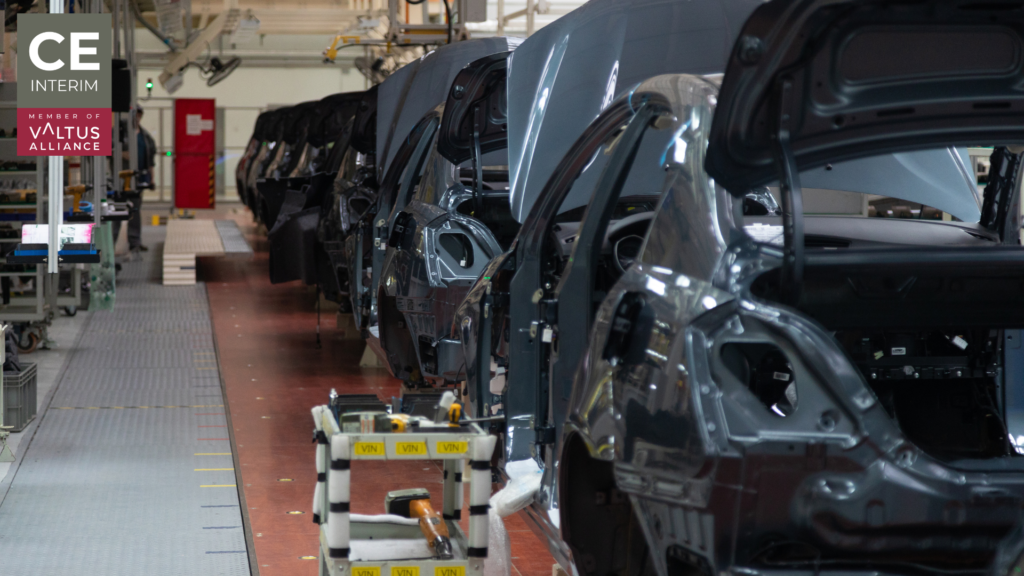
Na kratko: Evropski proizvajalec originalne opreme (OEM) je ponavljajoče se pomanjkljivosti v kakovosti v poljskem obratu Tier 1 eskaliral na raven nadzorovane pošiljke 2. Revizija po standardu VDA 6.3 ni bila uspešna. V tem trenutku je ponovna vzpostavitev kakovosti v avtomobilski industriji odvisna od vodstva, ne pa od še ene analize temeljnih vzrokov. Ta prehod zaznamuje pet pogojev: ponovni pojav iste napake po zaključenem postopku 8D, omejevanje, ki se ne odpravi, eskalacija stranke do izvršnega direktorja skupine, znižanje ocene po standardu VDA 6.3 in defenziven odziv vodstva tovarne. Ko se pojavita dva ali več pogojev hkrati, postane obnova kakovosti v avtomobilski industriji naloga operativnega direktorja (COO). Na lokacijo pride začasni izvršni direktor s pooblastili za preobrat. Od tehnične napake do krize vodenja: sprožilec za eskalacijo pri proizvajalcu originalne opreme (OEM) Izvršni direktorji na ravni skupine redko zamenjajo direktorja hčerinske tovarne po enem neuspešnem revizijskem pregledu. Pot do ponovne vzpostavitve kakovosti v avtomobilski industriji prek spremembe vodenja običajno sledi istemu zaporedju. Začne se z osamljenimi skoki števila napak na milijon kosov ali manjšimi odstopanji v dimenzijah na portalu stranke. Direktor poljskega obrata zagotovi sedežu skupine, da ekipa razume vzrok. Krivdo običajno pripisujejo nihanjem surovin ali obrabi orodja. Sedež to sprejme. To je razumen odziv. Obrat deluje s polno zmogljivostjo in pojasnila so verjetna. Posredovanje na daljavo prav tako tvega, da bo spodkopalo avtoriteto direktorja, ki morda še vedno ima prav. Obnova kakovosti v avtomobilski industriji je odvisna od tega, da se vzorec odkrije, preden se utrdi. Ta potrpežljivost ima ceno, ki postane vidna šele kasneje. Vodstvo skupine se še naprej zanaša na mesečne preglednice in preglede kakovosti na daljavo. Predpostavlja, da lahko tovarna sama zaključi svoja poročila 8D. Za obljubami o obvladovanju situacije proizvodnja ne upošteva osnovnih toleranc procesov. Okvarjeni deli začnejo prihajati na montažne linije proizvajalcev originalne opreme (OEM) v Nemčiji, Franciji ali na Češkem. To je slepa točka, ki jo mora obnova kakovosti v avtomobilski industriji najprej odpraviti. Preobrat je postopkovne narave, ne čustvene. Stranka uveljavi nadzorovano pošiljanje stopnje 2 (CS2) in na stroške dobavitelja na lokacijo napoti neodvisne inšpektorje. Sledi procesni pregled po standardu VDA 6.3, ki pokaže nezadostno oceno. V tem trenutku direktor za kakovost proizvajalca originalne opreme (OEM) izda ultimat: zamenjajte vodstvo na kraju samem ali izgubite posel. Tehnično vprašanje in vprašanje vodstva sta se zdaj ločila. Proizvodna linija lahko še vedno odgovori le na eno od njiju. Od tega trenutka naprej obnova kakovosti v avtomobilski industriji poteka prek vodstva, ne pa prek še enega inženirskega pregleda. Upravljanje čezmejne kakovosti v avtomobilski industriji: strukturni in operativni izzivi Usklajevanje skladnosti s standardom procesnega audita VDA 6.3 in ocenami dobaviteljev Nemški, francoski in drugi evropski proizvajalci originalne opreme (OEM) uveljavljajo skladnost dobaviteljev prek standarda procesnega audita VDA 6.3. Ta ocenjuje opredeljene elemente projekta in proizvodnje v skladu s strogimi pravili za zniževanje ocene. Ocena pod 80 odstotkov dobavitelja samodejno razvrsti v oceno C. Enako velja za neuspešno odgovorjeno vprašanje z zvezdico glede procesnega tveganja. Obnova kakovosti v avtomobilski industriji mora potekati v okviru tega standarda, ne pa z obhodom le-tega. Ocena C sproži zamrznitev novih poslov. To tovarni prepreči pridobivanje prihodnjih naročil za platforme in povzroči nadaljnje nenapovedane revizije. Trajna neskladnost se še dodatno zaostri do omejitve na ravni »Controlled Shipping Level 2« (CS2), kar zahteva, da akreditirana zunanja agencija pregleda vsak odhodni del. Ko se to sproži, ni več prostora za pogajanja, niti telefonski klic odgovornemu za odnose s strankami tega ne more spremeniti. Prav ta togost je razlog, zakaj obnova kakovosti v avtomobilski industriji ne dopušča pogajanj po dejstvu. Premostitev vrzeli v preglednosti med sedežem in proizvodnimi obrati V mnogih čezmejnih proizvodnih skupinah sedež prejme skrajšano poročilo o resnosti. Stranka na montažni liniji doživlja celotno sliko. To je redko namerno prikrivanje. Vodstvo tovarne, ki je pod proizvodnim pritiskom, ima resničen razlog, da vsako novo obvestilo proizvajalca originalne opreme (OEM) obravnava kot še eno rutinsko pritožbo. Vloži poročilo 8D, ki zapre zahtevek, ne pa tistega, ki odpravi temeljno pomanjkljivost v procesu. Zato se obnavljanje kakovosti v avtomobilski industriji ne more zanašati zgolj na poročilo same tovarne. Glavni sedež sam spremlja dnevne proizvodne številke. Doseganje teh številk lahko tiho prevlada nad upoštevanjem vseh kontrolnih točk kakovosti, še posebej preden napetost postane očitna zaradi eskalacije s strani stranke. K temu prispevata še jezikovna in kulturna razdalja. Nemški ali francoski vodja kakovosti pri dobavitelju, ki obišče poljsko proizvodnjo, lahko razlago o zmogljivosti stroja razume kot upiranje prevzemanju odgovornosti. To lahko drži celo takrat, ko tovarna opisuje resnično omejitev. Nobena stran ne deluje v slabi veri. Obe strani delujeta na podlagi različnih informacij in različnih spodbud. Vrzeli se širijo, dokler nihče zunaj tovarne nima neposrednega vpogleda vanjo. To je tudi razlog, zakaj je potrpežljivost strank manjša kot nekoč. Študija BCG »2026 Global Automotive Supplier Study« opozarja na trajni pritisk na marže v avtomobilski proizvodnji med proizvajalci originalne opreme (OEM). Ta pritisk sili proizvajalce vozil, da svojim dobaviteljem nalagajo strožje pogoje za prenos stroškov in kakovosti. Proizvajalec originalne opreme, ki upravlja s svojimi maržami, ima manj prostora za absorbiranje ponavljajočih se neskladij. Prav tako ima manj potrpljenja do tovarne, ki obravnava eskalacijo stranke proizvajalca originalne opreme kot problem komunikacije. Problem je v delovanju, ne v komunikaciji. Obnova kakovosti v avtomobilski industriji je zdaj odvisna tako od hitrosti kot od vsebine. Ključni kazalniki za izvršne direktorje: Kdaj obnova kakovosti v avtomobilski industriji zahteva spremembo vodstva Ista napaka se ponovi po potrjenem zaključku postopka 8D. Tovarna predloži uradni korekcijski ukrep. Stranka ga sprejme. Nato se ista napaka ponovno pojavi v serijski proizvodnji v roku od trideset do šestdeset dni. To je najjasnejši možen signal. Disciplina pri obvladovanju in izvajanju korekcijskih ukrepov na kraju samem še ne more zagotoviti trajne rešitve, ne glede na to, kaj analiza vzrokov navaja na papirju. Omejitev CS2 se ne odpravi v približno osmih tednih. Stroški inšpekcijskih pregledov tretjih strani se hitro kopičijo, pogosto v višini več sto tisoč evrov na mesec. Tovarna, ki v tem roku ne more izstopiti iz CS2, je izgubila nadzor nad lastnim sistemom kakovosti. Ni se le soočila z zahtevno napako. Vodstvo stranke za kakovost ali nabavo se neposredno obrne na izvršnega direktorja skupine. Proizvajalec originalne opreme (OEM), ki zaobide odnos z odgovornim za odnose s strankami, da bi dosegel izvršnega direktorja skupine ali operativnega direktorja, s tem signalizira nekaj konkretnega. Obstoječa struktura je izčrpala svojo potrpežljivost, stranka pa zdaj pričakuje kadrovske posledice, ne pa še enega poročila o stanju. Revizija po standardu VDA 6.3 prinese oceno C. Revizija zagotavlja zunanjo, strukturirano potrditev, da je operativna napaka sistemska. Ugotovitve pri
Začasna prestrukturiranja prek zunanjega izvajalca (CRO) v primerjavi z začasnim izvršnim direktorjem: izbira vodstva za češko hčerinsko družbo, ki posluje z izgubo

Na kratko: Za češko hčerinsko družbo, ki posluje z izgubo, je začasni mandat za prestrukturiranje, ki ga izvaja zunanji upravitelj (CRO), prava rešitev. Likvidnost v takšni situaciji zadostuje za nekaj tednov, ne pa za mesece. Banke in dobavitelji so že uvedli zaščitne pogoje. Zakonski direktor je v skladu s češkim zakonom o insolventnosti osebno odgovoren za zamudo pri vložitvi zahtevka za stečaj. Mandat začasnega izvršnega direktorja je primeren, kadar je obrat v osnovi uspešen. Denarna sredstva pokrivajo dvanajst do šestnajst tednov poslovanja. Izguba izhaja iz operativnega izvajanja, ne pa iz težav v bilanci stanja. Oba mandata imata različne zakonske pooblastila in različno opredelitev uspeha. Imenovanje napačnega mandata še poslabša problem, ki naj bi ga rešil. Ocenjevanje odločitve o sanaciji ali zaprtju, ko tuja hčerinska družba utrpi izgube Upravni odbori redko že na enem samem sestanku sklenejo, da je tuji obrat postal eksistencialno tveganje. Potek je običajno počasnejši. Srednjeevropska proizvodna hčerinska družba poroča o še enem četrtletju izgub. Upravni odbor to obravnava. Razprava se ponavadi osredotoča na ljudi, ne na strukturo. Člani upravnega odbora razmišljajo o zamenjavi tujega direktorja obrata. Ali pa prosijo regionalnega komercialnega direktorja, naj poleg svojih obstoječih nalog nadzira tudi ta obrat. Ta instinkt je razumljiv. Lastniki so pogosto vložili več deset milijonov evrov v zemljišča, stroje in orodje. Naravno želijo verjeti, da lahko boljše lokalno vodstvo reši obrat. Ne želijo sprejeti dejstva, da je morda ogrožena sama pravna oseba. Težava je v tem, da ta instinkt odgovarja na operativno vprašanje. Vse pogosteje pa je pravo vprašanje pravno narave. Za ustrezen odgovor je potreben začasni mandat za prestrukturiranje, ki ga izda CRO, ne pa premeščanje vodstvenega kadra. Upravni odbori izgubljajo čas, ko mešajo operativno neučinkovitost s strukturno nesolventnostjo. Odpadni deleži, izpad strojev in zamude pri dobavah opisujejo operativni problem. Izčrpana likvidnost, kršitve pogodbenih obveznosti, negativni lastniški kapital in odgovornost direktorjev pa opisujejo drugačen problem. Naloga, ki teh dveh ne loči, ponavadi privede do dvoumnega imenovanja. Dvoumna imenovanja so pogosto izhodišče za fluktuacijo vodstvenih kadrov in nadaljnjo izgubo vrednosti. Razumevanje češkega zakona o insolventnosti in osebne odgovornosti zakonitega »jednatelja« V Češki republiki ta izbira ni zgolj organizacijska preferenca. Češko gospodarsko in stečajno pravo neposredno vpliva na to odločitev. Ta zakon velja za lokalno družbo, ne glede na to, kje ima sedež njen lastnik. Češki zakon o stečaju (Zakon št. 182/2006 Zb.) določa tri obveznosti. Upravni odbori morajo vsako od njih razumeti, preden opravijo to imenovanje: Zakaj matična družba napačno oceni bilančno tveganje in solventnost v tujih hčerinskih družbah Upravni odbor matične družbe s sedežem v Nemčiji, Avstriji ali Švici lahko ta okvir zlahka napačno razume. Finančne službe skupine pogosto obravnavajo češko pravno osebo kot notranje stroškovno središče. Predpostavljajo, da bilanca stanja in likvidnostna funkcija matične družbe ščitita lokalno pravno osebo pred pravnimi posledicami. Češka zakonodaja ocenjuje hčerinsko družbo na podlagi njenih lastnih meril, ne pa na podlagi meril matične družbe. O tem odločata dva pravna merila. Podjetje ima lahko preveč dolga v primerjavi s svojimi sredstvi (prekomerno zadolženost, předlužení). Ali pa morda ni zmožno izpolniti zapadlih obveznosti (plačilna nesposobnost). Oba merila preprečujeta, da bi podjetje zakonito nadaljevalo poslovanje brez verodostojnega načrta sanacije. To velja ne glede na to, kakšno neformalno podporo matično podjetje meni, da zagotavlja. Začasni mandat direktorja za prestrukturiranje (CRO) obstaja prav zato, da zapolni to vrzel. Uspešen upravljavec je ne more zapolniti zgolj s trdim delom. Analiza podjetja McKinsey o tem, kdaj podjetja imenujejo direktorja za prestrukturiranje, navaja dva razloga, zakaj upravni odbori poiščejo kandidate zunaj obstoječe vodstvene ekipe. Prvi je neodvisna verodostojnost v očeh posojilodajalcev in direktorjev. Drugi je sposobnost, da pod trajnim pritiskom usklajuje nasprotujoče si interese deležnikov. Začasni izvršni direktor, ne glede na to, kako sposoben je v operativnem smislu, ne nosi te specifične zakonske vloge in vloge do deležnikov. Diagnostična matrika: Ugotavljanje, kdaj potrebujete začasnega direktorja za prestrukturiranje (CRO) ali začasnega izvršnega direktorja Spodnja diagnostična matrika je namenjena odgovoru na eno vprašanje. Ali ta hčerinska družba potrebuje začasno pooblastilo za prestrukturiranje, dodeljeno direktorju za prestrukturiranje (CRO), ali začasnega izvršnega direktorja? V praksi ti dve situaciji ločuje pet dimenzij. Dimenzija Mandat začasnega izvršnega direktorja Mandat začasnega CRO Likvidnost in solventnost Najmanj dvanajst do šestnajst tednov denarnih sredstev za poslovanje. Podjetje je pravno solventno ter pravočasno izplačuje plače in plačuje davke. Likvidnost znaša le nekaj dni ali tednov. Banke so zamrznile kreditne linije, bilanca pa kaže negativni lastniški kapital. Konflikt interesov Odnosi s strankami in bankami ostajajo neokrnjeni. Zainteresirane strani želijo obnovo proizvodnje, ne pa pravnih jamstev. Lokalne banke so račun dodelile ekipi za reševanje težav. Ključni dobavitelji so vložili izvršilne ukrepe. Operativna sposobnost delovanja Obrat ima trdne tehnične zmogljivosti in trdno knjigo naročil. Izgube izhajajo iz izvedbe, ne iz strukture. Obrat se sooča s strukturno presežno zmogljivostjo ali zastarelostjo. Preživetje zahteva znatno zmanjšanje zmogljivosti. Zakonska pooblastila Izvršni direktor je imenovan za generalnega direktorja z operativnim nadzorom. Skupina morda še vedno deli zakonska pooblastila. Izvršni direktor je uradno registriran kot »jednatel« ali ima nepreklicno pooblastilo z neomejeno pristojnostjo nad likvidnostjo. Strateški cilj Stabilizirati uspešnost obrata in ponovno doseči pozitiven operativni prispevek v izkazu uspeha. Ohraniti likvidnost, zaščititi upravni odbor pred osebnim tveganjem ter v približno 120 dneh sprejeti odločitev o sanaciji ali zaprtju. Hčerinska družba lahko v večini vidikov bolj ustreza enemu stolpcu, vendar je pri drugih vidikih še vedno potrebna podrobnejša analiza. Diagnozo obravnavajte kot izhodišče za lastno oceno upravnega odbora, ne pa kot njen nadomestek. Ključne strateške kompromise med vlogama direktorja za prestrukturiranje (CRO) in generalnega direktorja (MD) Pod to tabelo se skriva en kompromis. Mandat CRO prinaša zakonsko zaščito in centralizirano pooblastilo v kriznih razmerah. Obrat pa zaradi tega izgubi del obstoječih poslovnih odnosov in vsakodnevnega operativnega zagona. Mandat generalnega direktorja (MD) ščiti te odnose in ta zagon. V ničemer ne zmanjša osebne izpostavljenosti direktorja, če se diagnoza izkaže za napačno. Opredelitev obsega mandata in ciljev pred imenovanjem izvršnega vodstva Ko upravni odbor obdela diagnozo, mora biti tudi sam mandat enako natančen. Niti začasni mandat direktorja za prestrukturiranje (CRO) niti začasni mandat izvršnega direktorja (MD) ne smeta biti oblikovana kot hibridna rešitev. Mandat, ki se glasi kot delno vodstvo za sanacijo in delno poslovno rast, redko uspe. Obe polovici se potegujeta za isti čas. Izvršni direktor je na koncu odgovoren za rezultate, ne da bi imel pooblastila za nadzor nad katerim koli od obeh področij. Oblikovanje učinkovitega začasnega mandata za prestrukturiranje kot izvršni direktor (CRO) za finančno sanacijo, kjer
Ko švicarska skupina izgubi pregled nad svojim romunskim poslovanjem: ponovna vzpostavitev finančnega nadzora pod pritiskom

Na kratko: Romunska hčerinska družba švicarske skupine, ki se sooča s težavami, sledi znanemu vzorcu. Marže na papirju izgledajo zdrave. Vendar pa nenehno prihajajo zahteve po denarnih sredstvih, ki jih te marže ne morejo pojasniti. Švicarski obvezniški zakonik nalaga upravnemu odboru dolžnost, ki je ni mogoče prenesti na druge. Upravni odbor mora nadzorovati finančno poslovanje družbe, ne glede na to, kje se ta sredstva dejansko nahajajo. Ponovna vzpostavitev nadzora se začne z imenovanjem začasnega finančnega direktorja, ki prevzame neposredno pristojnost na kraju samem nad bančnimi posli, nabavo in poročanjem. Naslednji korak je vzpostavitev enotne baze dejstev, ki ji zaupata tako upravni odbor kot lokalno vodstvo. Kako romunska hčerinska družba švicarske skupine pride do te točke: Pri švicarski industrijski skupini ali družinskem proizvajalcu preciznih izdelkov se finančna preglednost redko sesuje naenkrat. Ta se slabša po vzorcu, ki se zdi obvladljiv mesec za mesecem. Mesečni poročevalni paket hčerinske družbe kaže stabilne bruto marže. Proizvodnja poteka po načrtu. V istem obdobju lokalno vodstvo zaprosi Zürich ali Zug za neproračunsko predplačilo iz blagajne. Predplačilo pokrije plače ali davek na dodano vrednost. Vsaka od teh dejstev posebej izgleda normalno. Skupaj, v več zapiralnih ciklih, pa opisujeta poslovanje, ki ga upravni odbor ne more več jasno videti. Švicarski upravni odbori običajno dajo v takih primerih prednost dvomu, in ta instinkt je razumen. Podaljšani plačilni roki dobaviteljev, počasno plačilo strank, vprašanje časovnega razporeda davkov: vsaka razlaga se sama po sebi zdi verjetna. Švicarska kultura upravljanja prav tako daje prednost delegiranju pred posredovanjem na daljavo. Upravni odbor počaka na jasnejšo sliko, preden ukrepa. Člen 716a ohranja končno vodenje in nadzor nad poslovodstvom v rokah upravnega odbora. Upravni odbor te dolžnosti ne more prenesti. V praksi upravni odbori to običajno izpolnjujejo z zaupanjem v lokalno vodstvo, ne pa z vsakodnevnim vmešavanjem v finance hčerinske družbe. Podaljšanje tega zaupanja za še eno četrtletje je pravi odziv na vzorec, za katerega še nihče ni dokazal, da je resen. Pravo tveganje leži v tem, kaj se zgodi, medtem ko upravni odbor čaka. Brez delujočih finančnih varoval na kraju samem se lahko obrat zapelje. Pojavijo se neuradni dogovori z dobavitelji, izdatki za vzdrževanje pa se odložijo. Vrednosti zalog lahko tiho vključijo proizvodni odpad, namesto da bi ga poročale. Za vsem tem ni nujno slabih namenov. To se zgodi, ko hčerinska družba predolgo sama upravlja svojo finančno disciplino. Njeni sistemi in pooblastila ne morejo slediti. Usklajevanje dveh sistemov upravljanja: Švicarski obvezniški zakonik proti romunskim zakonskim zahtevam za poročanje Švicarska matična družba in njena romunska hčerinska družba delujeta v okviru dveh različnih sistemov upravljanja. Vrzeli v preglednosti se običajno začnejo prav tam. To je glavni razlog, zakaj je romunska hčerinska družba švicarske skupine težko upravljati na daljavo. Člen 716a Švicarskega obvezniškega zakonika upravnemu odboru ne dovoljuje, da svoje naloge prenese na druge. Končno vodenje družbe in nadzor nad poslovodstvom ostajata v rokah upravnega odbora. To velja ne glede na to, kakšna poročevalska struktura je pod njim. Romunska hčerinska družba deluje v okviru ločenega, zahtevnega zakonskega režima. Zakon 31/1990 in računovodska pravila iz OMFP 1802/2014 določajo obvezni kontni načrt. Določajo tudi stroge zahteve glede arhiviranja računov. Lokalne finančne ekipe veliko časa posvečajo zagotavljanju skladnosti podjetja z zahtevami Nacionalne agencije za davčno upravo. Zakonita skladnost in poslovni nadzor sta povezani veščini. Vendar nista ista veščina. Ekipa, ki skrbi za prvo, ne bo samodejno zagotovila tudi druge. Ključni dejavniki vrzeli v poročanju: ERP-sistemi, nihanje valutnih tečajev in neformalna avtoriteta. Tehnologija dodaja še eno raven. Švicarski sedež običajno izvaja konsolidacijo prek platforme, kot je SAP S/4HANA. Romunski obrat pogosto vodi svoje zakonsko predpisane knjige v lokalni programski opremi. Oba sistema povezuje z ročno vzdrževanimi preglednicami. Valuta povzroča še eno izkrivljanje. Transakcije potekajo v romunskih leu, evrih in švicarskih frankih. Kadar finančna ekipa ne vzdržuje dosledno hedžiranja in medpodjetniških zaračunavanj, se lahko marža v lokalni knjigi zdi točna. Vendar lahko še vedno zavaja upravni odbor glede valute, ki jo dejansko upravlja. Vrzeli v pooblastilih se ponavadi neformalno zapolnijo same, kar je razumljivo. Někdo mora namreč zagotavljati vsakodnevno delovanje tovarne. Brez izrecne strukture odobravanja si lokalno vodstvo ustvari lastno. Pogosto direktor tovarne prevzame osebni nadzor nad odločitvami o nabavi. Rezultat je redko prikrivanje. Lokalna ekipa običajno rešuje svoje težave z orodji in pooblastili, ki jih dejansko ima. Sedež podjetja pa jo medtem še naprej upravlja prek poročevalskega formata, zasnovanega za raven preglednosti v realnem času, ki je ni več. Opozorilni znaki, da je tuji proizvodni obrat izgubil finančno preglednost. Več ponavljajočih se vzorcev švicarskemu lastniku nakazuje, da se je vrzel premaknila od trenj k problemu upravljanja. Zdaj je potrebno neposredno posredovanje. Najbolj jasen znak je hčerinska družba, ki poroča o sprejemljivem EBITDA. Hkrati pa ostaja denarni tok iz poslovanja vztrajno negativen. Ponavadi potrebuje nenačrtovano financiranje s strani matične družbe. Drugi znak je medpodjetniško usklajevanje, ki se v več obdobjih ne zaključi pravilno. Salda se kopičijo na začasnih računih, namesto da bi se poravnala. Tretji znak je, da lokalna finančna služba na konkretna vprašanja odgovarja z opisnimi pojasnili namesto z usklajenimi podatki iz glavne knjige. To običajno pomeni, da podatki sami še ne obstajajo v zanesljivi obliki. Zaloge končnih izdelkov ali surovin, ki se zdijo nesorazmerne z dejansko proizvodnjo, lahko skrivajo zastarele zaloge ali neevidentirane odpadke. Najbolj jasen preizkus finančnega nadzora je preprost: ali lahko hčerinska družba pripravi zanesljivo trinajsttedensko tekočo napoved denarnega toka? Ta mora odražati dejanske pogodbene obveznosti. Če tega ne more, sedež podjetja posel vodi na podlagi zaupanja, ne na podlagi dejstev, ne glede na to, kaj navajajo mesečni poročili. Obnova finančnega nadzora: imenovanje začasnega finančnega direktorja za ponovno vzpostavitev operativnega nadzora Tridnevni pregled, ki ga opravi notranja revizija podjetja, prinese le trenutni vpogled v preteklost. Ne ugotovi, kdo danes nadzira bančne prenose. Prav tako ne ostane na kraju dovolj dolgo, da bi spremenil način delovanja hčerinske družbe. Za ponovno vzpostavitev nadzora je potreben vodstveni delavec s pooblastili za ukrepanje, ne pa ekipa s pooblastili za poročanje. Začasni finančni direktor z izkušnjami v čezmejni evropski proizvodnji prevzame neposredno vodenje lokalnih financ, zakladnice in nabave. Upravni odbor opredeli ta mandat pred začetkom naloge. Spodnji potek je pomembnejši od katere koli posamezne ukrepe. Prav ta potek vedno znova vzpostavlja nadzor v romunski hčerinski družbi švicarske skupine, pri čemer je vsaka faza odvisna od uspešne izvedbe predhodne.
Nezanesljivo poslovno poročanje v poljski proizvodni podružnici: kako sedež podjetja ponovno vzpostavlja enotno bazo preverjenih dejstev
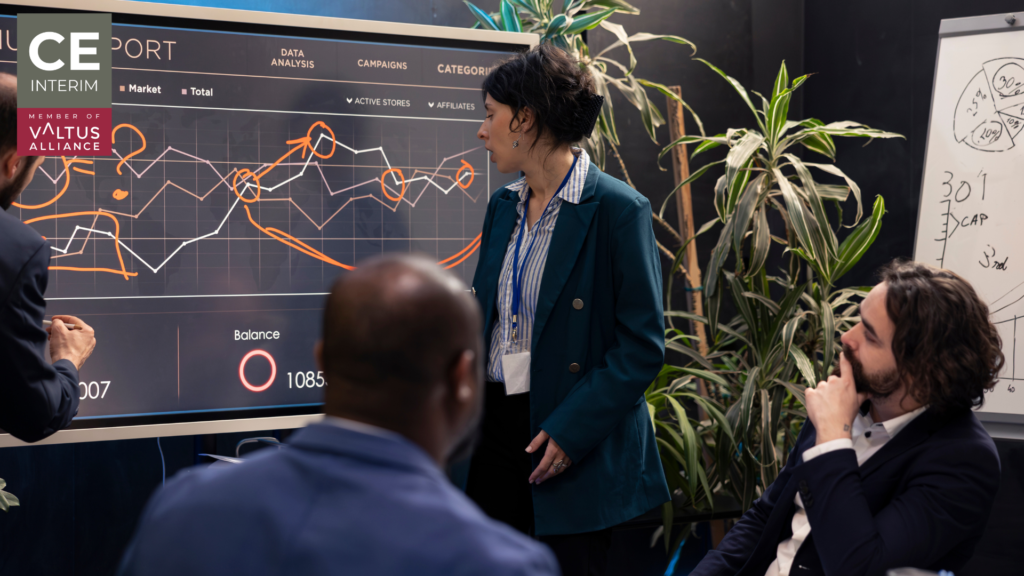
Na kratko: Nezanesljivo poslovno poročanje v poljski proizvodni hčerinski družbi redko predstavlja enkratno napako. Gre za vzorec, ki se tiho razvija četrtletje za četrtletjem. Sčasoma upravni odbor ne more več zaupati številkam, ki jih poroča tovarna. Naloga v tem trenutku ni ponovno pogajanje o ciljih ali zahteva po novi uskladitvi. Naloga je vzpostaviti eno preverjeno dejansko podlago. To pomeni enoten, usklajen pregled denarnih sredstev, zalog in marže, ki ga tako sedež kot lokalna finančna ekipa sprejemata kot dejstvo. Začasni finančni direktor, ki ima od prvega dne pooblastila za bančne posle in ERP, lahko hitro zagotovi denarna sredstva. V dveh tednih finančni direktor običajno tudi ustavi neformalno poročanje. Sledi usklajevanje med zakonsko predpisanim in poslovnim poročanjem, preden upravni odbor sprejme kakršno koli strukturno odločitev. Ko nezanesljivo poslovno poročanje v tuji hčerinski družbi razkrije netočne poslovne podatke, finančne ekipe skupine redko odkrijejo eno samo, katastrofalno napačno številko. Nezanesljivo poslovno poročanje se običajno poslabšuje postopoma, vsaka sprememba pa se sama po sebi zdi razumljiva. Zaključek meseca se zamuja za nekaj dni. Lokalna finančna služba to pripiše ročni prilagoditvi menjalnih tečajev ali skokoviti rasti cen surovin. Vrednosti nedokončane proizvodnje se spreminjajo. Marža se zmanjša, nato pa se ponovno zmanjša. Sedež podjetja to običajno dopušča dve ali tri četrtletja. Ta potrpežljivost je razumljiva in ne pomeni pomanjkljivega nadzora. Neposredno izpodbijanje lokalne finančne ekipe sredi proizvodnega cikla je razumen instinkt. Odstopanje bi lahko še vedno imelo nedolžno razlago, motenje delovanja tovarne, ki še vedno pošilja izdelke strankam, pa prinaša svoja tveganja. Težava je v tem, da ista potrpežljivost daje nerešenemu odstopanju čas, da se kopičijo. Pod nenehnim pritiskom, da dosežejo proračunsko predvideno maržo, lahko lokalna finančna ekipa začne graditi neuradne mostove za usklajevanje. Ti se nahajajo zunaj glavne knjige: preglednice, ki odložijo pripoznavanje izmetov, izravnajo odpis zalog ali kapitalizirajo odstopanja, ki bi jih ekipa morala odpisati kot strošek. Nihče si nujno ne zastavi cilja, da bi napačno prikazal poslovanje. Te rešitve se običajno začnejo kot način za pojasnitev vrzeli sedežu, nato pa postanejo mehanizem, ki jo skriva. Sprožilec za posredovanje je redko računovodska razprava. To je trenutek, ko finančni direktor skupine ugotovi, da se konsolidirana marža in dejansko ustvarjanje denarnih tokov ne ujemata več. Ta razlika postane prevelika, da bi z zaupanjem podprla zunanje napovedi, pogovore o bančnih pogojih ali odločitve o dodelitvi kapitala. Zakaj se v poljski proizvodni hčerinski družbi uveljavi nezanesljivo poslovno poročanje Poljsko zakonsko poročanje in poročanje uprave skupine sta pogosto dva ločena sistema, ki ju ročno povezujejo. Ne gre za en sistem z dvema oznakama. Podjetje mora voditi uradne zakonske knjige (księgi rachunkowe) v skladu s standardiziranim kontnim načrtom (plan kont). Člen 4(5) poljskega zakona o računovodstvu nalaga neposredno pravno odgovornost za te knjige vodji podjetja, tj. kierownik jednostki. Ta odgovornost je osebna, zato prenos dela na glavnega računovodjo ne odvezuje od nje. To ustvarja naravno usmerjenost k upoštevanju predpisov poljskih zakonodajnih in davčnih organov, ne pa k predlogi za konsolidacijo skupine. V praksi lokalne finančne ekipe vodijo zakonske knjige v lokalni programski opremi, običajno v programih Symfonia, Comarch Optima ali lokalni konfiguraciji SAP. Ročna preslikava nato te podatke prenese v konsolidacijsko platformo skupine, bodisi OneStream, Tagetik ali Hyperion. Vsaka ročna preslikava je mesto, kjer se lahko neopaženo pojavijo odstopanja, saj nihče ne prevzema odgovornosti za usklajevanje od začetka do konca. Kje odstopanja v proizvodnji povzročajo netočno poslovno poročanje V proizvodnem procesu se ta odstopanja osredotočajo na štiri področja. Eno od njih sta nedokončana proizvodnja in odpadki. Zaradi pritiska na donosnost lahko tovarna odloži pripoznanje odpadkov, namesto da jih pripiše med stroške prodanega blaga. Drugo je standardno stroškovno računovodstvo. Ko se učinkovitost proizvodne linije zmanjša, lahko finančna služba negativna odstopanja absorpcije kapitalizira v končne izdelke, namesto da jih pripiše med stroške, kar neopazno napihne knjigovodsko maržo. Tretje je časovno razmejevanje in obračunavanje po nastanku. Kontrolorji včasih ob koncu meseca zadržijo račune zunaj sistema, da zaščitijo proračunsko postavko operativnih stroškov. Četrti je medpodjetniško transferno ceno. Ko ekipe neenotno knjižijo pribitke med sedežem in poljsko enoto, se neskladja pri usklajevanju nikoli v celoti ne odpravijo. Nobena od teh stvari ne zahteva slabe vere na nobeni strani. Zahteva sistem, v katerem obstajata dva sklopa knjig. Samo en je predmet zakonske revizijske discipline, med njima pa je nevidna povezava. Kako upravni odbori prepoznajo nasprotujoča si poročila vodstva in težave pri poročanju Revizijsko mnenje z zadržkom je zapoznel kazalnik. Ko pride do njega, je upravni odbor običajno že več četrtletij v primežu motenj pri poročanju. Prvi znaki se skrivajo v rutinskih delovnih tokovih ob koncu meseca, noben pa posamezno ne izgleda zaskrbljujoče. Najjasnejši znak so vztrajne ročne prilagoditve v orodju za konsolidacijo. To je še posebej pomembno, kadar se ne da slediti nazaj do glavne knjige ERP-sistema: finančna služba sestavlja številke, da bi dosegla cilj, namesto da bi jih črpala iz sistema za vodenje evidence. Naslednji znak je vse večja vrzel med poročanim EBITDA in dejanskim stanjem denarnih sredstev. Denarna sredstva ne lažejo tako kot lahko lažejo obračunske obveznosti. Staranje zalog, ki presega obseg proizvodnje, pogosto kaže na zastarele zaloge ali neevidentirane odpadke. Lokalni kontrolor bi moral v nekaj dneh pripraviti usklajeno vmesno poročilo med zakonsko predloženim poročilom in poročilom skupine. Če tega ne stori, trenutno nihče nima pregleda nad obema slikama hkrati. Visoka fluktuacija med računovodji v obratih je manj očitni, a resnični znak, še posebej v kombinaciji s kontrolorjem, ki nenavadno varuje dostop do transakcij. Usklajevanje je postalo zasebna odgovornost ene osebe, ne pa skupna disciplina organizacije. Za kateri koli od teh znakov je mogoče najti nedolžno razlago. Če se dva ali trije pojavijo skupaj v zaporednih četrtletjih, to pomeni, da je upravni odbor že v središču problema, namesto da bi se mu približeval. Kako začasni finančni direktor ponovno vzpostavi nadzor nad poročanjem in zgradi enotno preverjeno bazo dejstev Zunanja revizija redko popravi nezanesljivo poslovno poročanje. Revizorji ob koncu leta na podlagi vzorčenja preverjajo skladnost. Ne vzpostavljajo vsakodnevnega procesa razporeditve stroškov. Za ponovno vzpostavitev nadzora je potreben vodstveni delavec na kraju samem. Ta vodstveni delavec mora imeti pooblastila, da spremeni način, kako obrat pripravlja svoje številke, ne le da jih naknadno pregleduje. 1.–2. teden: Začasni finančni direktor obnovi poročanje, zavaruje likvidnost in zamrzne prehodne rešitve Začasni finančni direktor prevzame neposredni nadzor nad bančnimi pooblastili, sistemom plačil z dvojnim podpisom in pravicami za vnos v ERP-sistem. Finančni direktor zamrzne, namesto da izbriše, offline preglednice, ki povezujejo zakonsko predpisane številke s skupino
Ko zaprtje poljskega obrata vpliva na časovni razpored prestrukturiranja v Češki: zakaj so vzporedne odločitve nemogoče

Nemška industrijska skupina s proizvodnimi obrati na Poljskem in v Češki se v šestih tednih sooča z odločitvijo upravnega odbora. Poljski obrat ustvarja izgubo in porablja denarna sredstva. Češki obrat dosega slabše rezultate, vendar je operativno mogoče ga sanirati. Razpoložljivi kapital za prestrukturiranje v obeh državah skupaj znaša približno 35 milijonov evrov. Tu se pojavi ključno vprašanje: odločitev o takojšnjem zaprtju poljskega obrata sproži odločitev o prestrukturiranju na Češkem, ki je ni mogoče odložiti, spremeniti vrstnega reda ali upravljati neodvisno. Ko ena država stoji pred zaprtjem, druga pa potrebuje prestrukturiranje, večdržavna kaskada zapiranja in prestrukturiranja v srednji in vzhodni Evropi povzroči izvršilni zastoj. To prisili nepripravljeni upravni odbor v odločitev, ki je nihče ni načrtoval. Razumevanje, zakaj so vzporedne odločitve nemogoče, je bistveno za vsakega vodilnega predstavnika industrije iz regije DACH, ki upravlja poslovanje v Srednji in Vzhodni Evropi. Prvih 30 dni: kako se začne verižni proces zapiranja in prestrukturiranja v več državah v Srednji in Vzhodni Evropi Takoj ko upravni odbor odobri zaprtje poljskega obrata, se hkrati sprožijo obveznosti obveščanja v obeh državah. Najpomembneje je, da se oba roka prekrivata. Nobenega od njiju ni mogoče odložiti brez pravnega tveganja. Ta sočasni sprožilec sproži verižni učinek, ki je značilen za situacije zapiranja in prestrukturiranja v več državah v Srednji in Vzhodni Evropi. Roki za obveščanje se sočasno prekrivajo Poljski delovni zakonik od delodajalcev zahteva, da v 20 dneh od sprejetja odločitve o kolektivnem odpustu obvestijo okrajni zavod za zaposlovanje. Hkrati morajo v istem 20-dnevnem roku potekati posvetovanja s sindikati. Poleg tega češki delovni zakonik predpisuje najmanj 30-dnevni rok za obvestilo zavodu za zaposlovanje in predstavnikom delavcev, preden začnejo veljati odpovedni roki. Rezultat je jasen: obe obvestili morata biti izvedeni. Oba roka potekata vzporedno. Zmogljivosti vodstva se razdelijo med dve odločitvi Zaprtje zahteva posebne ukrepe: pogoje odpuščanja, izračune odpravnin, popis premoženja, zaporedje ukinjanja proizvodnje, obveščanje upnikov in načrtovanje neprekinjenega poslovanja za stranke. Prestrukturiranje zahteva drugačne ukrepe: ukinitev delovnih mest, odločitve o naložbah v produktivnost, napovedi obratnega kapitala in cilje uspešnosti. Posledično v prekrivajočem se 20- do 30-dnevnem obdobju zaprtje v Poljski zahteva vso pozornost operativne ekipe. Medtem se odločitev o prestrukturiranju v Češki vsili na že tako prenapolnjen dnevni red. Prav zato scenariji zaprtja in prestrukturiranja v več državah Srednje in Vzhodne Evrope povzročajo težave z zmogljivostjo na vodstveni ravni. 4.–8. teden: pritisk na denarni tok se pojavi še pred zagotovitvijo kapitala za prestrukturiranje Ko se faza obveščanja zaključi, se finančna realnost hitro pospeši. Obveznosti v zvezi z odpravninami se spremenijo v konkretne obveznosti. Upniki in dobavitelji prepoznajo signal o zaprtju. Poleg tega se plačilni cikli v proizvodnji skrajšajo ravno v trenutku, ko je denar najbolj omejen. Pritisk plačilnih rokov in zategovanje denarnega toka Standardni plačilni roki v proizvodnji v industrijskih B2B odnosih običajno znašajo od 60 do 90 dni neto. Ko dobavitelji zaznajo signale zaprtja, zmanjšajo kreditno izpostavljenost. Mnogi zahtevajo predplačilo ali pospešijo roke za izterjavo računov. Posledično se obveznosti do dobaviteljev skrajšajo, medtem ko se izterjava terjatev upočasni. Finančni direktor mora nemudoma obravnavati pritisk upnikov in ohraniti dostop do kreditnih linij za obratni kapital. Medtem pa naložba v češko prestrukturiranje še vedno čaka na odobritev. Pomanjkanje dodeljenega kapitala: 35 milijonov evrov ni dovolj za obe državi Ta kapitalska aritmetika še pred šestimi tedni ni bila na dnevnem redu upravnega odbora. Do 8. tedna je finančni direktor že dodelil kapital za zaprtje v Poljski. Finančni direktor mora zdaj upravni odbor obvestiti, da prestrukturiranja v Češki ni mogoče financirati, kot je bilo prvotno načrtovano. Ta situacija je tipična za konflikte pri prestrukturiranju z zapiranjem poslovanja v več državah v srednji in vzhodni Evropi. 8.–16. teden: okno za prestrukturiranje v drugi državi se nepovratno zapre V tej fazi zaprtje poslovanja na Poljskem postane javno znano. Zaposleni delajo do izteka odpovednega roka. Naročila strank se prenesejo ali prekličejo. Prodaja sredstev vstopi v fazo pogajanj. Ključno je, da v Češki postane sporočilo zaposlenim nedvoumno: sedež podjetja krči portfelj. Češka bi lahko bila naslednja. Tveganje izgube kadrov se poveča, tehnične zmogljivosti pa se zmanjšujejo. Češki direktor tovarne vsak teden sprejema klice usposobljenega tehničnega osebja, ki je prejelo ponudbe za delo drugje. Hkrati finančni direktor še ni odobril kapitalske zaveze za Češko. Operativni direktor še ni objavil načrta za sanacijo. Posledično se negotovost podaljšuje iz dni v tedne. Do 12. tedna tovarna izgubi dva višja tehnika in tri mlajše inženirje. Kakovost proizvodnje se poslabša. Število pritožb strank se znatno poveča. Zamuda spremeni potencial za preobrat v poslabšanje poslovanja. Rešitve, katerih izvedba bi v 2. tednu stala 12 milijonov evrov, v 10. tednu stanejo že 18 milijonov evrov. Vsak teden zamude pri prestrukturiranju sistematično zmanjšuje uspešnost. Morala upada, ker ni bila sprejeta nobena zaveza. Stranke zmanjšujejo obseg naročil, ker se kakovost dostave poslabšuje. Pogoji plačila dobaviteljem se poslabšajo, ker se zgodovina plačil slabša. Do 14. tedna se češka lokacija iz kandidatke za prestrukturiranje spremeni v kandidatko za zaprtje. Upravni odbor se sooča z drugačno izbiro, kot je bilo pričakovano: prestrukturiranje z visokimi stroški in negotovimi izidi ali zaprtje za ohranitev kapitala. To poslabšanje ni neizogibno. Je neposredna posledica kaskadnega zapiranja in prestrukturiranja v več državah Srednje in Vzhodne Evrope. Izbira zaporedja: zaporedno ali vzporedno izvajanje prestrukturiranja z zapiranjem v več državah Upravni odbor se sooča z binarno izbiro. Nobena od možnosti ni privlačna. Obe prinašata znatne stroške in tveganje. V bistvu gre za izbiro med sprejemljivimi izidi in slabšimi izidi. Možnost 1: Zaporedno izvajanje (najprej zaprtje v Poljski, nato v Češki) Možnost 2: Vzporedno izvajanje (upravljanje obeh hkrati) Kdo odloča o zaporedju in kdaj pride do zloma avtoritete Formalno o zaporedju pri odločitvah o zaprtju in prestrukturiranju v več državah v srednji in vzhodni Evropi odloča upravni odbor ali nadzorni svet. V praksi se morajo finančni direktor, operativni direktor in upravni odbor uskladiti. Ko usklajevanje ne uspe, pride do razkola med operativno realnostjo in strateško usmeritvijo. Usmeritev upravnega odbora proti operativni realnosti Stališče upravnega odbora: Prednost ima vzporedno izvajanje. Vzporedno izvajanje skrajša skupni časovni okvir in ohranja možnost prestrukturiranja na Češkem. Ocena operativnega direktorja: Vzporedno izvajanje je operativno neizvedljivo. Dveh večjih ukrepov v portfelju ni mogoče hkrati izvesti na najvišji ravni. Zmanjšanje kakovosti pri eni ali obeh pobudah je neizogibno. Zaskrbljenost finančnega direktorja: Kapitalska ustreznost je nezadostna. Finančni direktor zagovarja zaporedno izvajanje: najprej popolno zaprtje v Poljski, ohranitev kapitalske rezerve, nato pa prestrukturiranje v Češki le, če je na voljo kapital in se zmanjša pritisk upnikov. Čezmejne vrzeli v pristojnostih, ko se odločitve ne morejo uskladiti Poljski direktor za državo zagovarja hitro zaprtje. Nasprotno pa češki direktor za državo zagovarja jasno zavezo k prestrukturiranju z vidno kapitalsko podporo. Obe stališči sta operativno pravilni. Obe pa ni mogoče hkrati izpolniti. Direktiva EU 98/59/ES in Direktiva 2019/2121 o čezmejnem prestrukturiranju določata pravne okvire, vendar ne rešujeta vprašanja zaporedja izvedbe. Finančni direktor nadzira sprostitev kapitala. Ko finančni direktor zadrži kapital za češko prestrukturiranje do rešitve poljskih upnikov, se vzporedna izvedbena odločitev upravnega odbora v praksi spremeni v zaporedno izvedbo. Pristojnosti se razkrojijo.
Zastajanje srbskega zagona: tri odločitve upravnega odbora, ki bi morale biti sprejete že prej
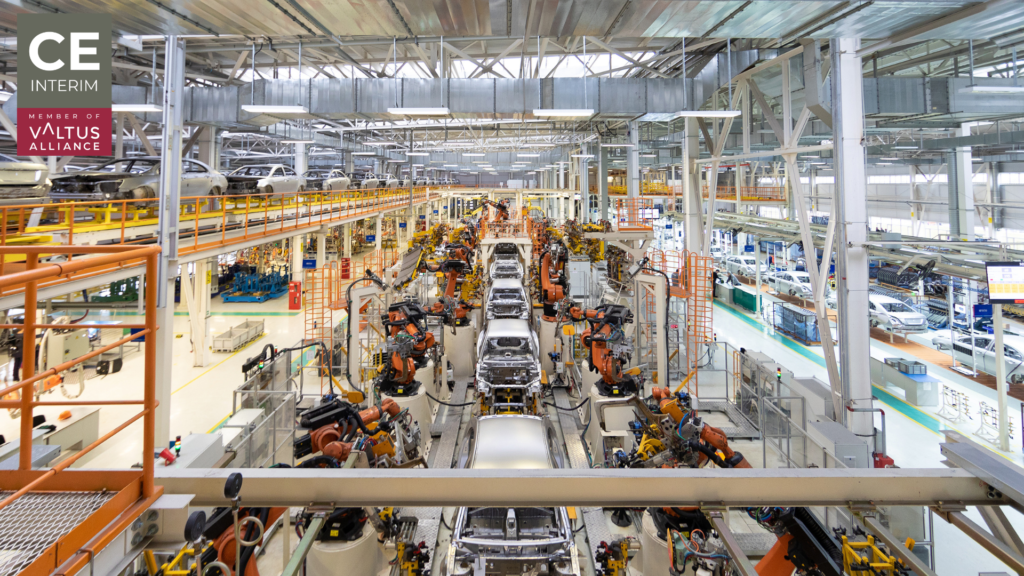
Nemški konglomerat pod vodstvom enega operativnega direktorja (COO) upravlja tovarne na Poljskem in v Srbiji. Poljska izpolnjuje načrtovane dobave. Srbija pa povečuje nove proizvodne zmogljivosti. Upravni odbor skupine prejema mesečne ključne kazalnike uspešnosti (KPI): skupna proizvodnja poteka po načrtu, kapitalski izdatki so v okviru proračuna, portfelj pa se zdi stabilen. Kar upravni odbor ne vidi, je, da se kazalniki proizvodnje na ravni 2 v srbskem obratu poslabšujejo na načine, ki jih skupno poročanje prikriva. Pomanjkanje delovne sile skrajšuje roke. Mejniki za dostavo strankam se zamikajo. Do trenutka, ko uradno poročilo o težavah prispe do upravnega odbora, so se stroški zamude že konkretizirali. Osnovni problem To ni nekompetentnost. To je zgodba o tem, kako nadzor nad delovanjem dobaviteljev drugega reda (Tier 2) odpove, ko upravljanje portfelja temelji na agregatnih kazalnikih, pozornost uprave pa se osredotoča na lokacije, ki izpolnjujejo načrt. Tržni kontekst Srbska avtomobilska industrija je leta 2025 ustvarila 4 milijarde evrov izvoza, kar predstavlja 12,3 odstotka celotnega izvoza. Glede na študijo trga dela UNDP se bo povpraševanje po delovni sili v Srbiji povečalo s 125.000 v letu 2024 na 144.000 v letu 2026, pri čemer bo vodilna vloga pripadala predelovalni industriji. Vpliv se je izrazito pokazal leta 2025: 1. 12.640 delavcev v srbskem avtomobilskem sektorju je bilo napotenih na plačani dopust z 60-odstotnim nadomestilom dlje, kot je zakonsko dovoljeno. 2. To je povzročilo odpust več kot 6.000 zaposlenih. 3. Učinek se je kaskadno razširil v zamude pri povečanju proizvodnje, ki jih sedež v regiji DACH ni zaznal, dokler niso prišle kazni zaradi zamud pri dobavi strankam. Odločitev 1: Koliko lokacij lahko nadzira operativni direktor, ne da bi izgubil pregled? Strukturna vrzeli v odgovornosti: Izvršni direktor, ki nadzoruje več lokacij, običajno upravlja prek četrtletnih pregledov in poročanja o izjemah. To deluje, ko so lokacije zrele in delujejo po načrtu. Sistem se sesuje, ko izvršni direktor hkrati upravlja lokacijo, ki že dobavlja (Poljska), in lokacijo v fazi povečanja proizvodnje (Srbija). Lokacija, ki že dobavlja, zahteva pozornost za optimizacijo. Lokacija v fazi zagona pa zahteva eskalacijo in reševanje problemov. Ena oseba ne more obema posvetiti zadostne pozornosti. Kaj se je dejansko zgodilo 8. mesec zagona: Srbska enota ni dosegla ciljev pri zaposlovanju delovne sile. Vodja obrata je na to opozoril operativnega direktorja. Operativni direktor je razumel tveganje, vendar zadeve ni eskaliral na upravni odbor, saj so skupni podatki portfelja še vedno izgledali sprejemljivo, kar je bilo posledica trdne izvedbe na Poljskem. Odločitev, da se zadeva ne eskalira, je bila racionalna ob predpostavki, da se odstopanje na ravni 2 lahko reši na lokalni ravni. Ta predpostavka je bila napačna. Zakaj se pozornost upravnega odbora izgubi Prihodki srbskega avtomobilskega sektorja so se povečali s 7,2 milijarde evrov v letu 2023 na 8,3 milijarde evrov v letu 2024, vendar so napovedovalci januarja 2026 opozorili, da bi leto 2025 lahko bilo znatno šibkejše zaradi padajočega povpraševanja v EU, kot poroča revija CorD Magazine. Ta zunanji pritisk je bil že znan. Neznano pa je bilo, da bo pomanjkanje delovne sile skrajšalo časovno okno za okrevanje. Odločitev 2: Pri kakšnem pragu odstopanja se sproži pregled s strani upravnega odbora? Past agregatnih kazalnikov Večina upravnih odborov prejema ključne kazalnike uspešnosti (KPI) na ravni portfelja, ne pa podrobnosti po posameznih lokacijah. Manjkajoče pravilo za odločanje Le malo upravnih odborov je izrecno opredelilo prag odstopanja, pri katerem je za pospešitev na sekundarnem trgu potrebno posredovanje na ravni upravnega odbora. V praksi je to, kaj predstavlja anomalijo, subjektivno. Odločitev 3: Kdo sproži postopek, preden to stori stranka? Problem izrivanja kvalificirane delovne sile Prehod Stellantisa na električna vozila v Kragujevcu ponazarja ta problem. Prehod je povzročil 12-odstotno zmanjšanje povpraševanja po tradicionalnih strojevodjih v primerjavi z enakim obdobjem prejšnjega leta, hkrati pa 34-odstotno povečanje povpraševanja po tehnikih za baterije. Vodja tovarne, ki se sooča s tem prehodom, tega ne more rešiti na lokalni ravni. Specializiranih veščin ni na voljo v zadostni meri. To zahteva prerazporeditev kapitala na ravni upravnega odbora. Možnosti, ki so na voljo upravnemu odboru: 1. Izpopolnjevanje znanja (drago in počasno). 2. Izvajanje neosnovnih montažnih delov zunanjim izvajalcem (zmanjšanje marže). 3. Podaljšanje časovnega okvira za povečanje proizvodnje (zamude pri donosu denarja). 4. Vodja tovarne ne more sprejeti te odločitve. Operativni direktor (COO) ne sme zadeve eskalirati brez pooblastila uprave. Ko eskalacija s strani stranke postane obveznost Stranke proizvajalcev originalne opreme (OEM) delujejo po fiksnih dobavnih urnikih. Zamuda od dveh do štirih tednov je običajno odstopanje. Zamuda od osmih do dvanajstih tednov sproži uradno eskalacijo in pregled kazni. Potek eskalacije v primeru Srbije: 1. 8. mesec: Direktor tovarne bi moral zadevo eskalirati k operativnemu direktorju, ko niso bili doseženi cilji glede delovne sile. 2. 10. mesec: Operativni direktor bi moral zadevo eskalirati k upravnemu odboru, in sicer kot tveganje za zamudo pri dobavi stranki. 3. 12. mesec: Stranka je opazila zamudo zaradi poznih pošiljk. 4. 13. mesec: Stranka je vložila uradno reklamacijo. Tako se napake v operativnem nadzoru na ravni 2 spremenijo v tveganje eskalacije pri stranki in denarno obveznost. Zakaj agregatni KPI ne odražajo operativne realnosti Upravni odbor običajno spremlja obseg portfelja, kapitalske izdatke, maržo in denarni tok. To odstopanje je lahko še znotraj tolerance, če so bili tržni neugodni vplivi že upoštevani. Kar agregatni kazalniki ne prikazujejo, je sestava: Poljska presega cilje, da bi nadomestila strukturne težave v Srbiji. Poljska tega ne more vzdrževati 18 mesecev. Ko se Poljska v 16. mesecu vrne na običajno raven delovanja, se portfelj sesuje. Vprašanje posredovanja, ko pride do eskalacije na ravni upravnega odbora V 13. mesecu stranka uradno vloži zahtevek za kazen zaradi zamude pri dobavi. Upravni odbor ima na voljo tri možnosti. 1. Vložiti kapital in začasne vodstvene kadre za reševanje poslovanja. To zahteva 15 do 20 milijonov evrov in predpostavlja, da se razmere na trgu dela in potrpežljivost strank ohranita. 2. Podaljšati zagon za šest mesecev. To odloži denarni donos, vendar zmanjša mesečni pritisk na plače. 3. Prodati ali zapreti poslovanje ter združiti srbsko oskrbo v Poljski ali Romuniji. Upravni odbor se sooča z odločitvijo o prestrukturiranju, ki bi jo moral sprejeti v 10. mesecu, ko je odstopanje še bilo notranje. Možnosti upravnega odbora so se zožile. V 13. mesecu, ko je stranka že eskalirala problem, ima vsak novo imenovani vodja manj vpliva in mora delovati v okviru strožjih omejitev. Arhitektura upravljanja za strukturno preprečevanje brez točke enotne odpovedi Strukturalni problem ni v tem, da en operativni direktor (COO) nadzoruje več lokacij. Problem je v tem, da je odgovornost za odstopanja pri povečanju proizvodnje razporejena med več vlog, brez jasne odgovornosti za eskalacijo. Trdnejša struktura dodeljuje izrecno odgovornost v tem zaporedju: 1. Vodja obrata je odgovoren za uspešnost na ravni lokacije in mora zadevo eskalirati na operativnega direktorja, če kateri koli vodilni kazalnik preseže določeno mejno vrednost. 2. Operativni direktor je odgovoren za uspešnost portfelja več lokacij in mora zadevo eskalirati na upravni odbor, če je mejna vrednost presežena. 3. Upravni odbor je odgovoren za pregled odstopanj na ravni portfelja in mora v določenem časovnem okviru sprejeti odločitev o prerazporeditvi kapitala ali prilagoditvi obsega. Ločitev nadzora nad povečanjem proizvodnje od agregatnega poročanja Večina upravnih odborov vsako četrtletje prejema ključne kazalnike uspešnosti (KPI) na ravni portfelja. To je primerno za
Ko se številke ne ujemajo: preiskava češkega obrata brez povzročanja kaosa

Na kratko: Finančni registri, evidence odpadnega materiala in vrednotenja zalog v češkem obratu se ne ujemajo več. Nemški upravni odbori se tako soočajo z resnično odločitvijo glede upravljanja. Neuradni klic direktorju obrata ali finančnemu nadzorniku daje kompromitiranemu vodstvenemu delavcu čas, da prilagodi evidence. Uradna preiskava izgubi element presenečenja. Čakanje prav tako poveča tveganje za goljufije in zakonsko odgovornost direktorjev v skladu s češko zakonodajo. Učinkovit pristop je drugačen: diskretna, dvosmerna preiskava. Začasni izvršni direktor z dejansko operativno pristojnostjo v nekaj dneh na kraju samem ugotovi dejstva. Proizvodnja, dobave strankam in plačila dobaviteljem potekajo brez prekinitve. Sprožilci revizije: zakaj nemški upravni odbori oklevajo pri začetku preiskav Opozorilo informatorja ali anonimni namig se lahko pojavi kadarkoli. Enako velja za neskladje v zalogah, ki ga ni mogoče uskladiti, iz češkega obrata v Plznu, Liberecu ali Brnu. Izvršni odbori v Münchnu, Stuttgartu ali Frankfurtu se nato soočajo z resnično dilemo. Uradna forenzična preiskava, ki jo vidno vodi sedež podjetja, prinaša resnična tveganja. Ne le da lahko destabilizira dobave strankam, ampak lahko tudi odtuji zaupanja vrednega lokalnega direktorja, t. i. »jednatelja«. Prav tako lahko postane javna na način, ki škoduje ugledu matične družbe. Pod tem pritiskom se neformalni klic lokalnemu direktorju tovarne zdi kot previden prvi korak. To je razumljivo: nihče ne želi eskalirati neskladja, ki bi se lahko izkazalo za administrativno napako. Problem je drugje: celo klic z dobrimi nameni daje ogroženemu direktorju čas za ukrepanje. Direktor lahko prilagodi proizvodne dnevnike, popravi stanje zalog ali izbriše elektronsko korespondenco, preden prispejo preiskovalci. Neusklajene zaloge, nepojasnjeni odpadki in neodobrena prodaja odpadkov so redko naključni. Običajno skrivajo problem z donosom proizvodnje, nepooblaščeno poslovno dogovor ali preusmerjanje marže. Raziskava podjetja McKinsey & Company o preiskavah kakovosti podatkov v proizvodnji potrjuje isto ugotovitev. Upravni odbori morajo operativne neskladnosti izolirati in odpraviti s pomočjo strukturiranih protokolov za ugotavljanje vzrokov, ne pa s telefonskim klicem. Vsak teden, ko ostane nepravilnost nepreiskana, se finančno tveganje povečuje, dokazna sled pa se slabša. Čezmejno upravljanje proizvodnje: tveganja v nemško-češki dobavni verigi Proizvodne mreže med Nemčijo in Češko delujejo na visoko integriran način, pogosto po načelu »just-in-time«. Organizacije, kot je Nemško-češka gospodarska zbornica (DTIHK), podpirajo to integracijo. Motnja v enem samem obratu lahko v oseminštiridesetih urah vpliva na nemške montažne linije. Preiskovanje znotraj te mreže prinaša štiri različne zaplete. 4 operativni izzivi pri čezmejnih revizijah obratov Lokalna politika lahko spremeni okvir preiskave. Nenapovedana revizijska ekipa podjetja, ki prispe z vidnim pravnim nadzorom, spremeni, kako obrat razume preiskavo. Lokalno vodstvo lahko to predstavi kot ukrep sedeža proti lokalnim delavcem, ne pa kot konkretno finančno vprašanje. Takšna interpretacija lahko sproži odpor sindikatov, delo po pravilih in izgubo težko nadomestljivega tehničnega osebja. Tveganje je resnično, a se mu je mogoče izogniti. Preiskava potrebuje takšno držo na kraju samem, ki se ne razume kot napad iz daljave. Goljufije v proizvodnji so fizične, ne le digitalne. Ponarejeni dnevniki o odpadnem materialu lahko prikrivajo nepooblaščene nadure ali neuradno prodajo kovin lokalnim podjetjem za recikliranje. Neevidentirana nedokončana proizvodnja lahko napihne bilanco hčerinske družbe, da bi dosegla pragove za izplačilo bonusov. Ugotavljanje, kaj se je dejansko zgodilo, zahteva poznavanje razmer v proizvodnji, ne le pregleda preglednic. Zakonite obveznosti izhajajo iz češke zakonodaje, ne iz nemške. V skladu s češkim Zakonom o gospodarskih družbah (Zakon št. 90/2012 Zb.) ima direktor, tj. »jednatel«, zakonsko obveznost skrbnosti in lojalnosti. Češka zakonodaja to obveznost imenuje »péče řádného hospodáře«. Če preiskava potrdi kršitev zakonskih obveznosti, mora ekipa skrbno zbrati dokaze. Ti morajo biti že od samega začetka dopustni v okviru češkega civilnega postopka, ne pa naknadno prilagojeni. Proizvodnja se ne sme ustaviti, medtem ko preiskovalci ugotavljajo dejstva. Naročila strank je še vedno treba izpolniti, surovine še vedno sprejeti, dobaviteljem pa še vedno plačati, medtem ko preiskava poteka. Računovodje ne morejo preprosto pregledovati pet let računov iz Nemčije, medtem ko je obrat zaustavljen. To ni realistično za obrat, ki oskrbuje montažne linije proizvajalcev originalne opreme (OEM). Uravnoteženje korporativnega upravljanja z operativnimi realnostmi hčerinskih družb Pri vsem tem ne gre za zgodbo o nezanesljivem lokalnem obratu v nasprotju z budnim sedežem družbe. Vodstvo lokalnega obrata običajno deluje pod lastnimi pritiski. Sedež centralno določa proizvodne cilje, marže pa ostajajo nizke. Tovarna pogosto nima jasne poti, po kateri bi lahko izrazila zaskrbljenost, preden se pojavi vidno neskladje. Večina nadzornikov in delavcev v proizvodnji ni vključena v sistem poročanja. Nihče jih ne sme obravnavati kot osumljence zgolj zaradi povezave s tovarno. Obe strani potrebujeta isto: en preverjen sklop dejstev, potrjenih, preden jih kdor koli lahko spremeni. Odkrivanje finančnih nepravilnosti: opozorilni znaki pri poročanju o zalogah in odpadkih Tri ali več teh vzorcev, ki se pojavijo skupaj, kažejo na namerno izkrivljanje močneje kot katera koli posamezna nepravilnost sama po sebi. Ko se jih pojavi več skupaj, situacija presega okvir preprostega vprašanja o poročanju. Zahteva operativno pooblastilo na kraju samem, ne pa še enega kroga e-poštnih sporočil. Začasni poseg vodstva: izvedba dvosmerne forenzične revizije Zaporedje je pomembnejše od posameznih korakov. Začasni izvršni direktor potrebuje resnično zakonsko pooblastilo že od prvega dne. To pooblastilo se ne sme pridobivati postopoma, šele ko se zaupanje okrepi. Zavarovanje dokazov v obratu in vzpostavitev izvršilne oblasti Prvi korak je imenovanje začasnega izvršnega direktorja ali začasnega finančnega direktorja na kraju samem z resničnim operativnim mandatom. Najbolj verodostojno pooblastilo je povezano z dejansko poslovno prednostno nalogo, kot je analiza uspešnosti ali načrtovan pregled zmogljivosti. Vodstveni delavec dejansko vodi uspešnost obrata in zagotavlja njegovo neprekinjeno delovanje že od prvega dne. Ugotavljanje dejstev nato poteka naravno v okviru tega pooblastila. Če bi to napovedali kot ločeno dejavnost, bi to ogroženemu vodstvenemu delavcu le dalo čas, da spremeni evidence. V prvih štiriindvajsetih do oseminštiridesetih urah je prednostna naloga zavarovanje dokazov. To pomeni elektronske evidence, podatke iz sistema ERP, e-poštne strežnike in fizične proizvodne dnevnike, vse to pa brez povzročanja panike v proizvodnji. Pomeni tudi nenapovedano fizično popisovanje surovin, nedokončane proizvodnje in končnih izdelkov, ki se primerja z glavno knjigo. Popis običajno poteka čez vikend, ko ne moti proizvodnje. Usklajevanje fizičnega popisa z ERP-podatki o proizvodnji Usklajevanje se začne šele, ko je baza dokazov zavarovana. Ekipa preveri podatke o delovnem času strojev in porabi energije ter jih primerja z navedeno proizvodnjo. To pokaže, ali je oprema proizvajala serije, ki niso bile vknjižene, ali pa je nekdo
 EN
EN  DE
DE  FR
FR  IT
IT  PL
PL  RO
RO  CS
CS  SK
SK  HU
HU  ES
ES  RU
RU  AR
AR  SL
SL