

Stručně řečeno
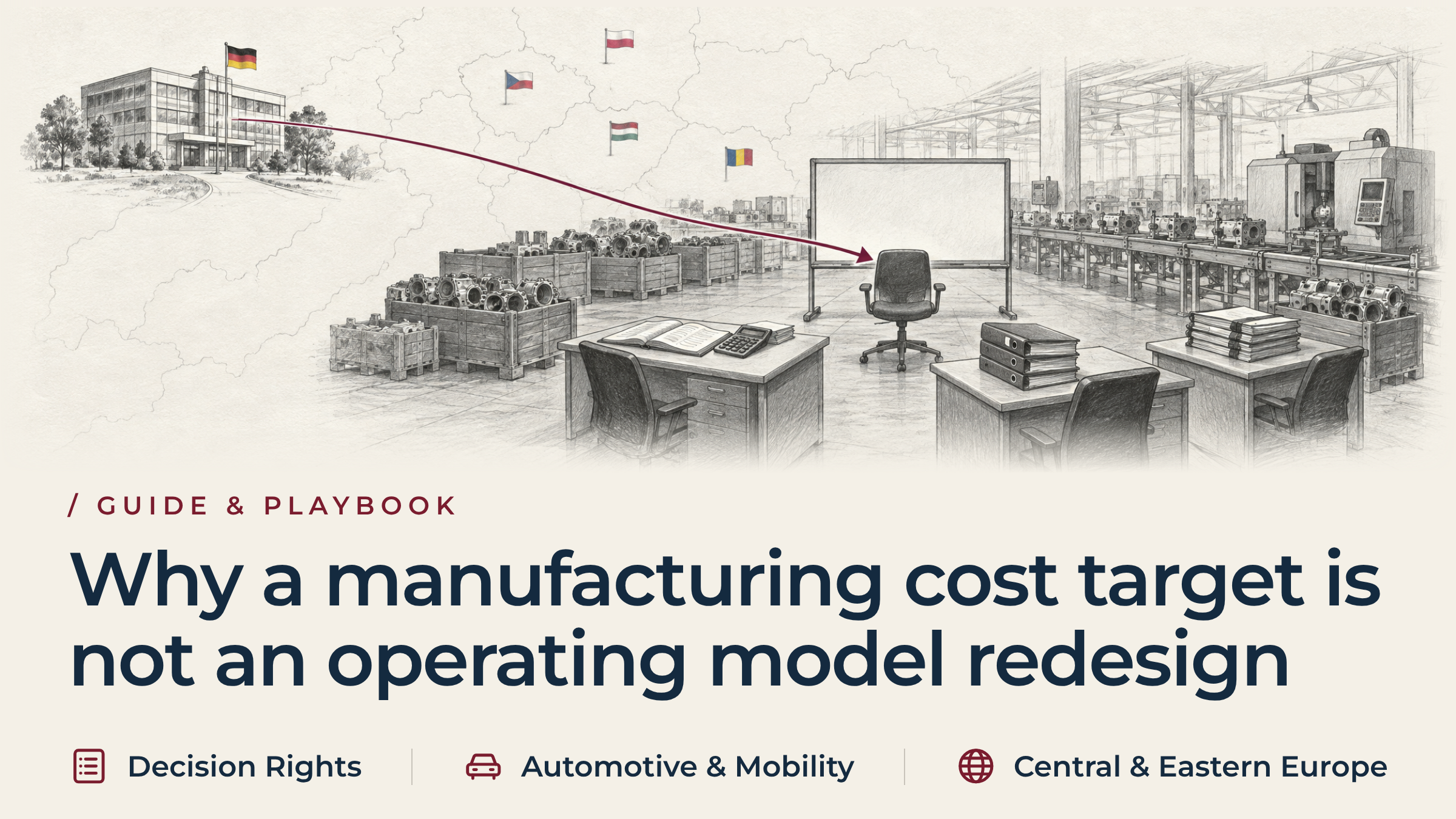
Integrace po fúzi mezi německými vlastníky a převzatými polskými závody se často v průběhu prvního roku zastaví, a to nikoli kvůli technologii, ale proto, že centralizované německé struktury podávání zpráv a schvalování jsou zaváděny rychleji, než je místní provozní vedení schopno je vstřebat. Předpoklady o synergii tiše selhávají, zatímco obě strany se domnívají, že integrace probíhá podle plánu. Obnovení dynamiky vyžaduje vedoucího pracovníka přímo na místě, který má pravomoc promítnout řízení skupiny do každodenních rozhodnutí závodu, jasné delegování pravomocí od prvního dne a postup, který stabilizuje provozní toky ještě před harmonizací back-office systémů.
První náznaky neshod při akvizicích polských závodů, které představenstva přehlížejí
Třecí plochy se obvykle objevují nenápadně. V měsíčních integračních zprávách ze závodů v Poznani, Katovicích nebo Bydhošti se začínají objevovat nesplněné milníky: migrace do systému ERP se zpožďuje kvůli složitosti místních systémů, úspory v oblasti nákupu se odkládají, protože je třeba přezkoumat stávající smlouvy s dodavateli, a pokles v plnění dodávek se připisuje reorganizaci po uzavření dohody.
Žádné z těchto vysvětlení není samo o sobě nepřiměřené. Poté, co představenstvo obhájilo ocenění a argumenty pro synergii před investičním výborem, má tendenci vnímat počáteční třenice jako běžné přizpůsobení, nikoli jako varovný signál. Tato tendence je pochopitelná. Riziko spočívá v tom, že každé z těchto vysvětlení, které je samo o sobě rozumné, oddaluje okamžik, kdy centrála položí náročnější otázku. Probíhá v závodě skutečně integrace, nebo zde fungují dva paralelní systémy, které z dálky vypadají oba přijatelně?
Výzkum realizace synergií po fúzi z McKinsey Společnost & Company poukazuje na trend, který to potvrzuje: kupující běžně přeceňují rychlost dosažení synergií a podceňují jednorázové integrační potíže, přičemž více než šedesát procent průmyslových fúzí nedosahuje provozních marží předpokládaných při podpisu smlouvy. K poklesu hodnoty při akvizicích ve zpracovatelském průmyslu dochází spíše postupně než jako jediná viditelná událost, a právě to ztěžuje představenstvu přijmout příslušná opatření již ve třetím či čtvrtém měsíci.
Strukturální příčiny neúspěchu německo-polských podniků po fúzi
Polsko je jedním z nejvýznamnějších výrobních partnerů Německa a vzájemné průmyslové vazby jsou velmi hluboké. Právě kvůli této blízkosti se může snadno podcenit provozní vzdálenost. Problémem je málokdy jazyk. Jde spíše o rozpor mezi tím, jak se rozhodnutí přijímala před akvizicí, a tím, jak si nový vlastník představuje jejich přijímání po ní.
Mnohé z převzatých polských průmyslových podniků vybudovali jejich zakladatelé a majitelé, kteří závod řídili prostřednictvím přímých vztahů s pracovníky na výrobní lince a rychlých ústních rozhodnutí. Když německá mateřská společnost zavede maticovou strukturu podřízenosti, která vyžaduje funkční schválení z ústředí i v případě rutinních záležitostí, jako je oprava nástrojů nebo změna směny, místní rozhodování se nestane disciplinovanějším. Stane se pomalejším a lidé, kteří dříve disponovali touto pravomocí, začínají ztrácet schopnost reagovat na to, co vidí přímo ve výrobě.
Hned za tím následuje druhý, méně nápadný problém. Podnikové výkaznictví může vytvářet dojem sjednocení, aniž by tomu tak ve skutečnosti bylo. Místní týmy se naučí vyplňovat šablony, které centrála očekává, zatímco každodenní provoz nadále řídí pomocí neformálních záznamů, které lépe odrážejí skutečný stav věcí. Žádná ze stran nejedná ve zlém úmyslu. Centrála potřebuje standardní výkaznictví k řízení portfolia; závod potřebuje způsob řízení výroby, který standardní šablona nezachytí. Výsledkem jsou dvě verze pravdy, přičemž obě jsou udržovány v dobré víře.
K tomu se přidávají ještě dva další faktory. Kvalifikovaní výrobní manažeři, inženýři automatizace a nástrojaři jsou velmi žádaní ve výrobních centrech, jako je Dolní Slezsko a Velkopolsko. Pokud integrace zvyšuje administrativní zátěž a omezuje rozhodovací pravomoci, aniž by je nahradila jasnými pravidly, jsou to právě tito odborníci, kteří s největší pravděpodobností odejdou ke konkurenci. A centrálně navrhované zavádění ERP systémů nebo procesů, realizované bez úzké spolupráce s výrobní linií, často vychází z konfigurací strojů, dodacích lhůt dodavatelů a modelů pracovní síly, které neodpovídají konkrétnímu závodu. Výzkum Zpráva společnosti Boston Consulting Group o rámcích pro integraci po fúzi poukazuje na související skutečnost: cílový provozní model navržený bez zapojení pracovníků z výroby má tendenci vytvářet právě ta provozní úzká místa, kterým měl původně zabránit.
Klíčové varovné signály naznačující zastavení integrace ve výrobním odvětví po fúzi
Představenstvo nemusí čekat na formální prověrku, aby zjistilo, zda se v nabytém závodě nevyskytuje tento jev. Společný výskyt několika málo příznaků je spolehlivým ukazatelem.
Křivky synergie se po prvních sto dnech zplošťují: podařilo se sice využít slevy z včasných nákupů, avšak v oblasti plánovaného přerozdělení výroby, sdílených služeb a racionalizace výrobních nástrojů nedochází k žádnému dalšímu pokroku. Výkaznictví se začíná rozcházet – pro německou centrálu se připravuje jedna sada čísel a pro každodenní provoz závodu se používá samostatná, neformální sada. Dosavadní místní vedoucí pracovníci přecházejí od aktivního vedení k pasivnímu plnění předpisů; účastní se videohovorů, ale již nepřebírají osobní odpovědnost za provozní odchylky. Zákazníci u zavedených produktových řad, kterým byly dříve poskytovány spolehlivé služby, začínají pociťovat nestabilitu, protože výroba je narušována změnami procesů nebo centralizovanými rozhodnutími o nákupu. A centrála začíná opakovaně vysílat své vlastní kontrolory a funkční specialisty, aby řídili základní funkce závodu, což zvyšuje náklady, aniž by se budovaly místní kapacity.
Pokud se během prvního roku objeví tři nebo více z těchto příznaků, je třeba změnit základní integrační model. Další kolo centrálního podávání zpráv nebo zapojení strategické poradenské společnosti za účelem přepracování integračního plánu řeší spíše administrativní záležitosti než mezeru v pravomocích, která ve skutečnosti zpomaluje oživení.
Strategie oživení zaměřené na obnovení dynamiky v závodech po akvizici
Obnovení dynamiky znamená nahradit dálkový dohled vedením přímo na místě, které dokáže současně plnit obě role v rámci tohoto vztahu: být odpovědné vůči skupinovému vedení a zároveň být dostatečně blízko závodu, aby mohlo přijímat rozhodnutí, která závod skutečně potřebuje.
- Prvním požadavkem je manažer, který dokáže tuto pozici důvěryhodně zastávat. Dočasný generální ředitel nebo dočasný ředitel pro integraci, který ovládá zásady německé korporátní správy a má přímé provozní zkušenosti v Polsku, dokáže převést očekávání skupiny do funkčního rytmu na pracovišti a zároveň ochránit každodenní provoz před narušením, které by oživení neprospělo.
- Druhým požadavkem je jasné vymezení toho, kdo o čem rozhoduje – a to stanovené již na počátku, nikoli ponechané na pozdější vývoj. Matice delegování pravomocí, na které by se mělo dosáhnout během prvních dvou týdnů, by měla místnímu vedení poskytnout jasnou autonomii v oblasti plánování směn, výdajů na údržbu pod stanovenou hranicí a běžného doplňování zásob, zatímco alokace kapitálu, stanovení cen pro klíčové zákazníky a řízení dodržování předpisů zůstanou v kompetenci skupiny.
- Třetím požadavkem je pořadí. Stabilizace taktového času ve výrobě, včasné dodávky a kvalita již při prvním průchodu výrobním procesem by měly mít přednost před úplnou integrací systémů ERP, HR a účetnictví. Závod, který i nadále ziskově dodává vyhovující výrobky, zvládne postupnou integraci systémů; závod, který již má potíže s dodávkami, však nedokáže zvládnout obojí najednou.
- Čtvrtým požadavkem je pracovní rytmus, který nahrazuje pasivní měsíční podávání zpráv uzavřeným cyklem: krátké, aktivní týdenní hodnocení, které přímo propojuje německé vedoucí jednotlivých funkčních útvarů s vedením na místě, takže odchylky jsou viditelné a řeší se ještě v rané fázi. McKinseyho výzkum Studie o realizaci fúzí a akvizic označuje právě tento druh disciplinovaného a aktivního řízení za jeden z nejzřetelnějších faktorů, které odlišují integrace, které si zachovají svou hodnotu, od těch, u nichž tomu tak není. Dočasný partner společnosti CE se na tomto procesu podílí po celou dobu trvání mandátu, takže disciplína v řízení nezávisí pouze na přítomnosti dočasného manažera v místnosti.
Řízení přeshraniční správy a místní provozní autonomie
Za tento rozpor nemůže ani jedna ze stran tohoto vztahu a ani jedna z nich jej nedokáže vyřešit sama. Centrála pracuje s agregovanými a zpožděnými informacemi a oprávněně požaduje spolehlivé podávání zpráv, kapitálovou disciplínu a rychlý postup při eskalaci problémů. Místní tým pracuje v rámci hierarchie, pro kterou nebyl vytvořen, a jeho požadavek na realistické lhůty a funkční rozhodovací pravomoci je stejně tak oprávněný. Úlohou vedoucího pracovníka na místě je vybudovat jednu společnou faktickou základnu a jednu rozhodovací strukturu, které mohou obě strany důvěřovat, a nikoli vystupovat jako vykonavatel příkazů ústředí nebo jako obhájce místního týmu.
Případová studie: Oživení polského výrobního závodu po akvizici
Následuje anonymizovaná případová studie týkající se mandátu.
Výzva. Německá skupina zabývající se průmyslovým vybavením koupila soukromou firmu zabývající se kovovýrobou a lisováním v okolí Poznaně za 28 milionů eur, přičemž investiční záměr byl založen na rozšíření kapacit a snížení konverzních nákladů o 22 procent. Devět měsíců po uzavření transakce nečekaně odstoupil polský zakladatel, následovali ho klíčoví technici, náklady na zpracování vzrostly o 14 procent a míra vad u zákazníků se ztrojnásobila, protože výrobní personál se musel vypořádat s novými německými požadavky na dokumentaci, na které nebyl proškolen.
Diagnostika. Kontrola přímo na místě odhalila, že centrála zavedla podnikový software a vícestupňové schvalovací procesy, aniž by místní vedoucí pracovníky proškolila v jejich používání. Běžné úpravy nástrojů čekaly na schválení z Německa a závod tak prakticky přestal přijímat vlastní provozní rozhodnutí.
Zásah. Společnost CE Interim umístila Interim Plant Manager na místě do 72 hodin od schválení zadání. Vedení znovu zavedlo jasná rozhodovací pravomoci na výrobní úrovni, zjednodušilo schvalovací proces v oblasti inženýrství, obnovilo denní kontrolní schůzky vedoucích pracovníků a vytvořilo společný německo-polský řídící výbor, jehož úkolem bylo naplánovat zavádění ERP systému tak, aby odpovídalo skutečným kapacitám závodu.
Výsledek. Během devadesáti dnů klesl podíl zmetků z 6,4 % na 1,9 %, fluktuace zaměstnanců se zastavila a včasnost dodávek se zvýšila na 98,2 %. Během následujících šesti měsíců tento manažer dokončil integraci skupinového nákupu, čímž zajistil roční úspory na materiálu ve výši 1,4 milionu eur, a předal vedení společnosti stálému polskému generálnímu řediteli v rámci stabilizované řídící struktury.
Často kladené otázky týkající se integrace po fúzi v Polsku
Proč mají manažeři pro trvalou integraci najatí zvenčí v této situaci často potíže?
Nábor stálého zaměstnance trvá měsíce a s sebou přináší stávající napětí mezi ústředím a místním týmem. Společnost CE Interim urychluje integraci nasazením objektivního vedoucího pracovníka, který přichází s okamžitou rozhodovací pravomocí a nezávislým postavením, čímž zcela obchází dřívější konflikty.
Měl by německý kupující po uzavření transakce vyměnit nabytý polský vedoucí tým?
Málokdy hned. Stávající vedení disponuje klíčovými vztahy se zákazníky, technickými znalostmi a důvěrou zaměstnanců ve výrobě. Společnost CE Interim chrání tato aktiva tím, že nejprve zavede jasné řídící mechanismy, což umožňuje objektivní posouzení skutečných schopností týmu ještě před přijetím jakýchkoli strukturálních personálních rozhodnutí.
Jak může dočasný manažer snížit riziko ztráty klíčových technických pracovníků během integrace?
Talentovaní pracovníci odcházejí, když jim nejasnosti a byrokratické překážky znemožňují efektivně pracovat. Společnost CE Interim zajistí, že si udržíte své klíčové technické pracovníky tím, že rychle odstraní zbytečné schvalovací úrovně, vyjasní role a obnoví předvídatelný pracovní rytmus, který jim umožní soustředit se na svou práci.
Jak dlouho obvykle trvá projekt integrace výrobních procesů po fúzi?
Většina mandátů trvá šest až dvanáct měsíců a postupně přechází od stabilizace přes využití synergií až po předání. Společnost CE Interim organizuje celý tento životní cyklus tak, aby byl provoz zcela stabilní a procesy integrovány ještě před bezpečným předáním řízení stálému místnímu vedení.
Zpomalí integrace systémů ERP a back-office využívání synergií?
Ne, pokud je postup správně naplánován. Vynucení integrace IT před stabilizací výroby naruší právě ty provozní procesy, na nichž vaše synergie závisí. Společnost CE Interim tento proces řádně koordinuje a nejprve zajistí dodržování základních standardů v oblasti dodávek a kvality, teprve poté přistoupí k integraci systémů, aby ochránila jak vaše synergie, tak kontinuitu služeb pro zákazníky.
Související zdroje týkající se řízení výroby ve střední Evropě
Pro lepší pochopení si přečtěte následující materiál:
Pokud se u nedávné akvizice v Polsku projevují integrační potíže, nenaplňují se předpoklady ohledně synergií nebo není jasně vymezena pravomoc místních orgánů, pak Prozatímní partner CE může pomoci vymezit výkonný mandát, který si současná situace vyžaduje.
 EN
EN  DE
DE  FR
FR  IT
IT  PL
PL  RO
RO  CS
CS  SK
SK  HU
HU  ES
ES  RU
RU  AR
AR  SL
SL