
Interims-Finanzvorstand oder Sanierungsberater: Wer stellt in einem in Schwierigkeiten geratenen polnischen Werk wieder die Kontrolle über die Liquidität her?

Kurz gesagt: Eine polnische Produktionsgesellschaft gerät plötzlich in eine Liquiditätskrise. Der CFO des Konzerns steht daraufhin vor einer Entscheidung: Entweder er beauftragt einen Interim-CFO mit der Liquiditätssteuerung vor Ort oder er beauftragt eine Beratungsfirma für Restrukturierungen. Die Berater erstellen solide Finanzmodelle. Sie informieren die Kreditkonsortien umfassend. Aber sie unterzeichnen keine Bankzahlungen. Sie verhandeln nicht mit aggressiven lokalen Gläubigern. Sie beheben keine Liquiditätsverluste in der Produktion. Wenn die Liquiditätsreichweite auf wenige Tage schrumpft, braucht das Unternehmen eine Führungskraft mit Handlungsbefugnis. Es braucht keinen Bericht, der eine solche empfiehlt. Umgang mit Liquiditätskrisen: Wenn polnische Produktionsstätten vor einem Liquiditätsabgrund stehen – Liquiditätsengpässe bauen sich selten langsam auf. Der Konzernfinanzvorstand teilt der Geschäftsleitung mit, dass das polnische Werk seinen Überziehungskredit bis zum Limit ausgeschöpft hat. Gleichzeitig stellen Rohstofflieferanten in Schlesien und Großpolen das Werk auf Vorauszahlungsbedingungen um. Sie drohen, die Lieferungen innerhalb von 48 Stunden einzustellen. Die Zentrale prüft die Situation genau, und die Zahlen gehen nicht auf. Die Monatsabschlussberichterstattung hat einen wachsenden Rückstand bei den Verbindlichkeiten aus Lieferungen und Leistungen verschleiert. Sie hat strittige Kundenabzüge und in unfertigen Erzeugnissen gebundenes Kapital verschleiert. Das Werk benötigt Notfallfinanzierung von der Muttergesellschaft, um überhaupt die Gehaltszahlungen am Freitag leisten zu können. An diesem Punkt muss der Finanzvorstand des Unternehmens sich für ein Beratungsmodell entscheiden. Die Beauftragung einer bekannten Beratungsmarke erscheint als sicherer erster Schritt. Ein umfassender Diagnosebericht beruhigt den Aufsichtsrat, und die Kreditgeber erwarten einen solchen. Doch ein Beratungsmandat beantwortet eine andere Frage als die, vor der das Unternehmen derzeit steht. Berater beobachten, analysieren und präsentieren den Gremien Optionen. Sie verfügen nicht über Bankzeichnungsbefugnis. Sie führen keine Maßnahmen im Unternehmen durch. Wenn nur noch Bargeld für wenige Tage vorhanden ist, braucht der Vorstand keine weitere Analyse darüber, warum das Werk Geld verbrennt. Stattdessen braucht er eine Führungskraft vor Ort. Diese Führungskraft übernimmt die Kontrolle über das Bankportal, verhandelt direkt mit den Gläubigern und setzt vom ersten Tag an Zahlungsdisziplin durch. Überwindung grenzüberschreitender Insolvenzrisiken: Die Kluft zwischen Hauptsitz und lokalen Betrieben Die Kluft zwischen dem CFO des Konzerns und dem polnischen Werk ist nicht nur geografischer Natur. Nach polnischem Recht haften die Mitglieder des lokalen Vorstands (członkowie zarządu) persönlich für eine verspätete Insolvenzanmeldung. In diesem Vorstand ist möglicherweise niemand aus der Konzernfinanzabteilung vertreten. Eine Muttergesellschaft kann Notfallfinanzierungen genehmigen. Sie kann diese gesetzliche Haftung jedoch nicht eigenständig abwenden. Aus der Ferne lässt sich oft nicht erkennen, ob der Vorstand des Werks die Schwelle für die Insolvenzanmeldung bereits überschritten hat. Auch deshalb reicht eine Ferndiagnose nicht aus. Lokale Gläubiger und die polnische Steuerbehörde verhandeln nicht auf der Grundlage eines Berichts. Sie erwarten einen namentlich genannten Geschäftsführer, der über Zeichnungsbefugnis verfügt und sich persönlich zu einem Plan verpflichten kann. Eine ausländische Muttergesellschaft benötigt schnell verlässliche Fakten und eine solide Unternehmensführung. Der lokale Betrieb benötigt jemanden mit echter Befugnis, um auf der Grundlage dieser Fakten zu handeln. Er kann nicht darauf warten, dass die Zentrale jeden Schritt genehmigt. Ein Interim-CFO vor Ort, der ein klares Mandat der Muttergesellschaft und formelle Befugnisse in Polen besitzt, verbindet beide Seiten. Umgang mit dem polnischen Insolvenz- und Konkursrecht: Wesentliche Risiken bei der Einhaltung gesetzlicher Vorschriften Das polnische Recht sieht zwei Insolvenzauslöser vor. Sowohl das Sanierungsgesetz (Prawo restrukturyzacyjne) als auch das Konkursgesetz (Prawo upadłościowe) finden Anwendung. Ein Unternehmen gilt als insolvent, sobald es Verbindlichkeiten, die mehr als drei Monate überfällig sind, nicht mehr begleichen kann. Es gilt ebenfalls als insolvent, sobald die Verbindlichkeiten das Vermögen seit mehr als 24 Monaten übersteigen. Sobald eine dieser Schwellen erreicht ist, muss der Vorstand innerhalb von 30 Tagen Insolvenz anmelden oder ein formelles Restrukturierungsverfahren einleiten. Artikel 299 des Handelsgesetzbuchs (Kodeks spółek handlowych) geht noch weiter. Er ermöglicht es Gläubigern, Vorstandsmitglieder persönlich mit ihrem eigenen Vermögen für unbezahlte Unternehmensschulden in Anspruch zu nehmen, wenn die Anmeldefrist versäumt wird. Ein Sanierungsberater (doradca restrukturyzacyjny) trägt keine persönliche gesetzliche Haftung für die Entscheidungen des Vorstands. Der Finanzvorstand des Unternehmens und die lokalen gesetzlichen Geschäftsführer bleiben haftbar, solange sich ein Diagnosebericht noch im Entwurfsstadium befindet. Finanzentscheidungen an der Basis haben das gleiche Gewicht. Ausbleibende Zahlungen der Einkommensteuer (PIT) oder der Sozialversicherungsanstalt (ZUS) bergen ein weiteres Risiko. Sie können eine persönliche strafrechtliche steuerrechtliche Haftung gemäß dem Steuerstrafgesetzbuch (Kodeks karny skarbowy) auslösen. Jemand muss jeden Tag entscheiden, welche Zahlungen zuerst geleistet werden. Diese Entscheidung erfordert eine Person, die die polnischen gesetzlichen Prioritäten versteht und bereit ist, dafür die Verantwortung zu übernehmen. Strategische Umsetzungsmodelle: Interim-CFO-Mandate vs. Restrukturierungsberatungsaufträge Kriterien Beauftragung eines Restrukturierungsberaters Einsatz eines Interim-CFOs Tägliche Liquidität 12 bis 16 Wochen bestätigte Liquiditätsreichweite. Ziel: eine unabhängige Bewertung oder Refinanzierung. Weniger als 30 Tage Liquiditätsreserve. Lieferanten verweigern Lieferungen. Die Finanzabteilung muss sofort Mittel abschotten. Umsetzungsbedarf: Die Zentrale wünscht eine unabhängige Geschäftsüberprüfung für Kreditgeber oder einen Verkaufsprozess. Der Sanierungsplan ist klar. Dem lokalen Team fehlt die Befugnis, ihn umzusetzen. Erwartungen der Stakeholder: Gläubiger verlangen eine akkreditierte Validierung durch Dritte, bevor sie Verzichtserklärungen erteilen. Lieferanten und Steuerbehörden wünschen direkte Gespräche mit einem Zeichnungsberechtigten. Kompetenz des lokalen Teams: Der Controller ist kompetent und genießt Vertrauen, verfügt jedoch nicht über fundierte Kenntnisse im Bereich Financial Engineering. Der Finanzleiter ist überfordert oder nimmt eine defensive Haltung ein. Die Zentrale benötigt sofort einen Ersatz. Diese Tabelle dient als Orientierungshilfe, nicht als Checkliste. Die beiden Umsetzungsmodelle beantworten unterschiedliche Fragen. Ein Berater ist die richtige Wahl, wenn es darum geht, den Unternehmenswert zu ermitteln oder den richtigen Ansatz für Verhandlungen mit einem Kreditkonsortium zu finden. Ein Interim-CFO ist die richtige Wahl, wenn es darum geht, den Cash-Abfluss dieser Woche zu stoppen. Verwechselt man beides, verliert das Werk oft Wochen an Zeit durch einen Prozess, der für ein anderes Problem konzipiert wurde. Operative Cash-Kontrolle: Ein 90-Tage-Plan für einen Interim-CFO in notleidenden Tochtergesellschaften Ein Interim-CFO, der in ein notleidendes polnisches Werk entsandt wird, beginnt nicht mit einer weiteren Diagnose. Das Mandat ist vom ersten Tag an operativ ausgerichtet. Das bedeutet, vor Ort eine Cash-Leitstelle aufzubauen und persönlich die Verantwortung für das Überleben des Werks zu übernehmen. Phase 1 (Tage 1–10): Einrichtung der Bankkontrolle und Treasury-Sperre Der Interim-CFO übernimmt die alleinige oder gemeinsame Zeichnungsberechtigung für Bankgeschäfte. Alle unüberwachten Zahlungszugriffe auf lokale Konten werden sofort eingestellt. Die Prognosen verlagern sich von buchhalterischen Hochrechnungen hin zu einem direkten Cashflow-Modell. Dieses erfasst Ein- und Auszahlungen und wird täglich mit den tatsächlichen Zahlen abgeglichen.
Warum eine französische Zentrale die Kontrolle über eine übernommene rumänische Tochtergesellschaft verliert

Kurz gesagt: Die Integration einer rumänischen Tochtergesellschaft durch die französische Zentrale gerät in der Regel aus einem einzigen Grund ins Stocken. Das Transaktionsmodell geht davon aus, dass sich Entscheidungsbefugnisse und Berichtsgewohnheiten von selbst angleichen werden. Das ist jedoch selten der Fall. Paris berichtet weiterhin im Lenkungsausschuss über die Realisierung von Synergien. Das Werk arbeitet jedoch weiterhin mit alten Verträgen und lokalen Systemen. Ein vor Ort eingesetzter Interim-Integrationsleiter ändert dies. Der Direktor, der direkt an den französischen Vorstand berichtet, schafft eine einheitliche, verifizierte Faktengrundlage. Das Mandat setzt die Logik der Transaktion dann in echte operative Veränderungen um – und nicht in eine unbefristete kulturelle Anpassung. Der Auslöser: Nicht realisierte Synergien aus der Transaktion und Diskrepanzen in der Produktion Grenzüberschreitende Übernahmen rumänischer Industrieanlagen durch französische Konzerne beginnen in der Regel mit einem klaren wirtschaftlichen Argument. Frankreich ist nach wie vor eine der größten Quellen ausländischer Direktinvestitionen in Rumänien. Französische Konzerne haben über Jahrzehnte hinweg industrielle Beziehungen in den Bereichen Automobil, Luft- und Raumfahrt sowie Energie aufgebaut. In Vorstandsunterlagen werden sprachliche Nähe und Kostenwettbewerbsfähigkeit als natürliche Faktoren für eine schnelle Integration hervorgehoben. Sechs bis zwölf Monate nach Abschluss der Transaktion sieht das Bild jedoch anders aus. Der Lenkungsausschuss des französischen Konzerns prüft eine monatliche Präsentation. Darin werden doppelte Einkaufsverträge aufgezeigt, die im rumänischen Werk nach wie vor laufen. Es werden ERP-Workflows aufgezeigt, die das Werk noch nicht übernommen hat. Die gemeldeten Fortschritte und die betriebliche Realität beginnen auseinanderzudriften. Die Vorstände in Paris oder Lyon zögern in dieser Phase oft, direkt einzugreifen. Sie gehen vernünftigerweise davon aus, dass ein gut geführtes Übernahmeziel die Konzernstandards nach eigenem Zeitplan übernehmen wird. Das Werk läuft unterdessen weiterhin nach seinen etablierten Praktiken. Niemand hat der lokalen Führungsebene, die über klare Führungsbefugnisse verfügt, bisher gesagt, dass sie anders vorgehen soll. Der Moment wird in der Regel zu einer finanziellen Frage. Die in der Transaktionsbegründung vorgesehenen Synergien im Beschaffungsbereich sind nicht eingetreten. Die Abstimmungen der Finanzberichterstattung sind überfällig. An diesem Punkt erkennt die Zentrale eine harte Wahrheit. Das Eigentum an einem Unternehmen ist nicht gleichbedeutend mit der Kontrolle über dessen Betriebsabläufe. Warum die grenzüberschreitende Integration nach einer Fusion zwischen Paris und Rumänien ins Stocken gerät Französische Industriekonzerne und rumänische Tochtergesellschaften im Fertigungsbereich teilen oft eine vernünftige, aber unvollständige Annahme. Sie erwarten, dass sprachliche und historische Nähe den Übergang schneller glätten als in einem Markt ohne gemeinsame Bezugspunkte. Diese Annahme ist nicht falsch. Sie ist jedoch unvollständig. Die Reibungen, die auf eine französisch-rumänische Übernahme folgen, haben wenig mit Kultur zu tun. Sie resultieren aus zwei unterschiedlichen Systemen der Entscheidungsbefugnisse, die zum Zeitpunkt des Abschlusses niemand miteinander in Einklang gebracht hat. Französische Konzerne werden in der Regel durch mehrstufige Ausschussstrukturen wie das „Comité de Direction“ und das „Comex“ gesteuert. Sie verfügen über duale Berichtswege: eine Kette auf Ebene der juristischen Person und eine funktionale Kette, die die Bereiche Beschaffung, Qualität und Personal abdeckt. Sobald die Zentrale eine Richtlinie zentral genehmigt hat, erwartet sie, dass diese einheitlich angewendet wird, wobei der lokale Ermessensspielraum zur Anpassung begrenzt ist. Die Führungsstruktur und Funktionslogik eines rumänischen Werks verstehen Viele rumänische Fertigungsunternehmen arbeiten nach einer anderen, ebenso schlüssigen Logik. Viele begannen als staatliche Betriebe oder als privat gegründete mittelständische Zulieferer. Ein Geschäftsführer trägt in der Regel die direkte, persönliche Verantwortung für die Produktion des Werks, die Belegschaft und die Lieferantenbeziehungen. Diese Autorität baut sich über Jahre hinweg auf, nicht über Monate. Lokale Einkaufsleiter stützen sich auf langjährige Lieferantenbeziehungen, die für einen zuverlässigen Produktionsbetrieb gesorgt haben. Aus dieser Perspektive erscheint die Verlagerung von Mengen auf einen konzernweit ausgehandelten Vertrag als echtes operatives Risiko. Es handelt sich nicht einfach um eine Veränderung, gegen die man sich wehren muss. Das rumänische Gesetz kommt noch eine weitere Ebene hinzu. Ein Memo der Zentrale kann dieses allein nicht außer Kraft setzen. Umstrukturierungen, Versetzungen von Mitarbeitern und die Anhörung des Betriebsrats sind mit gesetzlichen Verpflichtungen verbunden. Diese Verpflichtungen liegen bei der Geschäftsführung der lokalen Einheit – wer auch immer diese innehat –, und nicht allein bei den Anweisungen der Muttergesellschaft. Keines der beiden Modelle ist falsch. Beide Betriebsmodelle dienen dazu, Risiken in ihrem jeweiligen Umfeld zu bewältigen. Die Übernahme verändert dieses Umfeld. Sie ändert jedoch nicht automatisch die Betriebsabläufe beider Seiten. Wie in einer von der „Harvard Business Review“ zitierten Studie dokumentiert, erreichen 70% bis 90% der Fusionen nicht die geplanten Synergien. Kulturelle und governancebezogene Diskrepanzen stellen den mit Abstand größten Treiber für Wertvernichtung bei grenzüberschreitenden Transaktionen dar. Warnsignale dafür, dass die Integration Ihrer ausländischen Tochtergesellschaft ins Stocken geraten ist Führungskräfte und Leiter der Konzernintegration müssen nicht erst auf eine Verschlechterung der Margen warten. Eine ins Stocken geratene Integration zeigt sich bereits früher durch eine Reihe spezifischer, wiederkehrender Signale. Das lokale Management bestätigt in Besprechungen die Umsetzung von Konzerninitiativen. Die tägliche Arbeit in der Produktion läuft unterdessen weiterhin mit den bereits bestehenden Systemen ab. Das ist keine Täuschung. Es spiegelt eine echte Kluft zwischen dem wider, was die Zentrale genehmigt hat, und dem, was das Werk tatsächlich umgesetzt hat. Die Tochtergesellschaft führt ihre gesetzlich vorgeschriebenen Bücher in lokaler Software. Sie stimmt diese mithilfe manueller Tabellenkalkulationen mit dem Konzernberichtswesen ab, was jeden Zyklus zeitlich aufwendig macht und das Fehlerrisiko erhöht. Der Einkauf erfolgt weiterhin über etablierte lokale Lieferanten zu Preisen, die über den vom Konzern ausgehandelten Verträgen liegen. Ein Wechsel birgt oft ein kurzfristiges Lieferrisiko, das niemand zentral bewertet hat. Zweisprachige Ingenieure, Qualitätsbeauftragte und Produktionsleiter stehen im Mittelpunkt des Integrationsaufwands. Sie beginnen zu kündigen und führen dabei den Verwaltungsaufwand durch die parallele Berichterstattung an – nicht etwa Meinungsverschiedenheiten bezüglich der Übernahme selbst. Französische Funktionsleiter in den Bereichen IT, Personal und Einkauf reduzieren unterdessen den direkten Kontakt zur Tochtergesellschaft. Sie verweisen auf langsamere Reaktionszeiten, ohne dass es einen klaren Eskalationsweg gibt, um die Ursachen dafür zu klären. Laut Erkenntnissen von McKinsey & Company zur Integration nach einer Fusion erfordert die Realisierung von Synergien eine direkte, operative Abstimmung vor Ort innerhalb der ersten 100 Tage nach Abschluss der Transaktion. Sobald sich parallele Strukturen verfestigt haben, wird deren Abbau deutlich teurer und politisch umstrittener. Treten zwei dieser Anzeichen über mehr als einen Zyklus hinweg an, rechtfertigen sie eine Entscheidung auf Vorstandsebene – und nicht ein weiteres Quartal der Beobachtung. Kernanforderungen für ein effektives Integrationsmandat vor Ort Ein Audit durch die Zentrale löst diese Reibungspunkte nicht. Ebenso wenig wie eine Reihe kurzer Werksbesuche. Ein zu Besuch kommender Funktionsleiter kann dieselben doppelten Verträge und nicht abgestimmten Tabellen erkennen, die bereits in der monatlichen Präsentation aufgeführt sind. Was das Werk tatsächlich verändert, ist eine kontinuierliche Führungsautorität vor Ort. Das bedeutet ein klar definiertes Mandat und eine direkte Berichtslinie an den französischen Vorstand. Ein Interim-Integrationsleiter mit echter französisch-rumänischer Industrieerfahrung verleiht der Akquisition diese Autorität sofort. Das Unternehmen muss nicht abwarten, bis die Suche nach einem festangestellten Geschäftsführer abgeschlossen ist. Es handelt sich hier um ein Integrationsmandat, nicht um eine Werkssanierung oder eine isolierte Überprüfung der Unternehmensführung. Keiner der beiden Seiten mangelt es an Kompetenz. Was fehlt, ist eine verantwortliche Führungskraft.
Interimsgeschäftsführer einer ausländischen Tochtergesellschaft: Sicherung der Kundenbelieferung in einem ungarischen Werk

Kurz gesagt: Ein Mandat für einen Interimsgeschäftsführer einer ausländischen Tochtergesellschaft entsteht aus dem Stegreif. Der Geschäftsführer eines ungarischen Produktionswerks tritt ohne Vorwarnung zurück. Der Vorstand hat niemanden vor Ort. Die Rekrutierung, die Verhandlungen und die Freistellung eines festen Nachfolgers von einem konkurrierenden Arbeitgeber dauern in der Regel vier bis sechs Monate. Die Ernennung eines Interimsgeschäftsführers für eine ausländische Tochtergesellschaft schließt diese Lücke. Der Interimsgeschäftsführer übernimmt die gesetzlich vorgeschriebene Zeichnungsbefugnis nach ungarischem Gesellschaftsrecht. Er sichert vor Ort die Lieferverpflichtungen gegenüber den Kunden und stabilisiert das lokale Managementteam. Der feste Nachfolger übernimmt dann ein intaktes Unternehmen und kein Sanierungsvorhaben. Umgang mit dem plötzlichen Rücktritt eines Geschäftsführers und der sechsmonatigen Führungslücke: Ein Geschäftsführer tritt selten zu einem günstigen Zeitpunkt von einem mitteleuropäischen Werk zurück. Manchmal unterbreitet ein Wettbewerber ein attraktiveres Angebot. Manchmal führt ein Konflikt mit der Zentrale zu einer unhaltbaren Situation. Manchmal erzwingt ein Compliance-Problem einen abrupten Rücktritt. Was auch immer der Grund sein mag – der Vorstand sieht sich mit einer unmittelbaren Lücke in den Bereichen rechtliche, operative und kaufmännische Entscheidungsbefugnis konfrontiert. Die Ernennung eines Interimsgeschäftsführers für die ausländische Tochtergesellschaft ist in der Regel der schnellste Weg, diese Lücke zu schließen. Die instinktive Reaktion ist verständlich. Das Werk verfügt über erfahrene Abteilungsleiter und fähige Schichtleiter. Es verfügt über moderne, weitgehend automatisierte Anlagen. Die Zentrale geht davon aus, dass das Werk sich einige Monate lang selbstständig über Wasser halten kann. Eine Personalberatung durchläuft unterdessen einen ordnungsgemäßen Prozess. Der ungarische Arbeitsmarkt im Industriesektor lässt diese Annahme jedoch selten zu. Die Dynamik des ungarischen Arbeitsmarktes beschleunigt das Risiko von Führungsvakanzen. Erfahrene Werksleiter sind in Regionen wie Győr, Debrecen, Tatabánya und Székesfehérvár rar. Jeder konkurrierende Arbeitgeber und Headhunter in der Region kennt bereits die Namen, auf die es ankommt. Der Weggang eines Geschäftsführers wird vor Ort als Signal wahrgenommen, nicht als Gerücht. Innerhalb weniger Wochen erhalten Betriebsleiter, Fachkräfte aus dem Werkzeugbau und Qualitätsleiter Anrufe von Wettbewerbern. Kapitalanträge bleiben ununterzeichnet. Streitigkeiten mit Lieferanten bleiben ungelöst. Etwa in der achten Woche ohne benannten Geschäftsführer vor Ort erreicht diese Entwicklung in der Regel auch die Kunden. Es kommt zu Lieferverzögerungen, und damit einhergehend zu schwierigen Anrufen aus dem Einkauf. Warum das Mandat eines Interimsgeschäftsführers für eine ausländische Tochtergesellschaft für die Betriebskontinuität unerlässlich ist Zwei unterschiedliche Druckfaktoren verstärken sich gegenseitig, sobald ein ungarisches Werk seinen Geschäftsführer verliert. Der eine ist gesetzlicher Natur. Der andere ist ein Druck seitens des Arbeitsmarktes. Gesetzliche Vertretung und Rechtsbefugnis nach ungarischem Gesellschaftsrecht Nach dem ungarischen Bürgerlichen Gesetzbuch (Gesetz V von 2013) bekleidet der Geschäftsführer (ügyvezető) die eingetragene Führungsposition des Unternehmens. Diese Rolle wird beim Registergericht (Cégbíróság) geführt. Wichtige Handelsverträge, Steuererklärungen, Zollerklärungen und Zahlungen an lokale Banken erfordern alle die Unterschrift eines eingetragenen Geschäftsführers. Ein Geschäftsführer kann jederzeit seinen Rücktritt einreichen. Sofern der Geschäftsbetrieb des Unternehmens dies erfordert, wird der Rücktritt jedoch erst wirksam, sobald das Unternehmen einen neuen Geschäftsführer bestellt hat. Andernfalls wird er am sechzigsten Tag nach der Kündigung wirksam. Solange das Registergericht einen qualifizierten Geschäftsführer nicht offiziell einträgt oder eine umfassende geschäftsführende Vollmacht (cégvezető) erteilt, hat die Tochtergesellschaft Schwierigkeiten, Routineverträge abzuschließen. Auch die Zusammenarbeit mit lokalen Gewerkschaften und Behörden gestaltet sich schwierig. Bewältigung des sechsmonatigen Zeitrahmens für die Führungskräftesuche bei Führungswechseln Eine herkömmliche Führungskräftesuche in Ungarn ist kein schneller Prozess. Die Verzögerung ist struktureller Natur und kein Zeichen dafür, dass die Personalberatungsfirma unterdurchschnittlich arbeitet. Die Suche nach zweisprachigen Führungskräften aus der Industrie in Ungarn, Österreich und der Slowakei nimmt Zeit in Anspruch. Die Durchführung eines ordnungsgemäßen Kompetenz- und Genehmigungsverfahrens durch den Vorstand dauert in der Regel allein schon acht bis zwölf Wochen. Die Aushandlung von Vergütung, Erwartungen an die Unternehmensführung und eines formellen Angebots verlängert den Prozess um weitere zwei bis vier Wochen. Hochrangige ungarische Führungskräfte aus der Industrie halten dann in der Regel eine Kündigungsfrist von drei bis sechs Monaten ein. Durchsetzbare Wettbewerbsverbotsvereinbarungen verlängern diese Kündigungsfristen oft noch zusätzlich. Das bedeutet weitere zwölf bis vierundzwanzig Wochen, bevor der Nachfolger seine Tätigkeit aufnehmen kann. Rechnet man diese Zahlen zusammen, ergibt sich für die Besetzung der Position eines Interimsgeschäftsführers in einer ausländischen Tochtergesellschaft ein realistischer Zeitraum von vier bis sechs Monaten, manchmal auch länger. Niemand im Werk verfügt während dieses gesamten Zeitraums über die volle Entscheidungsgewalt. Diese Kosten erscheinen selten als eine einzige Zahl in den Unterlagen für die Vorstandssitzung. Stattdessen summieren sie sich in den unten beschriebenen Abgängen, verspäteten Lieferungen und ins Stocken geratenen Entscheidungen. Das meiste davon ist bereits geschehen, wenn es sich in den Zahlen niederschlägt. Warnzeichen für eine unbesetzte Führungsposition in Produktionsstätten Ein Werk ohne Führungsspitze scheitert selten von heute auf morgen. Nicht jedes Signal verdient das gleiche Gewicht. Abteilungsübergreifende Reibungen: das wichtigste operative Signal für eine Interimsführung Das aussagekräftigste Anzeichen ist zugleich das früheste: Reibungen zwischen Abteilungen, für deren Lösung niemand die Befugnis hat. Besprechungen in den Bereichen Produktion, Instandhaltung und Qualität arteten in Streitigkeiten statt in Entscheidungen aus. Eine erfahrene Führungskraft betrachtet diese Reibungen als den Moment zum Handeln. Es handelt sich nicht um ein Muster, das man einfach weiter beobachten sollte. Nachgelagerte Risiken einer anhaltenden Vakanz der Geschäftsführung in lokalen Tochtergesellschaften Alles, was auf dieses erste Signal folgt, ist größtenteils eine Bestätigung und keine neue Information. Qualitätsingenieure, Leiter der kontinuierlichen Verbesserung und Schichtleiter reichen ihre Kündigung ein. Sie führen die Unsicherheit über die zukünftige Führung des Werks als Grund an. Die Lieferleistung in Bezug auf Pünktlichkeit und Vollständigkeit driftet von typischerweise 98% in Richtung der unteren 90er-Marke oder darunter ab. Unbewältigte Engpässe und steigende Kosten für Eiltransporte treiben diesen Rückgang voran. Lieferantenrechnungen, die die Unterschrift eines Geschäftsführers erfordern, stapeln sich unbezahlt. Vertreter der lokalen Gewerkschaft und des Betriebsrats (üzemi tanács) bringen ihre Beschwerden schließlich direkt bei der regionalen Zentrale vor, anstatt sie vor Ort zu klären. Wenn dieses letzte Signal auftritt, fehlt dem Werk bereits seit einiger Zeit eine funktionierende lokale Führung. Die Kontinuität bei einem Führungswechsel hängt von einer Sache ab: Es muss vor Ort jemand sichtbar und unmittelbar die Verantwortung übernehmen, anstatt den Vorstand aus der Ferne zu beruhigen. Auf das erste Signal zu reagieren, kostet in der Regel weniger, als abzuwarten, bis spätere Signale dies bestätigen. Kernanforderungen an das Mandat eines Interimsgeschäftsführers in einer ausländischen Tochtergesellschaft Ein Notfall-Interimsgeschäftsführer ist kein Platzhalter, der den Posten nur warmhält. Das Mandat beinhaltet vom ersten Tag an die volle Verantwortung für die Leistung des Werks, die Kundenbeziehungen und die gesetzlichen Verpflichtungen. Es folgt einer Abfolge, bei der die zeitkritischsten Entscheidungen an erster Stelle stehen. Bevor der Geschäftsführer eintrifft, vereinbart ein CE Interim-Partner die Berichtsfrequenz direkt mit dem Vorstand. Der Partner legt zudem die Eskalationsschwelle fest und überprüft während der gesamten Mandatsdauer alle zwei Wochen den Fortschritt. Diese Frequenz bedeutet, dass die Aufsicht niemals
Vier von zehn befragten Anlegern würden sich nicht mehr für die Slowakei entscheiden
Nur 4 Prozent der befragten Unternehmen bewerten die wirtschaftliche Lage in der Slowakei als gut, und
Vier von zehn Investoren würden sich nicht mehr für das Land entscheiden. Für einen Eigentümer mit einem Werk vor Ort ist das ein Anlass, die Situation neu zu bewerten, und kein
Urteil über die Anlage.
Eskalationen in der europäischen Automobilzulieferkette: Wenn Qualitätsaudits von Kunden einen sofortigen Führungswechsel in Polen erfordern

Kurz gesagt: Ein europäischer OEM hat wiederholte Qualitätsmängel in einem polnischen Tier-1-Werk auf die „Controlled Shipping Level 2“-Stufe hochgestuft. Ein VDA-6.3-Audit ist durchgefallen. An diesem Punkt hängt die Wiederherstellung der Qualität in der Automobilindustrie von der Führung ab – und nicht von einer weiteren Untersuchung der Grundursachen. Fünf Anzeichen kennzeichnen diesen Wendepunkt: das erneute Auftreten desselben Fehlers nach einem abgeschlossenen 8D-Prozess, eine Eindämmungsmaßnahme, die nicht aufgehoben werden kann, eine Eskalation durch den Kunden an den Konzern-CEO, eine Herabstufung nach VDA 6.3 sowie eine defensive Reaktion der Werksleitung. Sobald zwei oder mehr dieser Anzeichen gleichzeitig auftreten, wird die Wiederherstellung der Qualität in der Automobilindustrie zur Aufgabe des COO. Ein Interimsmanager mit Befugnissen zur Unternehmenssanierung begibt sich vor Ort. Vom technischen Versagen zur Führungskrise: Der Auslöser für die Eskalation beim OEM COOs auf Konzernebene ersetzen selten den Werksleiter einer Tochtergesellschaft nach einem einzigen fehlgeschlagenen Audit. Der Weg zur Wiederherstellung der Qualität in der Automobilindustrie durch einen Führungswechsel verläuft in der Regel nach dem gleichen Muster. Er beginnt mit vereinzelten Spitzenwerten bei den Fehlerraten (PPM) oder geringfügigen Maßabweichungen im Kundenportal. Der polnische Werksleiter versichert der Konzernzentrale, dass das Team die Ursache verstanden hat. Meistens werden Schwankungen beim Rohmaterial oder Werkzeugverschleiß als Ursache genannt. Die Zentrale akzeptiert dies. Es ist eine vernünftige Reaktion. Das Werk läuft auf Hochtouren, und die Erklärungen sind plausibel. Ein Eingreifen aus der Ferne birgt zudem das Risiko, einen Werksleiter zu untergraben, der möglicherweise noch im Recht ist. Die Wiederherstellung der Qualität in der Automobilindustrie hängt davon ab, das Muster zu erkennen, bevor es sich verfestigt. Diese Geduld hat ihren Preis, der erst später sichtbar wird. Die Konzernleitung verlässt sich weiterhin auf monatliche Dashboards und Qualitätsüberprüfungen aus der Ferne. Sie geht davon aus, dass das Werk seine eigenen 8D-Berichte abschließen kann. Hinter den Versprechungen zur Eindämmung hält die Fertigung die grundlegenden Prozesstoleranzen nicht ein. Defekte Teile gelangen allmählich auf die Montagelinien der Erstausrüster in Deutschland, Frankreich oder der Tschechischen Republik. Dies ist der blinde Fleck, den die Qualitätswiederherstellung in der Automobilindustrie als Erstes beseitigen muss. Der Wendepunkt ist verfahrenstechnischer, nicht emotionaler Natur. Der Kunde beruft sich auf „Controlled Shipping Level 2“ (CS2) und entsendet auf Kosten des Zulieferers externe Prüfer vor Ort. Ein anschließendes VDA-6.3-Prozessaudit ergibt dann ein nicht bestandene Bewertung. An diesem Punkt stellt der Qualitätsleiter des OEM ein Ultimatum: Entweder wird die Führung vor Ort ausgewechselt, oder der Auftrag geht verloren. Die technische Frage und die Frage der Führung haben sich nun voneinander getrennt. Die Fertigung kann nach wie vor nur eine davon beantworten. Von diesem Zeitpunkt an verläuft die Wiederherstellung der Qualität in der Automobilindustrie über die Führungsebene und nicht über eine weitere technische Überprüfung. Management grenzüberschreitender Qualität in der Automobilindustrie: Strukturelle und operative Herausforderungen – Umgang mit der Einhaltung des VDA 6.3-Prozessaudits und Lieferantenbewertungen Deutsche, französische und andere europäische OEMs setzen die Konformität ihrer Lieferanten über den VDA 6.3-Prozessauditstandard durch. Dabei werden definierte Projekt- und Produktionselemente nach strengen Herabstufungsregeln bewertet. Eine Bewertung unter 80 Prozent führt automatisch zu einer Herabstufung des Lieferanten auf die Note C. Gleiches gilt für das Nichtbestehen einer mit einem Stern gekennzeichneten Frage zum Prozessrisiko. Die Wiederherstellung der Qualität in der Automobilindustrie muss innerhalb dieses Standards erfolgen, nicht um ihn herum. Die Note C löst einen „New Business On Hold“-Status aus. Dies verhindert, dass das Werk künftig Plattformaufträge erhält, und führt zu weiteren unangekündigten Audits. Anhaltende Nichtkonformität eskaliert weiter bis zur Eindämmungsstufe „Controlled Shipping Level 2“ (CS2), bei der eine akkreditierte externe Stelle jedes ausgehende Teil prüfen muss. Ist dieser Prozess einmal ausgelöst, gibt es keinerlei Verhandlungsspielraum mehr, und auch ein Anruf beim Kundenbetreuer ändert daran nichts. Genau diese Rigidität ist der Grund, warum die Wiederherstellung der Qualität in der Automobilindustrie keinen Spielraum für nachträgliche Verhandlungen lässt. Die Lücke in der Transparenz zwischen Zentrale und Produktionsstätten schließen In vielen grenzüberschreitenden Fertigungskonzernen erhält die Zentrale nur eine verkürzte Darstellung des Schweregrads. Der Kunde erlebt am Fließband die volle Realität. Dies ist selten eine absichtliche Verschleierung. Die Werksleitung, die unter Produktionsdruck steht, hat einen triftigen Grund, jede neue OEM-Meldung als eine weitere Routinereklamation zu behandeln. Sie erstellt den 8D-Bericht, der das Ticket schließt, nicht den, der die zugrunde liegende Prozesslücke behebt. Aus diesem Grund kann sich die Qualitätssicherung in der Automobilindustrie nicht allein auf die Angaben des Werks verlassen. Die Zentrale selbst verfolgt die täglichen Produktionszahlen. Das Erreichen dieser Zahlen kann stillschweigend Vorrang vor der Einhaltung aller Qualitätskontrollpunkte haben, insbesondere bevor eine Eskalation seitens des Kunden die Spannungen offensichtlich macht. Sprachliche und kulturelle Unterschiede tragen noch dazu bei. Ein deutscher oder französischer Qualitätsmanager eines Zulieferers, der den polnischen Standort besucht, kann eine Erklärung zur Maschinenkapazität als Widerstand gegen die Übernahme von Verantwortung auffassen. Das kann sogar dann zutreffen, wenn das Werk eine echte Einschränkung beschreibt. Keine der beiden Seiten handelt in böser Absicht. Beide Seiten stützen sich auf unterschiedliche Informationen und unterschiedliche Anreize. Die Kluft vergrößert sich, solange niemand außerhalb des Werks direkten Einblick darin hat. Das ist auch der Grund, warum die Geduld der Kunden geringer ist als früher. Die „BCG Global Automotive Supplier Study 2026“ weist auf einen anhaltenden Margendruck in der Automobilfertigung bei allen OEMs hin. Dieser Druck zwingt die Fahrzeughersteller dazu, strengere Bedingungen für die Weitergabe von Kosten und Qualitätsanforderungen an ihre Zulieferer durchzusetzen. Ein OEM, der seine eigenen Margen verwaltet, hat weniger Spielraum, um wiederholte Abweichungen von den Vorgaben aufzufangen. Er hat auch weniger Geduld mit einem Werk, das eine Eskalation durch einen OEM-Kunden als Kommunikationsproblem betrachtet. Das Problem liegt im Betrieb, nicht in der Kommunikation. Die Wiederherstellung der Qualität in der Automobilindustrie hängt heute ebenso sehr von der Geschwindigkeit wie vom Inhalt ab. Schlüsselindikatoren für COOs: Wenn die Wiederherstellung der Qualität in der Automobilindustrie einen Führungswechsel erfordert Derselbe Fehler tritt nach einem bestätigten 8D-Abschluss erneut auf. Das Werk legt eine formelle Korrekturmaßnahme vor. Der Kunde akzeptiert diese. Der identische Fehler tritt dann innerhalb von dreißig bis sechzig Tagen in der Serienproduktion erneut auf. Dies ist das deutlichste Signal, das es gibt. Die Disziplin bei der Eindämmung und den Korrekturmaßnahmen vor Ort reicht noch nicht aus, um eine dauerhafte Lösung zu gewährleisten, unabhängig davon, was die Ursachenanalyse auf dem Papier besagt. Die CS2-Eindämmung wird nicht innerhalb von etwa acht Wochen aufgehoben. Die Kosten für Inspektionen durch Dritte summieren sich schnell, oft auf Hunderttausende Euro pro Monat. Ein Werk, das CS2 nicht innerhalb dieses Zeitfensters verlassen kann, hat die Kontrolle über sein eigenes Qualitätssystem verloren. Es ist nicht einfach nur auf einen schwierigen Fehler gestoßen. Die Qualitäts- oder Beschaffungsleitung des Kunden wendet sich direkt an den Konzern-CEO. Ein OEM, der die Kundenbetreuung umgeht, um den Konzern-CEO oder den COO zu erreichen, sendet ein ganz bestimmtes Signal. Die bestehende Struktur hat ihre Geduld erschöpft, und der Kunde erwartet nun personelle Konsequenzen, nicht nur eine weitere Statusaktualisierung. Ein VDA-6.3-Audit ergibt die Note „C“. Das Audit liefert eine externe, strukturierte Bestätigung dafür, dass das operative Versagen systemisch ist. Feststellungen bei
Steuerung des Werkzeugtransfers und des Bestandsabbaus während der Schließung eines Automobilwerks in Ungarn
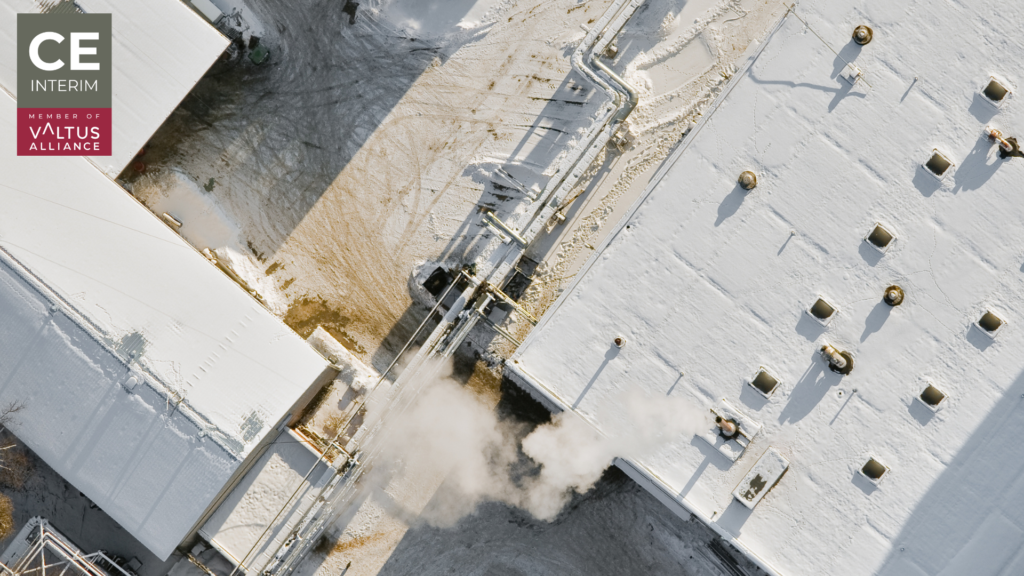
Kurz gesagt: Der Werkzeugtransfer während einer Werksschließung ist ein Abfolgeproblem, kein logistisches Problem. Die Schließung eines Automobilzulieferwerks in Ungarn bedeutet, zwei Uhren gleichzeitig laufen zu lassen. Die eine Uhr misst, wie schnell zertifizierte Werkzeuge zum Empfangsort transportiert werden können. Die andere misst, wie schnell Rohmaterial und Fertigbestände auf Null reduziert werden müssen. Wird die Reihenfolge falsch eingeschätzt, droht dem Unternehmen einerseits ein Produktionsstillstand beim OEM. Andererseits drohen festsitzende Lagerbestände. Um die Lieferverpflichtungen gegenüber den Kunden zu gewährleisten, ist eine einzige Führungskraft vor Ort erforderlich, in der Regel ein Interim-Werksleiter oder ein Schließungsleiter. Diese Führungskraft benötigt direkte Entscheidungsbefugnis über die Produktionsabfolge, die Bestandsführung und jede Bestellung, bis das letzte Werkzeug versandt ist. Die strategischen Herausforderungen bei der Schließung von Automobilwerken und der Produktionskonsolidierung Wenn ein Tier-1-Zulieferer der Automobilindustrie beschließt, seine Standorte zu konsolidieren, konzentrieren sich die Diskussionen im Vorstand in der Regel auf die Zukunft. Die Führungskräfte stellen sich niedrigere Arbeitskosten am neuen Standort, weniger zu betreibende feste Standorte und eine gesündere Bilanz vor. Die Schließung eines Werks in der Nähe eines etablierten ungarischen Automobilclusters, wie beispielsweise Győr oder Székesfehérvár, mag auf dem Papier finanziell unkompliziert erscheinen. Bei der Umsetzung stößt der Plan jedoch auf Widerstand. Sobald die Nachricht von einer Schließung die Fertigungsebene erreicht, beginnen zertifizierte Werkzeugmacher, Einrichter und Qualitätsingenieure, sich nach anderen Arbeitsplätzen umzusehen. Ungarns dichtes Netzwerk an Automobilzulieferern bietet ihnen zahlreiche Optionen. Die Fehlzeiten steigen. Die vorbeugende Wartung an alternden Pressen kommt ins Hintertreffen. Der Ausschuss nimmt auf zuvor stabilen Produktionslinien zu. Nichts davon deutet auf ein schlecht geführtes Werk hin. Es ist das, was passiert, sobald die Belegschaft weiß, dass ihr Standort ein Ablaufdatum hat. Gleichzeitig ergreift der OEM-Kunde Maßnahmen, um sich abzusichern. Gemäß den Anforderungen der IATF 16949 und der AIAG-PPAP-Richtlinien wird ein Erstausrüster (OEM) nicht genehmigen, dass zertifizierte Stanzwerkzeuge, Formwerkzeuge oder Folgeverbundwerkzeuge das Werk verlassen. Er wartet, bis das Werk einen vereinbarten Puffer an fertigen Bauteilen gesichert hat und bis der aufnehmende Standort seine eigene Qualifizierung bestanden hat. Die Kostenkalkulation ging von einer reibungslosen Übergabe aus. Die betriebliche Realität ist ein enges Zeitfenster zwischen zwei Terminen. Der eine ist der Zeitpunkt, zu dem der Sicherheitsbestand vollständig aufgebaut ist. Der andere ist der Zeitpunkt, zu dem das übernehmende Werk tatsächlich bereit ist, die Produktion aufzunehmen. Umgang mit widersprüchlichen Zeitplänen: Arbeitsrechtliche Vorschriften vs. Qualitätsstandards der OEMs Ein Werkzeugtransfer während der Werksschließung funktioniert nur, wenn der arbeitsrechtliche Zeitplan und der Qualitätszeitplan des OEMs auf einem gemeinsamen Zeitplan basieren. Derzeit ist dies in der Regel nicht der Fall. Nach dem ungarischen Arbeitsgesetzbuch (Gesetz I von 2012) löst eine Entlassung, von der ein großer Teil der Belegschaft betroffen ist, formelle Konsultationen aus. Der Arbeitgeber muss den Betriebsrat oder die Gewerkschaft sieben Tage vor Beginn der Verhandlungen benachrichtigen. Er muss diese Verhandlungen dann mindestens fünfzehn Tage lang fortsetzen oder bis eine Einigung erzielt wird. Der Arbeitgeber muss zudem die Arbeitsagentur dreißig Tage vor Zustellung der Kündigungsschreiben an die Beschäftigten benachrichtigen. Dabei handelt es sich um gesetzliche Mindestfristen, nicht um Planungsziele. Eine Schließung, die streng nach dem Buchstaben des Gesetzes erfolgt, lässt keinen Spielraum für Fehler. Fachkräfte im Werkzeugbau beginnen bereits am Tag der Bekanntgabe, das Unternehmen zu verlassen. Parallel dazu läuft das Qualitätssystem des OEM nach seinem eigenen Zeitplan. PPAP behandelt einen Werkzeugumzug als wesentliche Änderung des Produktionsstandorts. Das empfangende Werk kann keine Serienbauteile ausliefern, bis der OEM die ersten Muster freigegeben hat. Zulieferer bauen in der Regel einen Sicherheitsbestand für 45 bis 90 Tage des bestätigten Kundenvolumens auf, bevor sie ein Werkzeug außer Betrieb nehmen. Der genaue Zeitraum hängt von der Komplexität der Werkzeuge ab und davon, wie schnell das empfangende Werk eine stabile Zykluszeit erreicht. Die tatsächlichen Kosten einer Werksschließung liegen in der Lücke zwischen diesen beiden Zeitplänen, nicht in den in den Schlagzeilen genannten Restrukturierungskosten. Eine Produktionsunterbrechung vor Fertigstellung des Sicherheitsbestands setzt den Konzern den Strafen des OEM für Produktionsausfälle aus. Eine Überkorrektur und der Aufbau von Lagerbeständen, die über den Bedarf des empfangenden Werks hinausgehen, führen dazu, dass Betriebskapital in einem Werk, das geschlossen werden soll, ungenutzt bleibt. Keiner dieser Fehler ist ein fertigungstechnisches Problem. Beide entstehen dadurch, dass der Zeitplan für die Arbeitskräfte und der Zeitplan für die Qualität getrennt und anhand unterschiedlicher Termine verwaltet werden. Frühwarnzeichen für operative Ausfälle während einer Werksschließung Operative Ausfälle während einer Schließung werden bereits Wochen bevor auch nur ein einziges Werkzeug das Gebäude verlässt sichtbar. Das Unternehmensteam muss nur wissen, wo es hinschauen muss. Das Werk bleibt hinter der für die Fertigstellung der Sicherheitsreserve erforderlichen Produktionsrate zurück. Maschinenausfälle oder Ausschuss auf vernachlässigten, veralteten Linien sind in der Regel die Ursache dafür. Freiwillige Kündigungen unter zertifizierten Werkzeugmachern und Werkzeugeinrichtern sind ein deutlicheres Warnsignal als allgemeine Fluktuation. Dies sind die wenigen Mitarbeiter, die ein Werkzeug am Laufen halten und für eine reibungslose Übergabe vorbereiten können. Der Verlust auch nur eines einzigen Mitarbeiters gefährdet bestimmte Werkzeuge. Die Beschaffung gibt Bestellungen manchmal weiterhin auf der Grundlage historischer ERP-Parameter auf, anstatt einer Burn-Down-Berechnung, die an die letzten Sicherheitsläufe gekoppelt ist. Diese Gewohnheit führt dazu, dass ein schrumpfendes Werk auf gestrandeten Lagerbeständen sitzt. Ein Empfangsstandort, der Verzögerungen bei Fundamentarbeiten, Versorgungsanschlüssen oder Krankapazitäten meldet, sendet sein eigenes Signal. Werkzeuge, die planmäßig das Werk verlassen sollen, können nirgendwohin gebracht werden. Ein Vier-Phasen-Rahmenkonzept für nahtlosen Werkzeugtransfer und Werksstilllegung Die Schließung eines Werks und die Verlagerung der Produktion ohne Beeinträchtigung der Kunden ist eine Frage der richtigen Abfolge. Die Reihenfolge ist ebenso wichtig wie die einzelnen Schritte selbst. Phase 1: Sicherstellung der betrieblichen Kontrolle und Mitarbeiterbindung Die neu eintretende Führungskraft benötigt einen integrierten Zeitplan. Dieser muss den gesetzlich vorgeschriebenen Zeitrahmen für Arbeitskräfte mit dem Zeitplan für Kundenwerkzeuge und PPAP in Einklang bringen – und zwar Teilenummer für Teilenummer. Der Zeitplan erfasst den Zustand der Werkzeuge, die Produktionsrate und den erforderlichen Puffer. Zwei Entscheidungen dürfen nicht warten. Erstens deaktiviert der Interims-Werksleiter die automatische Generierung von Bestellungen. Ab diesem Zeitpunkt muss jede Rohstoffbeschaffung von dieser Führungskraft persönlich anhand des Burn-Down-Plans genehmigt werden. Die historischen Parameter des ERP-Systems haben keine Entscheidungsgewalt mehr. Zweitens wird dem Betriebsrat parallel zur gesetzlich vorgeschriebenen Anhörung ein Konzept zur Mitarbeiterbindung vorgelegt. Prämien sind an Anwesenheit, Qualität und den Abschluss der abschließenden Sicherheitsläufe geknüpft. Die gesetzliche Kündigungsfrist allein hält einen zertifizierten Werkzeugmacher selten davon ab, das nächste Angebot anzunehmen. Eine ’Cash-to-Close“-Prognose liefert dem Vorstand dann eine Kennzahl, anhand derer die Schließung gesteuert werden kann. Sie umfasst die Kosten für die Mitarbeiterbindung, die Logistik, die Erlöse aus der Veräußerung und den Zeitplan für die Abwicklung. Phase 2: Aufbau und Verwaltung des Sicherheitsbestands an OEM-Komponenten Das Werk läuft mit der Geschwindigkeit, die erforderlich ist, um den vereinbarten Kundenpuffer zu füllen. Die Instandhaltung konzentriert sich auf die noch benötigten Werkzeuge und Formen, nicht auf den gesamten Werkzeugbestand. Sobald das Werk Lagerbestände produziert, werden diese in ein Zolllager verlagert,
Interim-CRO für die Umstrukturierung vs. Interim-Geschäftsführer: Die Wahl der Führungskraft für eine defizitäre tschechische Tochtergesellschaft

Kurz gefasst: Ein Interim-CRO-Restrukturierungsmandat ist die richtige Lösung für eine defizitäre tschechische Tochtergesellschaft. Die Liquidität reicht in dieser Situation noch für Wochen, nicht für Monate. Banken und Lieferanten haben bereits defensivere Konditionen festgelegt. Der gesetzlich bestellte Geschäftsführer haftet nach dem tschechischen Insolvenzgesetz persönlich für die Verzögerung eines Insolvenzantrags. Ein Mandat für einen Interimsgeschäftsführer ist hingegen dann angebracht, wenn das Werk grundsätzlich rentabel ist. Die Barmittel reichen für zwölf bis sechzehn Wochen Betrieb. Der Verlust ist auf die operative Umsetzung zurückzuführen, nicht auf Bilanzprobleme. Die beiden Mandate sind mit unterschiedlichen gesetzlichen Befugnissen und einer unterschiedlichen Definition von Erfolg verbunden. Die Ernennung der falschen Person verschärft das Problem, das eigentlich gelöst werden sollte. Abwägung einer Sanierungs- oder Schließungsentscheidung, wenn eine ausländische Tochtergesellschaft Verluste verzeichnet Vorstände entscheiden selten in einer einzigen Sitzung, dass ein ausländisches Werk zu einem existenziellen Risiko geworden ist. Der Ablauf verläuft in der Regel langsamer. Eine mitteleuropäische Tochtergesellschaft im produzierenden Gewerbe meldet ein weiteres Quartal mit Verlusten. Der Vorstand erörtert dies. Diese Diskussion konzentriert sich in der Regel auf Personen und nicht auf die Struktur. Die Vorstandsmitglieder erwägen, den aus dem Ausland entsandten Werksleiter zu ersetzen. Oder sie bitten den regionalen Vertriebsleiter, den Standort zusätzlich zu seinen bestehenden Aufgaben zu betreuen. Dieser Instinkt ist verständlich. Die Eigentümer haben oft Dutzende Millionen Euro in Grundstücke, Maschinen und Werkzeuge investiert. Sie möchten natürlich glauben, dass eine bessere lokale Führung das Werk wieder auf Kurs bringen kann. Sie weigern sich zu akzeptieren, dass das Unternehmen selbst gefährdet sein könnte. Die Schwierigkeit besteht darin, dass dieser Instinkt eine betriebliche Frage beantwortet. Zunehmend ist die eigentliche Frage jedoch rechtlicher Natur. Um sie angemessen zu beantworten, bedarf es eines Interim-CRO-Restrukturierungsmandats, nicht einer Umstrukturierung des Managements. Vorstände verlieren Zeit, wenn sie betriebliche Ineffizienz mit struktureller Insolvenz verwechseln. Ausschussquoten, Maschinenstillstände und Lieferverzögerungen beschreiben ein betriebliches Problem. Erschöpfte Liquidität, Verstöße gegen Kreditvereinbarungen, negatives Eigenkapital und Haftung der Geschäftsführer beschreiben ein anderes. Ein Auftrag, der diese beiden Aspekte nicht voneinander trennt, führt in der Regel zu einer mehrdeutigen Ernennung. Mehrdeutige Ernennungen sind oft der Ausgangspunkt für eine hohe Fluktuation in der Führungsetage und anhaltende Wertverluste. Das tschechische Insolvenzgesetz und die persönliche Haftung des gesetzlich bestellten „Jednatel“ verstehen In der Tschechischen Republik ist diese Entscheidung nicht nur eine organisatorische Präferenz. Das tschechische Gesellschafts- und Insolvenzrecht prägt die Entscheidung unmittelbar. Dieses Recht gilt für die lokale Gesellschaft, unabhängig davon, wo ihr Eigentümer ansässig ist. Das tschechische Insolvenzgesetz (Gesetz Nr. 182/2006 Slg.) legt drei Pflichten fest. Vorstände sollten jede davon verstehen, bevor sie diese Ernennung vornehmen: Warum die Muttergesellschaft das Bilanzrisiko und die Solvenz ausländischer Tochtergesellschaften falsch einschätzt Ein Vorstand der Muttergesellschaft mit Sitz in Deutschland, Österreich oder der Schweiz kann diesen Rechtsrahmen leicht falsch interpretieren. Die Finanzabteilungen des Konzerns behandeln die tschechische Gesellschaft oft als interne Kostenstelle. Sie gehen davon aus, dass die Bilanz- und Treasury-Funktion der Muttergesellschaft die lokale Gesellschaft vor rechtlichen Konsequenzen schützt. Das tschechische Recht bewertet die Tochtergesellschaft jedoch eigenständig und nicht anhand der Muttergesellschaft. Zwei rechtliche Prüfkriterien entscheiden darüber. Die Gesellschaft kann im Verhältnis zu ihrem Vermögen zu hoch verschuldet sein (Überverschuldung, „předlužení“). Oder sie ist möglicherweise nicht in der Lage, fällige Verbindlichkeiten zu begleichen (Zahlungsunfähigkeit, „platební neschopnost“). Beide Kriterien hindern das Unternehmen daran, den Geschäftsbetrieb ohne einen glaubwürdigen Sanierungsplan rechtmäßig fortzuführen. Dies gilt unabhängig davon, welche informelle Unterstützung die Muttergesellschaft ihrer Meinung nach leistet. Ein Interim-CRO-Restrukturierungsmandat dient genau dazu, diese Lücke zu schließen. Ein fähiger Geschäftsführer kann sie nicht einfach durch härtere Arbeit schließen. Die Analyse von McKinsey darüber, wann Unternehmen einen Chief Restructuring Officer ernennen, nennt zwei Gründe, warum Vorstände außerhalb des bestehenden Managementteams suchen. Der erste ist die unabhängige Glaubwürdigkeit gegenüber Kreditgebern und Aufsichtsratsmitgliedern. Der zweite ist die Fähigkeit, konkurrierende Interessen der Stakeholder unter anhaltendem Druck unter einen Hut zu bringen. Ein Interim-Geschäftsführer, so kompetent er operativ auch sein mag, nimmt diese spezifische Rolle gegenüber den gesetzlichen Vorschriften und den Stakeholdern nicht ein. Diagnosematrix: Erkennen, wann Sie einen Interim-CRO oder einen Interim-Geschäftsführer benötigen Die folgende Diagnose dient dazu, eine Frage zu beantworten: Benötigt diese Tochtergesellschaft ein Interim-CRO-Restrukturierungsmandat oder einen Interim-Geschäftsführer? Fünf Dimensionen unterscheiden die beiden Situationen in der Praxis. Dimension Mandat für einen Interim-Geschäftsführer Mandat für einen Interim-CRO Liquidität und Solvenz Mindestens zwölf bis sechzehn Wochen Betriebskapital. Das Unternehmen ist rechtlich solvent und kommt seinen Verpflichtungen hinsichtlich Lohnzahlungen und Steuern pünktlich nach. Die Liquidität reicht nur noch für Tage oder Wochen. Banken haben Kreditlinien eingefroren und die Bilanz weist ein negatives Eigenkapital aus. Konflikte mit Stakeholdern Kunden- und Bankbeziehungen bleiben intakt. Die Stakeholder wollen eine Wiederbelebung der Produktion, keine rechtlichen Garantien. Lokale Banken haben das Konto einem Sanierungsteam zugewiesen. Wichtige Lieferanten haben Vollstreckungsmaßnahmen eingeleitet. Operative Tragfähigkeit Das Werk verfügt über solide technische Kapazitäten und einen tragfähigen Auftragsbestand. Verluste resultieren aus der Ausführung, nicht aus der Struktur. Das Werk ist mit strukturellen Überkapazitäten oder Veralterung konfrontiert. Das Überleben erfordert eine erhebliche Kapazitätsreduzierung. Gesetzliche Befugnisse: Die Führungskraft ist als Geschäftsführer mit operativer Kontrolle bestellt. Die Gruppe teilt sich möglicherweise weiterhin die gesetzlichen Befugnisse. Die Führungskraft ist offiziell als „Jednatel“ registriert oder verfügt über eine unwiderrufliche Vollmacht mit uneingeschränkter Befugnis über die Liquidität. Strategisches Ziel: Stabilisierung der Werksleistung und Rückkehr der Gewinn- und Verlustrechnung zu einem positiven operativen Ergebnis. Liquidität sichern, den Vorstand vor persönlichem Risiko schützen und innerhalb von etwa 120 Tagen eine Entscheidung über die Sanierung oder Schließung treffen. Eine Tochtergesellschaft kann in den meisten Bereichen näher an einer Spalte liegen und dennoch in anderen Bereichen einer genaueren Prüfung bedürfen. Betrachten Sie die Diagnose als Ausgangspunkt für die eigene Bewertung des Vorstands, nicht als Ersatz dafür. Wichtige strategische Abwägungen zwischen den Rollen des Chief Restructuring Officer und des Geschäftsführers Eine Abwägung liegt dieser Tabelle zugrunde. Ein CRO-Mandat verschafft gesetzlichen Schutz und zentralisierte Krisenkompetenz. Es kostet das Werk einen Teil seiner bestehenden Geschäftsbeziehungen und seiner operativen Dynamik im Tagesgeschäft. Ein Geschäftsführer-Mandat schützt diese Beziehungen und diese Dynamik. Es trägt jedoch in keiner Weise dazu bei, das persönliche Risiko eines Vorstandsmitglieds zu verringern, sollte sich die Diagnose als falsch erweisen. Festlegung von Mandatsumfang und Zielen vor der Ernennung der Geschäftsführung Sobald der Vorstand die Diagnose durchgearbeitet hat, muss das Mandat selbst ebenso präzise formuliert werden. Weder ein Interim-CRO-Mandat zur Restrukturierung noch ein Interim-Geschäftsführer-Mandat sollte als Hybrid ausgestaltet werden. Ein Mandat, das sich als Teilzeit-Turnaround-Führung und Teilzeit-Geschäftswachstum liest, ist selten erfolgreich. Beide Bereiche konkurrieren um dieselbe Arbeitszeit. Der Geschäftsführer ist letztendlich für die Ergebnisse verantwortlich, ohne die Befugnis zu haben, einen der beiden Bereiche zu steuern. Strukturierung eines effektiven Interim-CRO-Restrukturierungsmandats für finanzielle Turnarounds, bei denen
Wenn ein Schweizer Konzern den Überblick über seine rumänischen Aktivitäten verliert: Wiederherstellung der finanziellen Kontrolle unter Druck

Kurz gesagt: Eine unter Druck geratene rumänische Tochtergesellschaft eines Schweizer Konzerns folgt einem bekannten Muster. Auf dem Papier sehen die Margen solide aus. Es gehen jedoch immer wieder Zahlungsanforderungen ein, die sich nicht durch diese Margen erklären lassen. Das Schweizer Obligationenrecht erlegt dem Vorstand eine nicht übertragbare Pflicht auf. Er muss die Unternehmensfinanzen überwachen, unabhängig davon, wo diese tatsächlich angesiedelt sind. Die Wiederherstellung der Kontrolle beginnt damit, dass ein Interim-CFO die direkte, vor Ort ausgeübte Weisungsbefugnis über Bankgeschäfte, Beschaffung und Berichterstattung übernimmt. Der nächste Schritt ist der Aufbau einer einheitlichen Faktengrundlage, der sowohl der Verwaltungsrat als auch das lokale Management vertrauen. Wie eine rumänische Tochtergesellschaft eines Schweizer Konzerns an diesen Punkt gelangt: Bei einem Schweizer Industriekonzern oder einem familiengeführten Präzisionshersteller bricht die finanzielle Transparenz selten auf einen Schlag zusammen. Sie schwindet durch ein Muster, das Monat für Monat überschaubar erscheint. Das monatliche Management-Dashboard der Tochtergesellschaft zeigt stabile Bruttomargen. Die Produktion verläuft planmäßig. Im gleichen Zeitraum bittet die lokale Geschäftsleitung Zürich oder Zug um einen nicht budgetierten Liquiditätsvorschuss. Der Vorschuss deckt die Lohnkosten oder die Mehrwertsteuer ab. Jede dieser Tatsachen für sich genommen wirkt normal. Zusammen, über mehrere Abschlusszyklen hinweg, zeichnen sie jedoch ein Bild des Geschäfts, das der Verwaltungsrat nicht mehr klar überblicken kann. Schweizer Verwaltungsräte räumen dabei in der Regel einen Vertrauensvorschuss ein, und dieser Instinkt ist vernünftig. Verlängerte Zahlungsfristen der Lieferanten, eine verspätete Zahlung eines Kunden, ein zeitliches Steuerproblem: Jede Erklärung klingt für sich genommen plausibel. Die Schweizer Unternehmensführungskultur bevorzugt zudem die Delegation gegenüber einem Eingreifen aus der Ferne. Der Verwaltungsrat wartet auf ein klareres Bild, bevor er handelt. Artikel 716a behält die oberste Leitung und Aufsicht über die Geschäftsführung beim Verwaltungsrat. Der Verwaltungsrat kann diese Pflicht nicht delegieren. In der Praxis kommt der Verwaltungsrat dieser Pflicht in der Regel durch Vertrauen in die lokale Führung nach, nicht durch tägliche Einmischung in die Finanzen einer Tochtergesellschaft. Dieses Vertrauen um ein weiteres Quartal zu verlängern, ist eine angemessene Reaktion auf ein Muster, das bisher noch niemand als ernsthaft nachgewiesen hat. Das eigentliche Risiko liegt darin, was passiert, während der Verwaltungsrat abwartet. Ohne funktionierende finanzielle Sicherheitsvorkehrungen vor Ort kann ein Werk aus der Bahn geraten. Es entstehen informelle Vereinbarungen mit Lieferanten, und Instandhaltungsausgaben werden aufgeschoben. Lagerbestände können Produktionsabfälle stillschweigend auffangen, anstatt sie zu melden. All dies muss nicht unbedingt auf böse Absicht zurückzuführen sein. So etwas passiert, wenn eine Tochtergesellschaft ihre finanzielle Disziplin zu lange selbst regelt. Ihre Systeme und Befugnisse können da nicht mithalten. Der Umgang mit zwei Governance-Systemen: Schweizer Obligationenrecht vs. rumänische gesetzliche Berichtspflichten Eine Schweizer Muttergesellschaft und ihre rumänische Tochtergesellschaft unterliegen zwei unterschiedlichen Governance-Rahmenwerken. Dort beginnt in der Regel die Lücke in der Transparenz. Dies ist ein wesentlicher Grund dafür, warum sich eine rumänische Tochtergesellschaft eines Schweizer Konzerns aus der Ferne nur schwer führen lässt. Artikel 716a des Schweizer Obligationenrechts erlaubt es dem Verwaltungsrat nicht, seine Pflichten zu delegieren. Die oberste Leitung des Unternehmens und die Aufsicht über die Geschäftsführung verbleiben beim Verwaltungsrat. Dies gilt unabhängig davon, welche Berichtsstruktur darunter liegt. Die rumänische Tochtergesellschaft unterliegt einem separaten, anspruchsvollen gesetzlichen Rahmen. Das Gesetz 31/1990 und die Rechnungslegungsvorschriften in OMFP 1802/2014 legen einen verbindlichen Kontenplan fest. Zudem sehen sie strenge Anforderungen an die Archivierung von Rechnungen vor. Lokale Finanzteams verbringen einen Großteil ihrer Zeit damit, die Konformität des Unternehmens mit den Vorgaben der Nationalen Agentur für Steuerverwaltung sicherzustellen. Die Einhaltung gesetzlicher Vorschriften und das betriebswirtschaftliche Controlling sind verwandte Kompetenzen. Sie sind jedoch nicht identisch. Ein Team, das sich um Ersteres kümmert, wird nicht automatisch auch Letzteres leisten. Hauptursachen für Lücken in der Berichterstattung: ERP-Systeme, Währungsschwankungen und informelle Entscheidungsbefugnisse. Die Technologie fügt eine weitere Ebene hinzu. Die Schweizer Zentrale führt die Konsolidierung in der Regel über eine Plattform wie SAP S/4HANA durch. Das rumänische Werk führt seine gesetzlich vorgeschriebenen Bücher oft mit lokaler Software. Es überbrückt die beiden Systeme durch manuell gepflegte Tabellenkalkulationen. Die Währung sorgt für eine weitere Verzerrung. Transaktionen laufen über rumänische Leu, Euro und Schweizer Franken. Wenn das Finanzteam Absicherungsgeschäfte und konzerninterne Verrechnungen nicht konsequent pflegt, kann eine Marge im lokalen Hauptbuch korrekt erscheinen. Dennoch kann sie den Vorstand in Bezug auf die Währung, die er tatsächlich verwaltet, in die Irre führen. Kompetenzlücken schließen sich oft informell von selbst, und das ist verständlich. Jemand muss den täglichen Betrieb des Werks aufrechterhalten. Ohne eine explizite Genehmigungsstruktur baut die lokale Führung ihre eigene auf. Oft übernimmt ein Werksleiter persönlich die Kontrolle über Beschaffungsentscheidungen. Das Ergebnis ist selten eine Vertuschung. Ein lokales Team löst seine Probleme in der Regel mit den Instrumenten und der Befugnis, über die es tatsächlich verfügt. Die Zentrale hingegen steuert das Geschehen weiterhin über ein Berichtsformat, das für eine Echtzeit-Transparenz konzipiert wurde, über die sie nicht mehr verfügt. Warnsignale dafür, dass ein ausländisches Produktionswerk die finanzielle Transparenz verloren hat Mehrere wiederkehrende Muster deuten für einen Schweizer Eigentümer darauf hin, dass sich die Lücke von einer Reibung zu einem Governance-Problem entwickelt hat. Es ist nun ein direktes Eingreifen erforderlich. Das deutlichste Signal ist eine Tochtergesellschaft, die ein akzeptables EBITDA ausweist. Gleichzeitig bleibt der operative Cashflow anhaltend negativ. Sie benötigt wiederholt ungeplante Finanzmittel von der Muttergesellschaft. Ein zweites Signal ist eine konzerninterne Abstimmung, die über mehrere Perioden hinweg nicht sauber abgeschlossen werden kann. Salden sammeln sich in Zwischenkonten an, anstatt aufgelöst zu werden. Ein drittes Signal ist, dass die lokale Finanzabteilung spezifische Fragen mit beschreibenden Erklärungen beantwortet, anstatt mit abgestimmten Daten aus dem Hauptbuch. Das bedeutet in der Regel, dass die Daten selbst noch nicht in einer vertrauenswürdigen Form vorliegen. Bestände an Fertigwaren oder Rohstoffen, die im Verhältnis zum tatsächlichen Durchsatz unverhältnismäßig erscheinen, können Veralterung oder nicht erfasste Ausschussware verbergen. Der eindeutigste Test für die finanzielle Kontrolle ist einfach: Kann die Tochtergesellschaft eine zuverlässige rollierende Cashflow-Prognose für dreizehn Wochen erstellen? Diese sollte die tatsächlichen vertraglichen Verpflichtungen widerspiegeln. Ist dies nicht der Fall, führt die Zentrale das Geschäft auf Vertrauensbasis und nicht auf der Grundlage von Fakten – ganz gleich, was der monatliche Bericht aussagt. Wiederherstellung der Finanzkontrolle: Einsatz eines Interim-CFO zur Wiederherstellung der operativen Aufsicht Eine dreitägige Prüfung durch die interne Revision des Konzerns liefert lediglich eine Momentaufnahme der Vergangenheit. Sie klärt nicht, wer heute die Banküberweisungen kontrolliert. Auch bleibt das Team nicht lange genug vor Ort, um die Arbeitsweise der Tochtergesellschaft zu ändern. Zur Wiederherstellung der Kontrolle ist eine Führungskraft mit Handlungsbefugnis erforderlich, nicht ein Team mit Berichtsbefugnis. Ein Interim-CFO mit grenzüberschreitender Erfahrung in der europäischen Fertigungsindustrie übernimmt die direkte Leitung der lokalen Bereiche Finanzen, Treasury und Beschaffung. Der Vorstand legt dieses Mandat fest, bevor der Einsatz beginnt. Die unten beschriebene Abfolge ist wichtiger als jede einzelne Maßnahme. Es ist diese Abfolge, die in einer rumänischen Tochtergesellschaft eines Schweizer Konzerns immer wieder die Kontrolle wiederherstellt, und jede Phase hängt davon ab, dass die vorhergehende Phase standhält.
Unzuverlässiges Management-Reporting in einer polnischen Tochtergesellschaft im Fertigungsbereich: Wie die Zentrale eine einheitliche, verifizierte Faktengrundlage aufbaut
Kurz gesagt: Unzuverlässige Managementberichte in einer polnischen Produktionsniederlassung sind selten ein einmaliger Fehler. Es handelt sich um ein Muster, das sich Quartal für Quartal still und leise entwickelt. Schließlich kann der Vorstand den vom Werk gemeldeten Zahlen nicht mehr vertrauen. Die Aufgabe besteht zu diesem Zeitpunkt nicht darin, Ziele neu zu verhandeln oder eine weitere Abstimmung zu verlangen. Vielmehr geht es darum, eine einzige, verifizierte Faktengrundlage zu schaffen. Das bedeutet eine einheitliche, abgestimmte Sicht auf Liquidität, Lagerbestände und Margen, die sowohl die Zentrale als auch das lokale Finanzteam als Tatsache akzeptieren. Ein Interim-CFO, der vom ersten Tag an über Bank- und ERP-Befugnisse verfügt, kann schnell Liquidität sichern. In der Regel stoppt der CFO innerhalb von zwei Wochen auch informelle Berichtsbrücken. Es folgt die Abstimmung zwischen den gesetzlich vorgeschriebenen und den Management-Zahlen, bevor der Vorstand strukturelle Entscheidungen trifft. Wenn unzuverlässige Managementberichte in einer ausländischen Tochtergesellschaft ungenaue Managementdaten offenbaren, entdecken die Finanzteams der Konzernzentrale selten eine einzige, katastrophale Falschangabe. Unzuverlässige Managementberichte schleichen sich in der Regel schrittweise ein, und jede einzelne Abweichung erscheint für sich genommen erklärbar. Ein Monatsabschluss verzögert sich um einige Tage. Die lokale Finanzabteilung führt dies auf eine manuelle Anpassung der Wechselkurse oder einen Rohstoffpreisanstieg zurück. Die Werte der unfertigen Erzeugnisse driften ab. Die Marge schwächt sich ab, dann schwächt sie sich weiter ab. Die Zentrale toleriert dies in der Regel zwei oder drei Quartale lang. Diese Geduld ist verständlich und kein Versäumnis bei der Aufsicht. Es ist ein vernünftiger Instinkt, ein lokales Finanzteam mitten in der Produktionsphase direkt zur Rede zu stellen. Die Abweichung könnte immer noch eine harmlose Erklärung haben, und die Störung eines Werks, das noch Lieferungen an Kunden ausführt, birgt ihre eigenen Risiken. Die Schwierigkeit besteht darin, dass eben diese Geduld einer ungelösten Abweichung Zeit gibt, sich zu vergrößern. Unter anhaltendem Druck, die budgetierte Marge zu erreichen, kann ein lokales Finanzteam beginnen, informelle Ausgleichsmechanismen zu schaffen. Diese befinden sich außerhalb der Hauptbuchhaltung: Tabellenkalkulationen, die die Erfassung von Ausschuss aufschieben, Bestandsabschreibungen glätten oder Abweichungen aktivieren, die das Team eigentlich als Aufwand hätte verbuchen müssen. Niemand hat unbedingt die Absicht, das Geschäft falsch darzustellen. Die Überbrückungen beginnen meist als Mittel, um der Zentrale eine Lücke zu erklären, und werden dann zum Mechanismus, der diese verbirgt. Der Auslöser für ein Eingreifen ist selten eine buchhalterische Debatte. Es ist der Moment, in dem der Konzern-CFO erkennt, dass die konsolidierte Marge und die tatsächliche Cash-Generierung nicht mehr übereinstimmen. Diese Lücke wird zu groß, um externe Prognosen, Gespräche über Bankkreditvereinbarungen oder Entscheidungen zur Kapitalallokation mit Zuversicht zu untermauern. Warum sich unzuverlässige Managementberichterstattung in einer polnischen Produktions-Tochtergesellschaft festsetzt Die gesetzlich vorgeschriebene Berichterstattung und die Konzernberichterstattung sind häufig zwei getrennte Systeme, die manuell miteinander verknüpft werden. Es handelt sich nicht um ein einziges System mit zwei Bezeichnungen. Ein Unternehmen muss formelle gesetzlich vorgeschriebene Bücher (księgi rachunkowe) nach einem standardisierten Kontenplan (plan kont) führen. Artikel 4 Absatz 5 des polnischen Rechnungslegungsgesetzes legt die direkte rechtliche Verantwortung für diese Bücher beim Leiter des Unternehmens, dem „kierownik jednostki“, fest. Diese Verantwortung ist persönlich, und die Übertragung der Aufgabe an einen Hauptbuchhalter entbindet nicht davon. Dies führt zu einer natürlichen Ausrichtung auf die Einhaltung der Vorschriften der polnischen gesetzlichen und Steuerbehörden und nicht auf die Vorlage für die Konzernkonsolidierung. In der Praxis führen lokale Finanzteams die gesetzlich vorgeschriebenen Bücher in lokaler Software, üblicherweise Symfonia, Comarch Optima oder einer lokalen SAP-Konfiguration. Eine manuelle Abgleichsebene überbrückt diese Zahlen dann in die Konsolidierungsplattform des Konzerns, sei es OneStream, Tagetik oder Hyperion. Jede manuelle Überbrückung ist eine Stelle, an der Verzerrungen ungehindert eindringen können, da niemand die Verantwortung für den Abgleich von Anfang bis Ende trägt. Wo Verzerrungen in der Fertigung zu ungenauem Management-Reporting führen In einem Fertigungsbetrieb konzentrieren sich diese Verzerrungen auf vier Bereiche. Unfertige Erzeugnisse und Ausschuss sind eine davon. Unter Ertragsdruck kann ein Werk die Erfassung von Ausschuss aufschieben, anstatt ihn über die Umsatzkosten zu verbuchen. Die Standardkostenrechnung ist eine weitere. Wenn die Linieneffizienz sinkt, kann das Finanzwesen negative Absorptionsabweichungen in Fertigerzeugnisse aktivieren, anstatt sie als Aufwand zu verbuchen, was die buchhalterische Marge stillschweigend aufbläht. Der Zeitpunkt der Abgrenzung und der periodengerechten Verbuchung ist ein dritter Punkt. Controller halten Rechnungen am Monatsende manchmal außerhalb des Systems zurück, um eine budgetierte Betriebsausgabenposition zu schützen. Die konzerninternen Verrechnungspreise sind ein vierter Bereich. Wenn Teams Aufschläge zwischen der Zentrale und der polnischen Tochtergesellschaft uneinheitlich verbuchen, lassen sich die Abgleichsabweichungen nie vollständig beheben. Nichts davon setzt böse Absicht auf einer der beiden Seiten voraus. Es erfordert lediglich ein System, in dem zwei Buchhaltungssysteme nebeneinander existieren. Nur einer unterliegt der gesetzlichen Prüfungsdisziplin, wobei eine unsichtbare Brücke beide verbindet. Wie Vorstände widersprüchliche Managementberichte und Berichtsprobleme erkennen Ein eingeschränkter Bestätigungsvermerk ist ein nachlaufender Indikator. Bis er vorliegt, hat der Vorstand in der Regel bereits mehrere Quartale lang inmitten eines Berichtsversagens gesessen. Die früheren Anzeichen liegen in den routinemäßigen Arbeitsabläufen zum Monatsende verborgen, und keines davon wirkt für sich genommen alarmierend. Anhaltende manuelle Anpassungen im Konsolidierungstool sind das deutlichste Signal. Dies ist besonders dann von Bedeutung, wenn sie sich nicht auf das ERP-Hauptbuch zurückverfolgen lassen: Die Finanzabteilung konstruiert die Zahlen, um ein Ziel zu erreichen, anstatt sie aus dem Buchhaltungssystem zu entnehmen. Eine sich vergrößernde Lücke zwischen dem ausgewiesenen EBITDA und dem tatsächlichen Kassenbestand ist das nächste Signal. Barmittel lügen nicht so wie eine periodengerechte Abgrenzung. Eine Bestandsalterung, die das Produktionsvolumen übersteigt, deutet oft auf veraltete Lagerbestände oder nicht erfasste Ausschussware hin. Der lokale Controller sollte innerhalb weniger Tage eine abgestimmte Überleitungsrechnung zwischen dem gesetzlich vorgeschriebenen Jahresabschluss und dem Konzernabschluss erstellen. Ist dies nicht der Fall, hat derzeit niemand beide Bilder gleichzeitig im Blick. Eine hohe Fluktuation unter den Werksbuchhaltern ist ein weniger offensichtliches, aber reales Signal, insbesondere in Verbindung mit einem Controller, der den Zugriff auf Transaktionsdaten ungewöhnlich streng schützt. Die Abstimmung ist zur privaten Verantwortung einer einzelnen Person geworden und nicht mehr Teil der gemeinsamen Arbeitsweise des Unternehmens. Jedes dieser Anzeichen kann eine harmlose Erklärung haben. Treten jedoch zwei oder drei davon über aufeinanderfolgende Quartale hinweg gemeinsam auf, bedeutet dies, dass der Vorstand bereits mitten im Problem steckt und sich diesem nicht erst nähert. Wie ein Interims-CFO die Kontrolle über das Berichtswesen wiederherstellt und eine einheitliche, verifizierte Faktengrundlage schafft Eine externe Wirtschaftsprüfung behebt selten unzuverlässiges Management-Berichtswesen. Wirtschaftsprüfer prüfen die Einhaltung der Vorschriften am Jahresende stichprobenartig. Sie bauen keinen täglichen Kostenverrechnungsprozess neu auf. Die Wiederherstellung der Kontrolle erfordert eine Führungskraft vor Ort. Diese Führungskraft benötigt die Befugnis, die Art und Weise zu ändern, wie das Werk seine Zahlen erstellt, und nicht nur, diese im Nachhinein zu überprüfen. Wochen 1–2: Wiederherstellung der Berichterstattung durch den Interims-CFO, Sicherung der Liquidität und Einfrieren von Überbrückungsmaßnahmen Ein Interims-CFO übernimmt die direkte Kontrolle über Bankvollmachten, die zweispurige Zahlungsfreigabe und die Buchungsrechte im ERP-System. Der CFO friert die Offline-Tabellen ein, anstatt sie zu löschen, die die gesetzlich vorgeschriebenen Zahlen in die Konzernzahlen überführen
Wenn die Schließung eines polnischen Werks den Zeitplan für die Umstrukturierung in Tschechien beeinflusst: Warum parallele Entscheidungen unmöglich werden

Ein deutscher Industriekonzern mit Produktionsstätten in Polen und der Tschechischen Republik steht vor einer Entscheidung des Vorstands, die innerhalb von sechs Wochen getroffen werden muss. Das polnische Werk schreibt Verluste und zehrt die Liquidität auf. Der tschechische Standort bleibt hinter den Erwartungen zurück, ist aber betrieblich sanierbar. Das für die Restrukturierung verfügbare Kapital beläuft sich in beiden Ländern auf insgesamt rund 35 Millionen Euro. Hier liegt das entscheidende Problem: Die Entscheidung, den polnischen Betrieb zu schließen, löst sofort eine Umstrukturierungsmaßnahme in Tschechien aus, die weder verzögert, neu geordnet noch unabhängig davon abgewickelt werden kann. Wenn ein Land vor der Schließung steht und das andere eine Umstrukturierung benötigt, führt die länderübergreifende Kaskade von Schließungen und Umstrukturierungen in Mittel- und Osteuropa zu einer Führungsblockade. Dies zwingt einen unvorbereiteten Vorstand zu einer Entscheidung, die niemand geplant hatte. Zu verstehen, warum parallele Entscheidungen unmöglich werden, ist für jede Führungskraft der DACH-Industrie, die CEE-Betriebe leitet, unerlässlich. Die ersten 30 Tage: Wie die Kaskade von Schließungen und Umstrukturierungen in mehreren CEE-Ländern beginnt Sobald der Vorstand die Schließung des polnischen Werks genehmigt, treten die Meldepflichten in beiden Ländern gleichzeitig in Kraft. Vor allem überschneiden sich beide Fristen. Keine davon kann ohne rechtliches Risiko aufgeschoben werden. Dieser gleichzeitige Auslöser setzt die Kaskade in Gang, die für länderübergreifende Schließungs- und Umstrukturierungssituationen in Mittel- und Osteuropa charakteristisch ist. Die Anmeldefristen kollidieren gleichzeitig Das polnische Arbeitsgesetzbuch verpflichtet Arbeitgeber, das Bezirksarbeitsamt innerhalb von 20 Tagen nach dem Beschluss über die Massenentlassung zu benachrichtigen. Gleichzeitig muss die Anhörung der Gewerkschaft innerhalb desselben 20-Tage-Zeitraums erfolgen. Darüber hinaus schreibt das tschechische Arbeitsgesetzbuch eine Mindestankündigungsfrist von 30 Tagen gegenüber dem Arbeitsamt und den Arbeitnehmervertretern vor, bevor Kündigungen wirksam werden. Das Ergebnis ist klar: Beide Anmeldepflichten müssen erfüllt werden. Beide Fristen laufen parallel. Die Führungskapazitäten verteilen sich auf zwei Entscheidungen Eine Schließung erfordert spezifische Maßnahmen: Kündigungsbedingungen, Abfindungsberechnungen, Bestandsaufnahme der Vermögenswerte, Ablaufplanung für die Produktionseinstellung, Benachrichtigung der Gläubiger und Planung der Kundenkontinuität. Eine Umstrukturierung erfordert andere Maßnahmen: Streichung von Funktionen, Investitionsentscheidungen zur Produktivitätssteigerung, Prognosen zum Betriebskapital und Leistungsziele. Folglich beansprucht die Schließung in Polen in dem sich überschneidenden Zeitfenster von 20 bis 30 Tagen die volle Aufmerksamkeit des operativen Teams. Unterdessen wird die Entscheidung zur Umstrukturierung in Tschechien in eine bereits überfüllte Tagesordnung gezwängt. Genau aus diesem Grund verursachen Szenarien mit länderübergreifenden Schließungen und Umstrukturierungen in Mittel- und Osteuropa Kapazitätsprobleme auf Führungsebene. Wochen 4 – 8: Der Cashflow-Druck setzt ein, bevor das Restrukturierungskapital eingesetzt wird Sobald die Benachrichtigungsphase abgeschlossen ist, verschärft sich die finanzielle Lage rapide. Abfindungsverpflichtungen werden zu konkreten Verbindlichkeiten. Gläubiger und Lieferanten erkennen das Signal der Schließung. Zudem verkürzen sich die Zahlungszyklen in der Fertigung genau in dem Moment, in dem die Liquidität am stärksten eingeschränkt ist. Druck durch Zahlungsfristen und sich verschärfender Cashflow-Engpass: Die üblichen Zahlungsbedingungen in der Fertigungsindustrie liegen in industriellen B2B-Beziehungen typischerweise bei 60 bis 90 Tagen netto. Wenn Lieferanten Signale für eine Schließung erkennen, reduzieren sie ihr Kreditrisiko. Viele verlangen Vorauszahlungen oder beschleunigen den Einzug ihrer Rechnungen. Infolgedessen verkürzen sich die Verbindlichkeiten aus Lieferungen und Leistungen, während sich der Einzug der Forderungen verlangsamt. Der CFO muss unverzüglich auf den Druck der Gläubiger reagieren und den Zugang zu Betriebsmittelkrediten sichern. Unterdessen wartet die Investition in die tschechische Restrukturierung noch immer auf ihre Genehmigung. Kapitalzuweisungslücke: 35 Millionen Euro reichen für beide Länder nicht aus Diese Kapitalrechnung stand sechs Wochen zuvor noch nicht auf der Tagesordnung des Vorstands. In Woche 8 hat der CFO bereits Kapital für die Schließung in Polen gebunden. Nun muss der Finanzvorstand den Vorstand darüber informieren, dass die Umstrukturierung in Tschechien nicht wie ursprünglich geplant finanziert werden kann. Diese Situation ist typisch für Konflikte bei länderübergreifenden Schließungs- und Umstrukturierungsmaßnahmen in Mittel- und Osteuropa. Wochen 8–16: Das Umstrukturierungsfenster für das zweite Land schließt sich unwiderruflich Zu diesem Zeitpunkt wird die Schließung in Polen öffentlich bekannt. Die Mitarbeiter arbeiten ihre Kündigungsfristen ab. Kundenaufträge werden übertragen oder storniert. Der Verkauf von Vermögenswerten tritt in die Verhandlungsphase ein. Entscheidend ist, dass in Tschechien die Botschaft an die Belegschaft unmissverständlich wird: Die Zentrale verkleinert das Portfolio. Tschechien könnte als Nächstes an der Reihe sein. Das Risiko von Mitarbeiterabgängen verschärft sich und die technische Kompetenz schwindet. Der tschechische Werksleiter erhält wöchentlich Anrufe von qualifizierten technischen Mitarbeitern, die Stellenangebote von anderen Unternehmen erhalten haben. Gleichzeitig hat der Finanzvorstand die Kapitalzusage für Tschechien noch nicht freigegeben. Der Betriebsleiter hat noch keinen Sanierungsplan vorgelegt. Infolgedessen zieht sich die Unsicherheit von Tagen auf Wochen hin. Bis Woche 12 verliert das Werk zwei leitende Techniker und drei Nachwuchsingenieure. Die Produktionsqualität verschlechtert sich. Die Kundenbeschwerden nehmen erheblich zu. Verzögerungen verwandeln das Sanierungs-Potenzial in eine operative Verschlechterung. Lösungen, deren Umsetzung in Woche 2 noch 12 Millionen Euro gekostet hätte, kosten in Woche 10 nun 18 Millionen Euro. Jede Woche Verzögerung bei der Restrukturierung untergräbt die Leistung systematisch. Die Arbeitsmoral sinkt, da keine verbindlichen Zusagen gemacht wurden. Kunden reduzieren ihr Auftragsvolumen, da sich die Liefertreue verschlechtert. Die Zahlungsbedingungen der Lieferanten verschlechtern sich, da sich die Zahlungsmoral verschlechtert. In Woche 14 wechselt der tschechische Standort vom Restrukturierungskandidaten zum Schließungskandidaten. Der Vorstand steht vor einer anderen Entscheidung als erwartet: Restrukturierung zu hohen Kosten mit ungewissem Ausgang oder Schließung zur Kapitalerhaltung. Diese Verschlechterung ist nicht unvermeidlich. Sie resultiert direkt aus der länderübergreifenden Kaskade von Schließungsrestrukturierungen in Mittel- und Osteuropa. Die Entscheidung über die Reihenfolge: sequenzielle oder parallele Durchführung bei länderübergreifenden Schließungs- und Restrukturierungsmaßnahmen Der Vorstand steht vor einer binären Entscheidung. Keine der beiden Optionen ist attraktiv. Beide sind mit erheblichen Kosten und Risiken verbunden. Im Wesentlichen geht es um die Wahl zwischen akzeptablen Ergebnissen und schlechteren Ergebnissen. Option 1: Sequenzielle Durchführung (zuerst Polen schließen, dann Tschechien) Option 2: Parallele Durchführung (beide gleichzeitig abwickeln) Wer entscheidet über die Reihenfolge, und wann bricht die Entscheidungsgewalt zusammen? Formal entscheidet der Vorstand oder Aufsichtsrat über die Reihenfolge bei länderübergreifenden Schließungs- und Restrukturierungsentscheidungen in Mittel- und Osteuropa. In der Praxis müssen sich der Finanzvorstand, der operative Geschäftsführer und der Vorstand abstimmen. Wenn die Abstimmung scheitert, bricht die Entscheidungshoheit in einen Konflikt zwischen operativer Realität und strategischer Präferenz zusammen. Präferenz des Vorstands versus operative Realität: Position des Vorstands: Eine parallele Umsetzung wird bevorzugt. Die parallele Umsetzung verkürzt den Gesamtzeitrahmen und bewahrt die Optionen für die Restrukturierung in Tschechien. Einschätzung des COO: Eine parallele Umsetzung ist operativ nicht zu bewältigen. Zwei große Maßnahmen im Unternehmensportfolio lassen sich nicht gleichzeitig mit höchster Qualität durchführen. Ein Qualitätsverlust bei einer oder beiden Initiativen ist sicher. Bedenken des CFO: Die Kapitalausstattung ist unzureichend. Der CFO plädiert für eine sequenzielle Umsetzung: zuerst die vollständige Schließung in Polen, Erhaltung des Kapitalpuffers, dann die Umstrukturierung in Tschechien nur, wenn Kapital verfügbar ist und der Druck der Gläubiger nachlässt. Grenzüberschreitende Entscheidungslücken, wenn keine Einigung erzielt werden kann Der polnische Country Manager plädiert für eine rasche Abfolge der Schließungen. Umgekehrt plädiert der tschechische Landesleiter für eine klare Umstrukturierungszusage mit sichtbarer Kapitalunterstützung. Beide Positionen sind operativ korrekt. Beide können nicht gleichzeitig erfüllt werden. Die EU-Richtlinie 98/59/EG und die Richtlinie 2019/2121 zur grenzüberschreitenden Umstrukturierung legen rechtliche Rahmenbedingungen fest, regeln jedoch nicht die Reihenfolge der Umsetzung. Der Finanzvorstand kontrolliert die Freigabe von Kapital. Wenn der Finanzvorstand das Kapital für die tschechische Restrukturierung bis zur Klärung der Situation mit den polnischen Gläubigern zurückhält, wird die Entscheidung des Vorstands zur parallelen Durchführung in der Praxis zu einer sequenziellen Durchführung. Die Zuständigkeiten zerfallen.
 EN
EN  DE
DE  FR
FR  IT
IT  PL
PL  RO
RO  CS
CS  SK
SK  HU
HU  ES
ES  RU
RU  AR
AR  SL
SL