
In breve
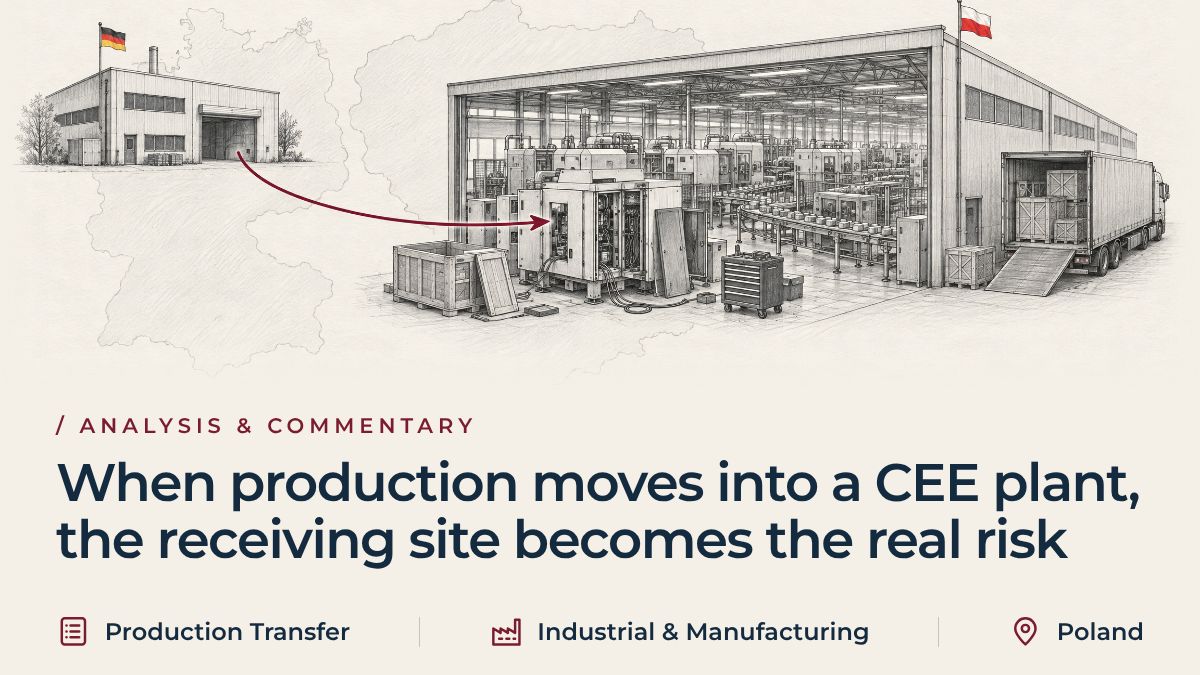
Il successo o il fallimento dell’avvio a regime di uno stabilimento di produzione trasferito nell’Europa centrale e orientale dipende dal sito di destinazione, non dallo stabilimento che chiude. Il trasferimento della produzione nell’Europa centrale e orientale comporta uno spostamento del rischio reale: esso si sposta dallo stabilimento di origine a quello che accoglie le linee di produzione. La filiale di destinazione deve gestire macchinari non familiari, reclutare specialisti tecnici, di cui scarseggiano, e al contempo garantire le consegne ai clienti esistenti. La maggior parte degli stabilimenti di destinazione opera già quasi al limite della propria capacità produttiva e i dirigenti locali raramente contestano una tempistica irrealistica fissata dalla sede centrale. Un trasferimento sicuro richiede un’autorità esecutiva dedicata in loco. Tale autorità separa le tappe fondamentali del trasferimento dalla produzione quotidiana. Inoltre, verifica in modo obiettivo le capacità dei macchinari e tutela la stabilità prima che gli impegni nei confronti dei clienti diventino irreversibili.
Scadenze di trasferimento ereditate e impianti di ricezione CEE "silenziosi"
Le scadenze di trasferimento ereditate e gli impianti di ricezione CEE "silenziosi" comportano rischi operativi significativi a causa di diversi fattori chiave:
- Approvazione del consiglio di amministrazione e ottimismo: I programmi tedeschi di razionalizzazione delle attività superano gli ostacoli legati alla ristrutturazione e alle trattative sindacali, sostenuti da una solida logica finanziaria basata sui costi competitivi della manodopera nell’Europa centro-orientale.
- Esitazione dei dirigenti contro rischio operativo: Sebbene la chiusura di uno stabilimento nazionale sia politicamente impegnativa, è la realizzazione del sito di destinazione a comportare il vero rischio finanziario e contrattuale.
- Impianti di ricezione silenziosi: Le filiali della Bassa Slesia o della Slovacchia occidentale raramente contestano i programmi di trasferimento stabiliti dalla sede centrale, assorbendo progetti complessi in stabilimenti che operano già a circa il 92% della loro capacità produttiva.
Delocalizzazione della produzione nell’Europa centrale: forte interesse, ma mancano piani operativi
Il trasferimento della produzione verso l’Europa centrale mette in luce un evidente divario tra l’intento strategico e la prontezza operativa:
- Bassa prontezza operativa: KPMG e il Comitato per le relazioni economiche con l’Europa orientale sondaggio (12 febbraio 2026) ha evidenziato che il 26% delle aziende tedesche sta valutando la possibilità di delocalizzare nell'Europa centro-orientale, ma solo il 4% ha piani concreti per i prossimi dodici mesi.
- Riorganizzazione della catena di approvvigionamento del settore automobilistico: Il Piano per il futuro 2030 di Volkswagen piano prevede una riduzione dell'organico di 50.000 unità, lasciando senza destinazione quattro stabilimenti di assemblaggio tedeschi e alimentando le speculazioni su un possibile trasferimento della produzione dei modelli nell'Europa centrale e orientale.
- Reti di approvvigionamento destabilizzate: Le speculazioni spingono i fornitori a pianificare i trasferimenti senza verificare se gli stabilimenti destinatari siano in grado di garantire il personale necessario per le linee di produzione, lasciando così gli stabilimenti con programmi irrealistici.
Perché la ricezione della produzione trasferita negli stabilimenti dell’Europa centrale e orientale comporta un rischio operativo maggiore
L’attuazione di un trasferimento transfrontaliero della produzione richiede molto più che il semplice spostamento dei macchinari oltre confine, poiché le differenze strutturali tra i siti di origine e quelli di destinazione comportano rischi operativi:
- Mercati del lavoro in tensione nell’Europa centrale e orientale: La disoccupazione tecnica quasi pari a zero in regioni come la Polonia e la Repubblica Ceca rende la disponibilità di lavoratori qualificati un vincolo fondamentale, costringendo gli stabilimenti a ricorrere a personale temporaneo non qualificato e causando un aumento dei tassi di scarti.
- Mancanza di conoscenze operative tacite: Le apparecchiature smontate spesso dipendono da regolazioni effettuate dall'operatore senza documentazione; quando vengono rimontate senza le indicazioni fornite dal sito di spedizione, le linee subiscono tempi di inattività cronici e perdite di takt time.
- L'evoluzione dei costi nelle economie dell'Europa centrale e orientale: Gli aumenti salariali previsti dalla legge e i cambiamenti fiscali in tutta l’Europa centrale modificano rapidamente l’economia delle filiali, compromettendo i modelli iniziali di trasferimento finanziario.
Segnali premonitori di un’evidente difficoltà nell’accelerazione del trasferimento della produzione in uno stabilimento dell’Europa centrale e orientale
I comitati esecutivi ricevono raramente segnali precoci di difficoltà nel trasferimento attraverso i normali rapporti mensili. Gli indicatori delle controllate tendono a rimanere nella zona verde fino a quando le consegne ai clienti non subiscono ritardi. La dirigenza può invece prestare attenzione ai segnali provenienti dalla linea di produzione che indicano che l’avvio della produzione in uno stabilimento CEE è già in difficoltà.
- Cannibalizzazione della produzione esistente. I tecnici di processo e i responsabili della manutenzione interrompono il funzionamento delle linee di produzione dei clienti per risolvere i problemi delle apparecchiature in arrivo. Ciò contribuisce silenziosamente ad aumentare gli scarti e i tempi di fermo sui prodotti consolidati.
- Aumento vertiginoso dei costi di trasporto. L'impianto di ricezione prenota trasporti aerei non programmati e servizi espressi dedicati per soddisfare le tempistiche dei clienti. La spesa viene nascosta all’interno della varianza di messa in servizio.
- Arretrati cronici nella manutenzione. I tecnici rimandano la manutenzione preventiva sulle linee in funzione perché la ricollocazione delle attrezzature richiede tempo.
- Ripetuti ritardi nel raggiungimento delle tappe fondamentali. Le scadenze relative alle fasi di sviluppo al di fuori degli strumenti e dei processi subiscono continui ritardi. Le prove pre-serie presentano difetti dimensionali che la direzione locale definisce “piccole rettifiche”.
- Un’impennata del turnover tra il personale di produzione. I supervisori e i responsabili della qualità preferiscono dimettersi durante le fasi preliminari alla produzione piuttosto che assumersi la responsabilità di impegni di lancio che nessuno è in grado di rispettare.
Basta uno solo di questi segnali per considerare che l'avvio della produzione nello stabilimento CEE sia già in difficoltà, anziché procedere secondo i piani.
Attuazione di un intervento di leadership efficace per l'avvio graduale di uno stabilimento
Per recuperare un processo di avviamento compromesso sono necessari chiari confini operativi e una leadership dedicata. Quando uno stabilimento integra un programma di grandi dimensioni trasferito all’interno della propria struttura esistente, la pressione legata alla consegna entra in conflitto con la disciplina di messa in servizio. Ogni processo di avviamento di uno stabilimento CEE in seguito al trasferimento della produzione necessita di questa separazione sin dal primo giorno.
Separare le operazioni quotidiane dell’impianto dalla gestione dei trasferimenti di produzione
Il requisito fondamentale in materia di governance è la separazione. La dirigenza attuale dello stabilimento dovrebbe concentrarsi sugli ordini dei clienti in corso, sulla sicurezza e sulla produttività di base. Un’autorità di programma indipendente dovrebbe assumere la responsabilità del “corridoio di trasferimento” e guidare in loco l’avvio dello stabilimento. Ciò richiede un direttore di stabilimento ad interim esperto o un direttore dell’avvio con comprovata esperienza. Tale figura riferisce direttamente al direttore operativo del gruppo o al consiglio di amministrazione. Il ruolo comporta poteri decisionali espliciti in merito alle tappe fondamentali, alle spese e all’accettazione tecnica. Si tratta della scelta di governance più importante in assoluto in qualsiasi fase di avviamento di uno stabilimento nell’Europa centrale e orientale (CEE) oggetto di trasferimento della produzione.
Quattro controlli operativi fondamentali per guidare l'avvio degli impianti nell'Europa centrale e orientale
Un’autorità di programma applica quattro misure di controllo in ogni fase di avvio della produzione in uno stabilimento CEE.
- Verifiche delle capacità. Le linee trasferite vengono sottoposte a verifiche statistiche indipendenti prima del rilascio dei volumi, resistendo alle pressioni volte ad accettare macchinari con deroghe condizionate.
- Specialisti tecnici dedicati. I protocolli transfrontalieri consentono ai tecnici di manutenzione senior dello stabilimento di origine di rimanere in loco durante le prove pilota e la produzione in serie iniziale.
- Modellizzazione trasparente della capacità. Il team ricalcola l'efficacia complessiva delle attrezzature sulla base dei tempi di ciclo locali verificati, anziché sulle velocità teoriche previste dal progetto.
- Allineamento diretto con il cliente. Se è necessario rivedere le tappe fondamentali del lancio per garantire la qualità, un dirigente operativo di comprovata esperienza conduce direttamente il dialogo con l'ufficio acquisti dell'OEM. Tale dirigente sostituisce le scadenze irrealistiche con impegni verificati.
Caso di studio: stabilizzazione di un trasferimento di produzione del valore di 45 milioni di euro verso uno stabilimento nell’Europa centrale e orientale
Il seguente incarico illustra come si svolge nella pratica l’avvio graduale di uno stabilimento CEE nell’ambito di un trasferimento di produzione, che coinvolge un fornitore tedesco di componenti per motopropulsori di primo livello e il suo stabilimento di destinazione in Polonia.
Il mandato: gestire un programma di trasferimento della produzione di sedici settimane ereditato
Il gruppo ha dovuto affrontare un aumento dei costi di produzione nel proprio stabilimento nazionale in Bassa Sassonia. Il consiglio di amministrazione ha approvato il trasferimento di due linee di lavorazione automatizzate per componenti di trasmissioni e di una cella robotizzata per il subassemblaggio. La destinazione era la sua filiale vicino a Breslavia, in Polonia. Il programma rappresentava un fatturato annualizzato di 45 milioni di euro, derivante dalla fornitura di alloggiamenti per trasmissioni di importanza critica a tre stabilimenti tedeschi di assemblaggio di veicoli. È proprio questa portata a trasformare un normale trasferimento di attrezzature in un vero e proprio trasferimento della produzione e in un avvio a pieno regime dello stabilimento nell’Europa centro-orientale.
Il calendario è stato determinato dalle tempistiche previste per la chiusura degli stabilimenti nazionali e dalle scadenze relative ai piani sociali in Germania. La direzione aziendale del progetto ha fissato un arco temporale di sedici settimane tra la chiusura degli impianti in Germania e l’avvio della produzione in Polonia. Sulla carta, il progetto sembrava semplice: i moderni macchinari a controllo numerico (CNC) sarebbero stati trasferiti in uno stabilimento già esistente con costi generali inferiori.
In realtà, lo stabilimento di destinazione nella Bassa Slesia funzionava già al 91% della capacità produttiva. Il tasso di assenteismo dei lavoratori era pari al 7,8%. Inoltre, doveva affrontare gravi difficoltà di reclutamento a livello regionale, con un tasso di disoccupazione locale per gli operatori CNC qualificati inferiore all’1%. La dirigenza polacca dello stabilimento in carica accettò senza obiezioni la scadenza di sedici settimane, poiché contestare la dirigenza del gruppo avrebbe comportato un costo in termini di carriera. Queste condizioni significavano che l’avvio della produzione nello stabilimento dell’Europa centrale e orientale era già a rischio prima ancora che arrivasse un solo camion.
La realtà in officina: utensili senza etichetta, errori di calibrazione e rischi legati alle consegne
Quando il trasferimento ebbe inizio, la realtà concreta travolse lo stabilimento. Arrivarono trentadue autocarri a pianale senza alcuna etichetta che trasportavano celle robotizzate smontate, stampi non catalogati e documentazione incompleta sul cablaggio dei PLC. Le linee tedesche facevano ampio ricorso a regolazioni effettuate dagli operatori senza documentazione e a interventi manuali di deroga che nessuno aveva riportato nei manuali tecnici. Una volta che lo stabilimento ha rimontato le linee nell’area di produzione polacca, queste non hanno superato la calibrazione di base. È in questo momento che l’avvio di uno stabilimento nell’Europa centrale e orientale (CEE) in seguito a un trasferimento della produzione smette di essere un semplice piano e diventa un vero e proprio problema operativo.
Per raggiungere l’obiettivo, la direzione locale ha distaccato sette tecnici di manutenzione senior e ingegneri di processo dalle linee di produzione operative. Il loro compito era quello di risolvere i problemi delle attrezzature in arrivo. Le conseguenze si sono manifestate immediatamente. La manutenzione preventiva sulle linee dei clienti esistenti è venuta meno. I tempi di fermo non programmati sui programmi consolidati sono balzati dal 3% al 14%. I tassi di scarto sulle linee dei clienti esistenti sono saliti all’8,2%. La puntualità e la completezza delle consegne sono scese al 76%.
Per garantire il funzionamento delle linee di assemblaggio degli OEM tedeschi, lo stabilimento polacco ha iniziato a prenotare servizi di trasporto stradale espresso dedicati. Tale servizio comportava un costo mensile di 180.000 euro per il trasporto merci a tariffa maggiorata. Un importante produttore di veicoli ha emesso una notifica formale di escalation del fornitore con segnalazione di allerta. Ha applicato penali per interruzione delle consegne pari a 45.000 euro al giorno e ha minacciato di rescindere completamente il contratto.
L'intervento: quattro azioni operative per garantire la leadership nella fase di avvio della produzione
Il consiglio di sorveglianza ha incaricato CE Interim. Entro 72 ore dalla compilazione del brief relativo all’incarico, un direttore di programma ad interim esperto nel settore manifatturiero è giunto in loco nella Bassa Slesia. Il direttore ha assunto la piena autorità esecutiva sul corridoio di delocalizzazione.
In primo luogo, la separazione operativa. Il direttore ad interim ha immediatamente istituito una separazione assoluta dei ruoli di governance. Le linee di produzione quotidiane sono tornate sotto l’esclusiva responsabilità del direttore di stabilimento polacco in carica. Quel team si è concentrato interamente sugli ordini dei clienti esistenti, il che ha eliminato gli scarti e ripristinato la disciplina di base in officina.
In secondo luogo, garantire le competenze critiche dello stabilimento di origine. Il dirigente ad interim ha negoziato in Germania dei pacchetti finanziari di fidelizzazione. Tali pacchetti hanno riguardato quattro maestri attrezzisti e specialisti nella programmazione dei PLC provenienti dallo stabilimento della Bassa Sassonia in fase di chiusura. Questi specialisti hanno trascorso sei settimane in Polonia, dove hanno formato gli operatori locali, ricalibrato i dispositivi idraulici e documentato le peculiarità non documentate delle macchine che stavano causando ritardi nella produzione.
In terzo luogo, il ri-ancoraggio e la calibrazione di precisione. Un’ispezione delle fondamenta strutturali, effettuata con allineamento laser, ha individuato la causa. Le celle di lavorazione ad alta precisione vibravano perché lo stabilimento non aveva isolato adeguatamente le fondamenta locali dell’area produttiva. Il team ad interim ha ri-ancorato i basamenti delle macchine e ha riconfigurato il software delle celle, eliminando così le deviazioni dimensionali dell’ordine dei micron.
In quarto luogo, un riallineamento trasparente con i clienti. Forte di dati tecnici verificati, il direttore ad interim ha incontrato direttamente i responsabili degli acquisti e della qualità degli OEM a Monaco e a Wolfsburg. Anziché nascondere il deficit, il dirigente ha presentato un piano di recupero sottoposto a revisione. Tale piano ha posticipato l’avvio della produzione in serie di quattro settimane, attingendo alle scorte di riserva già accumulate nei magazzini tedeschi per proteggere le linee di assemblaggio dei clienti.
Il risultato: il raggiungimento dei tempi di ciclo previsti e l’assicurarsi i contratti con i clienti
Entro otto settimane dall’intervento della dirigenza, le linee trasferite hanno raggiunto il tempo di ciclo di progetto completo di 48 secondi per pezzo. Gli scarti sono scesi dal 14% delle prove pilota a meno dello 0,8%. Le linee di produzione esistenti hanno recuperato il 98,8% delle consegne puntuali e complete. Lo stabilimento ha eliminato i costi di trasporto aggiuntivi e ha risolto tutte le richieste di risarcimento danni da parte dei clienti senza subire perdite finanziarie. Ha inoltre portato il programma da 45 milioni di euro al 100% del volume previsto in modo sicuro, preservando così le partnership con gli OEM. Questo risultato è ciò che si ottiene quando il avvio a regime di uno stabilimento nell’Europa centrale e orientale (CEE) con un trasferimento di produzione ben gestito viene portato a termine con successo.
Domande frequenti sui trasferimenti della produzione degli stabilimenti CEE
Perché i trasferimenti di produzione verso gli stabilimenti di destinazione dell'Europa centrale e orientale falliscono durante la fase di avvio?
I trasferimenti falliscono principalmente perché i siti destinatari non dispongono di capacità tecnica in eccesso. I team locali, che operano quasi al massimo della loro capacità, non possono assorbire macchinari non documentati e reclutare specialisti, di cui scarseggiano, allo stesso tempo. Inoltre, non possono risolvere i problemi relativi alle attrezzature senza compromettere le prestazioni di consegna esistenti. Questo è proprio il motivo per cui l’avvio di uno stabilimento di produzione nell’Europa centrale e orientale richiede una capacità in eccesso, non solo adeguata.
Quando la direzione interna sarà in grado di gestire l’aumento graduale della produzione nell’Europa centrale e orientale?
L'esecuzione interna è possibile quando lo stabilimento ricevente dispone di risorse umane sufficienti e di un team di ingegneri sottoutilizzato. Richiede inoltre un portafoglio ordini non troppo carico e la piena collaborazione da parte dello stabilimento mittente. Se la capacità esistente si sta esaurendo, lo stabilimento necessita di un'autorizzazione esterna. L'avvio di uno stabilimento nell'Europa centrale e orientale (CEE) nell'ambito di un trasferimento di produzione può avvenire internamente solo a tali condizioni.
Quali poteri esecutivi sono richiesti a chi ricopre un ruolo dirigenziale nell'ambito dell'avvio della produzione in uno stabilimento?
Il direttore ad interim deve disporre dei poteri decisionali necessari per bloccare le modifiche tecniche e respingere le approvazioni premature delle linee di produzione. Il direttore deve inoltre avere la facoltà di riassegnare le risorse di manutenzione e di adeguare i programmi di produzione direttamente con il gruppo operativo e i clienti. Sono proprio questi poteri a rendere il processo di avvio di uno stabilimento CEE oggetto di un trasferimento di produzione un processo gestibile, anziché semplicemente monitorato.
In che modo la carenza di manodopera qualificata nell’Europa centrale e orientale influisce sui programmi di produzione nel nearshoring?
Il tasso di disoccupazione tecnica quasi nullo nei principali corridoi industriali fa sì che l’assunzione di attrezzisti e tecnici dell’automazione richieda mesi anziché settimane. I trasferimenti che presuppongono un reclutamento flessibile si scontrano con colli di bottiglia nella messa in servizio e tassi di scarti più elevati. Tale scarsità rappresenta ormai un vincolo permanente per la maggior parte dei programmi di avvio degli impianti nell’Europa centrale e orientale (CEE) nell’ambito dei trasferimenti di produzione nella regione.
Un aumento graduale della produzione in uno stabilimento dell’Europa centrale e orientale può mai giustificare il rinvio delle date di lancio?
Sì, quando dati tecnici verificati dimostrano che le linee di ricezione non sono in grado di soddisfare in modo sicuro gli obiettivi di qualità o di tempo di ciclo. Un breve ritardo, gestito in modo trasparente, che garantisca la continuità per il cliente comporta meno rischi rispetto a un lancio che fallisce dopo l’inizio dell’aumento della produzione. Un breve ritardo protegge l’aumento della produzione nello stabilimento CEE. Una data di lancio imposta, invece, no.
Conoscenze correlate e passi successivi
La decisione che la leadership del gruppo deve affrontare è chiara. Stabilire tappe realistiche per il trasferimento prima di fissare una data di lancio pubblica, oppure andare incontro in seguito a compromessi forzati sulla qualità e a reclami da parte dei clienti. Quando un’organizzazione dispone di capacità dirigenziale in eccesso e di una leadership locale senza vincoli, la supervisione interna può garantire la transizione. Quando invece la dirigenza locale opera già al limite delle proprie capacità, mantenere il controllo richiede un’autorità dedicata e dotata di mandato in loco. Questa è la scelta fondamentale alla base della maggior parte delle decisioni relative all’avvio della produzione negli stabilimenti dell’Europa centrale e orientale.
Approfondimenti:
CE Interim fa parte della Valtus Alliance. Questa affiliazione le garantisce l’accesso a risorse operative e a dirigenti selezionati con cura nei mercati europei, tra cui Polonia, Repubblica Ceca e Slovacchia. Grazie a questa presenza internazionale, CE Interim è in grado di inserire un dirigente esperto in loco, nell’ambito dell’avvio di uno stabilimento nell’Europa centro-orientale oggetto di trasferimento della produzione. Tale dirigente non si limita a fornire consulenza a distanza. Un direttore del programma di produzione o un direttore di stabilimento ad interim si assume la piena responsabilità operativa in loco. CE Interim fornisce un dirigente di comprovata esperienza, in linea con il mandato, pronto a iniziare entro 72 ore dal completamento del briefing sul mandato.
Contatta un Partner ad interim di CE sulla leadership in vista di un trasferimento o di un aumento della produzione.
 EN
EN  DE
DE  FR
FR  IT
IT  PL
PL  RO
RO  CS
CS  SK
SK  HU
HU  ES
ES  RU
RU  AR
AR  SL
SL