
Začasni finančni direktor ali svetovalec za prestrukturiranje: kdo bo ponovno vzpostavil nadzor nad denarnimi tokovi v poljski tovarni v težavah?

Na kratko: Poljska proizvodna hčerinska družba se sooča z nenadno likvidnostno krizo. Finančni direktor podjetja se nato znajde pred odločitvijo: ali naj na kraju samem začne izvajati nalogo začasnega finančnega direktorja za nadzor nad denarnimi tokovi, ali naj najame svetovalno podjetje za prestrukturiranje. Svetovalci pripravijo trdne finančne modele. Dobro obveščajo konzorcije posojilodajalcev. Vendar ne podpisujejo bančnih plačil. Ne pogajajo se z agresivnimi lokalnimi upniki. Ne odpravijo izgub denarnih sredstev v proizvodnji. Ko se likvidnostna rezerva skrči na nekaj dni, podjetje potrebuje vodstvenega delavca s pooblastili za ukrepanje. Ne potrebuje poročila, ki bi ga priporočalo. Obvladovanje likvidnostnih kriz: Ko se poljske proizvodne tovarne soočajo z likvidnostnim prepadom Likvidnostne težave se redko razvijajo počasi. Finančni direktor skupine obvesti izvršni odbor, da je poljski obrat izčrpal svoj prekoračitev računa do skrajne meje. Hkrati dobavitelji surovin v Šleziji in Veliki Poljski preidejo na pogoje plačila vnaprej. Grozijo, da bodo v 48 urah ustavili dobave. Sedež podjetja natančno preveri stanje, a številke ne držijo. Poročanje ob koncu meseca je prikrilo naraščajoče zaostanke pri obveznostih do dobaviteljev. Prikrilo je sporne odbitke strank in denarna sredstva, vezana v nedokončano proizvodnjo. Tovarna potrebuje nujna sredstva od matične družbe, da bo sploh lahko izplačala petkovo plačo. V tem trenutku mora finančni direktor družbe izbrati model izvedbe. Vključitev znane svetovalne blagovne znamke se zdi varen prvi korak. Izčrpno diagnostično poročilo pomiri nadzorni svet, ki ga tudi posojilodajalci pričakujejo. Vendar svetovalna storitev odgovarja na drugačno vprašanje od tistega, s katerim se podjetje trenutno sooča. Svetovalci opazujejo, analizirajo in odborom predstavijo možnosti. Nimajo pooblastila za podpisovanje bančnih dokumentov. Ne izvajajo ukrepov znotraj podjetja. Ko ostane le še nekaj dni denarnih sredstev, nadzorni svet ne potrebuje dodatne analize, zakaj tovarna porablja denar. Namesto tega potrebuje vodstvenega delavca na kraju samem. Ta prevzame nadzor nad bančnim portalom, se neposredno pogaja z upniki in od prvega dne uveljavlja plačilno disciplino. Premagovanje tveganj čezmejne insolventnosti: vrzel med sedežem in lokalnim poslovanjem Vrzel med finančnim direktorjem skupine in poljskim obratom ni le geografska. Poljska zakonodaja nalaga osebno odgovornost za zamudo pri vložitvi vloge za insolventnost članom lokalnega upravnega odbora (członkowie zarządu). V tem upravnem odboru morda ni nikogar iz finančnega oddelka skupine. Matična družba lahko odobri nujno financiranje. Sama pa ne more odpraviti te zakonske odgovornosti. Na daljavo pogosto ni mogoče ugotoviti, ali je upravni odbor tovarne že presegel prag za vložitev vloge. To je tudi razlog, zakaj diagnoza na daljavo ni zadostna. Lokalni upniki in poljski davčni organ se ne bodo pogajali na podlagi poročila. Pričakujejo imenovanega vodstvenega delavca, ki ima podpisno pooblastilo in se lahko osebno zaveže k izvedbi načrta. Tuj matični podjetje potrebuje hitro zanesljiva dejstva in dobro korporativno upravljanje. Lokalna enota pa potrebuje nekoga z dejansko pooblastilom, da ukrepa na podlagi teh dejstev. Ne more čakati, da sedež odobri vsak korak. Začasni finančni direktor na kraju samem, ki ima jasen mandat matične družbe in uradno pooblastilo na Poljskem, povezuje obe strani. Smernice za poljsko pravo o insolventnosti in stečaju: ključna tveganja v zvezi z zakonsko skladnostjo Poljska zakonodaja določa dva sprožilca insolventnosti. Veljata tako Zakon o prestrukturiranju (Prawo restrukturyzacyjne) kot Zakon o stečaju (Prawo upadłościowe). Podjetje je nesolventno, ko ne more poravnati obveznosti, ki so zapadle pred več kot tremi meseci. Nesolventno je tudi, ko obveznosti presegajo sredstva več kot 24 mesecev. Ko je dosežen kateri koli od teh pragov, mora upravni odbor v 30 dneh vložiti predlog za stečaj ali začeti uradni postopek prestrukturiranja. Člen 299 Zakona o gospodarskih družbah (Kodeks spółek handlowych) gre še dlje. Uporabnikom omogoča, da v primeru zamude pri vložitvi zahtevka od članov upravnega odbora osebno ter iz njihovega lastnega premoženja izterjajo neplačane dolgove družbe. Svetovalec za prestrukturiranje (doradca restrukturyzacyjny) nima nobene osebne zakonske odgovornosti za odločitve upravnega odbora. Finančni direktor družbe in lokalni zakoniti direktorji ostajajo izpostavljeni, dokler je diagnostično poročilo še v osnutku. Odločitve o porabi denarnih sredstev na delovnem mestu imajo enako težo. Neplačani davki na dohodek zaposlenih (PIT) ali prispevki za Zavod za socialno zavarovanje (ZUS) prinašajo dodatno tveganje. To lahko sproži osebno kazensko davčno odgovornost v skladu z Kazenskim davčnim zakonikom (Kodeks karny skarbowy). Neka oseba mora vsak dan odločiti, katera plačila se izvedejo najprej. Za to odločitev je potrebna oseba, ki razume poljsko zakonsko hierarhijo in je pripravljena prevzeti odgovornost zanjo. Strateški modeli izvedbe: Mandati začasnih finančnih direktorjev v primerjavi s svetovalnimi projekti za prestrukturiranje Merila za angažiranje svetovalca za prestrukturiranje Imenovanje začasnega finančnega direktorja Dnevna likvidnost: 12 do 16 tednov potrjenega obdobja preživetja. Cilj: neodvisna vrednotenje ali refinanciranje. Manj kot 30 dni likvidnosti. Dobavitelji zavračajo pošiljke. Finančna služba potrebuje takojšnjo zaščito sredstev. Potreba po izvedbi: Sedež želi neodvisen pregled poslovanja za posojilodajalce ali postopek prodaje. Načrt sanacije je jasen. Lokalna ekipa nima pooblastil za njegovo izvedbo. Pričakovanja deležnikov: Upniki želijo akreditirano potrditev s strani tretje osebe, preden odobrijo opustitve obveznosti. Dobavitelji in davčni organi želijo neposredne pogovore s podpisnikom. Zmožnosti lokalne ekipe: Kontrolor je kompetenten in zaupanja vreden, vendar mu primanjkuje poglobljenega znanja s področja finančnega inženirstva. Vodja finančnega oddelka je preobremenjen ali v obrambni drži. Sedež podjetja potrebuje zamenjavo takoj. Ta preglednica je podlaga za presojo, ne pa kontrolni seznam. Oba modela izvajanja odgovarjata na različna vprašanja. Svetovalec je prava izbira, kadar je vprašanje, koliko je podjetje vredno ali kako pristopiti k sindikatu posojilodajalcev. Začasni finančni direktor je prava izbira, kadar je vprašanje, kdo lahko ustavi odliv denarnih sredstev v tem tednu. Če se ti dve vlogi zamenjata, tovarna pogosto izgubi več tednov časa zaradi postopka, zasnovanega za drugačen problem. Operativni nadzor nad denarnimi tokovi: 90-dnevni načrt začasnega finančnega direktorja za hčerinske družbe v težavah Začasni finančni direktor, imenovan v poljsko tovarno v težavah, ne začne z novo diagnozo. Mandat se začne operativno, od prvega dne. To pomeni vzpostavitev centra za upravljanje denarnih tokov na kraju samem in prevzem osebne odgovornosti za preživetje tovarne. Faza 1 (dnevi 1–10): Vzpostavitev bančnega nadzora in zamrznitev likvidnosti Začasni finančni direktor prevzame izključne ali skupne pravice do podpisovanja bančnih transakcij. Vsi nenadzorovani dostopi do plačil prek lokalnih računov se takoj ustavijo. Napovedovanje se preusmeri z računovodskih projekcij na model neposrednega denarnega toka. Ta spremlja prejemke in izplačila, ki se dnevno usklajujejo z dejanskimi
Ko švicarska skupina izgubi pregled nad svojim romunskim poslovanjem: ponovna vzpostavitev finančnega nadzora pod pritiskom

Na kratko: Romunska hčerinska družba švicarske skupine, ki se sooča s težavami, sledi znanemu vzorcu. Marže na papirju izgledajo zdrave. Vendar pa nenehno prihajajo zahteve po denarnih sredstvih, ki jih te marže ne morejo pojasniti. Švicarski obvezniški zakonik nalaga upravnemu odboru dolžnost, ki je ni mogoče prenesti na druge. Upravni odbor mora nadzorovati finančno poslovanje družbe, ne glede na to, kje se ta sredstva dejansko nahajajo. Ponovna vzpostavitev nadzora se začne z imenovanjem začasnega finančnega direktorja, ki prevzame neposredno pristojnost na kraju samem nad bančnimi posli, nabavo in poročanjem. Naslednji korak je vzpostavitev enotne baze dejstev, ki ji zaupata tako upravni odbor kot lokalno vodstvo. Kako romunska hčerinska družba švicarske skupine pride do te točke: Pri švicarski industrijski skupini ali družinskem proizvajalcu preciznih izdelkov se finančna preglednost redko sesuje naenkrat. Ta se slabša po vzorcu, ki se zdi obvladljiv mesec za mesecem. Mesečni poročevalni paket hčerinske družbe kaže stabilne bruto marže. Proizvodnja poteka po načrtu. V istem obdobju lokalno vodstvo zaprosi Zürich ali Zug za neproračunsko predplačilo iz blagajne. Predplačilo pokrije plače ali davek na dodano vrednost. Vsaka od teh dejstev posebej izgleda normalno. Skupaj, v več zapiralnih ciklih, pa opisujeta poslovanje, ki ga upravni odbor ne more več jasno videti. Švicarski upravni odbori običajno dajo v takih primerih prednost dvomu, in ta instinkt je razumen. Podaljšani plačilni roki dobaviteljev, počasno plačilo strank, vprašanje časovnega razporeda davkov: vsaka razlaga se sama po sebi zdi verjetna. Švicarska kultura upravljanja prav tako daje prednost delegiranju pred posredovanjem na daljavo. Upravni odbor počaka na jasnejšo sliko, preden ukrepa. Člen 716a ohranja končno vodenje in nadzor nad poslovodstvom v rokah upravnega odbora. Upravni odbor te dolžnosti ne more prenesti. V praksi upravni odbori to običajno izpolnjujejo z zaupanjem v lokalno vodstvo, ne pa z vsakodnevnim vmešavanjem v finance hčerinske družbe. Podaljšanje tega zaupanja za še eno četrtletje je pravi odziv na vzorec, za katerega še nihče ni dokazal, da je resen. Pravo tveganje leži v tem, kaj se zgodi, medtem ko upravni odbor čaka. Brez delujočih finančnih varoval na kraju samem se lahko obrat zapelje. Pojavijo se neuradni dogovori z dobavitelji, izdatki za vzdrževanje pa se odložijo. Vrednosti zalog lahko tiho vključijo proizvodni odpad, namesto da bi ga poročale. Za vsem tem ni nujno slabih namenov. To se zgodi, ko hčerinska družba predolgo sama upravlja svojo finančno disciplino. Njeni sistemi in pooblastila ne morejo slediti. Usklajevanje dveh sistemov upravljanja: Švicarski obvezniški zakonik proti romunskim zakonskim zahtevam za poročanje Švicarska matična družba in njena romunska hčerinska družba delujeta v okviru dveh različnih sistemov upravljanja. Vrzeli v preglednosti se običajno začnejo prav tam. To je glavni razlog, zakaj je romunska hčerinska družba švicarske skupine težko upravljati na daljavo. Člen 716a Švicarskega obvezniškega zakonika upravnemu odboru ne dovoljuje, da svoje naloge prenese na druge. Končno vodenje družbe in nadzor nad poslovodstvom ostajata v rokah upravnega odbora. To velja ne glede na to, kakšna poročevalska struktura je pod njim. Romunska hčerinska družba deluje v okviru ločenega, zahtevnega zakonskega režima. Zakon 31/1990 in računovodska pravila iz OMFP 1802/2014 določajo obvezni kontni načrt. Določajo tudi stroge zahteve glede arhiviranja računov. Lokalne finančne ekipe veliko časa posvečajo zagotavljanju skladnosti podjetja z zahtevami Nacionalne agencije za davčno upravo. Zakonita skladnost in poslovni nadzor sta povezani veščini. Vendar nista ista veščina. Ekipa, ki skrbi za prvo, ne bo samodejno zagotovila tudi druge. Ključni dejavniki vrzeli v poročanju: ERP-sistemi, nihanje valutnih tečajev in neformalna avtoriteta. Tehnologija dodaja še eno raven. Švicarski sedež običajno izvaja konsolidacijo prek platforme, kot je SAP S/4HANA. Romunski obrat pogosto vodi svoje zakonsko predpisane knjige v lokalni programski opremi. Oba sistema povezuje z ročno vzdrževanimi preglednicami. Valuta povzroča še eno izkrivljanje. Transakcije potekajo v romunskih leu, evrih in švicarskih frankih. Kadar finančna ekipa ne vzdržuje dosledno hedžiranja in medpodjetniških zaračunavanj, se lahko marža v lokalni knjigi zdi točna. Vendar lahko še vedno zavaja upravni odbor glede valute, ki jo dejansko upravlja. Vrzeli v pooblastilih se ponavadi neformalno zapolnijo same, kar je razumljivo. Někdo mora namreč zagotavljati vsakodnevno delovanje tovarne. Brez izrecne strukture odobravanja si lokalno vodstvo ustvari lastno. Pogosto direktor tovarne prevzame osebni nadzor nad odločitvami o nabavi. Rezultat je redko prikrivanje. Lokalna ekipa običajno rešuje svoje težave z orodji in pooblastili, ki jih dejansko ima. Sedež podjetja pa jo medtem še naprej upravlja prek poročevalskega formata, zasnovanega za raven preglednosti v realnem času, ki je ni več. Opozorilni znaki, da je tuji proizvodni obrat izgubil finančno preglednost. Več ponavljajočih se vzorcev švicarskemu lastniku nakazuje, da se je vrzel premaknila od trenj k problemu upravljanja. Zdaj je potrebno neposredno posredovanje. Najbolj jasen znak je hčerinska družba, ki poroča o sprejemljivem EBITDA. Hkrati pa ostaja denarni tok iz poslovanja vztrajno negativen. Ponavadi potrebuje nenačrtovano financiranje s strani matične družbe. Drugi znak je medpodjetniško usklajevanje, ki se v več obdobjih ne zaključi pravilno. Salda se kopičijo na začasnih računih, namesto da bi se poravnala. Tretji znak je, da lokalna finančna služba na konkretna vprašanja odgovarja z opisnimi pojasnili namesto z usklajenimi podatki iz glavne knjige. To običajno pomeni, da podatki sami še ne obstajajo v zanesljivi obliki. Zaloge končnih izdelkov ali surovin, ki se zdijo nesorazmerne z dejansko proizvodnjo, lahko skrivajo zastarele zaloge ali neevidentirane odpadke. Najbolj jasen preizkus finančnega nadzora je preprost: ali lahko hčerinska družba pripravi zanesljivo trinajsttedensko tekočo napoved denarnega toka? Ta mora odražati dejanske pogodbene obveznosti. Če tega ne more, sedež podjetja posel vodi na podlagi zaupanja, ne na podlagi dejstev, ne glede na to, kaj navajajo mesečni poročili. Obnova finančnega nadzora: imenovanje začasnega finančnega direktorja za ponovno vzpostavitev operativnega nadzora Tridnevni pregled, ki ga opravi notranja revizija podjetja, prinese le trenutni vpogled v preteklost. Ne ugotovi, kdo danes nadzira bančne prenose. Prav tako ne ostane na kraju dovolj dolgo, da bi spremenil način delovanja hčerinske družbe. Za ponovno vzpostavitev nadzora je potreben vodstveni delavec s pooblastili za ukrepanje, ne pa ekipa s pooblastili za poročanje. Začasni finančni direktor z izkušnjami v čezmejni evropski proizvodnji prevzame neposredno vodenje lokalnih financ, zakladnice in nabave. Upravni odbor opredeli ta mandat pred začetkom naloge. Spodnji potek je pomembnejši od katere koli posamezne ukrepe. Prav ta potek vedno znova vzpostavlja nadzor v romunski hčerinski družbi švicarske skupine, pri čemer je vsaka faza odvisna od uspešne izvedbe predhodne.
Ko zaprtje poljskega obrata vpliva na časovni razpored prestrukturiranja v Češki: zakaj so vzporedne odločitve nemogoče

Nemška industrijska skupina s proizvodnimi obrati na Poljskem in v Češki se v šestih tednih sooča z odločitvijo upravnega odbora. Poljski obrat ustvarja izgubo in porablja denarna sredstva. Češki obrat dosega slabše rezultate, vendar je operativno mogoče ga sanirati. Razpoložljivi kapital za prestrukturiranje v obeh državah skupaj znaša približno 35 milijonov evrov. Tu se pojavi ključno vprašanje: odločitev o takojšnjem zaprtju poljskega obrata sproži odločitev o prestrukturiranju na Češkem, ki je ni mogoče odložiti, spremeniti vrstnega reda ali upravljati neodvisno. Ko ena država stoji pred zaprtjem, druga pa potrebuje prestrukturiranje, večdržavna kaskada zapiranja in prestrukturiranja v srednji in vzhodni Evropi povzroči izvršilni zastoj. To prisili nepripravljeni upravni odbor v odločitev, ki je nihče ni načrtoval. Razumevanje, zakaj so vzporedne odločitve nemogoče, je bistveno za vsakega vodilnega predstavnika industrije iz regije DACH, ki upravlja poslovanje v Srednji in Vzhodni Evropi. Prvih 30 dni: kako se začne verižni proces zapiranja in prestrukturiranja v več državah v Srednji in Vzhodni Evropi Takoj ko upravni odbor odobri zaprtje poljskega obrata, se hkrati sprožijo obveznosti obveščanja v obeh državah. Najpomembneje je, da se oba roka prekrivata. Nobenega od njiju ni mogoče odložiti brez pravnega tveganja. Ta sočasni sprožilec sproži verižni učinek, ki je značilen za situacije zapiranja in prestrukturiranja v več državah v Srednji in Vzhodni Evropi. Roki za obveščanje se sočasno prekrivajo Poljski delovni zakonik od delodajalcev zahteva, da v 20 dneh od sprejetja odločitve o kolektivnem odpustu obvestijo okrajni zavod za zaposlovanje. Hkrati morajo v istem 20-dnevnem roku potekati posvetovanja s sindikati. Poleg tega češki delovni zakonik predpisuje najmanj 30-dnevni rok za obvestilo zavodu za zaposlovanje in predstavnikom delavcev, preden začnejo veljati odpovedni roki. Rezultat je jasen: obe obvestili morata biti izvedeni. Oba roka potekata vzporedno. Zmogljivosti vodstva se razdelijo med dve odločitvi Zaprtje zahteva posebne ukrepe: pogoje odpuščanja, izračune odpravnin, popis premoženja, zaporedje ukinjanja proizvodnje, obveščanje upnikov in načrtovanje neprekinjenega poslovanja za stranke. Prestrukturiranje zahteva drugačne ukrepe: ukinitev delovnih mest, odločitve o naložbah v produktivnost, napovedi obratnega kapitala in cilje uspešnosti. Posledično v prekrivajočem se 20- do 30-dnevnem obdobju zaprtje v Poljski zahteva vso pozornost operativne ekipe. Medtem se odločitev o prestrukturiranju v Češki vsili na že tako prenapolnjen dnevni red. Prav zato scenariji zaprtja in prestrukturiranja v več državah Srednje in Vzhodne Evrope povzročajo težave z zmogljivostjo na vodstveni ravni. 4.–8. teden: pritisk na denarni tok se pojavi še pred zagotovitvijo kapitala za prestrukturiranje Ko se faza obveščanja zaključi, se finančna realnost hitro pospeši. Obveznosti v zvezi z odpravninami se spremenijo v konkretne obveznosti. Upniki in dobavitelji prepoznajo signal o zaprtju. Poleg tega se plačilni cikli v proizvodnji skrajšajo ravno v trenutku, ko je denar najbolj omejen. Pritisk plačilnih rokov in zategovanje denarnega toka Standardni plačilni roki v proizvodnji v industrijskih B2B odnosih običajno znašajo od 60 do 90 dni neto. Ko dobavitelji zaznajo signale zaprtja, zmanjšajo kreditno izpostavljenost. Mnogi zahtevajo predplačilo ali pospešijo roke za izterjavo računov. Posledično se obveznosti do dobaviteljev skrajšajo, medtem ko se izterjava terjatev upočasni. Finančni direktor mora nemudoma obravnavati pritisk upnikov in ohraniti dostop do kreditnih linij za obratni kapital. Medtem pa naložba v češko prestrukturiranje še vedno čaka na odobritev. Pomanjkanje dodeljenega kapitala: 35 milijonov evrov ni dovolj za obe državi Ta kapitalska aritmetika še pred šestimi tedni ni bila na dnevnem redu upravnega odbora. Do 8. tedna je finančni direktor že dodelil kapital za zaprtje v Poljski. Finančni direktor mora zdaj upravni odbor obvestiti, da prestrukturiranja v Češki ni mogoče financirati, kot je bilo prvotno načrtovano. Ta situacija je tipična za konflikte pri prestrukturiranju z zapiranjem poslovanja v več državah v srednji in vzhodni Evropi. 8.–16. teden: okno za prestrukturiranje v drugi državi se nepovratno zapre V tej fazi zaprtje poslovanja na Poljskem postane javno znano. Zaposleni delajo do izteka odpovednega roka. Naročila strank se prenesejo ali prekličejo. Prodaja sredstev vstopi v fazo pogajanj. Ključno je, da v Češki postane sporočilo zaposlenim nedvoumno: sedež podjetja krči portfelj. Češka bi lahko bila naslednja. Tveganje izgube kadrov se poveča, tehnične zmogljivosti pa se zmanjšujejo. Češki direktor tovarne vsak teden sprejema klice usposobljenega tehničnega osebja, ki je prejelo ponudbe za delo drugje. Hkrati finančni direktor še ni odobril kapitalske zaveze za Češko. Operativni direktor še ni objavil načrta za sanacijo. Posledično se negotovost podaljšuje iz dni v tedne. Do 12. tedna tovarna izgubi dva višja tehnika in tri mlajše inženirje. Kakovost proizvodnje se poslabša. Število pritožb strank se znatno poveča. Zamuda spremeni potencial za preobrat v poslabšanje poslovanja. Rešitve, katerih izvedba bi v 2. tednu stala 12 milijonov evrov, v 10. tednu stanejo že 18 milijonov evrov. Vsak teden zamude pri prestrukturiranju sistematično zmanjšuje uspešnost. Morala upada, ker ni bila sprejeta nobena zaveza. Stranke zmanjšujejo obseg naročil, ker se kakovost dostave poslabšuje. Pogoji plačila dobaviteljem se poslabšajo, ker se zgodovina plačil slabša. Do 14. tedna se češka lokacija iz kandidatke za prestrukturiranje spremeni v kandidatko za zaprtje. Upravni odbor se sooča z drugačno izbiro, kot je bilo pričakovano: prestrukturiranje z visokimi stroški in negotovimi izidi ali zaprtje za ohranitev kapitala. To poslabšanje ni neizogibno. Je neposredna posledica kaskadnega zapiranja in prestrukturiranja v več državah Srednje in Vzhodne Evrope. Izbira zaporedja: zaporedno ali vzporedno izvajanje prestrukturiranja z zapiranjem v več državah Upravni odbor se sooča z binarno izbiro. Nobena od možnosti ni privlačna. Obe prinašata znatne stroške in tveganje. V bistvu gre za izbiro med sprejemljivimi izidi in slabšimi izidi. Možnost 1: Zaporedno izvajanje (najprej zaprtje v Poljski, nato v Češki) Možnost 2: Vzporedno izvajanje (upravljanje obeh hkrati) Kdo odloča o zaporedju in kdaj pride do zloma avtoritete Formalno o zaporedju pri odločitvah o zaprtju in prestrukturiranju v več državah v srednji in vzhodni Evropi odloča upravni odbor ali nadzorni svet. V praksi se morajo finančni direktor, operativni direktor in upravni odbor uskladiti. Ko usklajevanje ne uspe, pride do razkola med operativno realnostjo in strateško usmeritvijo. Usmeritev upravnega odbora proti operativni realnosti Stališče upravnega odbora: Prednost ima vzporedno izvajanje. Vzporedno izvajanje skrajša skupni časovni okvir in ohranja možnost prestrukturiranja na Češkem. Ocena operativnega direktorja: Vzporedno izvajanje je operativno neizvedljivo. Dveh večjih ukrepov v portfelju ni mogoče hkrati izvesti na najvišji ravni. Zmanjšanje kakovosti pri eni ali obeh pobudah je neizogibno. Zaskrbljenost finančnega direktorja: Kapitalska ustreznost je nezadostna. Finančni direktor zagovarja zaporedno izvajanje: najprej popolno zaprtje v Poljski, ohranitev kapitalske rezerve, nato pa prestrukturiranje v Češki le, če je na voljo kapital in se zmanjša pritisk upnikov. Čezmejne vrzeli v pristojnostih, ko se odločitve ne morejo uskladiti Poljski direktor za državo zagovarja hitro zaprtje. Nasprotno pa češki direktor za državo zagovarja jasno zavezo k prestrukturiranju z vidno kapitalsko podporo. Obe stališči sta operativno pravilni. Obe pa ni mogoče hkrati izpolniti. Direktiva EU 98/59/ES in Direktiva 2019/2121 o čezmejnem prestrukturiranju določata pravne okvire, vendar ne rešujeta vprašanja zaporedja izvedbe. Finančni direktor nadzira sprostitev kapitala. Ko finančni direktor zadrži kapital za češko prestrukturiranje do rešitve poljskih upnikov, se vzporedna izvedbena odločitev upravnega odbora v praksi spremeni v zaporedno izvedbo. Pristojnosti se razkrojijo.
Ena od različic resnice: ponovna vzpostavitev povezave med romunskim obratom in švicarskim sedežem

Na kratko: Kadar švicarski matični podjetje in njegov romunski obrat delujeta na podlagi različnih podatkov, redko gre za nepoštenost. Sedež preučuje združene mesečne podatke iz sistema ERP (načrtovanje poslovnih virov). Obrat pa svoje dnevno delovanje vodi po lokalnih urnikih, neformalnih odločitvah o popravkih in neevidentiranem delu v izdelavi. Dokler oba ne delujeta na podlagi ene preverjene baze dejstev, upravni odbor ne more oceniti lastnega tveganja. Ponovna vzpostavitev nadzora pomeni ugotovitev dejanskega stanja na kraju samem in opredelitev, kdo lahko o čem odloča. To pomeni imenovanje vodstvenega delavca s finančnimi in operativnimi pooblastili. Sprožilec: operativno poročanje in stanje denarnega toka se ne ujemata več. Situacija pride do upravnega odbora v prepoznavni obliki. Romunska hčerinska družba poroča o stabilni proizvodnji, sprejemljivih dobavah in nadzorovanih stroških. Konsolidirano stanje denarnih tokov pa kaže nekaj drugega. Obratni kapital narašča in tovarna ponovno prosi za financiranje. Na ravni skupine nihče ne more pojasniti razlike v primerjavi z ostalimi. Instinkt je, da se zahteva več poročanja, kar je razumljivo. Več podrobnosti je vzvod, ki ga lahko uporabi sedež. A poročila, pripravljena na podlagi istih podatkov, teh podatkov ne naredijo zanesljivejših. Upravni odbori ukrepajo počasi še zaradi drugega razloga. Ugotavljanje dejanskega stanja ima posledice, od odpisovanja zalog do popravka že potrjene marže. Izvršni direktor skupine ali družinski lastnik, ki pretehta ta korak, nosi dejanske stroške, ne pa se izogiba neprijetnemu pogovoru. Koledar določa časovni razpored, ne pa nelagodje: končno letno obračunavanje in revizija, naslednji preizkus pogodbenih obveznosti, naslednji obrok financiranja. Če stanje najprej odkrijejo pri skrbnem pregledu ali končni letni reviziji, ga oceni nekdo drug. Tako obračun kot odpis sta lažja, če datum izbere lastnik. Zakaj se razlike v čezmejnem poročanju med tovarnami in sedežem povečujejo Štiri pogoji jih povečujejo, vsak z upravičenim izvorom. Kadar poteki v ERP-sistemih skupine ne odražajo dejanskih časov priprave, lokalni načrtovalci pripravijo preglednice za vodenje dnevnega poslovanja. Obstajata dva zapisa, vendar se pri odločanju zanašajo le na enega. Ko odobritev odpisov poteka na ravni skupine, tovarna zavrnjene dele odloži za popravilo, ki se nikoli ne izvede. V knjigah ostanejo kot nedokončana proizvodnja: to je vrzel v zasnovi procesa, ne pa lokalno izogibanje. Ko tovarna meri pravočasnost dobave glede na svoj lastni popravljeni datum, obe strani merita pošteno, vendar merita različne stvari. Revija ’International Journal of Quality & Service Sciences« to opredeljuje kot ponavljajoč se vzorec v nepreverjenem poročanju s terena. Razdalja onemogoča neformalno popravljanje, ki ga domači nadzornik izvaja z obhodom proizvodnje. Čez mejo se odstopanja pojasnjujejo prek videoklica, pogosto pravilno, vendar jih nihče ne preveri v skladu z dejanskim stanjem. Tu ne gre za hčerinsko družbo, ki pred lastnikom skriva svoj položaj. Gre za dve organizaciji, ki se obe obnašata razumno in imata različni polovici iste slike. Nič ne povezuje proizvodnje na ravni strojev s finančnim uspehom. Številna raziskovalna poročila obravnavajo to povezavo kot predpogoj za upravljanje operativnega in finančnega uspeha. Posebni izzivi finančnega poročanja v švicarsko-romunski proizvodnji Tri značilnosti otežujejo uskladitev te različice. Romunski subjekt vodi zakonsko predpisano računovodstvo v skladu z lokalnimi davčnimi predpisi, vzporedno s poročilom skupine. Obstajata dva legitimna sklopa računovodskih izkazov. Lokalna pozornost je usmerjena v tistega, ki ga podpira davčni organ. Švicarska skupina uporablja prag pomembnosti, vendar lokalna finančna ekipa o njem morda sploh ni slišala. Salda, ki jih tovarna obravnava kot administrativne, so prav tista, ki so pomembna pri konsolidaciji. Pretvorba švicarskega franka (CHF) in romunskega leva (RON) absorbira del odstopanja v pretvorbenih stroških, preden ta doseže konsolidirano maržo. To je eden od razlogov, zakaj se lahko tako stroški na enoto kot denarni tokovi zdijo utemeljeni. Skupina lahko dva od teh preverja iz Švice. Eno je usklajevanje zakonske vrednotenja zalog s poročilom skupine po kategorijah. Druga je preračun stroškov pretvorbe na enoto v RON po konstantnih tečajih. Pri presojanju pomembnosti je potreben pogovor z lokalnim kontrolorjem, ne le pregled datoteke. Kako upravni odbor prepozna neskladja v poročanju o uspešnosti obratov: sedež lahko opazi te razmere brez posebne preiskave. Če se kateri koli trije od teh petih dejavnikov pojavljajo v dveh zaporednih mesečnih zaključkih, sedež reagira na obdobje, ki je že zaključeno. Koraki za vzpostavitev ene preverjene baze dejstev za vse proizvodne lokacije Začetek pri poročevalnem sistemu je napačen prvi korak. Sistem, zgrajen na nepreverjenih saldih, ponavlja isto napako, le hitreje. Postopek se začne s fizičnim štetjem surovin, nedokončane proizvodnje, končnih izdelkov in nepreštetih polic za popravke. Ekipa uskladišči rezultat popisa z glavno knjigo in v treh do štirih tednih predloži upravnemu odboru predlog za odpis. Ponovno izračunajte zadnjih šest mesecev dobav glede na prvotne roke, ki so jih zahtevali kupci. Bilanca stanja predstavlja le polovico tega, kar upošteva upravni odbor pri določanju cen. Predpostavljajte, da je odstopanje posledica napake v zasnovi, dokler dokazi ne kažejo drugače. Odstopanje, ki ga je mogoče pripisati nezabeleženemu procesu, je strukturno. Odstopanje, ki se spreminja, ko ga ekipa preučuje, ali ki ga nekdo popravi po datumu štetja, pa namesto tega kaže na nepravilnost. Odgovor se nato spremeni: ohranite dokaze in dostop do njih, vključite svetovalce, nato pa se posvetujte s tovarno. Sponzor mandata, običajno izvršni direktor skupine ali odgovorni član upravnega odbora, sprejme to spremembo na podlagi dokazov, ne pa izvršni direktor sam. Medtem ko poteka popis, tovarna nadaljuje z odpremo. Ekipa izvaja nadzorovano štetje po območjih, ne pa popolne zaustavitve. Financiranje preusmeri v tekoče napovedovanje namesto da ga sprošča na podlagi zahtevkov. Ko ekipa ugotovi stanje, sta dve opredelitvi pomembnejši od katerega koli ERP-projekta. Delovne postaje zabeležijo odpadke takoj, ko nastanejo, ne pa sistem ob koncu meseca. Pravočasna dostava se meri glede na prvotni datum stranke. Pravice do odločanja sledijo isti logiki. Tovarna lokalno evidentira odstranitev izmetov pod dogovorjeno vrednostjo še isti dan. Vse, kar presega to vrednost, v določenem odzivnem času posreduje skupini. Sedež se zaveže, da bo lokalno osebje obvestil o pomembnosti in se odzval na eskalacije v določenem času. Usklajevanje ERP-sistema in imenovanje stalnega finančnega direktorja lahko počakata, dokler to ne bo vzpostavljeno. Dve odločitvi upravnega odbora za operativni nadzor, ki jih ni mogoče prenesti na druge Kompromis je ožji, kot se zdi. Ne gre za natančnost proti hitrosti. Prava izbira je, ali sprejeti vidno odpisovanje zdaj in s tem zgraditi bazo dejstev, na katero se lahko opirajo vse poznejše odločitve. Alternativa
Ponudniki trgovskih računov za visoko tvegane dejavnosti: kontrolni seznam za finančnega direktorja

Trgovski račun z visokim tveganjem predstavlja likvidnostno pozicijo, ne pa postavko v nabavnem načrtu. Rezervacije, pogoji poravnave in pravice do prekinitve pogodbe določajo, koliko denarnih sredstev je vašemu podjetju dejansko na voljo. V nadaljevanju je prikazana primerjava šestih specializiranih ponudnikov ter navedene so stvari, ki jih morajo upravni odbori in finančni direktorji urediti, preden karkoli podpišejo.
Usklajenost s sistemom CBAM za proizvajalce je zdaj problem denarnega toka

Proizvajalci, ki morajo izpolnjevati zahteve CBAM, se bodo leta 2026 soočili s stroški, ki bodo vplivali na cene, rezervacije in likvidnost, še preden se bo začel nakup certifikatov.
Načrt za ustvarjanje vrednosti v sektorju zasebnega kapitala se sooča s pomanjkanjem izvajalcev

Paket za upravni odbor prikazuje ukrepe na področju cen, prihranke pri nabavi, ukrepe v zvezi s številom zaposlenih, cilje glede obratnega kapitala ter revidirano prostorsko zasedbo obratov. Načrt za ustvarjanje vrednosti zasebnega kapitala vsaki pobudi pripisuje finančno korist, vendar ekipe še vedno zamujajo s proizvodnimi načrti, zaloge se še naprej povečujejo, stranke pa še naprej odlašajo z odločitvami. Problem ni pomanjkanje analiz. Podjetju v portfelju primanjkuje zadostnih operativnih pooblastil, da bi načrt pretvorilo v spremenjeno ravnanje, spremenjeno proizvodnjo in denarni tok. Družba Bain & Company je junija 2026 poročala, da so družbe zasebnega kapitala imele v lasti približno 33.000 neprodanih podjetij v portfelju, pri čemer je bil implicitni kapitalski cikel in obdobje držanja približno sedem let. Isto poročilo je zabeležilo štiri zaporedna leta rekordno nizkih izplačil kot odstotka čiste vrednosti sredstev v prvi polovici leta 2026. Daljše obdobje imetništva podaljšuje čas, v katerem nedokončano operativno delo porablja denarna sredstva in pozornost vodstva. Načrt ustvarjanja vrednosti zasebnega kapitala propade, ko je lastništvo ločeno od pooblastil. Kapitalski pritisk povečuje vrzel med lastništvom in upravljanjem pri ustvarjanju vrednosti zasebnega kapitala. Invest Europe je poročal, da so evropske družbe zasebnega kapitala in tveganega kapitala leta 2025 zbrala 147 milijard evrov in vložila 135 milijard evrov. Evropske odprodaje so leta 2025 po zgodovinskih naložbenih stroških znašale skupaj 45 milijard evrov, v primerjavi z 47 milijardami evrov leta 2024. Zbiranje sredstev in naložbe sta se okreva močneje kot realizirane odprodaje, zaradi česar so sponzorji ostali z več sredstvi, ki jih je treba izboljšati, zadržati ali pripraviti za prodajo. Vrzeli v vlogi upravljavca se pojavljajo na treh področjih: obseg upravljanja je slaba nadomestna mera za nadzor. Več usmerjevalnih sestankov lahko izboljša preglednost, hkrati pa ostanejo temeljne pravice do odločanja nespremenjene. Operativni partner lahko izpodbija predpostavke in določa mejnike, vendar podjetje še vedno potrebuje izvršnega direktorja, ki lahko vodi ljudi, odobri izdatke, ustavi delo in sprejme operativne posledice. Izvršni direktor portfeljske družbe mora določiti vrstni red ustvarjanja vrednosti v prvih 100 dneh. Ustvarjanje vrednosti v prvih 100 dneh se začne z odštevanjem. Izvršni direktor portfeljske družbe običajno prejme več ciljev, kot jih lahko organizacija izvede naenkrat. Cene, prisotnost na trgu, nabava, zamenjava vodstva in zmanjšanje obratnega kapitala se pogosto potegujejo za iste finančne, inženirske in proizvodne vire. Ustvarjanje vrednosti v prvih 100 dneh je odvisno od odločitve, katero omejitev je treba odpraviti najprej in katere pobude morajo počakati. Fizične odvisnosti določajo vrstni red: obrat ne more hkrati zmanjšati števila delavcev, namestiti opreme, potrditi novega dobavitelja in povečati proizvodnjo, ne da bi pri tem povzročil tveganje v zvezi z dobavo ali kakovostjo. Komercialna ekipa ne more spremeniti cenovne strukture, medtem ko se uspešnost skrbnikov strank še vedno meri izključno na podlagi obsega. Izvršni direktor mora izbrati glavno omejitev in jasno opredeliti kompromis. CE Interim je preučil, kako vrzeli na področju finančnega direktorja po prevzemu destabilizirajo ritem poročanja, preglednost denarnih tokov in usklajenost vodstva v prvih 100 dneh. Ta finančna vrzel je redko osamljena. Upogiba odločanje v celotnem programu. Finančni direktor mora dokazati, da izboljšanje marže EBITDA v denarju doseže poročilo, preden doseže denar. Vodstvo lahko poroča o izboljšanju marže EBITDA, še preden podjetje prejme kakršno koli denarno korist. Vodstvo lahko pripiše prihranke pri nabavi, medtem ko stara zaloga ostane v bilanci stanja. Nadure, odpravnine ali manjša proizvodnja lahko izravnajo zmanjšanje števila delovnih mest. Povišanja cen lahko izboljšajo izkaz poslovnega izida, medtem ko se terjatve zastarajo in obseg strank upada. Finančni direktor mora ločiti doseženo finančno stanje od denarnih sredstev, ki jih porabi izvedba. Štiri finančna merila podpirajo operativno izboljšanje družb v portfelju: Izmerite učinek ponavljajočega se dobička, potem ko družba zaključi izvedbo. Zabeležite enkratne denarne stroške, potrebne za dosego tega stanja. Spremljajte vpliv na obratni kapital med prehodom. Določite datum, ko se koristi pokažejo v denarju in finančnem manevrskem prostoru. Tedenski podatki morajo povezati finance z operativnim poslovanjem. Poročevalni standardi Institutional Limited Partners Association določajo, kako se vlagateljem sporoča uspešnost sklada, vendar nadzor na ravni podjetja še vedno temelji na tedenskih operativnih podatkih. Finančni direktor potrebuje povezavo med naložbeno utemeljitvijo ter ceno, obsegom, sestavo prodaje, delovno silo, surovinami, splošnimi stroški, zalogami in terjatvami. Samo mesečni EBITDA ne more pokazati, kateri fizični dejavnik ne deluje. Operativni direktor mora izboljšave v poslovanju portfeljskih družb pretvoriti v odločitve na ravni proizvodnih obratov. Ciljne marže ne opredeljujejo fizičnih omejitev. Proizvodni načrt lahko določi eno vrednost za znižanje stroškov predelave, čeprav so lahko med osnovnimi vzroki nestabilna oprema, slabo uravnotežena proizvodna linija, prekomerna kompleksnost izdelka, nizek donos, pomanjkljivo vzdrževanje ali neprimerna tlorisna razporeditev. Operativno izboljšanje portfeljske družbe se začne z ugotavljanjem, kateri dejavnik omejuje zmogljivost ali porablja denarna sredstva. Splošni program za povečanje produktivnosti ne more nadomestiti napačne diagnoze. Zaporedje ukrepov vpliva na finančni izid. Zmanjšanje števila zaposlenih pred stabilizacijo razpoložljivosti strojev lahko poveča število nadur in zamujenih dobav. Ponovna pogajanja z dobavitelji pred poenostavitvijo specifikacij lahko ohranijo zapletenost, ki bi se ji bilo mogoče izogniti. Zaprtje zmogljivosti pred prenosom procesnega znanja lahko prenese motnje z ene lokacije na drugo. Regulativno delo tekmuje za iste vodstvene zmogljivosti. Evropska komisija je 1. januarja 2026 uvedla končni režim mehanizma za prilagoditev ogljičnih mejnih dajatev, ki uvoznikom v zajetih sektorjih nalaga obveznosti glede pooblastil, poročanja o emisijah in certifikatov. Direktiva NIS2, Direktiva o poročanju podjetij o trajnostnem razvoju in Direktiva o skrbni pregledu podjetij na področju trajnostnega razvoja postavljajo dodatne zahteve glede podatkov, nadzora in upravljavskih zmogljivosti, tudi če se obseg in izvajanje med podjetji razlikujeta. CHRO mora zapolniti vrzel v kadrih na področju zasebnega kapitala, preden se izvedbene zmogljivosti izčrpajo Izkušnje in zmogljivosti sta ločeni preizkusi Vrzel v kadrih na področju zasebnega kapitala ni omejena le na nezapolnjeno delovno mesto. Obstaja tudi takrat, ko kompetentni vodje še nikoli niso vodili prestrukturiranja, zaprtja obrata, integracije ali likvidnostne krize v okviru zgoščenega časovnega načrta lastniških sprememb. Obstaja tudi takrat, ko imajo sicer ustrezne izkušnje, vendar nimajo zmogljivosti za izvedbo sprememb ob hkratnem ohranjanju stabilnosti osnovne poslovne dejavnosti. Zunanja imenovanja so pogosta, vendar o rezultatu še vedno odloča vodstvo. Altrata BoardEx je poročala, da so zunanja imenovanja predstavljala približno 70% trenutnih članov vodstvenih ekip podjetij v portfelju v ZDA. Njihov nabor podatkov je zajemal skoraj 12.000 podjetij in 55.000 posameznikov v Združenih državah Amerike, Kanadi, Združenem kraljestvu, Nemčiji in Franciji. Ugotovljeno je bilo tudi, da je 70% izvršnih direktorjev podjetij v portfelju pred tem že delovalo kot izvršni direktorji drugje, 93% finančnih direktorjev pa je imelo predhodne izkušnje na tem položaju. CHRO mora preveriti, ali izvršni direktor nadzira ekipe in odločitve, ki določajo rezultat. Imenovanje visokega vodstvenega kadra znotraj stare poročevalske strukture lahko ohrani enako zamudo pod drugim imenom. Enak preizkus velja tudi pod izvršnim odborom, kjer lahko vodstvo tovarne, nadzor, nabava in komercialno vodstvo
Napad z izsiljevalsko programsko opremo v proizvodnem sektorju: šest tednov do plačilne nesposobnosti
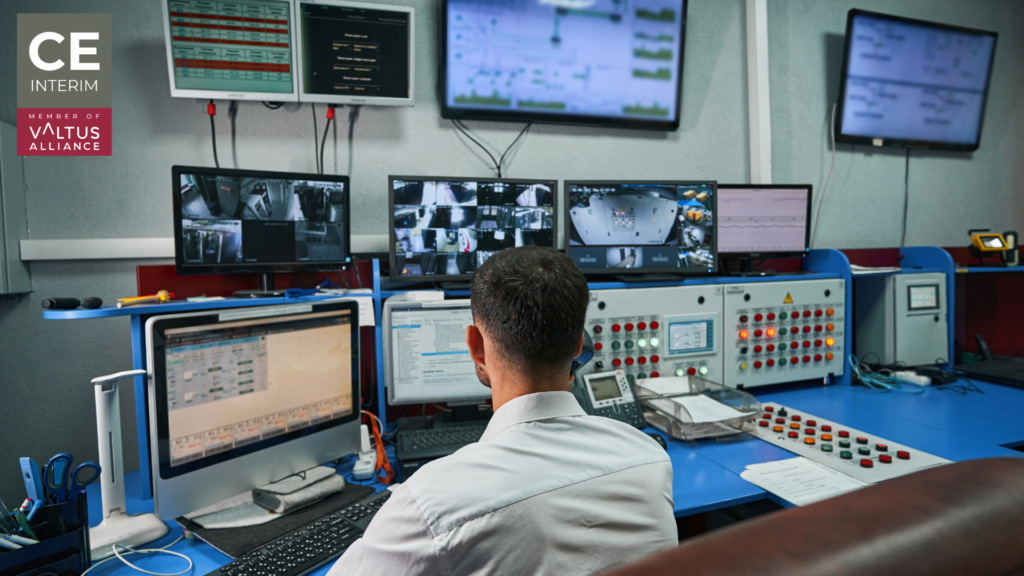
Kriza, ki jo povzroči napad z izsiljevalsko programsko opremo, lahko ustavi proizvodnjo, izčrpa denarna sredstva in v nekaj tednih prisili upravni odbor k prestrukturiranju, prodaji ali zaprtju podjetja.
Stečaj dobavitelja avtomobilskih delov se začne, ko proizvajalec originalne opreme prekliče naročilo

Stečaj dobaviteljev v avtomobilski industriji se pogosto začne, ko proizvajalec originalne opreme (OEM) prekine program, ki krije fiksne stroške tovarne. Ta članek pojasnjuje, kako se izguba obsega proizvodnje spremeni v likvidnostno krizo, kdaj nastanejo zakonske obveznosti v zvezi s stečajnim postopkom ter kako morajo upravni odbori odločiti, ali bodo izvedli prestrukturiranje, prodajo ali zaprtje podjetja.
Prestrukturiranje in preobrat v Belgiji: Strokovni vpogledi
Prestrukturiranje v Belgiji: tihi stečaj, preobrat pod vodstvom CRO in kako zgodnje ukrepanje ohranja vrednost v finančnih težavah.
 EN
EN  DE
DE  FR
FR  IT
IT  PL
PL  RO
RO  CS
CS  SK
SK  HU
HU  ES
ES  RU
RU  AR
AR  SL
SL