Anlagensicherheit während betrieblicher Turnarounds
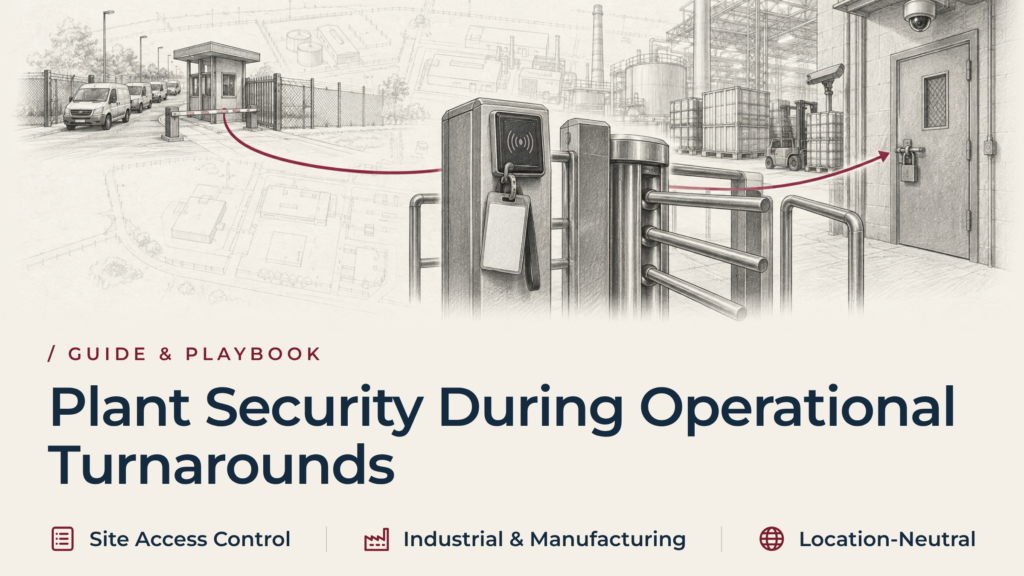
Erfahren Sie, wie Werksleiter die Sicherheit während betrieblicher Wartungsarbeiten verbessern können, indem sie den Zugang von Auftragnehmern, Sperrbereiche, Zugangsberechtigungen und Risiken am Standort kontrollieren.
Wenn die Schließung eines polnischen Werks den Zeitplan für die Umstrukturierung in Tschechien beeinflusst: Warum parallele Entscheidungen unmöglich werden

Ein deutscher Industriekonzern mit Produktionsstätten in Polen und der Tschechischen Republik steht vor einer Entscheidung des Vorstands, die innerhalb von sechs Wochen getroffen werden muss. Das polnische Werk schreibt Verluste und zehrt die Liquidität auf. Der tschechische Standort bleibt hinter den Erwartungen zurück, ist aber betrieblich sanierbar. Das für die Restrukturierung verfügbare Kapital beläuft sich in beiden Ländern auf insgesamt rund 35 Millionen Euro. Hier liegt das entscheidende Problem: Die Entscheidung, den polnischen Betrieb zu schließen, löst sofort eine Umstrukturierungsmaßnahme in Tschechien aus, die weder verzögert, neu geordnet noch unabhängig davon abgewickelt werden kann. Wenn ein Land vor der Schließung steht und das andere eine Umstrukturierung benötigt, führt die länderübergreifende Kaskade von Schließungen und Umstrukturierungen in Mittel- und Osteuropa zu einer Führungsblockade. Dies zwingt einen unvorbereiteten Vorstand zu einer Entscheidung, die niemand geplant hatte. Zu verstehen, warum parallele Entscheidungen unmöglich werden, ist für jede Führungskraft der DACH-Industrie, die CEE-Betriebe leitet, unerlässlich. Die ersten 30 Tage: Wie die Kaskade von Schließungen und Umstrukturierungen in mehreren CEE-Ländern beginnt Sobald der Vorstand die Schließung des polnischen Werks genehmigt, treten die Meldepflichten in beiden Ländern gleichzeitig in Kraft. Vor allem überschneiden sich beide Fristen. Keine davon kann ohne rechtliches Risiko aufgeschoben werden. Dieser gleichzeitige Auslöser setzt die Kaskade in Gang, die für länderübergreifende Schließungs- und Umstrukturierungssituationen in Mittel- und Osteuropa charakteristisch ist. Die Anmeldefristen kollidieren gleichzeitig Das polnische Arbeitsgesetzbuch verpflichtet Arbeitgeber, das Bezirksarbeitsamt innerhalb von 20 Tagen nach dem Beschluss über die Massenentlassung zu benachrichtigen. Gleichzeitig muss die Anhörung der Gewerkschaft innerhalb desselben 20-Tage-Zeitraums erfolgen. Darüber hinaus schreibt das tschechische Arbeitsgesetzbuch eine Mindestankündigungsfrist von 30 Tagen gegenüber dem Arbeitsamt und den Arbeitnehmervertretern vor, bevor Kündigungen wirksam werden. Das Ergebnis ist klar: Beide Anmeldepflichten müssen erfüllt werden. Beide Fristen laufen parallel. Die Führungskapazitäten verteilen sich auf zwei Entscheidungen Eine Schließung erfordert spezifische Maßnahmen: Kündigungsbedingungen, Abfindungsberechnungen, Bestandsaufnahme der Vermögenswerte, Ablaufplanung für die Produktionseinstellung, Benachrichtigung der Gläubiger und Planung der Kundenkontinuität. Eine Umstrukturierung erfordert andere Maßnahmen: Streichung von Funktionen, Investitionsentscheidungen zur Produktivitätssteigerung, Prognosen zum Betriebskapital und Leistungsziele. Folglich beansprucht die Schließung in Polen in dem sich überschneidenden Zeitfenster von 20 bis 30 Tagen die volle Aufmerksamkeit des operativen Teams. Unterdessen wird die Entscheidung zur Umstrukturierung in Tschechien in eine bereits überfüllte Tagesordnung gezwängt. Genau aus diesem Grund verursachen Szenarien mit länderübergreifenden Schließungen und Umstrukturierungen in Mittel- und Osteuropa Kapazitätsprobleme auf Führungsebene. Wochen 4 – 8: Der Cashflow-Druck setzt ein, bevor das Restrukturierungskapital eingesetzt wird Sobald die Benachrichtigungsphase abgeschlossen ist, verschärft sich die finanzielle Lage rapide. Abfindungsverpflichtungen werden zu konkreten Verbindlichkeiten. Gläubiger und Lieferanten erkennen das Signal der Schließung. Zudem verkürzen sich die Zahlungszyklen in der Fertigung genau in dem Moment, in dem die Liquidität am stärksten eingeschränkt ist. Druck durch Zahlungsfristen und sich verschärfender Cashflow-Engpass: Die üblichen Zahlungsbedingungen in der Fertigungsindustrie liegen in industriellen B2B-Beziehungen typischerweise bei 60 bis 90 Tagen netto. Wenn Lieferanten Signale für eine Schließung erkennen, reduzieren sie ihr Kreditrisiko. Viele verlangen Vorauszahlungen oder beschleunigen den Einzug ihrer Rechnungen. Infolgedessen verkürzen sich die Verbindlichkeiten aus Lieferungen und Leistungen, während sich der Einzug der Forderungen verlangsamt. Der CFO muss unverzüglich auf den Druck der Gläubiger reagieren und den Zugang zu Betriebsmittelkrediten sichern. Unterdessen wartet die Investition in die tschechische Restrukturierung noch immer auf ihre Genehmigung. Kapitalzuweisungslücke: 35 Millionen Euro reichen für beide Länder nicht aus Diese Kapitalrechnung stand sechs Wochen zuvor noch nicht auf der Tagesordnung des Vorstands. In Woche 8 hat der CFO bereits Kapital für die Schließung in Polen gebunden. Nun muss der Finanzvorstand den Vorstand darüber informieren, dass die Umstrukturierung in Tschechien nicht wie ursprünglich geplant finanziert werden kann. Diese Situation ist typisch für Konflikte bei länderübergreifenden Schließungs- und Umstrukturierungsmaßnahmen in Mittel- und Osteuropa. Wochen 8–16: Das Umstrukturierungsfenster für das zweite Land schließt sich unwiderruflich Zu diesem Zeitpunkt wird die Schließung in Polen öffentlich bekannt. Die Mitarbeiter arbeiten ihre Kündigungsfristen ab. Kundenaufträge werden übertragen oder storniert. Der Verkauf von Vermögenswerten tritt in die Verhandlungsphase ein. Entscheidend ist, dass in Tschechien die Botschaft an die Belegschaft unmissverständlich wird: Die Zentrale verkleinert das Portfolio. Tschechien könnte als Nächstes an der Reihe sein. Das Risiko von Mitarbeiterabgängen verschärft sich und die technische Kompetenz schwindet. Der tschechische Werksleiter erhält wöchentlich Anrufe von qualifizierten technischen Mitarbeitern, die Stellenangebote von anderen Unternehmen erhalten haben. Gleichzeitig hat der Finanzvorstand die Kapitalzusage für Tschechien noch nicht freigegeben. Der Betriebsleiter hat noch keinen Sanierungsplan vorgelegt. Infolgedessen zieht sich die Unsicherheit von Tagen auf Wochen hin. Bis Woche 12 verliert das Werk zwei leitende Techniker und drei Nachwuchsingenieure. Die Produktionsqualität verschlechtert sich. Die Kundenbeschwerden nehmen erheblich zu. Verzögerungen verwandeln das Sanierungs-Potenzial in eine operative Verschlechterung. Lösungen, deren Umsetzung in Woche 2 noch 12 Millionen Euro gekostet hätte, kosten in Woche 10 nun 18 Millionen Euro. Jede Woche Verzögerung bei der Restrukturierung untergräbt die Leistung systematisch. Die Arbeitsmoral sinkt, da keine verbindlichen Zusagen gemacht wurden. Kunden reduzieren ihr Auftragsvolumen, da sich die Liefertreue verschlechtert. Die Zahlungsbedingungen der Lieferanten verschlechtern sich, da sich die Zahlungsmoral verschlechtert. In Woche 14 wechselt der tschechische Standort vom Restrukturierungskandidaten zum Schließungskandidaten. Der Vorstand steht vor einer anderen Entscheidung als erwartet: Restrukturierung zu hohen Kosten mit ungewissem Ausgang oder Schließung zur Kapitalerhaltung. Diese Verschlechterung ist nicht unvermeidlich. Sie resultiert direkt aus der länderübergreifenden Kaskade von Schließungsrestrukturierungen in Mittel- und Osteuropa. Die Entscheidung über die Reihenfolge: sequenzielle oder parallele Durchführung bei länderübergreifenden Schließungs- und Restrukturierungsmaßnahmen Der Vorstand steht vor einer binären Entscheidung. Keine der beiden Optionen ist attraktiv. Beide sind mit erheblichen Kosten und Risiken verbunden. Im Wesentlichen geht es um die Wahl zwischen akzeptablen Ergebnissen und schlechteren Ergebnissen. Option 1: Sequenzielle Durchführung (zuerst Polen schließen, dann Tschechien) Option 2: Parallele Durchführung (beide gleichzeitig abwickeln) Wer entscheidet über die Reihenfolge, und wann bricht die Entscheidungsgewalt zusammen? Formal entscheidet der Vorstand oder Aufsichtsrat über die Reihenfolge bei länderübergreifenden Schließungs- und Restrukturierungsentscheidungen in Mittel- und Osteuropa. In der Praxis müssen sich der Finanzvorstand, der operative Geschäftsführer und der Vorstand abstimmen. Wenn die Abstimmung scheitert, bricht die Entscheidungshoheit in einen Konflikt zwischen operativer Realität und strategischer Präferenz zusammen. Präferenz des Vorstands versus operative Realität: Position des Vorstands: Eine parallele Umsetzung wird bevorzugt. Die parallele Umsetzung verkürzt den Gesamtzeitrahmen und bewahrt die Optionen für die Restrukturierung in Tschechien. Einschätzung des COO: Eine parallele Umsetzung ist operativ nicht zu bewältigen. Zwei große Maßnahmen im Unternehmensportfolio lassen sich nicht gleichzeitig mit höchster Qualität durchführen. Ein Qualitätsverlust bei einer oder beiden Initiativen ist sicher. Bedenken des CFO: Die Kapitalausstattung ist unzureichend. Der CFO plädiert für eine sequenzielle Umsetzung: zuerst die vollständige Schließung in Polen, Erhaltung des Kapitalpuffers, dann die Umstrukturierung in Tschechien nur, wenn Kapital verfügbar ist und der Druck der Gläubiger nachlässt. Grenzüberschreitende Entscheidungslücken, wenn keine Einigung erzielt werden kann Der polnische Country Manager plädiert für eine rasche Abfolge der Schließungen. Umgekehrt plädiert der tschechische Landesleiter für eine klare Umstrukturierungszusage mit sichtbarer Kapitalunterstützung. Beide Positionen sind operativ korrekt. Beide können nicht gleichzeitig erfüllt werden. Die EU-Richtlinie 98/59/EG und die Richtlinie 2019/2121 zur grenzüberschreitenden Umstrukturierung legen rechtliche Rahmenbedingungen fest, regeln jedoch nicht die Reihenfolge der Umsetzung. Der Finanzvorstand kontrolliert die Freigabe von Kapital. Wenn der Finanzvorstand das Kapital für die tschechische Restrukturierung bis zur Klärung der Situation mit den polnischen Gläubigern zurückhält, wird die Entscheidung des Vorstands zur parallelen Durchführung in der Praxis zu einer sequenziellen Durchführung. Die Zuständigkeiten zerfallen.
Serbiens Hochlauf gerät ins Stocken: Drei Vorstandsbeschlüsse, die schon früher hätten gefasst werden sollen
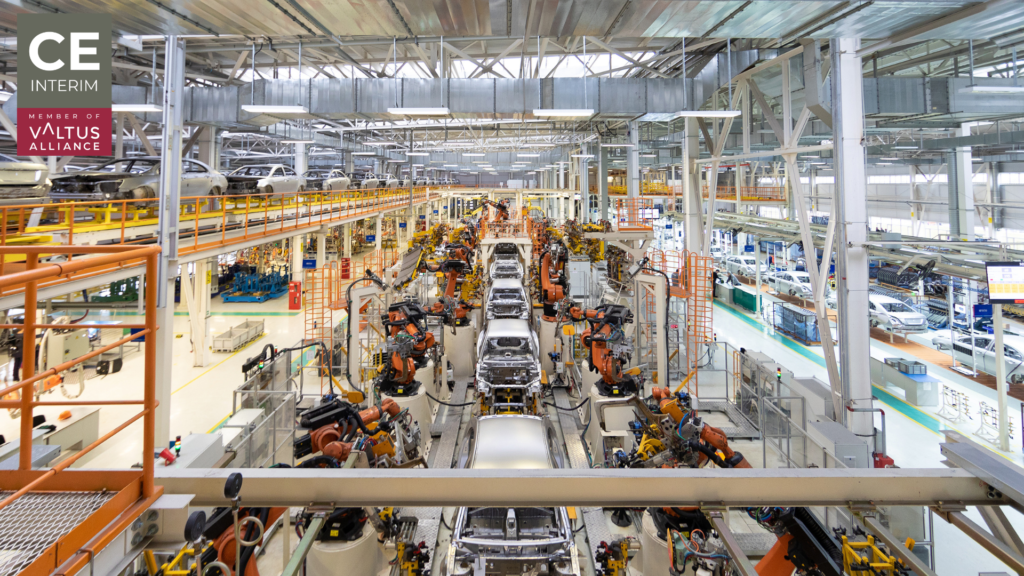
Ein deutscher Mischkonzern betreibt Werke in Polen und Serbien unter der Leitung eines einzigen COO. Polen liefert planmäßig aus. Serbien fährt neue Kapazitäten hoch. Der Konzernvorstand erhält monatliche KPIs: Die Gesamtproduktion verläuft planmäßig, die Investitionsausgaben liegen im Rahmen des Budgets, und das Portfolio erscheint solide. Was der Vorstand jedoch nicht sieht, ist, dass sich die für die Tier-2-Hochlaufphase relevanten Produktionskennzahlen am serbischen Standort in einer Weise verschlechtern, die durch die aggregierte Berichterstattung verschleiert wird. Der Arbeitskräftemangel verkürzt die Zeitpläne. Die Meilensteine für die Kundenauslieferung verschieben sich. Bis die formelle Eskalation den Vorstand erreicht, sind die Kosten der Verzögerung bereits konkret geworden. Das Kernproblem: Das ist keine Inkompetenz. Es ist eine Geschichte darüber, wie die operative Überwachung der Tier-2-Zulieferer versagt, wenn die Portfoliosteuerung von aggregierten Kennzahlen abhängt und sich die Aufmerksamkeit des Vorstands auf Standorte konzentriert, die planmäßig liefern. Marktkontext: Die serbische Automobilindustrie erzielte im Jahr 2025 Exporte in Höhe von 4 Milliarden Euro, was 12,3 Prozent der Gesamtexporte ausmachte. Laut der Arbeitsmarktstudie des UNDP wird die Arbeitskräftenachfrage in Serbien von 125.000 im Jahr 2024 auf 144.000 im Jahr 2026 steigen, wobei das verarbeitende Gewerbe die Führung übernimmt. Die Auswirkungen zeigten sich besonders deutlich im Jahr 2025: 1. 12.640 Beschäftigte im serbischen Automobilsektor wurden länger als gesetzlich zulässig in bezahlten Urlaub mit 60-prozentiger Vergütung versetzt. 2. Dies führte zur Entlassung von mehr als 6.000 Mitarbeitern. 3. Die Auswirkungen führten zu Verzögerungen beim Produktionshochlauf, die von der DACH-Zentrale erst bemerkt wurden, als Strafzahlungen für verspätete Kundenlieferungen eintrafen. Entscheidung 1: Wie viele Standorte kann ein COO überwachen, ohne den Überblick zu verlieren? Die strukturelle Rechenschaftslücke Ein COO, der mehrere Standorte beaufsichtigt, steuert diese in der Regel durch vierteljährliche Überprüfungen und Ausnahmemeldungen. Dies funktioniert, wenn die Standorte ausgereift sind und planmäßig arbeiten. Es bricht jedoch zusammen, wenn ein COO gleichzeitig einen liefernden Standort (Polen) und einen Standort im Hochlauf (Serbien) leitet. Der liefernde Standort erfordert Aufmerksamkeit zur Optimierung. Der Standort in der Anlaufphase erfordert Eskalation und Problemlösung. Eine Person kann beiden nicht ausreichend Aufmerksamkeit widmen. Was tatsächlich geschah – Monat 8 der Anlaufphase: Der serbische Betrieb verfehlte die Ziele bei der Personalrekrutierung. Der Werksleiter machte den COO darauf aufmerksam. Der COO erkannte das Risiko, eskalierte die Angelegenheit jedoch nicht an den Vorstand, da die Gesamtzahlen des Portfolios – getragen von der soliden Leistung in Polen – weiterhin akzeptabel aussahen. Die Entscheidung, nicht zu eskalieren, war unter der Annahme rational, dass eine Abweichung der Stufe 2 vor Ort gelöst werden könne. Diese Annahme war falsch. Warum die Aufmerksamkeit des Vorstands nachlässt: Der serbische Automobilsektor verzeichnete einen Umsatzanstieg von 7,2 Milliarden Euro im Jahr 2023 auf 8,3 Milliarden Euro im Jahr 2024, doch laut dem CorD Magazine warnten Prognostiker bereits im Januar 2026, dass das Jahr 2025 aufgrund sinkender Nachfrage aus der EU deutlich schwächer ausfallen könnte. Dieser externe Druck war bereits bekannt. Unbekannt war jedoch, dass der Arbeitskräftemangel das Zeitfenster für eine Erholung einschränken würde. Entscheidung 2: Ab welcher Abweichungsschwelle ist eine Überprüfung durch den Vorstand erforderlich? Die Falle der aggregierten Kennzahlen Die meisten Vorstände erhalten KPIs auf Portfolioebene, nicht jedoch detaillierte Angaben zu einzelnen Standorten. Die fehlende Entscheidungsregel Nur wenige Vorstände haben den Abweichungsschwellenwert explizit definiert, ab dem ein Hochlauf auf dem Sekundärmarkt ein Eingreifen auf Vorstandsebene erfordert. In der Praxis ist die Definition dessen, was eine Anomalie darstellt, subjektiv. Entscheidung 3: Wer eskaliert das Problem, bevor es der Kunde tut? Das Problem der Verdrängung von Fachkräften Die Umstellung auf Elektrofahrzeuge bei Stellantis in Kragujevac veranschaulicht das Problem. Die Umstellung reduzierte den Bedarf an traditionellen Maschinenbauern im Jahresvergleich um 12 Prozent, während der Bedarf an Batterietechnikern um 34 Prozent stieg. Ein Werksleiter, der mit diesem Wandel konfrontiert ist, kann das Problem nicht vor Ort lösen. Es gibt nicht genügend Fachkräfte mit den erforderlichen Qualifikationen. Dies erfordert eine Umverteilung von Kapital auf Vorstandsebene. Dem Vorstand zur Verfügung stehende Optionen: 1. Weiterqualifizierung (kostspielig und zeitaufwendig). 2. Auslagerung von Nicht-Kernmontageaufgaben ( Margeneinbußen). 3. Verlängerung des Hochlaufzeitraums (verzögert den Cashflow). 4. Der Werksleiter kann diese Entscheidung nicht treffen. Der COO darf die Angelegenheit ohne Genehmigung des Vorstands nicht eskalieren. Wenn eine Kundeneeskalation zur Belastung wird: OEM-Kunden arbeiten mit festen Lieferterminen. Eine Verzögerung von zwei bis vier Wochen gilt als normale Abweichung. Eine Verzögerung von acht bis zwölf Wochen löst eine formelle Eskalation und die Prüfung von Vertragsstrafen aus. Der Eskalationsverlauf im serbischen Fall: 1. Monat 8: Der Werksleiter hätte an den COO eskalieren müssen, als die Arbeitsziele verfehlt wurden. 2. Monat 10: Der COO hätte an den Vorstand eskalieren müssen, und zwar unter dem Gesichtspunkt eines Lieferrisikos für den Kunden. 3. Monat 12: Der Kunde erkannte die Verfehlung aufgrund verspäteter Lieferungen. 4. Monat 13: Der Kunde reichte eine formelle Reklamation ein. So werden Versäumnisse bei der operativen Aufsicht auf der zweiten Ebene zu einem Eskalationsrisiko für den Kunden und zu einer finanziellen Verbindlichkeit. Warum aggregierte KPIs die operative Realität verfehlen Ein Vorstand verfolgt in der Regel den Portfolio-Output, die Investitionsausgaben, die Marge und den Cashflow. Diese Abweichung kann innerhalb der Toleranz liegen, wenn marktbedingte Gegenwinde bereits einkalkuliert wurden. Was die aggregierten Zahlen jedoch nicht zeigen, ist die Zusammensetzung: Polen liefert mehr als vereinbart, um das strukturelle Problem in Serbien auszugleichen. Polen kann dies nicht 18 Monate lang aufrechterhalten. Wenn Polen im 16. Monat wieder auf das normale Niveau zurückkehrt, bricht das Portfolio zusammen. Die Frage nach dem Eingreifen, wenn es schließlich zur Eskalation vor den Vorstand kommt Im 13. Monat macht der Kunde offiziell eine Vertragsstrafe wegen Lieferverzögerung geltend. Der Vorstand steht vor drei Optionen. 1. Kapital und vorübergehende Führungskräfte einsetzen, um den Betrieb zu retten. Dies erfordert 15 bis 20 Millionen Euro und setzt voraus, dass sowohl der Arbeitsmarkt als auch die Geduld des Kunden standhalten. 2. Die Hochlaufphase um sechs Monate verlängern. Dies verzögert den Cashflow, verringert jedoch den monatlichen Lohndruck. 3. Den Betrieb verkaufen oder schließen und die serbische Lieferung nach Polen oder Rumänien konsolidieren. Der Vorstand steht vor einer Umstrukturierungsentscheidung, die er bereits im 10. Monat hätte treffen sollen, als die Abweichung noch intern war. Die Optionen des Vorstands haben sich verengt. Im 13. Monat, wenn der Kunde bereits die Eskalationsstufe erhöht hat, verfügt jede neu eingesetzte Führungskraft über weniger Einfluss und muss unter engeren Rahmenbedingungen arbeiten. Strukturelle Präventions-Governance-Architektur ohne Single-Point-Failure Das strukturelle Problem besteht nicht darin, dass ein COO mehrere Standorte beaufsichtigt. Es besteht vielmehr darin, dass die Verantwortlichkeit für Abweichungen beim Hochlauf auf mehrere Rollen verteilt ist, ohne dass eine klare Zuständigkeit für die Eskalation besteht. Eine robustere Struktur weist die Verantwortung in folgender Reihenfolge ausdrücklich zu: 1. Der Werksleiter ist für die Leistung auf Standortebene verantwortlich und muss den COO informieren, wenn ein Frühindikator einen festgelegten Schwellenwert überschreitet. 2. Der COO ist für die Leistung des Portfolios über mehrere Standorte hinweg verantwortlich und muss den Vorstand informieren, wenn ein Schwellenwert überschritten wird. 3. Der Vorstand ist für die Überprüfung von Abweichungen auf Portfolioebene zuständig und muss innerhalb eines festgelegten Zeitrahmens über eine Umverteilung des Kapitals oder eine Anpassung des Projektumfangs entscheiden. Trennung der Überwachung der Produktionsanlaufphase von der aggregierten Berichterstattung Die meisten Vorstände erhalten vierteljährlich KPIs auf Portfolioebene. Dies ist angemessen für
Wenn die Zentrale eingreifen muss: Eine Checkliste für den Vorstand tschechischer Produktionsbetriebe

Kurz gesagt: Wenn eine tschechische Produktionsniederlassung immer wieder ihre operativen Ziele verfehlt, ist die natürliche Reaktion des Vorstands, mehr Berichterstattung zu verlangen. Das bedeutet in der Regel einen überarbeiteten Sanierungsplan, eine wöchentliche Liquiditätsübersicht und ein weiteres Besprechungsgespräch. Dieser Instinkt ist verständlich. Er schließt jedoch selten die Lücke, denn mehr Details aus derselben Berichtslinie ändern nichts daran, was in der Produktion tatsächlich geschieht. Ein direktes Eingreifen der Geschäftsleitung wird erst dann zur richtigen Entscheidung, wenn bestimmte, beobachtbare Bedingungen vorliegen – und nicht erst, wenn die Geduld am Ende ist. Hier wird dargelegt, um welche Bedingungen es sich dabei handelt und welche Befugnisse der Geschäftsleitung die einzelnen Muster tatsächlich erfordern. Außerdem wird erläutert, wie schnell diese Befugnisse umgesetzt werden können. Der operative Auslöser: Warum eine verstärkte Berichterstattung die Verfehlung der Werksziele nicht beheben kann Das Muster erreicht einen deutschen Vorstand in einer vertrauten Form. Ein Werk in Pilsen, Mladá Boleslav oder Liberec meldet seit mehreren Quartalen weitgehend akzeptable Produktionszahlen. Die Ausbeute driftet jedoch weiter ab und die Marge schrumpft stetig. Jedes Quartal legt das lokale Management einen überarbeiteten Sanierungsplan vor, der die Lücke jedoch nicht geschlossen hat. Die Forderung nach mehr Berichterstattung ist eine vernünftige erste Reaktion. Ein Vorstand kann mehrere Hebel betätigen, ohne direkt in das Werk einzugreifen. Ein wöchentlicher Cash-Tracker, ein neuer Sanierungsplan, eine weitere Überprüfungsbesprechung: All dies lässt sich mit geringem Aufwand anfordern. Unter Druck ist dieser Instinkt durchaus sinnvoll. Die Schwierigkeit besteht darin, dass Berichte, die aus demselben Betrieb und auf derselben Entscheidungsebene stammen, selten andere Fakten liefern. Sie zeichnen lediglich dasselbe Bild in größerer Detailtiefe. Das Timing ist in dieser Phase wichtiger, als es zunächst den Anschein hat. Eine Studie von McKinsey & Company zu operativen Sanierungen und entscheidenden Eingriffen der Geschäftsleitung verdeutlicht, warum das Timing entscheidend ist. Sanierungssituationen reagieren auf schnelle, entschlossene Maßnahmen der Geschäftsleitung innerhalb der ersten dreißig Tage. Jeder weitere Monat, der mit der Überprüfung von Plänen verbracht wird, während der Ausschuss in der Produktion weiter steigt, zehrt an der Liquidität und dem Vertrauen der Kunden. Zudem schränkt dies die Bandbreite der Optionen ein, die dem Vorstand noch offenstehen. Grenzüberschreitende Managementherausforderungen: Grenzen der Aufsicht zwischen der deutschen Zentrale und den tschechischen Standorten Vier Faktoren machen diesen spezifischen Korridor schwieriger zu handhaben, als es die geografische Lage vermuten lässt, und jeder davon hat einen nachvollziehbaren Grund. Auch vorschriftsmäßige Berichterstattung kann operative Abweichungen verbergen. Die Teams in den tschechischen Werken zeichnen sich in der Regel durch eine hohe administrative Disziplin aus. Die monatlichen Unterlagen, die in Stuttgart oder München eintreffen, sind meist vollständig und korrekt formatiert. Diese formale Konformität ist real, bedeutet aber nicht dasselbe wie operative Transparenz. Maschinen, die unter der Nenndrehzahl laufen, nicht protokollierte Mikroausfälle und Nacharbeitszyklen tauchen selten in den OEE- oder Ausschusszahlen der obersten Ebene auf. In der Berichtsvorlage wird direkt nicht danach gefragt. Geografische Nähe ersetzt nicht das Wissen auf Schichtebene. Ein Werk in Ústí nad Labem oder Plzeň liegt nur wenige Stunden von Bayern oder Sachsen entfernt. Deutsche Führungskräfte interpretieren diese Entfernung verständlicherweise als überschaubare Aufsicht. Ein halbtägiger Standortbesuch bietet einen reibungslosen Rundgang und ein nützliches Gespräch mit dem Werksleiter. Was sich zwischen den Schichten ändert – und genau dort liegen meist die tatsächlichen Abweichungen –, kommt dabei nicht zum Vorschein. Rechtliche und informative Barrieren: Haftung des tschechischen Geschäftsführers und Risiken durch mangelndes lokales Wissen Das tschechische Gesellschaftsrecht sieht eine persönliche Haftung des lokalen Geschäftsführers vor. Der „jednatel“ trägt die gesetzliche Treuhandpflicht für das Unternehmen, unabhängig von der Unternehmensführung der deutschen Muttergesellschaft. Die Zentrale legt manchmal aggressive Produktionsziele fest, ohne das dafür erforderliche Betriebskapital oder die Investitionsausgaben bereitzustellen. In solchen Fällen gibt die eigene rechtliche Haftung des „Jednatel“ ihm einen direkten Grund, seine Position zu schützen. Er hat weniger Grund, der Zentrale freiwillig das vollständige Bild zu vermitteln. Das ist eine vorhersehbare Reaktion auf die grenzüberschreitende Aufteilung von Befugnissen und Haftung. Dies ist kein Zeichen von Böswilligkeit. Langjährige lokale Teams verfügen über Wissen, das die Zentrale nicht ohne Weiteres überprüfen kann. Die Preisentwicklung bei Lieferanten, Wartungsunterlagen und die Logik der Schichtplanung beruhen oft auf persönlichen Beziehungen, die über Jahre hinweg aufgebaut wurden. Selten ist dieses Wissen in einem gemeinsamen System gespeichert. Wenn die Zentrale Daten anfordert, erhält sie eine Zusammenfassung, die durch eben dieses lokale Wissen gefiltert wurde. Es gibt derzeit keine andere Version davon, die übermittelt werden könnte. Checkliste für den Vorstand: Wichtige Warnzeichen für operative Zusammenbrüche in ausländischen Tochtergesellschaften Diese Zustände sind von der Zentrale aus erkennbar, ohne dass eine weitere Überprüfung in Auftrag gegeben werden muss: Wenn zwei oder mehr dieser Anzeichen gleichzeitig vorliegen, hat die passive Unternehmensführung ihre Grenzen erreicht. Zahlreiche Forschungsstudien zur Unternehmensführung, die sich mit der Aufsicht über Tochtergesellschaften und operativen Systemen befassen, kommen zu demselben Ergebnis. Die Entscheidung, vor der der Vorstand steht, ist, welche Führungskraft vor Ort eingesetzt werden soll. Es geht nicht darum, ob ein weiterer Bericht angefordert werden soll. Rahmenkonzept für das Eingreifen der Geschäftsleitung: Abgleich von operativen Mustern mit vorübergehenden Führungsrollen Ein Eingreifen bedeutet nicht, ein Unternehmensteam aus Deutschland für eine weitere Überprüfung zu entsenden. Es bedeutet, das Muster, das bereits in den oben genannten Umständen erkennbar ist, mit der dafür erforderlichen spezifischen Führungskraft abzugleichen. Diese Führungskraft muss dann schnell genug vor Ort sein, um den Ausgang der Situation noch beeinflussen zu können. Muster vor Ort Erforderliche Führungsrolle Ausgeübte Befugnisse Typische Dauer Die Abläufe in der Fertigung sind zusammengebrochen: Ausschussquote über 51 TP3T, Termintreue unter 851 TP3T, unkontrollierte Ausfallzeiten Interim-Werksleiter Direkte Befugnisse über Schichtplanung, Disziplin in der Fertigung, Instandhaltung und Qualitätskontrollen 3 bis 6 Monate Einkauf, Konstruktion und Produktion arbeiten gegeneinander Interim-COO Abteilungsübergreifende Befugnisse zur Neuausrichtung der Lieferkette, des Produktionsflusses und der lokalen Konstruktion 6 bis 9 Monate Der Cash-Burn ist zu einem strukturellen Risiko geworden: negatives EBITDA, Druck seitens der Gläubiger Interim-CRO Befugnisse eines gesetzlich bestellten Geschäftsführers („jednatel“) zur Restrukturierung der Bilanz, Neuverhandlung von Konditionen und Anpassung der Standortpräsenz 6 bis 12 Monate Das Vertrauen des Vorstands in die lokale Führung ist verloren gegangen, und die Compliance ist systemisch zusammengebrochen Interim-CEO oder Geschäftsführer Vollständige Unternehmensführung, direkte Schnittstelle zum Konzernvorstand, zu Betriebsräten, Schlüsselkunden und Banken 6 bis 12 Monate Reihenfolge der Umsetzung: Einsatz gesetzlicher Befugnisse für eine schnelle Sanierung des Werks Die Zuordnung des Musters zur Rolle ist nur die erste Entscheidung. Die zweite ist die Reihenfolge. Ein Auftrag für einen Werksleiter, der später Befugnisse auf CRO-Ebene benötigt, um Lieferantenbedingungen neu zu verhandeln, kostet Wochen an Eskalation und Remobilisierung. Deshalb sollte die obige Diagnose ehrlich und nicht optimistisch durchgeführt werden. Führen Sie sie ehrlich durch, sobald der Vorstand entscheidet, was in Auftrag gegeben werden soll. Eine Studie von McKinsey & Company zur Transformation in dezentralen Betrieben unterstreicht diesen Punkt. Maßnahmen, die funktionieren
Wenn ein slowakisches Werk zum am wenigsten beachteten Standort im Portfolio eines DACH-Unternehmens wird

Ein konkretes Szenario: Ein Werk mit 2.800 Mitarbeitern und einem Jahresumsatz von 90 Millionen Euro ist Teil einer slowakischen Fertigungsstruktur der zweiten Ebene (Tier 2). Der Standort berichtet über einen regionalen Cluster-Manager an die Zentrale in Stuttgart oder Wien. Bei den vierteljährlichen Vorstandssitzungen werden die aggregierten Clusterkennzahlen überprüft: Mitarbeiterzahl, Produktionsleistung, Kosten, Qualität. Die Gewinn- und Verlustrechnung des slowakischen Werks ist stabil. Die Termintreue liegt bei 96%. Das EBITDA entspricht den Prognosen. Der Werksleiter legt seinen Monatsbericht termingerecht vor. Seit achtzehn Monaten hat niemand aus der Vorstandsebene den Standort besucht. Dann, im 13. Monat dieser stabilen Phase, trifft eine Eskalation seitens eines Kunden ein. Ein Qualitätsproblem hat sich seit 90 Tagen angehäuft. Ein Ingenieur hat das Unternehmen unerwartet verlassen und wurde nie ersetzt. Eine Maschine, die gewartet werden sollte, arbeitet außerhalb der Spezifikationen. Die erste Frage des Vorstands lautet nicht, warum das Werk versagt hat. Sie lautet: Warum wurde dieses Problem nicht vorhergesehen? Die Antwort liegt darin, wie die Tier-2-Governance in der slowakischen Fertigung in Industrieportfolios mit Hauptsitz im DACH-Raum tatsächlich funktioniert. Es ist keine Nachlässigkeit. Es ist die Struktur. Das Governance-Modell, das Flaggschiff-Standorte schützt – wo die Größe des Werks eine aktive Aufsicht durch den Vorstand rechtfertigt –, lässt sich nicht effektiv auf mittelgroße Sekundärbetriebe ausweiten. Das Ergebnis ist ein blinder Fleck: Ein Werk, das bei den vierteljährlichen Kennzahlen angemessene Leistungen erbringt, wird für die Entscheidungsträger, die über Kapital, Personalbestand und Eskalationsbefugnisse verfügen, unsichtbar. Das Governance-Modell wurde für Flaggschiff-Standorte entwickelt, nicht für mittelgroße Betriebe Als die Systeme zur Überwachung von CEE-Werken durch DACH-Zentralen konzipiert wurden, spiegelten sie die Realitäten der 1990er und frühen 2000er Jahre wider: zentralisierte Fertigung in großen Tier-1-Märkten. Ein deutscher Automobilzulieferer mit Hauptsitz in Stuttgart besaß Werke in Polen mit 5.000 Mitarbeitern, in Tschechien mit 4.200 Mitarbeitern sowie weitere Zweigwerke an anderen Standorten. Der Vorstand richtete ein Governance-Rahmenwerk für die großen Standorte ein. Ein eigens dafür zuständiger Tier-1-Werksleiter berichtete direkt an den Regionaldirektor. Entscheidungen über Kapitalinvestitionen wurden auf Werksebene getroffen. An den monatlichen operativen Besprechungen nahmen das Vertriebsteam des Werks, der technische Leiter und der Werksleiter teil. Die Steuerung war aktiv und detailliert. Diese Struktur funktionierte für Standorte mit 5.000 Mitarbeitern, die 40 Prozent der Konzernproduktion erbrachten. Was hat sich geändert? Als sich die Portfolios durch Übernahmen und Greenfield-Investitionen erweiterten, stieß das Modell an seine Grenzen. Unternehmen erwarben sekundäre Standorte mit 2.500 bis 3.500 Mitarbeitern. Sie bildeten regionale Cluster, um die Berichterstattung zu vereinfachen. Stattdessen schufen sie Unübersichtlichkeit. Der Governance-Rahmen, der für fünf große Werke funktionierte, lässt sich ohne grundlegende Neugestaltung nicht auf zwanzig Werke in sieben Ländern übertragen. Mittelgroße Betriebe mit einem Jahresumsatz von 80 bis 150 Millionen Euro befinden sich nun in einer Governance-Lücke. Warum mittelgroße Werke verschwinden: Der Governance-Schwellenwerteffekt Der Wendepunkt tritt ein, wenn ein Werk zu klein wird, um individuelle Aufmerksamkeit des Vorstands zu rechtfertigen, aber zu groß ist, um aus der Distanz geleitet zu werden. Werk mit 1.000 Mitarbeitern: wird als Kostenstelle geführt | Werk mit 5.000 Mitarbeitern: erfordert aktive Aufsicht durch den Vorstand | Werk mit 3.000 Mitarbeitern: fällt in die Lücke Hier beginnt die Tier-2-Governance in der slowakischen Fertigungsindustrie zu versagen. Bei einem Werk mit 3.000 Mitarbeitern hält der Vorstand monatliche Betriebsbesprechungen nicht für gerechtfertigt. Er schreibt vierteljährliche Berichterstattung vor. Der regionale Cluster-Manager, der drei Werke beaufsichtigt (Ungarn mit 4.800 Mitarbeitern, Tschechien mit 3.200 und die Slowakei mit 2.800), konzentriert den Großteil seines Engagements auf den größten Standort. Was passiert mit dem zweitrangigen Standort: Das Problem ist nicht, dass die Aufsicht absichtlich locker gehandhabt wird. Es liegt vielmehr daran, dass in der Führungsarchitektur nie definiert wurde, was angemessene Aufsicht für ein mittelgroßes Werk bedeutet. Standardmäßig wird das für Flaggschiff-Standorte konzipierte Modell angewendet und die Intensität dann entsprechend der Werksgröße reduziert. Das Ergebnis ist ein Werk, das auf Autopilot läuft. Wettbewerbsdruck innerhalb der Portfolios entzieht den Tier-2-Standorten Ressourcen Das Management länderübergreifender Portfolios führt zu internem Wettbewerb um Kapital, Personal und die Aufmerksamkeit des Managements. Wenn die Budgets der Zentrale gekürzt werden, erhalten die größten Werke zuerst Schutz. Der Grad der Konzentration ist real. Nach Angaben des Zväz automobilového priemyslu Slovenskej republiky wurden in der Slowakei im Jahr 2025 1,07 Millionen Fahrzeuge produziert. Volkswagen Bratislava produzierte 336.905 Einheiten; Stellantis Trnava produzierte 330.000 Einheiten; Kia Žilina lieferte 296.550 Einheiten; Jaguar Land Rover Nitra trug 107.000 Einheiten bei. Das Werk von Volkswagen Bratislava beschäftigt 14.800 Mitarbeiter und produziert den VW e-up, den Škoda Citigo iV und den Seat Mii Electric. Dieses Werk erhält eine Führungsintensität, die seiner Größe und strategischen Bedeutung entspricht. Das Stellantis-Werk in Trnava mit 3.300 Mitarbeitern und einem Umsatz von 3.786 Millionen Euro steht im Fokus auf Cluster-Ebene. Der sekundäre Standort nimmt den Kostendruck auf sich, während das Flaggschiff die Wachstumsinvestitionen trägt. Dies führt zu einer Kettenreaktion: Die regionale Cluster-Falle: Wie die Zusammenfassung von drei Werken das individuelle Risiko verschleiert. Die DACH- und die französische Zentrale betreiben die CEE-Standorte über regionale Governance-Cluster. Ein einziger Cluster-Manager trägt die Gewinnverantwortung für drei Länder und drei Werke unterschiedlicher Größe. Der Cluster berichtet dem Vorstand über die Gesamtleistung: Personalauslastung, Produktionsmenge, Stückkosten, Qualitätskennzahlen. Einzeln betrachtet sind alle drei Kennzahlen solide. Zusammengenommen verschleiern sie jedoch die Verschlechterung am kleinsten Standort. Dieser Zusammenbruch der regionalen Aufsicht ist strukturell bedingt und kein Zufall. Er ergibt sich aus der Art und Weise, wie die Clusterberichterstattung gestaltet ist. So funktioniert die Falle: Wenn die Leistung des ungarischen Werks nachlässt und den Clustergewinn gefährdet, konzentriert sich der Clustermanager darauf. Er kann es sich nicht leisten, Ungarn zu verlieren. Wenn die Kostenstruktur des tschechischen Werks umgestaltet werden muss, fließen Kapital und Aufmerksamkeit dorthin. Das slowakische Werk, das bei allen vierteljährlichen Kennzahlen eine stabile Leistung aufweist, wird zur Quelle freier Kapazitäten. Wenn der Vorstand Kosteneinsparungen in Höhe von 2 Millionen Euro fordert, wird dies vom slowakischen Werk aufgefangen, da der Regionalleiter weiß, dass dies der einzige Standort ist, an dem er Einschnitte vornehmen kann, ohne unmittelbare Risiken auszulösen. Das Werk schrumpft. Die Mitarbeiterzahl sinkt. Auf dem Papier wird das Werk effizienter. Aber es hat keinen Spielraum mehr. Es läuft am Limit. Wenn Tier 2 keine Rolle mehr spielt: Der Moment, in dem ein Werk im Unternehmensgedächtnis zum „Steady State“ wird Das Unternehmensgedächtnis ist selektiv. Der Vorstand erinnert sich an die Werke, die Probleme verursacht haben, an die Standorte, die Eingriffe erforderten, an die Betriebe, die Investitionen verlangten. Das slowakische Werk hat dies nicht getan. Es hat sieben Quartale lang die Prognosen erfüllt, pünktlich geliefert und das Kostenbudget eingehalten. Es wird im Unternehmensgedächtnis als „stabiler Zustand“ eingestuft. „Stabiler Zustand“ ist ein Codewort für „erfordert keine Aufmerksamkeit unsererseits“. In dem Moment, in dem ein Werk diese Einstufung erhält: Wenn Probleme auftreten, wird dieser langsamere Zyklus zu einer Belastung.
Beim Nearshoring in Mittel- und Osteuropa besteht eine Führungslücke
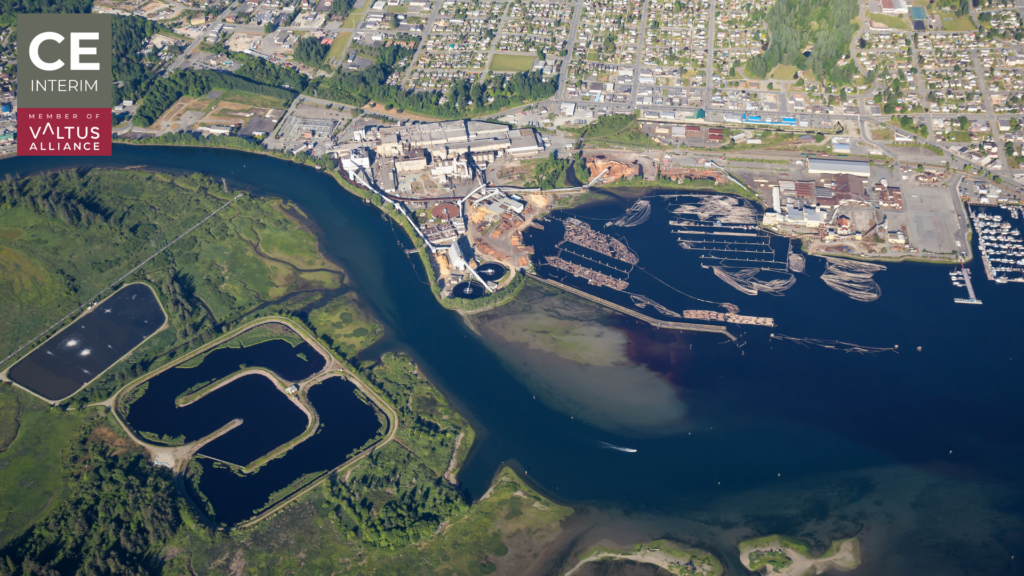
Polen startete ins Jahr 2026 mit Fabriken, Produktionslinien und Investitionszusagen, deren Ausbau schneller voranschritt als die damit einhergehende Schaffung von Arbeitsplätzen. Die Polnische Agentur für Investitionen und Handel (PAIH) meldete für das Jahr 2025 insgesamt 64 geförderte Projekte. Die angekündigten Investitionen beliefen sich auf über 4 Milliarden Euro, wobei mehr als 6.600 Arbeitsplätze geplant waren. Davon entfielen auf 42 Produktionsprojekte mehr als 3,6 Milliarden Euro und rund 2.900 geplante Arbeitsplätze. Für Vorstände, die ein Nearshoring nach Mittel- und Osteuropa anstreben, ist dieses Verhältnis von Kapital zu Beschäftigung von Bedeutung. Es verlagert die Frage dahin, wer zunehmend automatisierte Kapazitäten termingerecht produktiv machen kann. Das polnische Statistikamt / Główny Urząd Statystyczny (GUS) schätzte, dass die verkaufte Industrieproduktion im Jahr 2025 um 3,1% stieg und die Arbeitsproduktivität um 3,5% zunahm. Die durchschnittliche Beschäftigung sank um 0,51 TP3T, während die nominalen monatlichen Bruttolöhne um 8,01 TP3T stiegen. Die Europäische Kommission berichtete, dass 62,41 TP3T der polnischen Industrieunternehmen im vierten Quartal 2025 Arbeitskräftemangel als Produktionsengpass betrachteten. EU-weit lag dieser Wert bei 17,51 TP3T. Das ist die Ausgangslage für das verarbeitende Gewerbe in Mittel- und Osteuropa im Jahr 2026: Die Kapitalintensität steigt, während die Personal- und Managementkapazitäten weiterhin knapp sind. Das Nearshoring nach Mittel- und Osteuropa wird nach der Standortauswahl zu einem operativen Problem – die Standortanalyse endet, bevor das Umsetzungsrisiko beginnt. CE Interim hat die regionalen Standortargumente bereits in „Nearshoring Advantage: CEE als Europas Fabrik-Hub“ dargelegt. Dieser Artikel setzt dort an, wo der Vorstand die Region ausgewählt, das Kapital bewilligt und den Business Case vergeben hat. Ab diesem Zeitpunkt wird das Nearshoring in Mittel- und Osteuropa zu einer festgelegten Abfolge von Inbetriebnahme-, Qualifizierungs- und Hochlaufverpflichtungen. Der Vorstand verfügt nicht mehr nur über eine Standortthese. Er verfügt über einen Umsetzungsplan. Die Industriekapazitäten in Polen wachsen bei einer angespannteren Kostenbasis. Die Narodowy Bank Polski (NBP) verzeichnete im Jahr 2024 Direktinvestitionen in Polen in Höhe von 56,5 Mrd. PLN. Das waren 55,11 TP3T bzw. 69,2 Mrd. PLN weniger als im Jahr 2023. Die NBP identifizierte zudem steigende Arbeitskosten und Energiepreise als Faktoren, die Investitionspläne beeinflussen. Der Aufschwung des PAIH-Projekts im Jahr 2025 findet daher in einem unter Druck stehenden Markt statt. Die polnischen Industriekapazitäten müssen diese Betriebsbedingungen bewältigen, nicht nur neue Maschinen. Der Bau kann die Führungslücke beim Nearshoring verschleiern Die bauliche Fertigstellung ist kein Beweis für die Betriebsbereitschaft Meilensteine bei Bauarbeiten, Ausrüstungslieferungen und der Installation lassen sich leicht dokumentieren. Die Betriebsbereitschaft ist schwerer zu erkennen. Eine Produktionslinie kann baulich fertiggestellt sein, während Wartungsstandards, Eskalationsabläufe, Schichtleitung und die Wiederherstellung der Lieferkette noch unvollständig sind. Der Industriekorridor Niederschlesien–Oppeln veranschaulicht das übergeordnete Problem. Neue Industriekapazitäten in Polen konkurrieren um erfahrene Führungskräfte in den Bereichen Produktion, Technik und Instandhaltung, die möglicherweise bereits für bestehende Produktionskapazitäten zuständig sind. Vor der Inbetriebnahme müssen fünf Systeme klar zugeordnet sein. Die Führungslücke beim Nearshoring wird kostspielig, wenn die Zuständigkeiten funktionsübergreifend fragmentiert bleiben. Bevor das Werk in Betrieb genommen wird, benötigt das Management klare Kontrolle über eine überschaubare Anzahl von Betriebssystemen: Eurostat fügt eine weitere Einschränkung hinzu. Zwischen dem 1. Januar 2005 und dem 1. Januar 2025 verloren Polen und Rumänien jeweils rund 2 Millionen Einwohner. Rumäniens Bevölkerung sank um etwa 11%. Für einen Werksleiter oder Werksdirektor verändert dies die Annahmen zur Personalbesetzung. Es wirkt sich auf Schichten, den Umfang der Instandhaltung und die Besetzung von Führungspositionen während der Hochlaufphase aus. Automatisierung kann den direkten Personalaufwand in einigen Prozessen reduzieren. Sie erhöht jedoch auch die Kosten für mangelhafte technische Entscheidungen im Zusammenhang mit kapitalintensiveren Anlagen. Die Inbetriebnahme vereint separate Arbeitsabläufe zu einem Produktionssystem. Die Führungslücke beim Nearshoring wird während der Integration messbar. Die Inbetriebnahme zwingt Maschinen, Versorgungssysteme, ERP- und MES-Schnittstellen, Qualitätskontrollen, Wartungsroutinen, Lieferanten und die Fähigkeiten der Belegschaft dazu, zusammenzuarbeiten. Das Werk offenbart nun Schwächen bei den Entscheidungsbefugnissen durch verpasste Meilensteine, instabile Taktzeiten und ungelöste Mängel. Der COO, der Betriebsleiter oder der Leiter der Hochlaufphase muss entscheiden, welche Abweichungen das Werk vor Ort auffangen kann. Andere Abweichungen gefährden die Qualifizierung oder den Markteinführungszeitplan und erfordern eine schnellere Eskalation. Wenn niemand die Verantwortung für diese Abwägungen übernimmt, kann jeder Funktionsbereich zwar beschäftigt wirken, während das Werk instabil bleibt. Die Fertigung in Mittel- und Osteuropa im Jahr 2026 legt mehr Gewicht auf die Qualität lokaler Entscheidungen. Dieser Druck erstreckt sich über Polen hinaus. Die BMW Group eröffnete am 29. September 2025 ihr Werk in Debrecen, Ungarn. Die Serienproduktion des BMW iX3 der „Neuen Klasse“ begann Ende Oktober 2025. Der Standort vereint die Produktion von Hochspannungsbatterien mit hochdigitalisierten Fertigungsprozessen. In der gesamten CEE-Fertigung 2026 gilt derselbe Betriebstest für hochintegrierte Anlagen. Zu den relevanten Industriestandorten gehören Mercedes-Benz Vans in Jawor, Polen, und Nokian Tyres in Oradea, Rumänien. Die Anforderungen an das Management steigen mit zunehmender Integration. Ein lokales technisches Problem kann gleichzeitig Produktion, Qualität und Logistik beeinträchtigen. Mehr Automatisierung macht das eigene Urteilsvermögen nicht überflüssig; sie konzentriert dieses Urteilsvermögen vielmehr auf weniger Positionen. Deshalb wird die Führungslücke im Nearshoring oft sichtbar, noch bevor eine offizielle Stellenausschreibung erscheint. SOP wandelt ungelöste Probleme in Kosten-, Bestands- und Kundenrisiken um. Ausländische Direktinvestitionen in der rumänischen Fertigungsindustrie zeigen, warum installierte Anlagen nicht gleichbedeutend mit betrieblicher Wirtschaftlichkeit sind. Die Rumänische Nationalbank (BNR) meldete Ende 2024 einen Stand der ausländischen Direktinvestitionen in Höhe von 125,035 Milliarden Euro. Auf die Industrie entfielen 37,11 TP3T, und das verarbeitende Gewerbe machte 76,11 TP3T der industriellen Auslandsdirektinvestitionen aus. Die Netto-Auslandsdirektinvestitionsströme beliefen sich 2024 auf 5,603 Mrd. €, was einem Rückgang von 17,01 TP3T gegenüber 2023 entspricht. Die ausländischen Direktinvestitionen im rumänischen verarbeitenden Gewerbe sind beträchtlich, doch die installierten Kapazitäten müssen noch ihre Leistung erbringen. Das Werk muss die technischen Fähigkeiten zu den im Investitionskonzept angenommenen Terminen in Volumen, Qualität und Cash umwandeln. Das Betriebskapital zeigt Instabilität, noch bevor dies in der Präsentation für den Vorstand sichtbar wird. Nach Angaben der Europäischen Kommission ging die rumänische Industrieproduktion im Jahr 2025 um 0,9% zurück. Derselbe Bericht bezifferte das reale Wachstum der Arbeitsproduktivität pro Stunde für den Zeitraum 2015 bis 2019 auf etwa 4,51 TP3T jährlich. Von 2020 bis 2025 verlangsamte es sich auf rund 21 TP3T. Hohe Energiepreise und rasante Steigerungen der Arbeitskosten schwächten die Wettbewerbsfähigkeit des verarbeitenden Gewerbes. Das ist das operative Umfeld für ausländische Direktinvestitionen in der rumänischen Fertigungsindustrie an Standorten wie Oradea und Bukarest-Ilfov. Sobald der Produktionsstart erfolgt ist, schlägt sich die Instabilität schnell in den Jahresabschlüssen nieder. Ausschuss verbraucht Material, Premium-Fracht sichert die Liefertermine der Kunden, Überstunden schließen Produktivitätslücken und die Lagerbestände steigen, um Unsicherheiten abzufedern. Der Deckungsbeitrag stellt sich erst später ein, während die Fixkosten bereits anfallen. Nearshoring nach Mittel- und Osteuropa wird daher zu einem Problem der Liquiditätssteuerung, wenn die Produktion hinter den Annahmen des Investitionskonzepts zurückbleibt. Die ersten sechs Produktionsmonate testen die Managementkapazitäten. Die Fertigung in Mittel- und Osteuropa im Jahr 2026 erfordert ein Managementsystem, kein Projektteam. Die frühen Produktionsphasen zeigen, ob der Standort den Übergang von der Projektsteuerung zur betrieblichen Disziplin geschafft hat. Wiederkehrende Mängel müssen nicht mehr nur eingedämmt, sondern dauerhaft behoben werden. Die Instandhaltung muss von
Engpässe in der Lieferkette des Verteidigungssektors beginnen unterhalb der ersten Ebene

Engpässe in der Lieferkette des Verteidigungssektors treten mittlerweile unterhalb der Hauptauftragnehmer auf, wo Kapazität, Qualifizierung, Lokalisierung und Betriebskapital die Produktion einschränken.
Die Einhaltung der CBAM-Vorschriften ist für Hersteller mittlerweile zu einem Liquiditätsproblem geworden

Hersteller, die die CBAM-Vorschriften einhalten müssen, sehen sich im Jahr 2026 mit Kostenbelastungen konfrontiert, die sich auf die Preisgestaltung, Rückstellungen und Liquidität auswirken, noch bevor der Kauf von Zertifikaten beginnt.
Ransomware-Angriff in der Fertigungsindustrie: Sechs Wochen bis zur Insolvenz
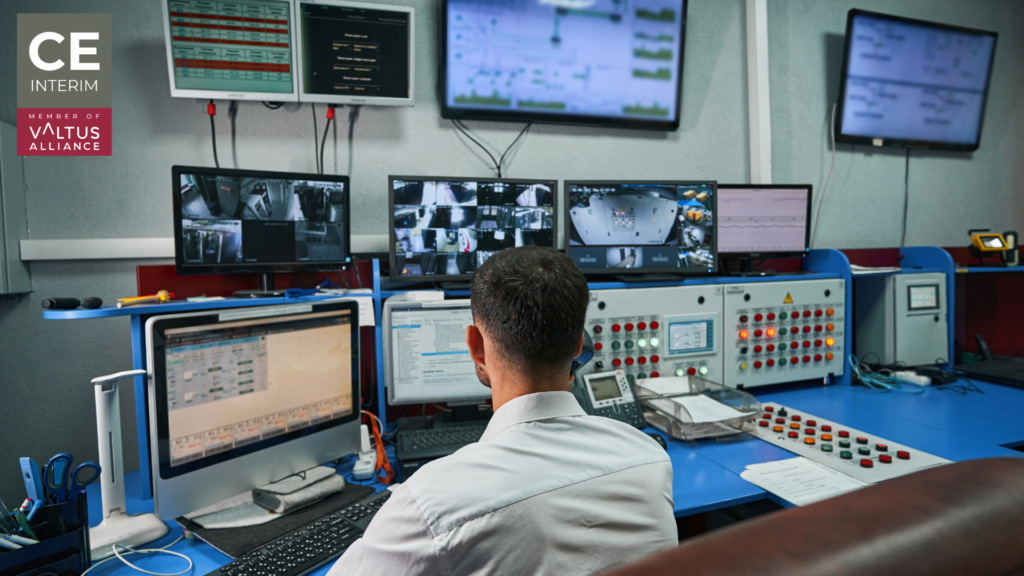
Ein durch einen Ransomware-Angriff ausgelöster Krisenfall in der Fertigungsindustrie kann die Produktion zum Erliegen bringen, die Liquidität erschöpfen und den Vorstand dazu zwingen, innerhalb weniger Wochen eine Umstrukturierung vorzunehmen, das Unternehmen zu verkaufen oder zu schließen.
Ausblick für das verarbeitende Gewerbe in Europa 2026: Lagerauffüllung statt Nachfrage

Der Ausblick für das europäische verarbeitende Gewerbe bis 2026 deutet darauf hin, dass die Fabriken bereits vor einer echten Erholung der Nachfrage eine industrielle Lagerauffüllung verzeichnen. Erfahren Sie, was das für die Kapazitätsplanung bedeutet.
 EN
EN  DE
DE  FR
FR  IT
IT  PL
PL  RO
RO  CS
CS  SK
SK  HU
HU  ES
ES  RU
RU  AR
AR  SL
SL