

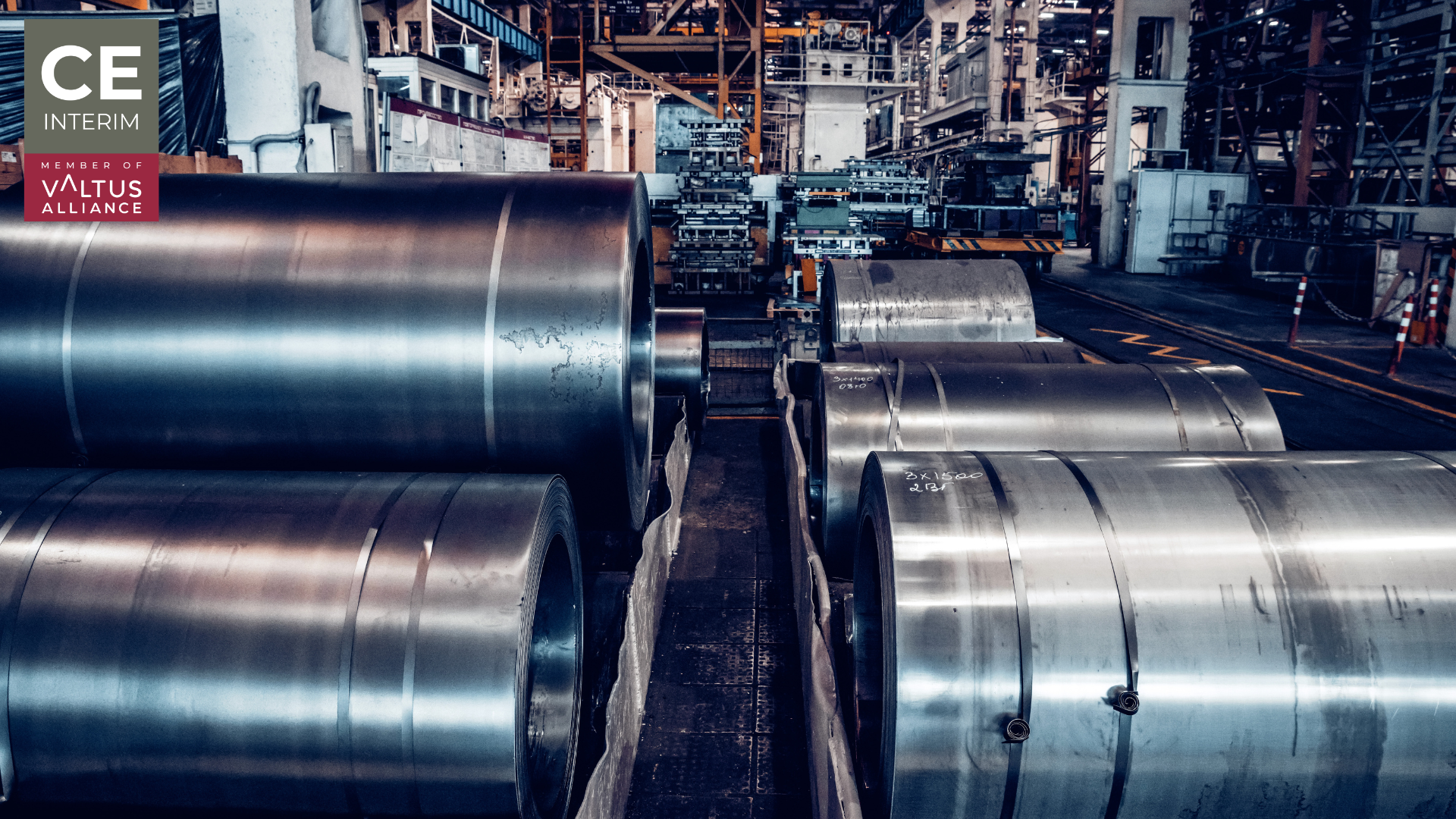
Eine berechtigte Stahlsendung wird im Jahr 2026 vom EU-Zoll abgefertigt, gelangt in ein Werk, durchläuft den Produktionsprozess und wird möglicherweise verkauft, bevor der Importeur die damit verbundenen CO₂-Zertifikate erwirbt. Diese zeitliche Diskrepanz ist das zentrale Cashflow-Problem, mit dem Hersteller im Zusammenhang mit der Einhaltung der CBAM-Vorschriften derzeit konfrontiert sind. Die Verpflichtung besteht ab 1. Januar 2026, während der Kauf der Zertifikate für diese Importe erst später erfolgt. Die damit verbundenen Kosten können daher zunächst in den Beständen, den Preisen und den Margen enthalten sein, bevor das Finanzministerium sie begleicht.
Für einen CFO ist die wesentliche Veränderung nicht etwa ein weiteres Feld für die CO₂-Berichterstattung. Durch die CBAM ist eine finanzielle Verpflichtung entstanden, deren operativer Auslöser und deren Barausgleich zu unterschiedlichen Zeitpunkten erfolgen. Das Unternehmen muss wissen, welche Importe zu einer Verpflichtung geführt haben und auf welcher Emissionsgrundlage diese beruht. Die Finanzabteilung muss zudem wissen, wo diese Kosten in der Produktkalkulation anfallen, bevor die Zahlungen beginnen.
Der 1. Januar 2026 machte jede berechtigte Einfuhr zu einem finanziellen Datenpunkt für Hersteller, die die CBAM-Vorschriften einhalten müssen
Mit der endgültigen Regelung des CBAM für 2026 hat sich die Abfolge der Schritte geändert
Die endgültige Regelung für die CBAM ab 2026 trat am 1. Januar 2026 in Kraft, gemäß der Europäische Kommission, Generaldirektion Steuern und Zollunion, GD TAXUD. Ab diesem Zeitpunkt entstanden für die betroffenen Einfuhren Verpflichtungen, darunter die Genehmigungspflicht, die Emissionsberichterstattung sowie letztlich der Erwerb und die Abgabe von CBAM-Zertifikaten. Die Verordnung (EU) 2023/956 zur Einführung des CO₂-Grenzausgleichsmechanismus bildet die Rechtsgrundlage, wobei die Verordnung (EU) 2025/2083 zur Vereinfachung und Stärkung des CBAM Teil des aktuellen Rechtsrahmens ist.
Der Mechanismus umfasst derzeit sechs Sektoren: Zement, Eisen und Stahl, Aluminium, Düngemittel, Strom und Wasserstoff, vorbehaltlich der KN-Codes in Anhang I der Verordnung (EU) 2023/956. Der Einfuhrbeleg ist somit nicht mehr nur ein Zollbeleg. Er ist zugleich der Eröffnungsbeleg für eine künftige finanzielle Verpflichtung im Zusammenhang mit CO₂-Emissionen.
Hinter jedem Importablauf befinden sich nun drei Kontrollfragen
1. Fielen die Waren unter den Geltungsbereich der CBAM und wurden sie über die richtige juristische Person eingeführt?
2. Kann der zugelassene CBAM-Anmelder die TARIC- und nationalen Zollunterlagen mit dem CBAM-Register abgleichen?
3. Kann die Finanzabteilung denselben Import in der Emissionsbasis, den Produktkosten, den Rückstellungen und dem eventuellen Zertifikatskauf nachverfolgen?
Die Gewichtsgrenze von 50 Tonnen führt nicht zu einer entsprechenden Ausnahmeregelung für Strom oder Wasserstoff. GD TAXUD Vor der Einführung wurde festgelegt, dass Importeure mit einem Volumen von mehr als 50 Tonnen in den vier massebasierten Sektoren sowie Importeure von Strom oder Wasserstoff einen Genehmigungsantrag gestellt oder eine Genehmigung erhalten haben mussten. Hersteller, die die CBAM-Vorschriften einhalten müssen, benötigen daher eine Schwellenwertlogik, die an die jeweilige Ware und Rechtsperson geknüpft ist und nicht in einer allgemeinen Einfuhrrichtlinie verankert ist.
Die Rechnung geht später ein als die wirtschaftliche Verpflichtung
Die GD TAXUD weist darauf hin, dass Importeure im Jahr 2026 keine Zertifikate für ihre Importe im Jahr 2026 erwerben. Der Verkauf über die gemeinsame zentrale Plattform beginnt im Februar 2027, einschließlich der für Importe im Jahr 2026 erforderlichen Zertifikate. Die Waren können somit importiert, verarbeitet, einem Kunden in Rechnung gestellt und in Umsatz umgewandelt werden, bevor der Mittelabfluss für die entsprechenden CBAM-Zertifikate beginnt.
Diese Abfolge verändert das Problem der Bilanzierung und Kontrolle. Das Fehlen einer zertifizierten Rechnung im Jahr 2026 rechtfertigt es nicht, die Kosten bis 2027 außer Acht zu lassen. Die Finanzabteilung muss ihre Abgrenzungs- und Prognoselogik auf Zoll- und Emissionsdaten stützen und nicht auf den späteren Zahlungszeitpunkt. Andernfalls können die Produktmargen zwar intakt erscheinen, während das Unternehmen jedoch eine nicht zugeordnete zukünftige Verpflichtung trägt. Diese Lücke trennt die Kosten von dem Produkt oder Kunden, durch den sie entstanden sind.
Der Umfang ist bereits industriell, nicht mehr experimentell
Die Europäische Kommission berichtete, dass zwischen dem 1. und 6. Januar 2026 1.655.613 Tonnen CBAM-Waren in das System eingetragen wurden, wobei Eisen und Stahl 98% dieses Volumens ausmachten. Im selben Pressemitteilung der GD TAXUD, erklärte die Kommission, dass bis zum 7. Januar mehr als 12.000 Wirtschaftsakteure eine Genehmigung beantragt und mehr als 4.100 den Status eines zugelassenen Anmelders erhalten hätten. Die endgültige Regelung des CBAM für 2026 wird somit bereits in nennenswertem Umfang auf den regulären industriellen Handelsverkehr angewendet.
CE Interim hat bereits einen früheren Artikel veröffentlicht CBAM-Artikel für Hersteller im September 2025, also vor Inkrafttreten der endgültigen Regelung und der Durchführungsrechtsakte, die nun die Funktionsweise regeln. Dieser Beitrag ist nach wie vor nützlich für die ursprüngliche strategische Entscheidung hinsichtlich Dekarbonisierung, Umgestaltung der Lieferketten oder Standortverlagerung, doch seine vor 2026 geltende Regelung zur Einhaltung der Vorschriften wird nun durch die hier beschriebenen endgültigen Vorschriften abgelöst.
Die vierteljährlichen CO₂-Preise reichen aus, um mit der Rückstellungsbildung zu beginnen
Die Kosten des Mechanismus zur CO₂-Grenzausgleichsabgabe sind nun ersichtlich
Die Europäische Kommission hat eine Preis für CBAM-Zertifikate für das 1. Quartal 2026: 75,36 € am 7. April 2026 und eine Kurs von 75,28 € im 2. Quartal 2026 am 6. Juli 2026. Die Durchführungsverordnung (EU) 2025/2548 der Kommission über die Preisgestaltung für CBAM-Zertifikate knüpft den Mechanismus an die Auktionspreise des EU-Emissionshandelssystems (EU-ETS). Während Bis 2026 verwendet die Kommission vier vierteljährliche gewichtete Durchschnittswerte; ab 2027 wird auf wöchentliche Preisbildung umgestellt..
Diese Preise geben keinen vollständigen Überblick über die Gesamtkosten, da regulatorische Anpassungen die Erklärung weiterhin beeinflussen. Die Durchführungsverordnung (EU) 2025/2620 der Kommission zur Anpassung der kostenlosen Zuteilung fließt in diese Berechnung ein. Für das Management ist der Fokus enger gefasst: Die Kosten des CO₂-Grenzausgleichsmechanismus sind kein unbekanntes Zukunftskonzept mehr. Die Finanzabteilung verfügt nun über ausreichende Informationen, um eine disziplinierte Rückstellung und ein Risikomodell auf Produktebene zu erstellen.
Was Hersteller, die die CBAM-Vorschriften einhalten müssen, der Finanzabteilung vor dem Kauf des ersten Zertifikats mitteilen sollten
• Beginnen Sie mit der importierten Menge und der KN-Klassifizierung, die mit den Zollunterlagen abgeglichen wurden.
• Erfassen Sie für jeden relevanten Produktstrom die Emissionsgrundlage und deren Datenquelle.
• Schätzen Sie den Bedarf an CBAM-Zertifikaten und dokumentieren Sie die Preisannahme.
• Ordnen Sie die sich daraus ergebenden Kosten des Mechanismus zur CO₂-Grenzausgleichsabgabe dem richtigen Produkt, Kunden und der richtigen juristischen Person zu.
• Legen Sie den Zeitplan des Finanzministeriums für die Finanzierung des Zertifikatskaufs fest, sobald die Abwicklung beginnt.
Dies gilt auch, wenn an anderer Stelle in der Fertigung Druck auf das Betriebskapital entsteht: Die Liquidität lässt sich nur schwer kontrollieren, wenn operative Entscheidungen und die Finanzbuchhaltung voneinander abweichen. Die Analyse von CE Interim zu Stabilisierung des Betriebskapitals beschreibt dasselbe zugrunde liegende Versagen in einem anderen Kontext, in dem sich Lagerbestände, Forderungen, Verbindlichkeiten und operative Entscheidungen schneller entwickeln als die finanzielle Transparenz. CBAM fügt diesem Kontrollproblem ein weiteres funktionsübergreifendes Liquiditätsrisiko hinzu.
Anhand der Emissionsdaten der Lieferanten lässt sich feststellen, ob die Bestimmung vertretbar ist
Die Durchführungsverordnung (EU) 2025/2547 der Kommission über die Berechnung eingebetteter Emissionen macht Emissionsdaten zu einem Bestandteil der der Erklärung zugrunde liegenden Betriebskette. Der Betreiber einer Anlage in einem Drittland kann über die Quellinformationen verfügen. Ein akkreditierter Prüfer kann dann die Produktionsdaten mit dem für die Einhaltung der Vorschriften herangezogenen Wert verknüpfen. Die Pflichten des CBAM-Meldenden gehen daher über die eigenen Systeme des importierenden Unternehmens hinaus.
Dies ist von Bedeutung für Lieferketten, die die Türkei, China und Indien mit Deutschland und Rumänien verbinden. Das gleiche Problem tritt im gesamten mittel- und osteuropäischen Produktionskorridor auf. Material kann pünktlich eintreffen, während Emissionsdaten erst später oder auf der falschen Ebene nachreichen werden. Möglicherweise lassen sich die Daten auch nicht eindeutig dem importierten Produkt zuordnen. Die Produktion kann weiterlaufen, während der Finanzabteilung noch immer keine vollständigen Unterlagen vorliegen. Der erste Fehler tritt daher möglicherweise erst bei der Margenberechnung, der Rückstellungsbildung oder der Jahresabschlussabstimmung zutage und nicht bereits am Werksausgang.
Die Übergaben sind wichtiger als das Organigramm
Der Zoll weiß, was die Grenze überschritten hat. Die Beschaffungsabteilung ist für die Lieferantenbeziehungen zuständig. Der Bereich Nachhaltigkeit ist möglicherweise für die Emissionsdaten verantwortlich, während der Finanzvorstand bzw. die Treasury-Abteilung für Rückstellungen und Liquidität zuständig ist. Hersteller, die die CBAM-Vorschriften einhalten müssen, benötigen eine abgestimmte Import- und Emissionsaufstellung, die alle diese Bereiche abdeckt. Dieselben Daten müssen für das CBAM-Register, die Produktkalkulation, Preisentscheidungen und später die Abrechnung von Zertifikaten herangezogen werden.
Im Februar 2027 wird die Schätzung in einen Finanzierungsbedarf umgerechnet
Wenn der Verkauf der Zertifikate beginnt in Februar 2027, wechselt die Finanzabteilung von der Schätzung des Risikos zur Finanzierung und Durchführung der Käufe. Zu diesem Zeitpunkt sind die entsprechenden Waren für 2026 möglicherweise bereits verkauft, die Kundenpreise festgelegt und die Deckungsbeiträge ausgewiesen. Wenn die Kosten nicht bereits früher zugeordnet wurden, erfolgt die Zahlung erst nach der geschäftlichen Entscheidung, durch die sie entstanden sind.
CBAM-Zertifikate gehören daher in die normale industrielle Liquiditätssteuerung und nicht in einen separaten Nachhaltigkeitsprozess. Die Finanzabteilung muss ermitteln, welche juristische Person für die Zertifikate verantwortlich ist und welche Importe die Verpflichtung ausgelöst haben. Außerdem muss sie die zugrunde gelegte Preisannahme und die betriebswirtschaftliche Behandlung der Kosten nachverfolgen. Diese Informationen müssen vorliegen, bevor die Finanzabteilung Mittel bereitstellt.
Durch die wöchentliche Preisgestaltung wird die Kontrollhäufigkeit ab 2027 erhöht
Die Preisbildungsmethode der Kommission stützt sich auf vier gewichtete Quartalsdurchschnitte im Jahr 2026 und wöchentliche Preisangaben ab 2027. Durch dieses kürzere Preisintervall gewinnt ein aktuelles Expositionsregister an Bedeutung. Die Finanzabteilung muss sich zwar nicht wie ein Emissionshandels-Desk verhalten, benötigt jedoch eine regelmäßige Abstimmung zwischen importierten Gütern, Emissionen, Zertifikatsengagements und Liquidität.
Der erste Abrechnungszyklus ist ein Test für das Betriebsmodell 2026
Bis zum Beginn des Zertifikateerwerbs sollten die entscheidenden Arbeiten bereits im Geschäftsjahr 2026 abgeschlossen sein. Der Vorstand benötigt einen klaren Überblick über das importierende Unternehmen und den autorisierten CBAM-Anmelder. Er muss zudem wissen, wie die Teams die Emissionsdaten validieren, die Kosten in die Produktkalkulation einbeziehen und die Finanzierung über die Finanzabteilung sicherstellen. Wenn diese Informationen bei verschiedenen Abteilungen liegen, können die Verpflichtungen des CBAM-Anmelders trotz formeller Zuweisung unberücksichtigt bleiben.
Der Beschluss des Vorstands ist wirtschaftlicher Natur, nicht verwaltungstechnischer Art
Bei einigen Herstellern lassen sich die Risiken durch normale Beschaffungs- und Preisentscheidungen eindämmen. Bei anderen führen Margendruck, Umstrukturierungen, ein Verkaufsprozess oder Werksrationalisierungen zu einer angespannteren Kalkulationslage. Zusätzliche CO₂-Kosten können dann die Wirtschaftlichkeit einer ohnehin schon unter Druck stehenden Anlage verändern. In solchen Situationen kann ein Interim-CFO oder -COO einen einzigen operativen Verantwortlichen für die Bereiche Zoll, Beschaffung, Finanzen und das Werk einsetzen. Diese Führungskraft kann die Kontrolle übernehmen, während die feste Organisationsstruktur neu ausgerichtet wird.
Der Vorstand muss noch entscheiden, was das Anlagevermögen wirtschaftlich tragen kann. Er kann die Kosten auffangen oder weitergeben. Er kann das Betriebsmodell umstrukturieren, das Geschäft unter Berücksichtigung des quantifizierten Risikos verkaufen oder Kapazitäten stilllegen, die die erforderliche Rendite nicht mehr erzielen. Hersteller, die die CBAM-Vorschriften einhalten müssen, können diese Entscheidung nicht einfach deshalb aufschieben, weil der Mittelabfluss für die Zertifikate erst später beginnt. Die Verbindlichkeitslogik setzt mit der Einfuhr ein. Die Qualität des Kontrollsystems für 2026 wird zeigen, ob der letztendliche Mittelbedarf den Plan bestätigt oder eine Marge offenlegt, die nie existiert hat.
 EN
EN  DE
DE  FR
FR  IT
IT  PL
PL  RO
RO  CS
CS  SK
SK  HU
HU  ES
ES  RU
RU  AR
AR  SL
SL