
Ramy zarządzania kryzysowego: Szablony, modele i najlepsze praktyki
Ramy zarządzania kryzysowego są kluczowymi narzędziami, które prowadzą organizacje przez etapy kryzysu, od początkowej reakcji po naprawę. Ramy te zapewniają ustrukturyzowane podejścia, takie jak model PPRR (Prevention, Preparedness, Response, Recovery), aby pomóc organizacjom w skutecznym zarządzaniu kryzysami. Przyjmując te ramy, firmy mogą zapewnić, że są przygotowane na wszelkie zakłócenia, minimalizując wpływ i zapewniając szybki powrót do normalnej działalności.
Zarządzanie kryzysowe a ciągłość działania: Kluczowe różnice i strategie
Zarządzanie kryzysowe i ciągłość działania są często mylone, ale służą różnym celom w zabezpieczaniu organizacji. Zarządzanie kryzysowe koncentruje się na radzeniu sobie z bezpośrednimi zagrożeniami dla reputacji i działalności firmy, zapewniając szybką i skuteczną reakcję. Z kolei planowanie ciągłości działania polega na utrzymaniu podstawowych funkcji w czasie kryzysu i po jego zakończeniu. Rozróżniając te dwa pojęcia, organizacje mogą lepiej przygotować się na zakłócenia, reagować na nie i odzyskać sprawność po ich wystąpieniu.
Zarządzanie kryzysowe a zarządzanie kryzysowe: Kluczowe różnice i strategie
Choć często używane zamiennie, zarządzanie kryzysowe i zarządzanie kryzysowe pełnią różne role w zakresie odporności organizacyjnej. Zarządzanie kryzysowe koncentruje się na natychmiastowej reakcji i koordynacji zasobów podczas katastrof, mając na celu ochronę życia i mienia. Z drugiej strony zarządzanie kryzysowe ma szerszy zakres, zajmując się zagrożeniami, które wpływają na reputację, działalność i długoterminową rentowność organizacji. Zrozumienie tych różnic pomaga organizacjom skuteczniej przygotować się zarówno na natychmiastowe, jak i długoterminowe wyzwania.
Jak stworzyć plan zarządzania kryzysowego: Szablony i najlepsze praktyki

Opracowanie planu zarządzania kryzysowego jest niezbędne dla każdej organizacji, aby sprostać nieoczekiwanym wyzwaniom i sytuacjom kryzysowym. Dobrze opracowany plan określa kluczowe kroki, takie jak identyfikacja potencjalnych zagrożeń, ustanowienie zespołu reagowania i tworzenie protokołów komunikacyjnych. Zapewnia to, że organizacja może reagować szybko i skutecznie, minimalizując szkody i zapewniając szybszy powrót do zdrowia. Właściwe planowanie nie tylko chroni firmę, ale także wzmacnia jej odporność i niezawodność.
Największe błędy w zarządzaniu kryzysowym: Najczęstsze błędy i jak ich unikać
Skuteczne zarządzanie kryzysowe ma kluczowe znaczenie, ale wiele organizacji wpada w typowe pułapki. Błędy takie jak brak przygotowania, niedocenianie ryzyka i słaba komunikacja mogą zaostrzyć kryzys. Wiedza na temat tych pułapek i sposobów ich unikania gwarantuje, że organizacja pozostanie odporna i będzie mogła szybko odzyskać równowagę. Unikając tych błędów, firmy mogą chronić swoją reputację i zachować ciągłość operacyjną.
Czym jest zarządzanie kryzysowe? Definicja, rodzaje i kluczowe procesy
Zarządzanie kryzysowe to strategiczny proces mający na celu pomoc organizacjom w skutecznym radzeniu sobie z nieoczekiwanymi zakłóceniami. Rozumiejąc, na czym polega zarządzanie kryzysowe, firmy mogą przygotowywać się, reagować i wychodzić z kryzysów, takich jak klęski żywiołowe, spowolnienia finansowe lub awarie technologiczne. Takie proaktywne podejście nie tylko zapewnia ciągłość działania, ale także pomaga utrzymać zaufanie interesariuszy i chronić reputację organizacji.
Zarządzanie kryzysowe w Europie: Dlaczego natychmiastowe działania i tymczasowi menedżerowie mają kluczowe znaczenie dla przetrwania firmy?
Dowiedz się, jak tymczasowi menedżerowie wyróżniają się w "Zarządzaniu kryzysowym w Europie". Natychmiastowe działanie i wiedza specjalistyczna zmieniają wyzwania w możliwości.
Odbudowa Europy: jak firmy mogą przetrwać spowolnienie gospodarcze dzięki zarządzaniu tymczasowemu
Not enough time to read the full article? Listen to the summary in 2 minutes. Europe is no stranger to economic downturns. From financial crises to global disruptions, businesses across the continent face tough times. The current downturn presents unique challenges but also an opportunity for reinvention. Interim Management is a proven strategy that has helped many European businesses navigate these storms, crucial for Reconstructing Europe. Interim management provides vital expert leadership and flexibility for organizations in uncertainty, helping them survive and thrive. What Is Interim Management and Why Is It Essential During Economic Downturns? Interim management refers to the temporary assignment of highly skilled executives to manage a period of transition, crisis, or change within an organization. In times of economic uncertainty, companies often face unprecedented challenges, from plummeting revenues to rising costs. This is where interim management shines. It brings in experienced professionals who can immediately step into leadership roles to stabilize the business. Unlike permanent hires, interim managers are overqualified for their positions and bring a wealth of knowledge and expertise from various industries. CE Interim and their interim management solutions involve experts with deep cross-cultural experience, ensuring that businesses in diverse markets can recover swiftly and effectively. Interim managers excel at guiding companies through transitions with minimal disruption, aiding recovery. The Economic Downturn in Europe: Understanding the Challenges Europe’s current economic landscape is fraught with challenges: inflation, supply chain disruptions, and a decline in consumer confidence. These factors have created a perfect storm, particularly for industries that rely on global trade and consumer spending. In this climate, companies are seeking ways to survive the economic downturn while keeping operational costs under control. Sectors like manufacturing, retail, and logistics are particularly vulnerable. Many are looking for interim solutions to bridge leadership gaps and maintain business continuity during these turbulent times. Businesses that swiftly cut costs and improved efficiency fared better during the storm, per European Central Bank data. This is where interim managers, skilled in crisis management, play a crucial role by implementing rapid changes without sacrificing long-term goals, essential for Reconstructing Europe. How Interim Management Can Benefit European Companies in Crisis One of the primary benefits of interim management during an economic downturn is its flexibility. Companies in crisis need quick and effective solutions, and interim managers are available at short notice. Their expertise spans various business functions, including turnaround management, cost-cutting strategies, and operational restructuring, which are critical during financial difficulties. CE Interim’s methodology focuses on providing tailored solutions to ensure that businesses achieve operational excellence and recover from crises swiftly. Their managers take full responsibility for the success of the assignment, from the initial assessment to implementing long-lasting improvements. This hands-on approach ensures that businesses not only survive but also emerge stronger from downturns, a key aspect of Reconstructing Europe. Case Studies: How Interim Management Helped Companies Survive Past Economic Downturns To understand the real-world impact of interim management, let’s explore several case studies where European companies successfully navigated economic challenges with the help of interim leaders. Manufacturing Company in Eastern Europe A large manufacturing firm in Eastern Europe faced severe operational inefficiencies during the last recession. The company hired an interim CEO from CE Interim. They restructured the supply chain, optimized production, and negotiated new supplier agreements. Within months, the company’s profitability improved by 15%, and its operational capacity increased significantly. Retail Business in Financial Distress A mid-sized retail business in Western Europe was on the brink of bankruptcy due to declining sales and rising operational costs. CE Interim provided an interim CFO who implemented a business recovery plan that focused on cost-cutting measures and debt restructuring. The company not only stabilized but also saw a break-even result within a year. Tech Startup Facing Operational Challenges A tech startup in Baltics was struggling with project delays and resource management. An interim COO from CE Interim was brought in to streamline operations, realign the workforce, and introduce lean management principles. The result was a 25% reduction in project timelines and a significant increase in client satisfaction. Interim management offers crisis expertise to stabilize companies and enhance profitability. How to Implement Interim Management for Business Survival If your business is facing significant challenges due to the economic downturn, it might be time to consider interim management. The process begins with identifying the areas where leadership gaps exist, whether in operations, finance, or strategy. Identifying the gaps allows companies to collaborate with CE Interim for skilled leaders tailored to their needs. Steps to Implementing Interim Management The Role of Interim Management in Reconstructing Europe’s Post-Crisis Economy As Europe recovers from the economic downturn, businesses that adapt quickly will have a competitive edge. Interim management will continue to play a crucial role in this recovery by providing temporary leadership that ensures business continuity, innovation, and growth. Experts predict manufacturing, technology, and finance will rely on interim leaders for managing mergers, acquisitions, and restructuring. The future of business leadership in Europe will likely see an increased reliance on interim managers, particularly as companies navigate the complexities of the post-crisis landscape.CE Interim, with its extensive network and expertise in managing cross-border projects, is well-positioned to support companies as they rebuild and prepare for future growth. Conclusion: Ensuring Business Survival and Growth with Interim Management The economic downturn presents significant challenges for European businesses, but it also offers an opportunity to rethink leadership and strategy. Interim management offers expertise, flexibility, and hands-on support to stabilize operations, drive recovery, and position companies for success. Whether managing a crisis or navigating a restructuring, interim managers are uniquely equipped to deliver results during challenging times, essential for Reconstructing Europe. CE Interim has been at the forefront of providing cross-cultural interim management solutions to businesses across Europe. Their tailored approach ensures that companies receive the expert guidance they need to survive, thrive, and emerge stronger from economic challenges.
Niewypłacalność w Europie: Rosnące zapotrzebowanie na strategiczne zarządzanie kryzysowe i menedżerów tymczasowych
Dowiedz się, w jaki sposób menedżerowie tymczasowi odgrywają kluczową rolę w zarządzaniu niewypłacalnością w całej Europie. Odkryj strategie, które zmieniają kryzys w szansę.
Rola tymczasowego zarządzania w sytuacjach kryzysowych, restrukturyzacji i redukcji zatrudnienia
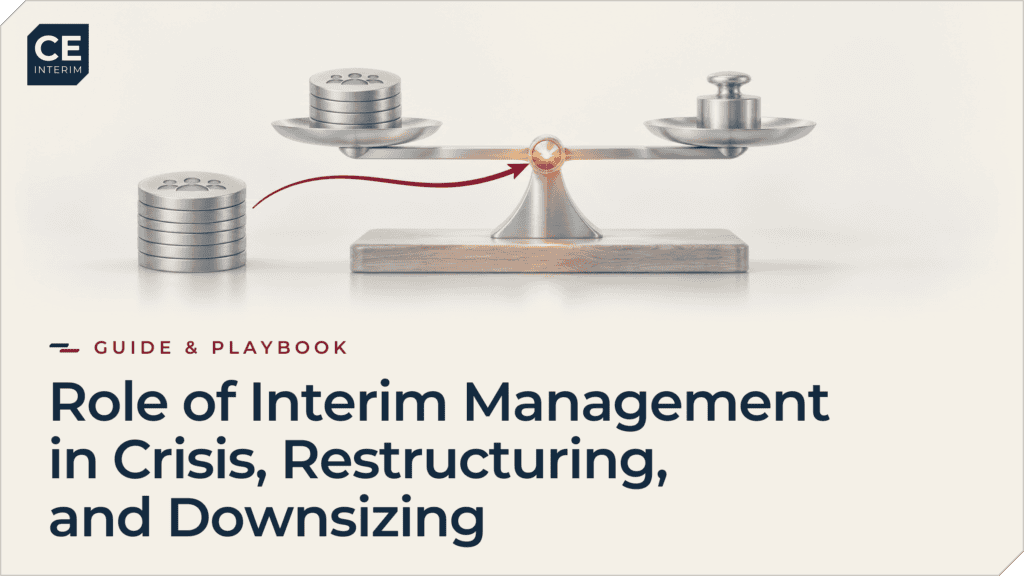
Rolą zarządzania tymczasowego jest zapewnienie firmom eksperckiego, tymczasowego przywództwa w celu radzenia sobie z kryzysami, restrukturyzacją lub redukcją zatrudnienia. Ci wykwalifikowani specjaliści oferują elastyczność, szybkość i wiedzę specjalistyczną w celu uzyskania natychmiastowych wyników i ograniczenia ryzyka w krytycznych okresach.
 EN
 DE
 FR
 IT
 PL
 RO
 CS
 SK
 HU
 ES
 RU
 AR
 SL