
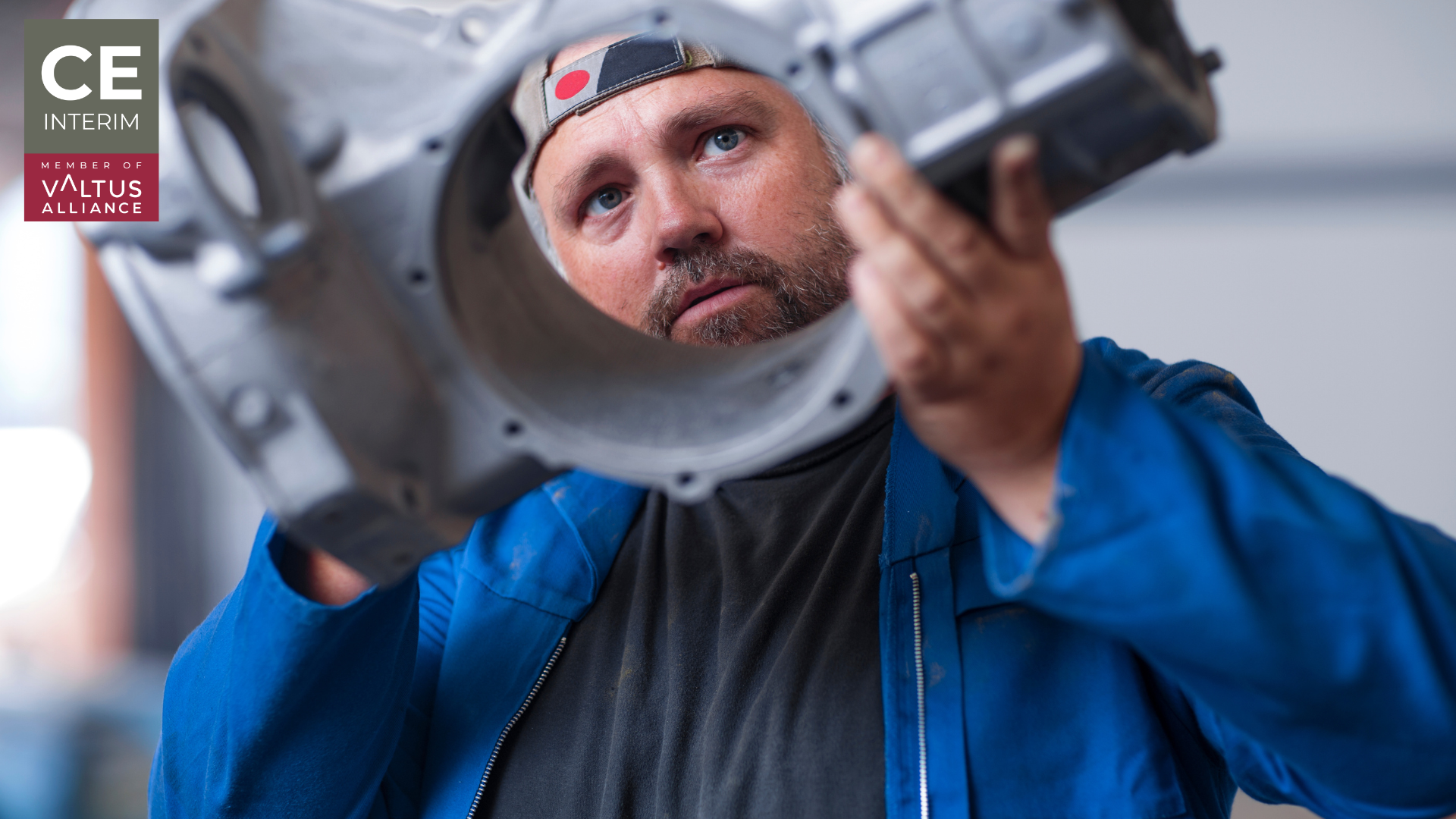
Regionalny dyrektor zarządzający w Dubaju zatwierdza ofertę na remont. Następnie czeka jedenaście dni na część sprowadzaną z Niemiec. Klient dokonał zakupu kierując się ceną i relacjami, a teraz ocenia realizację zamówienia na podstawie terminu, w którym sprzęt znów zacznie działać. Ta rozbieżność odzwierciedla obecną sytuację wielu niemieckich firm w Zjednoczonych Emiratach Arabskich. Mają one ugruntowaną pozycję rynkową, ale słabą organizację operacyjną i ponoszą odpowiedzialność za obietnice, których lokalny oddział nigdy nie podjął.
Kierunek polityczny zmienia się szybciej niż większość lokalnych modeli działania. CNBC podało tę informację 11 września 2026 r. że Zjednoczone Emiraty Arabskie planują zainwestować 40 mld EUR w Niemczech na mocy wspólnej deklaracji z dnia 10 września 2026 r. W kwietniu 2025 r. serwis „Gulf Today” podał, że Przedstawiciele Zjednoczonych Emiratów Arabskich podali, że na projekty w całych Niemczech przeznaczono ponad 1,2 mld USD. Liczby te odzwierciedlają ogłoszone zamiary z różnych okresów, a nie jedną bieżącą sumę. Niemniej jednak wpływają one na to, czego klienci oczekują od niemieckiego podmiotu na lokalnym rynku.
Formy lokalnej obecności niemieckich przedsiębiorstw w Zjednoczonych Emiratach Arabskich, w ramach których faktycznie prowadzą one działalność
Działalność w Zjednoczonych Emiratach Arabskich przybiera co najmniej pięć form. Każda z nich charakteryzuje się własną strukturą kosztów, ramami regulacyjnymi oraz ograniczeniami dotyczącymi wzrostu. Traktowanie ich jako jednego rodzaju spółki zależnej prowadzi do błędów w planowaniu.
- Przedstawicielstwo lub biuro sprzedaży, które nie posiada zapasów magazynowych i nie ma obowiązku realizacji dostaw na miejscu.
- Regionalne centrum dystrybucyjne, które przechowuje zapasy i realizuje wysyłki na terenie Zatoki Perskiej.
- Centrum techniczne i szkoleniowe zapewniające wsparcie klientom, które nie ponosi odpowiedzialności za naprawy.
- Własny serwis, który przyjmuje sprzęt, naprawia go i zwraca zgodnie z certyfikatem.
- Lokalny zakład montażowy lub produkcyjny obsługujący region.
Różnica między pierwszym a piątym etapem nie polega na skali. Każdy kolejny krok wiąże się z przeniesieniem obowiązków z Niemiec do regionu Zatoki Perskiej. Obowiązki te dotyczą zapasów, certyfikacji, odpowiedzialności za naprawy, liczby pracowników oraz uprawnień do ustalania terminów. Spółka zależna może przez lata zwiększać przychody bez dokonywania takiego przeniesienia. Ograniczenie to ujawnia się wówczas raczej jako niedociągnięcie w zakresie usług niż jako problem natury komercyjnej.
Co już widać na podstawie tych podwójnych struktur
Phoenix Contact W 2008 roku otworzyła regionalną siedzibę główną i centrum dystrybucyjne w Dubaju (TECOM). Firma twierdzi, że była pierwszym producentem w swojej branży, który to uczynił. Ten podmiot działający w strefie wolnocłowej zajmuje się również naprawami i montażem o wartości dodanej. W 2012 roku grupa powiększyła się o spółkę Phoenix Contact Electrical Equipment Trading LLC w Abu Dhabi Industrial City (Phoenix Contact Bliski Wschód). Prowadzenie dwóch podmiotów w jednym kraju nie stanowi powielania działalności, ponieważ działalność centrum w strefie wolnocłowej i obsługa klientów na kontynencie to odrębne rodzaje działalności.
Tam, gdzie kończy się drabina
Lufthansa Technik AG jest wyłącznym właścicielem firmy Lufthansa Technik Middle East, którą uruchomiła w 2017 roku. Zakład w Dubai South zajmuje się naprawą elementów związanych z płatowcem na podstawie zezwoleń wydanych przez GCAA, FAA i EASA. W lutym 2025 roku firma Diehl Aviation otworzyła zakład o powierzchni 1 100 metrów kwadratowych w strefie wolnocłowej lotniska w Dubaju. Posiada ona certyfikat EASA Part 21G na montaż, przeróbki oraz certyfikację na miejscu elementów kabiny we współpracy z firmą STS Aviation Services. (Runway Girl Network).
W listopadzie 2025 roku Grupa Diehl ogłosiła wsparcie dla programu modernizacji samolotów A380 linii Emirates, w ramach którego lokalna produkcja i montaż odbywają się w zakładzie w Dubaju. Firma Wilo zainaugurowała działalność swojej rozbudowanej fabryki w Dubaju w lutym 2025 r. i podwojenie mocy produkcyjnych w Zjednoczonych Emiratach Arabskich.
Od biura sprzedaży po działalność lokalną: co zmienia się jako pierwsze
Zmiana zaczyna się od obietnicy. Organizacja zajmująca się sprzedażą oferuje produkt po określonej cenie i z określonym terminem realizacji. Organizacja świadcząca usługi lub zajmująca się montażem oferuje termin, w którym sprzęt znów będzie działał. Termin ten zależy od dostępności części, wykwalifikowanego personelu oraz uprawnień do podejmowania decyzji na miejscu.
Najpierw wyczerpują się zapasy. Popyt na usługi ma charakter sporadyczny, w przeciwieństwie do popytu na dystrybucję. Przedsiębiorstwo musi zabezpieczyć zapasy na wypadek awarii, które jeszcze nie miały miejsca. Kapitał obrotowy trafia do Zatoki Perskiej przed osiągnięciem przychodów. Gromadzi się on w wolno obracających się pozycjach, których rachunek zysków i strat z dystrybucji nigdy nie musiał uwzględniać. Pierwszym symptomem jest wzrost zapasów i starzenie się należności, podczas gdy przychody wydają się być w dobrej kondycji.
Kolejnym czynnikiem, który ma kluczowe znaczenie, jest autorytet. Lokalny zespół musi podejmować decyzje dotyczące certyfikacji, gwarancji i napraw bezpośrednio w miejscu, gdzie znajduje się sprzęt. Lokalne zezwolenia mają zatem większe znaczenie niż powierzchnia magazynowa. Regionalne możliwości logistyczne na nowo definiują oczekiwania klientów.
11 czerwca 2025 r. Grupa DHL ogłosiła, że planuje zainwestować ponad 500 mln euro na Bliskim Wschodzie. Program ten potrwa do 2030 roku, a priorytetowo traktuje Zjednoczone Emiraty Arabskie i Arabię Saudyjską. W miarę jak transport towarów staje się coraz szybszy, proces uzyskiwania zezwoleń staje się najdłuższym etapem całego cyklu.
Pojemność usługowa, stan magazynowy i dostawy do klientów stanowią jeden system
Większość niemieckich firm w Zjednoczonych Emiratach Arabskich traktuje możliwości serwisowe, zapasy magazynowe i dostawy jako trzy odrębne obszary działalności. W ramach własnej jednostki serwisowej tworzą one jedną pętlę. Brakująca część powoduje przestój certyfikowanego technika. Przestój technika powoduje przesunięcie terminu realizacji. Niezrealizowany termin skutkuje wystawieniem noty kredytowej lub umową ramową, która po cichu nie zostanie przedłużona.
Opóźnienie w podejmowaniu decyzji jest ściśle powiązane z tym cyklem. Każda eskalacja, która trafia do Niemiec, kosztuje klienta jeden dzień, a on liczy go w godzinach. Klienci traktują tę jednostkę jak lokalny oddział, podczas gdy centrala zarządza nią jak działem eksportowym.
Analiza przygotowująca do kolejnego etapu rozwoju
Pięć pytań odróżnia podmiot gotowy do przejścia na kolejny poziom od takiego, który będzie pochłaniał kapitał bez zmiany wyników. Na pierwsze dwa łatwo odpowiedzieć, a ostatnie trzy rozstrzygają sprawę.
- Które zobowiązania podmiot ten przyjmuje we własnym imieniu, a które wymagają podpisu niemieckiego przedstawiciela?
- Jaka część przychodów pochodzi z pracy wykonywanej przez zespół w Zjednoczonych Emiratach Arabskich, a nie z usług zlecanych na zewnątrz?
- Jakie są lokalne zapasy, kto ustala ich poziom i w oparciu o jakie zobowiązanie?
- Jakie certyfikaty i licencje posiada lokalny podmiot we własnym imieniu?
- Kto jest w stanie potwierdzić termin dostawy lub termin wykonania poprawek późnym czwartkiem w Abu Zabi?
Jeśli odpowiedzi wskazują na Niemcy, podmiot ten działa jako biuro sprzedaży. Nie zmienia tego ani jego zezwolenie, ani liczba pracowników. Model ten jest zgodny z prawem i często przynosi zyski. Problem pojawia się wtedy, gdy klienci już dokonują u niego zakupów, traktując go jako coś innego.
Decyzja, którą zarząd ma teraz przed sobą
Zarząd ma trzy opcje, z których każda jest uzasadniona. Może sfinansować modernizację, sekwencjonowanie zapasów, certyfikację personelu, uzyskanie zezwoleń oraz delegowanie uprawnień. W ten sposób zdolność operacyjna zostanie osiągnięta przed pojawieniem się wynikających z niej zobowiązań. Może utrzymać obecny model i powierzyć zakres usług dystrybutorowi. Może również wycofać się z działalności lokalnej i powrócić do eksportu.
Pozycja środkowa to taka, która nie ma trwałości. W tej sytuacji podmiot składa obietnice, których nie jest w stanie dotrzymać, ponieważ brakuje mu zasobów, uprawnień i certyfikatów, a klienci dostrzegają tę lukę jeszcze przed centralą.
Przejście od biura sprzedaży do lokalnej działalności operacyjnej to jasno określony proces, który ma swój początek, etapy pośrednie i punkt końcowy. Firmy często wyznaczają na ten okres osobę z kadry kierowniczej. Po zakończeniu tego etapu przekazują prowadzenie działalności stałemu lokalnemu kierownictwu.
Firma CE Interim, należąca do Valtus Alliance, zajmuje się rekrutacją kadry kierowniczej na stanowiska tymczasowe w przedsiębiorstwach przemysłowych w regionie DACH, Europie Środkowej i krajach Zatoki Perskiej. Artykuł towarzyszący, Od niemieckiej centrali do zakładu w Zjednoczonych Emiratach Arabskich, analizuje, jakie kwestie centrala musi rozstrzygnąć przed rozpoczęciem operacji w Zatoce Perskiej. Nasza strona poświęcona doskonałość operacyjna dotyczy przywrócenia produkcji w istniejącej lokalizacji.
Dla niemieckich firm działających w Zjednoczonych Emiratach Arabskich nie chodzi o to, czy powinny tam być obecne. Chodzi o to, czy podmiot już tam działający jest w stanie dotrzymać obietnic, których obecnie oczekują klienci. Jeśli nie jest w stanie tego zrobić, zarząd finansuje modernizację, zawęża zakres działalności lub przekazuje zadanie partnerowi. Odkładanie decyzji na później samo w sobie jest decyzją, która wiąże się z kosztami.
 EN
EN  DE
DE  FR
FR  IT
IT  PL
PL  RO
RO  CS
CS  SK
SK  HU
HU  ES
ES  RU
RU  AR
AR  SL
SL